

 English
 中文简体
中文简体 Español
 عربى
عربى
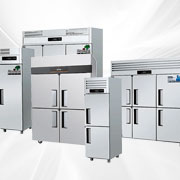
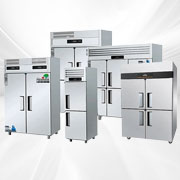
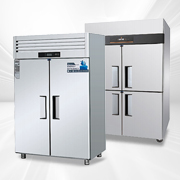
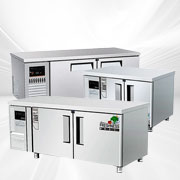
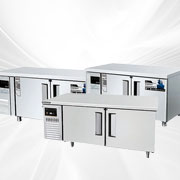
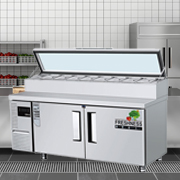
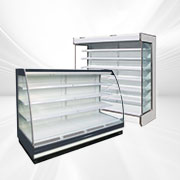
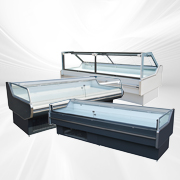
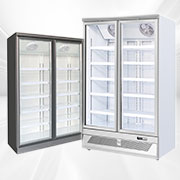


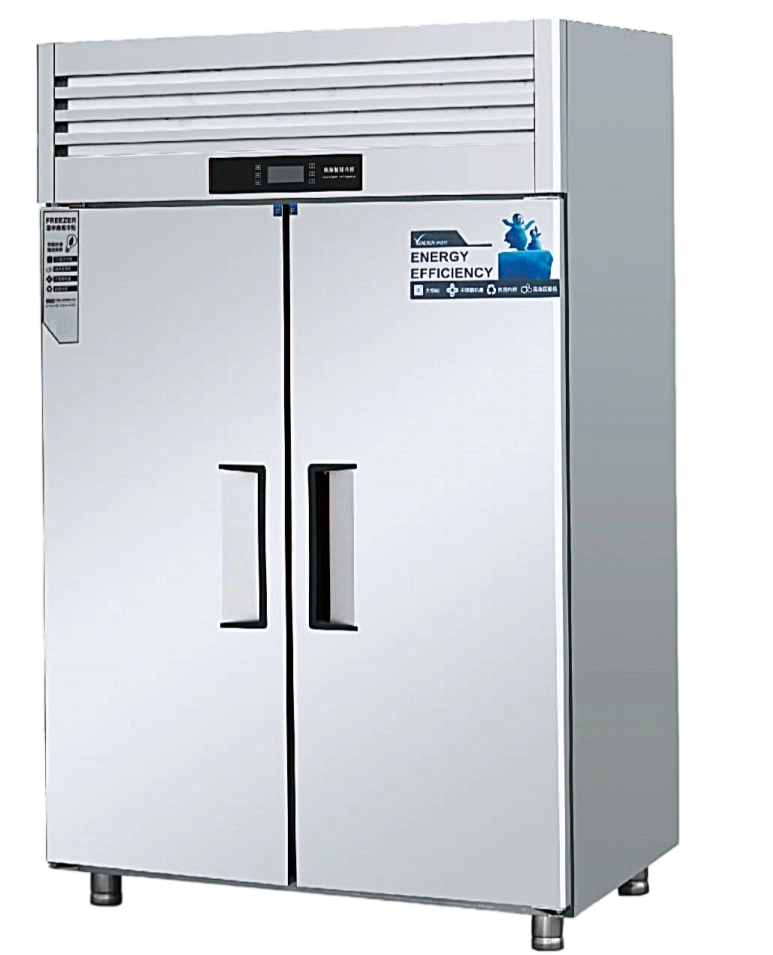
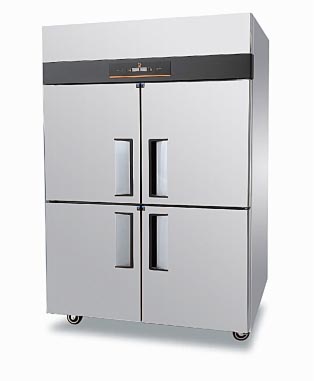
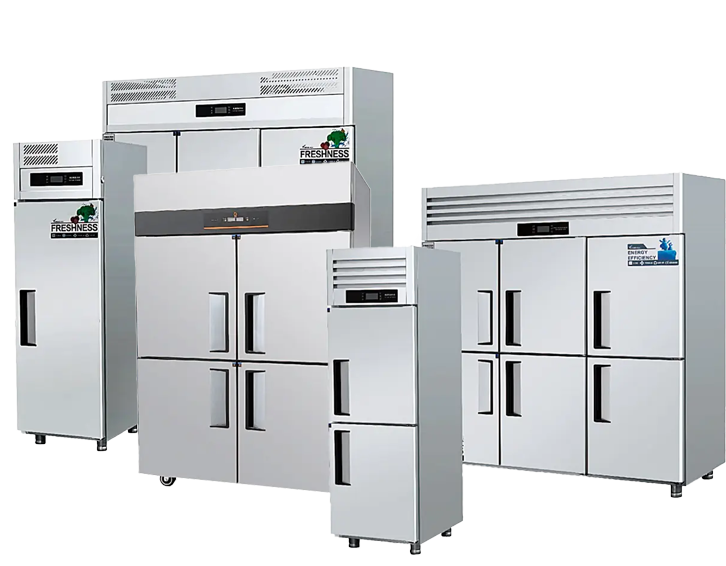
What "dual temperature" means for commercial refrigerators
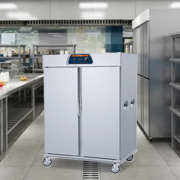
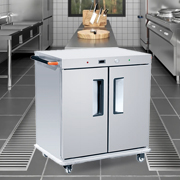
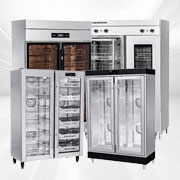
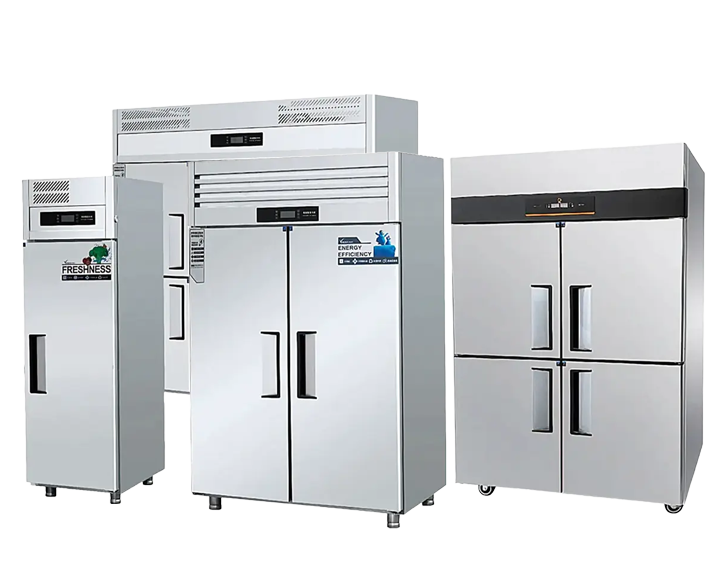
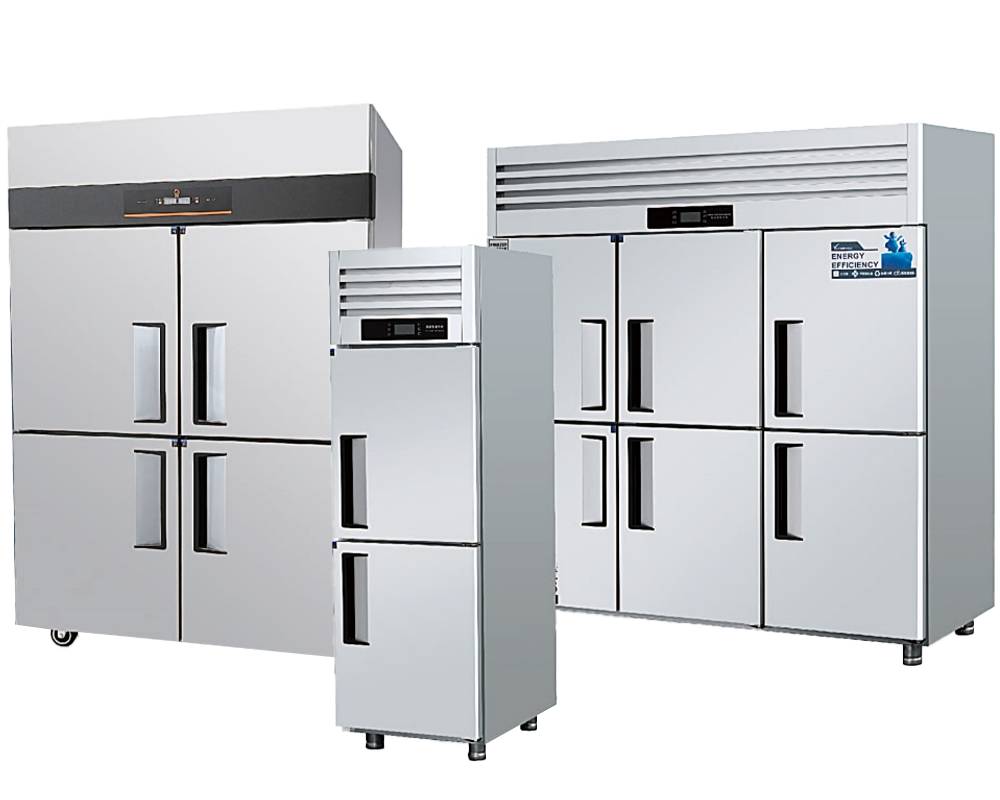
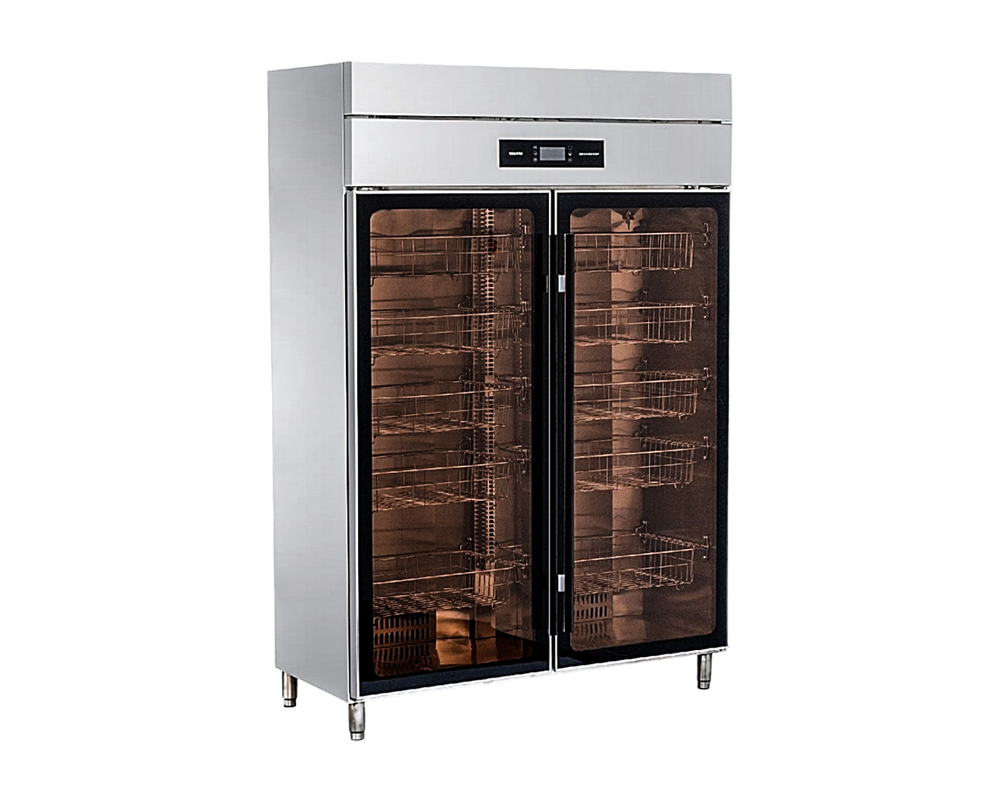
A commercial dual temperature refrigerator contains two independently controlled temperature zones in a single cabinet — typically one refrigerated compartment and one freezer compartment, or two refrigerator zones set to different temperature ranges. Dual-temperature units save floor space and centralize storage for operations that need both chilled and frozen products (for example: a deli that stores fresh produce and frozen pastry dough in one footprint).
Typical temperature ranges and control details
Common setpoints
Typical setpoints you will see in specifications:
- Refrigeration zone (perishable cold): ~34–40°F (1–4°C).
- Freezer zone (frozen storage): typically 0°F to -10°F (-18°C to -23°C) for long-term store; some units offer -10°F to -20°F for quicker freezing.
- Some commercial dual-temp cabinets use adjustable electronic thermostats that allow 1°F increments and independent alarms for each zone.
How to size a commercial dual temperature refrigerator for your business
Step-by-step sizing approach
Use this pragmatic process rather than relying on manufacturer marketing:
- Inventory audit: count what you store daily (types, pallet/box sizes, and peak inventory days).
- Volume estimate: measure the cubic feet of your typical stored items and multiply by peak-day quantity.
- Buffer: add 20–30% extra capacity to allow for seasonal spikes, new menu items, and service demands.
- Footprint check: confirm the physical dimensions fit the intended location, including clearance for door swing and ventilation.
Example: if your peak refrigerated stock requires ~12 cu ft and frozen stock requires ~8 cu ft, choose a dual-temp unit rated for at least 25 cu ft combined to maintain a safe buffer.
Key features to compare when buying
Focus on features that affect daily operations, energy use, and lifespan.
| Feature | Why it matters | What to check |
| Temperature control | Precision keeps food safe and reduces waste | Independent digital controls & alarms for each zone |
| Capacity & internal layout | Affects how inventory is organized and accessed | Adjustable shelving, number of shelves, clear internal height |
| Door type | Impact on energy loss and speed of service | Solid insulated doors for storage; glass doors for display — consider tradeoffs |
| Refrigerant & compressor | Serviceability, efficiency, regulatory compliance | Modern low-GWP refrigerant, reputable compressor brand, easy access to service panels |
| Energy rating | Operating cost over lifetime | Energy Star (if available), kWh/year on spec sheet |
| Drain/defrost system | Affects maintenance time and food safety | Automatic defrost preferred; check drain access for cleaning |
| Warranty & parts availability | Reduces downtime and unexpected costs | Compressor warranty length, on-site service options, local parts dealers |
Installation and site-prep checklist
Prepare the site before delivery to avoid delays and ensure safe, efficient operation.
- Space and clearances: allow manufacturer-recommended clearance for airflow (usually 2–6" at sides/rear and taller clearance above if specified).
- Floor strength and level: commercial units are heavy. Ensure a level, load-bearing floor and use a spirit level when installing.
- Electrical supply: confirm circuit amperage and voltage on the unit's nameplate — small units often run on standard 115V, but larger commercial compressors may require 208–240V single- or three-phase. Have a licensed electrician verify breaker size and outlet type.
- Ventilation: avoid tight cabinets or enclosed rooms unless the unit is designed for it — many compressors need open airflow to prevent overheating.
- Drainage: provide a floor drain or condensate drain route if the unit requires one for defrost cycles.
Daily operating best practices
Loading and temperature management
Practical, repeatable habits maintain food safety and energy efficiency:
- Do not overload: leave space for air circulation between items and between the product and the evaporator.
- Store similar temperatures together: keep dairy and produce in the refrigerator zone; raw frozen goods in the freezer zone to avoid cross-contamination.
- Minimize door openings: train staff to stage items and open doors only when necessary; consider glass doors for quick visual checks in display units.
- Use trays and labeled bins: keep a first-in, first-out (FIFO) system to reduce spoilage and confusion.
Maintenance schedule (recommended)
A simple maintenance rhythm prevents unexpected failures and extends service life.
- Daily: wipe spills, check door gaskets for debris, confirm display/control setpoints and alarms.
- Weekly: inspect drain lines for clogs and empty drip pans if applicable.
- Quarterly (every 3 months): clean condenser coils (or more often in dusty/greasy kitchens), check refrigerant lines for visible damage.
- Biannually/Annually: have a certified technician inspect compressor performance, check refrigerant charge and electrical connections, and calibrate thermostats if necessary.
Troubleshooting common issues
Unit runs but won't reach temperature
Check airflow (no blocked vents), confirm door seals, verify thermostat setpoint and alarm history, and inspect condenser coil cleanliness. If those are OK, schedule a service check for refrigerant charge or compressor problems.
Excessive frosting in freezer zone
Usually caused by frequent door openings, a failed door gasket, or a malfunctioning defrost cycle. Inspect sealing surfaces and defrost controls; confirm drain is clear.
Compliance, refrigerants and sustainability considerations
When buying, verify the refrigerant type (modern low-global-warming-potential refrigerants are preferred) and ask about energy consumption (kWh/year). Units that offer improved insulation, LED lighting, and efficient compressors lower long-term operating cost and may qualify for rebates or incentives in some jurisdictions.
Quick spec checklist to request from vendors
Give this checklist to sales reps to compare quotes apples-to-apples.
- Nominal capacity (cu ft) per compartment and total.
- Operating temperature range for each zone and control precision (°F/°C).
- Electrical requirements: voltage, phase, amp draw, and recommended breaker size.
- Compressor make/model and location of service panels.
- Refrigerant type and quantity (R-xxxxx).
- Energy usage (kWh/year) and any energy certifications.
- Warranty details (compressor, parts, labor).
- Lead time, delivery, and on-site install costs.
Final buying tips and negotiation points
When negotiating, focus on total cost of ownership: ask suppliers for projected annual energy cost based on local electricity rates; request extended warranties for the compressor; and confirm availability of replacement parts locally. If you are replacing an older unit, document current inventory dimensions and share photos with vendors so they can recommend models that minimize workflow disruption.


 Add.
Add.
 Tel.
Tel.
 Email.