 English
 中文简体
中文简体 Español
 عربى
عربى
-
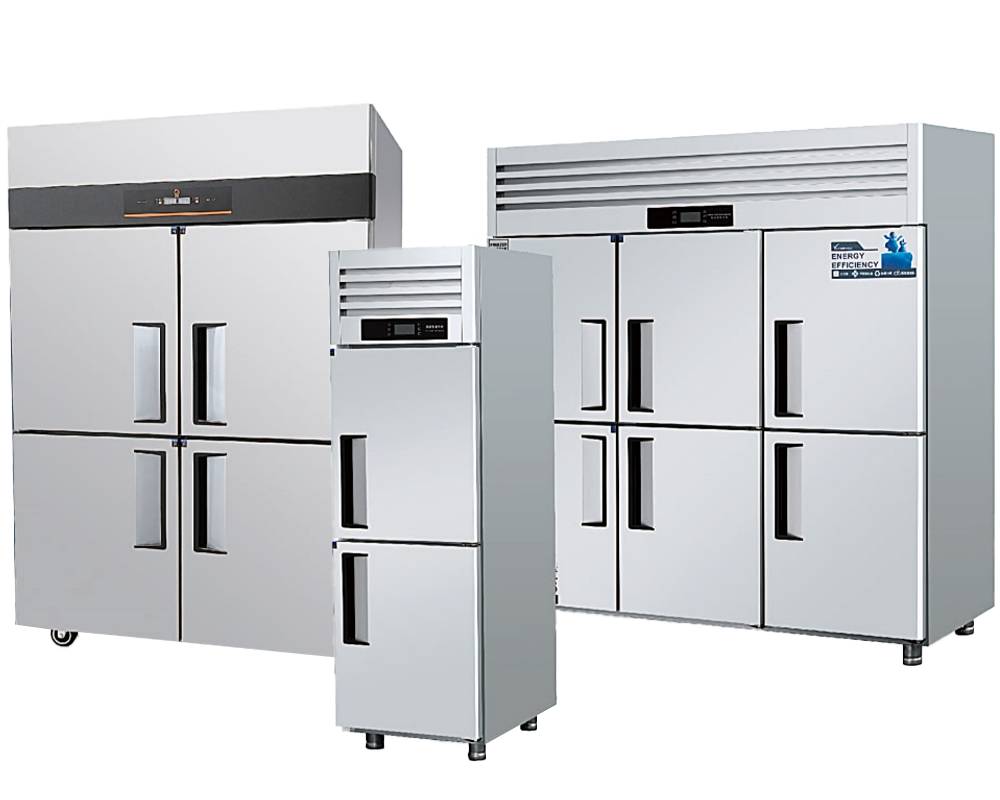 Commercial Vertical Direct-cool Stainless Steel Reach-in Refrigerator
-
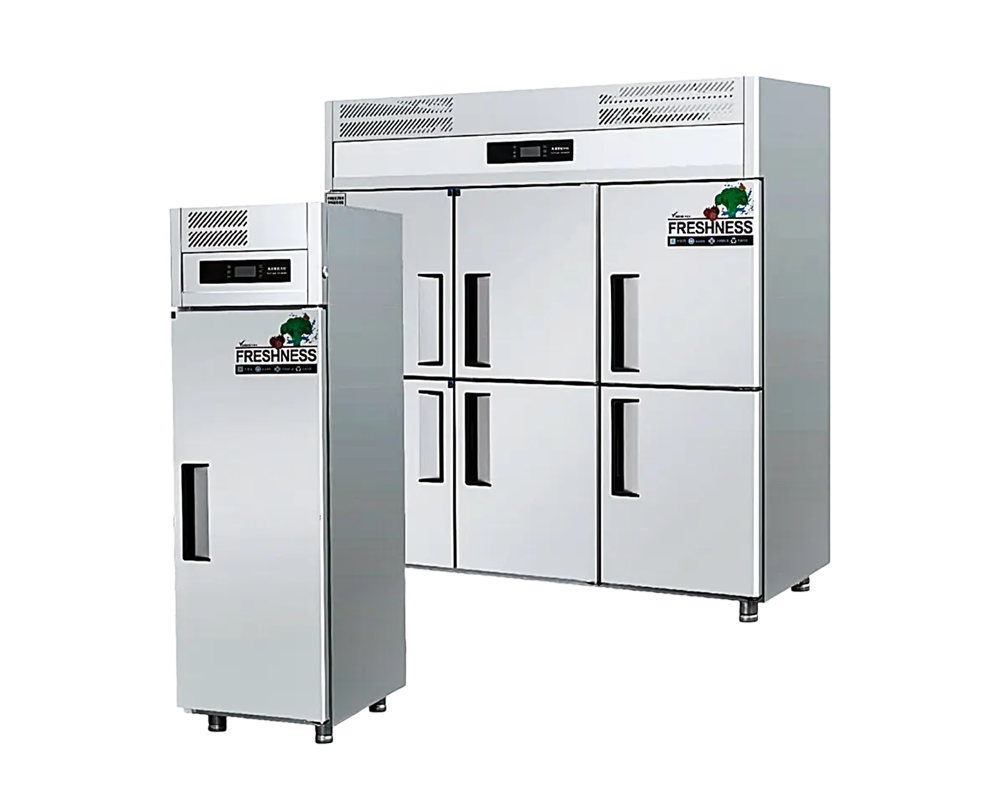 Commercial 201SUS Upright Air Cooling Reach-in Refrigerators
-
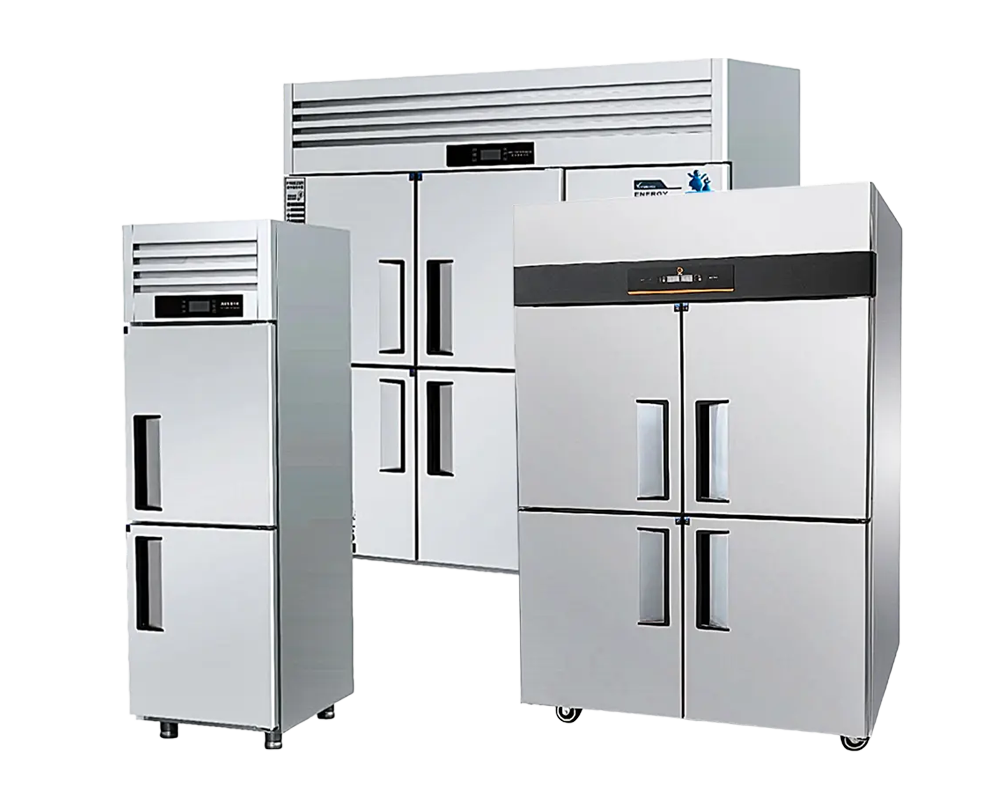 Commercial Direct-Cool Upright Reach-in Freezers
-
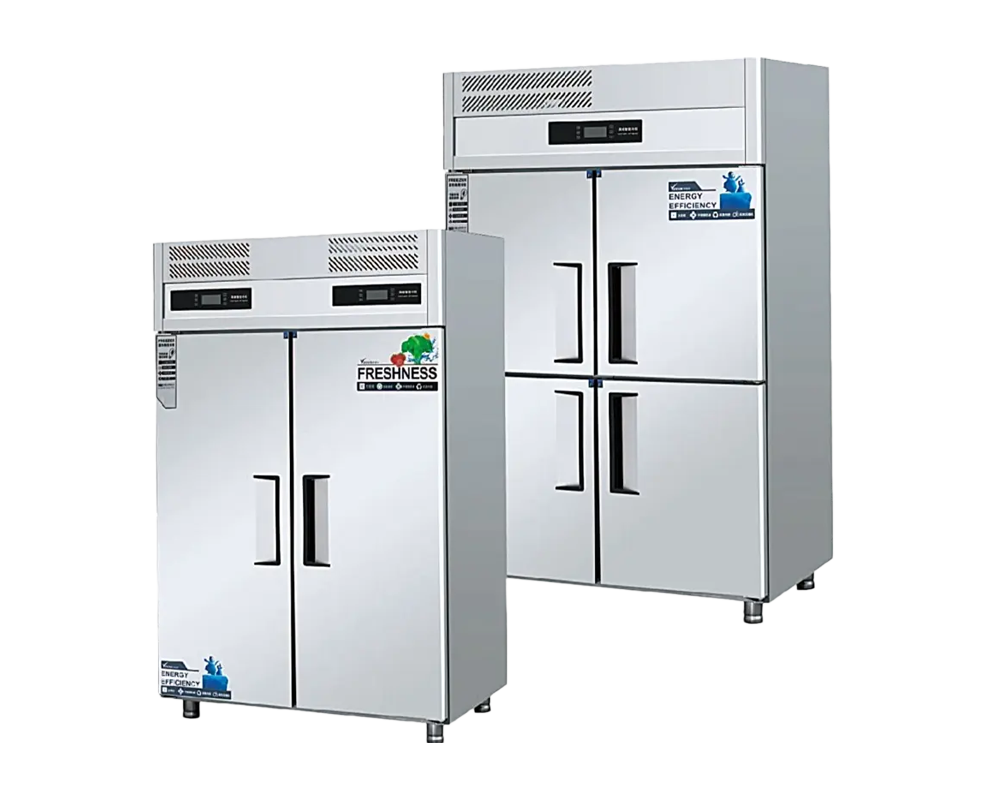 Commercial Stainless Steel Air Cooled Reach-in Vertical Freezers
-
 Dual Temperature Control Direct Cooling Commercial Upright Reach-in Refrigerators
-
 Commercial Vertical Air Cooled Intelligent Reach-in Freezer and Refrigerator
-
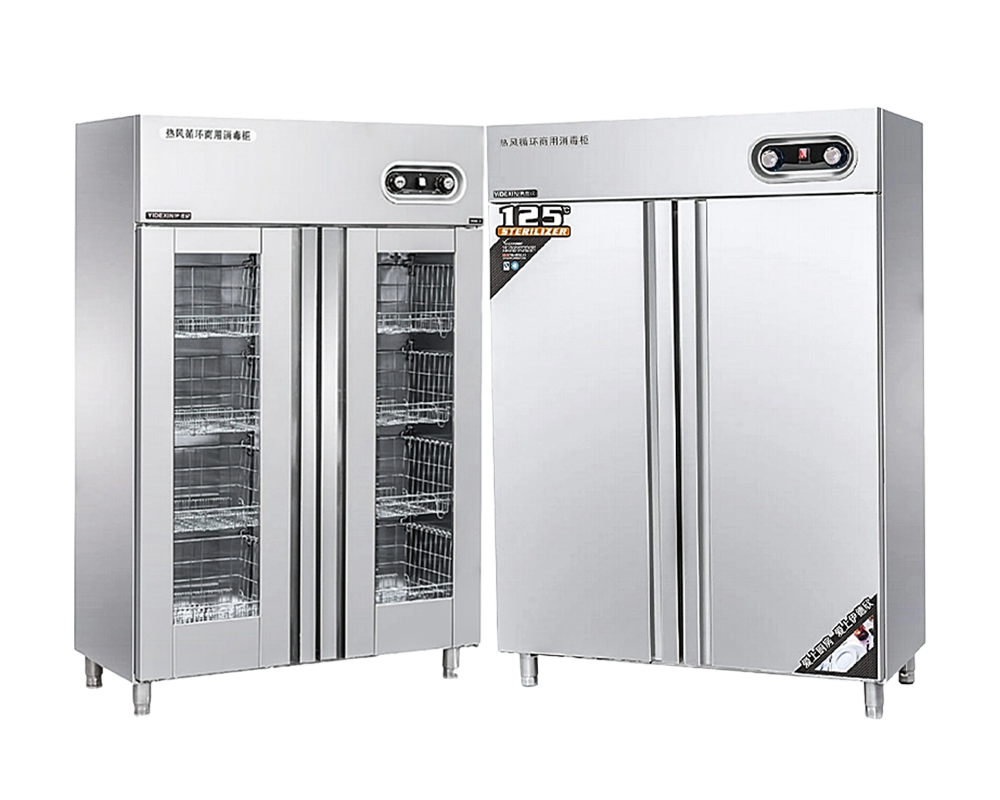 Stainless Steel/Glass Flat Door Sterilization Cabinet
-
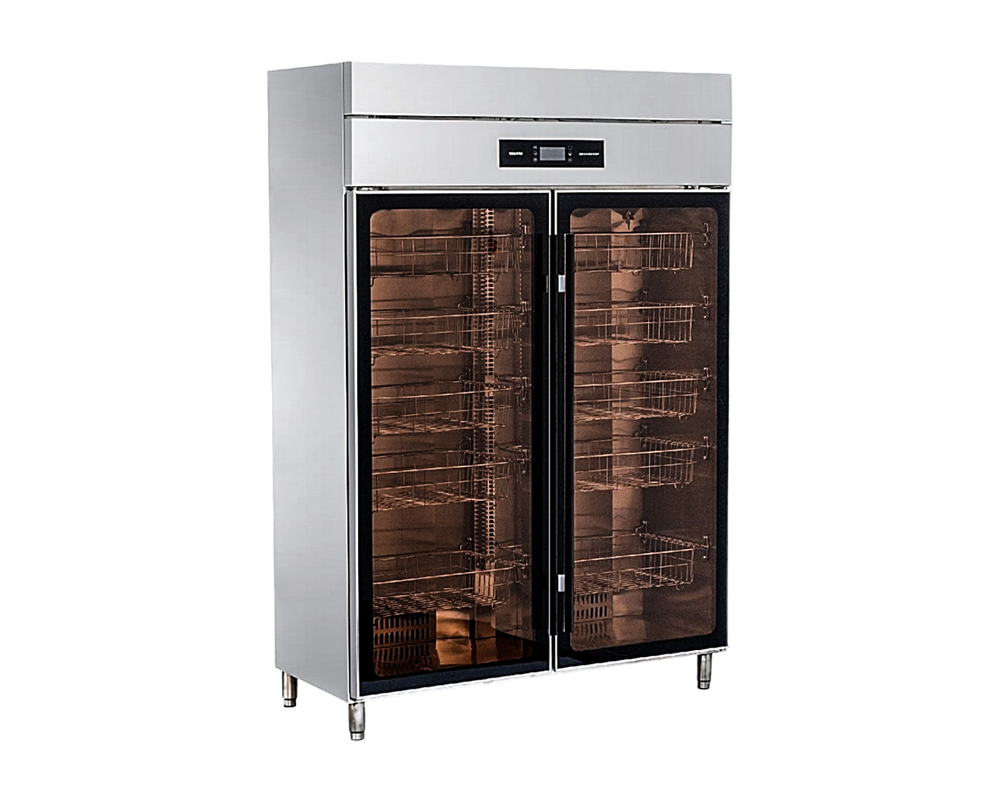 Multifunctional Three-mode High Temperature Glass Door Disinfection Cabinet
-
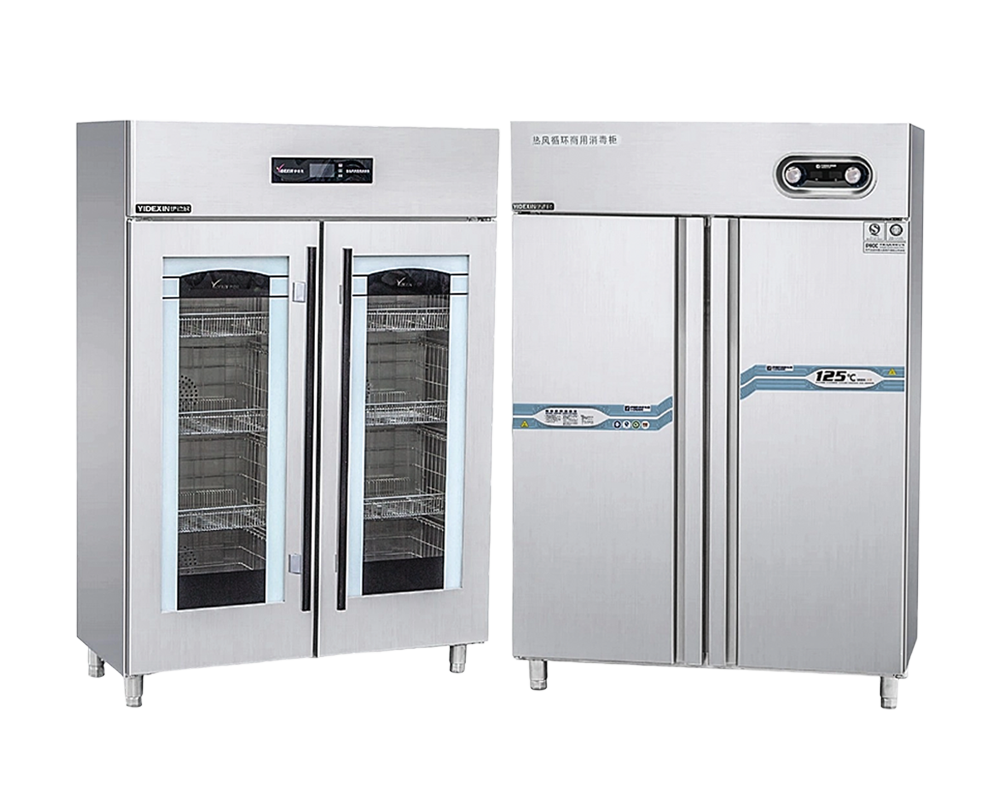 Commercial Restaurant Anti-Fingerprint Stainless Steel Disinfection Cabinet
-
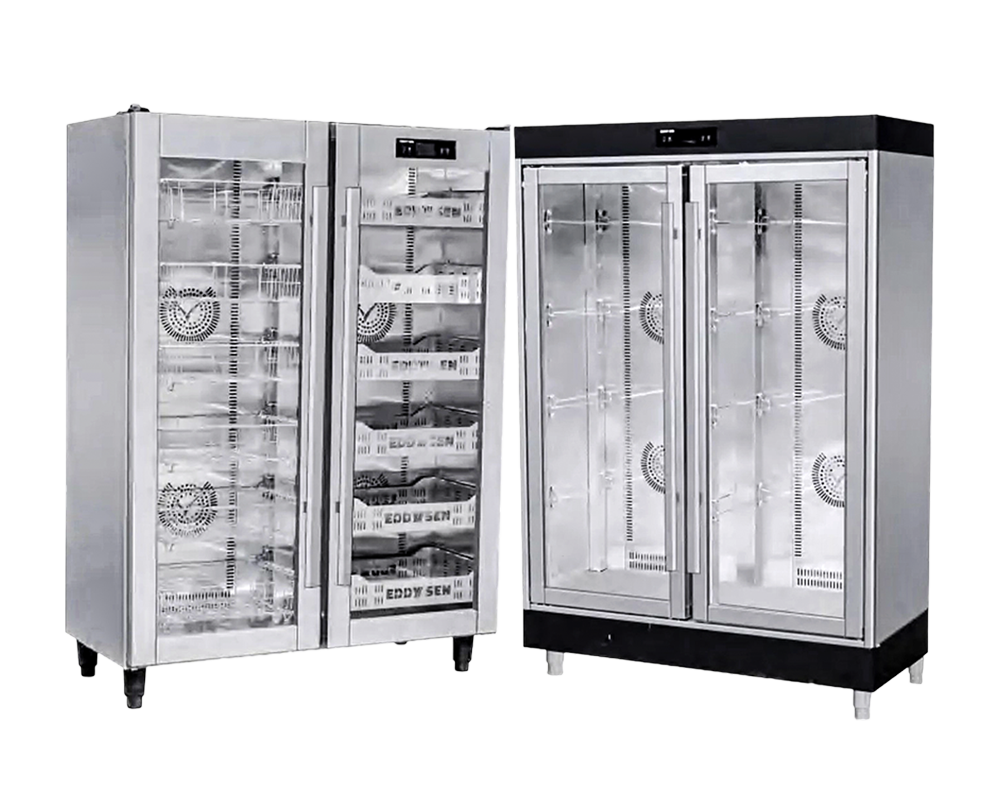 Intelligent Light Wave Stainless Steel UV Disinfection Cabinet
-
 [email protected] / [email protected]
-
 +86-15066977778 / +86-19012777577

-
 Reach-in Refrigerators
-
 Reach-in Freezers
-
 Dual Temperature Refrigerators
-
 Worktop Refrigerators
-
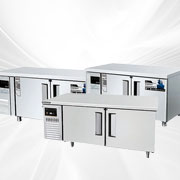 Worktop Freezers
-
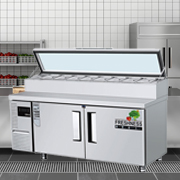 Salad Bar Refrigerators
-
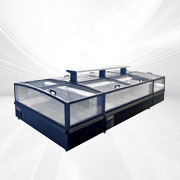 Combined Island Display Refrigerators
-
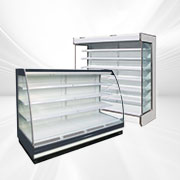 Air Curtain Refrigerators
-
 Fresh Cabinets
-
 Display Refrigerators(Glass Door)
-
 Electric Rice Steamer Cabinets
-
 Gas Rice Steamer Cabinets
-
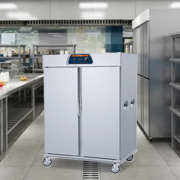 Vertical Banquet Cabinets
-
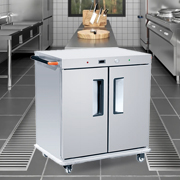 Horizontal Banquet Cabinets
-
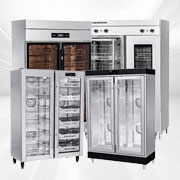 Heated Disinfection Cabinets
Home / News / Industry information / The Ultimate Restaurant Kitchen Supply List: 50+ Essentials for Every Kitchen Type
The Ultimate Restaurant Kitchen Supply List: 50+ Essentials for Every Kitchen Type
Content
- 1 Cooking Equipment: The Heart of Your Kitchen
- 2 Refrigeration & Freezing: Keeping Ingredients Fresh
- 3 Food Prep & Smallwares: The Unsung Heroes
- 4 Holding, Warming & Serving Equipment
- 5 Warewashing & Sanitation: Compliance & Efficiency
- 6 Storage & Organization: Maximizing Space
- 7 How to Create Your Customized Supply List
Cooking Equipment: The Heart of Your Kitchen
Your menu dictates your cooking equipment, not the other way around. A grill-heavy steakhouse needs a powerful charbroiler, while a dim-sum kitchen depends on a multi-tier gas steamer. Start by listing every cooking method your menu requires — grilling, frying, steaming, roasting, boiling — then choose appliances that can handle peak demand without crowding your line.
Energy source is the first major decision. Gas burners deliver instant, visible heat and remain the preferred choice for wok cooking and high-output saute stations. Electric and induction cooktops offer precise temperature control and a cooler kitchen environment, reducing HVAC load in compact spaces. The table below compares the three main cooktop types across the factors that hit your operating budget hardest.
| Cooktop Type | Install Cost | Hourly Operating Cost | Heat-Up Speed | Best Cuisine Fit |
|---|---|---|---|---|
| Gas | $2,000–$4,000 | $1.20–$2.00 | Immediate | Chinese, Italian, diner |
| Electric (Coil) | $1,500–$3,000 | $0.90–$1.50 | 3–5 minutes | American, bakery |
| Induction | $3,000–$6,000 | $0.70–$1.10 | Under 90 seconds | Fine dining, buffet |
Fryers and combi ovens are the two highest-ROI additions in this category. A single 50-lb capacity floor fryer can output 60–70 lb of food per hour, while a combi oven replaces a steamer, convection oven, and holding cabinet in one footprint. For rice-centric kitchens, a dedicated gas rice steamer cabinet can produce 50–100 servings of rice per hour, eliminating batch-cooking bottlenecks. At minimum, your cooking block should include at least one range, one oven, one fryer, and one griddle or charbroiler, then expand based on expected covers per service.
Refrigeration & Freezing: Keeping Ingredients Fresh
A poorly planned cold chain wastes more money than any broken appliance. The first split is simple: decide what you'll refrigerate versus freeze, and whether those zones should share a unit or stay separate. Reach-in refrigerators and freezers form the backbone of most kitchens, but they eat floor space fast. A standard 48-inch wide, two-door reach-in holds roughly 40–50 cubic feet — enough for a 60-seat restaurant's daily produce and dairy, but not for bulk proteins.
Worktop refrigeration lets you stage ingredients directly under your prep surface, shrinking the distance between cold storage and cooking. An undercounter unit saves steps but limits cooling technology choices. Direct-cool models are silent, cheaper upfront, and ideal for enclosed freezers where occasional manual defrosting is acceptable. Air-cooling systems circulate cold air evenly, prevent frost buildup on pans, and work best in humid environments or frequent-access scenarios like a salad prep station.
| Cooling Type | Temp Stability | Defrost Requirement | Typical Energy Cost/Month | Best Use |
|---|---|---|---|---|
| Direct Cool | Fluctuates up to 8°F | Manual, every 2–4 weeks | $40–$60 | Long-term frozen storage |
| Air Cooling | Stays within 3°F of set point | Automatic | $55–$85 | Prep station, busy cookline |
Consider pairing a worktop refrigerator with a separate reach-in freezer. This setup lets you keep frequently used ingredients at your fingertips while preserving bulk inventory in a colder, less accessed unit. Always verify compressor placement — top-mount compressors resist dust and grease better in tight kitchens, extending service intervals by roughly 40%.
Food Prep & Smallwares: The Unsung Heroes
Prep speed directly determines how many covers a kitchen can handle during the rush. A commercial food processor, heavy-duty blender, and a sharp slicer are the three prep anchors. A 14-inch manual slicer processes 10 lb of deli meat in under three minutes, while a 3.5-quart food processor can chop 8 lb of onions in the same window.
Beyond machinery, the real bottleneck is the small tools. Running out of sanitized tasting spoons or clean tongs mid-service forces cooks into unsafe workarounds. The table below gives minimum smallware counts based on average daily cover volumes, assuming a single-shift, single-kitchen operation.
| Item | 50 Covers | 100 Covers | 200 Covers |
|---|---|---|---|
| Chef's knives (8–10 inch) | 4 | 8 | 14 |
| Paring knives | 4 | 8 | 12 |
| Cutting boards (color-coded) | 6 | 10 | 16 |
| Tongs (9-inch and 12-inch) | 6 | 12 | 20 |
| Tasting spoons | 12 | 24 | 40 |
| Stock pots (12 qt and 20 qt) | 3 | 5 | 8 |
| Sauce pans (2 qt and 4 qt) | 4 | 8 | 12 |
Color-coded boards prevent cross-contamination and satisfy health inspectors: red for raw meat, blue for seafood, green for produce, white for dairy and bread. Budget $800–$1,200 for a full set of NSF-certified smallwares if starting from zero; replacing worn tools annually costs roughly 30% of that figure.
Holding, Warming & Serving Equipment
Cooked food loses temperature fast. A burger patty drops from 165°F to 125°F in under four minutes at room temperature. Holding equipment bridges the gap between the final cook and the moment a plate lands on the table. The choice between horizontal and vertical heated cabinets boils down to kitchen height and throughput.
Horizontal banquet cabinets fit under standard counters and hold full-size hotel pans flat, ideal for plated service and buffet lines. Vertical cabinets like commercial heated banquet cabinets can store 30–60 covered plates in a footprint no wider than a doorway, making them irreplaceable for high-volume catering.
| Form Factor | Pan Capacity | Temperature Range | Mobility |
|---|---|---|---|
| Horizontal | 12–24 full-size pans | 90°F–200°F | Often mobile with casters |
| Vertical | 30–60 covered plates | 100°F–185°F | Typically stationary |
Beyond cabinets, add heat lamps for pass-through windows and a heated shelf for expo stations. The total holding equipment budget for a 100-seat restaurant averages $3,000–$5,500, with the larger spend going to the cabinets that match your service style.
Warewashing & Sanitation: Compliance & Efficiency
Health departments rarely fail a restaurant for a dirty oven; they fail it for a clogged sink and missing sanitizer test strips. A three-compartment sink is the legal minimum everywhere in North America: wash, rinse, sanitize. However, any kitchen serving more than 60 covers an hour should invest in a high-temperature commercial dishwasher. A door-type machine pushes through 40–60 racks per hour and meets NSF/ANSI 3 standards if the rinse water hits 180°F.
Disinfection cabinets add a second layer of safety. High-temperature models use 250°F+ dry heat to kill pathogens on knives, utensils, and cutting boards without chemicals. UV-based cabinets are gentler on plastics but require 15–20 minutes of exposure, slowing turnaround. In humidity-prone regions, a heated disinfection cabinet also prevents mold on stored tools — a detail most equipment lists ignore.
Stock the cleaning station with these items as a core inventory: a deck brush, 15-inch squeegee, NSF-listed sanitizer pail, chlorine test strips, probe wipes, and at least three types of gloves (one for raw proteins, one for ready-to-eat handling, one heavy-duty for dishwashing). Replace sanitizer solutions every two hours during service. A maintenance log posted above the sink is the cheapest compliance tool you'll ever own.
Storage & Organization: Maximizing Space
Kitchens under 300 square feet lose 15–20% of their usable space to poor storage layout. Dry storage must be at least 10% of your total kitchen area; a 200 sq ft kitchen therefore needs a minimum 20 sq ft shelf row. Use chrome wire shelving rated for 600 lb per shelf to avoid sagging, and label every bin with the ingredient name and date received.
Cold storage capacity follows a different return-on-space ratio. Commercial refrigerators work best when loaded to 60–70% capacity — any denser and airflow chokes, raising internal temperature by 4–6 degrees. Calculate your required cubic feet with this simple formula: (weekly protein pounds ÷ 2) + (weekly produce pounds ÷ 3). For a kitchen going through 200 lb of protein and 300 lb of produce weekly, you need roughly 200 cubic feet of refrigeration, split across reach-in and worktop units.
Stacking containers and ingredient bins ease rotation, but size matters. A 22-gallon bin holds 25 lb of flour or 35 lb of rice; a 12-gallon bin fits under most prep tables. Standardize on two container sizes to make shelf spacing uniform and cleaning simpler. Wall-mounted racks for sheet pans and cutting boards free up floor space and keep heavy items at waist height, cutting lifting injuries.
How to Create Your Customized Supply List
A one-size list fails the moment you open. Build your own inventory sheet around seven columns: equipment name, category, model/source, unit price, priority (must-have or upgrade), installation status (ordered/delivered/installed), and notes for voltage or gas line specs. Prioritize the must-haves that require utility rough-ins — ranges, fryers, steamers — first, because they dictate the plumbing and electrical layout.
Budgeting works best when you ring-fence five cost bands. Under $500 covers smallwares and utensils. $500–$2,000 buys prep equipment and undercounter refrigeration. $2,000–$5,000 gets you a solid reach-in refrigerator, steam cabinet, or a two-tank fryer. The $5,000–$12,000 band includes combi ovens and heavy-duty ranges. Above $12,000 sits specialized equipment like a walk-in cooler or a full heated disinfection cabinet for large-scale operations.
Validate every line item against three constraints: kitchen square footage, total electrical load, and ventilation capacity. A 120,000 BTU gas range needs a type I hood pulling at least 1,000 CFM per linear foot. Plugging a 6 kW electric steamer into a 110V line will trip the breaker — verify voltage before ordering. Finally, if sourcing internationally, confirm the manufacturer provides UL or ETL certification for North America; without it, local inspectors will reject the equipment regardless of its build quality.
| Column | Example Entry |
|---|---|
| Equipment Name | 4-burner gas range with convection oven |
| Category | Cooking |
| Model/Source | Eddysen GR-436 |
| Unit Price | $8,200 |
| Priority | Must-have |
| Installation Status | Ordered — awaiting rough-in |
| Notes | Requires 3/4-inch gas line, 120V/15A for oven ignition |

-
 Add.
Add.
Sales Center:Room 410, Floor T3-4, Zhonghai Development Building, No. 888, Kejiguan Street, Binjiang District, Hangzhou, Zhejiang,China
Factory Address:100 Meters South Of Zhongmao Village, Xingfu Town, Boxing County, Binzhou City, Shandong Province, P.R.China
Sales Center:Room 410, Building 15, Tianan Headquarters Center, 555 North Panyu Avenue, Donghuan Street, Panyu District, Guangzhou City, china
-
 Tel.
+86-15066977778+86-19012777577
Tel.
+86-15066977778+86-19012777577 -
 Email.
Quick Links
Product Fast Links
Mobile Terminal
Copyright @Hangzhou Eddysen Catering Equipment Co., Ltd.All rights reserved. Commercial Freezer Manufacturer