 English
 中文简体
中文简体 Español
 عربى
عربى
-
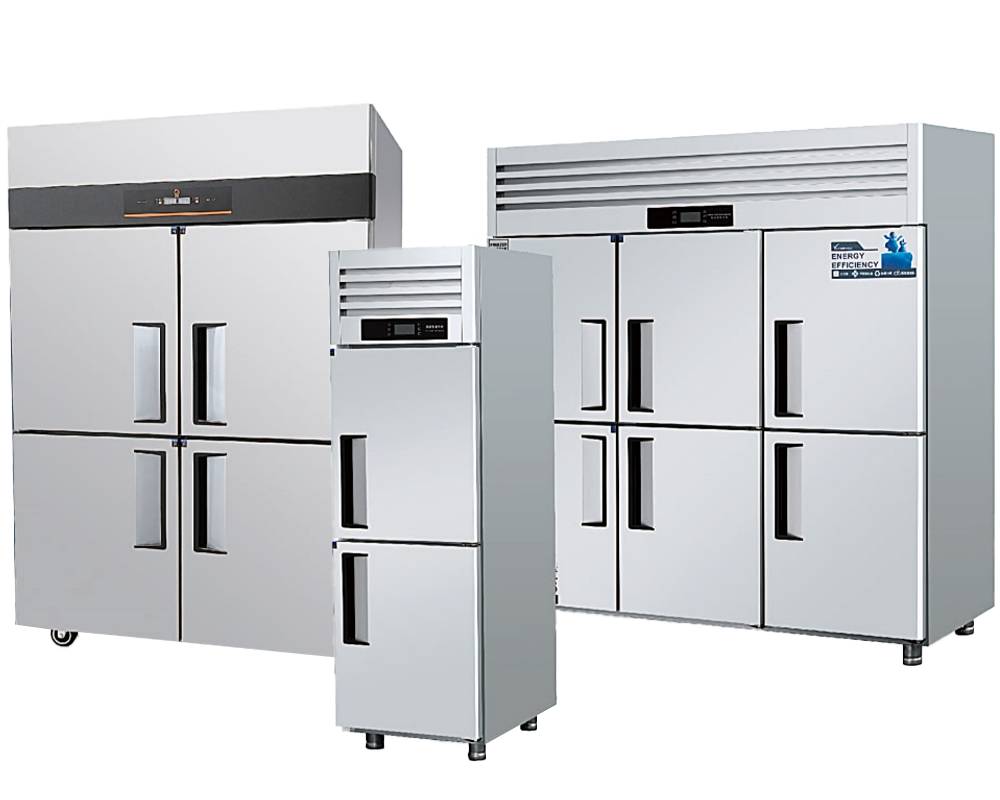 Commercial Vertical Direct-cool Stainless Steel Reach-in Refrigerator
-
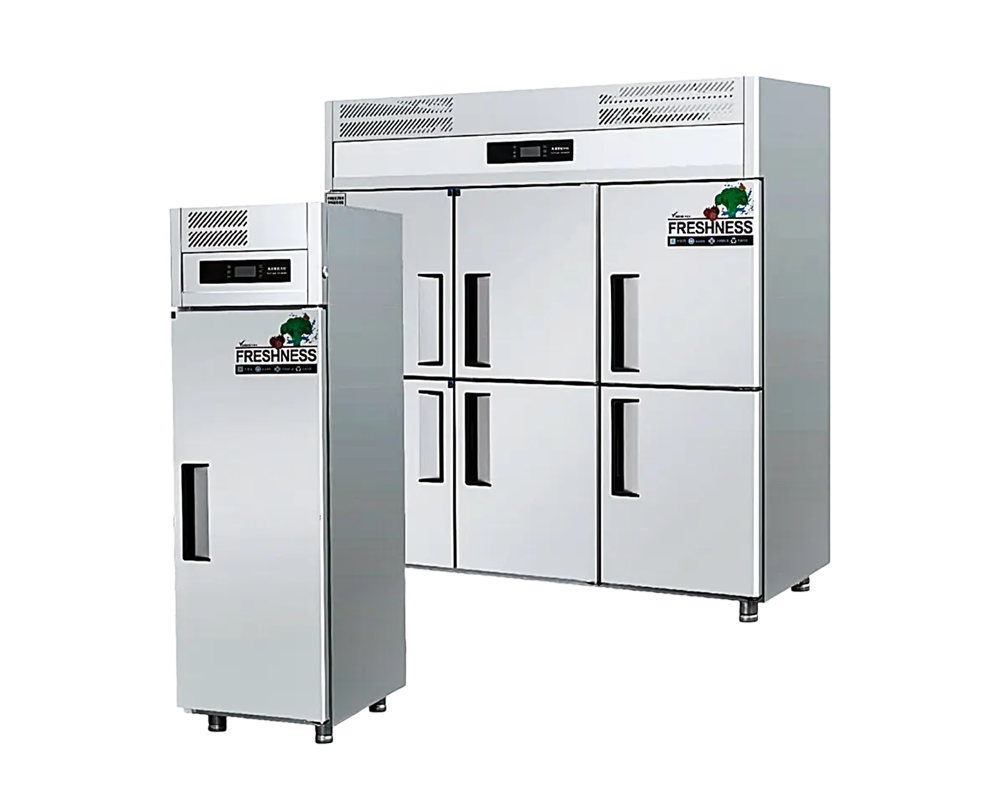 Commercial 201SUS Upright Air Cooling Reach-in Refrigerators
-
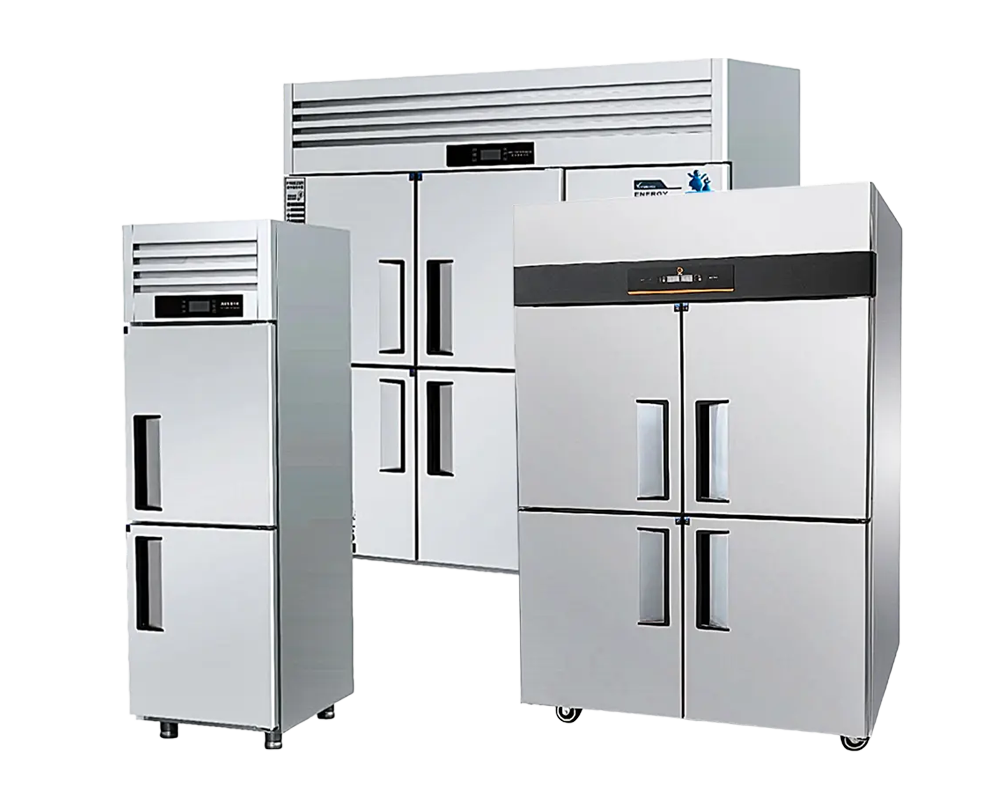 Commercial Direct-Cool Upright Reach-in Freezers
-
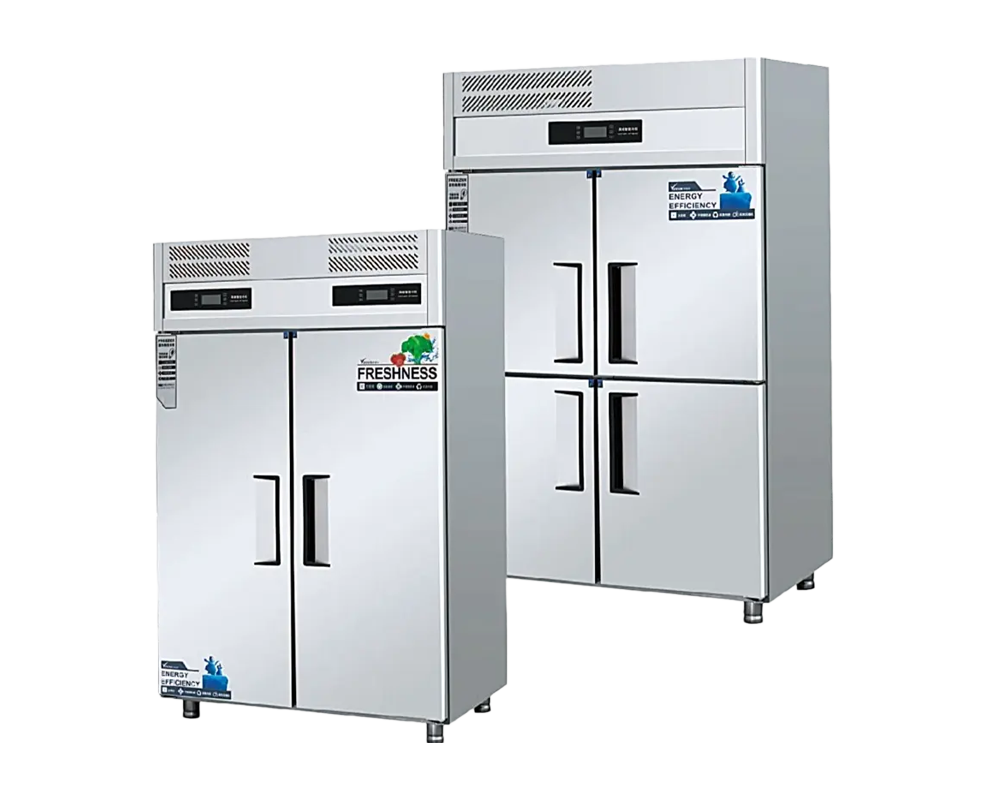 Commercial Stainless Steel Air Cooled Reach-in Vertical Freezers
-
 Dual Temperature Control Direct Cooling Commercial Upright Reach-in Refrigerators
-
 Commercial Vertical Air Cooled Intelligent Reach-in Freezer and Refrigerator
-
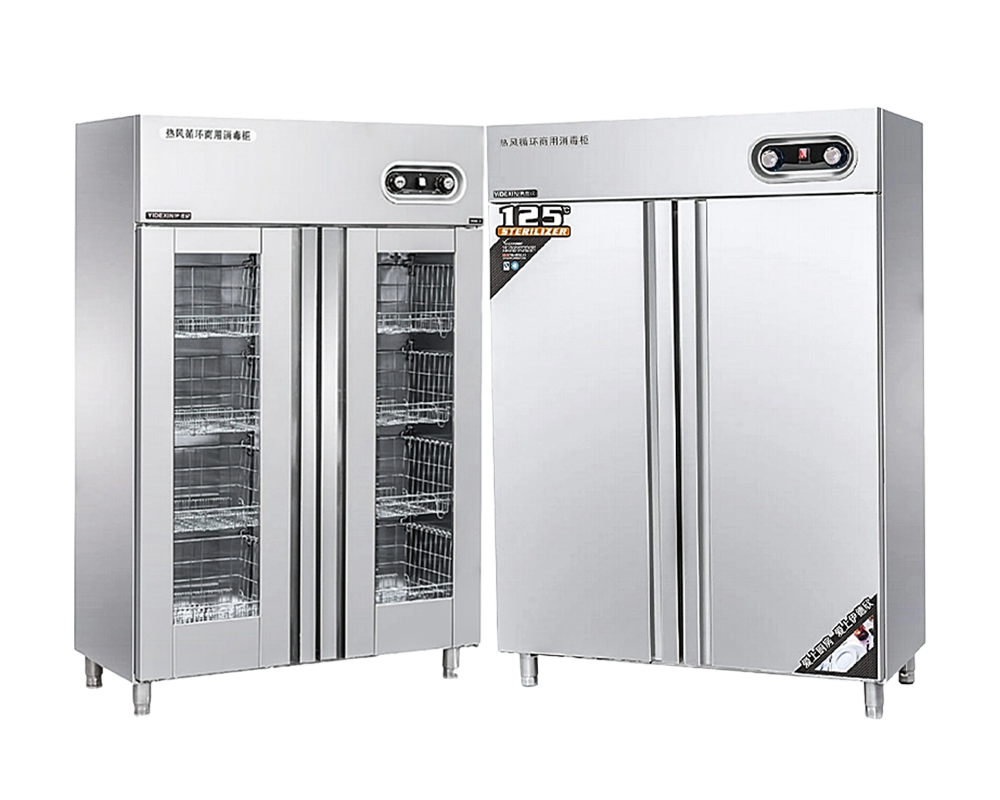 Stainless Steel/Glass Flat Door Sterilization Cabinet
-
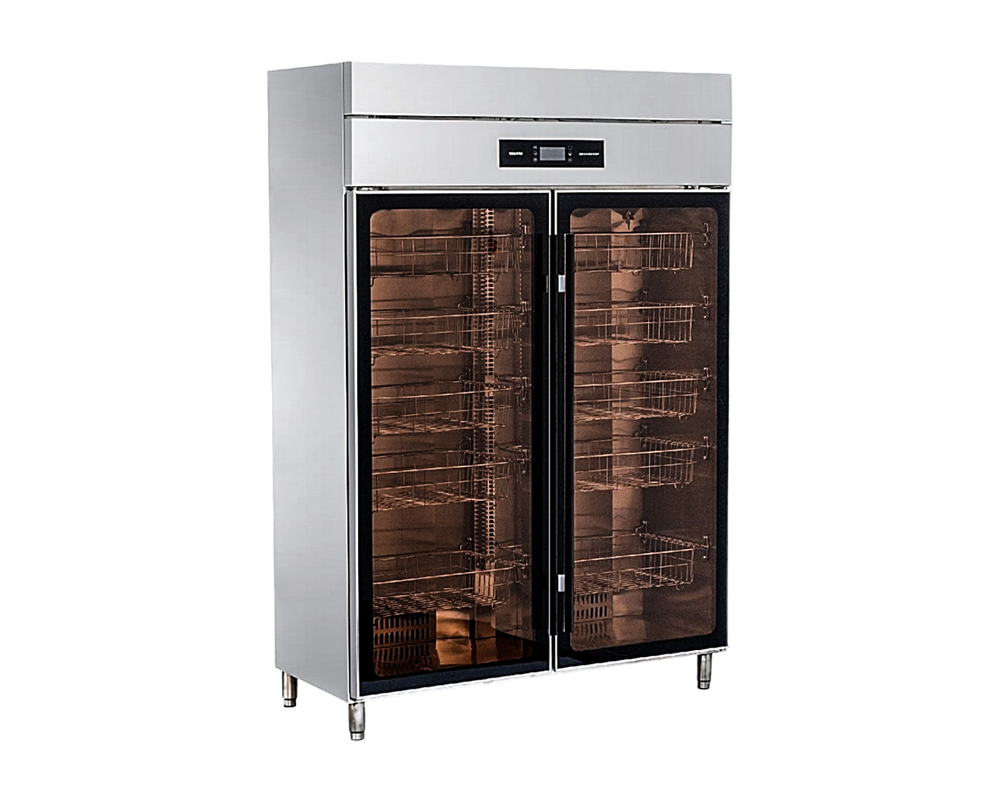 Multifunctional Three-mode High Temperature Glass Door Disinfection Cabinet
-
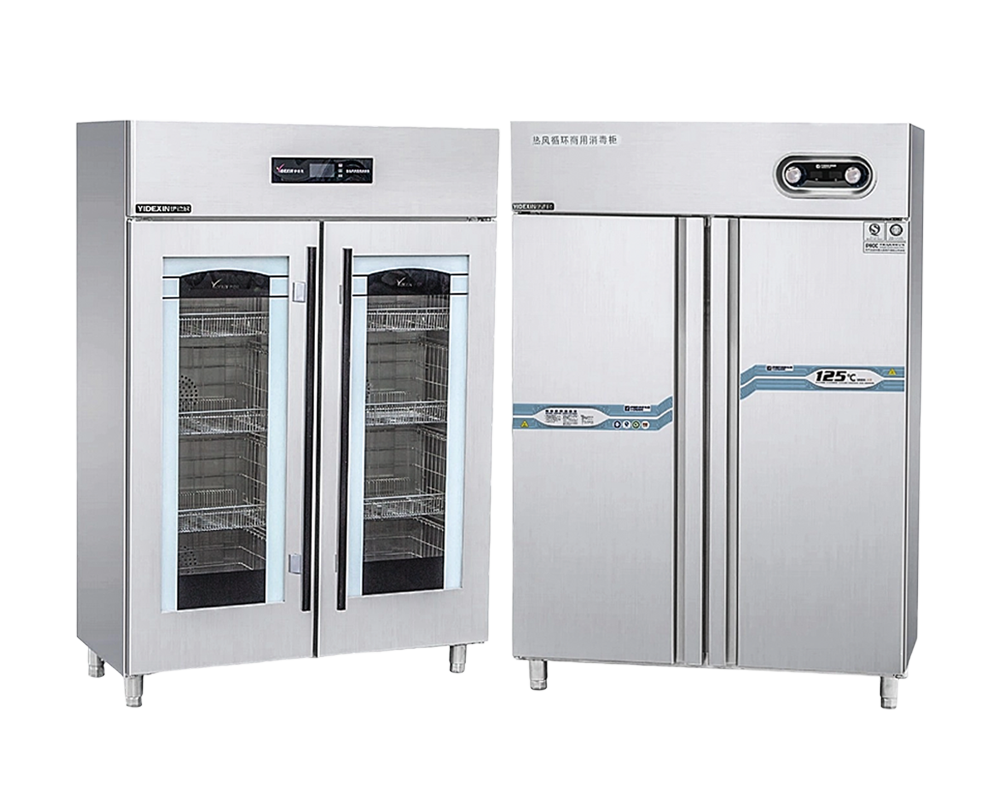 Commercial Restaurant Anti-Fingerprint Stainless Steel Disinfection Cabinet
-
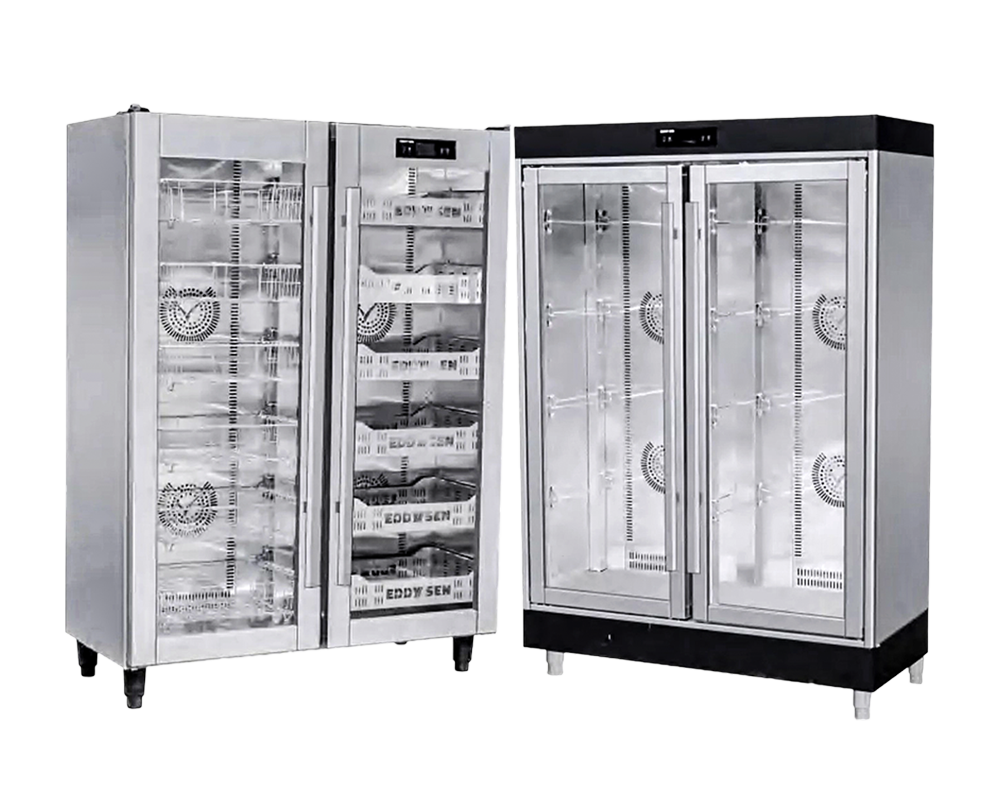 Intelligent Light Wave Stainless Steel UV Disinfection Cabinet
-
 [email protected] / [email protected]
-
 +86-15066977778 / +86-19012777577

-
 Reach-in Refrigerators
-
 Reach-in Freezers
-
 Dual Temperature Refrigerators
-
 Worktop Refrigerators
-
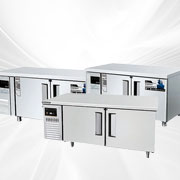 Worktop Freezers
-
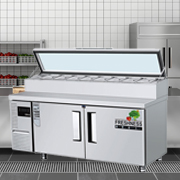 Salad Bar Refrigerators
-
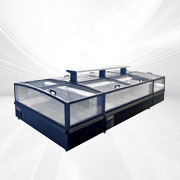 Combined Island Display Refrigerators
-
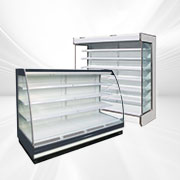 Air Curtain Refrigerators
-
 Fresh Cabinets
-
 Display Refrigerators(Glass Door)
-
 Electric Rice Steamer Cabinets
-
 Gas Rice Steamer Cabinets
-
 Vertical Banquet Cabinets
-
 Horizontal Banquet Cabinets
-
 Heated Disinfection Cabinets
How to Open a Ghost Kitchen: A Complete Startup Guide
Content
- 1 What Is a Ghost Kitchen? (And Why It’s Different from a Traditional Restaurant)
- 2 Step 1: Choose Your Ghost Kitchen Model (Own, Shared, or Rental)
- 3 Step 2: Secure Permits, Licenses, and Insurance
- 4 Step 3: Select the Right Commercial Kitchen Equipment
- 5 Step 4: Design a Delivery-Optimized Menu
- 6 Step 5: Choose Your Delivery Platforms and Set Up Operations
- 7 Step 6: Launch, Market, and Scale Your Ghost Kitchen
- 8 Ghost Kitchen Startup Cost Breakdown (2026)
What Is a Ghost Kitchen? (And Why It’s Different from a Traditional Restaurant)
A ghost kitchen is a licensed food production space that operates without a dining room, storefront, or direct customer interaction. Every order comes in through a delivery app, gets prepared in a streamlined kitchen, and goes out the door in a sealed bag. No waitstaff, no front-of-house, no foot traffic dependence. The model strips away everything that isn't essential to producing food fast and delivering it hot.
Startup costs tell the story. Launching a traditional sit-down restaurant typically runs between $275,000 and $425,000. A ghost kitchen can be up and running for $75,000 to $200,000, and in some shared-kitchen setups, as little as $20,000. That gap exists because you eliminate dining room build-out, decor, and the premium rent that comes with high-visibility locations.
| Factor | Ghost Kitchen | Traditional Restaurant |
|---|---|---|
| Startup capital | $20,000 – $200,000 | $275,000 – $425,000 |
| Monthly rent | $1,500 – $4,000 (shared or warehouse) | $5,000 – $15,000 (prime location) |
| Staff needed | 2–5 (kitchen only) | 8–15+ (FOH & BOH) |
| Revenue dependency | Delivery app traffic & marketing | Foot traffic & reviews |
| Break-even timeline | 6–12 months | 18–24 months |
The operational simplicity is what makes the model attractive, but it also demands a different mindset. You're not building a brand experience around ambiance. You're building a repeatable, delivery-optimized food product that can scale across multiple virtual brands from a single kitchen.
Your kitchen setup dictates your upfront commitment, monthly overhead, and how fast you can adapt the menu. Three practical models dominate the market today.
An owned private kitchen gives you total control over layout, equipment, and operating hours. It requires the highest initial investment—lease deposits, construction, and a full equipment package—but eliminates slot-scheduling conflicts and brand competition. Shared commissary kitchens offer a middle ground. You rent hourly or monthly time blocks in a fully equipped, already-inspected facility. This is the fastest route to market, often allowing you to start cooking within two weeks of signing. The trade-off is scheduling rigidity and limited equipment configuration.
The third option is a dedicated ghost kitchen facility lease, such as those offered by turnkey providers. These spaces come pre-built with ventilation, fire suppression, and sometimes basic refrigeration. You bring in your own cooking equipment, giving you flexibility without the burden of a full build-out.
| Model | Typical Start-up Cost | Monthly Cost | Equipment Freedom | Time to Launch |
|---|---|---|---|---|
| Shared commissary kitchen | $1,000–$5,000 | $800–$2,500/month | Limited (house equipment) | 1–2 weeks |
| Leased ghost kitchen facility | $10,000–$30,000 | $2,000–$4,000/month | High (bring your own) | 3–6 weeks |
| Owned private kitchen | $40,000–$100,000+ | $3,500–$6,000/month | Full | 2–4 months |
Shared kitchens suit first-time operators testing a single concept. If you plan to run multiple virtual brands or need specialized equipment, a leased or owned kitchen becomes mandatory. Choose the model based on your growth roadmap, not just your current budget.
Step 2: Secure Permits, Licenses, and Insurance
Even without a dining room, a ghost kitchen is a regulated food business. Missing one permit can shut you down before you take a single order. Follow this sequence to stay compliant.
- Business license & registration – Register your legal entity (LLC or corporation) with the state. Processing time: 1–2 weeks.
- Food service establishment permit – Your local health department must inspect and approve the kitchen. Contact them before signing a lease to confirm the space meets code. Expect 2–4 weeks for inspection and approval.
- Health department operating permit – Issued after passing the initial health inspection. Requires a HACCP plan detailing food safety procedures for receiving, storage, cooking, and holding. Renews annually.
- ServSafe Food Manager certification – At least one person on each shift must hold an active ServSafe Manager certificate. Take the exam through an accredited provider; plan one week for study and testing.
- Business insurance package – Minimum coverage should include general liability ($1M–$2M), product liability, and equipment breakdown insurance. Many delivery platforms also require proof of coverage before listing your brand. Budget: $1,200–$3,000 annually.
If your ghost kitchen will operate multiple virtual brands under one roof, each brand may need its own food service permit in certain jurisdictions. Verify multi-brand requirements with your health department early.
Step 3: Select the Right Commercial Kitchen Equipment
Equipment selection directly determines your throughput, food consistency, and long-term operating cost. A ghost kitchen doesn't need the broad equipment spread of a full-service restaurant. It needs a tight, high-utilization line built around the menu.
Five equipment categories cover 90% of ghost kitchen production:
- Refrigeration: reach-in units and worktop refrigerators for ingredient storage and prep.
- Cooking: ranges, fryers, combi ovens, or specialized appliances like rice steamers.
- Holding & warming: heated banquet cabinets or warming drawers to keep bulk food at safe temperatures during peak hours.
- Sanitation: three-compartment sinks, disinfection cabinets, and hand sinks per code.
- Exhaust & fire suppression: Type I or II hoods depending on cooking methods.
When sourcing refrigeration, pay attention to the cooling system. Forced-air (fan-cooled) worktop units recover temperature faster after frequent lid openings, critical when assembling dozens of delivery orders per hour. Static cooling works for stable, low-access storage. Similarly, if your menu relies on rice or steamed proteins, a commercial electric rice steamer cabinet can batch-cook 30–50 portions at once, dramatically reducing cook time compared to stove-top methods.
Budget for the core equipment set varies by capacity. A compact ghost kitchen producing 80–120 orders per day can be fitted with reliable equipment for $18,000–$30,000, especially when sourcing directly from factory-direct manufacturers that skip distributor markups.
| Equipment Type | Key Specs | Budget Range |
|---|---|---|
| Reach-in refrigerator | 2-door, 48–60 cu.ft., forced-air | $2,500–$5,000 |
| Worktop refrigerator | 60–72 inch, forced-air, 2–3 doors | $2,200–$4,200 |
| Electric rice steamer cabinet | 8–12 tray capacity, digital controls | $1,800–$3,500 |
| Heated holding cabinet | Full-height, 60–100 quart capacity | $1,500–$2,800 |
| Exhaust hood & fire suppression | Type I, 8–12 ft, installed | $5,000–$10,000 |
Prioritize energy efficiency and serviceability. Equipment that runs 12–16 hours a day will repay a slightly higher purchase price through lower utility bills within the first year. Also verify voltage compatibility and certifications (NSF, CE, UL) if you plan to scale across different markets.
Step 4: Design a Delivery-Optimized Menu
The mistake most first-time operators make is treating a ghost kitchen menu like a restaurant menu. Too many SKUs create ingredient sprawl, longer ticket times, and higher waste. A delivery-optimized menu follows the 3-5-7 principle: three hero items that drive 60% of revenue, five supporting items that round out the offering, and seven backup items you can rotate seasonally or run test promotions on.
Hero items must meet three criteria. They travel well in sealed containers (fried foods, stews, bowls hold up; delicate salads and crispy garnishes do not). They carry a food cost of 28% or lower so that after platform commissions (15–30%), you still net at least 15–20% gross margin. And they can be made in under six minutes from start to bag.
Pricing formula: (ingredient cost + packaging cost) ÷ target food cost percentage. If your ingredient cost is $3.20, your packaging adds $0.60, and your target percentage is 28%, your menu price should be $13.57, rounded to $13.99. Always calculate with the delivery platform commission included in your margin math, not as an afterthought.
Packaging is a hidden profit lever. Compostable clamshells and leak-proof lids reduce refund requests from spilled liquids. Standardize container sizes across the menu so packers work faster. The cost difference between a premium and budget container is often $0.20 per unit, but it can reduce customer complaints by half.
Step 5: Choose Your Delivery Platforms and Set Up Operations
Your choice of delivery platform partners dictates your customer volume, commission burden, and operational rhythm. DoorDash commands roughly 65% of U.S. food delivery market share, followed by Uber Eats and Grubhub. Listing on all three increases order flow but requires careful menu pricing to absorb varying commission structures.
| Platform | Typical Commission | Exclusive Deal Option | Marketing Tools |
|---|---|---|---|
| DoorDash | 15%–30% (varies by plan) | Yes (lower commission for exclusivity) | Sponsored listings, DashPass |
| Uber Eats | 30% (marketplace), 15% if self-delivery | Available | Uber One, in-app ads |
| Grubhub | 10%–20% + delivery fee | Limited | Grubhub+, promoted placements |
Exclusivity contracts can drop your commission to 15% or lower, but they lock you into one platform, reducing your customer reach. Most ghost kitchens launch on two platforms simultaneously, negotiate rates aggressively after proving sales volume, then add a third once kitchen capacity allows.
Daily operations need a tight SOP. Integrate all orders into a single tablet interface or kitchen display system (KDS) to prevent missed tickets. Set prep timelines backward from peak order hours—usually 11:00 AM–1:30 PM and 5:00 PM–8:30 PM. Assign one person to expedite and packaging, ensuring every bag gets a sealed tamper-proof sticker and all ordered items before pickup.
Step 6: Launch, Market, and Scale Your Ghost Kitchen
A ghost kitchen's biggest handicap is that nobody walks by and discovers it. You have to manufacture discovery. Start with these five low-cost marketing tactics:
- Claim and optimize your Google Business Profile for the kitchen address. Fill photo galleries with finished dishes and packaging shots.
- Run a 7-day launch promotion on delivery apps: 20% off first order or free delivery. Platforms often co-fund these campaigns for new partners.
- Partner with 2–3 local food bloggers or micro-influencers (5k–20k followers) for honest review posts. Offer gift cards, not cash.
- Create social media assets that focus exclusively on close-up food imagery and order links. No behind-the-scenes unless it builds a personal chef brand.
- Capture customer phone numbers through order-receipt QR codes and build a text marketing list for repeat offers.
Scaling follows a predictable path. Once your first ghost kitchen hits a steady 100+ orders per day and a 22%+ net margin, clone the model. Open a second location in an adjacent delivery zone, duplicating the menu, supplier list, and equipment package. From there, launch a second virtual brand out of the same kitchen—perhaps a breakfast bowl concept in the morning from the same prep line—effectively doubling revenue per square foot without adding rent. With compact, multi-purpose equipment like reach-in refrigerators that can support multiple menus, capacity is rarely the bottleneck. The constraint is usually operational discipline, not space.
Ghost Kitchen Startup Cost Breakdown (2026)
Realistic budgeting prevents running out of cash before your first delivery. Below is a line-item estimate across three common investment tiers: a lean shared-kitchen entry, a mid-range leased facility, and a full private build-out.
| Cost Category | Low (Shared Kitchen) | Mid (Leased Facility) | High (Private Build-Out) |
|---|---|---|---|
| Equipment | $8,000–$12,000 (use house equipment) | $18,000–$30,000 | $45,000–$70,000 |
| Rent deposit & setup | $1,000–$3,000 | $5,000–$8,000 | $12,000–$20,000 |
| Permits, licenses & insurance | $2,500–$4,000 | $3,500–$5,500 | $5,000–$8,000 |
| Delivery platform setup & tablets | $300–$600 | $500–$800 | $800–$1,200 |
| Initial packaging & disposables | $1,500–$2,500 | $3,000–$5,000 | $5,000–$8,000 |
| Opening food inventory | $2,000–$3,000 | $4,000–$7,000 | $7,000–$12,000 |
| Marketing & launch promotion | $1,000–$2,500 | $2,500–$5,000 | $5,000–$10,000 |
| Working capital (1–2 months) | $5,000–$8,000 | $10,000–$18,000 | $20,000–$35,000 |
| TOTAL | $21,300–$35,600 | $46,500–$79,300 | $99,800–$164,200 |
These figures reflect current market rates for standard commercial-grade equipment and urban delivery-zone leases. Costs can be trimmed by opting for factory-direct equipment sourcing instead of traditional distribution channels, which often adds 30–40% markup. The working capital line is especially critical; most ghost kitchens take 60–90 days to reach positive cash flow, and delivery platforms pay out weekly, sometimes bi-weekly, so you must float ingredient and labor costs during ramp-up.

-
 Add.
Add.
Sales Center:Room 410, Floor T3-4, Zhonghai Development Building, No. 888, Kejiguan Street, Binjiang District, Hangzhou, Zhejiang,China
Factory Address:100 Meters South Of Zhongmao Village, Xingfu Town, Boxing County, Binzhou City, Shandong Province, P.R.China
Sales Center:Room 410, Building 15, Tianan Headquarters Center, 555 North Panyu Avenue, Donghuan Street, Panyu District, Guangzhou City, china
-
 Tel.
+86-15066977778+86-19012777577
Tel.
+86-15066977778+86-19012777577 -
 Email.
Quick Links
Product Fast Links
Mobile Terminal
Copyright @Hangzhou Eddysen Catering Equipment Co., Ltd.All rights reserved. Commercial Freezer Manufacturer