 English
 中文简体
中文简体 Español
 عربى
عربى
-
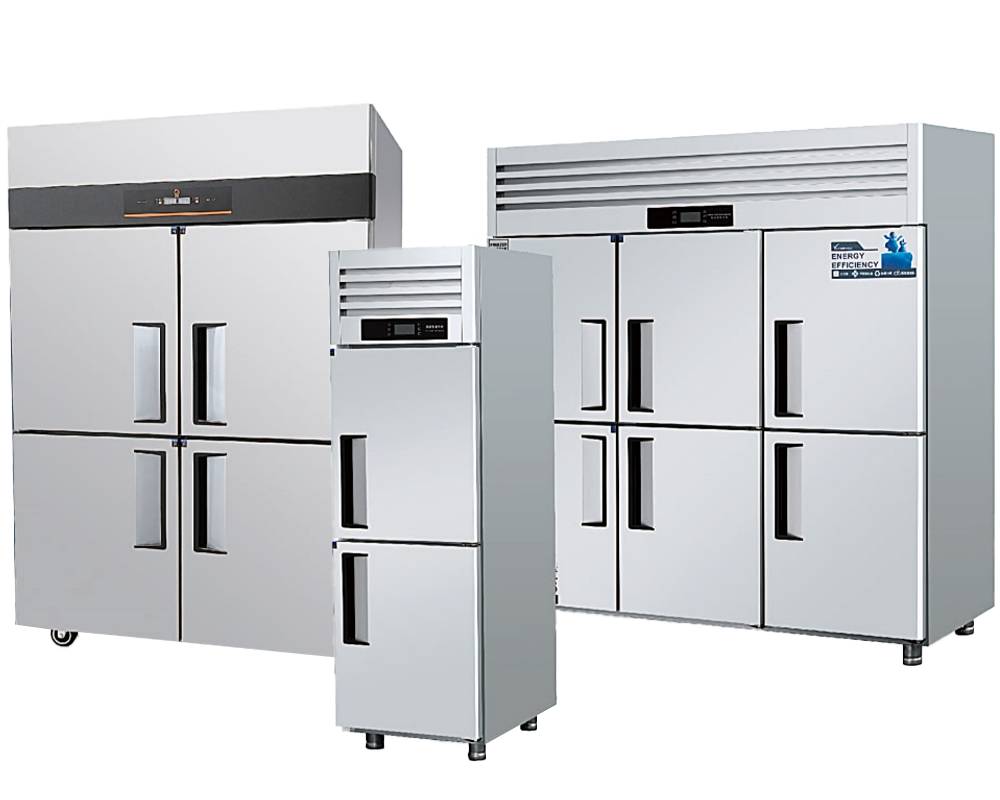 Commercial Vertical Direct-cool Stainless Steel Reach-in Refrigerator
-
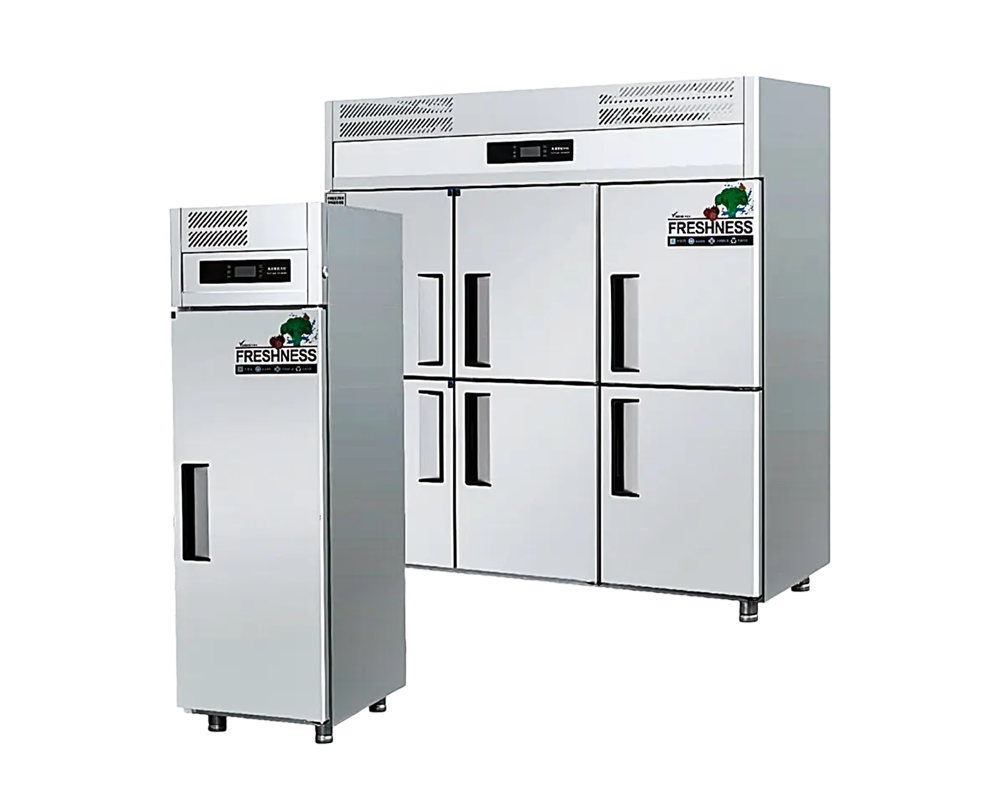 Commercial 201SUS Upright Air Cooling Reach-in Refrigerators
-
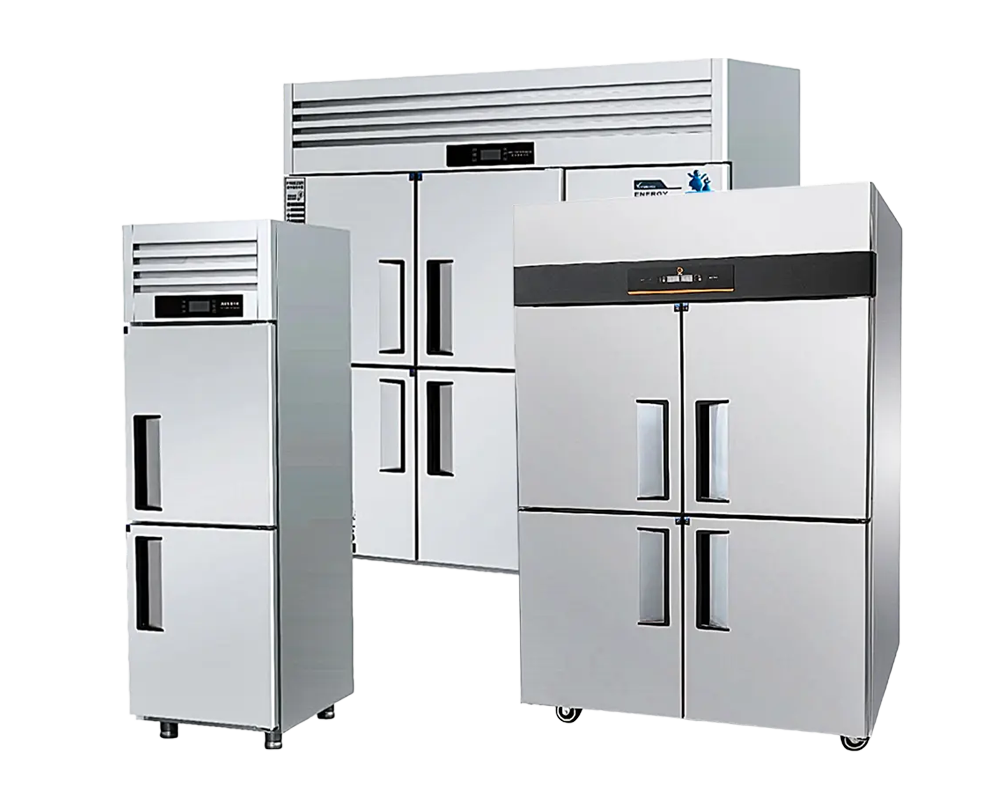 Commercial Direct-Cool Upright Reach-in Freezers
-
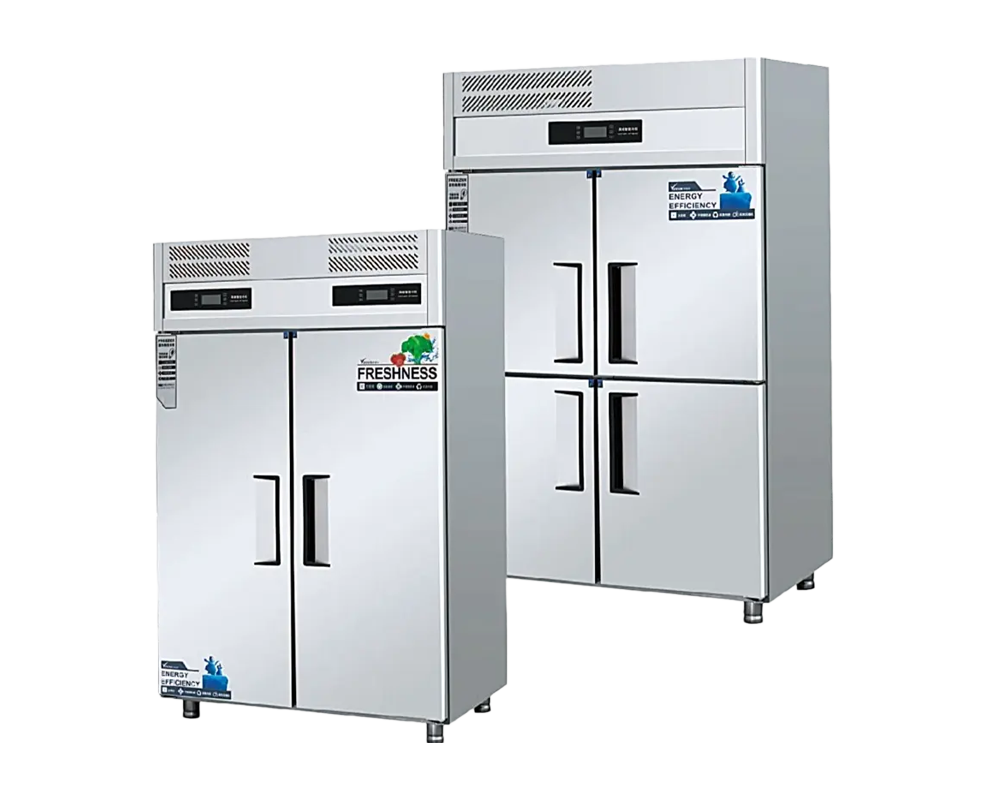 Commercial Stainless Steel Air Cooled Reach-in Vertical Freezers
-
 Dual Temperature Control Direct Cooling Commercial Upright Reach-in Refrigerators
-
 Commercial Vertical Air Cooled Intelligent Reach-in Freezer and Refrigerator
-
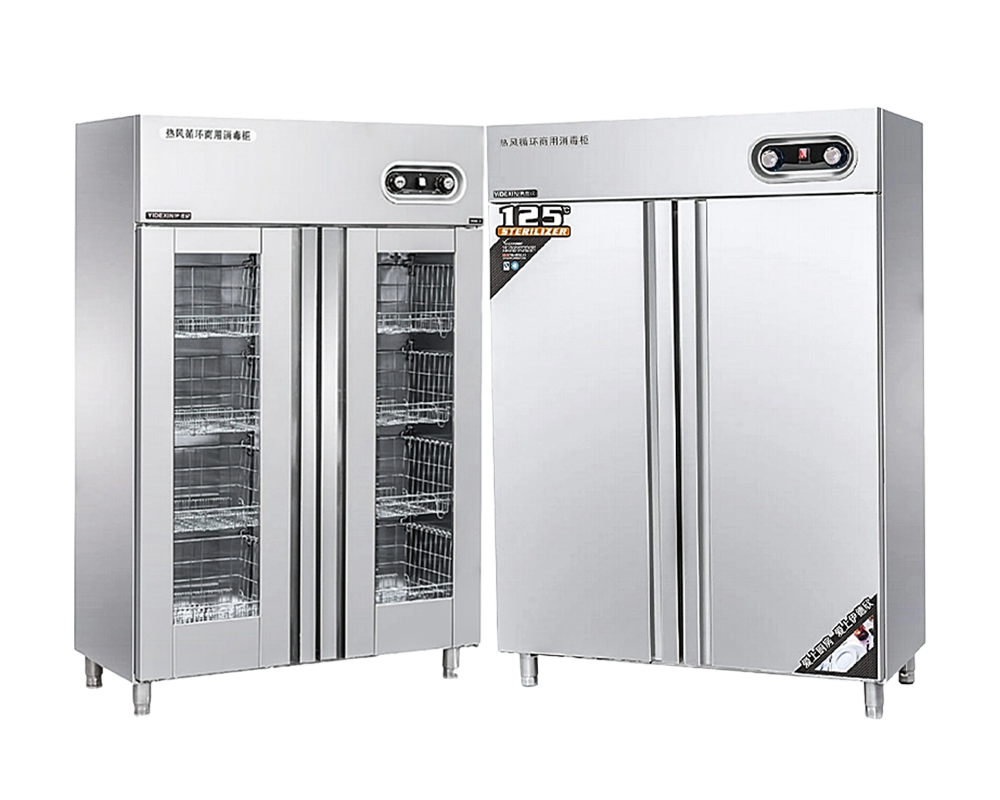 Stainless Steel/Glass Flat Door Sterilization Cabinet
-
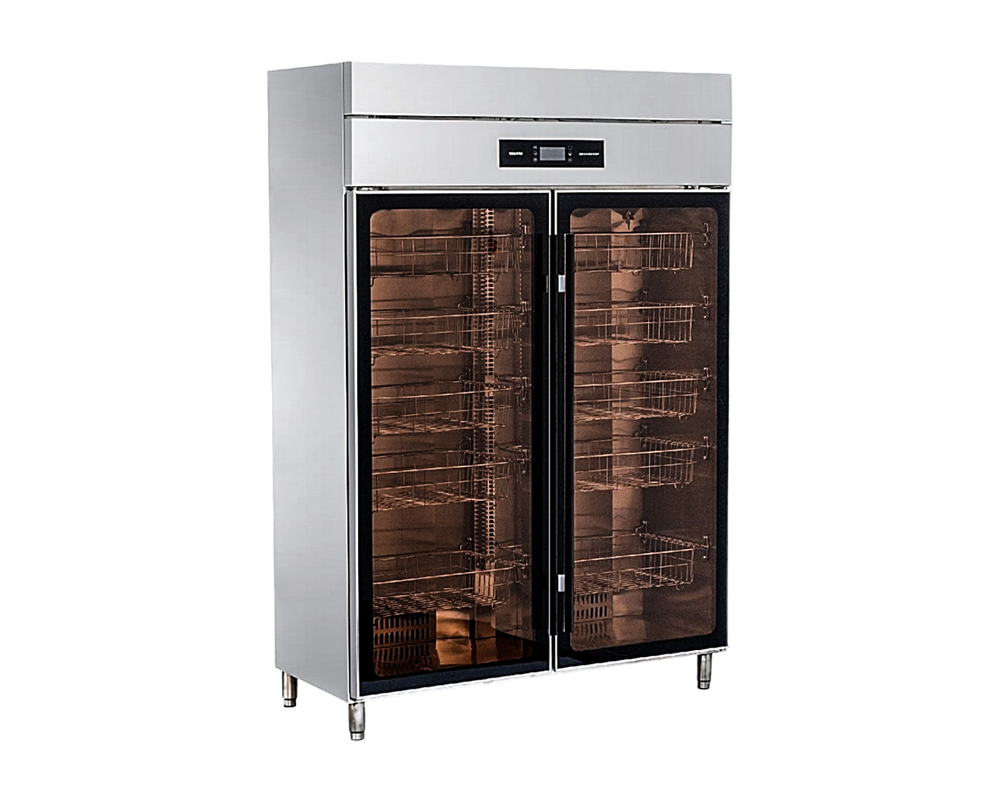 Multifunctional Three-mode High Temperature Glass Door Disinfection Cabinet
-
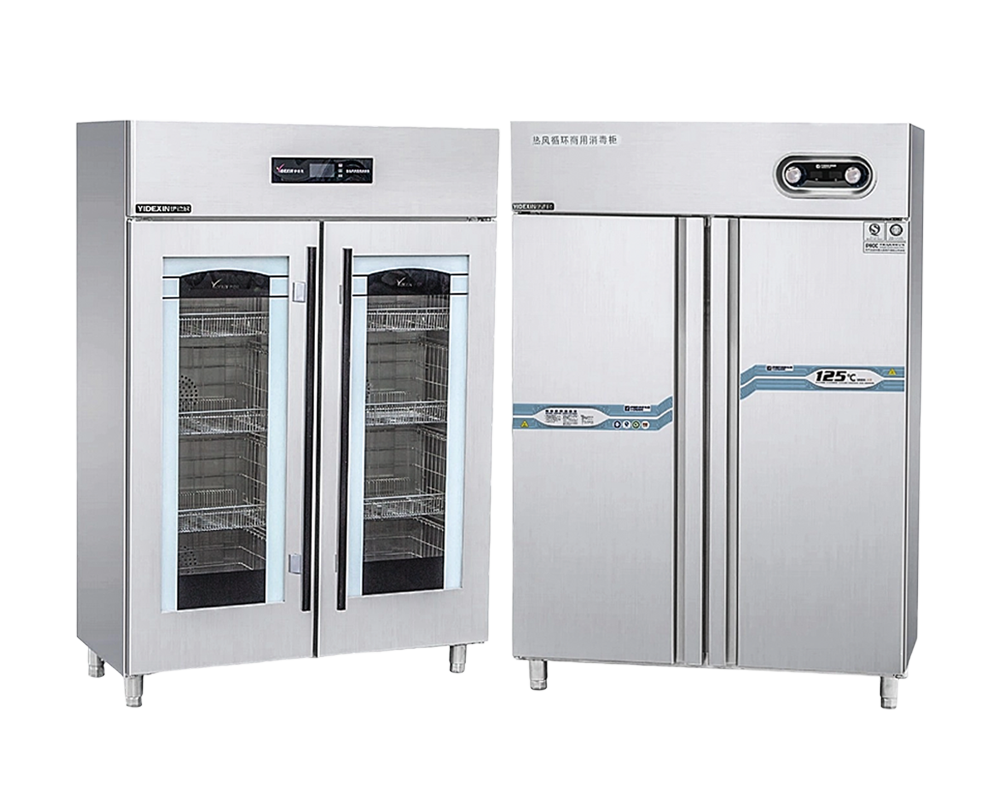 Commercial Restaurant Anti-Fingerprint Stainless Steel Disinfection Cabinet
-
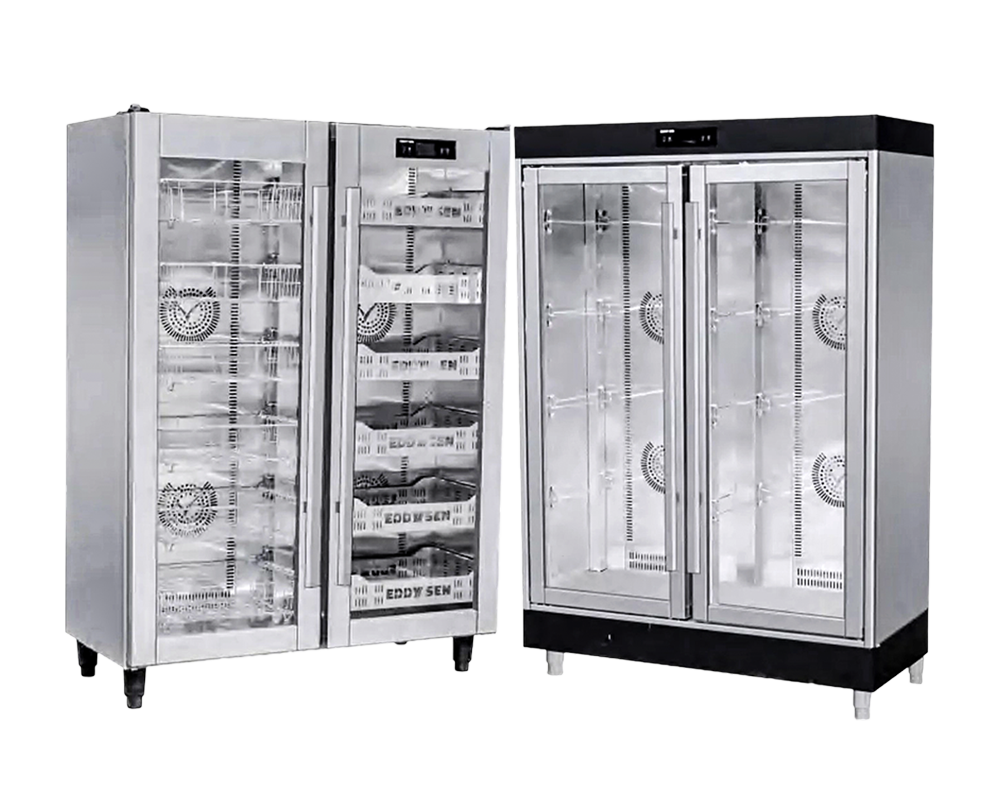 Intelligent Light Wave Stainless Steel UV Disinfection Cabinet
-
 [email protected] / [email protected]
-
 +86-15066977778 / +86-19012777577

-
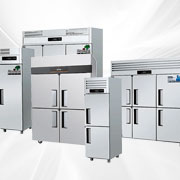 Reach-in Refrigerators
-
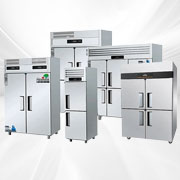 Reach-in Freezers
-
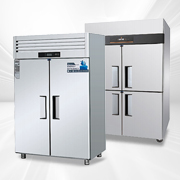 Dual Temperature Refrigerators
-
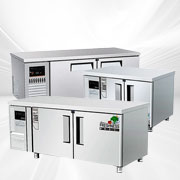 Worktop Refrigerators
-
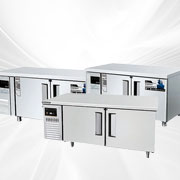 Worktop Freezers
-
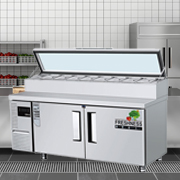 Salad Bar Refrigerators
-
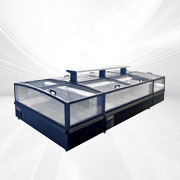 Combined Island Display Refrigerators
-
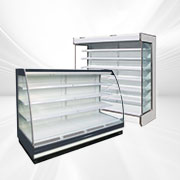 Air Curtain Refrigerators
-
 Fresh Cabinets
-
 Display Refrigerators(Glass Door)
-
 Electric Rice Steamer Cabinets
-
 Gas Rice Steamer Cabinets
-
 Vertical Banquet Cabinets
-
 Horizontal Banquet Cabinets
-
 Heated Disinfection Cabinets
Home / News / Industry information / Refrigerator for Restaurant: Types, How to Choose & Key Features
Refrigerator for Restaurant: Types, How to Choose & Key Features
Content
A restaurant kitchen without the right refrigeration is a liability waiting to happen. Spoiled inventory, failed health inspections, and sluggish prep times all trace back to the same root cause: the wrong cold storage for the job. Choosing the right refrigerator for your restaurant means understanding what each unit type does, where it fits in your kitchen, and what specifications actually matter when you're running service five nights a week.
Types of Refrigerators Used in Restaurants
Commercial kitchens rely on several distinct refrigerator categories, each engineered for a specific role. Understanding these differences prevents costly mismatches between equipment and workflow.
Reach-In Refrigerators
Reach-in units are the backbone of most professional kitchens. These upright, cabinet-style refrigerators sit against the wall, give staff immediate access to ingredients during prep and service, and are available in single-door, double-door, and triple-door configurations. Their large interior capacity — typically ranging from 20 to 75 cubic feet — makes them ideal as the primary cold storage hub in medium to large restaurant kitchens. reach-in refrigerators for commercial kitchens are built with forced-air or direct-cool systems, stainless steel interiors, and adjustable shelving to handle everything from raw proteins to dairy and prepped components.
Undercounter and Worktop Refrigerators
Space is the most expensive square footage in any commercial kitchen. Undercounter and worktop refrigerators solve this by placing cold storage directly beneath prep surfaces, eliminating the need for cooks to leave their station to retrieve mise en place. Worktop models add a durable stainless steel work surface on top, turning the unit itself into an active prep zone. These are particularly effective at sandwich lines, pizza stations, and bar prep areas. Studies on compact quick-service kitchens have shown that stations built around worktop refrigeration reduce average ticket times by 15–25% versus layouts that require walking to a remote reach-in. For a side-by-side analysis of both formats, the undercounter vs reach-in refrigerators for small kitchens guide covers exactly when to use each — and how to combine them effectively.
Display and Merchandising Refrigerators
Display refrigerators serve a dual function: keeping food at safe temperatures while making it visible and accessible to customers or front-of-house staff. Glass door models, open air merchandisers, and countertop display cases fall into this category. They are standard in cafes, bakeries, delis, and any restaurant with a grab-and-go component. For a detailed breakdown of available formats, display refrigerators for front-of-house merchandising covers the six main types and their commercial applications.
How to Choose the Right Restaurant Refrigerator
The right refrigerator for your restaurant depends on four variables: how much you store, where the unit will sit, what your menu demands, and how much you can spend on electricity over the equipment's lifespan.
Storage Volume and Delivery Frequency
Restaurants that receive large deliveries twice a week need significantly more cold storage than those supplied daily. A general rule: estimate your peak cold storage need, then size up by 20% to account for airflow clearance inside the cabinet (overcrowding reduces cooling efficiency and raises the risk of temperature violation). For detailed sizing benchmarks, the commercial refrigerator size selection guide provides standard dimension ranges by unit type and application.
Kitchen Layout and Available Footprint
Before ordering any unit, measure your available floor space and ventilation clearance. Reach-in refrigerators typically require 2–6 inches of clearance on the sides and rear for proper condenser airflow. Bottom-mounted compressor models eliminate rear clearance requirements entirely and are easier to service. In kitchens where floor space is critical, worktop refrigerators with built-in prep surfaces recover floor area by consolidating two functions — cold storage and food prep — into a single footprint.
Cooling System: Air-Cooled vs. Direct-Cool
Air-cooled (forced-air) systems circulate refrigerated air throughout the cabinet via a fan, maintaining even temperatures across all shelves. This makes them the preferred choice for high-volume kitchens where doors are opened frequently. Direct-cool units use the cold walls of the cabinet for temperature transfer — they run quieter, consume slightly less energy in low-traffic conditions, and are well-suited for beverage storage or overnight holding. For most restaurant applications, forced-air is the standard.
Energy Efficiency and Operating Cost
A commercial refrigerator operates 24 hours a day, 365 days a year. A single reach-in unit can account for nearly a third of a kitchen's energy consumption. Units using R290a (propane) refrigerant offer a meaningful reduction in energy use compared to older refrigerants, with a global warming potential (GWP) near zero — an increasingly important factor for operators seeking certification compliance and lower utility bills. Look for models with high-density polyurethane insulation (at least 5 cm thickness) and digital temperature controllers that minimize compressor cycling.
Temperature Standards Every Restaurant Must Know
Commercial refrigeration is not just about keeping food cold — it is about maintaining temperatures within legally defined safe zones. The FDA recommends that all commercial refrigerators be set at or below 40°F (4°C), with most restaurant kitchens targeting 38°F (3°C) as a buffer against the temperature fluctuation caused by frequent door openings. Freezer units must maintain 0°F (−18°C) or lower. For more detail on cold food storage requirements, the FDA's official guidance on refrigerator thermometers and cold food safety outlines the science behind these thresholds.
Different refrigerator types have slightly different target ranges:
| Unit Type | Recommended Temperature | Key Reason |
|---|---|---|
| Reach-in refrigerator | 36–38°F (2–3°C) | Frequent door openings cause temperature spikes |
| Undercounter / worktop | At or below 40°F (4°C) | Lower traffic; proximity to cooking heat requires monitoring |
| Display refrigerator | 36–38°F (2–3°C) | Glass doors reduce insulation effectiveness |
| Beverage cooler | At or below 40°F (4°C) | Lower risk food category; optimized for serving temperature |
| Reach-in freezer | 0°F (−18°C) or below | Required to stop bacterial activity in frozen product |
Health inspectors measure food temperature directly, not just the air temperature your thermostat displays. A unit set to 38°F can still produce a non-compliant reading if it is overcrowded, has a failing door gasket, or sits near a heat source. Regular calibration and temperature logging are essential practices.
Key Features to Look for When Buying
Once you have determined the right type and size, these specification details separate reliable long-term equipment from units that will underperform in a busy kitchen environment.
Compressor Position
Bottom-mounted compressors are easier to access for cleaning and service, and they draw cooler air from floor level — an advantage in kitchens where ambient temperatures near the ceiling are elevated. Top-mounted compressors are common in reach-in freezers where bottom-mounting would complicate drainage. Either position works; what matters is unobstructed airflow around the condenser coils.
Door Type and Configuration
Solid doors provide better insulation and are standard in back-of-house reach-in refrigerators. Glass doors add visibility — useful when you need staff to locate items quickly — but require more frequent temperature compensation. Self-closing doors with magnetic gaskets are a baseline requirement; worn gaskets are the single most common cause of temperature drift in commercial refrigerators.
Interior Construction and Sanitation
High-grade 304 stainless steel interiors resist corrosion, are easier to sanitize, and hold up to the chemical cleaners used in commercial kitchens. Interiors formed with rounded inner edges eliminate dead corners where bacteria accumulate. Adjustable, removable shelves allow flexible storage configurations and simplify deep cleaning.
Certifications
For international procurement, verify CE certification (required for European markets) and NSF certification (required for US foodservice operations). ISO 9001 quality management certification at the manufacturing level adds an additional layer of supply chain assurance, particularly relevant when sourcing directly from overseas manufacturers.
Commercial Refrigerator Maintenance Tips
A well-maintained commercial refrigerator lasts 10–15 years. Neglected units fail in 5–7. The maintenance practices below take less than 30 minutes per week and prevent the majority of costly service calls.
- Clean condenser coils monthly. Dust and grease buildup forces the compressor to work harder, increasing energy consumption and shortening equipment life. Use a soft brush or coil cleaning spray.
- Inspect door gaskets weekly. Close a sheet of paper in the door and pull — you should feel resistance. If the paper slides out easily, the gasket is compromised and needs replacing.
- Avoid overcrowding shelves. Cold air must circulate freely around stored items. Leave at least 2–3 inches of clearance between product and the interior walls.
- Monitor temperatures twice daily. Use a calibrated thermometer placed in the warmest zone of the unit — typically near the door. Log the readings and investigate any reading above 41°F immediately.
- Defrost ice buildup promptly. Ice accumulation on evaporator coils reduces airflow and cooling efficiency. Units with automatic defrost cycles handle this passively; manual-defrost units require scheduled attention.
- Keep the unit level. An unlevel refrigerator causes doors to drift open and stresses the compressor. Use the adjustable legs (or casters if the unit is mobile) to ensure a stable, level position.
Refrigeration failures rarely happen without warning. Rising energy bills, unusual compressor noise, inconsistent temperatures, and condensation on exterior panels are all early indicators. Catching and addressing these signs before a full breakdown protects both your inventory and your service schedule.

-
 Add.
Add.
Sales Center:Room 410, Floor T3-4, Zhonghai Development Building, No. 888, Kejiguan Street, Binjiang District, Hangzhou, Zhejiang,China
Factory Address:100 Meters South Of Zhongmao Village, Xingfu Town, Boxing County, Binzhou City, Shandong Province, P.R.China
Sales Center:Room 410, Building 15, Tianan Headquarters Center, 555 North Panyu Avenue, Donghuan Street, Panyu District, Guangzhou City, china
-
 Tel.
+86-15066977778+86-19012777577
Tel.
+86-15066977778+86-19012777577 -
 Email.
Quick Links
Product Fast Links
Mobile Terminal
Copyright @Hangzhou Eddysen Catering Equipment Co., Ltd.All rights reserved. Commercial Freezer Manufacturer