 English
 中文简体
中文简体 Español
 عربى
عربى
-
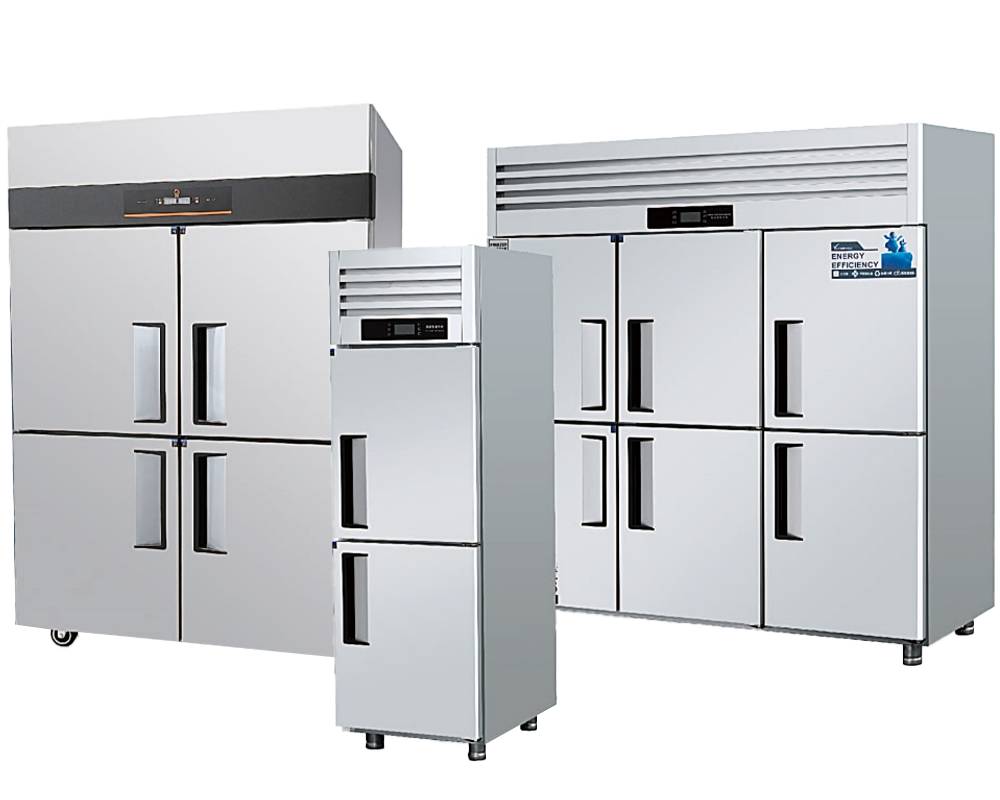 Commercial Vertical Direct-cool Stainless Steel Reach-in Refrigerator
-
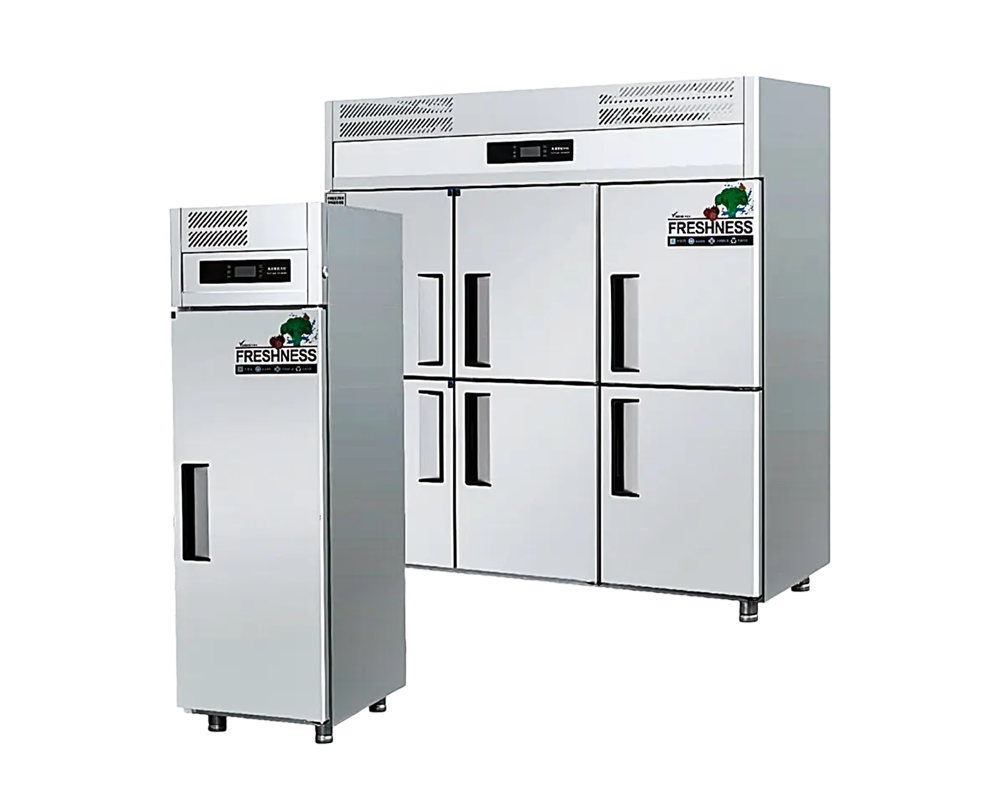 Commercial 201SUS Upright Air Cooling Reach-in Refrigerators
-
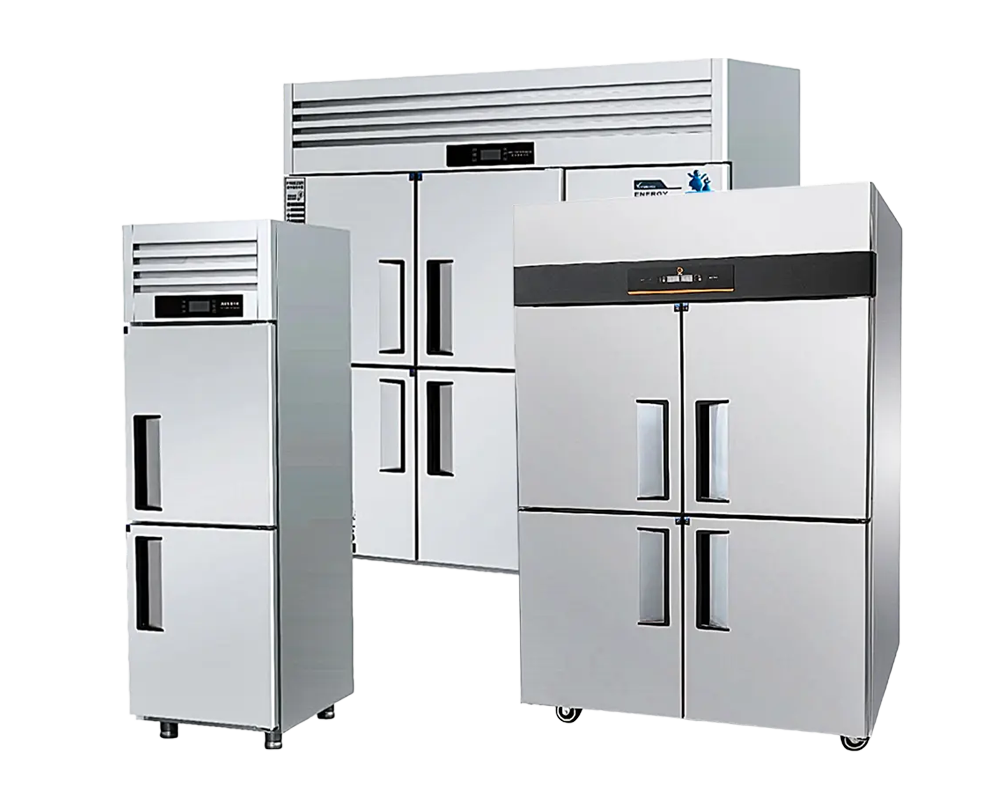 Commercial Direct-Cool Upright Reach-in Freezers
-
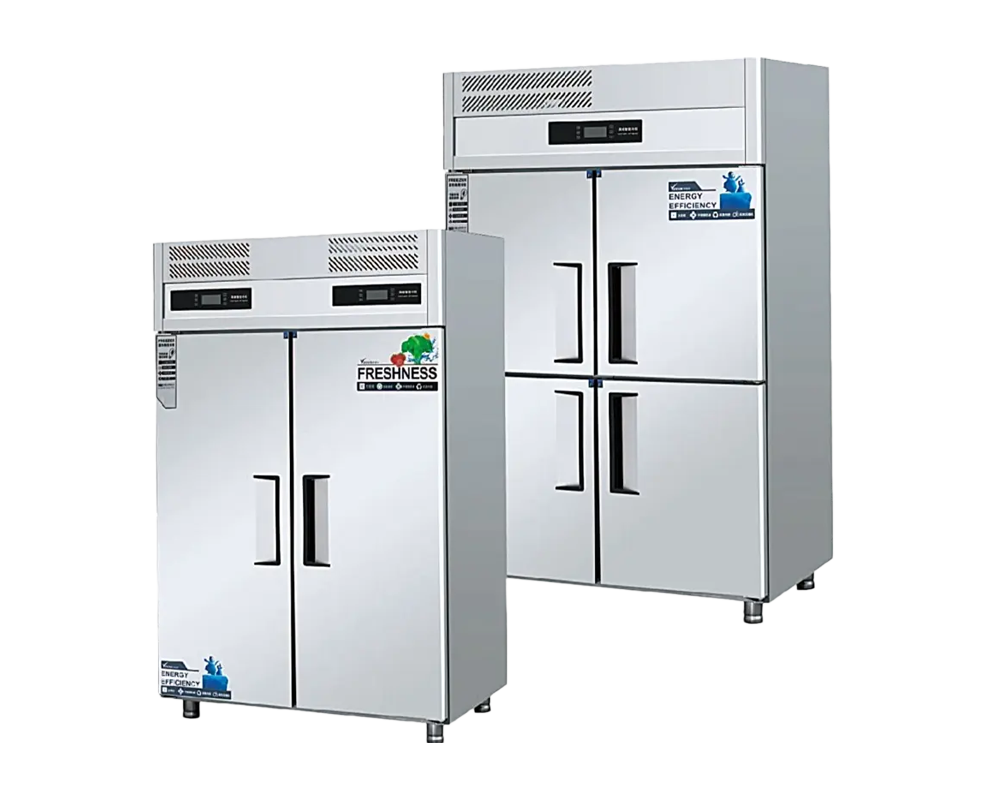 Commercial Stainless Steel Air Cooled Reach-in Vertical Freezers
-
 Dual Temperature Control Direct Cooling Commercial Upright Reach-in Refrigerators
-
 Commercial Vertical Air Cooled Intelligent Reach-in Freezer and Refrigerator
-
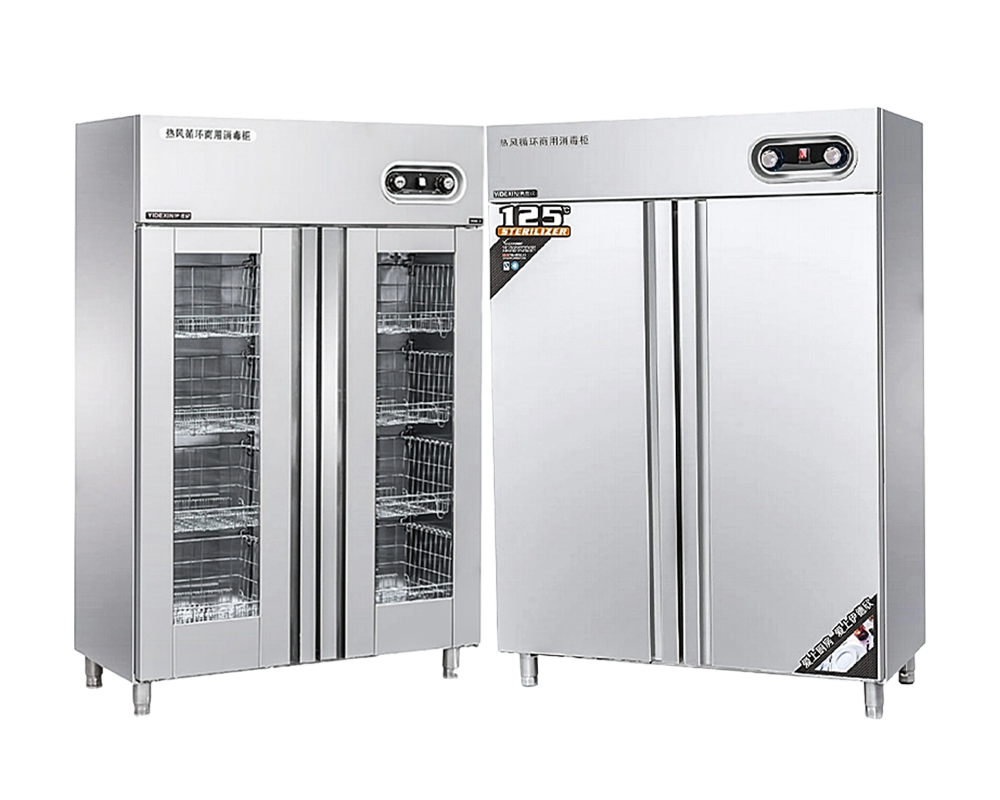 Stainless Steel/Glass Flat Door Sterilization Cabinet
-
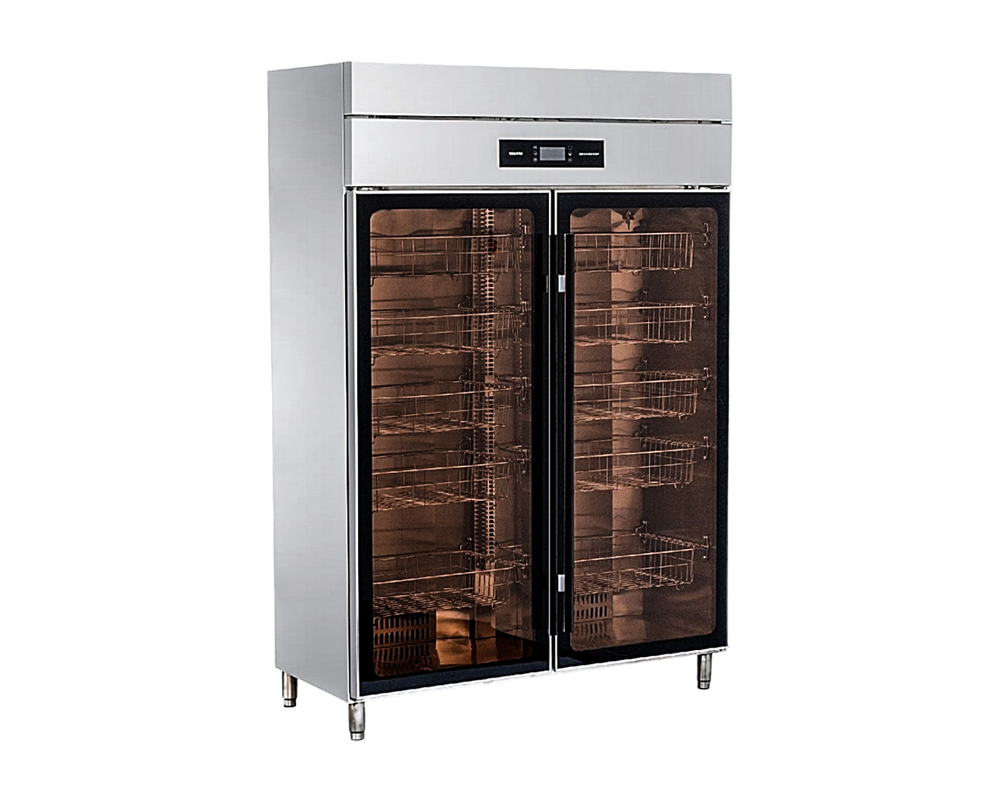 Multifunctional Three-mode High Temperature Glass Door Disinfection Cabinet
-
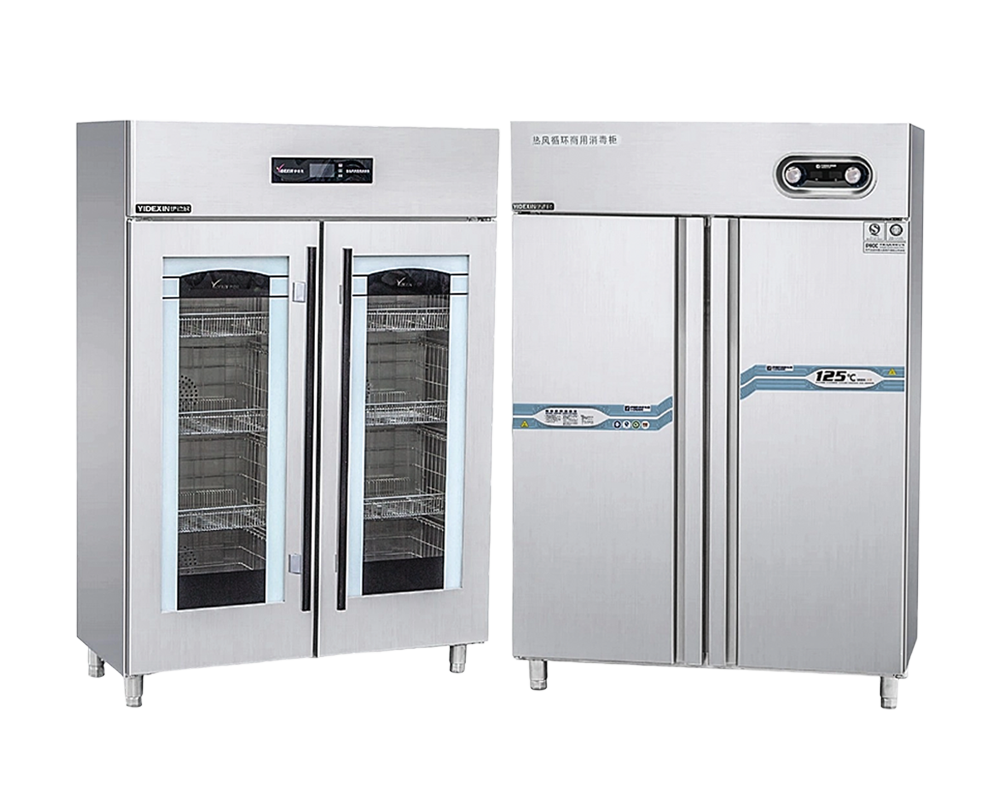 Commercial Restaurant Anti-Fingerprint Stainless Steel Disinfection Cabinet
-
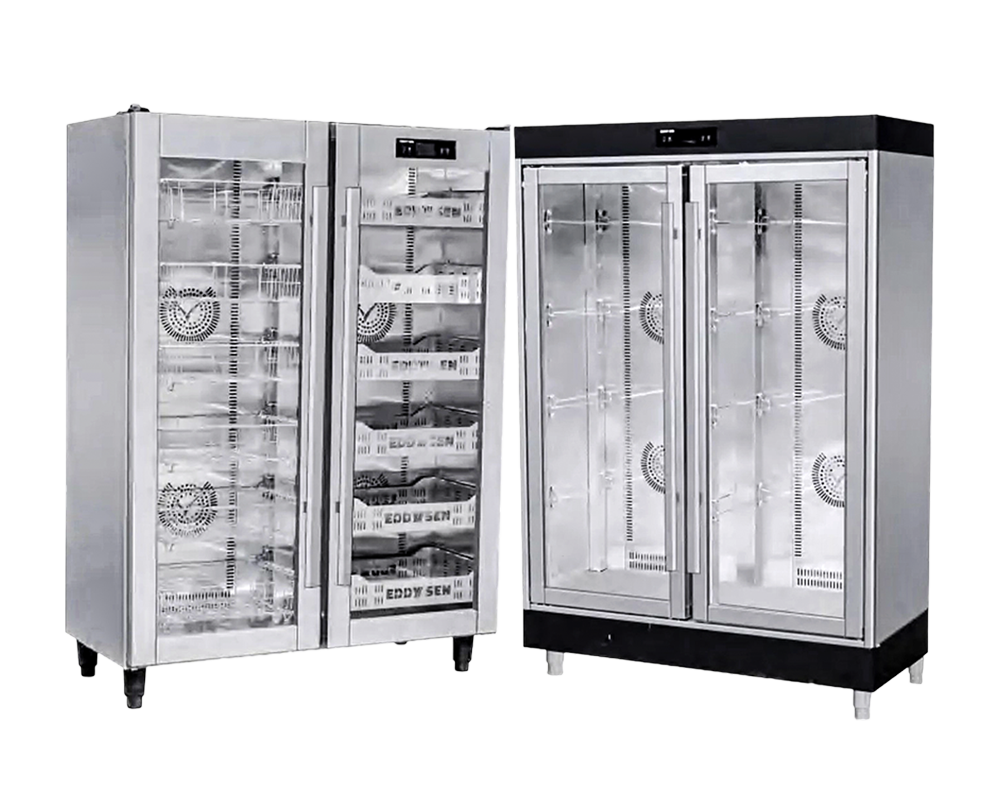 Intelligent Light Wave Stainless Steel UV Disinfection Cabinet
-
 [email protected] / [email protected]
-
 +86-15066977778 / +86-19012777577

-
 Reach-in Refrigerators
-
 Reach-in Freezers
-
 Dual Temperature Refrigerators
-
 Worktop Refrigerators
-
 Worktop Freezers
-
 Salad Bar Refrigerators
-
 Combined Island Display Refrigerators
-
 Air Curtain Refrigerators
-
 Fresh Cabinets
-
 Display Refrigerators(Glass Door)
-
 Electric Rice Steamer Cabinets
-
 Gas Rice Steamer Cabinets
-
 Vertical Banquet Cabinets
-
 Horizontal Banquet Cabinets
-
 Heated Disinfection Cabinets
Home / News / Industry information / 2 Door Commercial Fridge: How to Choose the Right One for Your Business
2 Door Commercial Fridge: How to Choose the Right One for Your Business
Content
- 1 What Is a 2 Door Commercial Fridge?
- 2 Solid Door vs Glass Door: Which One Do You Need?
- 3 Capacity and Sizing: Matching the Unit to Your Operation
- 4 Compressor Location and Cooling System
- 5 Key Features to Look for Before You Buy
- 6 Ideal Use Cases by Industry
- 7 How to Maintain Your 2 Door Commercial Fridge
A single door isn't always enough — but three doors can be overkill. For most commercial kitchens, cafes, and food retail environments, a 2 door commercial fridge hits the sweet spot: enough capacity to handle a full day's inventory, compact enough to fit a standard kitchen layout, and efficient enough to run around the clock without punishing your electricity bill. This guide walks you through exactly what to look for before you buy.
What Is a 2 Door Commercial Fridge?
A 2 door commercial fridge — also called a two-section reach-in refrigerator — is an upright, freestanding refrigeration unit with two side-by-side or stacked door compartments. Unlike a household refrigerator, it is engineered for continuous 24/7 operation in high-traffic environments: powerful compressors, commercial-grade door seals, and stainless steel interiors that withstand constant loading and cleaning.
Storage capacity typically ranges from 40 to 54 cubic feet, which is roughly double what a single-door unit offers. That extra space matters on a busy lunch service when you need dairy, proteins, prepped sauces, and beverages all within arm's reach. For businesses that have outgrown a one-door unit but don't have the floor space or volume for a three-door model, the two-door configuration is the most practical middle ground. Eddysen's stainless steel reach-in refrigerators are built to this standard, combining durable construction with consistent cold-chain performance.
Solid Door vs Glass Door: Which One Do You Need?
This is the first real decision most buyers face — and it comes down to where the fridge lives and what it's storing.
Solid doors provide better insulation and are generally more energy-efficient, since no heat radiates through a panel. They're the standard choice for back-of-house kitchen storage, where staff know what's inside and don't need to see it at a glance. Solid stainless steel doors are also more durable in high-traffic environments where doors take knocks from trolleys and pan racks.
Glass doors are the right call for front-of-house or retail settings. The visibility lets staff do a quick inventory check without opening the door — reducing cold air loss during busy service — and in a retail environment, product display directly drives impulse purchases. If you're running a convenience store, café grab-and-go section, or supermarket aisle, a glass door 2 door commercial fridge doubles as a merchandising tool. For a deeper comparison of display-focused options, see our guide on types of display refrigerators for commercial use.
Capacity and Sizing: Matching the Unit to Your Operation
Choosing the wrong size is one of the most common and costly mistakes in commercial refrigeration. Too small, and airflow is restricted — the unit struggles to maintain temperature, and food safety is compromised. Too large, and you're spending money cooling empty shelves.
As a general benchmark, a kitchen producing 50–150 covers per service typically works well with a 49 cubic foot two-door unit. Smaller cafes or bars may find a 40 cu.ft. model sufficient. In terms of physical footprint, most 2 door commercial fridges are 54 inches wide and between 78–84 inches tall, though compact variants exist for tighter kitchens. Always measure door clearances and aisle widths before ordering — these units don't negotiate with narrow corridors. For detailed dimension specifications, refer to our standard commercial refrigerator dimensions and sizing guide.
Compressor Location and Cooling System
Where the compressor sits affects both performance and ergonomics — two things that matter a lot in a working kitchen.
Bottom-mounted compressors are increasingly common and for good reason. They draw in cooler floor-level air, which improves cooling efficiency. They also raise the bottom shelf by a few inches, reducing how far staff have to bend during a busy service. Maintenance access is also easier — technicians don't need a ladder.
Top-mounted compressors perform better in kitchens that run very hot, since heat naturally rises away from the stored food. If your kitchen is cramped and ambient temperatures regularly exceed 32°C (90°F) near the floor, a top-mount unit is the safer long-term choice.
On the cooling mechanism side: fan-forced (convection) cooling circulates cold air evenly throughout the cabinet, making it ideal for varied ingredients. Direct cooling uses refrigerant-charged walls for rapid pull-down — better suited for high-volume protein storage where fast temperature recovery after door opening is critical.
Key Features to Look for Before You Buy
Beyond the basics of size and door type, these features separate a capable unit from a great one:
- Digital temperature controls with a visible readout let staff monitor conditions at a glance and adjust without guesswork. Look for precise settings in the 1°C/1°F range.
- Self-closing doors with magnetic gaskets prevent accidental temperature loss — critical in busy kitchens where a door left ajar can spike the interior temperature within minutes.
- Door alarms add a layer of protection: an audible alert triggers if the door stays open past a set threshold.
- Adjustable, removable shelves let you reconfigure storage for full hotel pans, tall beverage bottles, or sheet trays — flexibility that pays off daily.
- LED interior lighting extends bulb life and reduces heat generation inside the cabinet compared to fluorescent alternatives.
- NSF/ANSI 7 certification is non-negotiable for any food service operation. This standard, maintained by NSF International, verifies that the unit maintains safe food temperatures under worst-case ambient conditions and meets strict sanitation design requirements.
For a broader overview of what matters most when specifying refrigeration for a commercial kitchen, our article on how to choose the right commercial refrigeration equipment covers the full decision framework.
Ideal Use Cases by Industry
| Business Type | Recommended Door Type | Priority Features |
|---|---|---|
| Restaurant / Hotel Kitchen | Solid door | Bottom compressor, fan cooling, adjustable shelves |
| Café / Bakery | Solid or glass | Compact footprint, digital controls, LED lighting |
| Convenience Store | Glass door | High visibility, energy efficiency, door alarm |
| Supermarket / Retail | Glass door | Merchandising layout, bright interior lighting |
| Bar / Beverage Operation | Glass door | Temperature range flexibility, rapid door recovery |
How to Maintain Your 2 Door Commercial Fridge
Proper maintenance directly extends equipment lifespan and protects food safety compliance. A few habits make a significant difference:
- Clean door gaskets weekly with a mild detergent. A worn or dirty gasket is the most common cause of temperature drift — and one of the easiest to fix.
- Vacuum or brush the condenser coils every 30–90 days depending on how dusty your kitchen environment is. Clogged coils force the compressor to work harder, raising energy costs and shortening its life.
- Leave at least 50mm (2 inches) of clearance at the rear and top of the unit for exhaust airflow. Pushing the fridge flush against a wall traps heat and undermines cooling performance.
- Log internal temperatures at least twice daily. Any drift beyond your target range (typically 1–4°C / 34–40°F) should be investigated before product is affected.
A well-maintained 2 door commercial fridge will reliably serve a busy kitchen for 10 years or more. The upfront investment in a quality unit — paired with consistent maintenance — is almost always cheaper than the cost of unexpected breakdowns and food spoilage. Browse our full range of commercial reach-in refrigerators to find the configuration that fits your operation.

-
 Add.
Add.
Sales Center:Room 410, Floor T3-4, Zhonghai Development Building, No. 888, Kejiguan Street, Binjiang District, Hangzhou, Zhejiang,China
Factory Address:100 Meters South Of Zhongmao Village, Xingfu Town, Boxing County, Binzhou City, Shandong Province, P.R.China
Sales Center:Room 410, Building 15, Tianan Headquarters Center, 555 North Panyu Avenue, Donghuan Street, Panyu District, Guangzhou City, china
-
 Tel.
+86-15066977778+86-19012777577
Tel.
+86-15066977778+86-19012777577 -
 Email.
Quick Links
Product Fast Links
Mobile Terminal
Copyright @Hangzhou Eddysen Catering Equipment Co., Ltd.All rights reserved. Commercial Freezer Manufacturer