 English
 中文简体
中文简体 Español
 عربى
عربى
-
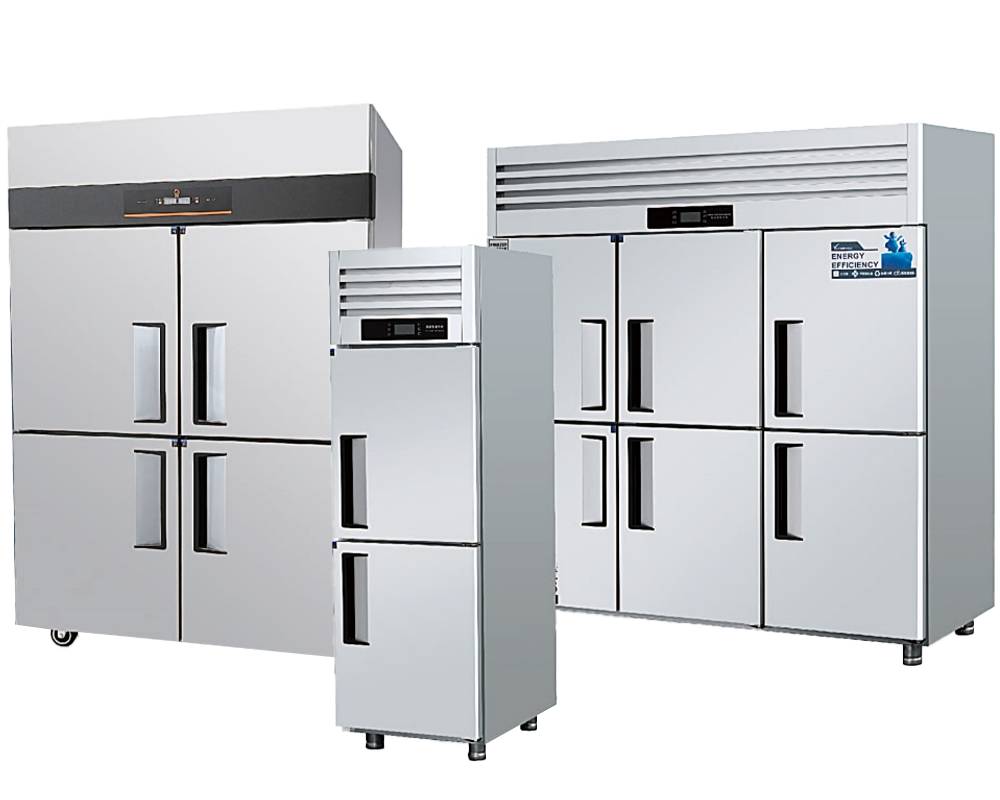 Commercial Vertical Direct-cool Stainless Steel Reach-in Refrigerator
-
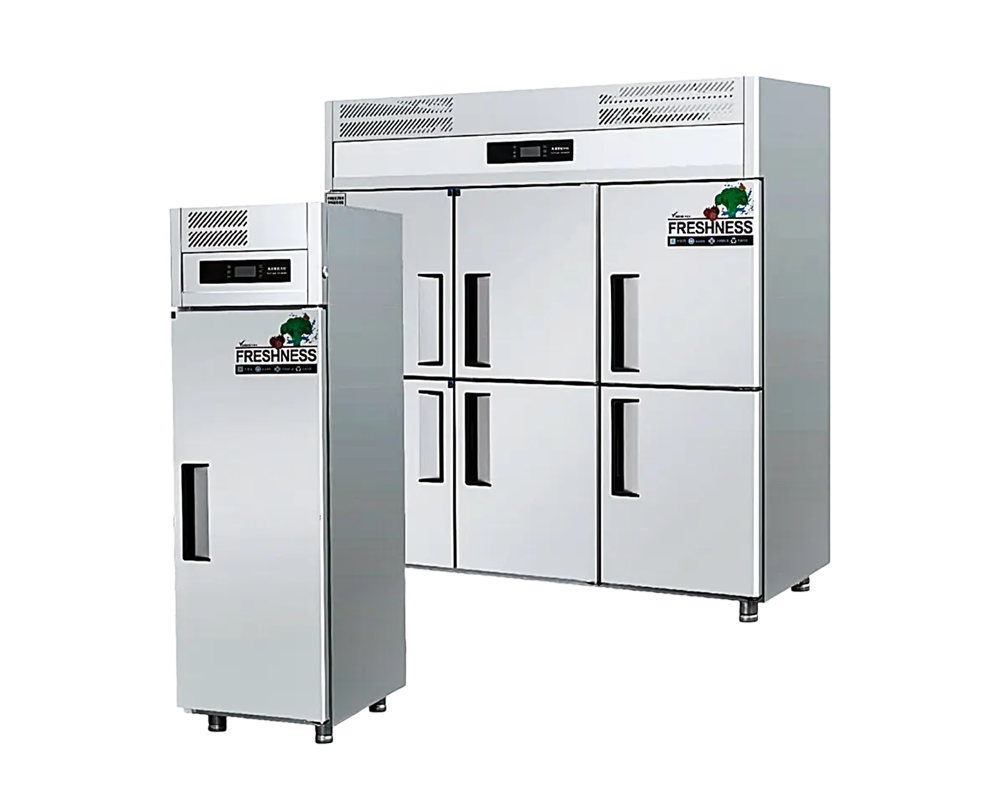 Commercial 201SUS Upright Air Cooling Reach-in Refrigerators
-
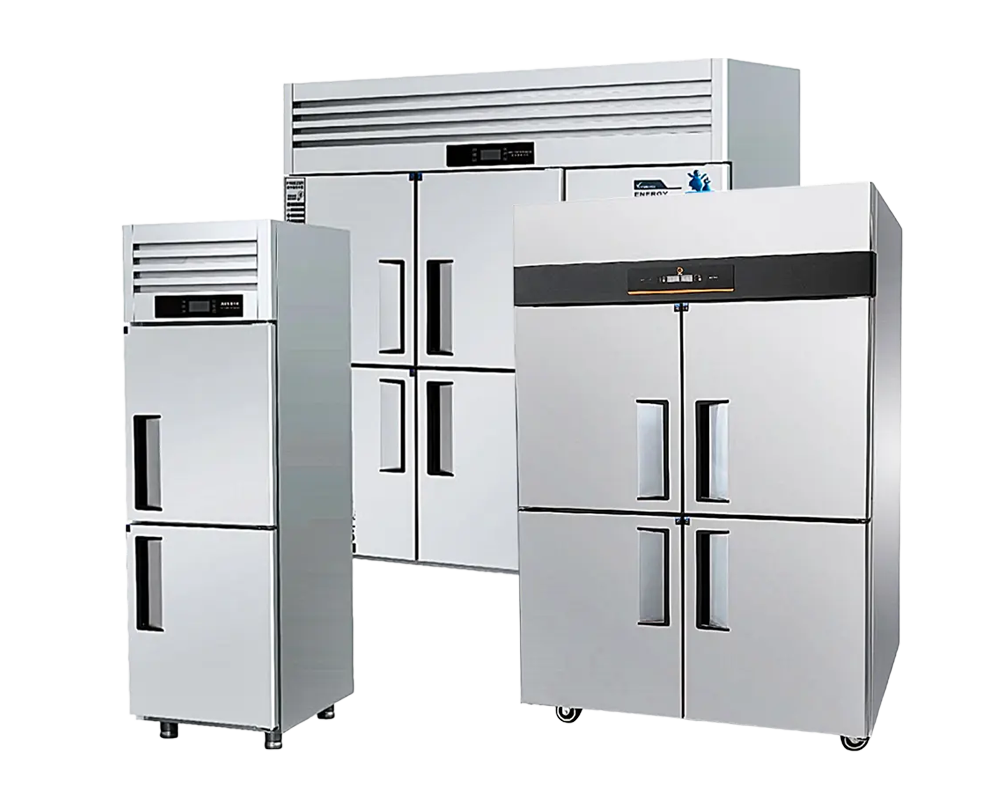 Commercial Direct-Cool Upright Reach-in Freezers
-
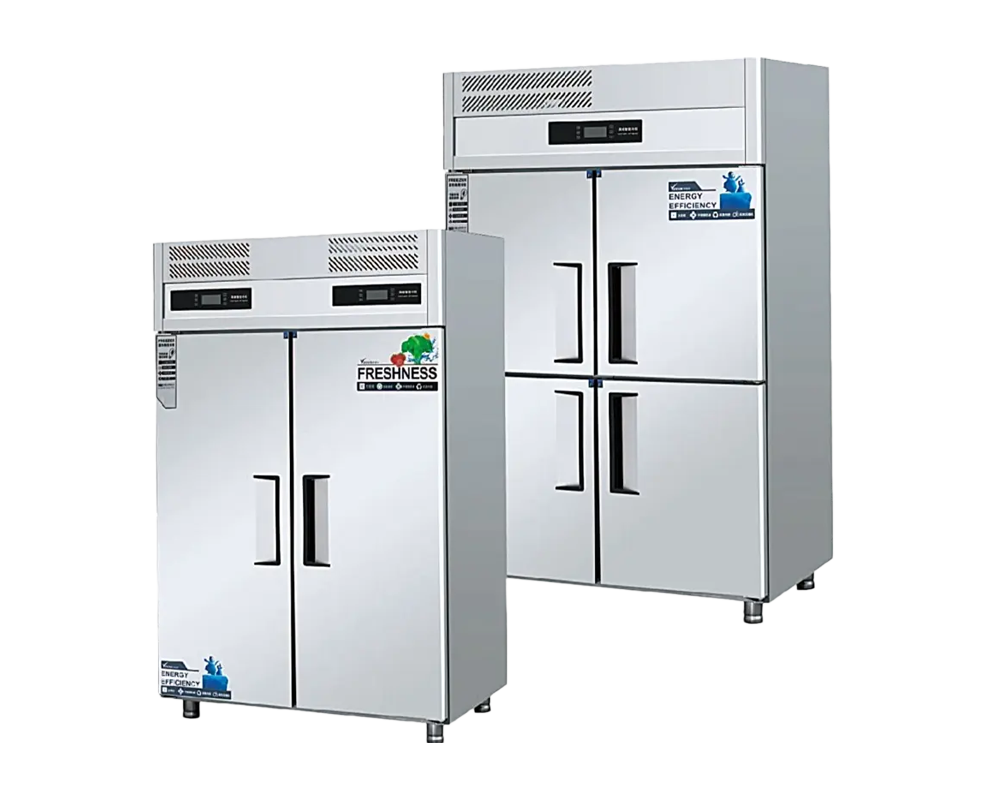 Commercial Stainless Steel Air Cooled Reach-in Vertical Freezers
-
 Dual Temperature Control Direct Cooling Commercial Upright Reach-in Refrigerators
-
 Commercial Vertical Air Cooled Intelligent Reach-in Freezer and Refrigerator
-
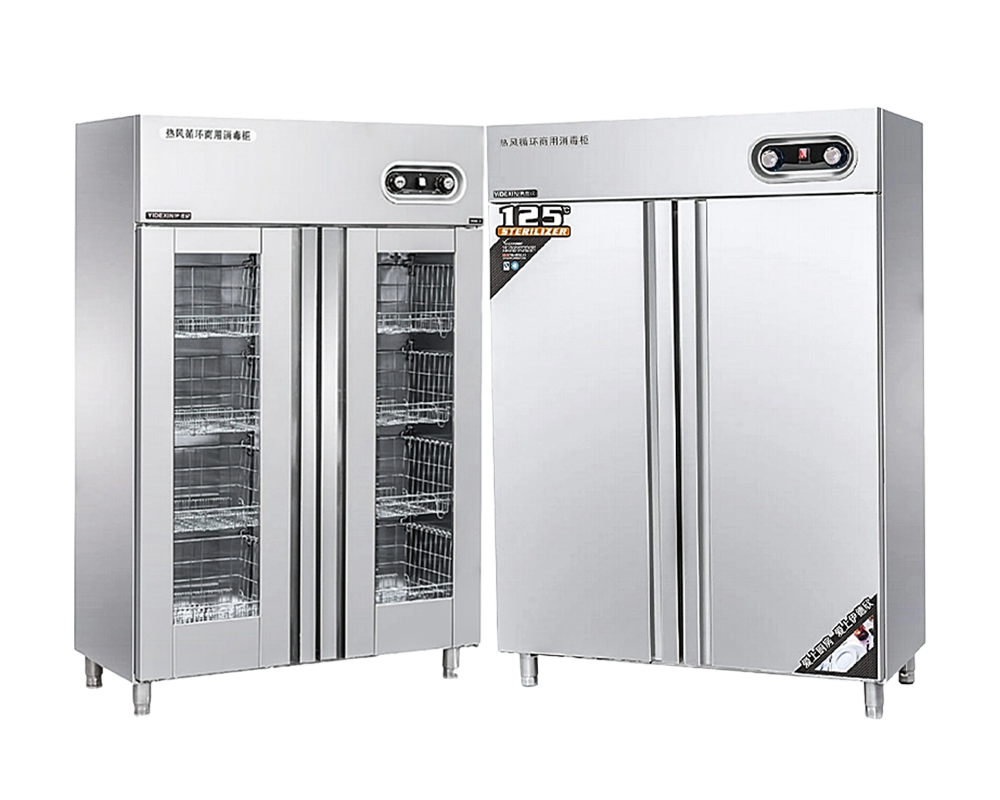 Stainless Steel/Glass Flat Door Sterilization Cabinet
-
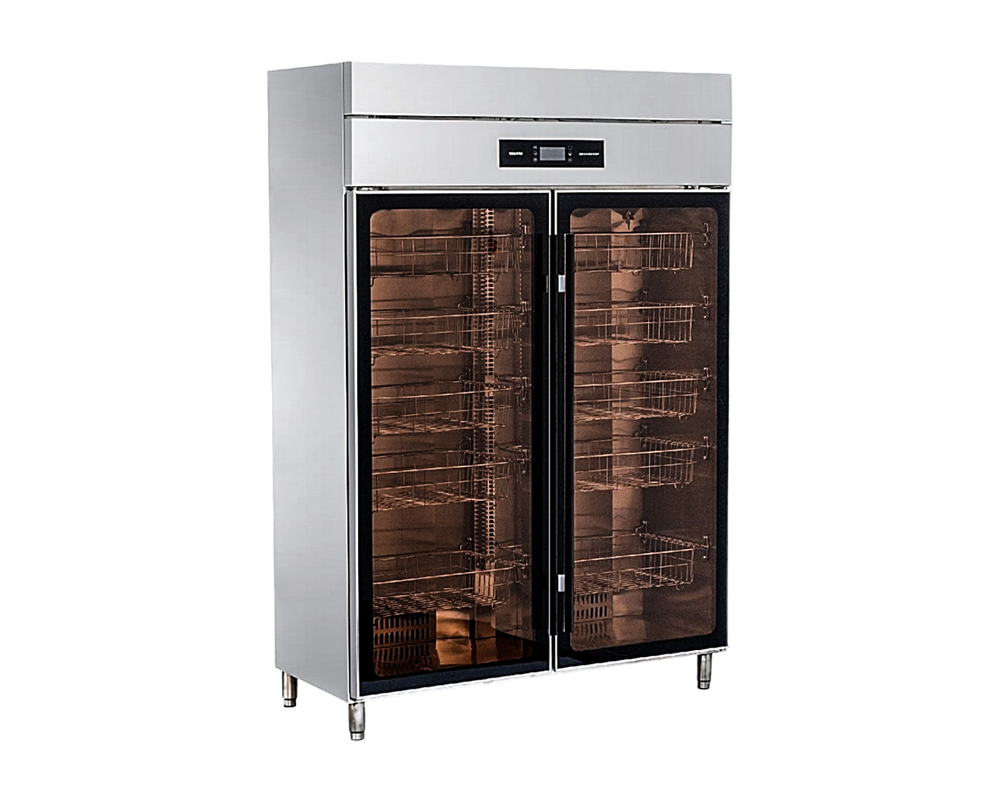 Multifunctional Three-mode High Temperature Glass Door Disinfection Cabinet
-
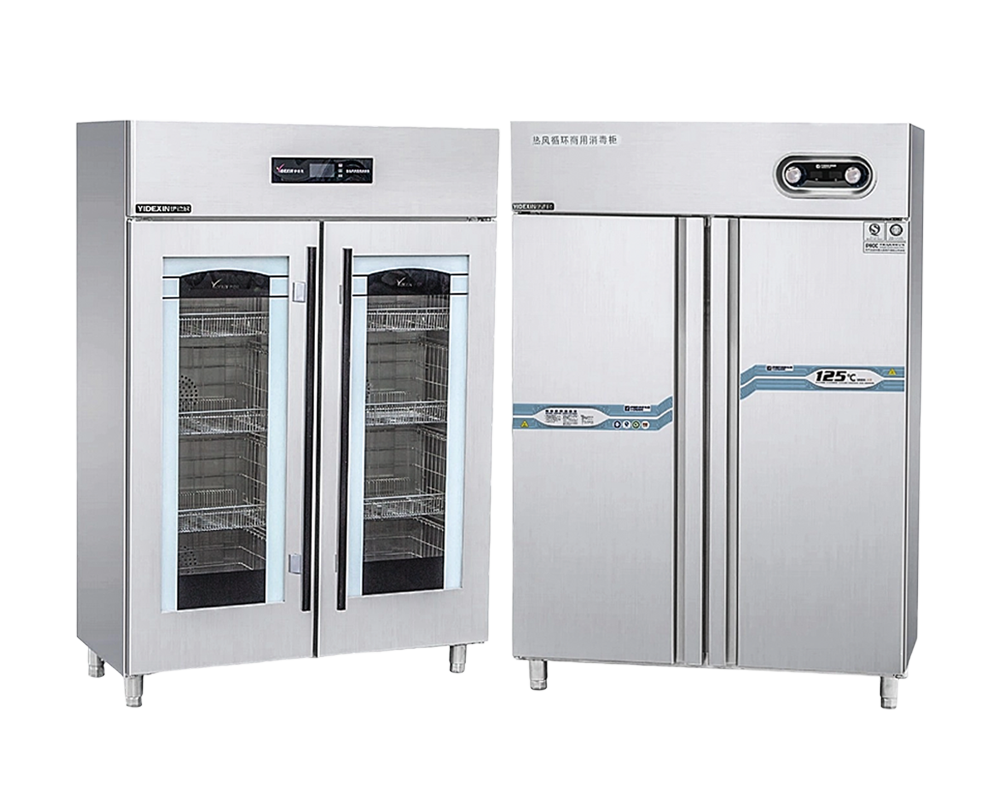 Commercial Restaurant Anti-Fingerprint Stainless Steel Disinfection Cabinet
-
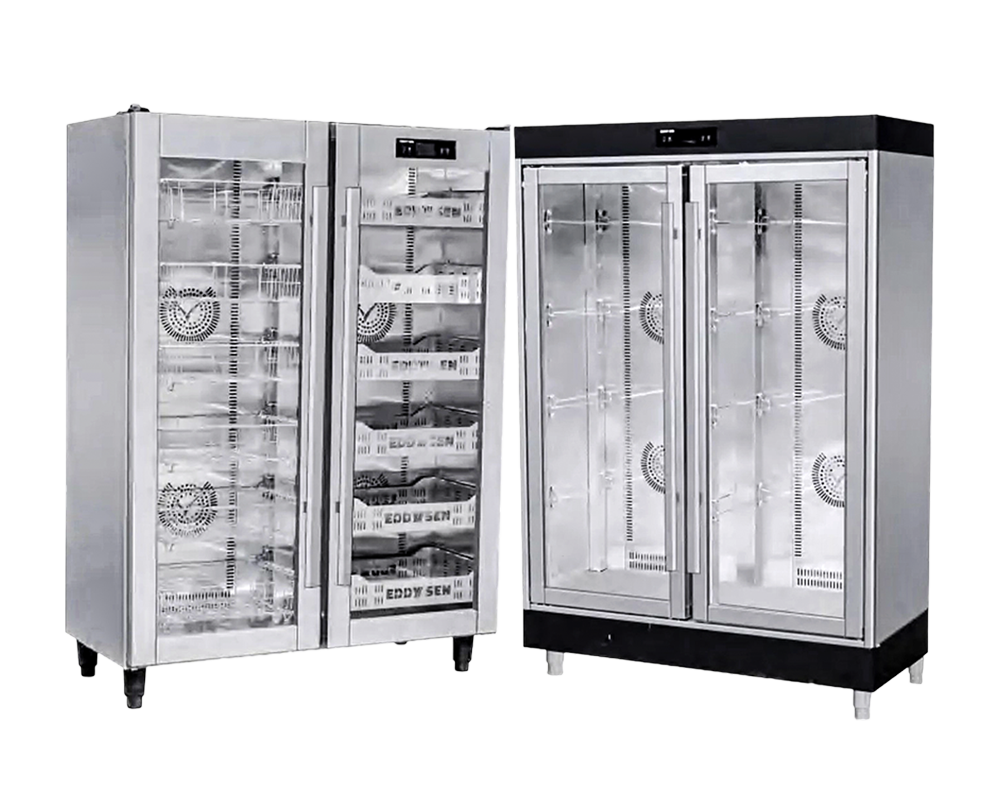 Intelligent Light Wave Stainless Steel UV Disinfection Cabinet
-
 [email protected] / [email protected]
-
 +86-15066977778 / +86-19012777577

-
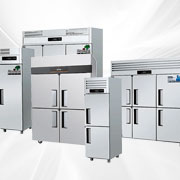 Reach-in Refrigerators
-
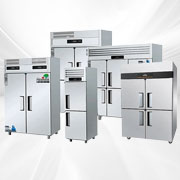 Reach-in Freezers
-
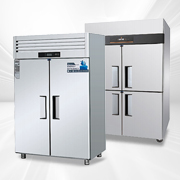 Dual Temperature Refrigerators
-
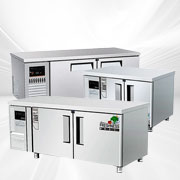 Worktop Refrigerators
-
 Worktop Freezers
-
 Salad Bar Refrigerators
-
 Combined Island Display Refrigerators
-
 Air Curtain Refrigerators
-
 Fresh Cabinets
-
 Display Refrigerators(Glass Door)
-
 Electric Rice Steamer Cabinets
-
 Gas Rice Steamer Cabinets
-
 Vertical Banquet Cabinets
-
 Horizontal Banquet Cabinets
-
 Heated Disinfection Cabinets
Home / News / Industry information / Small Commercial Fridge: Types, Buying Factors & Space-Saving Tips
Small Commercial Fridge: Types, Buying Factors & Space-Saving Tips
Content
- 1 What Makes a Fridge "Small Commercial"?
- 2 4 Types of Small Commercial Fridges — and Which Fits Your Space
- 3 Key Buying Factors for a Small Commercial Fridge
- 4 Food Safety Compliance: Temperature Standards You Must Meet
- 5 Energy Efficiency: Why ENERGY STAR Matters for Small Operations
- 6 Choosing an OEM/ODM Supplier vs. Off-the-Shelf
Space is money in any commercial kitchen, café, or retail setup — and the refrigerator is often the first place that tension shows up. A full-size reach-in might cool everything perfectly, but it can block workflow, overwhelm a compact footprint, or simply cost more than the operation justifies. That's where the small commercial fridge earns its place: right-sized cooling, built to the same durability and compliance standards as its larger counterparts, without the bulk.
This guide cuts through the noise. Whether you're outfitting a pop-up café, a hotel minibar station, or a grab-and-go corner of your convenience store, here's what you actually need to know before choosing a unit.
What Makes a Fridge "Small Commercial"?
The term covers a wide range of equipment, but in practical terms, a small commercial fridge is a refrigeration unit designed for business use with a capacity typically under 20 cubic feet — and often as compact as 3–12 cu. ft. for countertop and undercounter models. These units are engineered for commercial-grade performance: high-cycle compressors, heavy-duty stainless steel construction, and the ability to recover temperature quickly after frequent door openings.
That last point is the defining difference from a residential fridge. A home unit isn't built to hold safe temperatures when staff opens the door dozens of times per shift. Commercial units are — and for standard size ranges for commercial kitchen refrigerators, understanding internal volume, exterior footprint, and door clearance requirements matters as much as raw cooling capacity.
Most small commercial fridges are also NSF-certified or CE-certified, signaling they meet sanitation standards required by health codes in professional food environments. This is not optional for businesses subject to health inspections — it's a baseline requirement, not a premium feature.
4 Types of Small Commercial Fridges — and Which Fits Your Space
Not every compact commercial fridge is built for the same job. The four types most relevant to small-footprint operations each solve a different problem.
Undercounter Refrigerators sit below countertop height (typically 34–36 inches) and slide into prep stations, bar counters, or service lines without consuming vertical space. Capacity runs from 5 to 12 cu. ft. They're the default choice for bars, coffee stations, and any kitchen where ingredients need to be arm's reach from the prep zone. See how undercounter and reach-in refrigerators for compact kitchens can be combined to maximize cold storage without sacrificing floor space.
Worktop (Workbench) Refrigerators take the undercounter concept one step further by integrating a stainless steel prep surface on top. The refrigerator compartment keeps ingredients cold below; the work surface handles food prep above. This makes them particularly efficient in small commercial kitchens where every square foot does double duty. Eddysen's range of worktop refrigerators with integrated stainless steel prep surfaces includes both direct-cool and fan-cooled models, supporting ambient temperatures up to 43°C — a critical spec for hot kitchen environments.
Single-Door Reach-In Refrigerators are the smallest version of the classic upright commercial fridge, typically starting at 19–23 cu. ft. for single-door configurations. They're the right call when you need meaningful storage capacity in a narrow footprint. These units use powerful compressors and three-dimensional air circulation to maintain consistent temperatures across all shelves. Explore single-door reach-in refrigerators built for high-temperature kitchens, including models with Dixell digital controls and spring-loaded auto-close doors for energy efficiency.
Countertop Display Refrigerators prioritize product visibility over storage volume — typically 3–8 cu. ft. — and are designed for front-of-house use in bakeries, cafés, and convenience stores. Glass panels, LED lighting, and precise temperature control (usually 0–10°C) create an environment that keeps food fresh while encouraging impulse purchases. For a detailed breakdown of door types, airflow designs, and placement strategies, the guide on display refrigerator types for front-of-house commercial use covers all six configurations in depth.
Key Buying Factors for a Small Commercial Fridge
Choosing the wrong unit is a costly mistake — not just in upfront spend, but in repair frequency, food spoilage risk, and workflow disruption. These are the specs that actually matter.
Exterior footprint vs. interior volume. Measure your installation space first, always. Factor in door swing clearance (a single door swings out 90–120 degrees), side and rear ventilation gaps (50–100 mm recommended), and ceiling height if you're wall-mounting or stacking. A unit that looks right on paper can block a walkway or trap heat if installed without adequate clearance.
Fan-cooled vs. direct-cool systems. Fan-cooled (air-cooled) units use a circulation fan to distribute cold air evenly, maintaining a smaller temperature differential between shelves. This makes them superior for temperature-sensitive ingredients — seafood, dairy, prepared foods — and for high-frequency access scenarios. Direct-cool units rely on natural convection and are simpler, cheaper, and better at retaining moisture, making them well-suited for fruits, vegetables, and short-term storage. They also consume less power in low-traffic settings.
Digital temperature control. Manual dial thermostats are a liability in commercial settings. Digital controllers — particularly models with Dixell thermostats — allow precise setpoint control, display real-time internal temperature, and trigger alerts when temperature drifts outside range. This isn't a luxury feature; it's a food safety tool.
Material construction. Stainless steel 201 or 304 interiors resist corrosion, withstand cleaning chemicals, and meet hygiene standards for food contact surfaces. Rounded interior corners eliminate dead zones where bacteria accumulate. High-density cyclopentane foam insulation (5–6 cm thickness) reduces compressor cycling frequency, lowering both energy consumption and mechanical wear.
High ambient temperature tolerance. Most standard commercial refrigerators are rated for ambient temperatures up to 32°C. If the unit sits near cooking equipment or in a poorly ventilated area, look for models rated to 43°C ambient. Exceeding a unit's ambient rating is one of the most common causes of premature compressor failure.
Food Safety Compliance: Temperature Standards You Must Meet
Refrigeration isn't just about keeping things cold — it's a legal and public health requirement. The FDA Food Code mandates that potentially hazardous foods be held at 41°F (5°C) or below during cold storage. Above this threshold, bacterial populations can double every 20 minutes, turning an improperly cooled ingredient into a liability. Full details on cold holding requirements are available directly from the FDA's official food storage safety guidelines.
In practice, this has direct implications for unit selection. A small commercial fridge in a busy café kitchen gets opened and closed repeatedly throughout service. Each door opening raises the internal temperature. A unit with a weak compressor or inadequate insulation won't recover quickly enough — and persistent temperature drift puts the operation out of compliance.
When evaluating any unit, check its temperature recovery time after door opening. The best small commercial refrigerators are designed with three-dimensional air circulation, thick insulation layers, and spring-hinge auto-close doors specifically to address this. These aren't marketing features — they're engineering responses to real food safety constraints.
For units used in jurisdictions requiring NSF or CE certification, verify the certification status before purchasing. A non-certified unit may fail a health inspection regardless of how well it actually cools.
Energy Efficiency: Why ENERGY STAR Matters for Small Operations
Commercial refrigerators run 24 hours a day, 365 days a year. Energy costs accumulate fast — and for a small business operating on thin margins, the difference between a standard unit and an efficient one is measurable on the monthly utility bill.
According to the U.S. EPA, ENERGY STAR certified commercial solid-door refrigerators can save businesses over 325 kWh annually — worth more than $40 per year in electricity costs, and approximately $350 over the unit's operational lifetime. Glass-door models deliver even greater savings: around 370 kWh and nearly $50 per year. The full certification criteria and savings data are published on the ENERGY STAR commercial refrigerators and freezers program page.
Beyond ENERGY STAR, the refrigerant specification matters. Older HFC refrigerants (like R-134a or R-404A) have Global Warming Potentials (GWPs) hundreds to thousands of times higher than CO₂. Modern commercial units using R290a (propane) refrigerant carry a GWP below 10 — making them significantly more sustainable and future-proof as environmental regulations tighten globally. Eddysen's current product line uses R290a across its worktop and reach-in refrigerator ranges as standard.
Other efficiency features worth prioritizing: adaptive defrost cycles that run only when frost buildup is detected (rather than on a fixed timer), LED interior lighting that generates less heat than fluorescent alternatives, and variable-speed compressors that scale output to actual cooling demand rather than running at full capacity continuously.
Choosing an OEM/ODM Supplier vs. Off-the-Shelf
For single-unit purchases, off-the-shelf commercial fridges from established manufacturers offer straightforward value: defined specs, immediate availability, and standard warranty coverage. This is the right path for most cafés, small restaurants, and retail setups with standard space requirements.
For businesses buying in volume — chain operators, hospitality groups, institutional buyers — OEM/ODM procurement unlocks a different set of options. Custom exterior dimensions, branded finishes, dual-temperature configurations, or proprietary shelving arrangements all become possible when working directly with a manufacturer. Lead times typically run 30–75 days depending on customization complexity, but the result is equipment designed for the exact operational context rather than adapted from a standard catalog.
Eddysen has operated as a commercial kitchen equipment manufacturer since 2006, with over a decade of OEM/ODM experience across international markets. CE-certified production, ISO 9001-certified processes, and a factory located in Shandong — China's commercial kitchen manufacturing hub — underpin both standard product lines and custom builds. Whether the need is a single countertop display unit or a full refrigeration solution for a hotel chain's kitchen rollout, the sourcing path differs, but the equipment standards stay consistent.
The clearest signal for when to explore OEM/ODM: when you're ordering more than 5–10 units with shared specifications, or when standard dimensions simply don't fit your space or brand requirements. At that threshold, the economics of a direct manufacturer relationship typically justify the additional lead time.

-
 Add.
Add.
Sales Center:Room 410, Floor T3-4, Zhonghai Development Building, No. 888, Kejiguan Street, Binjiang District, Hangzhou, Zhejiang,China
Factory Address:100 Meters South Of Zhongmao Village, Xingfu Town, Boxing County, Binzhou City, Shandong Province, P.R.China
Sales Center:Room 410, Building 15, Tianan Headquarters Center, 555 North Panyu Avenue, Donghuan Street, Panyu District, Guangzhou City, china
-
 Tel.
+86-15066977778+86-19012777577
Tel.
+86-15066977778+86-19012777577 -
 Email.
Quick Links
Product Fast Links
Mobile Terminal
Copyright @Hangzhou Eddysen Catering Equipment Co., Ltd.All rights reserved. Commercial Freezer Manufacturer