 English
 中文简体
中文简体 Español
 عربى
عربى
-
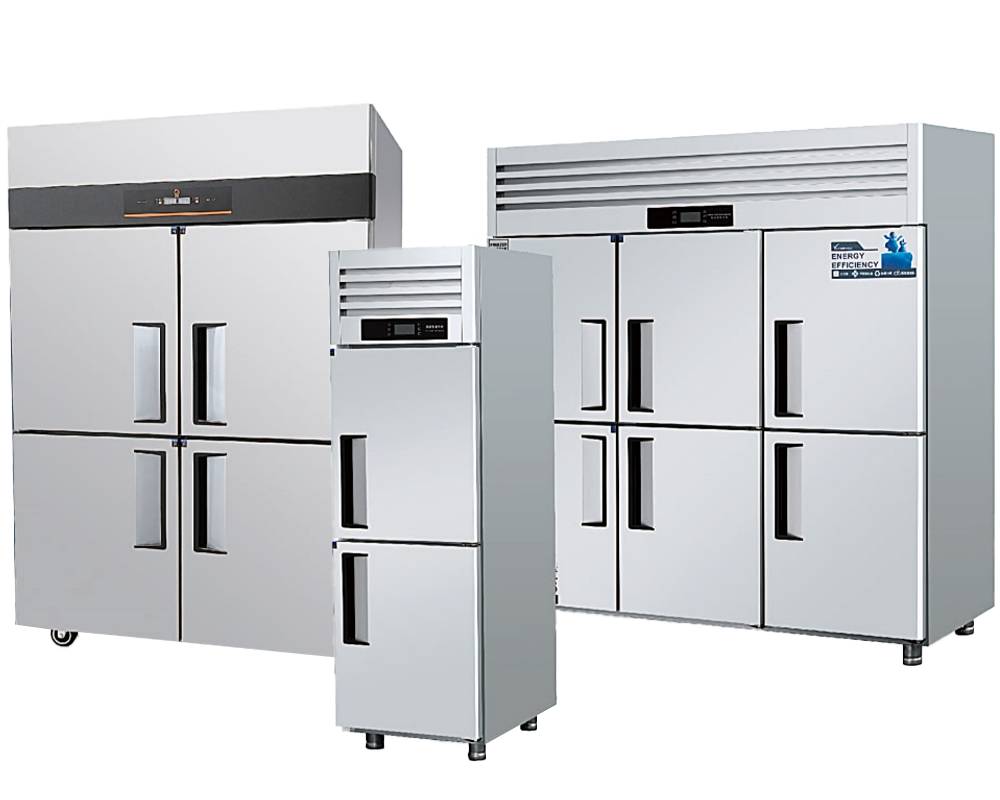 Commercial Vertical Direct-cool Stainless Steel Reach-in Refrigerator
-
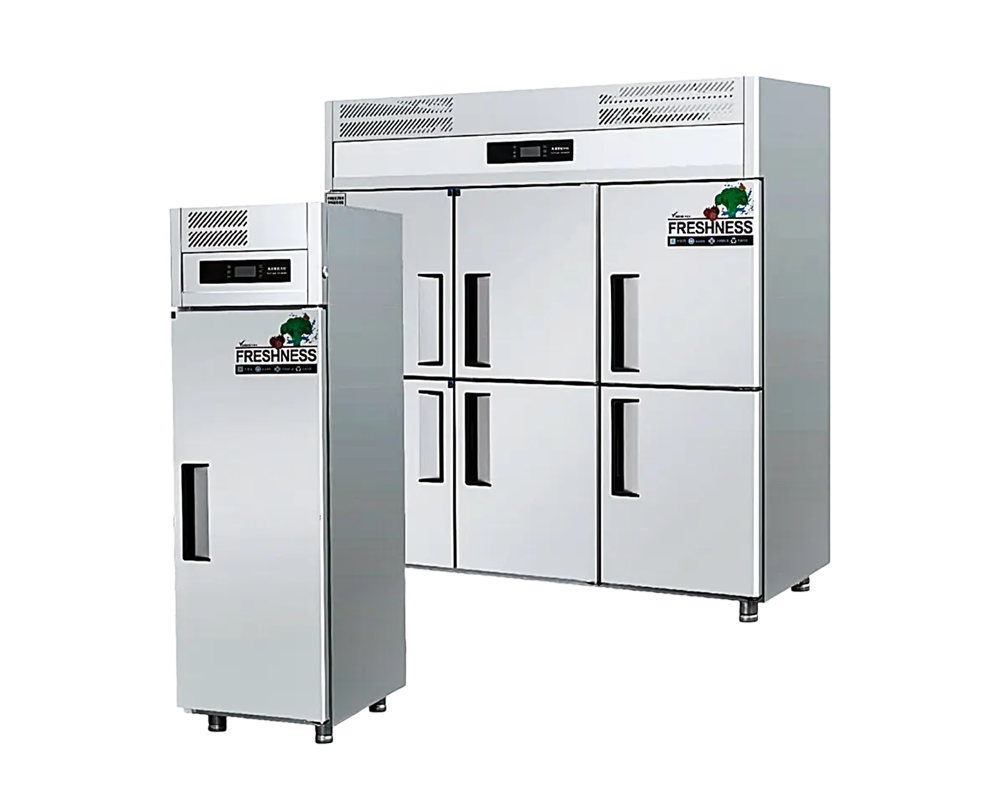 Commercial 201SUS Upright Air Cooling Reach-in Refrigerators
-
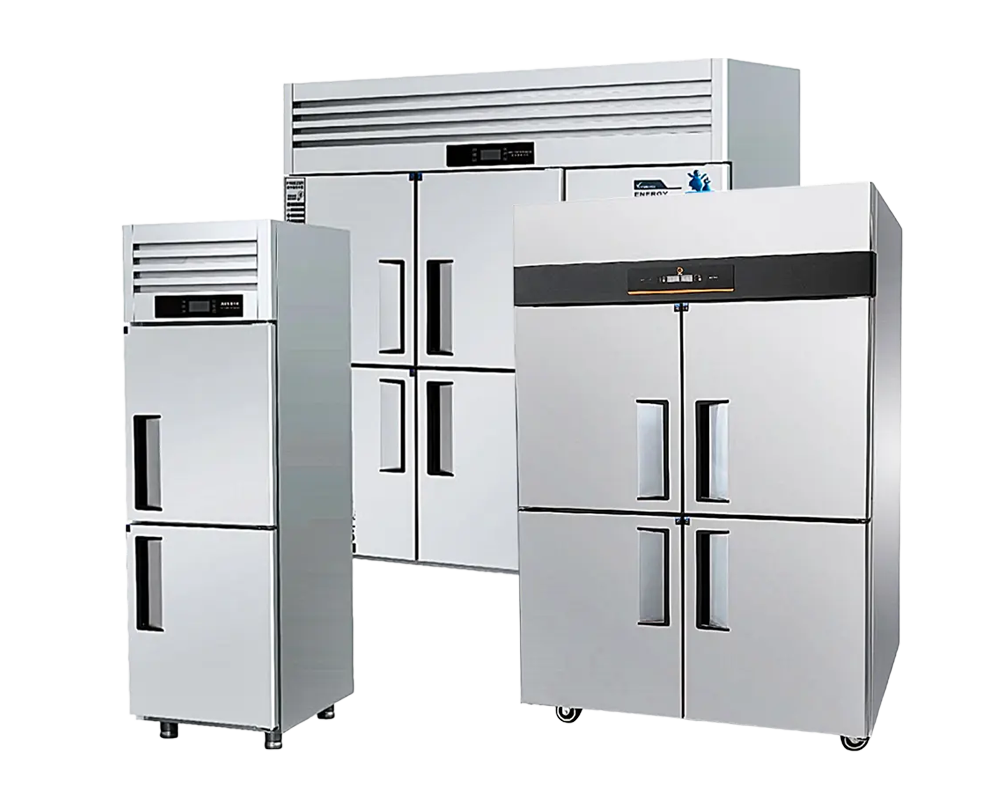 Commercial Direct-Cool Upright Reach-in Freezers
-
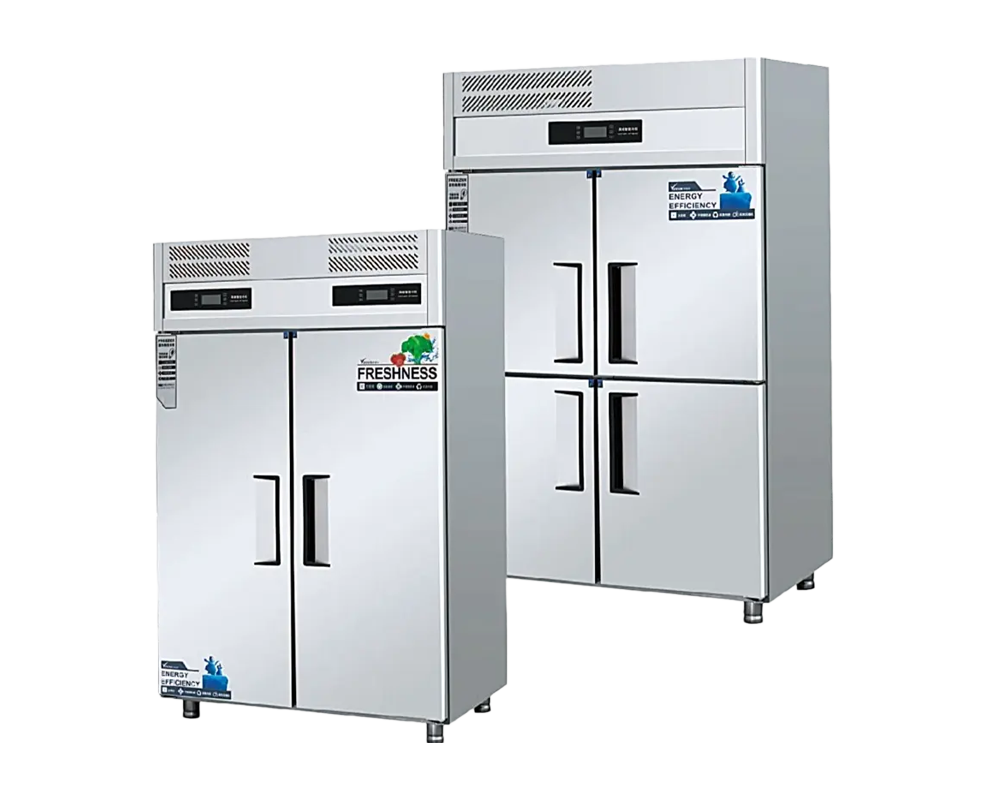 Commercial Stainless Steel Air Cooled Reach-in Vertical Freezers
-
 Dual Temperature Control Direct Cooling Commercial Upright Reach-in Refrigerators
-
 Commercial Vertical Air Cooled Intelligent Reach-in Freezer and Refrigerator
-
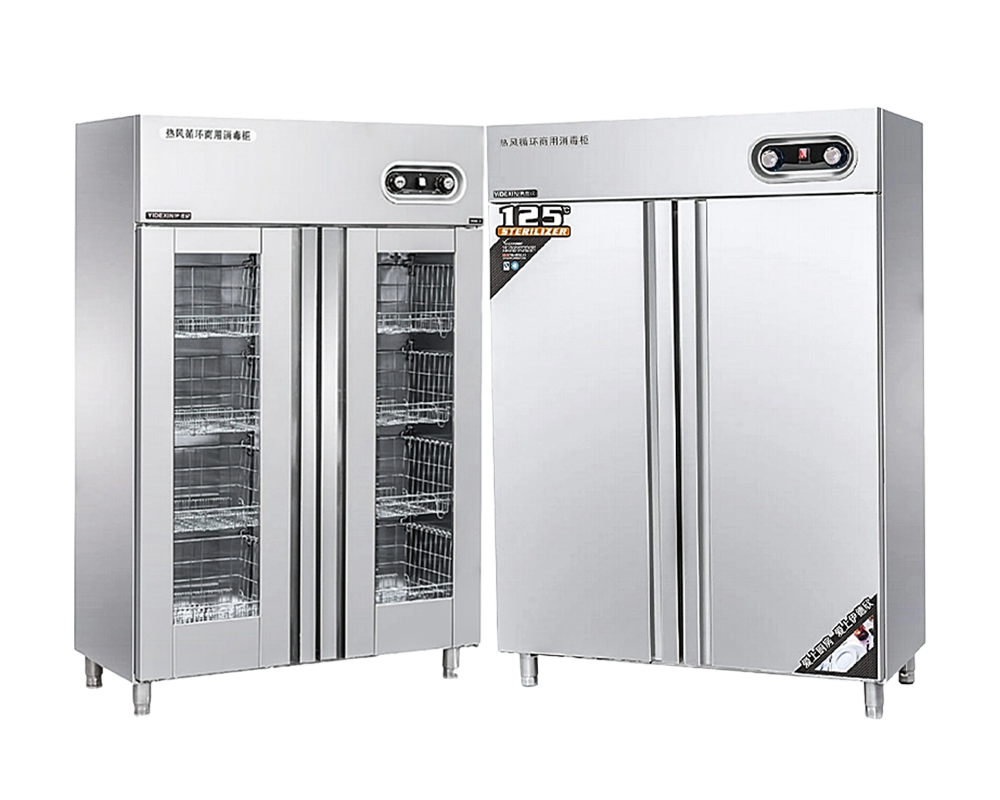 Stainless Steel/Glass Flat Door Sterilization Cabinet
-
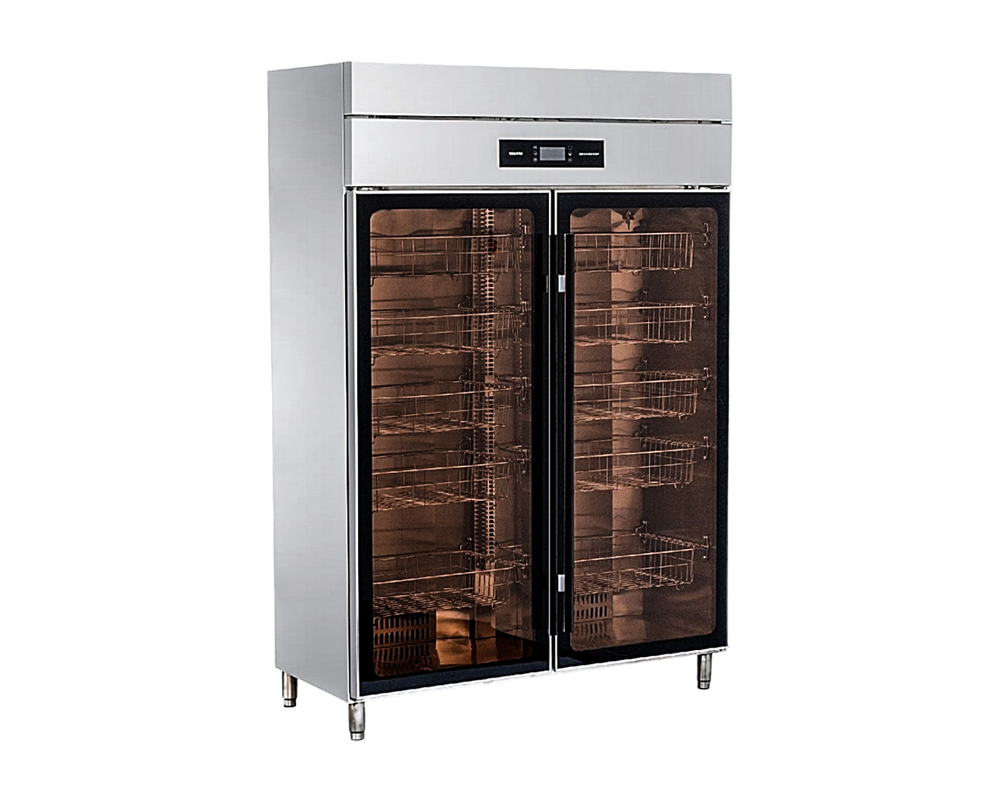 Multifunctional Three-mode High Temperature Glass Door Disinfection Cabinet
-
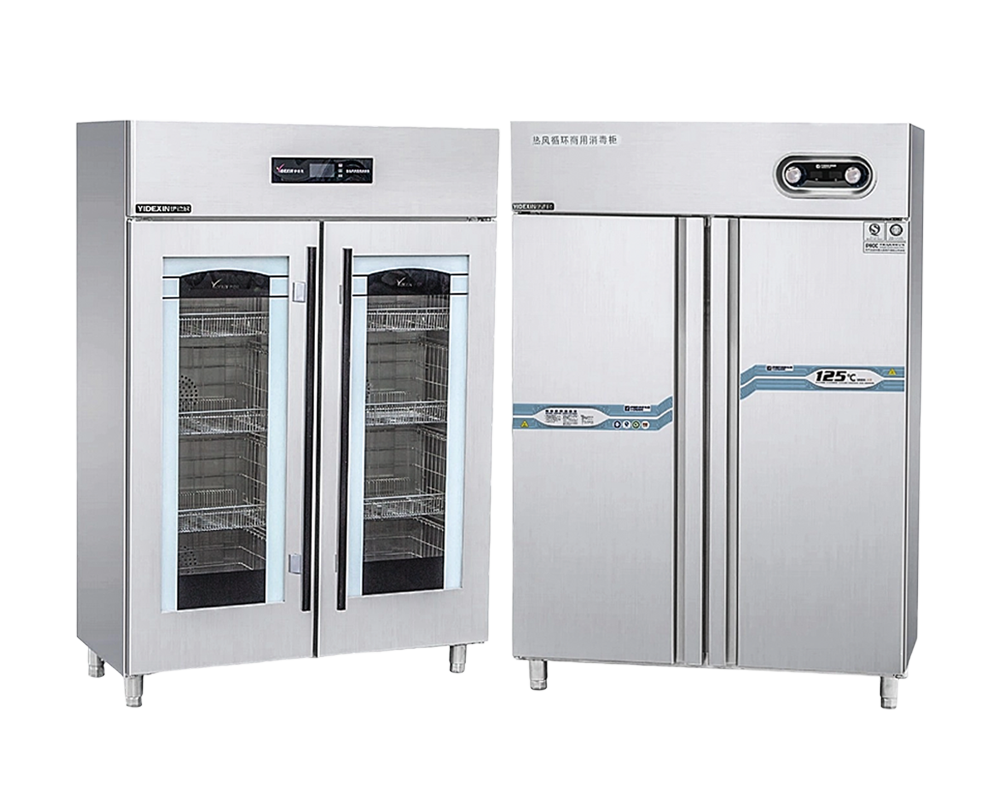 Commercial Restaurant Anti-Fingerprint Stainless Steel Disinfection Cabinet
-
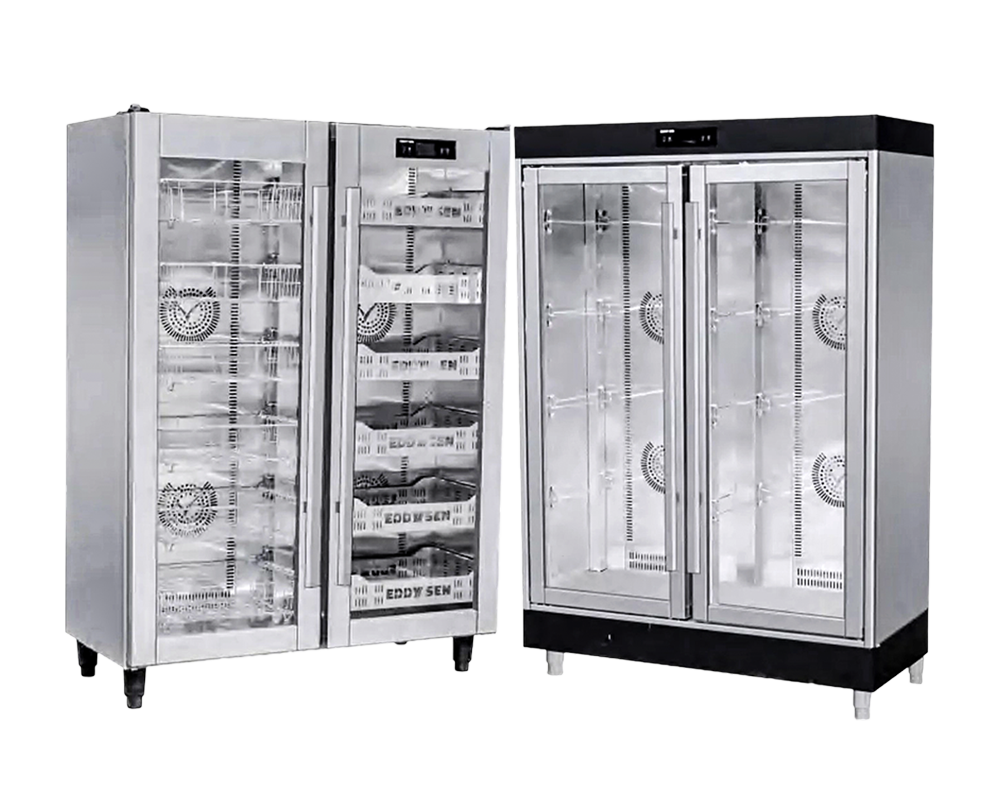 Intelligent Light Wave Stainless Steel UV Disinfection Cabinet
-
 [email protected] / [email protected]
-
 +86-15066977778 / +86-19012777577

-
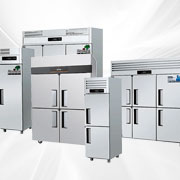 Reach-in Refrigerators
-
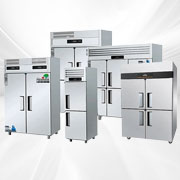 Reach-in Freezers
-
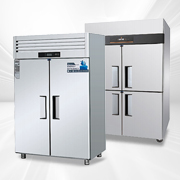 Dual Temperature Refrigerators
-
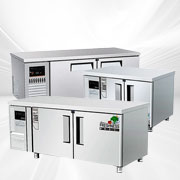 Worktop Refrigerators
-
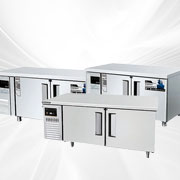 Worktop Freezers
-
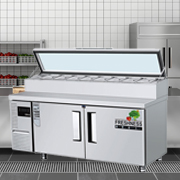 Salad Bar Refrigerators
-
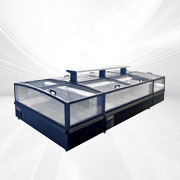 Combined Island Display Refrigerators
-
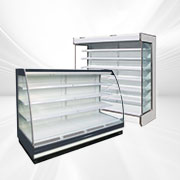 Air Curtain Refrigerators
-
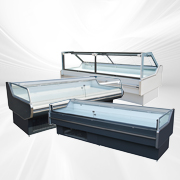 Fresh Cabinets
-
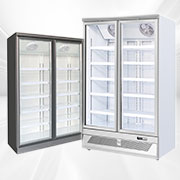 Display Refrigerators(Glass Door)
-
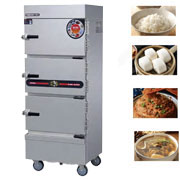 Electric Rice Steamer Cabinets
-
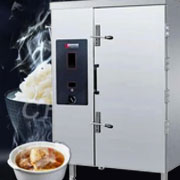 Gas Rice Steamer Cabinets
-
 Vertical Banquet Cabinets
-
 Horizontal Banquet Cabinets
-
 Heated Disinfection Cabinets
Commercial Fridges: A Complete Buyer's Guide for Businesses
Content
A commercial fridge failure during peak service can cost a restaurant thousands in spoiled inventory and lost revenue within hours. Yet many buyers still choose refrigeration equipment based on price alone, without considering type compatibility, cooling system, or supplier reliability. This guide breaks down everything a business operator or procurement manager needs to know before placing an order — from unit types to manufacturer qualifications.
Types of Commercial Fridges: Matching Equipment to Your Operation
Not all commercial refrigerators are built for the same environment. The right choice depends on your storage volume, workflow layout, and whether the unit sits front-of-house or back-of-house.
Reach-In Refrigerators
The most widely used category in commercial kitchens. reach-in refrigerators for restaurants and foodservice typically come in one-, two-, or three-section configurations with solid or glass doors. They are built for high-volume ingredient storage and designed to hold temperature even when doors are opened repeatedly during service. Glass doors allow quick inventory checks without compromising internal temperature.
Reach-In Freezers
Where a refrigerator preserves freshness, a freezer extends shelf life from days to months. commercial reach-in freezers for frozen food storage are essential for operations handling proteins, ice cream, frozen pre-prepped meals, and bulk ingredients. Look for units with forced-air fan systems that maintain even temperature distribution across all shelves.
Worktop Refrigerators and Freezers
Space is a constant constraint in professional kitchens. worktop refrigerators for space-efficient kitchen prep solve two problems simultaneously: they provide a stainless steel food prep surface on top while keeping ingredients refrigerated immediately below. Worktop freezers for compact commercial spaces follow the same principle for frozen storage. Both formats typically include lockable casters for easy repositioning and cleaning.
Glass Door Display Refrigerators
Merchandising and refrigeration in a single unit. Display refrigerators are the standard choice for convenience stores, cafes, and beverage retail — anywhere the product itself needs to be visible to drive sales. They combine LED interior lighting with transparent doors to showcase inventory while maintaining consistent cooling. The trade-off compared to solid-door units is slightly higher energy consumption due to greater thermal exchange through the glass.
Island Display Refrigerators
For supermarkets and large-format retail, island display refrigerators for supermarket merchandising are purpose-built for high-traffic aisles. Open-top or semi-open designs allow shoppers to access products from multiple sides while an air curtain maintains internal temperature. These units are typically used for meat, seafood, dairy, and frozen desserts.
Key Features That Determine Performance
Two commercial fridges can look identical on a spec sheet and perform very differently in operation. These are the features that separate reliable equipment from units that fail under pressure.
Cooling System: Fan-Forced vs. Static
Fan-forced (air-cooled) systems circulate chilled air throughout the cabinet, delivering faster temperature recovery after door openings and more even cooling across all shelf levels. Static cooling works without a fan, making it quieter and better suited for products sensitive to moisture loss — certain cheeses and pastries, for example. For most high-volume foodservice applications, fan-forced cooling is the stronger choice.
Temperature Precision and Stability
A commercial fridge needs to hold its set point reliably across varying ambient conditions — a kitchen running at 30°C is a very different operating environment than a hotel storage room. Digital thermostats with microprocessor control offer tighter accuracy (typically ±1°C) compared to mechanical controls. Some models include real-time temperature display and alarm systems that alert operators before food safety thresholds are breached.
Construction Material and Hygiene
304 stainless steel is the industry benchmark for commercial refrigeration interiors and exteriors. It resists corrosion, tolerates industrial cleaning agents, and meets hygiene standards required by food safety inspections. Interior corners should be rounded and welded smooth to prevent bacteria accumulation. Removable and adjustable shelving makes deep cleaning practical in day-to-day operations.
Energy Efficiency
A commercial fridge runs continuously — 24 hours a day, 365 days a year. Compressor efficiency, insulation thickness, and door seal quality have a direct and compounding impact on electricity costs over the equipment's lifespan. High-density polyurethane insulation (typically 60–80mm for refrigerators) significantly reduces thermal exchange. Eco-friendly refrigerants such as R290 and R600a offer lower global warming potential and often better thermodynamic performance than older refrigerant types.
Noise and Operational Environment
For front-of-house applications — hotel lobbies, café counters, retail floors — noise output matters. A unit operating above 50 dB becomes noticeable in a quiet environment. Look for specifications that confirm noise levels under actual load, not just theoretical ratings.
Food Safety and Temperature Compliance
Refrigeration equipment is not just a logistics tool — it is a food safety control point. Getting the temperature wrong has regulatory and liability consequences.
The FDA's guidance on safe food handling specifies that refrigerated food must be held at 40°F (4°C) or below at all times to inhibit pathogen growth. Most commercial operators target 38°F–40°F as a working range to build in a buffer against door-opening fluctuations. Frozen storage requires 0°F (-18°C) or below.
The temperature danger zone — between 41°F and 135°F (5°C and 57°C) — is where most foodborne pathogens multiply rapidly. A commercial fridge that cannot recover its set-point temperature quickly after a door opening or peak-load period puts product in this zone for extended periods. This is why temperature recovery speed, not just steady-state temperature, is a meaningful performance indicator when evaluating equipment.
| Storage Category | Required Temperature | Typical Applications |
|---|---|---|
| Fresh refrigeration | ≤ 40°F / 4°C | Dairy, produce, cooked proteins, beverages |
| Deep freeze | ≤ 0°F / -18°C | Ice cream, frozen proteins, pre-prepped meals |
| Wine / specialty | 50–59°F / 10–15°C | Wine cellars, certain cured products |
For operations subject to regular health inspections — restaurants, hotels, hospitals, catering companies — documented temperature logs are often required. Equipment with built-in data logging or compatibility with monitoring sensors makes compliance significantly easier to manage.
How to Choose the Right Commercial Fridge for Your Business
The selection process becomes straightforward once you work through four practical questions.
What Are You Storing, and How Much?
Start with product type and daily volume. A high-turnover beverage retailer needs glass-door display units with excellent product visibility. A hotel banquet kitchen needs large-capacity reach-in refrigerators with multiple sections to separate protein, dairy, and produce. A fast-food chain needs compact worktop refrigerators positioned exactly at the prep line. Mapping storage needs to unit type eliminates most wrong choices at the outset.
How Much Space Do You Have?
Measure available floor space and ceiling clearance, then account for ventilation clearance requirements (typically 100–150mm on each side and at the rear for air-cooled compressors). For kitchens with limited square footage, undercounter and worktop formats maximize usable floor space. For large supermarkets or hotel chains planning multiple units, supermarket refrigeration and cold chain solutions that integrate across a full floor plan may be more appropriate than standalone units.
What Is Your Volume and Procurement Model?
Single-unit buyers and large-scale procurement operations have very different needs. Businesses placing orders of 50 units or more benefit significantly from working directly with manufacturers rather than through distributors — lead times are shorter, customization is possible, and unit costs are lower. For smaller initial orders, spot supply services bridge the gap while a supplier relationship is established.
What Certifications Do You Need?
Export markets have specific requirements. CE certification is mandatory for equipment sold in the European Union. NSF certification is the standard for food equipment safety in North America. ISO 9001 confirms that the manufacturer's quality management system meets international standards. Always verify that the supplier's certifications are current and applicable to the specific product being ordered, not just the company as a whole.
Why Working Directly with a Manufacturer Matters
Most commercial refrigeration equipment sold through distributors and resellers originates from a small number of dedicated manufacturing facilities. Cutting the intermediary out of the supply chain has measurable advantages — but only when the manufacturer has the capacity, certifications, and export infrastructure to support it.
Eddysen is a commercial kitchen equipment manufacturer founded in 2006 and headquartered near Qingdao Port, one of China's primary export hubs. Annual production capacity reaches 200,000 units across product lines that include reach-in refrigerators and freezers, worktop units, display cabinets, and full supermarket cold chain systems. The factory holds ISO 9001 and ISO 14001 certifications, and products carry both CE certification for European markets and domestic 3C certification.
For buyers with OEM or ODM requirements — custom temperature ranges, branding, specific exterior finishes, or modified internal configurations — factory-direct engagement is the only realistic path. Distributors rarely have the authority or technical interface to execute product-level customization. Working directly with the production team compresses the specification-to-prototype cycle considerably.
Proximity to Qingdao Port and Hangzhou Airport also reduces logistics lead times and freight costs for international buyers, particularly those shipping to Southeast Asia, Europe, and the Middle East — regions where Eddysen has established export partnerships.
For a full overview of available product categories, visit the complete commercial kitchen equipment range to match your requirements to the right solution.

-
 Add.
Add.
Sales Center:Room 410, Floor T3-4, Zhonghai Development Building, No. 888, Kejiguan Street, Binjiang District, Hangzhou, Zhejiang,China
Factory Address:100 Meters South Of Zhongmao Village, Xingfu Town, Boxing County, Binzhou City, Shandong Province, P.R.China
Sales Center:Room 410, Building 15, Tianan Headquarters Center, 555 North Panyu Avenue, Donghuan Street, Panyu District, Guangzhou City, china
-
 Tel.
+86-15066977778+86-19012777577
Tel.
+86-15066977778+86-19012777577 -
 Email.
Quick Links
Product Fast Links
Mobile Terminal
Copyright @Hangzhou Eddysen Catering Equipment Co., Ltd.All rights reserved. Commercial Freezer Manufacturer