 English
 中文简体
中文简体 Español
 عربى
عربى
-
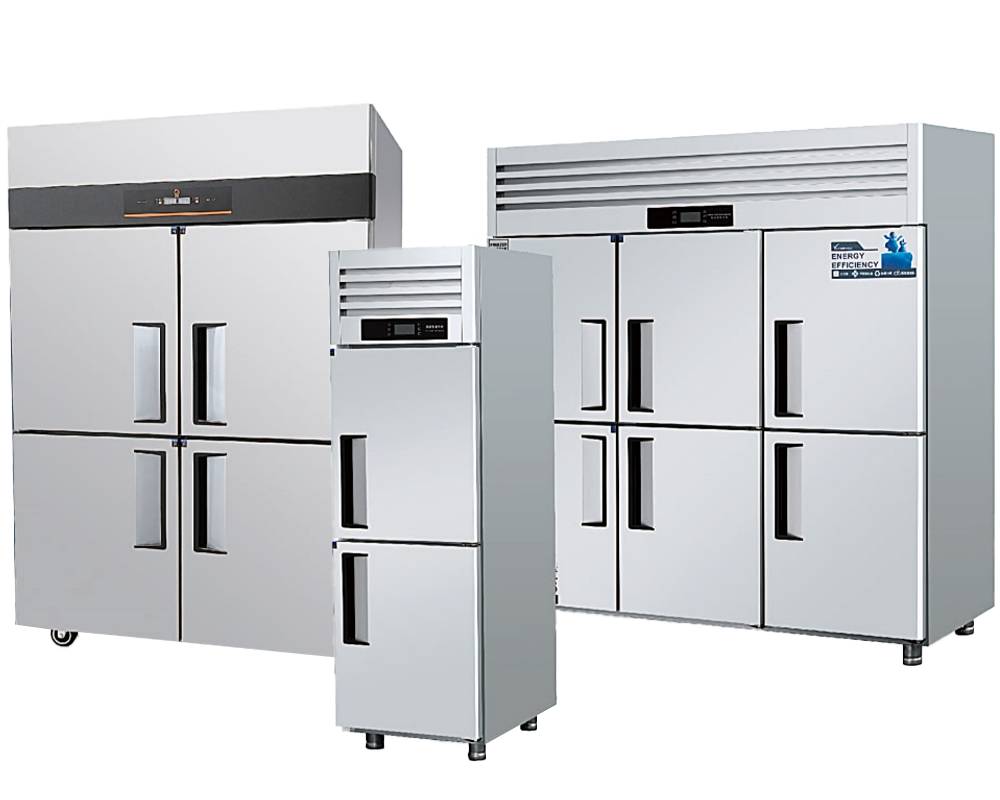 Commercial Vertical Direct-cool Stainless Steel Reach-in Refrigerator
-
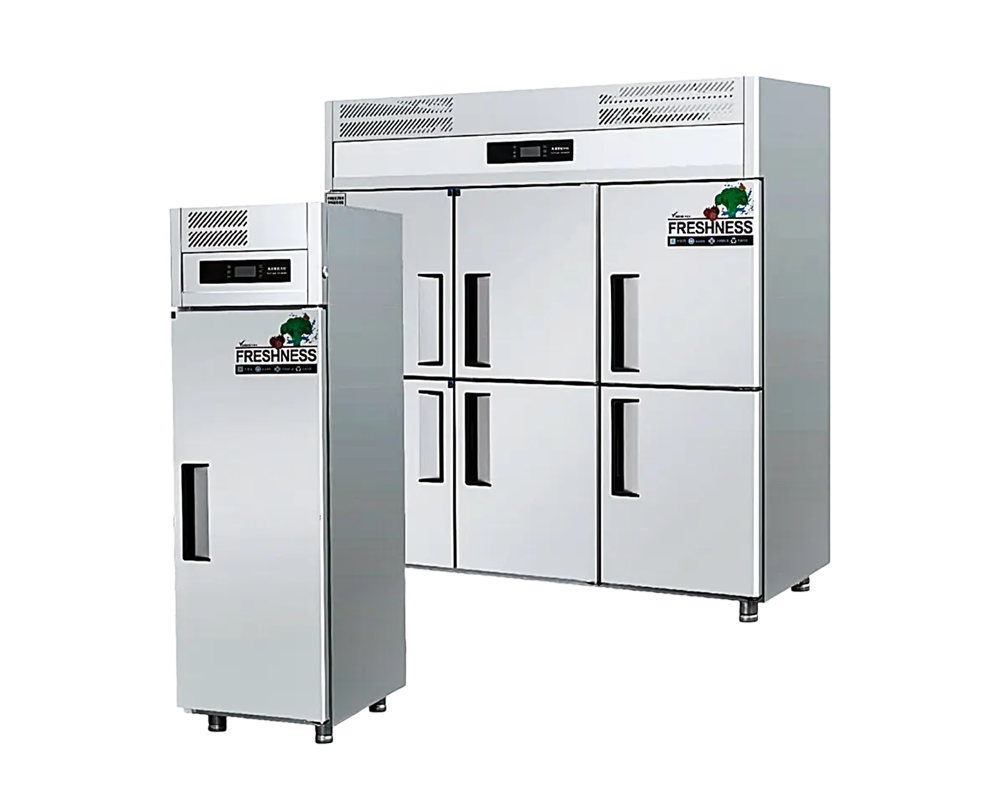 Commercial 201SUS Upright Air Cooling Reach-in Refrigerators
-
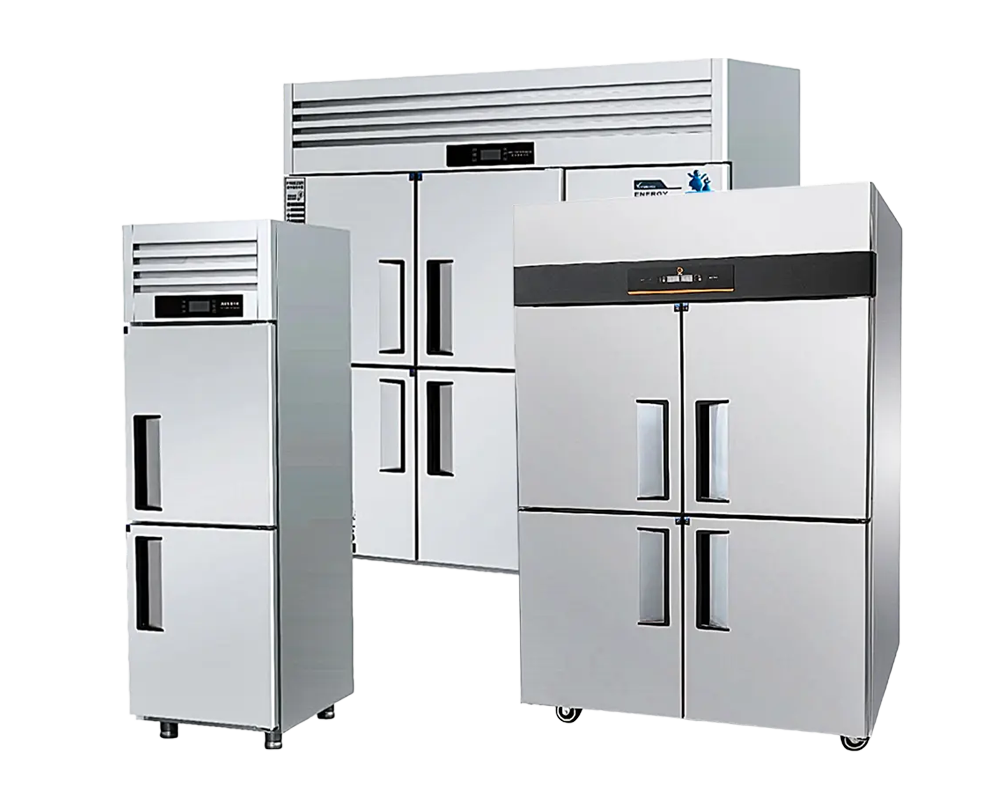 Commercial Direct-Cool Upright Reach-in Freezers
-
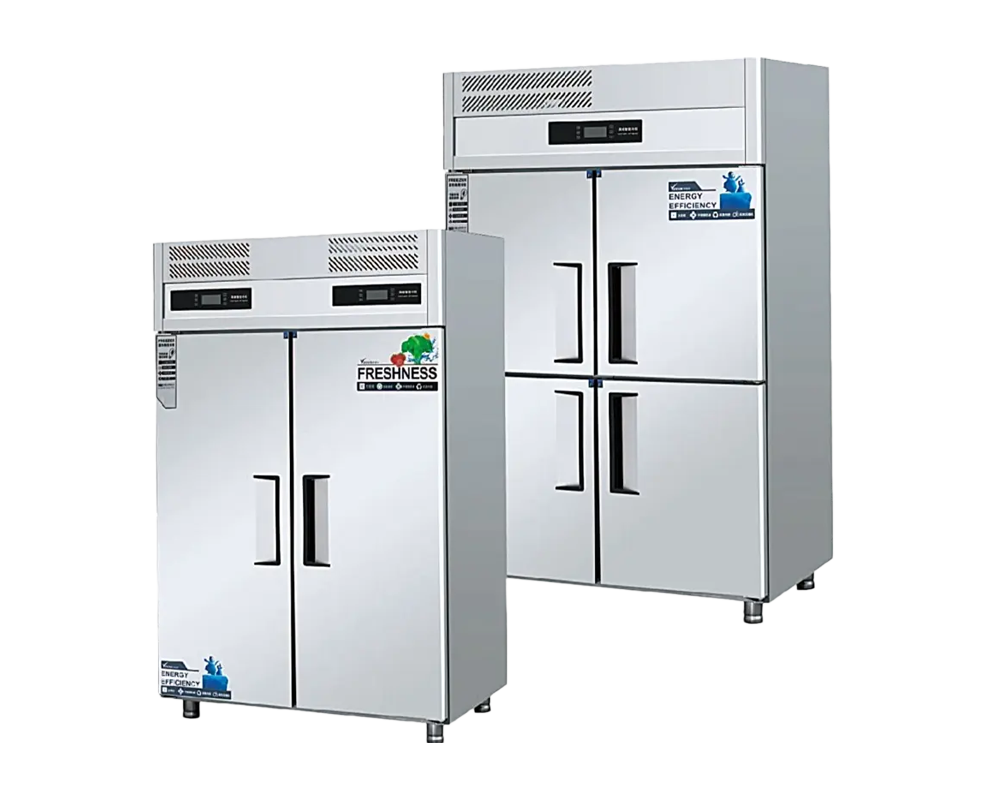 Commercial Stainless Steel Air Cooled Reach-in Vertical Freezers
-
 Dual Temperature Control Direct Cooling Commercial Upright Reach-in Refrigerators
-
 Commercial Vertical Air Cooled Intelligent Reach-in Freezer and Refrigerator
-
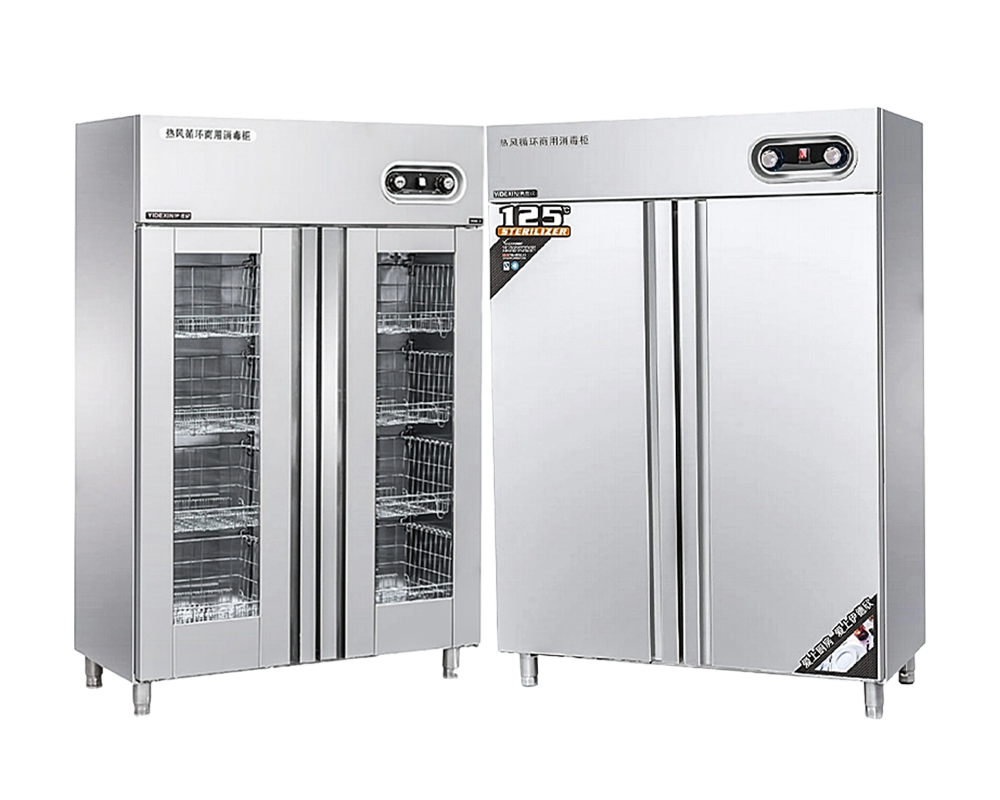 Stainless Steel/Glass Flat Door Sterilization Cabinet
-
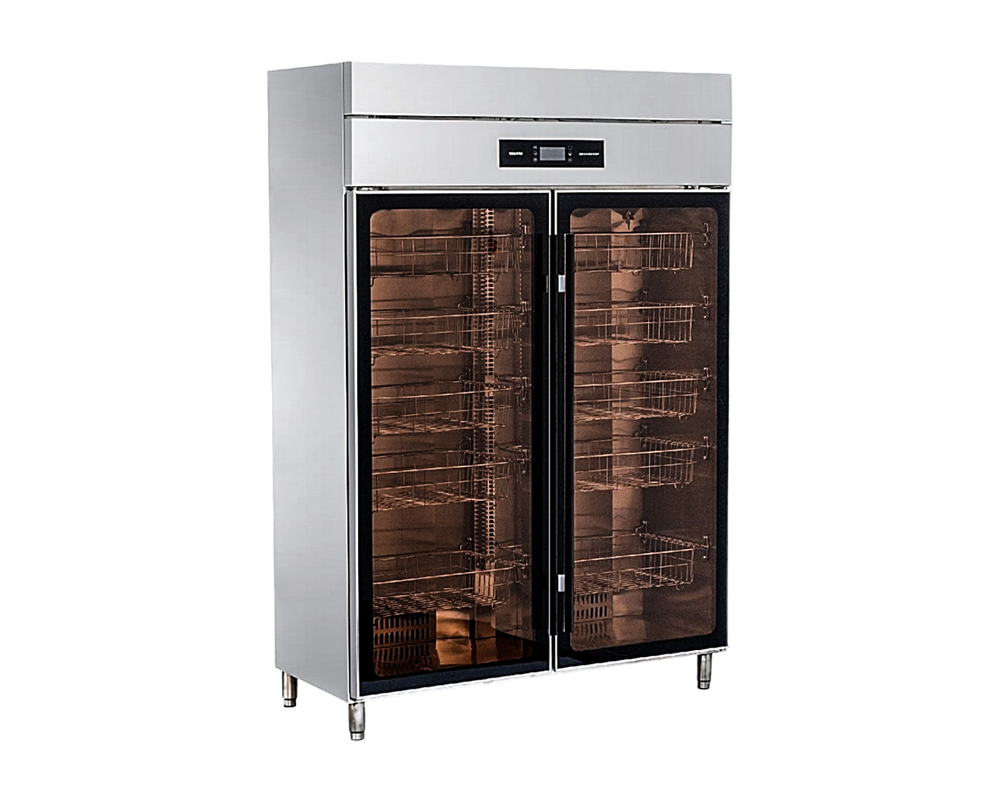 Multifunctional Three-mode High Temperature Glass Door Disinfection Cabinet
-
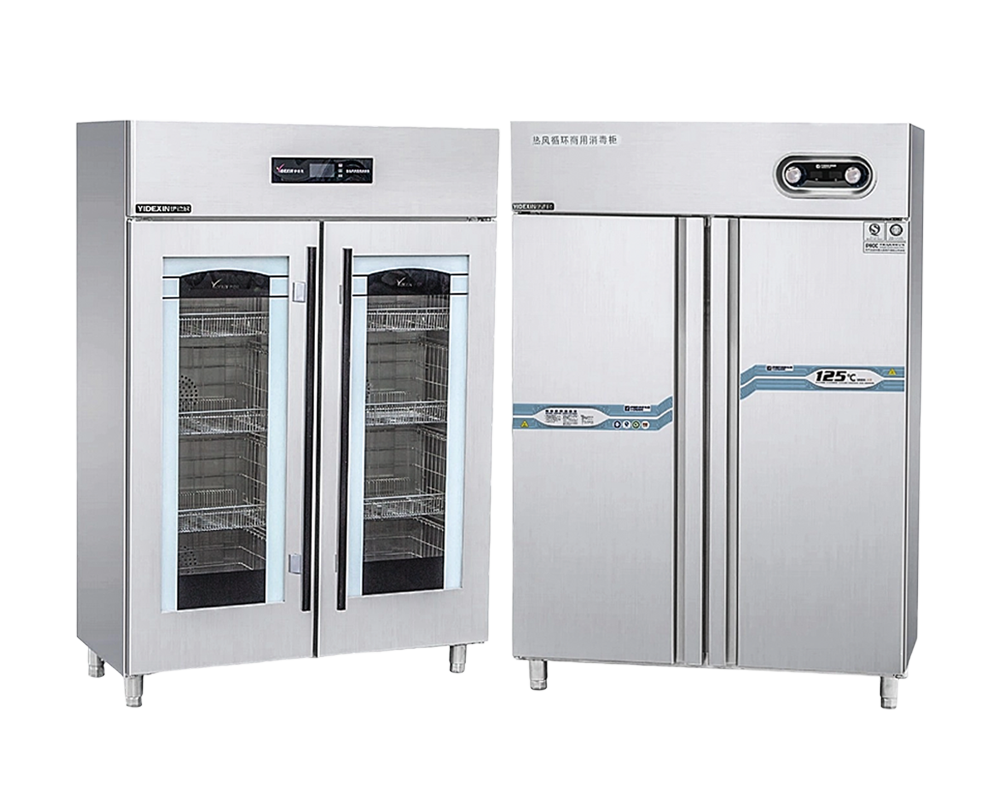 Commercial Restaurant Anti-Fingerprint Stainless Steel Disinfection Cabinet
-
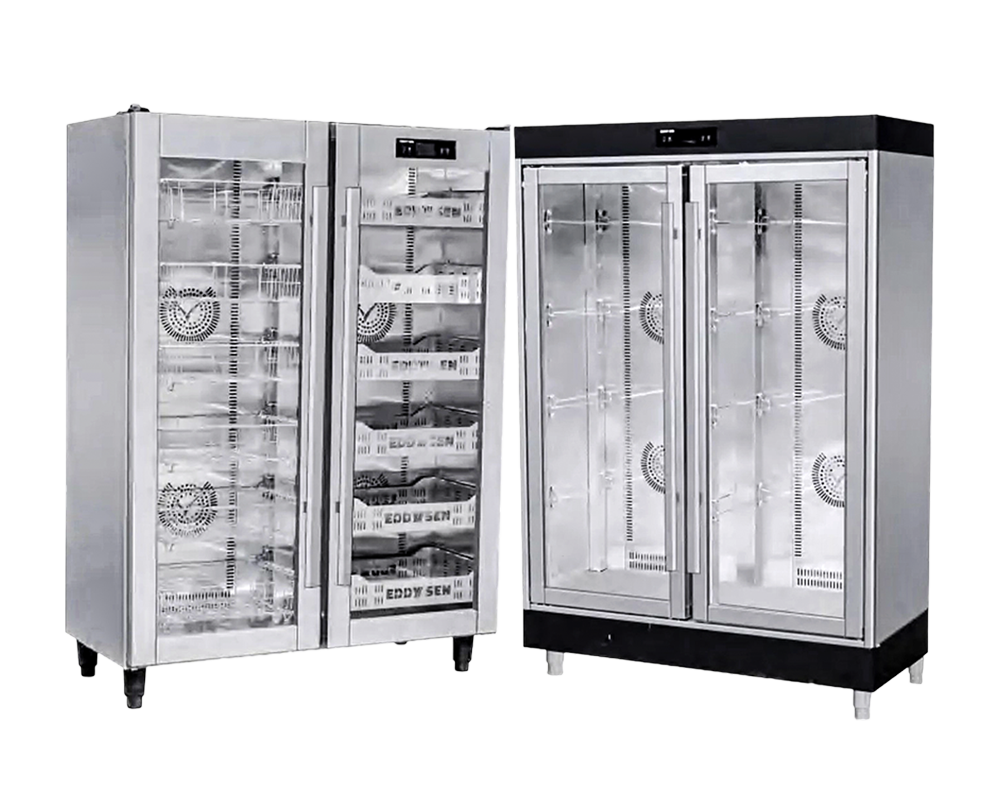 Intelligent Light Wave Stainless Steel UV Disinfection Cabinet
-
 [email protected] / [email protected]
-
 +86-15066977778 / +86-19012777577

-
 Reach-in Refrigerators
-
 Reach-in Freezers
-
 Dual Temperature Refrigerators
-
 Worktop Refrigerators
-
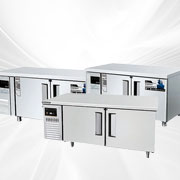 Worktop Freezers
-
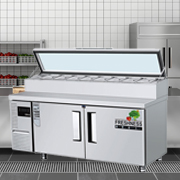 Salad Bar Refrigerators
-
 Combined Island Display Refrigerators
-
 Air Curtain Refrigerators
-
 Fresh Cabinets
-
 Display Refrigerators(Glass Door)
-
 Electric Rice Steamer Cabinets
-
 Gas Rice Steamer Cabinets
-
 Vertical Banquet Cabinets
-
 Horizontal Banquet Cabinets
-
 Heated Disinfection Cabinets
Full Size Upright Freezer: Types, Features & Buying Guide
Content
A full size upright freezer is one of the most versatile and operationally critical pieces of refrigeration equipment a commercial kitchen, supermarket, or food retail business can own. Standing at full cabinet height—typically between 78 and 84 inches—these units deliver substantial frozen storage capacity without expanding your floor footprint. For any operation that handles large volumes of frozen protein, prepared meals, ice cream, or bulk ingredients, investing in the right full size upright freezer is a decision that directly affects food safety, inventory management, and daily operating costs.
What Makes a Full Size Upright Freezer Different
The defining advantage of a full size upright freezer is its vertical design. Unlike chest freezers that spread horizontally and force staff to dig through stacked layers of frozen goods, upright models present inventory on shelves at eye level and within easy arm's reach. This translates to faster retrieval, reduced cold-air loss during access, and better FIFO (first in, first out) stock rotation—a non-negotiable requirement in regulated foodservice environments.
In terms of capacity, commercial full size upright freezers typically range from 20 to 50+ cubic feet, with multi-door configurations (single, double, or triple door) allowing businesses to segment storage zones by product category. A three-door unit in a hotel central kitchen, for instance, can dedicate one section to frozen proteins, one to desserts, and one to par-cooked meal components—without staff needing to open the entire cabinet each time.
For businesses that also require reach-in access for high-frequency inventory, our range of commercial reach-in freezers offers purpose-built configurations that complement full-height cabinet storage across different kitchen zones.
Direct Cooling vs. Air Cooling: Choosing the Right System
One of the most consequential technical decisions when selecting a full size upright freezer is the choice between direct cooling (static cooling) and air cooling (fan-forced circulation). Both systems maintain safe freezing temperatures, but they behave differently under commercial load and suit different product types.
- Direct Cooling (Static) — Heat is absorbed through the evaporator coils built into the cabinet walls. This method preserves high internal humidity, which is ideal for products that dry out easily—fresh meat cuts, unwrapped seafood, or products stored without individual packaging. Direct-cool units also cycle on and off less frequently, which reduces compressor wear over time. The tradeoff is slower recovery after door openings and a tendency for frost accumulation that requires periodic manual defrosting.
- Air Cooling (Fan-Forced) — A fan circulates cold air continuously throughout the cabinet interior. Temperature uniformity across all shelf levels is significantly tighter—typically ±1°C or better—making this system preferable for operations storing temperature-sensitive products like ice cream or packaged ready-to-eat meals. Air-cooled units also feature automatic defrost cycles, eliminating manual maintenance. The consistent airflow does increase surface dehydration in unpackaged products, so airtight packaging is advisable.
For high-frequency commercial kitchens such as hotel banquet operations or large restaurant groups, air-cooled systems with inverter compressors offer the best balance of temperature precision and energy efficiency over the long operating cycle.
Temperature Standards and Food Safety Compliance
All commercial full size upright freezers used in food storage should maintain a core temperature of -18°C (0°F) or below—the internationally recognized standard for safe long-term frozen storage. At this temperature, bacterial activity is effectively halted and frozen foods retain their nutritional value, texture, and flavor for extended periods.
For businesses operating across multiple climate zones or high-temperature kitchen environments, it is important to select a unit with a tropical-rated compressor that can sustain target freezer temperatures even when ambient kitchen temperatures rise above 32°C. Units with digital thermostats and audible temperature alarms add a further layer of compliance protection by alerting staff when the cabinet temperature drifts outside the safe range.
Understanding the relationship between temperature settings, compressor performance, and product shelf life is fundamental to correct equipment selection. Our detailed guide on commercial freezer temperature standards covers these requirements in full.
Key Features to Evaluate Before Purchasing
With a wide range of models on the market, a structured comparison of technical features helps narrow the field to units that will deliver reliable performance over a 10–15 year commercial lifespan.
| Feature | What to Look For | Why It Matters |
|---|---|---|
| Insulation Thickness | 5–6 cm high-density foam | Reduces compressor cycling, lowers energy bills |
| Interior Construction | Seamless stretch-molded liner, rounded corners | Eliminates cleaning dead spots, passes food safety inspections |
| Door Mechanism | Self-closing spring hinge, magnetic gasket | Prevents accidental temperature loss in busy kitchens |
| Ambient Temperature Rating | Up to 43°C for tropical climates | Ensures stable performance in hot kitchen environments |
| Certifications | CE, ISO 9001, ISO 14001 | Required for import compliance in most global markets |
Stainless steel construction—specifically 201 or 304 grade—on both the exterior panels and interior liner ensures corrosion resistance and long-term structural integrity in humid kitchen environments. Cheaper alternatives using galvanized or painted steel panels are more prone to surface degradation and are harder to sanitize to commercial food safety standards.
Matching the Right Unit to Your Operation
A full size upright freezer is not a one-size-fits-all solution. The correct configuration depends on your daily inventory volume, the frequency of door openings, the ambient temperature of your storage environment, and your team's workflow patterns.
For high-output environments—central commissary kitchens, hotel banquet facilities, or chain restaurant distribution centers—a two- or three-door full size upright freezer with air cooling and automatic defrost maximizes operational efficiency. For smaller operations such as independent restaurants, bakeries, or cold-drink chains, a single-door direct-cool unit with thick foam insulation often provides the best balance of cost, capacity, and reliability.
Where counter-level frozen storage is needed alongside a full-height unit—for example, in a gelato shop or a pastry prep station—pairing a full size upright freezer with a set of worktop freezers creates a complete front-line and back-of-house frozen storage system without requiring additional floor space.
Ultimately, the right full size upright freezer is one whose capacity, cooling technology, and construction quality align with your specific operational demands—not simply the lowest price point available. Selecting equipment built to commercial-grade specifications from a certified manufacturer ensures consistent temperature performance, regulatory compliance, and a return on investment that compounds with every year of reliable service.

-
 Add.
Add.
Sales Center:Room 410, Floor T3-4, Zhonghai Development Building, No. 888, Kejiguan Street, Binjiang District, Hangzhou, Zhejiang,China
Factory Address:100 Meters South Of Zhongmao Village, Xingfu Town, Boxing County, Binzhou City, Shandong Province, P.R.China
Sales Center:Room 410, Building 15, Tianan Headquarters Center, 555 North Panyu Avenue, Donghuan Street, Panyu District, Guangzhou City, china
-
 Tel.
+86-15066977778+86-19012777577
Tel.
+86-15066977778+86-19012777577 -
 Email.
Quick Links
Product Fast Links
Mobile Terminal
Copyright @Hangzhou Eddysen Catering Equipment Co., Ltd.All rights reserved. Commercial Freezer Manufacturer