 English
 中文简体
中文简体 Español
 عربى
عربى
-
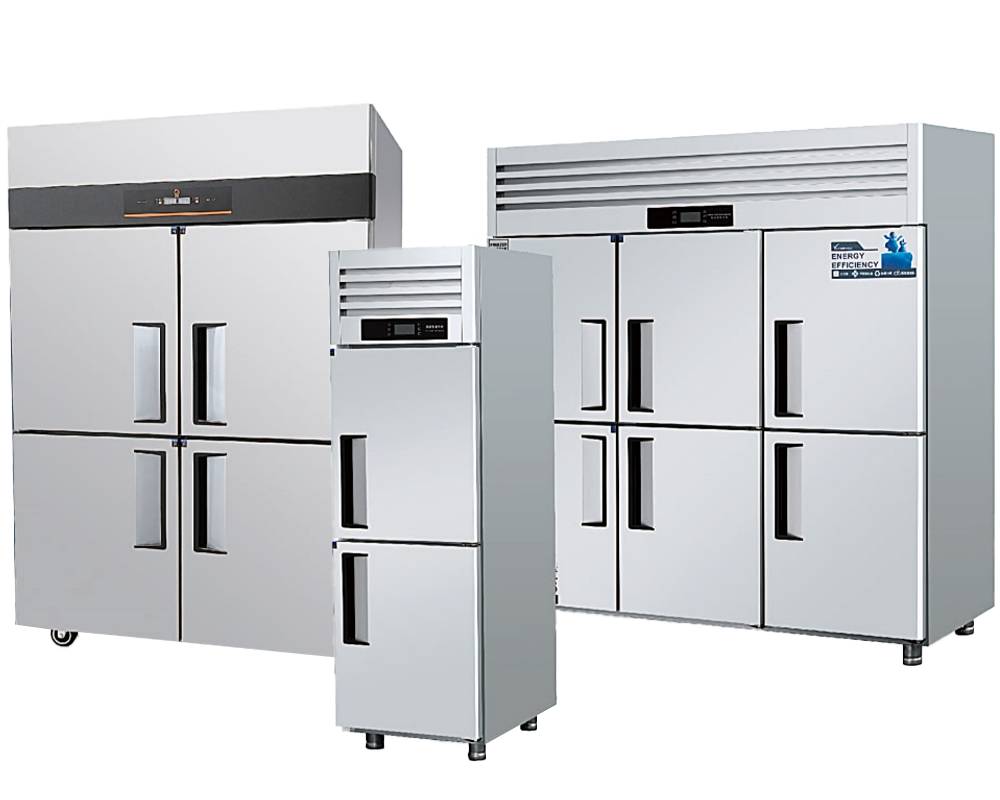 Commercial Vertical Direct-cool Stainless Steel Reach-in Refrigerator
-
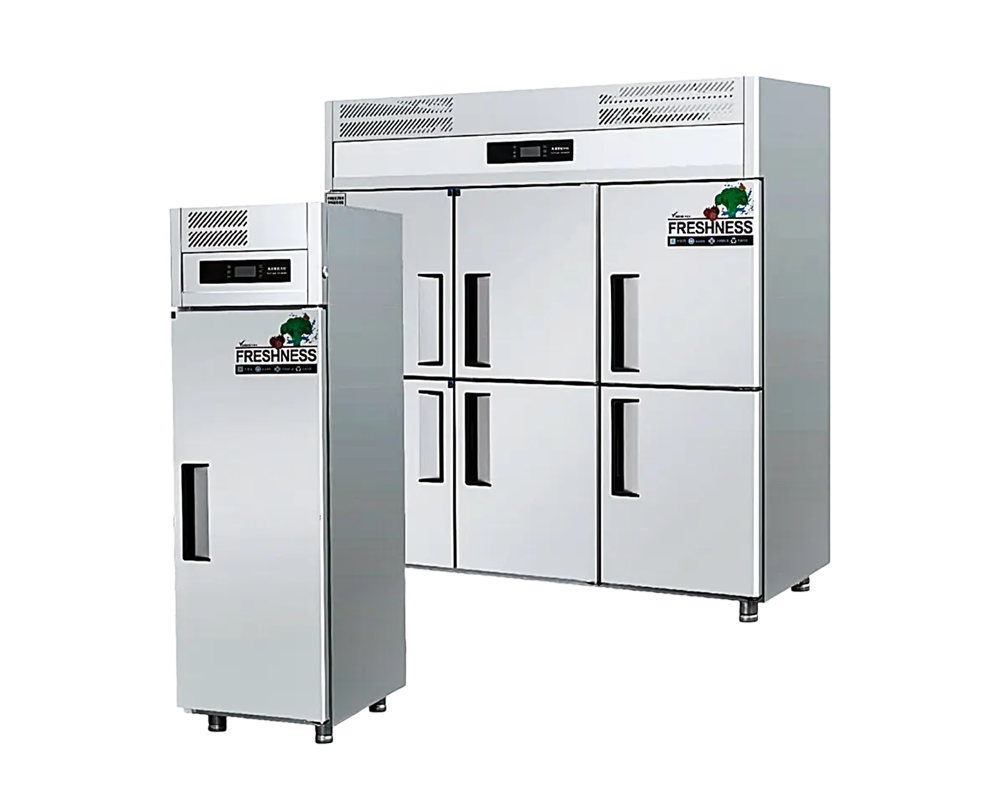 Commercial 201SUS Upright Air Cooling Reach-in Refrigerators
-
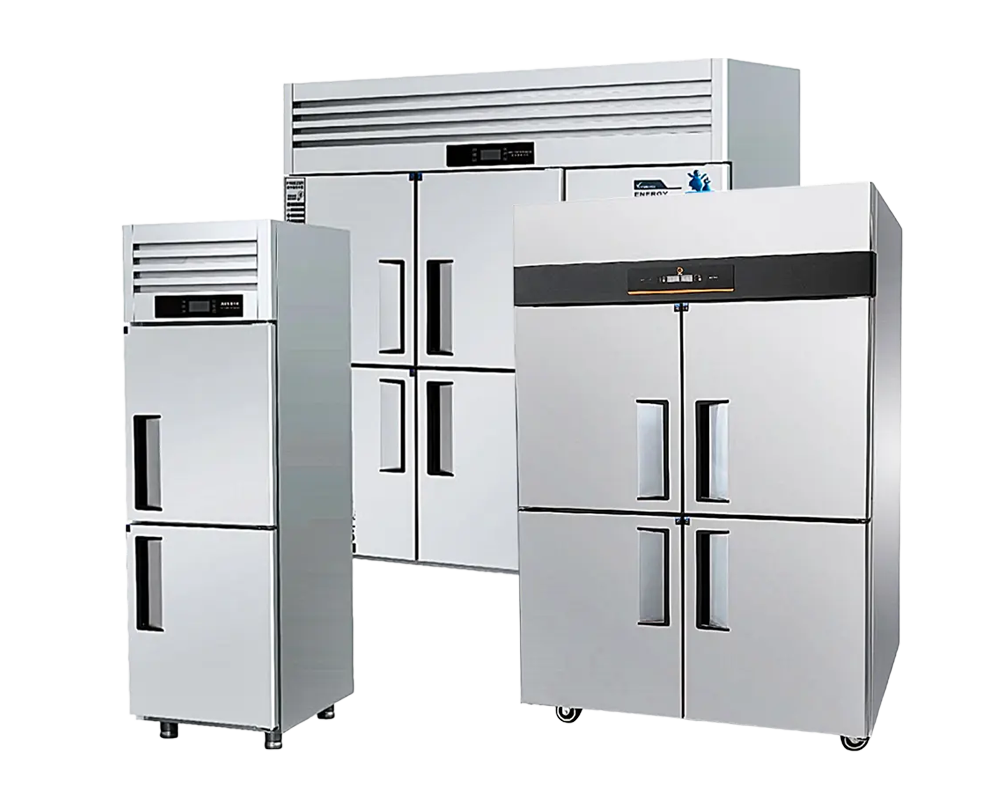 Commercial Direct-Cool Upright Reach-in Freezers
-
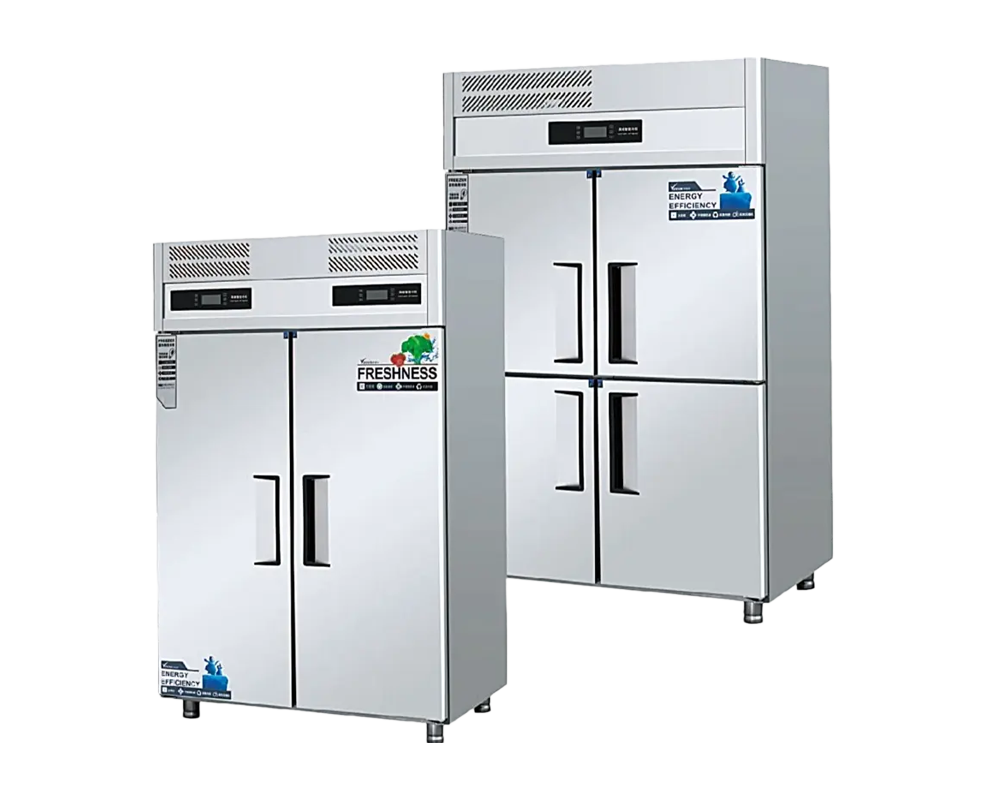 Commercial Stainless Steel Air Cooled Reach-in Vertical Freezers
-
 Dual Temperature Control Direct Cooling Commercial Upright Reach-in Refrigerators
-
 Commercial Vertical Air Cooled Intelligent Reach-in Freezer and Refrigerator
-
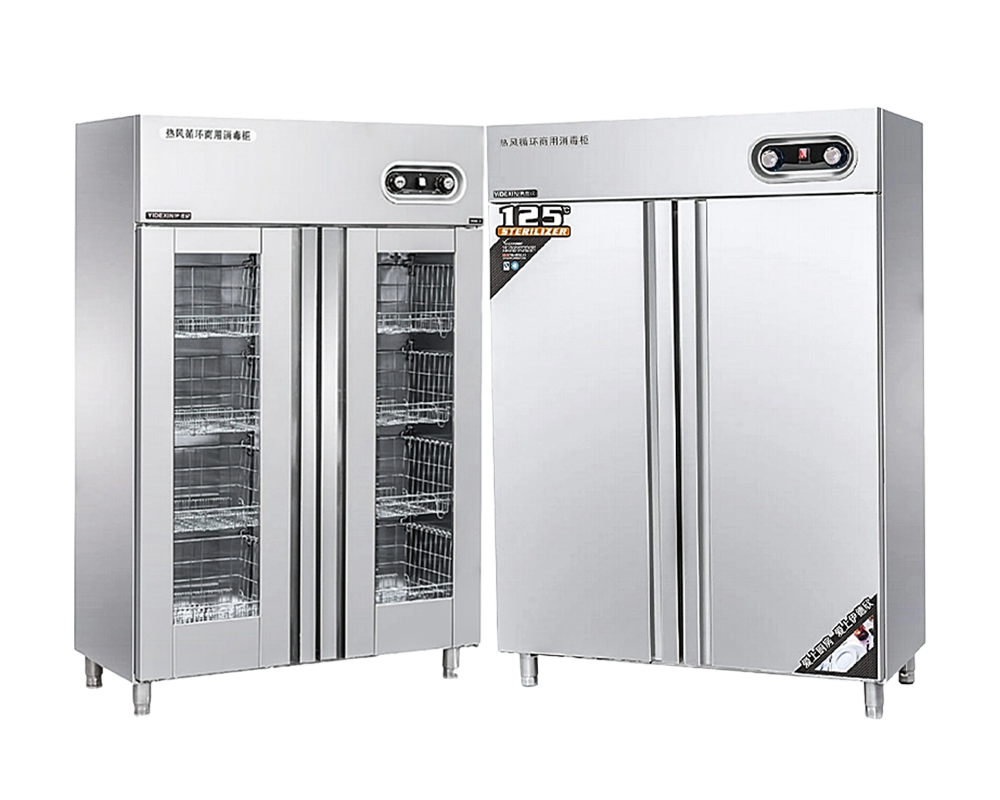 Stainless Steel/Glass Flat Door Sterilization Cabinet
-
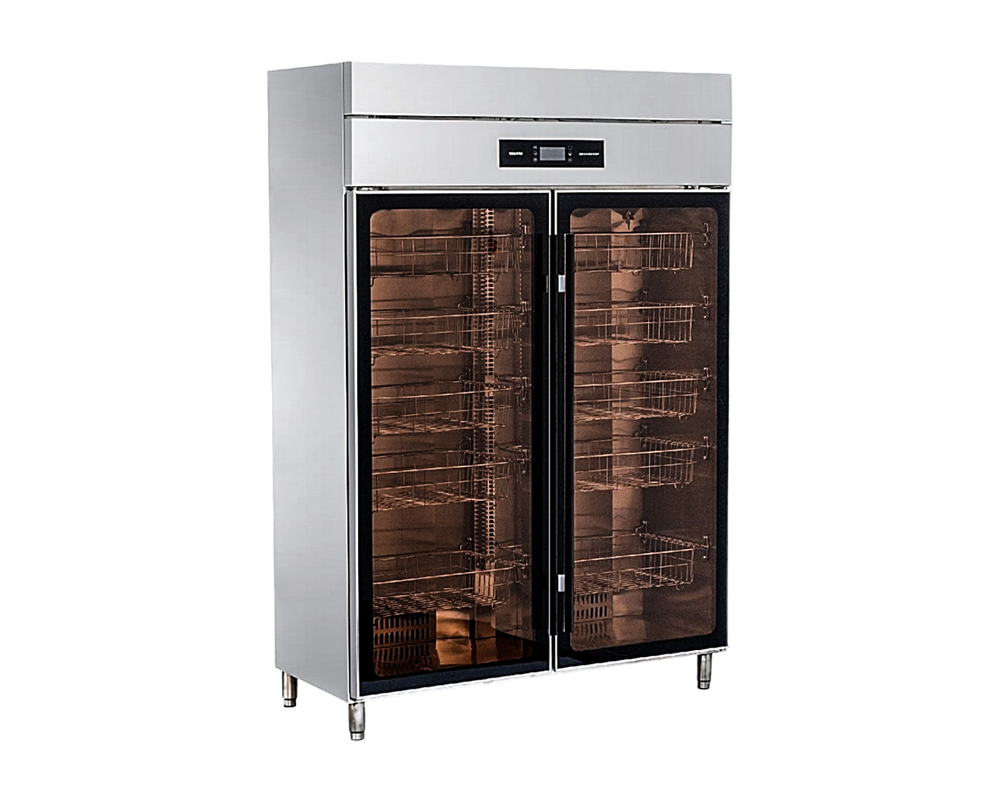 Multifunctional Three-mode High Temperature Glass Door Disinfection Cabinet
-
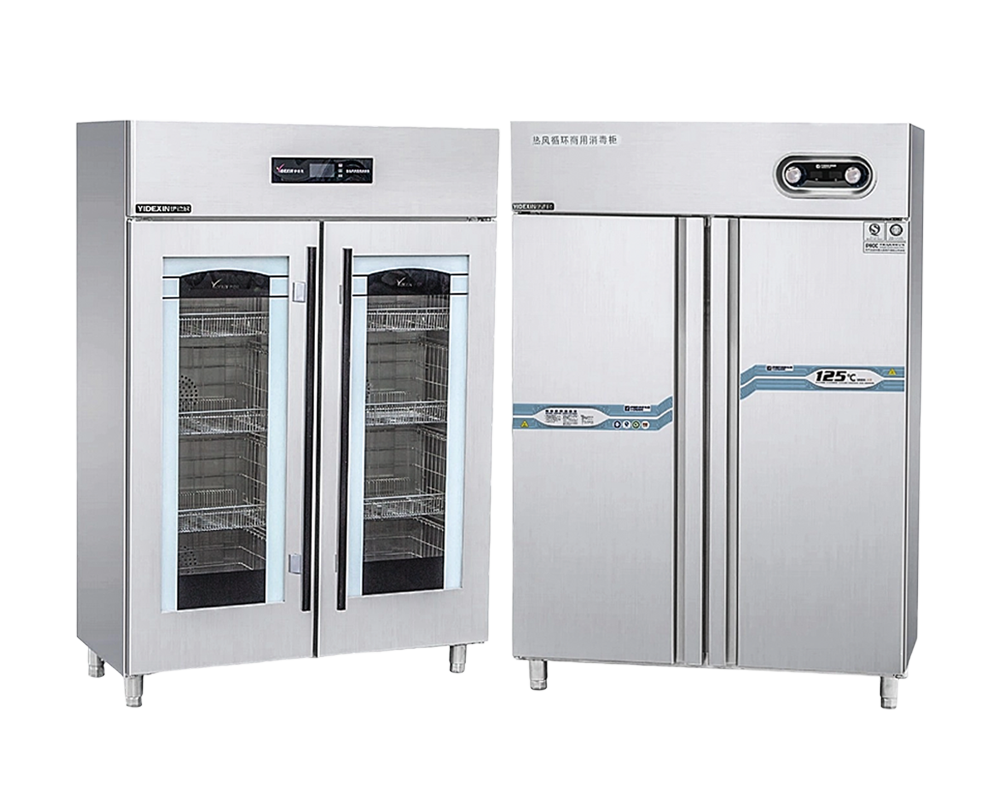 Commercial Restaurant Anti-Fingerprint Stainless Steel Disinfection Cabinet
-
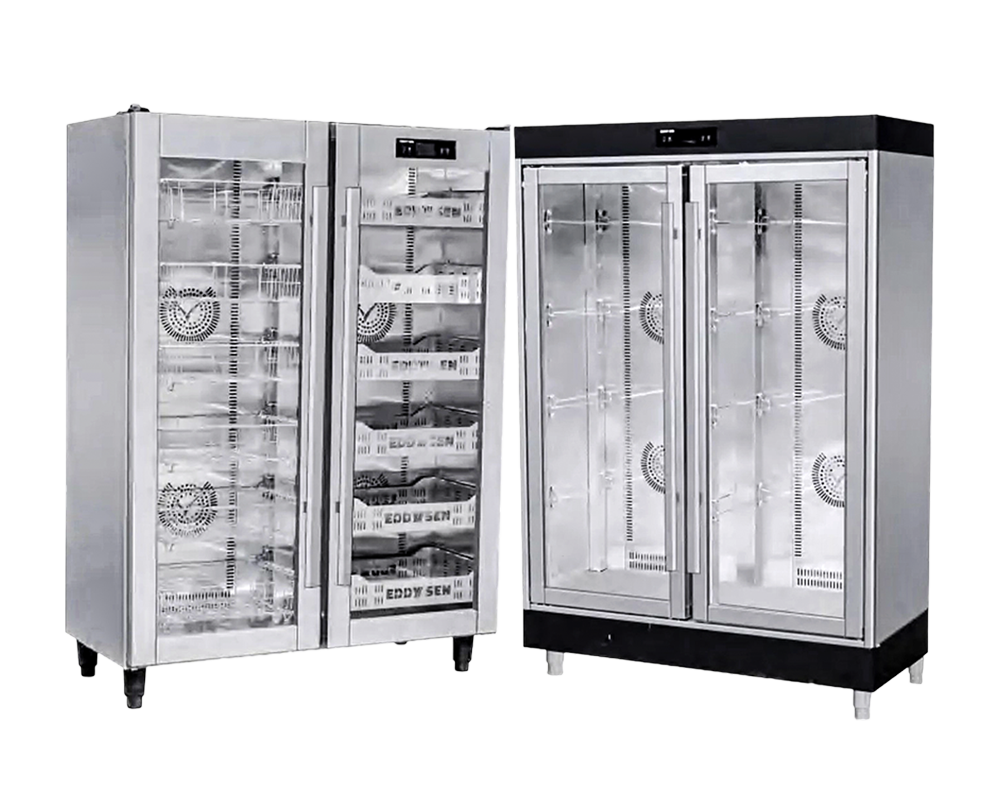 Intelligent Light Wave Stainless Steel UV Disinfection Cabinet
-
 [email protected] / [email protected]
-
 +86-15066977778 / +86-19012777577

-
 Reach-in Refrigerators
-
 Reach-in Freezers
-
 Dual Temperature Refrigerators
-
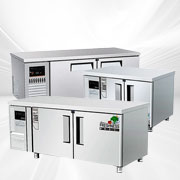 Worktop Refrigerators
-
 Worktop Freezers
-
 Salad Bar Refrigerators
-
 Combined Island Display Refrigerators
-
 Air Curtain Refrigerators
-
 Fresh Cabinets
-
 Display Refrigerators(Glass Door)
-
 Electric Rice Steamer Cabinets
-
 Gas Rice Steamer Cabinets
-
 Vertical Banquet Cabinets
-
 Horizontal Banquet Cabinets
-
 Heated Disinfection Cabinets
Home / News / Industry information / Refrigerated Countertop Display Case: Types, Features & Buying Guide
Refrigerated Countertop Display Case: Types, Features & Buying Guide
Content
A refrigerated countertop display case is one of the most effective tools a food business can deploy at the point of sale. Compact enough to sit on an existing counter, yet powerful enough to keep perishables at safe serving temperatures, these units solve two problems at once: food preservation and product visibility. Research in retail merchandising consistently shows that chilled products displayed at eye level generate significantly more impulse purchases than items stored out of sight in a back cooler. For bakeries, delis, cafés, and convenience stores, that visibility translates directly into revenue.
What Is a Refrigerated Countertop Display Case?
At its core, a refrigerated countertop display case is a compact, glass-fronted cooling unit designed to showcase food and beverages while maintaining precise temperature control. Unlike a standard under-counter refrigerator hidden from customer view, a countertop display case is built to be seen. Its glass panels—curved or straight—create an unobstructed view of the contents, enticing customers and encouraging spontaneous purchases.
These units typically maintain temperatures between 0°C and 10°C (32°F–50°F), making them suitable for pastries, cakes, sandwiches, sushi, dairy products, beverages, and deli meats. Because they sit directly on the service counter, they also eliminate the need for dedicated floor space—a critical advantage in high-rent commercial environments.
Common Types and Their Best Uses
Not all refrigerated countertop display cases are built alike. Understanding the main variants helps businesses match the right unit to their specific service model.
- Curved Glass Cases — The curved front panel creates a softer, more premium aesthetic. Ideal for bakeries and patisseries where the visual presentation of cakes, eclairs, and pastries is central to the brand. The curved design maximizes the visible surface area without increasing the unit's footprint.
- Straight Glass Cases — A practical choice for delis, sandwich shops, and convenience stores. The flat panel makes cleaning easier and provides a cleaner sightline to stacked or labeled products. Straight-glass models often accommodate more shelving configurations.
- Front-Opening Models — Designed for self-service environments where customers reach in directly. Common in grab-and-go stations and convenience retail.
- Rear-Opening Models — Staff-service units where employees retrieve and plate items. Better suited for full-service bakeries, hotel breakfast counters, and fine dining display stations.
For operations that need additional prep space alongside refrigeration, worktop refrigerators offer an integrated countertop surface above the cooling compartment—a popular choice in café and sandwich prep environments.
Key Features to Look For
When evaluating refrigerated countertop display cases, several technical specifications determine long-term performance and operating cost.
- Temperature Precision — Look for digital thermostats with a stable operating range. Inconsistent temperatures not only compromise food safety but also affect product texture and appearance—critical for premium bakery items.
- LED Interior Lighting — High-CRI LED strips illuminate products evenly without generating heat inside the cabinet. This is a non-negotiable feature for dessert and pastry displays where color fidelity matters.
- Energy-Efficient Refrigerants — Eco-friendly refrigerants such as R290 or R600a reduce environmental impact and align with increasingly strict import regulations in Europe and North America.
- Glass Thickness and Insulation — Thicker glass panels reduce condensation and improve thermal retention, which lowers compressor cycling frequency and extends equipment lifespan.
- Certifications — For businesses importing commercial refrigeration equipment, CE certification is mandatory for European markets, while NSF or ETL marks are standard requirements in North America.
How to Choose the Right Size and Capacity
Sizing a refrigerated countertop display case involves balancing product volume against available counter space. A unit that is too small requires constant restocking and may create a cluttered appearance; one that is too large overwhelms the counter and restricts workflow.
As a general guide:
| Operation Type | Recommended Width | Typical Capacity |
|---|---|---|
| Coffee shop / small café | 27"–35" (68–90 cm) | 2–4 cu ft |
| Bakery / patisserie | 35"–48" (90–122 cm) | 4–7 cu ft |
| Deli counter / convenience store | 48"+ (122 cm+) | 7+ cu ft |
For businesses that also require storage capacity beyond countertop display—such as back-kitchen ingredient holding—pairing a countertop case with reach-in refrigeration equipment creates a complete front-of-house and back-of-house refrigeration system.
Why Manufacturing Quality Matters When Sourcing Display Cases
For importers and foodservice distributors, the quality of the manufacturer behind a refrigerated countertop display case determines far more than initial price. Durability, serviceability, and regulatory compliance are all downstream consequences of manufacturing standards.
High-quality manufacturers invest in precision sheet-metal forming equipment, high-density foam insulation, and rigorous pre-shipment testing to ensure every unit performs consistently under commercial load. Certifications such as ISO 9001 and ISO 14001 at the factory level, combined with product-level CE certification, provide documented assurance that the equipment meets international safety and environmental standards.
OEM and ODM capabilities are equally important for brands seeking private-label solutions. A manufacturer with true customization expertise can adapt cabinet dimensions, glass configurations, branding elements, and refrigerant specifications to meet market-specific requirements—whether that is a European retailer demanding R290 refrigerant or a hotel chain requiring custom exterior finishes.
To understand how leading manufacturers in this space differentiate themselves on quality and innovation, refer to our overview of the top commercial display refrigerators producers operating at global scale.
A refrigerated countertop display case is ultimately a sales tool as much as it is a refrigeration appliance. Choosing the right unit—with the correct type, size, features, and manufacturing pedigree—positions any food business to showcase its products more attractively, maintain food safety compliance, and increase counter-level revenue with every customer interaction.

-
 Add.
Add.
Sales Center:Room 410, Floor T3-4, Zhonghai Development Building, No. 888, Kejiguan Street, Binjiang District, Hangzhou, Zhejiang,China
Factory Address:100 Meters South Of Zhongmao Village, Xingfu Town, Boxing County, Binzhou City, Shandong Province, P.R.China
Sales Center:Room 410, Building 15, Tianan Headquarters Center, 555 North Panyu Avenue, Donghuan Street, Panyu District, Guangzhou City, china
-
 Tel.
+86-15066977778+86-19012777577
Tel.
+86-15066977778+86-19012777577 -
 Email.
Quick Links
Product Fast Links
Mobile Terminal
Copyright @Hangzhou Eddysen Catering Equipment Co., Ltd.All rights reserved. Commercial Freezer Manufacturer