 English
 中文简体
中文简体 Español
 عربى
عربى
-
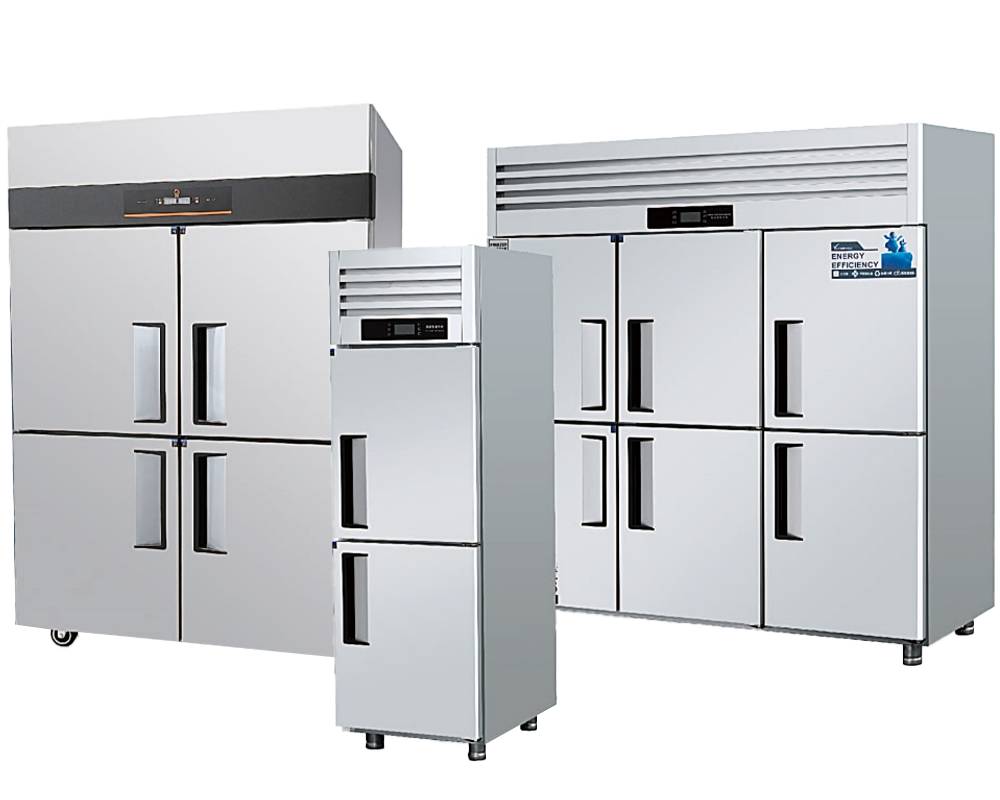 Commercial Vertical Direct-cool Stainless Steel Reach-in Refrigerator
-
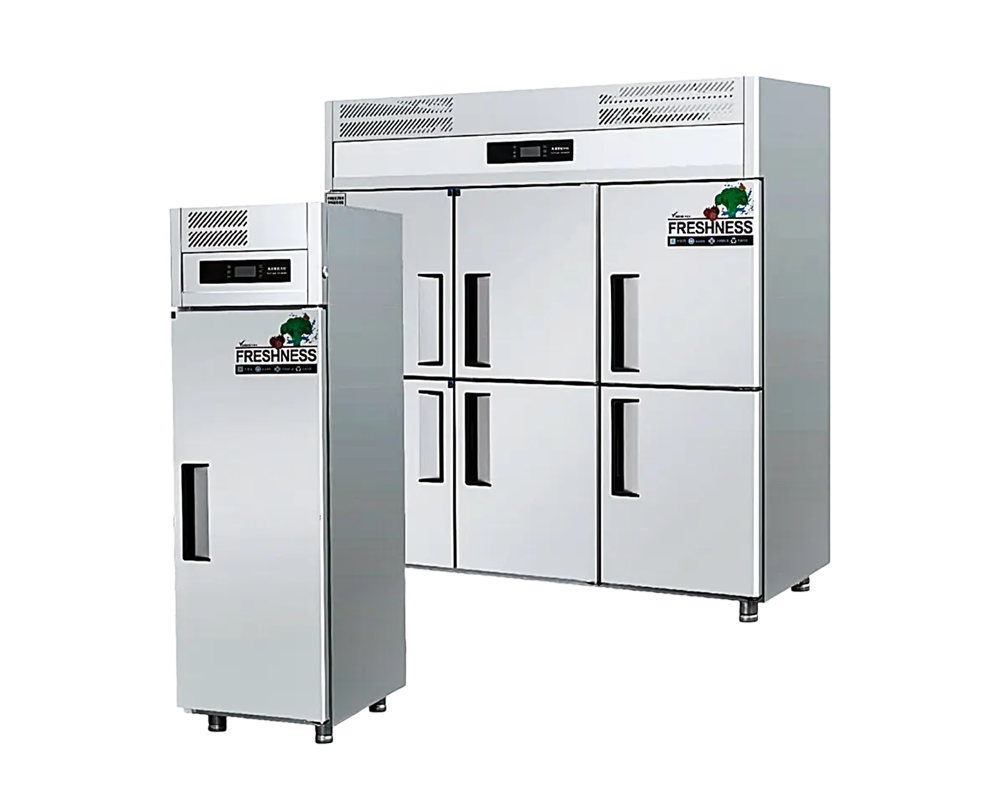 Commercial 201SUS Upright Air Cooling Reach-in Refrigerators
-
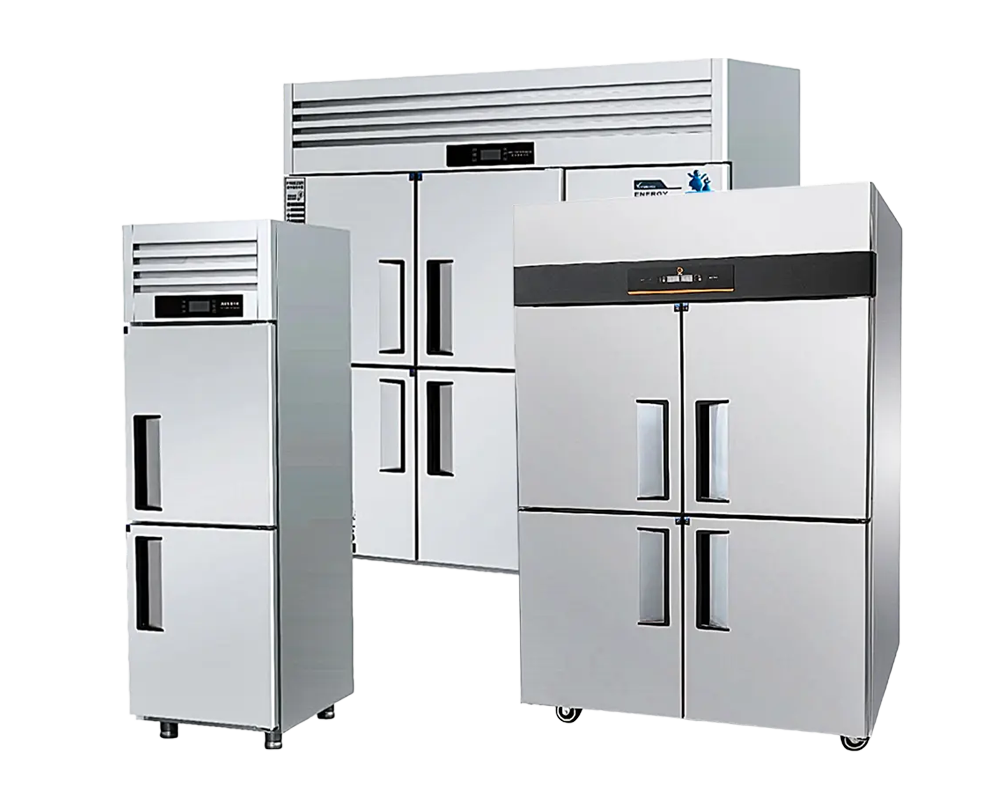 Commercial Direct-Cool Upright Reach-in Freezers
-
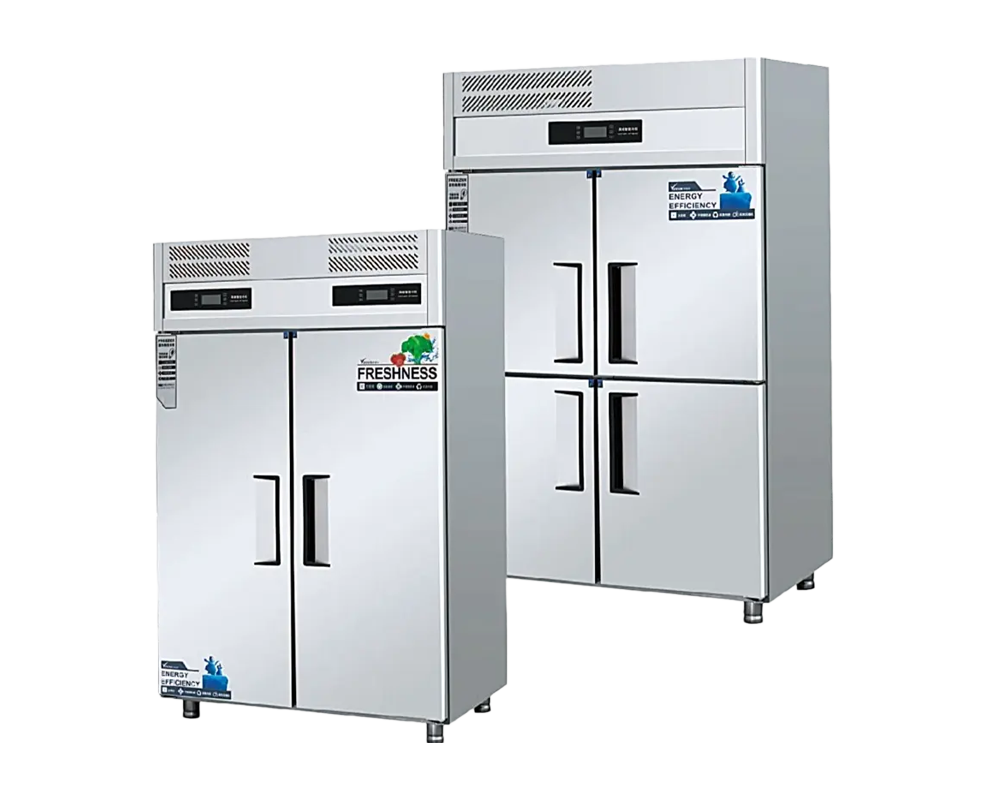 Commercial Stainless Steel Air Cooled Reach-in Vertical Freezers
-
 Dual Temperature Control Direct Cooling Commercial Upright Reach-in Refrigerators
-
 Commercial Vertical Air Cooled Intelligent Reach-in Freezer and Refrigerator
-
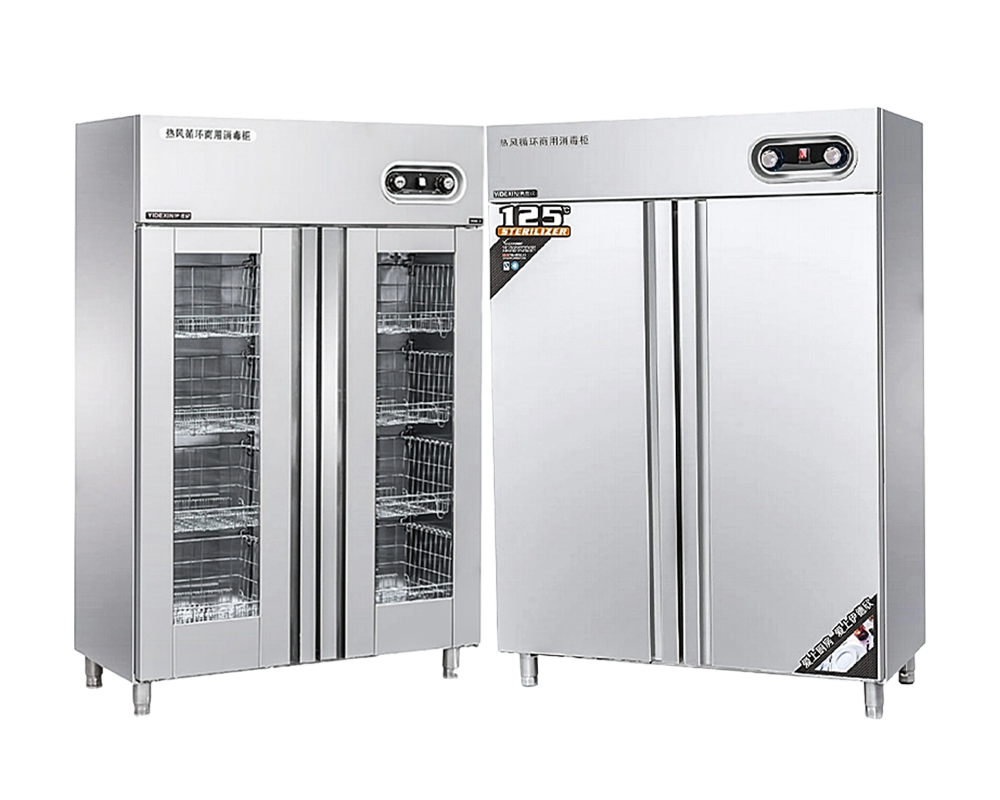 Stainless Steel/Glass Flat Door Sterilization Cabinet
-
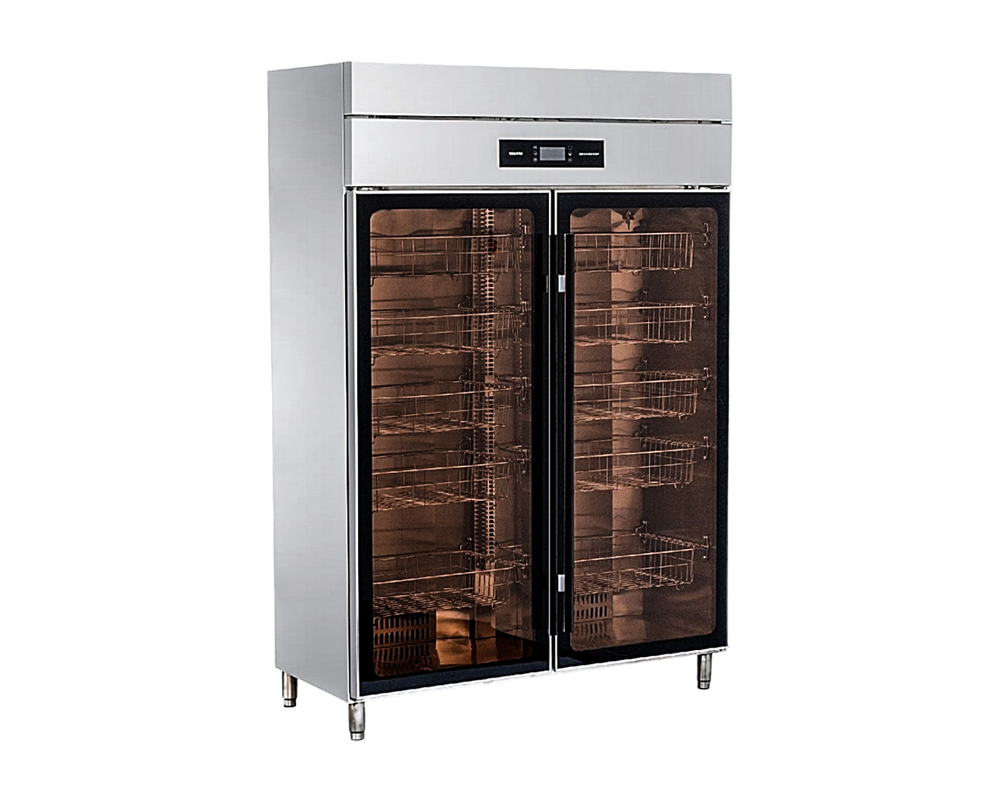 Multifunctional Three-mode High Temperature Glass Door Disinfection Cabinet
-
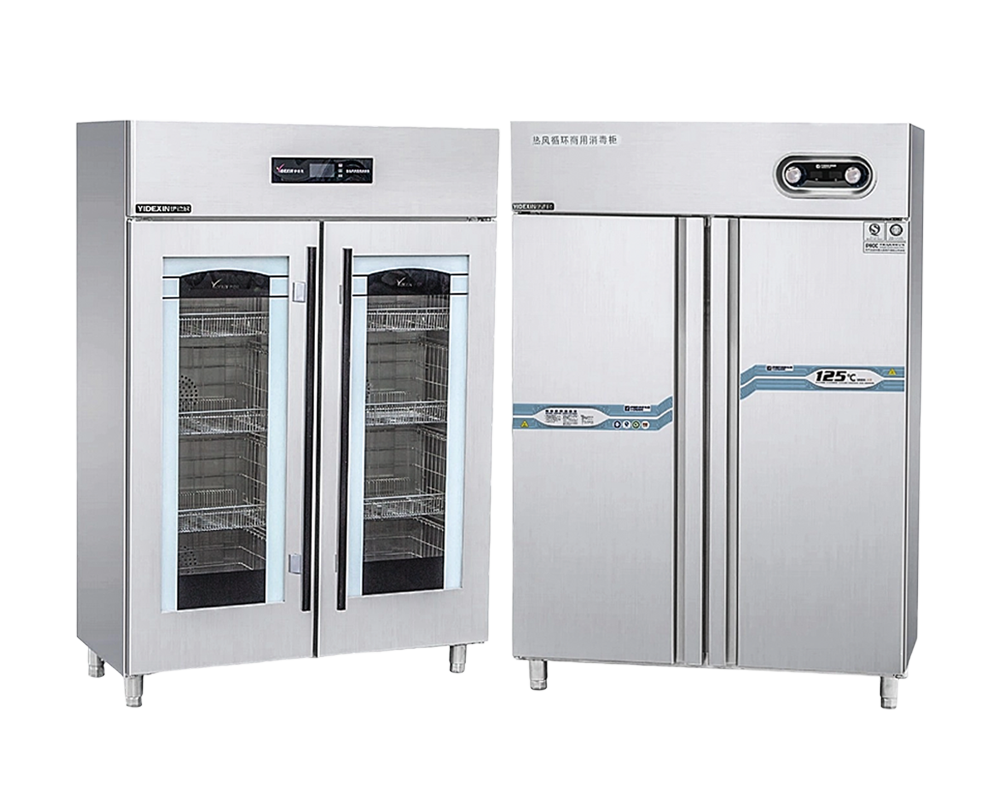 Commercial Restaurant Anti-Fingerprint Stainless Steel Disinfection Cabinet
-
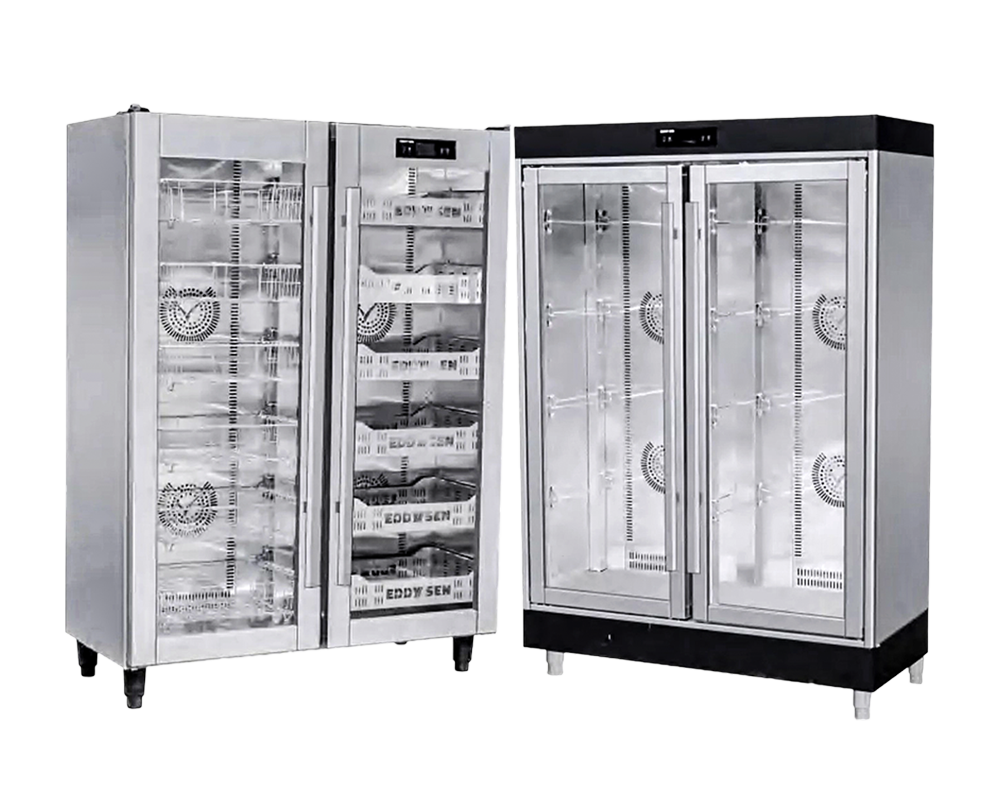 Intelligent Light Wave Stainless Steel UV Disinfection Cabinet
-
 [email protected] / [email protected]
-
 +86-15066977778 / +86-19012777577

-
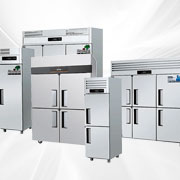 Reach-in Refrigerators
-
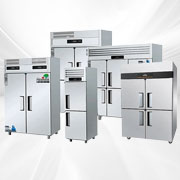 Reach-in Freezers
-
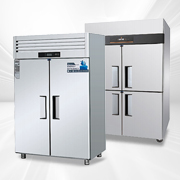 Dual Temperature Refrigerators
-
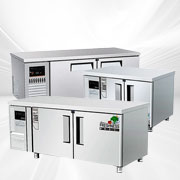 Worktop Refrigerators
-
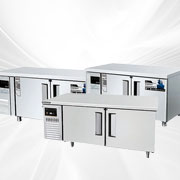 Worktop Freezers
-
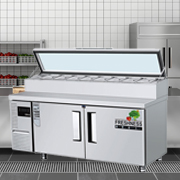 Salad Bar Refrigerators
-
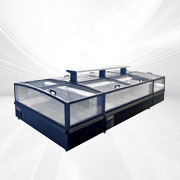 Combined Island Display Refrigerators
-
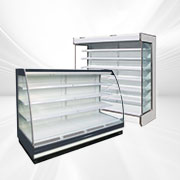 Air Curtain Refrigerators
-
 Fresh Cabinets
-
 Display Refrigerators(Glass Door)
-
 Electric Rice Steamer Cabinets
-
 Gas Rice Steamer Cabinets
-
 Vertical Banquet Cabinets
-
 Horizontal Banquet Cabinets
-
 Heated Disinfection Cabinets
Home / News / Industry information / Wine Coolers for Sale: Types, Features & How to Choose the Right One
Wine Coolers for Sale: Types, Features & How to Choose the Right One
Content
What Is a Wine Cooler and Why You Need One
A wine cooler — also called a wine refrigerator or wine fridge — is a dedicated appliance designed to store wine bottles at precisely controlled temperatures. Unlike a standard kitchen refrigerator, which typically runs at 35–38°F (2–3°C) and cycles in humidity-stripping cold air, a wine cooler maintains a stable range of 45–65°F (7–18°C) with appropriate humidity levels to protect the wine's aroma, flavor, and aging potential.
Whether you're a casual enthusiast with a dozen bottles or a restaurant owner managing hundreds of cases, storing wine properly makes a measurable difference. Temperature fluctuations accelerate oxidation, while excessive vibration disturbs sediment and disrupts the aging process. A quality wine cooler eliminates these risks and ensures every bottle is ready to pour at its best.
With a wide range of wine coolers for sale today — from compact countertop units to full-sized commercial cabinets — there's a solution for every space, budget, and collection size.
Types of Wine Coolers for Sale
Understanding the main categories helps narrow your options quickly. Wine coolers broadly fall into three functional types and three installation formats.
By Temperature Zone
- Single-zone wine coolers maintain one uniform temperature throughout the cabinet. They're ideal for collectors who store only red wines or only white wines, or for those who prefer one consistent serving temperature.
- Dual-zone wine coolers feature two independently controlled compartments — typically one for reds (55–65°F) and one for whites or sparkling wines (45–55°F). These are the preferred choice for mixed collections.
By Installation Type
- Freestanding wine coolers require adequate clearance on all sides for ventilation and can be placed almost anywhere — in a kitchen corner, dining room, or cellar.
- Built-in / undercounter wine coolers use front-facing ventilation, allowing them to be installed flush with cabinetry or beneath a countertop without overheating.
- Countertop wine coolers are compact units designed for small collections of 6–15 bottles, perfect for apartment kitchens or office bars.
Key Features to Look for When Buying a Wine Cooler
Not all wine coolers are built equally. These are the features that most directly affect performance, longevity, and value:
- Bottle capacity: Measure your current collection and add a growth buffer of at least 30–50%. Common ranges include 12-bottle, 24-bottle, 46-bottle, and 100+ bottle units. Avoid buying exactly to today's needs.
- Temperature accuracy: Look for digital controls with ±1°F precision. Analog dials are less reliable for long-term storage.
- UV-protective glass doors: Standard clear glass allows light penetration that degrades wine over time. Tinted or double-paned glass doors filter harmful UV rays while keeping the collection visible.
- Vibration levels: Compressor-based coolers are more powerful but produce some vibration. Thermoelectric coolers run silently but are less effective in warm environments. For serious storage, choose a low-vibration compressor model.
- Noise output: Residential environments benefit from units rated below 40 dB — roughly the level of a quiet library.
- Shelving material: Wooden or wood-trimmed wire shelves are gentle on bottle labels and allow for natural airflow. Avoid all-metal shelving, which can transfer vibration.
- Energy efficiency: Look for Energy Star-rated models if running costs matter. Commercial units should carry relevant certifications for the target market.
Wine Coolers for Commercial Use vs. Home Use
The distinction between a home wine cooler and a commercial wine cooler goes far beyond size. Each category is engineered for a different environment and operational demand.
| Feature | Home Wine Cooler | Commercial Wine Cooler |
|---|---|---|
| Capacity | 6–300 bottles | 100–1,000+ bottles |
| Compressor | Standard residential grade | Heavy-duty, continuous-run rated |
| Door frequency | Low (personal use) | High (staff access multiple times/hour) |
| Temperature recovery | Moderate | Rapid — critical for service environments |
| Build materials | Mixed (stainless, plastic) | Full stainless steel, NSF-rated |
| Warranty | 1–2 years typical | Extended parts and labor coverage |
For restaurants, hotels, wine bars, and catering businesses, a commercial-grade solution is not optional — it's a reliability requirement. High door-open frequency, ambient heat from kitchen equipment, and the need for consistent temperature recovery under load all demand a unit built to professional standards. Eddysen's commercial refrigerator sizes and selection guide covers these specifications in detail, helping operators match unit dimensions and performance specs to their specific layout.
How to Choose the Right Wine Cooler for Your Space
Once you've identified the type and capacity you need, the final step is matching the unit to your physical installation environment. Follow this practical checklist:
- Measure the available space precisely. Note the width, height, and depth of the intended location. Leave at least 2–4 inches of clearance on each side for freestanding models and confirm front-vent clearance for built-in units.
- Check ambient temperature. Wine coolers perform best in spaces that stay between 60°F and 80°F (15–27°C). Garages and uninsulated basements that experience extreme temperatures can strain the compressor and reduce lifespan.
- Evaluate flooring load capacity. A fully loaded 100-bottle wine cooler can weigh over 200 lbs. Confirm that the floor — especially on upper levels — can support the combined weight of the unit and its contents.
- Consider noise and lighting. Bedroom adjacencies and open-plan living spaces call for quieter models. Glass-door units with LED lighting add aesthetic value but confirm the LED runs cool to avoid heat buildup inside the cabinet.
- Set a realistic budget. Entry-level residential wine coolers start around $150–$300. Mid-range quality units with dual zones and UV glass typically run $400–$900. Commercial units for foodservice start from $1,000 and scale with capacity and specification.
Taking these steps before purchasing prevents the most common buyer mistakes: buying too small, installing in an unsuitable environment, or choosing a residential unit for a high-traffic commercial setting.
Find the Best Wine Coolers for Sale
The right wine cooler protects your investment — whether that's a curated home collection or a full-service restaurant cellar. The market offers solutions at every price point, but the best value comes from matching the unit's specifications precisely to your storage environment and usage pattern.
For businesses looking for durable, high-performance refrigeration equipment built for commercial demand, Eddysen offers a comprehensive range of commercial refrigeration solutions designed for restaurants, hotels, supermarkets, and foodservice operations. With stainless steel construction, precision temperature controls, and configurations suited to varied kitchen and retail layouts, Eddysen equipment is built to perform reliably day in and day out.
Explore the full range to find a wine cooler or commercial refrigeration unit that fits your space, your volume, and your standards — and get your collection stored the way it deserves.

-
 Add.
Add.
Sales Center:Room 410, Floor T3-4, Zhonghai Development Building, No. 888, Kejiguan Street, Binjiang District, Hangzhou, Zhejiang,China
Factory Address:100 Meters South Of Zhongmao Village, Xingfu Town, Boxing County, Binzhou City, Shandong Province, P.R.China
Sales Center:Room 410, Building 15, Tianan Headquarters Center, 555 North Panyu Avenue, Donghuan Street, Panyu District, Guangzhou City, china
-
 Tel.
+86-15066977778+86-19012777577
Tel.
+86-15066977778+86-19012777577 -
 Email.
Quick Links
Product Fast Links
Mobile Terminal
Copyright @Hangzhou Eddysen Catering Equipment Co., Ltd.All rights reserved. Commercial Freezer Manufacturer