 English
 中文简体
中文简体 Español
 عربى
عربى
-
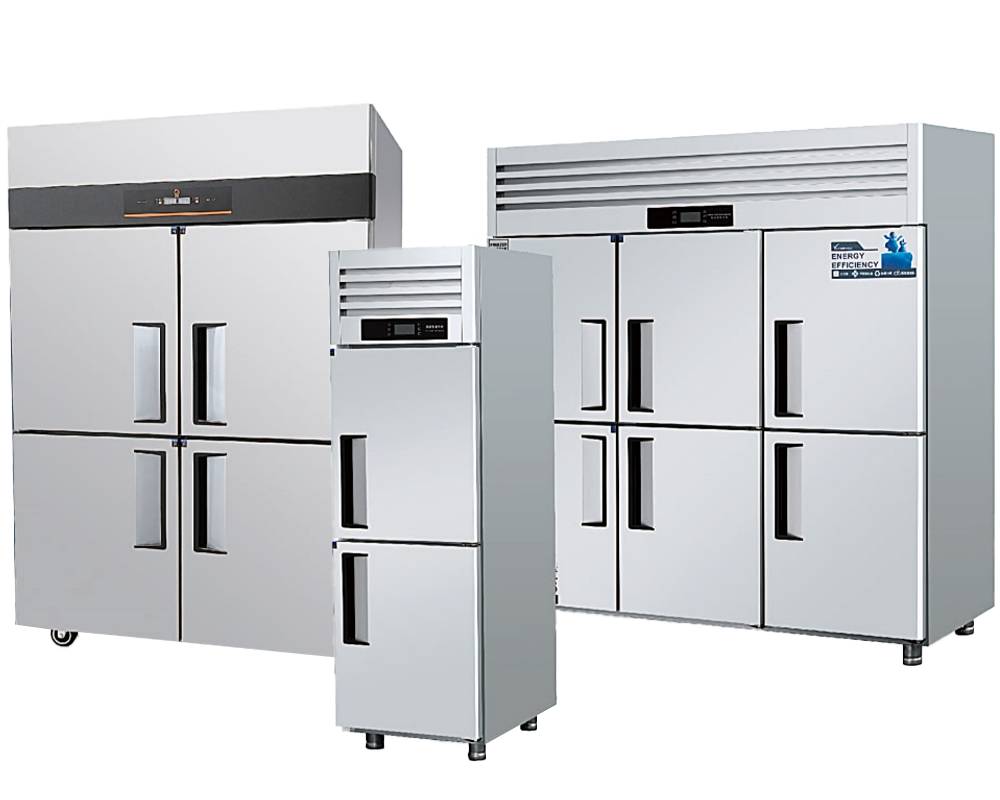 Commercial Vertical Direct-cool Stainless Steel Reach-in Refrigerator
-
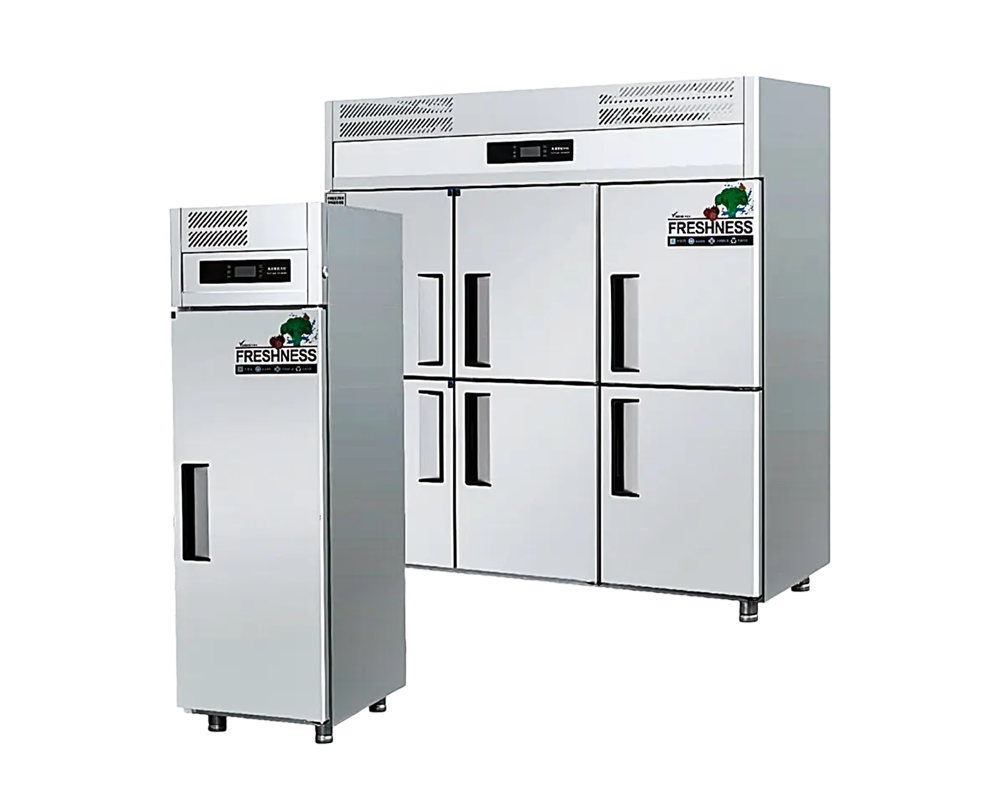 Commercial 201SUS Upright Air Cooling Reach-in Refrigerators
-
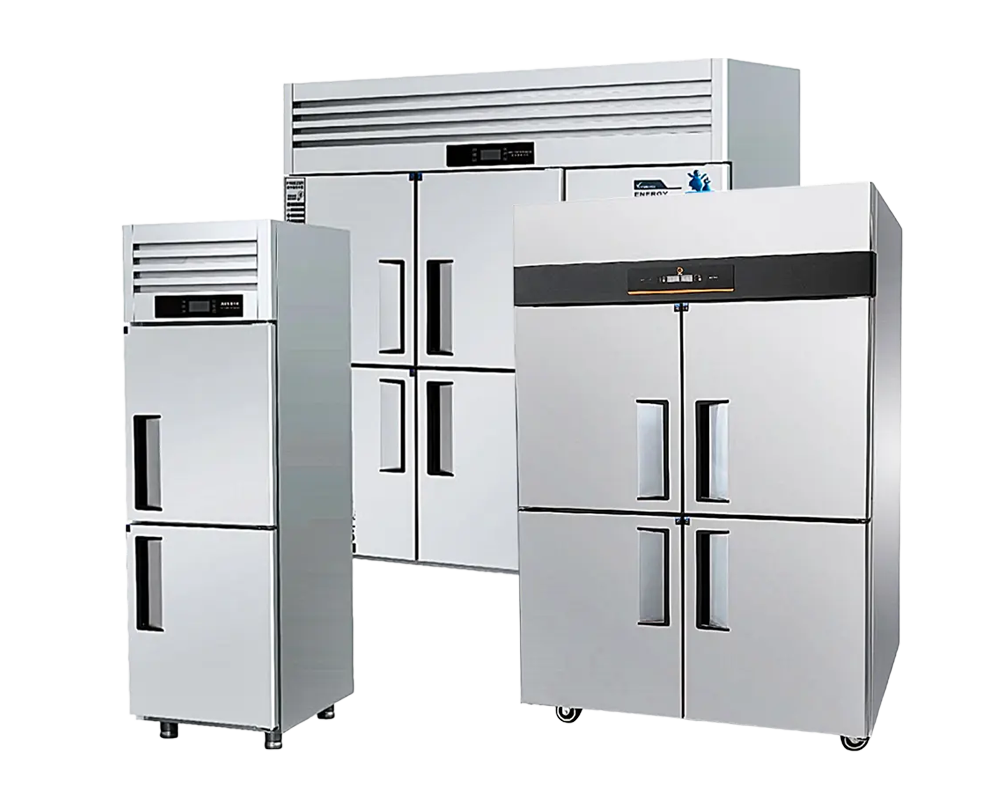 Commercial Direct-Cool Upright Reach-in Freezers
-
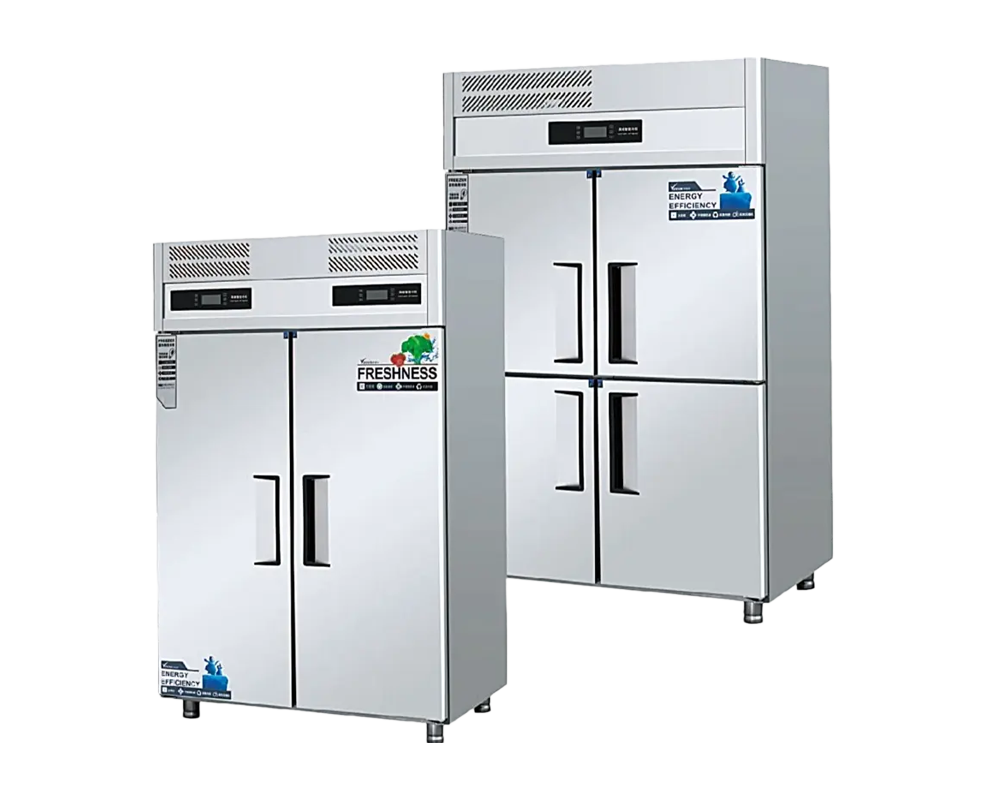 Commercial Stainless Steel Air Cooled Reach-in Vertical Freezers
-
 Dual Temperature Control Direct Cooling Commercial Upright Reach-in Refrigerators
-
 Commercial Vertical Air Cooled Intelligent Reach-in Freezer and Refrigerator
-
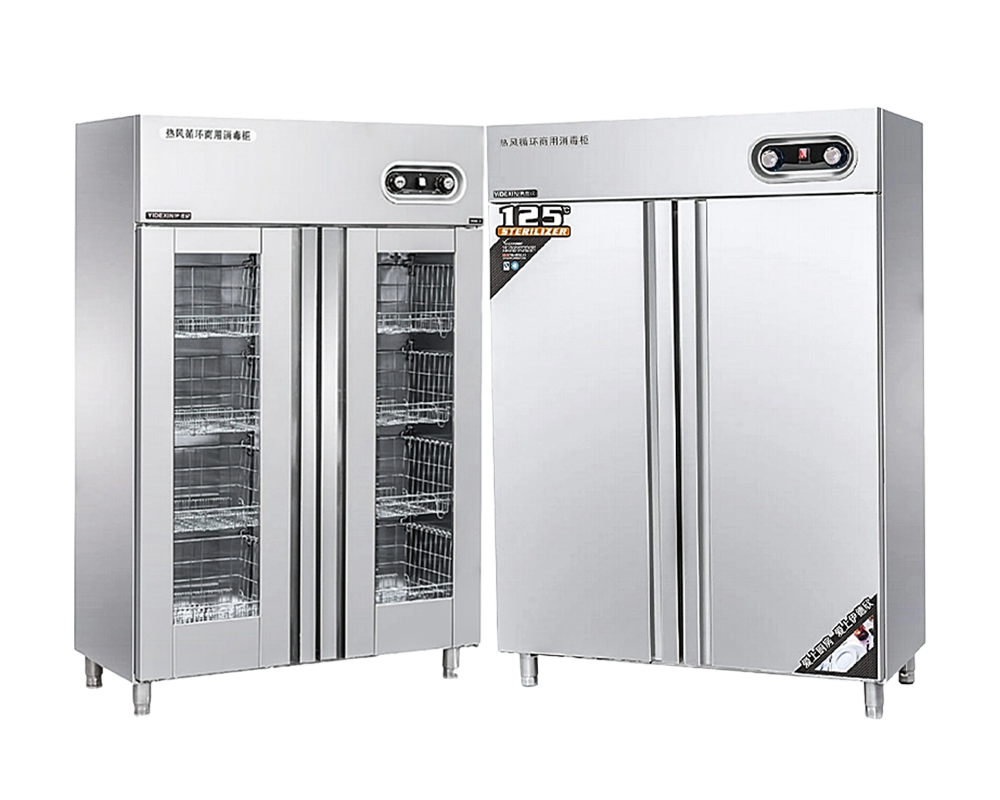 Stainless Steel/Glass Flat Door Sterilization Cabinet
-
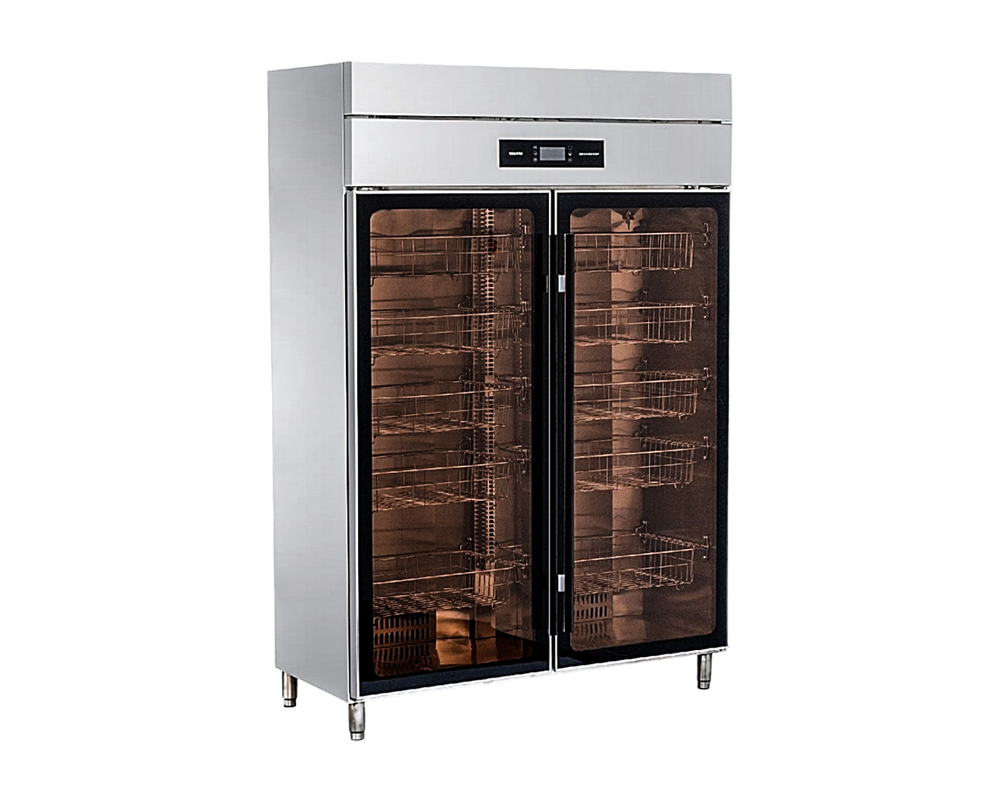 Multifunctional Three-mode High Temperature Glass Door Disinfection Cabinet
-
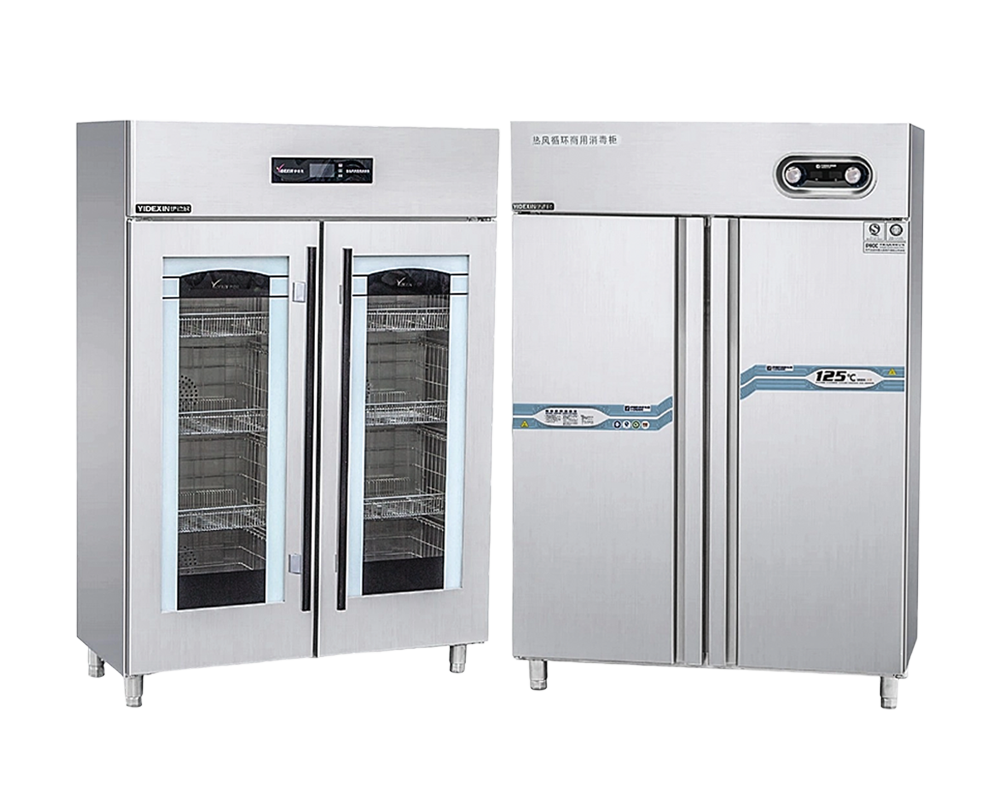 Commercial Restaurant Anti-Fingerprint Stainless Steel Disinfection Cabinet
-
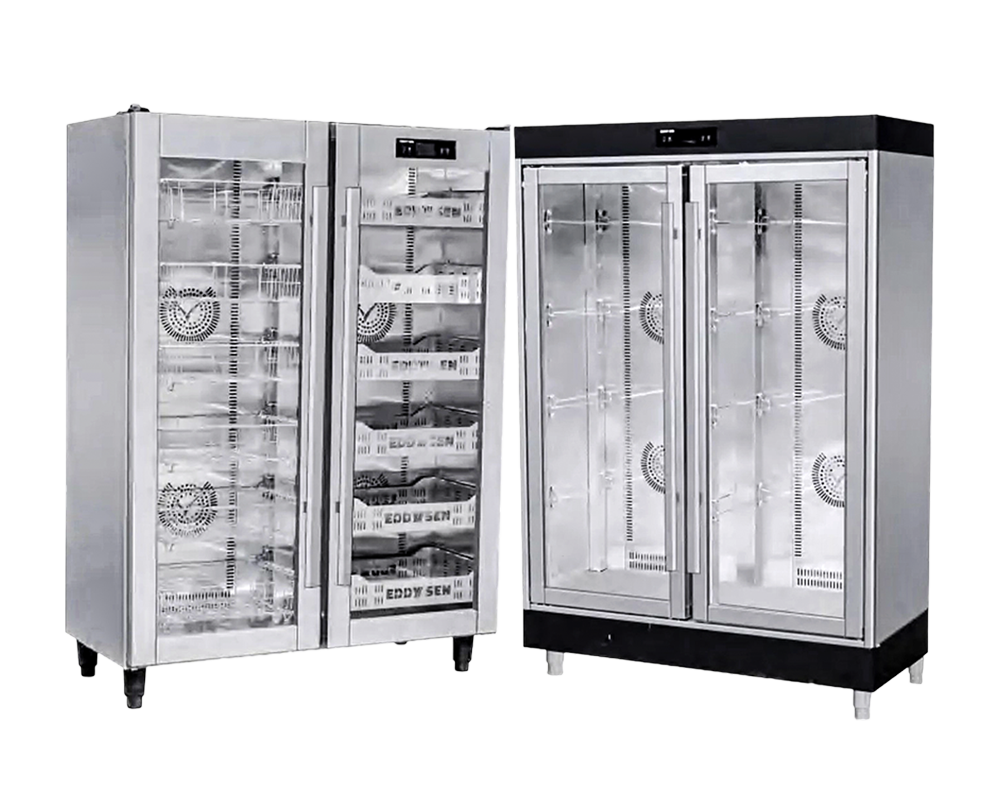 Intelligent Light Wave Stainless Steel UV Disinfection Cabinet
-
 [email protected] / [email protected]
-
 +86-15066977778 / +86-19012777577

-
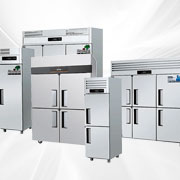 Reach-in Refrigerators
-
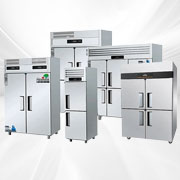 Reach-in Freezers
-
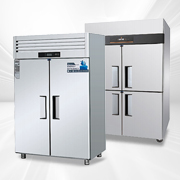 Dual Temperature Refrigerators
-
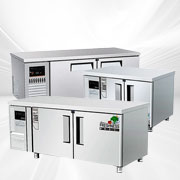 Worktop Refrigerators
-
 Worktop Freezers
-
 Salad Bar Refrigerators
-
 Combined Island Display Refrigerators
-
 Air Curtain Refrigerators
-
 Fresh Cabinets
-
 Display Refrigerators(Glass Door)
-
 Electric Rice Steamer Cabinets
-
 Gas Rice Steamer Cabinets
-
 Vertical Banquet Cabinets
-
 Horizontal Banquet Cabinets
-
 Heated Disinfection Cabinets
Salad Bar Refrigerators Guide: Sizes, Temps, and Buying Tips
Content
- 1 Salad Bar Refrigerators Need Reliable Cooling, Easy Access, and Fast Cleaning
- 2 How to Choose the Right Size for Your Service Volume
- 3 Temperature Performance Is the Most Important Buying Standard
- 4 Pan Layout Affects Speed, Waste, and Food Appearance
- 5 Construction Details Matter More Than Advertised Features
- 6 Operating Costs Include More Than the Purchase Price
- 7 Daily Maintenance Keeps Cooling Performance Stable
- 8 Which Type of Operation Benefits Most From Salad Bar Refrigerators
- 9 What to Prioritize Before You Buy
Salad Bar Refrigerators Need Reliable Cooling, Easy Access, and Fast Cleaning
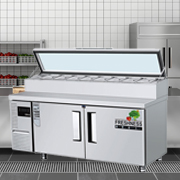
The best salad bar refrigerators do three things well: they keep ingredients at safe serving temperatures, make high-turnover items easy to reach, and reduce cleanup time during busy service. A practical target is to hold food at 33°F to 41°F while matching the pan layout to your menu and customer volume. If the unit is too small, staff spend more time refilling it; if it is too large, energy and prep costs rise without improving service.
For most operations, choosing the right model comes down to six factors: refrigerated capacity, pan configuration, airflow performance, sneeze-guard design, material durability, and ease of maintenance. A well-matched unit can improve speed in self-service lines, reduce ingredient waste, and help maintain more consistent food safety standards throughout the day.
How to Choose the Right Size for Your Service Volume
Size should be based on how many guests you serve in each rush period, not just on available floor space. A small café with limited toppings may only need a compact refrigerated bar, while a school, buffet, or cafeteria often needs a wider unit with more pan openings and stronger recovery after the lid is opened repeatedly.
Estimate demand by the busiest hour
If 40 to 60 customers build salads in one lunch rush, capacity planning should focus on the ingredients used fastest, such as lettuce, spinach, tomatoes, cucumbers, shredded cheese, and dressings. For example, if each guest uses about 3 to 5 ounces of greens, 50 guests may require roughly 9 to 16 pounds of greens during one peak window. That helps determine how often staff need to refill pans and whether backup cold storage must be placed nearby.
- Simple menu: greens, 6 to 8 toppings, 2 dressings
- Mid-range menu: 10 to 14 toppings plus proteins and dressings
- High-variety menu: 16 or more ingredient positions with backup pans ready
Buying more pan space than your menu actually needs can create shallow fill levels, which may dry out ingredients faster and complicate temperature control. A tighter but well-organized layout is often more efficient than an oversized unit with underused sections.
Temperature Performance Is the Most Important Buying Standard
A salad bar refrigerator is only as good as its ability to keep food cold during real service conditions. Door openings, warm refills, ambient room heat, and repeated customer access all challenge performance. The most useful specification is not just the set temperature, but whether the unit can recover quickly after repeated access.
What good holding performance looks like
In a dining room running around 72°F to 78°F, a dependable refrigerated salad bar should keep pan temperatures within the food-safe range even during lunch rushes. Units with poor airflow often show warm spots around top corners, pan edges, or ingredient sections nearest customer access. This matters because delicate produce can lose texture quickly once temperatures rise above the recommended zone.
| Area | Recommended Range | Why It Matters |
|---|---|---|
| Food holding temperature | 33°F to 41°F | Supports food safety and ingredient freshness |
| Room temperature | Ideally below 80°F | High ambient heat makes recovery harder |
| Refill condition | Pre-chilled ingredients | Warm product raises pan temperatures quickly |
| Monitoring method | Regular thermometer checks | Confirms actual food temperature, not just display reading |
A visible control panel is useful, but it should never replace manual spot checks. The display measures system conditions, while the real concern is the temperature inside the ingredients customers are serving themselves.
Pan Layout Affects Speed, Waste, and Food Appearance
The way ingredients are arranged can improve line speed more than many operators expect. High-demand items should sit where they are easiest to reach, and delicate or low-volume ingredients should be placed where they are less likely to be disturbed. A better layout can shorten each customer interaction by several seconds, which becomes meaningful in peak periods.
A practical ingredient order
- Base greens first
- High-use vegetables next
- Proteins and premium toppings after that
- Crunch items and seeds in smaller pans
- Dressings and sauces last
This flow reduces backtracking and cross-traffic at the bar. It also limits the chance that wet ingredients drip into dry toppings. In operations where appearance drives sales, keeping colorful items near the front can make the bar look fuller and fresher without increasing food cost.
Construction Details Matter More Than Advertised Features
Many buying decisions focus on visible extras, but long-term value usually comes from construction quality. Stainless steel contact surfaces, smooth interior corners, removable pan supports, and strong lid or cover systems directly affect durability and labor. A unit that saves ten minutes a day in cleaning can return meaningful labor savings over a year.
Features that usually justify the cost
- Rounded interior edges that wipe clean quickly
- Drain-friendly surfaces that reduce standing moisture
- Well-fitted covers or night lids to help retain cold air
- Strong casters or legs for easy floor cleaning under the unit
- Accessible condenser area for regular maintenance
Transparent shields should also provide good sight lines without making self-service awkward. If guests have to reach around poorly placed barriers, line flow slows and spills become more common.
Operating Costs Include More Than the Purchase Price
The initial price matters, but the real cost of a salad bar refrigerator includes electricity, ingredient waste, labor for refilling and cleaning, and downtime if cooling performance drops. A cheaper unit that struggles in a hot room may cost more over time through spoiled produce and slower service.
Where costs usually appear
| Cost Area | Typical Impact | What to Check |
|---|---|---|
| Energy use | Monthly utility expense | Insulation, lid fit, compressor efficiency |
| Food waste | Lost product margin | Temperature consistency and pan sizing |
| Labor | Refill and cleaning time | Access, removable parts, easy surfaces |
| Repairs | Downtime and service calls | Maintenance access and component quality |
For example, if poor temperature control causes only 2 pounds of produce waste per day at a food cost of $3 per pound, that is about $180 per month in waste over a 30-day period. Small performance issues can become significant operating costs very quickly.
Daily Maintenance Keeps Cooling Performance Stable
Even a well-built salad bar refrigerator loses performance if basic maintenance is ignored. Airflow blockages, product overfilling, dirty condenser coils, and damaged gaskets all make the system work harder. Routine maintenance is one of the simplest ways to protect both food safety and equipment life.
A simple maintenance checklist
- Check food temperatures at opening, mid-service, and closing
- Refill with pre-chilled ingredients instead of room-temperature product
- Avoid overpacking pans above the intended fill line
- Wipe spills quickly so moisture does not build up in corners
- Clean condenser coils on a regular schedule based on grease and dust exposure
- Inspect gaskets and lids for air leaks
These steps do not require major investment, but they can improve recovery speed, reduce strain on the refrigeration system, and help ingredients keep their texture and appearance for longer service windows.
Which Type of Operation Benefits Most From Salad Bar Refrigerators
Salad bar refrigerators are especially useful where customers expect speed, choice, and visible freshness. They are often a strong fit for cafeterias, universities, hospitals, hotels, office dining rooms, and quick-service concepts with build-your-own meals. In these settings, the equipment supports both merchandising and cold holding at the same time.
They are less efficient in operations with very limited cold menu variety or highly unpredictable traffic, where a smaller prep refrigerator and made-to-order assembly may control waste better. The right choice depends on whether self-service or fast front-line assembly is central to the service model.
What to Prioritize Before You Buy
A salad bar refrigerator is worth buying when it fits your actual menu volume, maintains stable cold holding, and saves labor during refills and cleaning. The strongest purchase decision usually comes from prioritizing temperature consistency first, pan layout second, and maintenance access third. Decorative extras matter less than dependable daily performance.
Before choosing a unit, confirm your busiest-hour demand, list the ingredients that need dedicated pan space, measure the serving area carefully, and compare how easily each model can be cleaned and serviced. That approach leads to a more practical purchase and a better long-term result than focusing only on upfront price.

-
 Add.
Add.
Sales Center:Room 410, Floor T3-4, Zhonghai Development Building, No. 888, Kejiguan Street, Binjiang District, Hangzhou, Zhejiang,China
Factory Address:100 Meters South Of Zhongmao Village, Xingfu Town, Boxing County, Binzhou City, Shandong Province, P.R.China
Sales Center:Room 410, Building 15, Tianan Headquarters Center, 555 North Panyu Avenue, Donghuan Street, Panyu District, Guangzhou City, china
-
 Tel.
+86-15066977778+86-19012777577
Tel.
+86-15066977778+86-19012777577 -
 Email.
Quick Links
Product Fast Links
Mobile Terminal
Copyright @Hangzhou Eddysen Catering Equipment Co., Ltd.All rights reserved. Commercial Freezer Manufacturer