 English
 中文简体
中文简体 Español
 عربى
عربى
-
 Commercial Vertical Direct-cool Stainless Steel Reach-in Refrigerator
-
 Commercial 201SUS Upright Air Cooling Reach-in Refrigerators
-
 Commercial Direct-Cool Upright Reach-in Freezers
-
 Commercial Stainless Steel Air Cooled Reach-in Vertical Freezers
-
 Dual Temperature Control Direct Cooling Commercial Upright Reach-in Refrigerators
-
 Commercial Vertical Air Cooled Intelligent Reach-in Freezer and Refrigerator
-
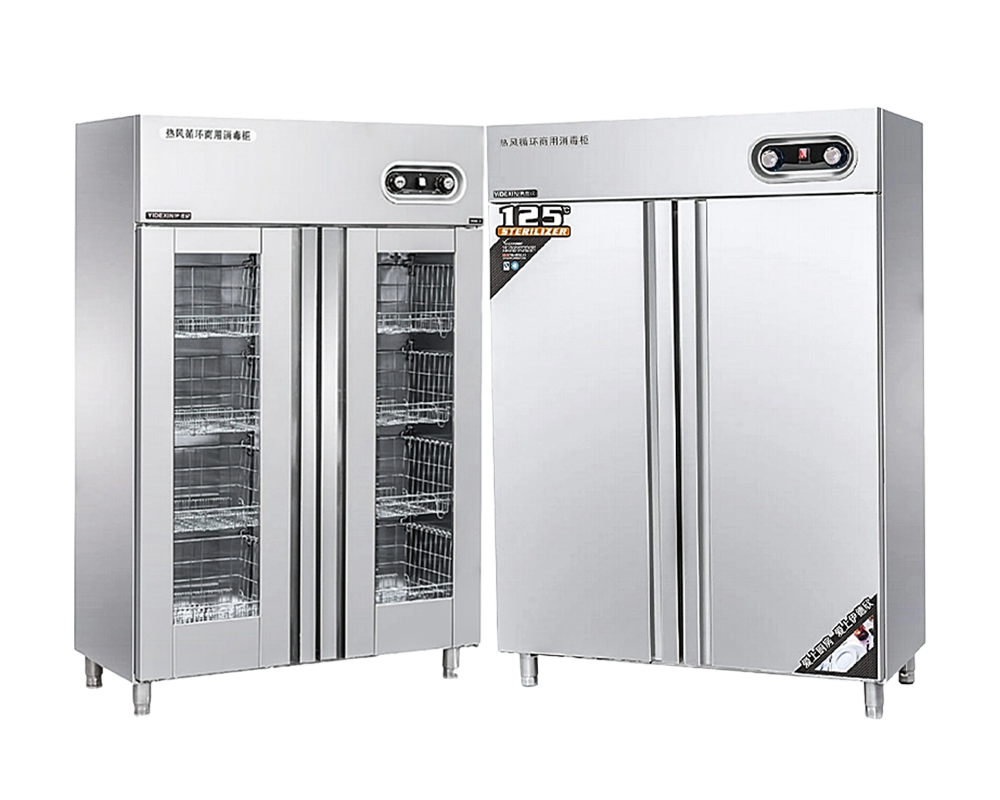 Stainless Steel/Glass Flat Door Sterilization Cabinet
-
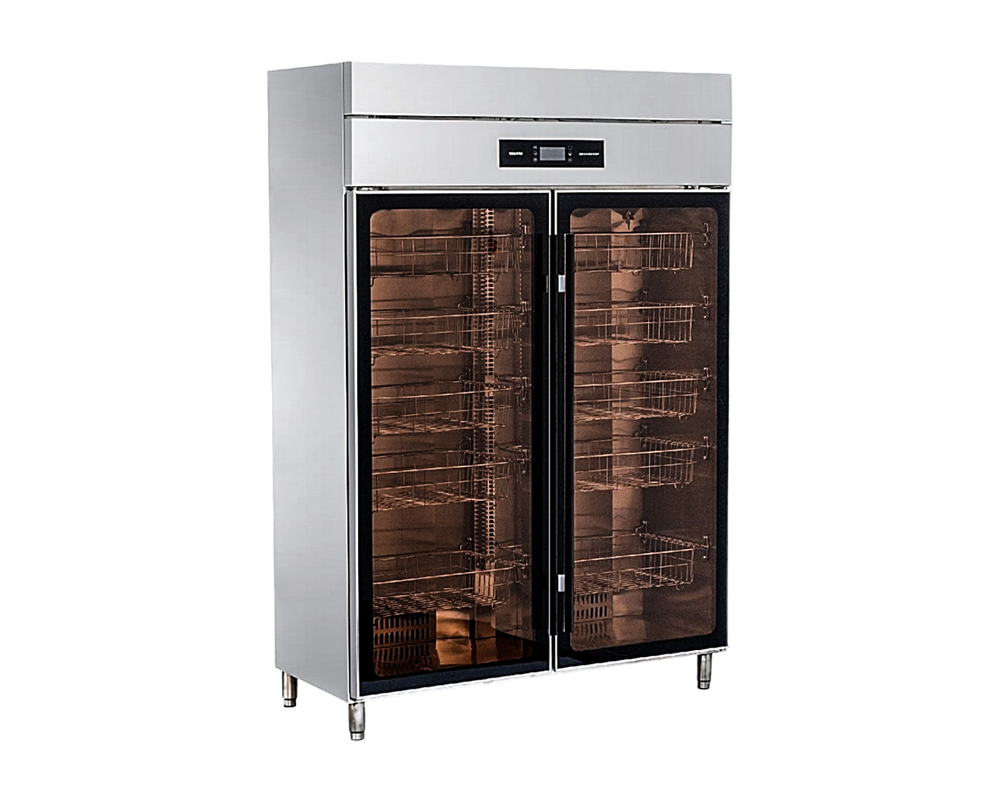 Multifunctional Three-mode High Temperature Glass Door Disinfection Cabinet
-
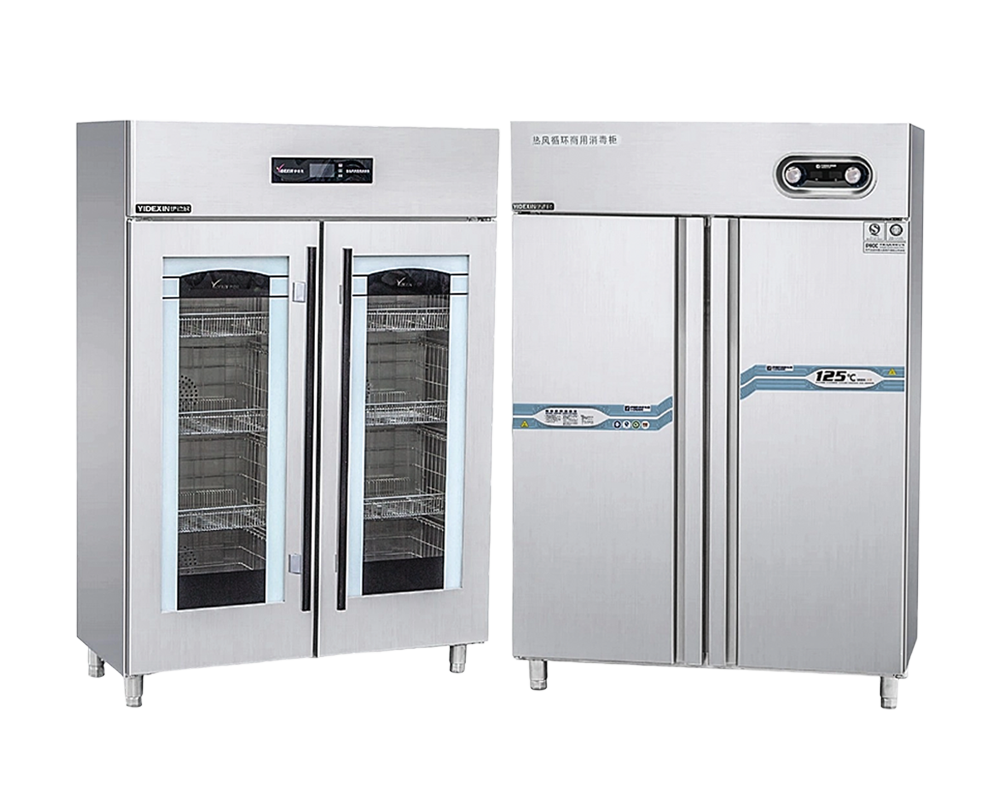 Commercial Restaurant Anti-Fingerprint Stainless Steel Disinfection Cabinet
-
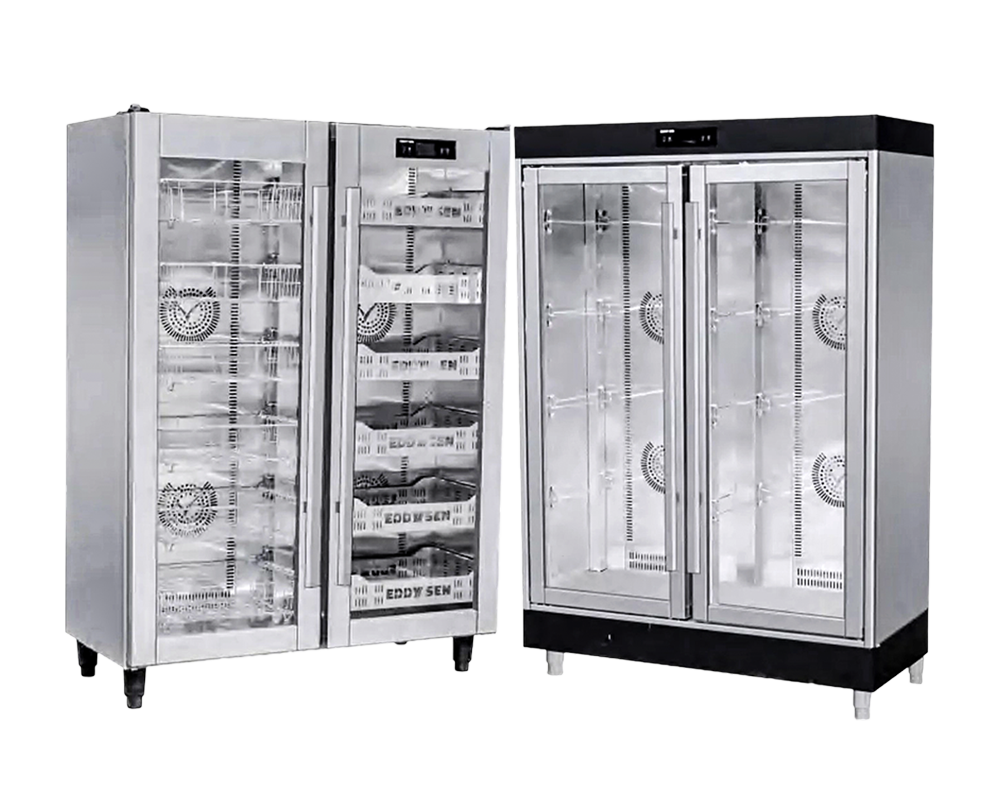 Intelligent Light Wave Stainless Steel UV Disinfection Cabinet
-
 [email protected] / [email protected]
-
 +86-15066977778 / +86-19012777577

-
 Reach-in Refrigerators
-
 Reach-in Freezers
-
 Dual Temperature Refrigerators
-
 Worktop Refrigerators
-
 Worktop Freezers
-
 Salad Bar Refrigerators
-
 Combined Island Display Refrigerators
-
 Air Curtain Refrigerators
-
 Fresh Cabinets
-
 Display Refrigerators(Glass Door)
-
 Electric Rice Steamer Cabinets
-
 Gas Rice Steamer Cabinets
-
 Vertical Banquet Cabinets
-
 Horizontal Banquet Cabinets
-
 Heated Disinfection Cabinets
Home / News / Industry information / Best Frozen Products to Sell in a Retail Display Freezer (2026 Guide)
Best Frozen Products to Sell in a Retail Display Freezer (2026 Guide)
Content
- 1 Why Frozen Food Is One of Retail's Biggest Opportunities in 2026
- 2 Frozen Meals and Ready-to-Eat Entrees
- 3 Ice Cream and Frozen Desserts
- 4 Frozen Pizza
- 5 Frozen Snacks and Appetizers
- 6 Frozen Breakfast Items
- 7 Frozen Meat, Poultry, and Seafood
- 8 Frozen Fruits and Vegetables
- 9 How to Match Your Product Mix to the Right Display Freezer
- 10 Final Thoughts: Build Your Frozen Assortment Around Consumer Demand in 2026
Why Frozen Food Is One of Retail's Biggest Opportunities in 2026
If you run a grocery store, convenience shop, or any retail outlet with a display freezer, frozen food is one of the most reliable revenue drivers on the floor. According to Grand View Research, the U.S. frozen food market was valued at $89.94 billion in 2025 and is projected to reach $163.25 billion by 2033, growing at a CAGR of 7.7%. Globally, Global Market Insights projects the frozen food market will surpass $500 billion by 2034.
Consumer behavior is shifting firmly in favor of frozen. A 2025 survey by the National Frozen & Refrigerated Foods Association (NFRA) found that 83% of shoppers say frozen foods make meal planning easier, and 71% prefer ready-to-eat or quick-prep options. With busy lifestyles, dual-income households, and growing price sensitivity, frozen products have shed their "budget backup" reputation and become a first-choice category for millions of households.
But success in frozen retail isn't just about having a freezer — it's about stocking the right products in the right display unit. Below are the best-performing frozen categories to consider, backed by current market data and 2026 consumer trends.
Frozen Meals and Ready-to-Eat Entrees
Frozen meals are the single largest frozen food category in the U.S. According to Grand View Research, the frozen meals segment holds a 34.4% revenue share of the market as of 2025, driven by consumers seeking quick dinner solutions with minimal prep time. Statista reports that for the 52 weeks ending September 2024, frozen meals generated over $28 billion in U.S. sales alone.
For retail display freezers, this category works best in upright glass-door merchandisers where shoppers can scan multiple SKUs at once. Consider organizing by dietary preference — high-protein, plant-based, gluten-free — since innovation in better-for-you meal formats continues to grow. As noted by Accio market research, global flavors such as Indian-inspired tikka masala and Japanese teriyaki entrées are surging, with global street food frozen sales exceeding $543 million.
- Best formats: Single-serve trays, family-size multi-serve packs, heat-and-eat bowls
- Trending variants: Air-fryer-ready meals, spicy options (spicy frozen meal sales exceed $2 billion), GLP-1-friendly and gut-healthy choices
- Display tip: Group by occasion (lunch, dinner, late night) rather than brand to boost basket size
Ice Cream and Frozen Desserts
Ice cream and frozen novelties are perennial performers — consistently ranking among the top three frozen categories by dollar sales. According to Statista, single-serve dinners rank third in the frozen aisle behind ice cream, frozen novelties, and pizza, reflecting just how dominant dessert formats remain at retail.
This segment benefits from strong impulse purchasing behavior, making it ideal for high-visibility glass-top chest freezers or dedicated upright ice cream merchandisers placed near store entrances or checkout areas. The category is evolving rapidly: plant-based, dairy-free, keto, and low-calorie options are gaining significant shelf space alongside traditional indulgent formats. Stocking a curated mix of classic favorites and trend-forward SKUs maximizes reach across consumer segments.
- Best formats: Pints, novelty bars, ice cream sandwiches, multipack boxes
- Trending variants: Dairy-free coconut or oat milk bases, protein ice cream, mini indulgence packs
- Display tip: Glass-top chest freezers are ideal for this category — customers browse by looking down, which mirrors natural shopping behavior for desserts
Frozen Pizza
Frozen pizza is one of the most consistent volume drivers in the frozen aisle and a staple in any retail display freezer assortment. It appeals to families, college students, and busy professionals alike — a broad demographic that makes it a low-risk, high-turn category. Agristuff identifies pizza as one of the core anchors of the U.S. frozen food basket, alongside meals and potatoes.
Beyond classic cheese and pepperoni, the category has expanded significantly. Cauliflower crusts, sourdough bases, deep-dish formats, and globally inspired toppings are attracting new buyers. Air fryer compatibility labeling has also become a strong purchase trigger, so stocking products with clear cooking method callouts can increase conversion on the shelf.
- Best formats: Classic round pies (12"), personal-size singles, flatbreads, French bread pizza
- Trending variants: Gluten-free crust, thin & crispy, stuffed crust, premium restaurant-style
- Display tip: Boxed pizzas stack efficiently in upright multi-door freezers; keep vertically oriented for easy browsing and faster restocking
Frozen Snacks and Appetizers
The frozen snacks segment is projected to grow at the fastest rate of any frozen category — a CAGR of 11.0% through 2033, according to Grand View Research. Items like pizza rolls, dumplings, mozzarella sticks, chicken bites, and mini egg rolls are especially popular among Gen Z and millennial shoppers. As reported by Accio, bite-sized and "minis" formats alone reached $2.4 billion in sales.
Snacks and appetizers are natural impulse purchases, so placement matters enormously. Display them at eye level in glass-door upright units near high-traffic zones, or use secondary freestanding freezers near entrance areas or seasonal game-day displays. The air-fryer trend has been a significant tailwind for this category — products that cook up crispy without deep frying are growing faster than traditional variants.
- Best formats: Party-size resealable bags, individual serve, value multipacks
- Trending variants: Spicy varieties, gluten-free, air-fryer-optimized, globally inspired (dumplings, empanadas, samosas)
- Display tip: Grouping snacks near beverages or at a secondary stand-alone freezer significantly increases unplanned purchases
Frozen Breakfast Items
Breakfast is one of the fastest-growing occasions in frozen food retail. As highlighted by Agristuff, manufacturer trendbooks point to strong morning-daypart innovation, which continues to grow the frozen food market beyond traditional dinner usage. Shoppers are turning to heat-and-eat sandwiches, burritos, waffles, protein bowls, and handhelds for weekday mornings when time is limited.
Demand is rising specifically for high-protein, whole-grain, and low-sugar breakfast formats. Market research from 2025 highlights single-serve breakfast sandwiches made with simple, clean-label ingredients as a standout growth driver — reflecting consumer demand for both convenience and quality simultaneously.
- Best formats: Individually wrapped sandwiches, waffle multipacks, breakfast burritos, protein bowls
- Trending variants: Simple-ingredient sandwiches with no preservatives, high-protein waffles, plant-based sausage options
- Display tip: Eye-level placement in single or double-door upright units near the store entrance maximizes morning traffic conversion
Frozen Meat, Poultry, and Seafood
Frozen meat and seafood offer consumers significant value versus fresh — longer shelf life, better price stability, and consistent year-round availability. Products like chicken nuggets, wings, and breasts remain high-volume staples due to their affordability and ease of preparation. The seafood subcategory — shrimp, salmon, cod, and shellfish — is benefiting from growing awareness of protein-rich, omega-3-dense diets, as noted by 2025 U.S. Frozen Food Market analysis.
Pre-seasoned, pre-marinated, and portion-controlled formats are growing fastest within this segment, as shoppers want to minimize prep while maximizing flavor. Restaurant brands entering retail with frozen versions of their signature items represent a meaningful opportunity for retailers looking to differentiate their frozen offering and attract brand-loyal shoppers.
- Best formats: Individual portions, value family packs, pre-marinated cuts, breaded ready-to-cook items
- Trending variants: Air-fryer-ready chicken, wild-caught seafood, pre-seasoned grill packs, restaurant-branded frozen lines
- Display tip: Island freezers with sliding glass tops work well for meat and seafood — customers appreciate being able to see the product from multiple angles
Frozen Fruits and Vegetables
Fruits and vegetables form the largest single segment of the global frozen food market. According to Global Market Insights, frozen fruits and vegetables generated over $90.6 billion in revenue globally in 2024. In the U.S., potato and onion-based products — including fries and onion rings — have been standout performers, with The Food Institute reporting dollar sales up 33.6% year-over-year.
Demand for organic and non-GMO frozen produce is accelerating as shoppers increasingly recognize that frozen vegetables can be nutritionally equivalent — or even superior — to fresh alternatives that have spent days in transit and cold storage. Retailers that stock both value and premium tiers within this category capture a wider audience. Clear health-benefit callouts on shelf signage can meaningfully increase conversion among new buyers exploring frozen produce for the first time.
- Best formats: Resealable bags (12–16 oz), bulk value bags, steam-in-bag microwaveable pouches
- Trending variants: Organic blends, riced cauliflower, superfood mixes, smoothie-ready frozen fruit packs
- Display tip: Pusher tray systems keep floppy bags front-faced and organized, reducing restocking time and keeping your display neat at all times
How to Match Your Product Mix to the Right Display Freezer
Product selection and display equipment are two sides of the same coin. Even the best-selling frozen items underperform when stored in the wrong type of freezer. Here's a quick reference for matching product categories to display units:
| Product Category | Recommended Freezer Type | Key Reason |
|---|---|---|
| Frozen Meals & Pizza | Upright glass-door (multi-door) | Vertical scan, high SKU count, box-friendly shelves |
| Ice Cream & Desserts | Glass-top chest / island freezer | Impulse-buy positioning, visible from above |
| Snacks & Appetizers | Upright glass-door or countertop | Eye-level impulse placement, grab-and-go access |
| Breakfast Items | Upright single/double-door | High-turnover, easy morning restocking |
| Meat, Poultry & Seafood | Island freezer with sliding glass top | Multi-angle product visibility, bulk purchase browsing |
| Fruits & Vegetables | Upright multi-door with pusher trays | Keeps bags front-faced; minimizes door-open time |
Retailers increasing their frozen food footprint — whether by adding an extra aisle or placing standalone reach-in freezers in secondary locations — are seeing measurable lifts in basket size. As The Food Institute notes, those secondary freezer locations can make the difference in driving an extra purchase per shopping trip. The key is ensuring your display equipment maintains consistent temperatures during frequent door openings, supports clear product visibility, and minimizes energy cost over time.
If you need guidance on selecting the right commercial display freezer for your product mix and store layout, Eddysen's refrigeration specialists can help you identify the most efficient and cost-effective solution for your specific retail environment.
Final Thoughts: Build Your Frozen Assortment Around Consumer Demand in 2026
The frozen food category is no longer a commodity aisle — it's a destination. With the U.S. market on track to nearly double by 2033 and the global market crossing $500 billion before 2034, the growth runway for frozen retail is substantial. Retailers who stock a thoughtfully curated mix of frozen meals, ice cream, pizza, snacks, breakfast items, proteins, and produce — and display them in well-lit, properly maintained freezer units — consistently outperform those who treat the category as an afterthought.
Start with the high-volume anchors (meals, ice cream, pizza) to guarantee reliable turns, then differentiate with trend-forward items (global flavors, better-for-you snacks, air-fryer-ready formats) that drive discovery and repeat visits. Pair your product strategy with the right display freezer infrastructure, and you'll turn your frozen section into one of your store's most profitable square feet.

-
 Add.
Add.
Sales Center:Room 410, Floor T3-4, Zhonghai Development Building, No. 888, Kejiguan Street, Binjiang District, Hangzhou, Zhejiang,China
Factory Address:100 Meters South Of Zhongmao Village, Xingfu Town, Boxing County, Binzhou City, Shandong Province, P.R.China
Sales Center:Room 410, Building 15, Tianan Headquarters Center, 555 North Panyu Avenue, Donghuan Street, Panyu District, Guangzhou City, china
-
 Tel.
+86-15066977778+86-19012777577
Tel.
+86-15066977778+86-19012777577 -
 Email.
Quick Links
Product Fast Links
Mobile Terminal
Copyright @Hangzhou Eddysen Catering Equipment Co., Ltd.All rights reserved. Commercial Freezer Manufacturer