 English
 中文简体
中文简体 Español
 عربى
عربى
-
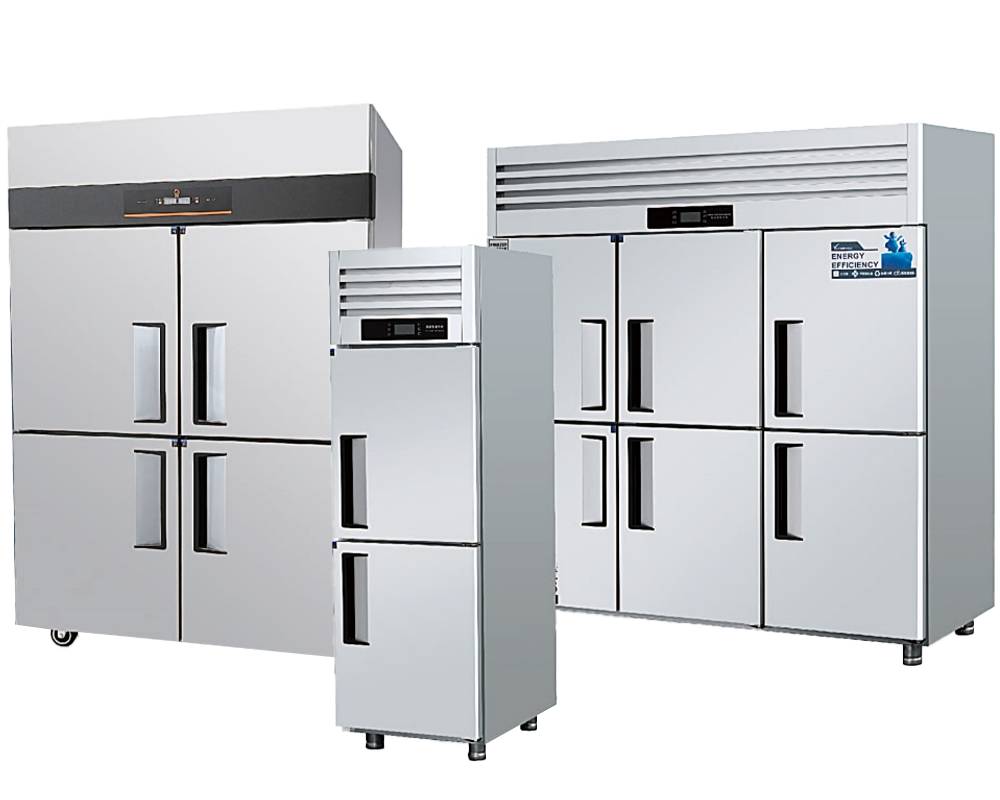 Commercial Vertical Direct-cool Stainless Steel Reach-in Refrigerator
-
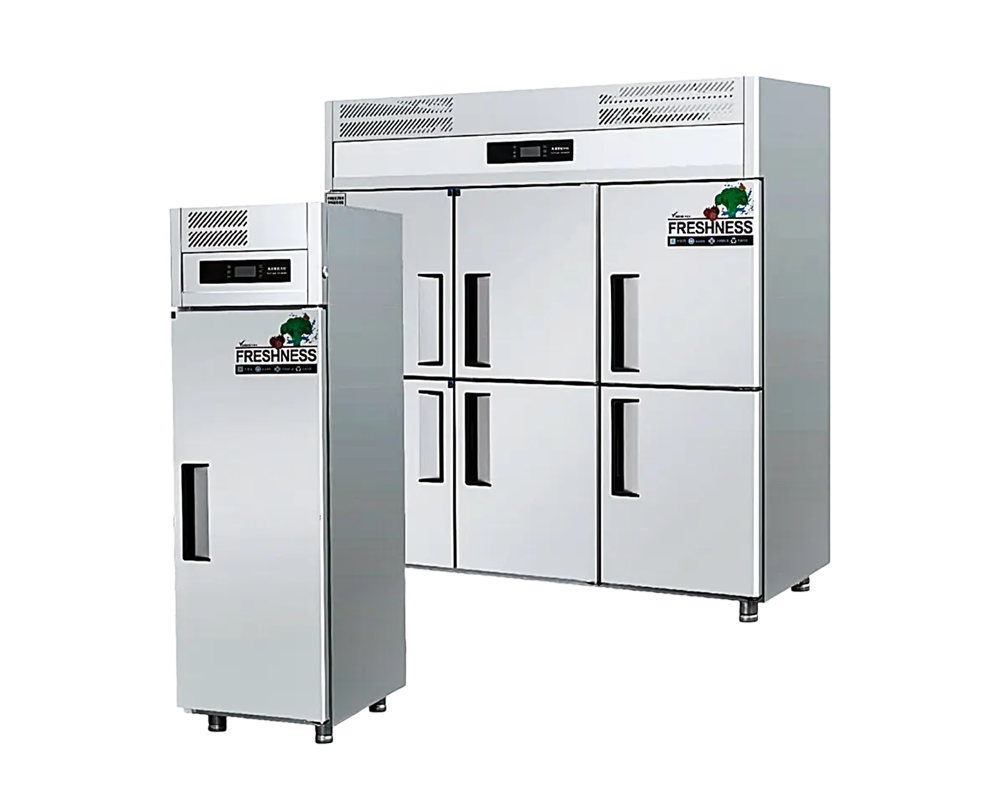 Commercial 201SUS Upright Air Cooling Reach-in Refrigerators
-
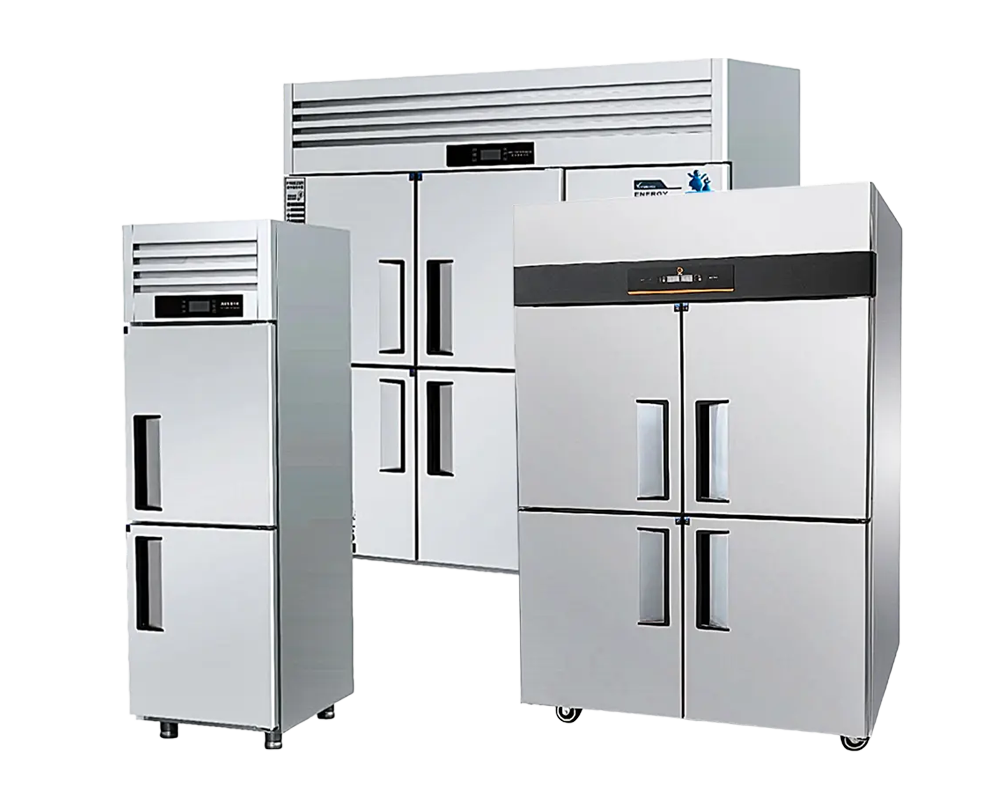 Commercial Direct-Cool Upright Reach-in Freezers
-
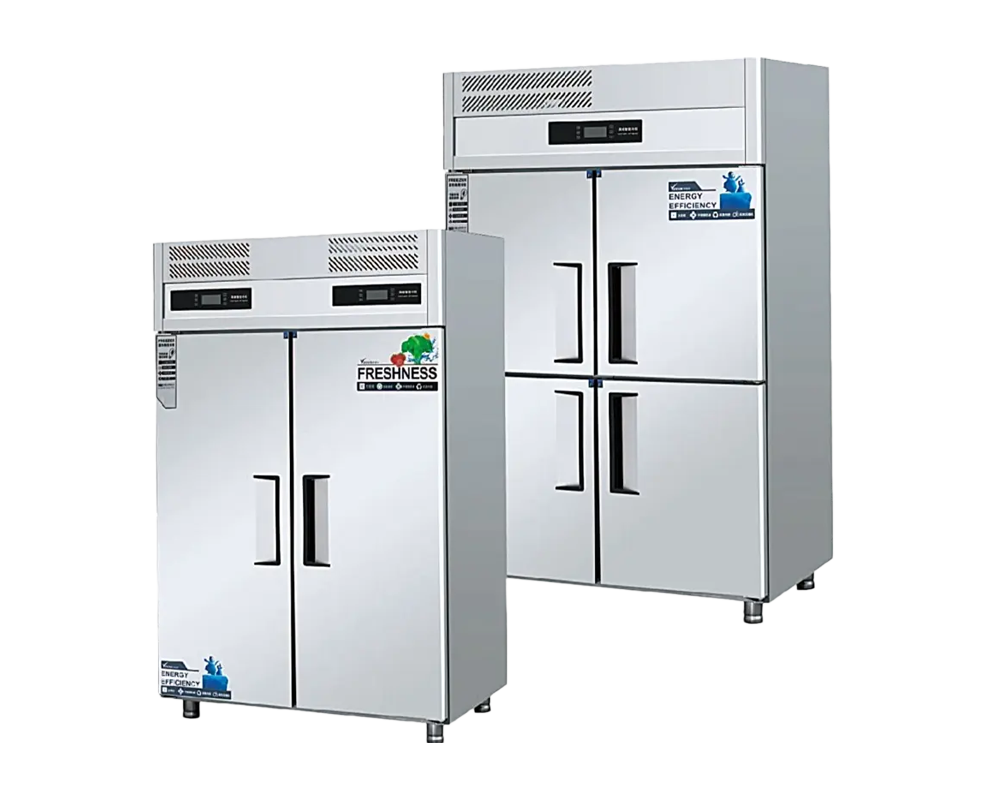 Commercial Stainless Steel Air Cooled Reach-in Vertical Freezers
-
 Dual Temperature Control Direct Cooling Commercial Upright Reach-in Refrigerators
-
 Commercial Vertical Air Cooled Intelligent Reach-in Freezer and Refrigerator
-
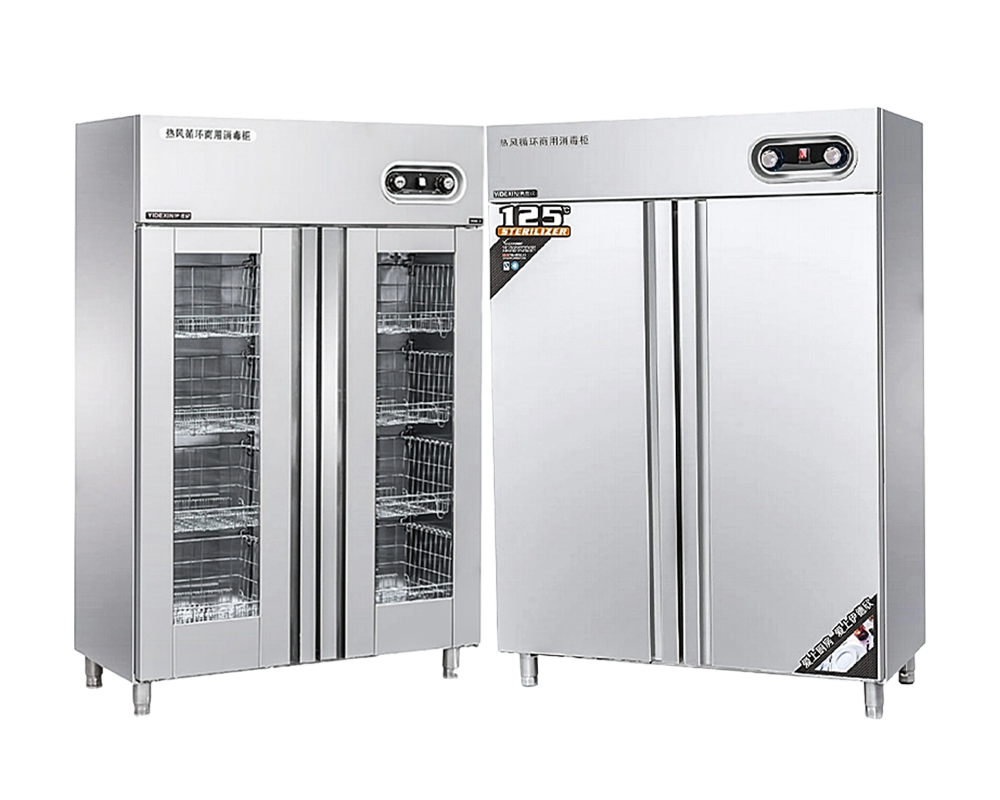 Stainless Steel/Glass Flat Door Sterilization Cabinet
-
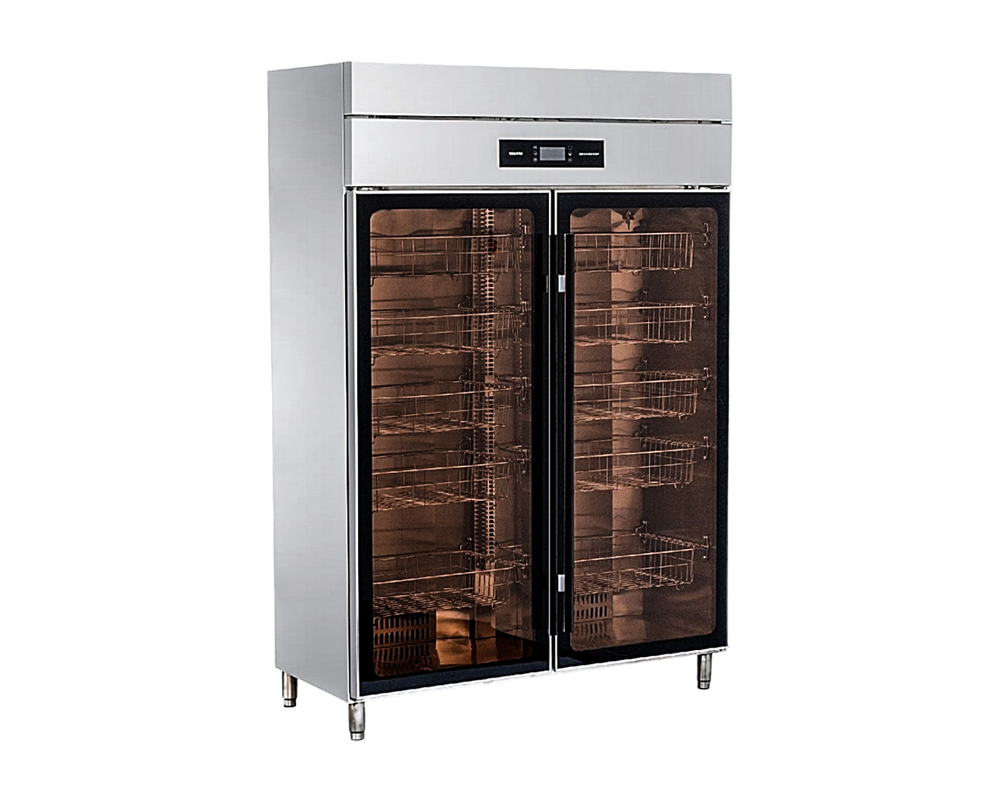 Multifunctional Three-mode High Temperature Glass Door Disinfection Cabinet
-
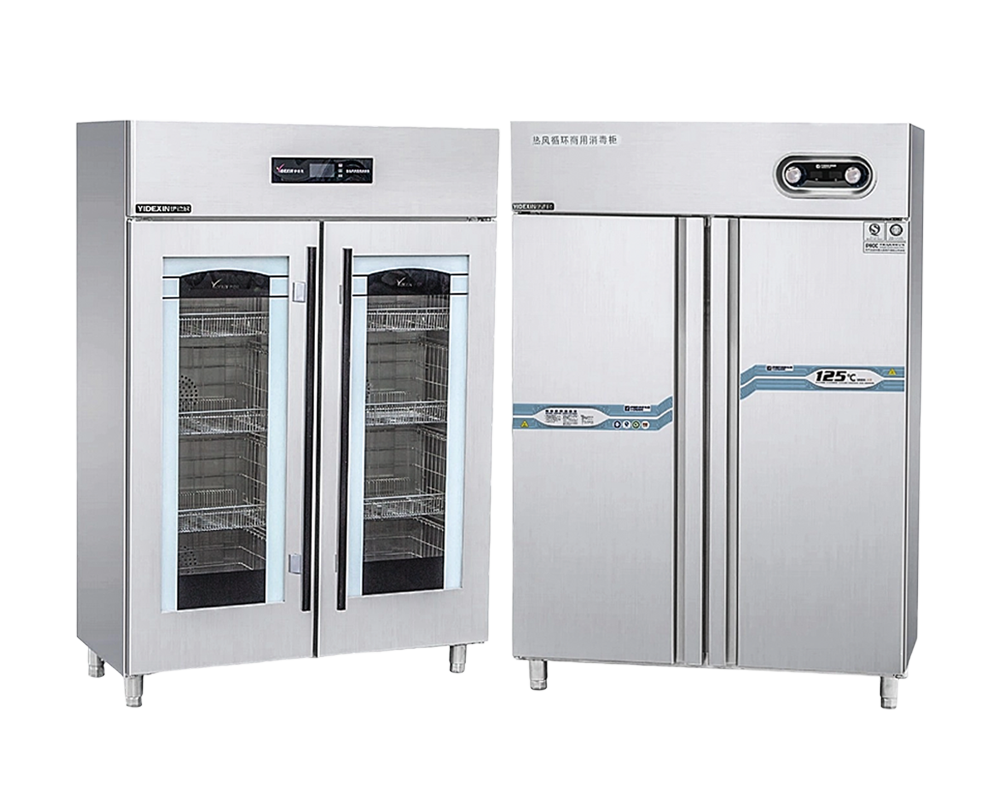 Commercial Restaurant Anti-Fingerprint Stainless Steel Disinfection Cabinet
-
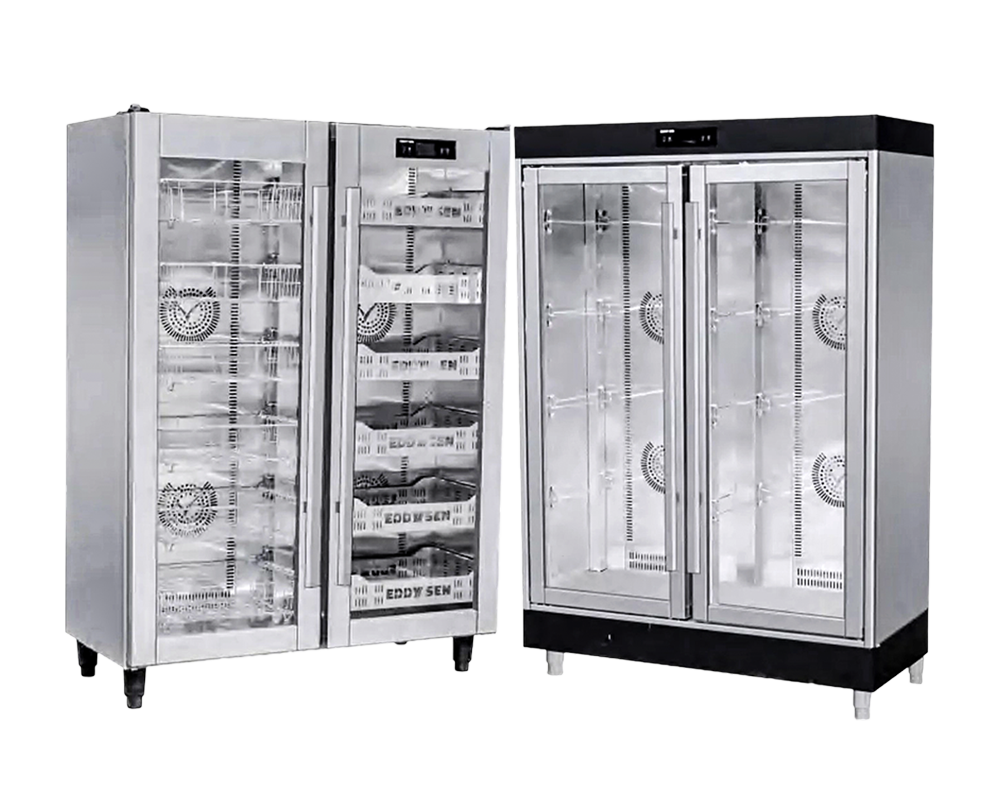 Intelligent Light Wave Stainless Steel UV Disinfection Cabinet
-
 [email protected] / [email protected]
-
 +86-15066977778 / +86-19012777577

-
 Reach-in Refrigerators
-
 Reach-in Freezers
-
 Dual Temperature Refrigerators
-
 Worktop Refrigerators
-
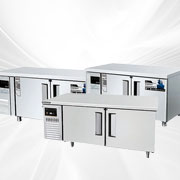 Worktop Freezers
-
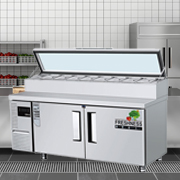 Salad Bar Refrigerators
-
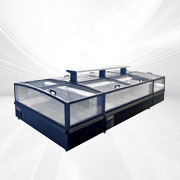 Combined Island Display Refrigerators
-
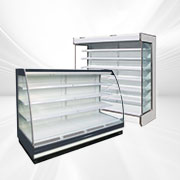 Air Curtain Refrigerators
-
 Fresh Cabinets
-
 Display Refrigerators(Glass Door)
-
 Electric Rice Steamer Cabinets
-
 Gas Rice Steamer Cabinets
-
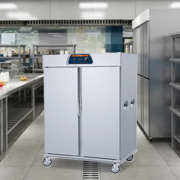 Vertical Banquet Cabinets
-
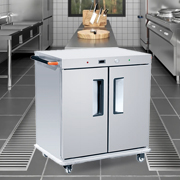 Horizontal Banquet Cabinets
-
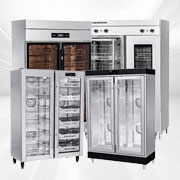 Heated Disinfection Cabinets
Banquet Holding Strategy: Texture & Service Timing Guide
Content
- 1 Why Texture Fails During Holding — and How to Prevent It
- 2 Holding Equipment: Matching the Tool to the Food
- 3 Service Timing: Building a Realistic Banquet Timeline
- 4 Handling Dietary and Menu Variations Without Derailing Timing
- 5 Temperature Safety Within the Holding Window
- 6 Common Holding Mistakes and How to Avoid Them
- 7 Practical Checklist for Banquet Holding Readiness
Keeping banquet food at its best from the kitchen to the guest's plate comes down to two things: controlling texture degradation and syncing service timing precisely. When either breaks down, the result is soggy proteins, wilted vegetables, or cold sauces — problems that are almost impossible to fix once plating begins. A well-executed holding strategy treats the holding phase not as passive waiting, but as an active extension of cooking.
Why Texture Fails During Holding — and How to Prevent It
Texture is the first casualty of poor holding. The core problem is moisture migration: steam trapped under lids saturates crispy coatings, connective tissue continues to break down past the ideal point, and starches retrogrades in cooling sauces, turning silky to gluey.
Protein Management
Proteins are the most sensitive category. Roasted or pan-seared proteins lose their crust within 8–12 minutes if held in a covered, humid environment. The standard fix is to hold proteins slightly under their target internal temperature — about 5–7°F below the final service temp — so carryover doesn't push them past the acceptable window. A roast chicken destined for 165°F service, for instance, should be pulled from heat and held at 158–160°F in a low-humidity holding cabinet.
For fried or crusted items where texture is the entire point (fried chicken, schnitzel, breaded fish), holding on wire racks in a low-humidity oven at 250–275°F preserves crunch far better than holding directly in pans. Research from culinary institutions consistently shows that airflow underneath the product reduces moisture contact by over 40% compared to solid pan holding.
Vegetable and Starch Holding
Blanched or roasted vegetables should be slightly undercooked before holding — a firm al dente for greens that will soften over 20–30 minutes of residual heat. Shock them in ice water, hold at room temperature, and finish with a quick sauté or oven pass just before service. This two-stage approach keeps color bright and texture snappy.
Starches like mashed potato or risotto congeal rapidly. Keep them at 150–160°F and add small amounts of warm liquid (cream, stock) every 15–20 minutes to maintain consistency. Pre-portioned rice or pilaf holds well uncovered in a 200°F oven for up to 45 minutes without becoming gummy if spread in a thin, even layer.
Sauces and Soups
Emulsified sauces (beurre blanc, hollandaise) cannot be held above 145°F without breaking. For large events, hold the base components separately and emulsify in small batches every 20 minutes. Reduction-based sauces thicken as they hold; thin with the appropriate liquid (wine, stock, or cream) rather than water, which dilutes flavor.
Holding Equipment: Matching the Tool to the Food
Not all holding equipment performs the same function. Using the wrong tool is one of the most common sources of banquet texture problems.
| Food Category | Best Equipment | Holding Temp | Max Safe Hold Time |
|---|---|---|---|
| Roasted / braised proteins | Low-humidity holding cabinet | 140–150°F | 90 minutes |
| Fried / crusted items | Wire rack in convection oven | 250–275°F | 20–30 minutes |
| Sauces / soups | Bain-marie (water bath) | 150–165°F | 2 hours with stirring |
| Blanched vegetables | Room temp, finish to order | Room temp / 65–70°F | 1–2 hours |
| Mashed potato / risotto | Covered bain-marie | 150–160°F | 45–60 minutes |
Steam table inserts, while common, are poorly suited for anything that needs a dry environment. They add moisture continuously and are best reserved for items with high liquid content — braised dishes, soups, or anything intentionally sauced.
Service Timing: Building a Realistic Banquet Timeline
The kitchen timeline for a banquet must be built backwards from the service moment, not forwards from prep. Every station needs a clear answer to two questions: when does this item reach its peak, and how long can it hold without quality loss?
The Backward-Planning Framework
For a 200-person plated dinner with a 7:30 PM service window, a practical timeline might look like this:
- 7:30 PM — First plates leave the kitchen. All components at service temperature.
- 7:20 PM — Plating begins. Proteins sliced, sauced, garnished in assembly line format.
- 7:15 PM — Vegetables sautéed in batches. Starches adjusted with warm liquid.
- 7:00 PM — Proteins resting in holding cabinet. Sauce emulsified fresh.
- 6:30 PM — All proteins cooked, pulled at target holding temp.
- 6:00 PM — Vegetables blanched and shocked. Starches finished.
The 30-minute rest window between 6:30 and 7:00 is not idle time — it is a deliberate holding buffer. Attempting to plate before all components are simultaneously ready creates the disorganized, inconsistent plates that define a poor banquet experience.
Staggering Large Counts
For events over 300 covers, no kitchen can plate simultaneously. The practical solution is to divide the room into zones and plate in waves of 50–80 covers, with each wave timed to be served within 4 minutes. This means proteins for wave one must be carved and plated while wave two proteins are still resting. Assigning one person per component (one on protein, one on starch, one on veg, one on sauce) and rotating stations every wave reduces bottlenecks by 30–50% compared to a single-line approach.
Communicating with the Service Team
Service timing is a kitchen-front-of-house problem, not just a kitchen problem. A written plating signal system — where the floor captain confirms table readiness before the kitchen begins each wave — prevents the common failure of plates sitting under heat lamps for 10+ minutes while servers are occupied. Every minute a plated dish sits uncollected, it loses 3–5°F, and texture continues to deteriorate.
Handling Dietary and Menu Variations Without Derailing Timing
Dietary alternatives — vegetarian, gluten-free, allergen-modified — are among the most common causes of service timing breakdowns. A late vegan plate holds up an entire table's service.
The most effective approach is to treat special meals as a separate but parallel station, not an afterthought addressed at the end of plating. Assign one dedicated team member who begins plating specials at the same time as the main production line. Tag plates clearly with table and seat number at the start of the event, not at the moment of service.
- Collect all special meal requests in one printed document, sorted by table, before service begins.
- Pre-portion special proteins separately from the main batch to avoid cross-contamination delays.
- Produce 10–15% more special meal components than booked to cover last-minute requests or errors.
- Hold special meals in a clearly labeled section of the holding cabinet, not mixed with the main batch.
Temperature Safety Within the Holding Window
Banquet holding always operates within food safety constraints. Hot food must be held at 140°F (60°C) or above to remain within safe parameters; any time spent between 40°F and 140°F counts against the cumulative two-hour danger zone limit.
A practical kitchen monitoring approach:
- Log temperatures of all held items every 30 minutes using a probe thermometer, not an ambient cabinet reading.
- Discard any item that has dropped below 140°F for an unknown duration — never attempt to reheat and re-hold.
- Pre-heat all holding equipment for at least 30 minutes before loading food; loading cold pans into a warm cabinet drops the ambient temperature significantly and can cause uneven holding.
Most regulatory frameworks (including FDA Food Code guidelines) specify that hot food must not be held below 140°F at any point during the service window. This is not just a safety floor — it also happens to be close to the quality floor for most proteins and sauces. Keeping quality and safety aligned means both problems are solved simultaneously.
Common Holding Mistakes and How to Avoid Them
Most banquet texture and timing failures trace back to a handful of repeatable errors:
- Over-cooking before holding: Finishing proteins to 100% doneness leaves no buffer for carryover. Always aim for 85–90% done at pull time.
- Stacking food too deep in pans: Proteins or vegetables stacked more than 3 inches deep trap heat unevenly. The bottom overcooks while the top is barely holding temperature.
- Saucing too early: Sauce applied to proteins during holding softens any crust within minutes. Sauce should be applied at the moment of plating, not in the holding pan.
- No communication between kitchen and floor: Without a confirmed signal system, kitchens plate based on estimated timing rather than actual table readiness, leading to plates waiting on the pass.
- Underestimating ramp-up time: Holding equipment takes 20–45 minutes to reach stable temperature. Starting equipment too late is a common cause of the first wave of food being held at sub-optimal temperatures.
Practical Checklist for Banquet Holding Readiness
Use this as a pre-service confirmation framework for any banquet operation:
- All holding equipment pre-heated at least 30 minutes before first food loads.
- Proteins pulled at holding temperature, not service temperature.
- Fried/crusted items on wire racks with airflow, not in covered pans.
- Vegetables pre-blanched, shocked, held at room temperature for finish-to-order.
- Sauces held in bain-marie, emulsified in small fresh batches every 15–20 minutes.
- Special meal station staffed and running parallel to main production.
- Temperature logging sheet active, checked every 30 minutes.
- Floor signal system confirmed with service team before first wave plates.
- Plating timeline mapped backwards from service time, posted in kitchen.
A banquet holding strategy that is written down, assigned to specific people, and practiced before the event will consistently outperform one improvised under pressure. The investment in pre-service planning directly determines what lands on the guest's plate — in terms of both quality and timing.

-
 Add.
Add.
Sales Center:Room 410, Floor T3-4, Zhonghai Development Building, No. 888, Kejiguan Street, Binjiang District, Hangzhou, Zhejiang,China
Factory Address:100 Meters South Of Zhongmao Village, Xingfu Town, Boxing County, Binzhou City, Shandong Province, P.R.China
Sales Center:Room 410, Building 15, Tianan Headquarters Center, 555 North Panyu Avenue, Donghuan Street, Panyu District, Guangzhou City, china
-
 Tel.
+86-15066977778+86-19012777577
Tel.
+86-15066977778+86-19012777577 -
 Email.
Quick Links
Product Fast Links
Mobile Terminal
Copyright @Hangzhou Eddysen Catering Equipment Co., Ltd.All rights reserved. Commercial Freezer Manufacturer