 English
 中文简体
中文简体 Español
 عربى
عربى
-
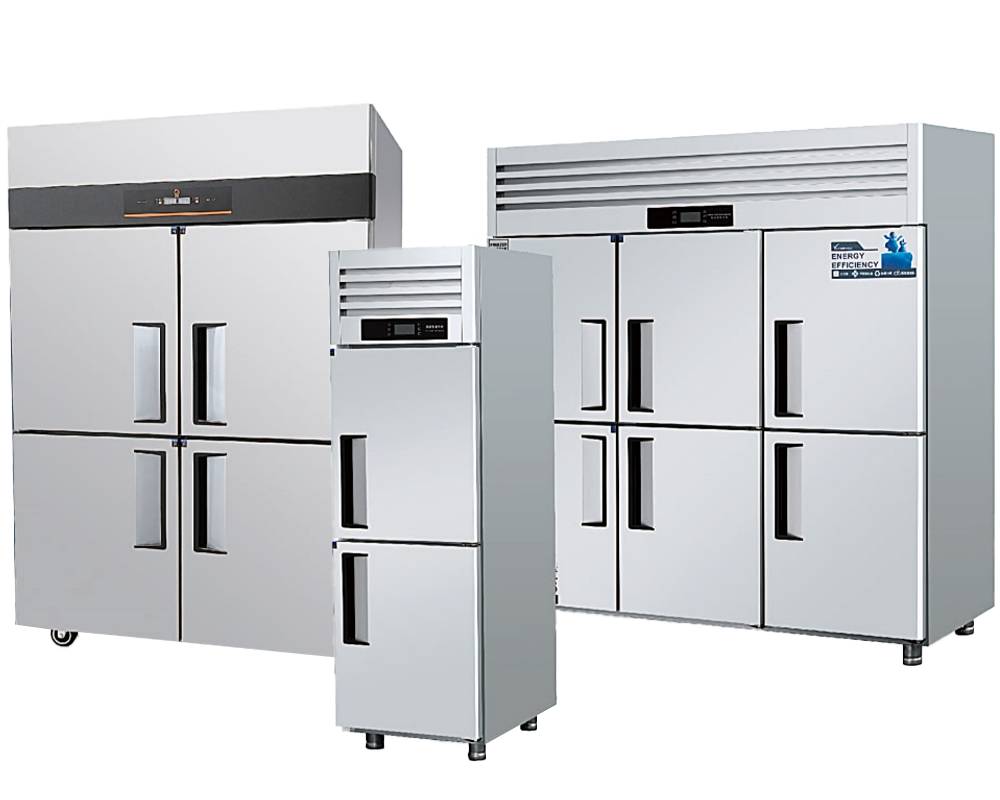 Commercial Vertical Direct-cool Stainless Steel Reach-in Refrigerator
-
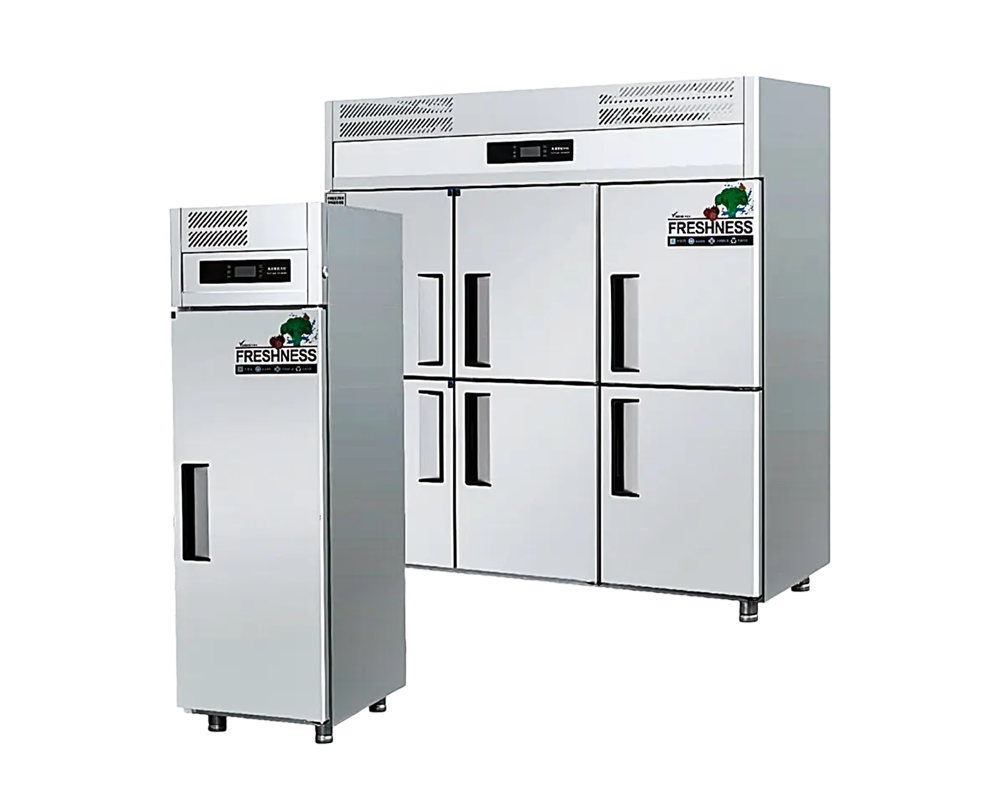 Commercial 201SUS Upright Air Cooling Reach-in Refrigerators
-
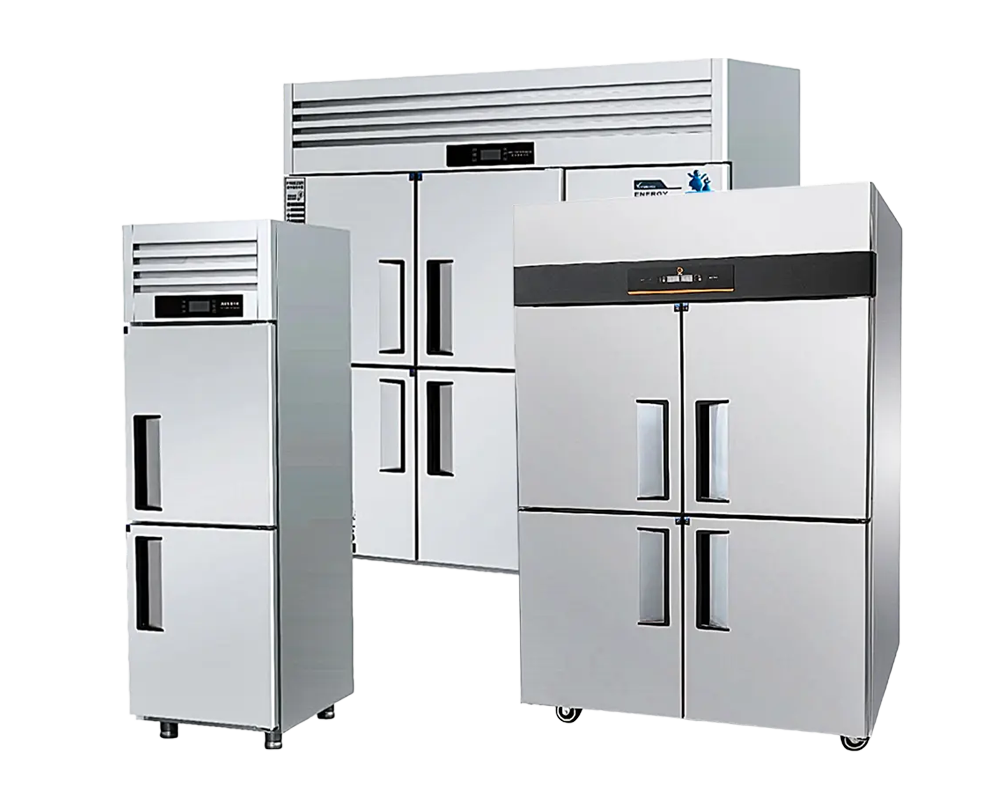 Commercial Direct-Cool Upright Reach-in Freezers
-
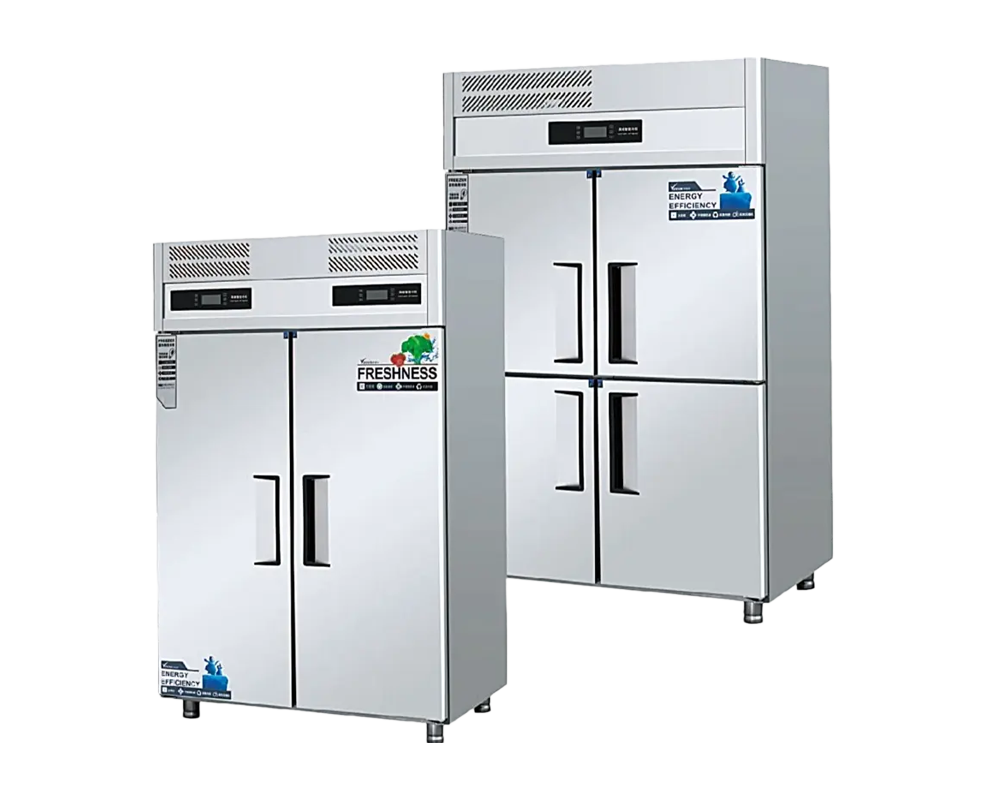 Commercial Stainless Steel Air Cooled Reach-in Vertical Freezers
-
 Dual Temperature Control Direct Cooling Commercial Upright Reach-in Refrigerators
-
 Commercial Vertical Air Cooled Intelligent Reach-in Freezer and Refrigerator
-
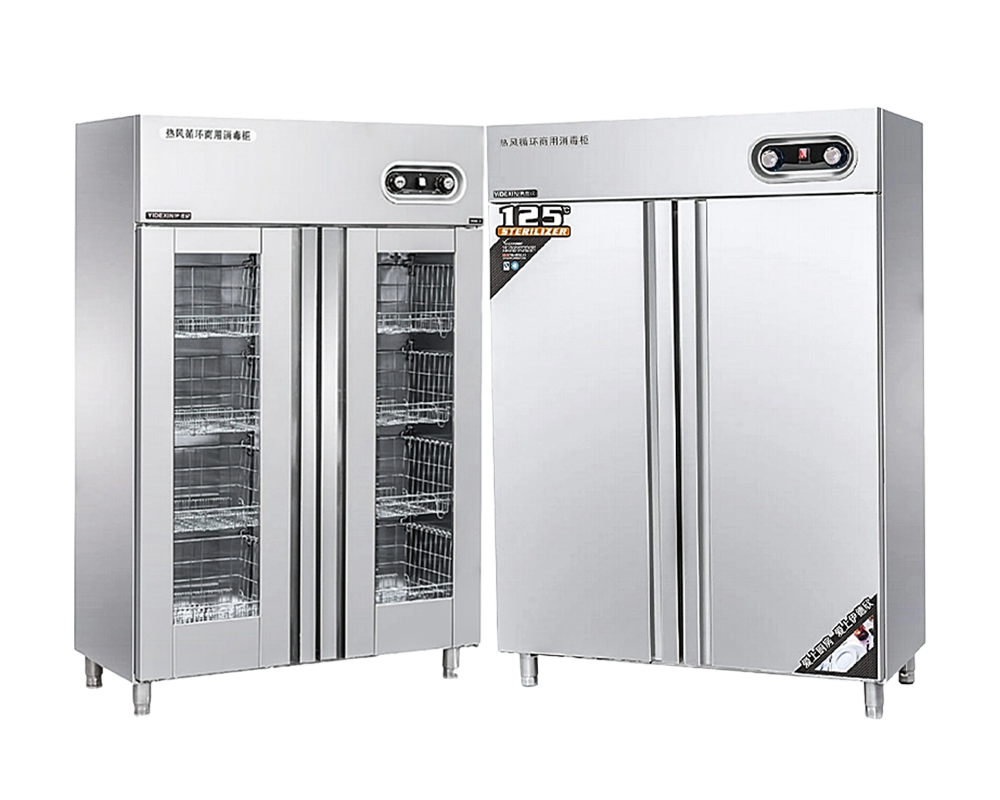 Stainless Steel/Glass Flat Door Sterilization Cabinet
-
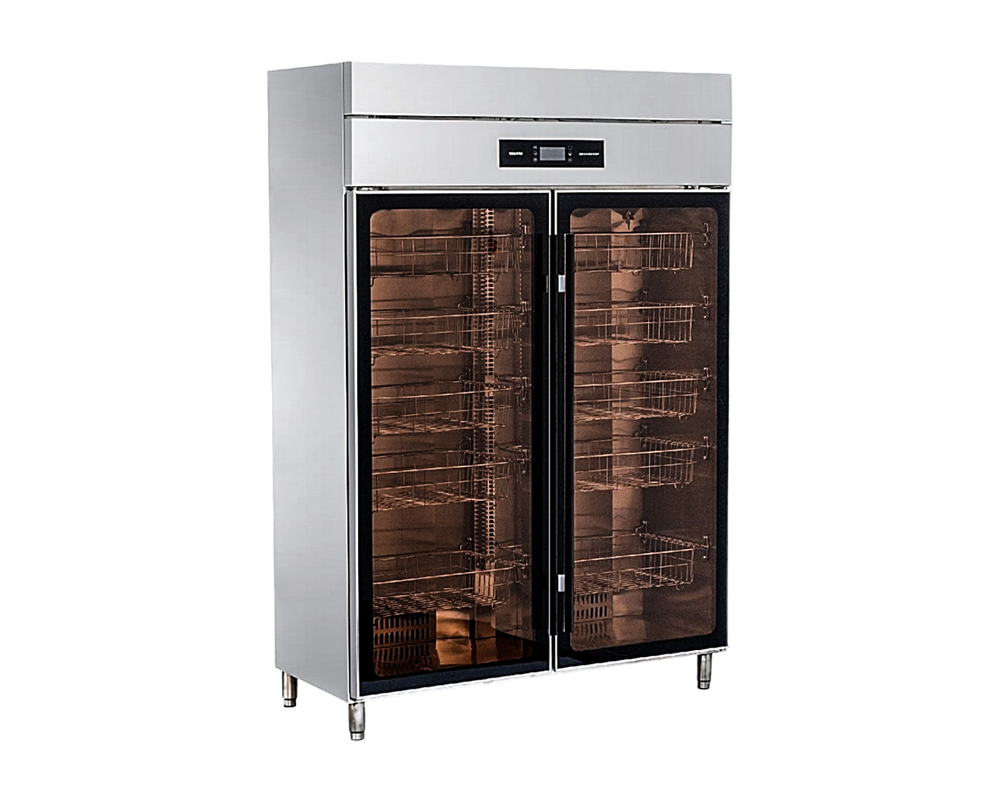 Multifunctional Three-mode High Temperature Glass Door Disinfection Cabinet
-
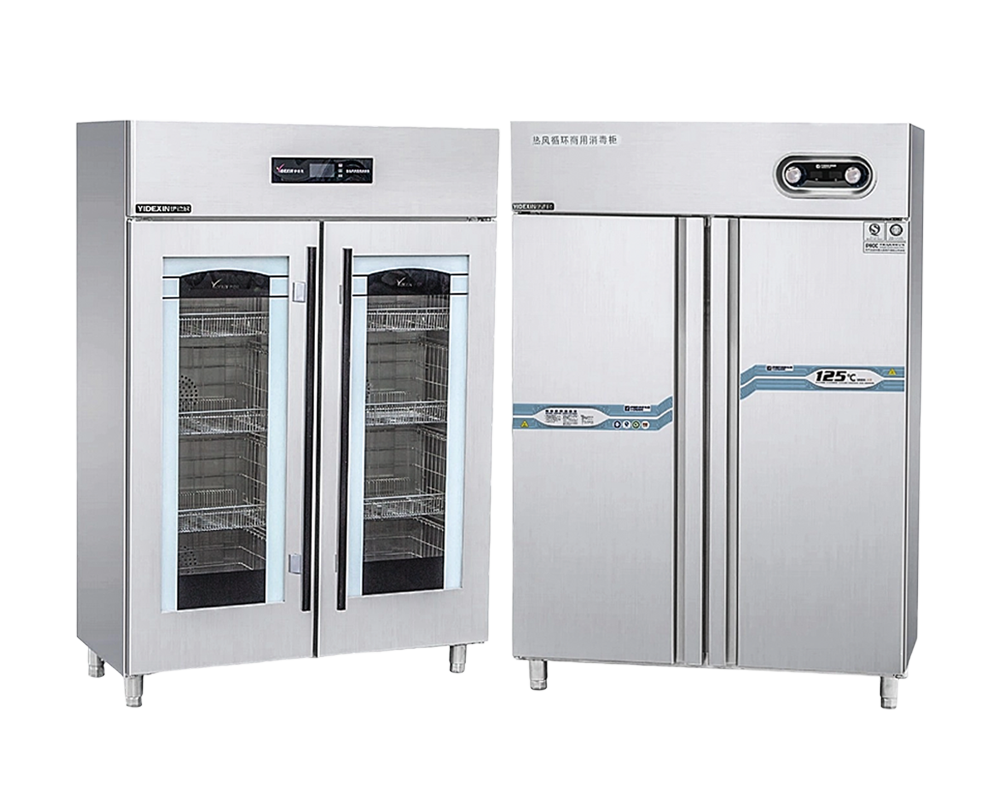 Commercial Restaurant Anti-Fingerprint Stainless Steel Disinfection Cabinet
-
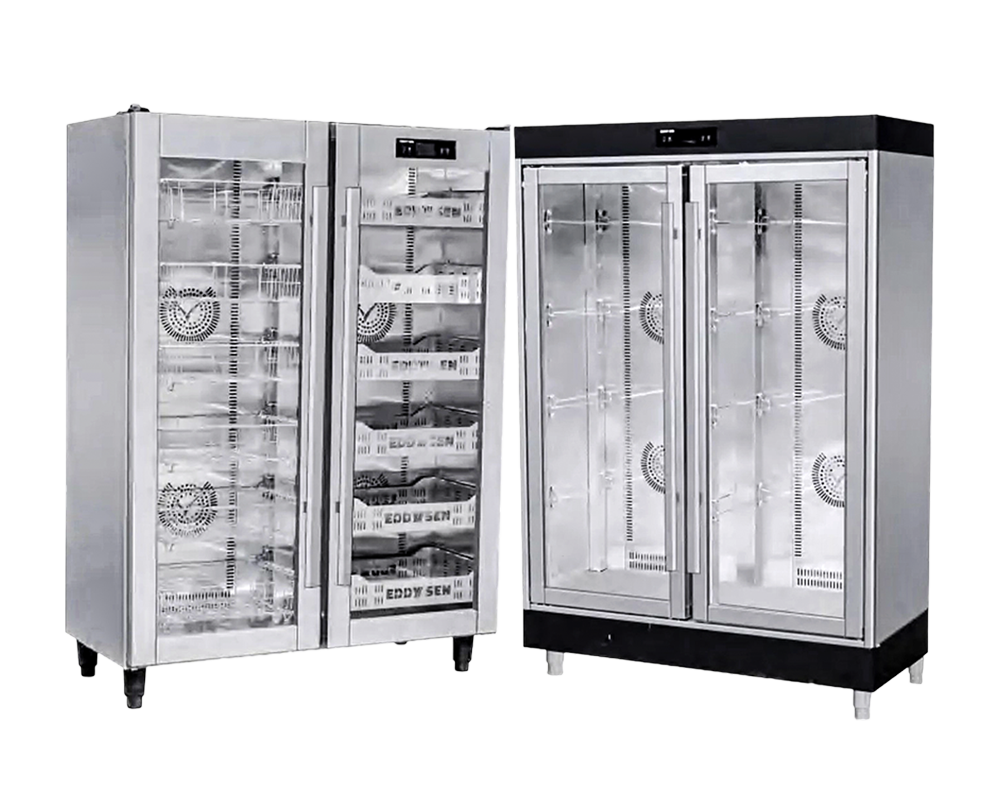 Intelligent Light Wave Stainless Steel UV Disinfection Cabinet
-
 [email protected] / [email protected]
-
 +86-15066977778 / +86-19012777577

-
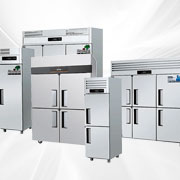 Reach-in Refrigerators
-
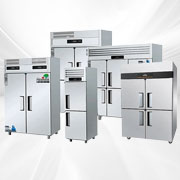 Reach-in Freezers
-
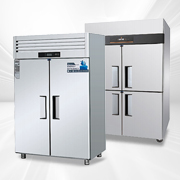 Dual Temperature Refrigerators
-
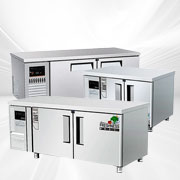 Worktop Refrigerators
-
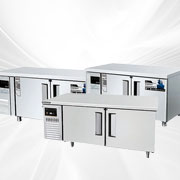 Worktop Freezers
-
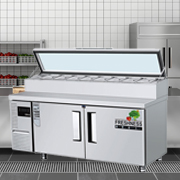 Salad Bar Refrigerators
-
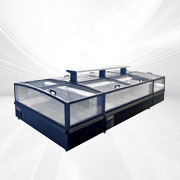 Combined Island Display Refrigerators
-
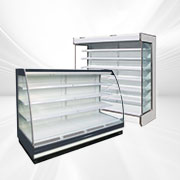 Air Curtain Refrigerators
-
 Fresh Cabinets
-
 Display Refrigerators(Glass Door)
-
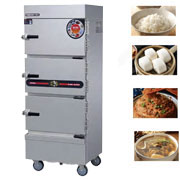 Electric Rice Steamer Cabinets
-
 Gas Rice Steamer Cabinets
-
 Vertical Banquet Cabinets
-
 Horizontal Banquet Cabinets
-
 Heated Disinfection Cabinets
Perfect Rice Every Time: Steam System & Time/Temp Control
Content
- 1 Why Steam — Not Boiling Water — Makes the Difference
- 2 Time and Temperature: The Two Variables You Must Control
- 3 How Intelligent Control Systems Eliminate Human Error
- 4 Electric vs. Gas: Matching the Heating Source to Your Operation
- 5 Sealing, Tray Layout, and Water Ratio: Operational Details That Matter
- 6 Selecting the Right Cabinet Capacity for Your Service Volume
Why Steam — Not Boiling Water — Makes the Difference
Most kitchens that struggle with inconsistent rice are using the wrong heat-transfer method. Boiling immerses grains in turbulent water, which cracks the outer layer and causes uneven moisture absorption. Steam, by contrast, surrounds each grain with controlled, pressurized heat that penetrates from the outside in — allowing starch to gelatinize fully and uniformly without waterlogging the grain.
In a commercial rice steaming cabinet, water is heated in a sealed lower chamber and converted to saturated steam. That steam rises into the cooking cavity, where it contacts the rice trays at a steady temperature — typically between 95 °C and 105 °C depending on the model and rice variety. The result: grains that are separate, glossy, and fully cooked from center to surface.
This is the physics behind every restaurant that consistently delivers perfect rice at volume. The steam system is not optional — it is the mechanism.
Time and Temperature: The Two Variables You Must Control
Temperature and time do not operate independently in steam cooking — they interact. Set the temperature too high without adjusting time and you get a dry, cracked crust. Set the time too long at moderate temperature and the grain absorbs excess moisture and turns mushy. Getting perfect rice at scale means managing both variables precisely, every batch.
Below are general benchmarks for common rice types in a commercial steam environment:
| Rice Type | Steam Temp (°C) | Cooking Time (min) | Resting Time (min) |
|---|---|---|---|
| Short-grain (Japanese) | 98–100 | 25–30 | 10 |
| Long-grain (Indica) | 100–103 | 20–25 | 5–8 |
| Brown Rice | 100–105 | 40–50 | 10–15 |
| Glutinous / Sticky | 95–98 | 30–35 | 5 |
A key variable that operators often overlook is preheating. A cold cabinet requires the first few minutes of a cycle just to stabilize its internal temperature. Allowing the cabinet to reach operating temperature before loading trays eliminates the "cold zone" period and ensures the timer count starts from actual cooking conditions — not from ambient.
How Intelligent Control Systems Eliminate Human Error
Manual timer-and-dial setups work in low-volume kitchens where a trained operator watches every batch. In high-throughput environments — institutional canteens, hotel banquets, school cafeterias, military mess halls — human consistency breaks down the moment staff changes shift or volume spikes.
Intelligent control systems solve this by locking time and temperature into programmable presets. Operators set the parameters once; the cabinet executes them identically across every cycle. Key features that make a meaningful difference in daily operations include:
- Touchscreen timer and thermostat — allows precise input and real-time monitoring without manual interpretation of analog gauges.
- Automatic shutoff on cycle completion — eliminates overcooked batches caused by distracted staff.
- Fast steam generation — some models reach operating steam pressure within 30 seconds, reducing idle time between cycles.
- Door seal integrity — multi-airbag silicone seals maintain consistent internal pressure, preventing the temperature fluctuations that cause uneven cooking across trays.
We supply commercial rice steaming cabinets with intelligent control systems designed specifically for high-volume kitchens — from compact 4-tray units suitable for private clubs and high-end canteens to large-capacity trolley cabinets for institutional service at scale.
Electric vs. Gas: Matching the Heating Source to Your Operation
The choice between electric and gas heating affects not just energy cost but also the precision of temperature control — which directly impacts rice quality.
Electric models heat the water chamber via resistance elements and are closely regulated by the electronic control system. They offer finer temperature stability, making them well-suited for operations where exact grain texture is a priority — high-end restaurants, hotel dining, premium canteen service. They also require no gas infrastructure and are easier to install in urban kitchen environments.
Gas models (liquefied petroleum or natural gas) produce heat faster and at lower recurring energy cost, which matters in large-scale operations running dozens of cycles per day. They are particularly practical in regions with unstable electricity supply or for operations located in industrial or rural settings. Gas ignition systems have become significantly more reliable and thermostatically controlled in current-generation equipment.
For operations running over 200 portions per meal service, the operating cost difference between electric and gas becomes a real line item. For premium-segment kitchens where consistency and control are non-negotiable, electric intelligent-control units typically deliver the better outcome.
Sealing, Tray Layout, and Water Ratio: Operational Details That Matter
Even with a correctly specified cabinet and calibrated temperature settings, three operational factors consistently cause avoidable quality problems in commercial kitchens:
Door sealing. A worn or improperly seated door gasket allows steam to escape from the cooking cavity. This creates two problems: the temperature inside drops below setpoint, and the pressure differential that drives steam penetration into the grain is lost. Inspect door seals routinely and replace at the first sign of deformation or residue buildup.
Tray fill depth and spacing. Overloading a single tray compresses the rice, blocking steam circulation between grains. A maximum fill depth of 4–5 cm per tray is a practical standard for most long-grain varieties. Tray spacing within the cabinet should allow free steam movement — do not stack trays in direct contact with each other if the cabinet design does not account for this.
Water-to-rice ratio before loading. Steam cabinets add moisture through the cooking environment, but the rice itself still requires pre-soaking or a measured starting water ratio depending on variety. Short-grain rice typically starts at a 1:1.1 to 1:1.2 water ratio; long-grain at 1:1.5. Arriving at the correct ratio before the tray enters the cabinet is the foundation the steam system builds on — it cannot compensate for a fundamentally under-watered or waterlogged starting batch.
Selecting the Right Cabinet Capacity for Your Service Volume
Cabinet capacity is typically specified by the number of standard GN trays or rice trays the unit holds per cycle. Matching capacity to actual service volume prevents two common operational mistakes: running a large cabinet at partial load (which wastes energy and can cause steam distribution issues), or running an undersized unit in multiple back-to-back cycles (which introduces timing pressure and inconsistency).
A useful planning benchmark: one standard commercial rice tray (approximately 60 × 40 cm, 5 cm depth) produces roughly 8–10 kg of cooked rice, sufficient for approximately 25–30 portions at standard cafeteria serving sizes. Use this to calculate the minimum number of trays required per service, then select a cabinet that comfortably handles that load in a single cycle with a 20–30% buffer.
For operations ranging from compact private dining to high-capacity institutional service, we offer rice steaming cabinets across the full spectrum of tray capacities — with both electric intelligent-control and gas-fired configurations available to match your kitchen's energy infrastructure and output requirements.

-
 Add.
Add.
Sales Center:Room 410, Floor T3-4, Zhonghai Development Building, No. 888, Kejiguan Street, Binjiang District, Hangzhou, Zhejiang,China
Factory Address:100 Meters South Of Zhongmao Village, Xingfu Town, Boxing County, Binzhou City, Shandong Province, P.R.China
Sales Center:Room 410, Building 15, Tianan Headquarters Center, 555 North Panyu Avenue, Donghuan Street, Panyu District, Guangzhou City, china
-
 Tel.
+86-15066977778+86-19012777577
Tel.
+86-15066977778+86-19012777577 -
 Email.
Quick Links
Product Fast Links
Mobile Terminal
Copyright @Hangzhou Eddysen Catering Equipment Co., Ltd.All rights reserved. Commercial Freezer Manufacturer