 English
 中文简体
中文简体 Español
 عربى
عربى
-
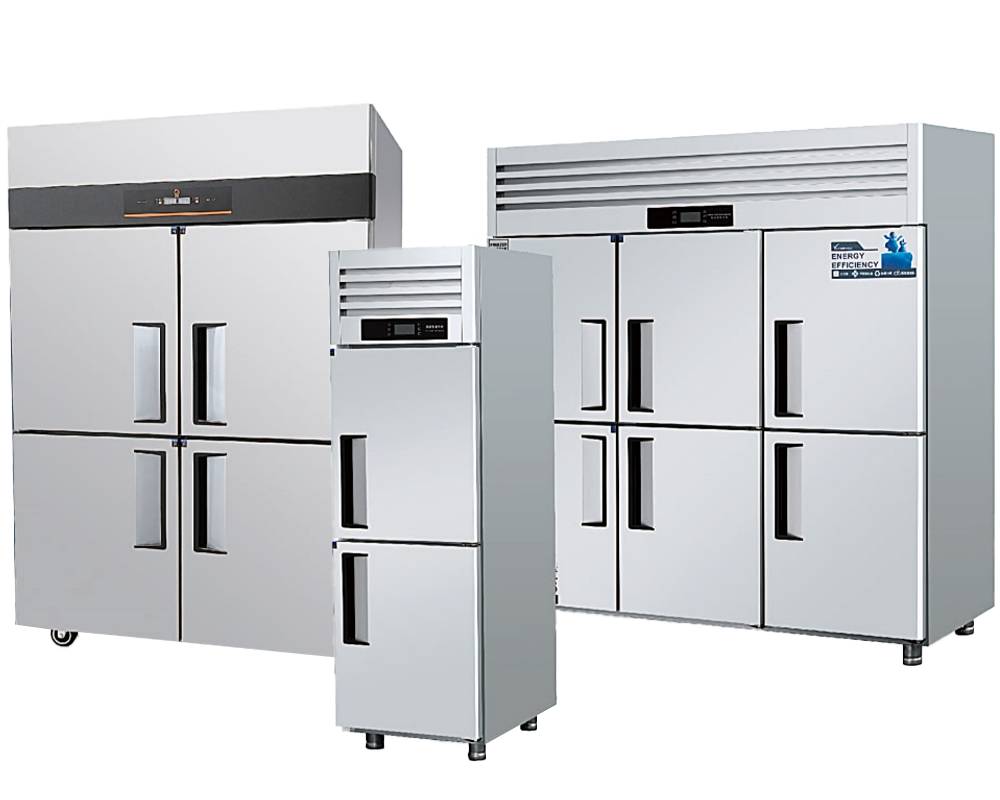 Commercial Vertical Direct-cool Stainless Steel Reach-in Refrigerator
-
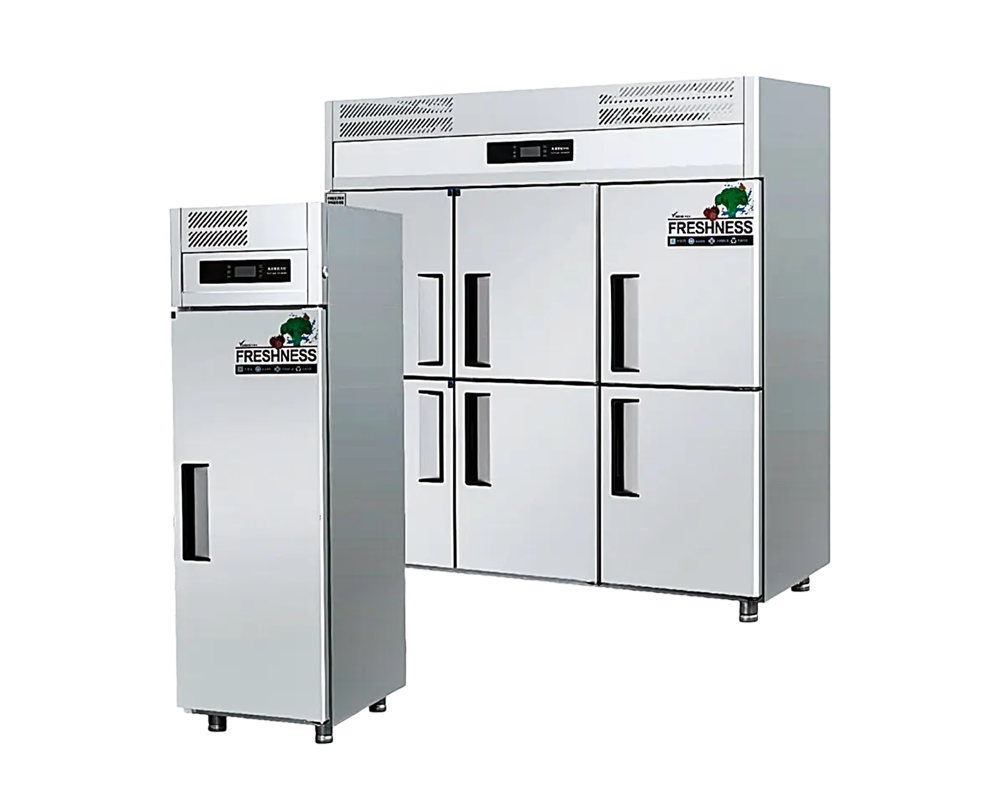 Commercial 201SUS Upright Air Cooling Reach-in Refrigerators
-
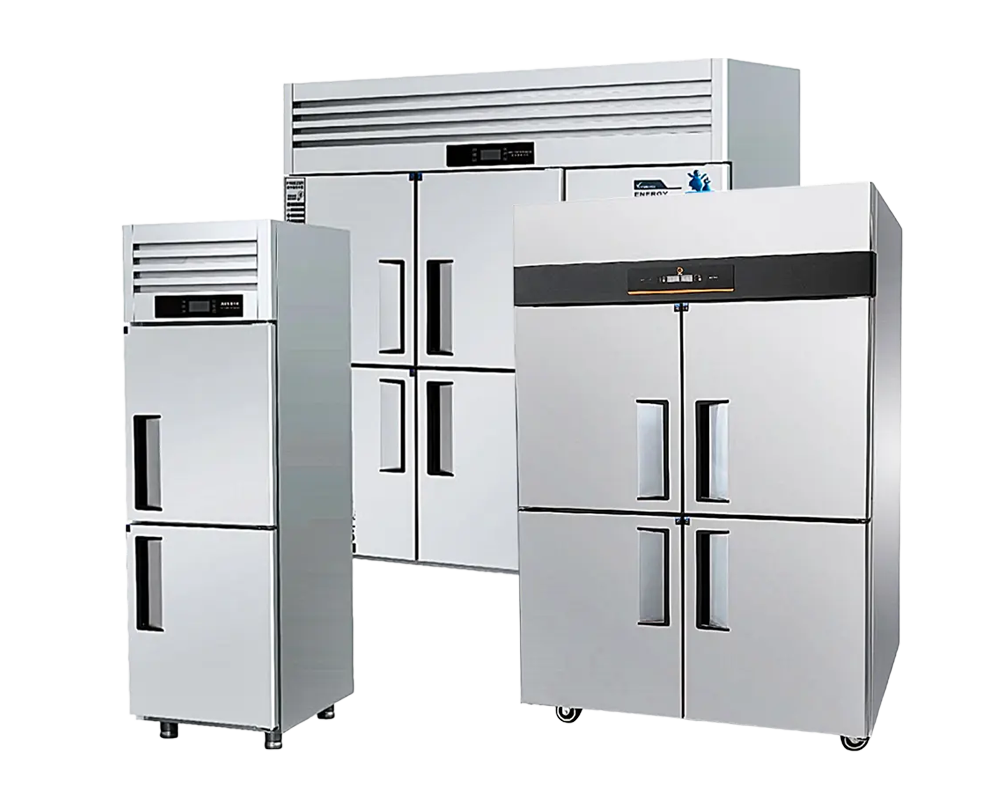 Commercial Direct-Cool Upright Reach-in Freezers
-
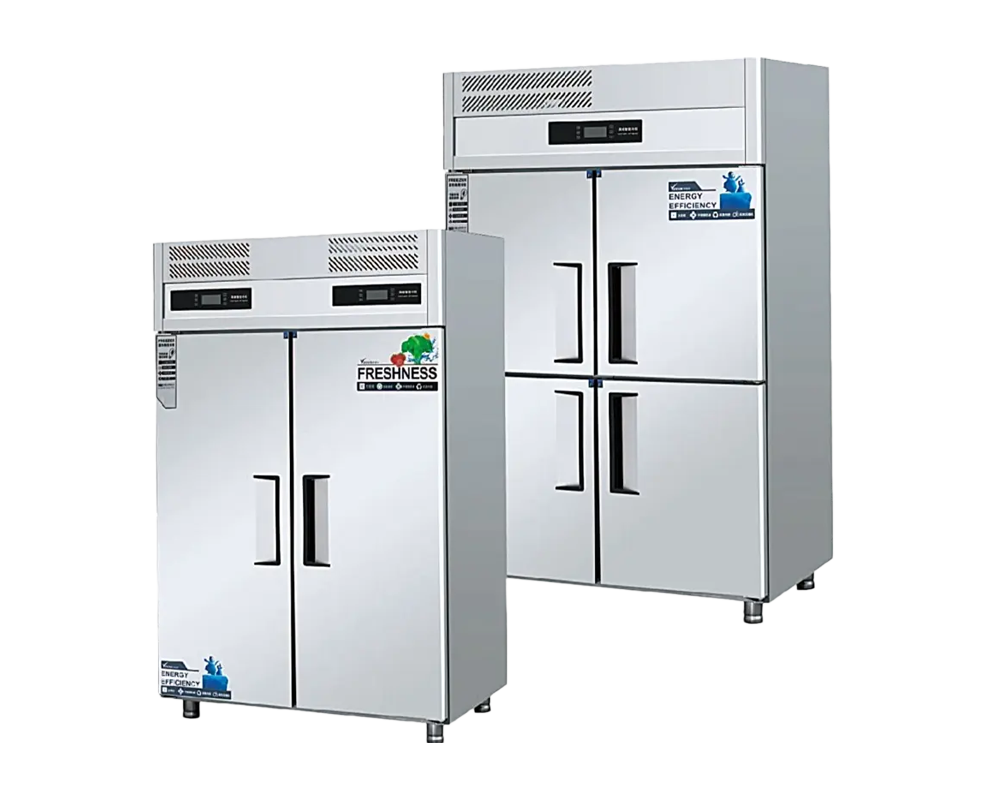 Commercial Stainless Steel Air Cooled Reach-in Vertical Freezers
-
 Dual Temperature Control Direct Cooling Commercial Upright Reach-in Refrigerators
-
 Commercial Vertical Air Cooled Intelligent Reach-in Freezer and Refrigerator
-
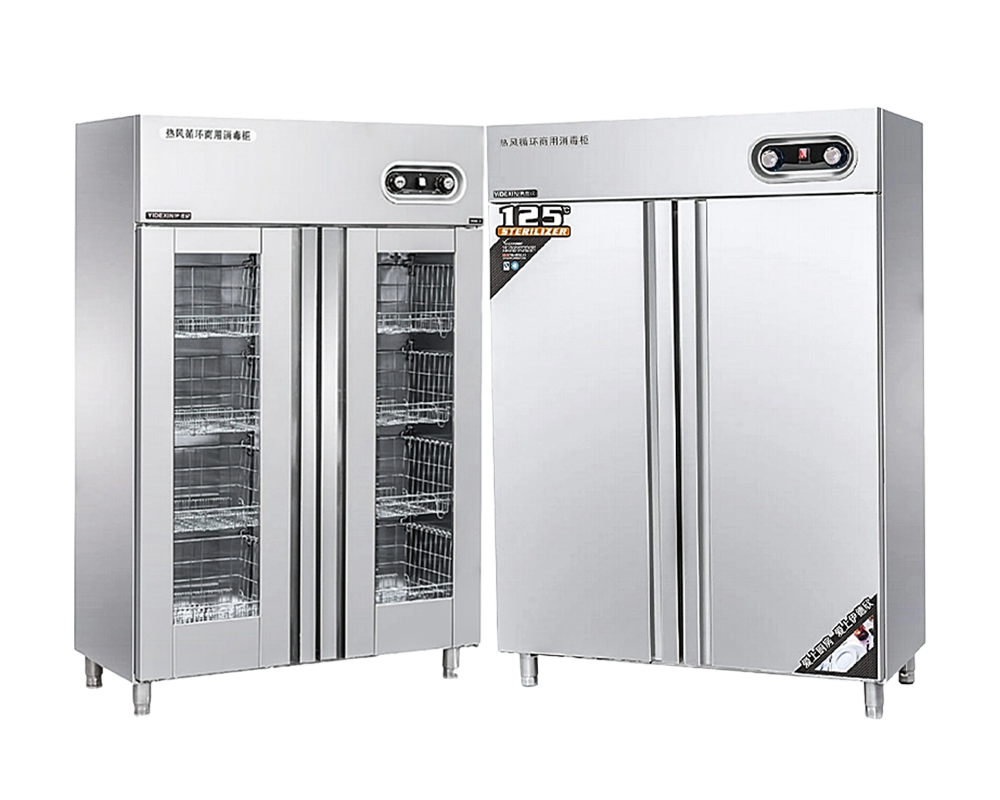 Stainless Steel/Glass Flat Door Sterilization Cabinet
-
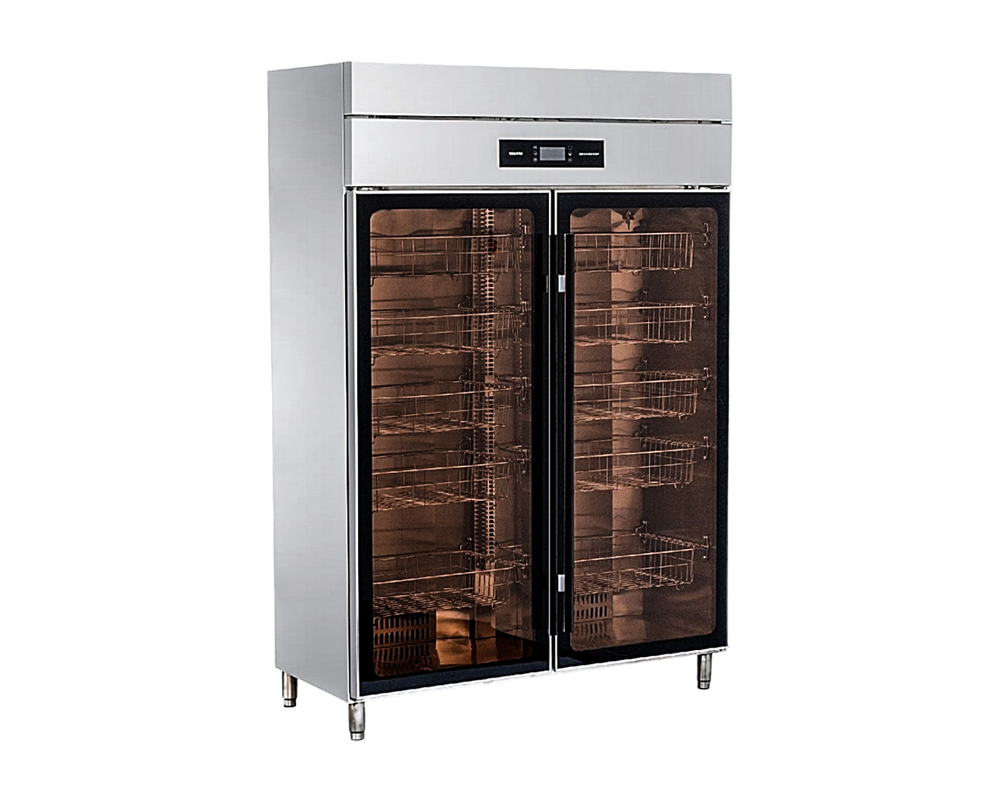 Multifunctional Three-mode High Temperature Glass Door Disinfection Cabinet
-
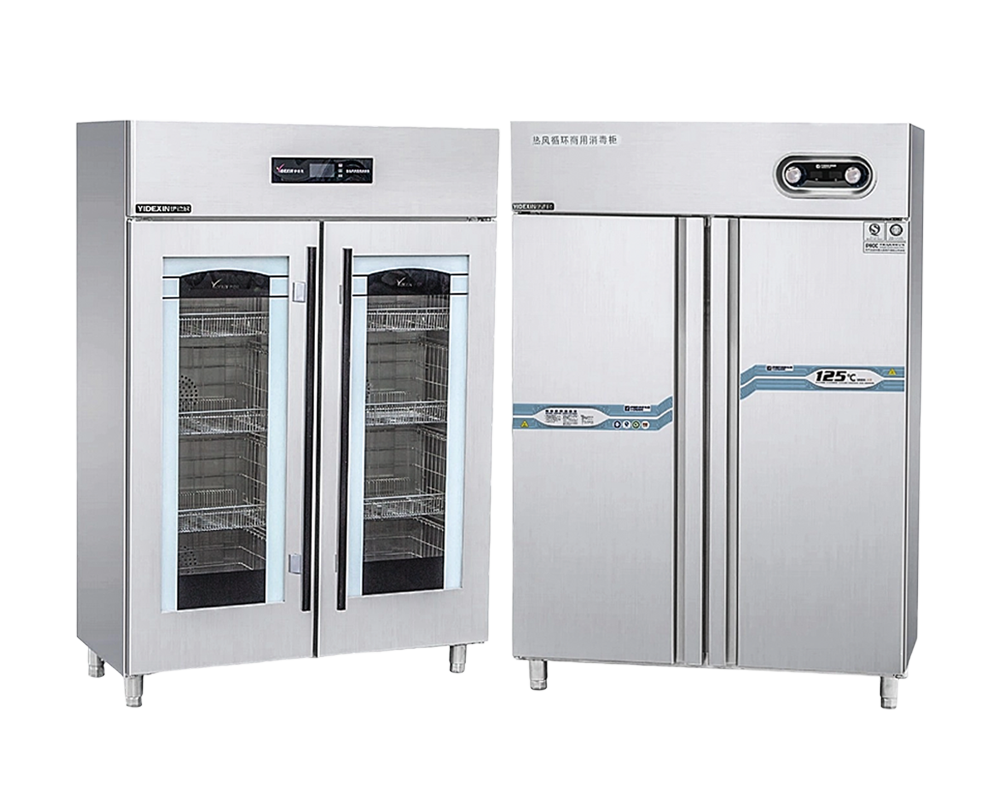 Commercial Restaurant Anti-Fingerprint Stainless Steel Disinfection Cabinet
-
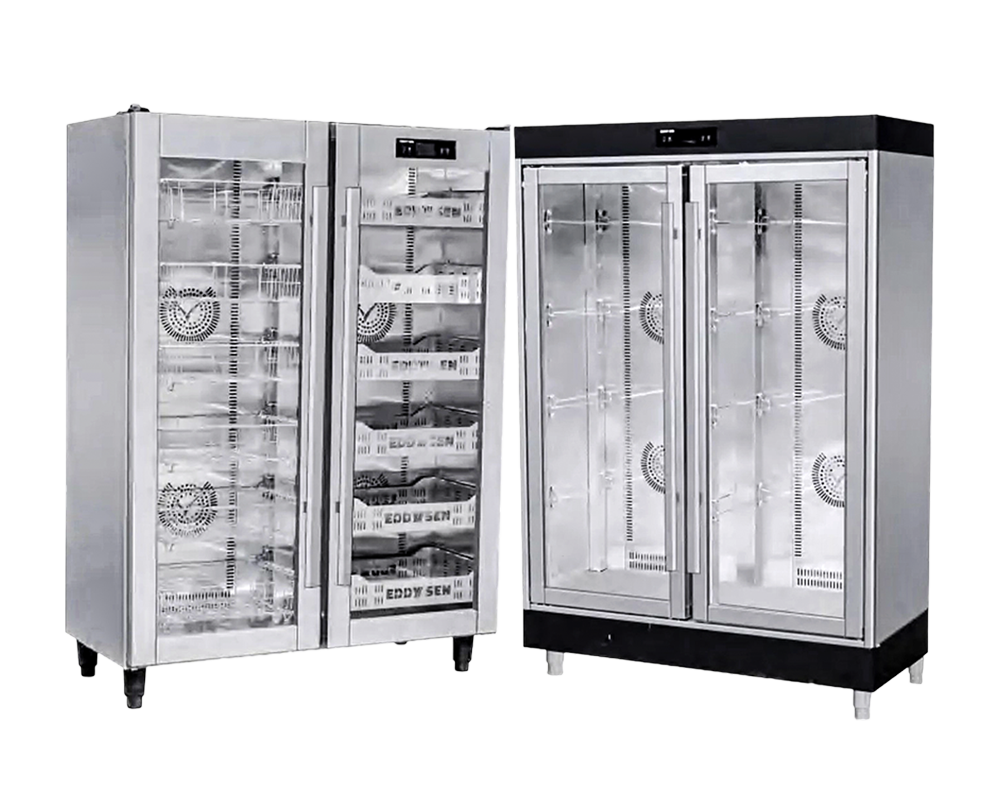 Intelligent Light Wave Stainless Steel UV Disinfection Cabinet
-
 [email protected] / [email protected]
-
 +86-15066977778 / +86-19012777577

-
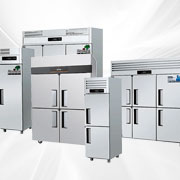 Reach-in Refrigerators
-
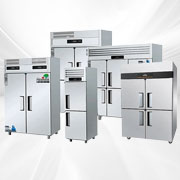 Reach-in Freezers
-
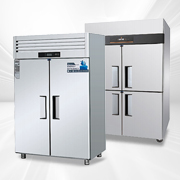 Dual Temperature Refrigerators
-
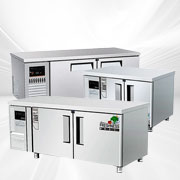 Worktop Refrigerators
-
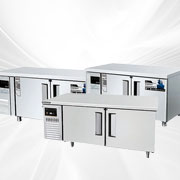 Worktop Freezers
-
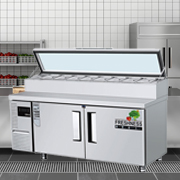 Salad Bar Refrigerators
-
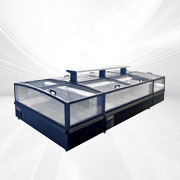 Combined Island Display Refrigerators
-
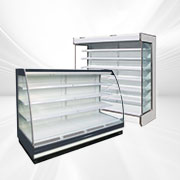 Air Curtain Refrigerators
-
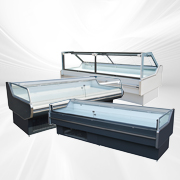 Fresh Cabinets
-
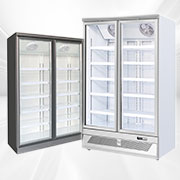 Display Refrigerators(Glass Door)
-
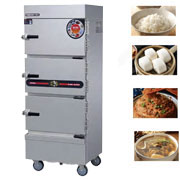 Electric Rice Steamer Cabinets
-
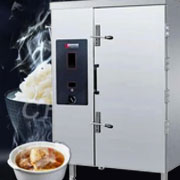 Gas Rice Steamer Cabinets
-
 Vertical Banquet Cabinets
-
 Horizontal Banquet Cabinets
-
 Heated Disinfection Cabinets
A Guide to Advantages and Disadvantages of Air-Cooled Chillers
Content
Fluctuating temperatures in commercial storage can lead to costly food spoilage and health code violations. Stop struggling with inefficient cooling. Our professional air-cooled solutions provide the rapid, consistent refrigeration your busy kitchen requires.
The advantages and disadvantages of air cooled chillers revolve around their superior temperature distribution versus higher environmental impact. Key benefits include frost-free operation and easy mobility, making them perfect for an open chiller fridge. Conversely, they generate more noise and ambient heat. Generally, air-cooled systems are preferred for high-traffic environments where rapid temperature recovery is essential. Let’s explore a detailed breakdown of these features to determine if they align with your operational needs.
The Significant Advantages of An Open Chiller Fridge
Air-cooled technology is designed for the rigorous demands of the modern foodservice industry, where efficiency and ease of use are paramount. This system relies on forced-air circulation to maintain a pristine environment for your inventory.
Rapid & Even Cooling: By using high-velocity fans, these systems eliminate thermal layering. Whether it is a beverage or a prepared meal, every item is cooled at the same rate regardless of its position.
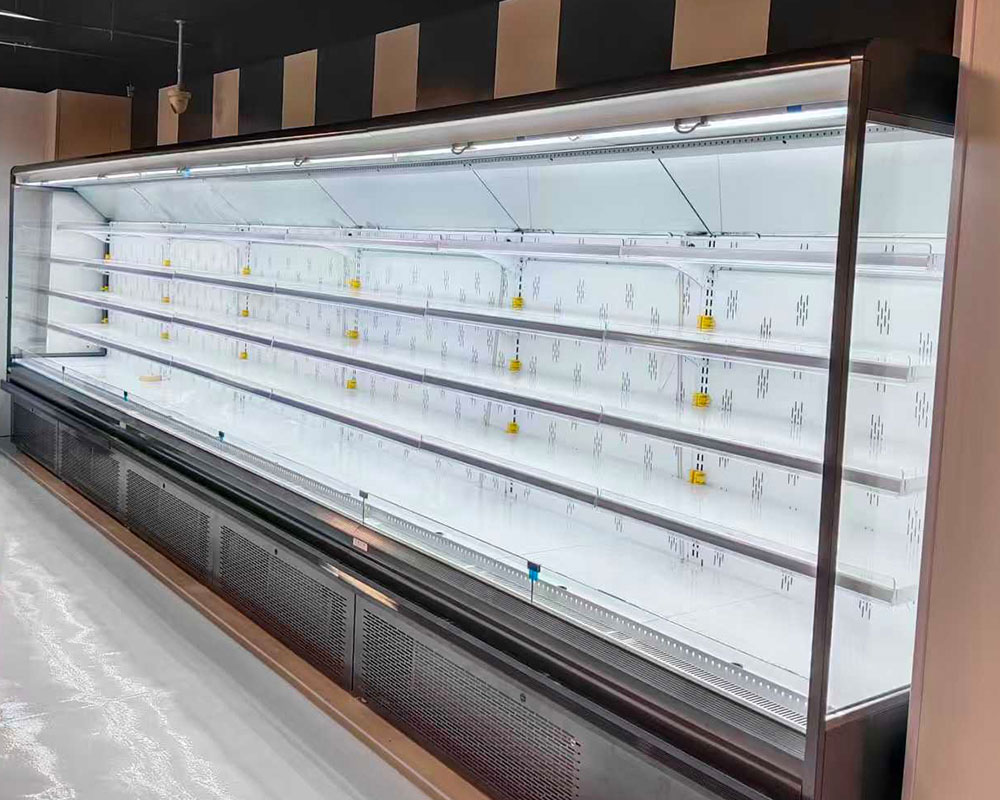
Frost-Free Convenience: One of the most valued features is the automated defrost cycle. This prevents ice buildup on walls, ensuring hygiene and saving your staff from the labor-intensive task of manual defrosting.
Enhanced Mobility: A major advantage portable chillers with air-cooling offer is their "plug-and-play" nature. Without the need for permanent water inlet or outlet pipes, you can easily reconfigure your kitchen layout.
Optimized for Merchandising: This technology is indispensable for retail. An open chiller fridge uses air-cooling to create a "cold curtain," allowing customers easy access to products while maintaining a steady internal temperature.
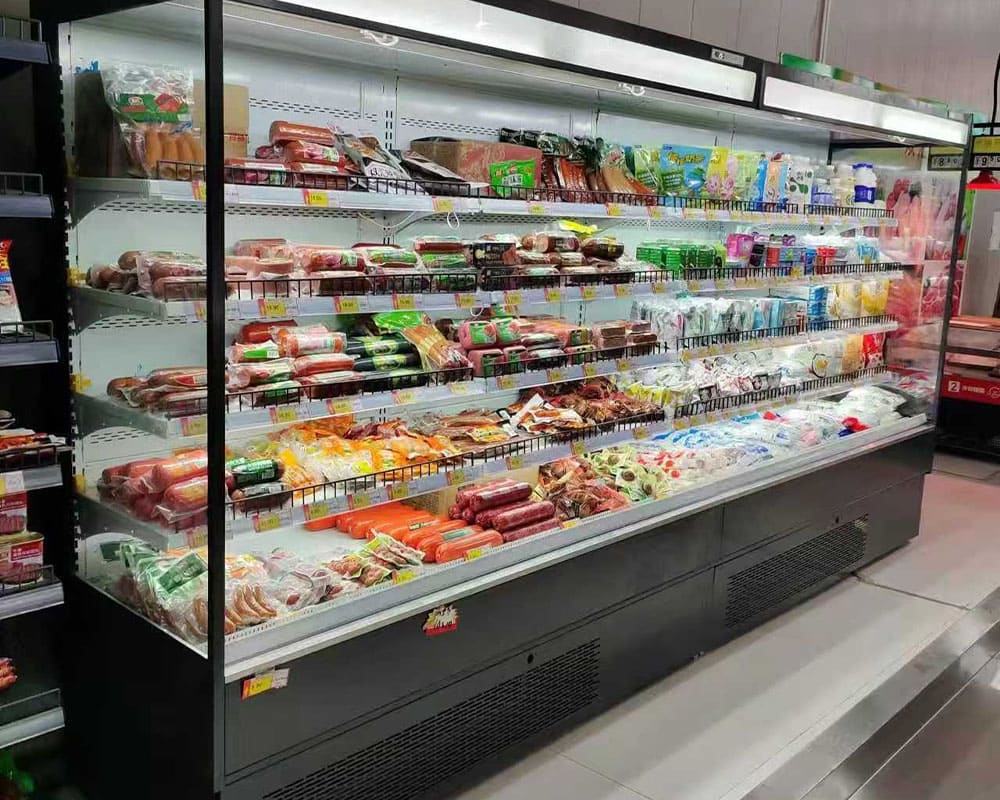
Key Disadvantages of Open Chiller Fridge
While air-cooled open chiller fridges provide excellent cooling performance and merchandising benefits, they also come with several operational limitations. Understanding these trade-offs helps businesses plan their kitchen layout, ventilation system, and product storage strategy more effectively.
Ambient Heat Discharge: Air-cooled units remove heat from the refrigerated cabinet and release it directly into the surrounding environment through the condenser. In compact kitchens or enclosed retail spaces, this heat discharge can gradually increase room temperature. As a result, the facility may require a stronger air-conditioning or ventilation system to maintain a comfortable working environment for staff and customers.
Operational Noise: Because these refrigerators rely on powerful compressors and high-speed circulation fans to maintain stable airflow, they typically generate more noise than traditional static or water-cooled refrigeration systems. In back-of-house kitchens this may not be a major issue, but in open-kitchen restaurants, cafés, or quiet retail environments, the constant humming and airflow sound may become noticeable.
Potential for Food Dehydration: The continuous circulation of cold, dry air can gradually remove moisture from exposed food items. Products such as fresh pastries, cakes, deli meats, or cut fruits may dry out if left uncovered for extended periods. To maintain freshness and visual appeal, businesses often need to use sealed containers, food covers, or protective packaging when storing sensitive products.
Higher Energy Consumption in Some Environments: Since open chiller fridges rely on maintaining a constant cold air curtain rather than a physical door, they may consume more energy in areas with heavy foot traffic or fluctuating ambient temperatures. Frequent disturbances to the airflow can force the compressor to work harder to maintain the set temperature, potentially increasing electricity usage.
Performance Sensitivity to Environment: Air-cooled open chillers generally perform best in well-ventilated and temperature-controlled environments. If placed near heat sources such as ovens, direct sunlight, or poorly ventilated corners, their cooling efficiency can decrease. Proper placement and sufficient clearance around the unit are therefore important to ensure stable operation.
Air-Cooled vs. Direct Cooling: Which Fits Your Business?
Choosing between air-cooled and direct cooling refrigeration depends largely on your business needs, the types of food you store, and the working environment. Air-cooled systems use fans to circulate cold air evenly throughout the cabinet, ensuring consistent temperatures on every shelf. This design allows the refrigerator to quickly recover its internal temperature after frequent door openings or product access, making it highly suitable for busy commercial environments such as supermarkets, cafés, and fast-casual restaurants.
Direct cooling systems rely on natural air convection rather than forced airflow. Because there are no internal fans continuously moving air, these units tend to operate more quietly and maintain higher humidity levels inside the cabinet. This environment is particularly beneficial for products that require moisture retention, such as fresh seafood, specialty meats, or certain produce items that can dry out in ventilated systems.
For most high-volume foodservice and retail operations, however, air-cooled refrigeration is often the more practical choice. Its ability to maintain uniform temperatures, rapidly restore cooling after access, and support open-display merchandising.
In Conclusion
Air-cooled chillers provide the speed, convenience, and efficiency required in modern commercial kitchens. With nearly 20 years of experience, Eddysen delivers reliable refrigeration solutions engineered for durability, energy efficiency, and long-term performance to support your business growth.

-
 Add.
Add.
Sales Center:Room 410, Floor T3-4, Zhonghai Development Building, No. 888, Kejiguan Street, Binjiang District, Hangzhou, Zhejiang,China
Factory Address:100 Meters South Of Zhongmao Village, Xingfu Town, Boxing County, Binzhou City, Shandong Province, P.R.China
Sales Center:Room 410, Building 15, Tianan Headquarters Center, 555 North Panyu Avenue, Donghuan Street, Panyu District, Guangzhou City, china
-
 Tel.
+86-15066977778+86-19012777577
Tel.
+86-15066977778+86-19012777577 -
 Email.
Quick Links
Product Fast Links
Mobile Terminal
Copyright @Hangzhou Eddysen Catering Equipment Co., Ltd.All rights reserved. Commercial Freezer Manufacturer