 English
 中文简体
中文简体 Español
 عربى
عربى
-
 Commercial Vertical Direct-cool Stainless Steel Reach-in Refrigerator
-
 Commercial 201SUS Upright Air Cooling Reach-in Refrigerators
-
 Commercial Direct-Cool Upright Reach-in Freezers
-
 Commercial Stainless Steel Air Cooled Reach-in Vertical Freezers
-
 Dual Temperature Control Direct Cooling Commercial Upright Reach-in Refrigerators
-
 Commercial Vertical Air Cooled Intelligent Reach-in Freezer and Refrigerator
-
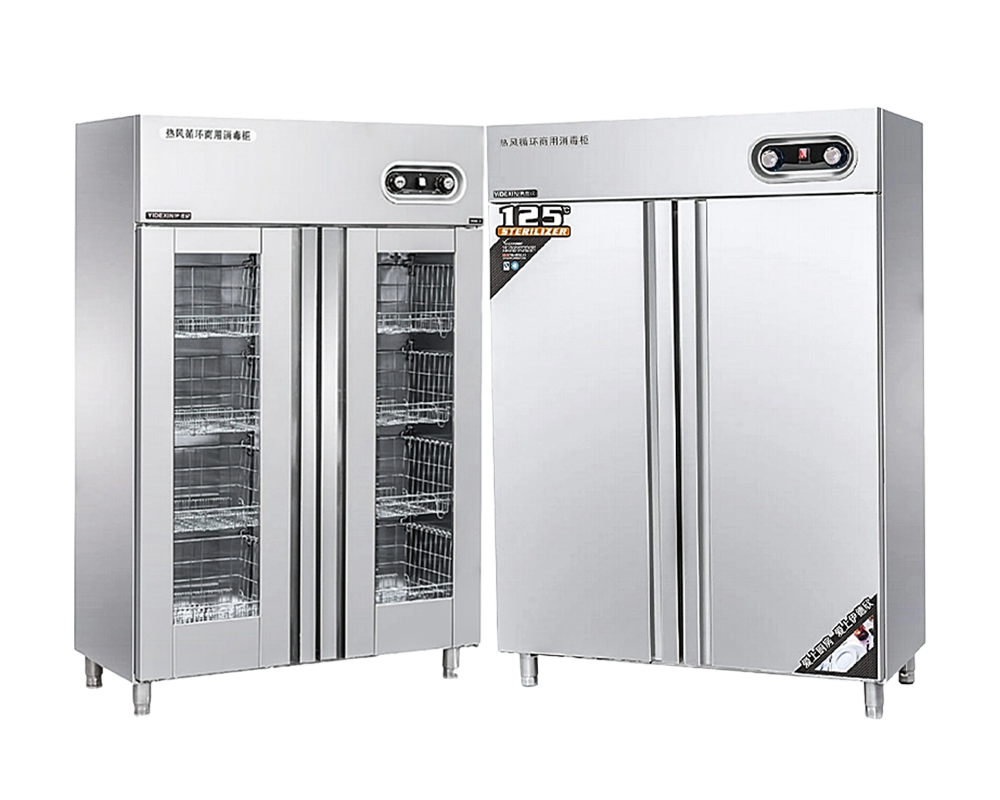 Stainless Steel/Glass Flat Door Sterilization Cabinet
-
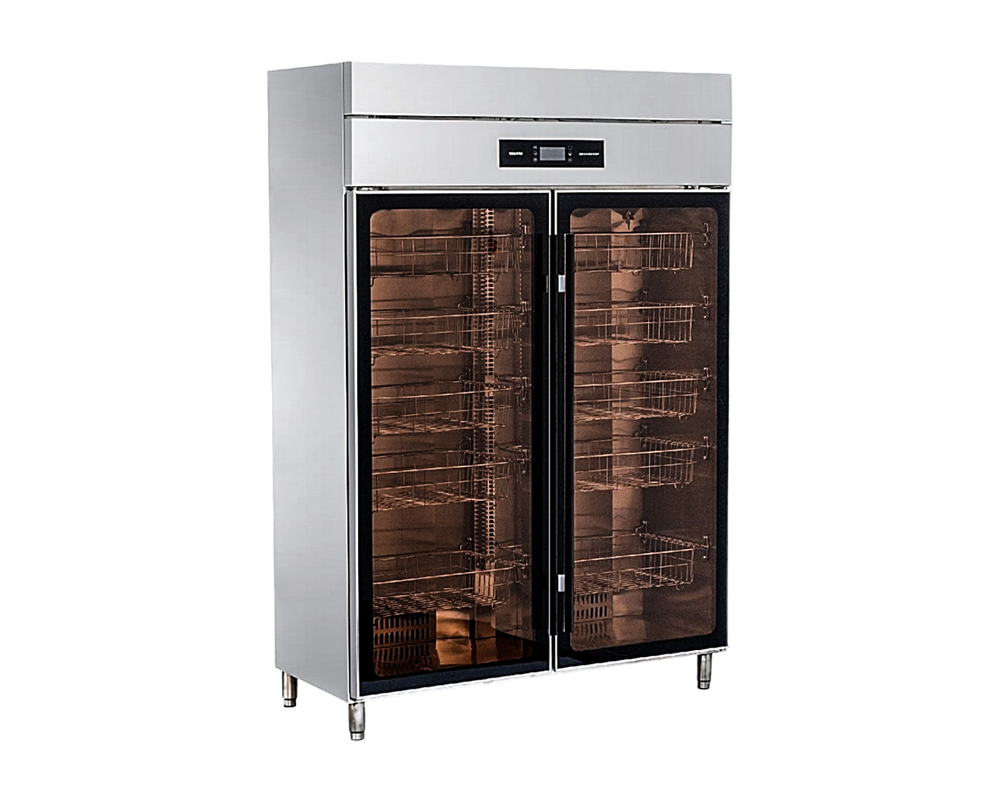 Multifunctional Three-mode High Temperature Glass Door Disinfection Cabinet
-
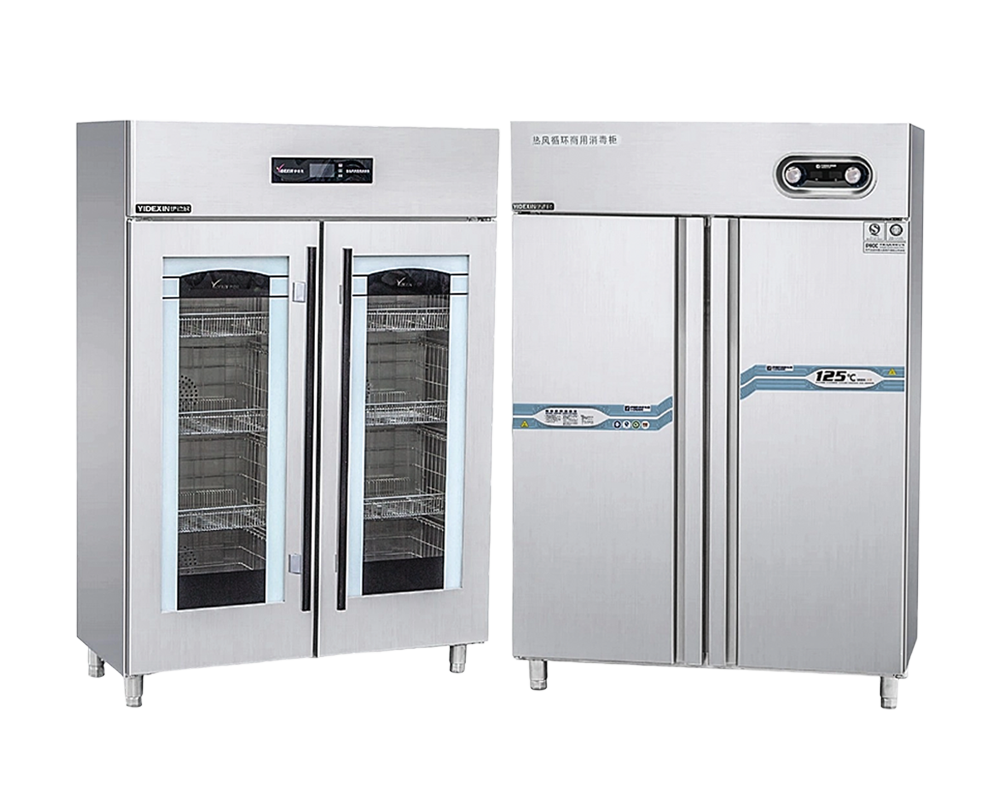 Commercial Restaurant Anti-Fingerprint Stainless Steel Disinfection Cabinet
-
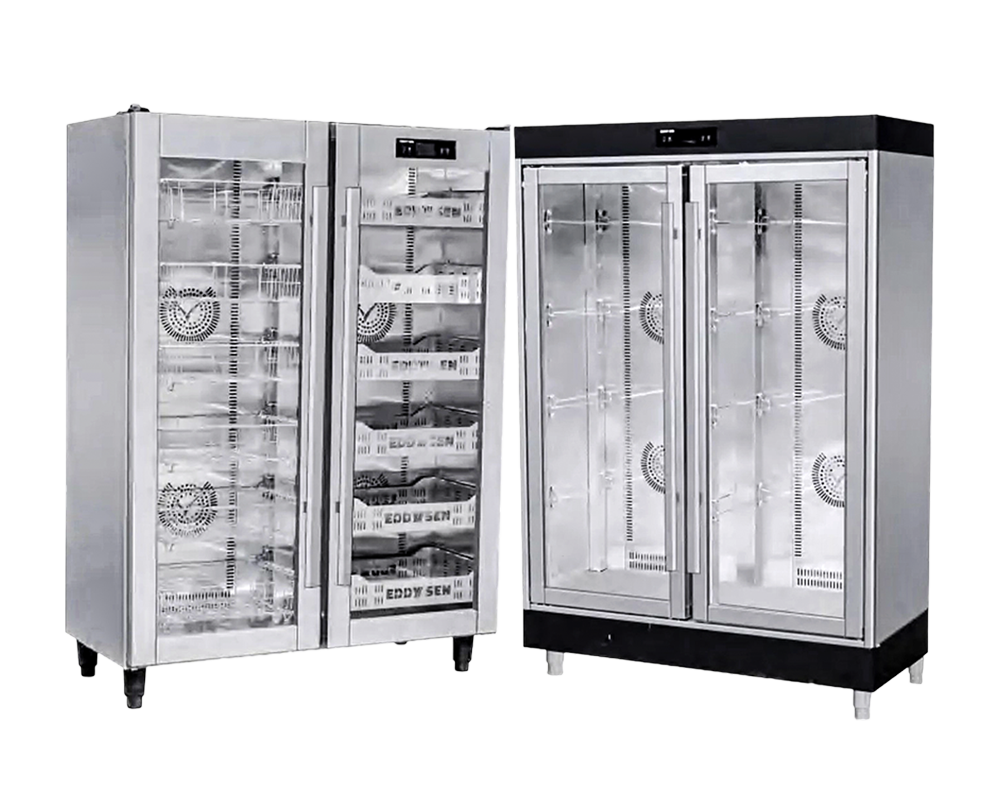 Intelligent Light Wave Stainless Steel UV Disinfection Cabinet
-
 [email protected] / [email protected]
-
 +86-15066977778 / +86-19012777577

-
 Reach-in Refrigerators
-
 Reach-in Freezers
-
 Dual Temperature Refrigerators
-
 Worktop Refrigerators
-
 Worktop Freezers
-
 Salad Bar Refrigerators
-
 Combined Island Display Refrigerators
-
 Air Curtain Refrigerators
-
 Fresh Cabinets
-
 Display Refrigerators(Glass Door)
-
 Electric Rice Steamer Cabinets
-
 Gas Rice Steamer Cabinets
-
 Vertical Banquet Cabinets
-
 Horizontal Banquet Cabinets
-
 Heated Disinfection Cabinets
Home / News / Industry information / Glass Door Beverage Merchandisers: Display Layouts That Lift Sales
Glass Door Beverage Merchandisers: Display Layouts That Lift Sales
Content
- 1 Why Display Layout Is the Real Sales Driver in Beverage Merchandising
- 2 Shelf Layout Principles That Maximize Visibility and Reach
- 3 Category Zoning: Grouping Products to Guide the Purchase Decision
- 4 How Interior Lighting Affects Purchase Behavior
- 5 Floor Placement Strategies That Boost Foot Traffic and Dwell Time
- 6 Door Configuration: Swing vs. Sliding in High-Traffic Environments
- 7 Restocking Discipline: The Layout That Doesn't Stay Maintained Is No Layout at All
- 8 Choosing the Right Unit Configuration for Your Store Format
Why Display Layout Is the Real Sales Driver in Beverage Merchandising
A beverage section that looks organized and well-lit does more than just appear tidy — it actively converts browsers into buyers. Studies in retail environments consistently show that products displayed at eye level sell up to 35% more than those placed on bottom shelves, and beverage categories are especially sensitive to visual cues. Yet many store operators focus almost entirely on which unit to purchase and give little thought to how product is arranged inside it, or how the unit itself is positioned on the floor.
As a manufacturer that has worked with supermarkets, convenience stores, and beverage retailers across multiple markets, we've observed that the same glass door beverage merchandiser can produce dramatically different sales results depending entirely on how it's used. This article focuses on practical display strategies — shelf organization, lighting use, category zoning, and floor placement — that help operators get more out of their refrigeration investment.
Shelf Layout Principles That Maximize Visibility and Reach
The most important principle in shelf layout is matching product placement to how customers naturally scan a display. Research on retail consumer behavior shows that shoppers scan refrigerated cases from left to right and top to bottom, with the strongest attention falling on shelves between waist and shoulder height — roughly the second and third shelf from the top in a standard upright unit.
Assign Shelf Zones by Product Priority
Think of your merchandiser shelves in three commercial zones:
- Prime zone (shelves 2–3): Place high-margin items, new launches, and featured products here. These shelves capture the most natural eye movement and require the least customer effort to reach.
- Top shelf: Best for tall bottles, multi-packs, and brand-building items that benefit from overall visibility but don't need to be the first thing a customer grabs.
- Bottom shelf: Use for high-velocity, value-priced products with loyal buyers who will seek them out regardless of placement — bulk water, economy soft drinks, or larger format containers.
One convenience chain in Southeast Asia reorganized their chilled beverage section using this zoning approach and reported a 22% increase in premium drink sales within the first month, with no change to their product mix or pricing.
Face Count and Depth Stocking
Facing — the number of product units visible from the front — directly affects purchase rate. As a general rule, a minimum of two to three facings per SKU is recommended to create visual impact. A single facing of a product looks lonely and can signal low confidence in the item. Where shelf depth allows, stock two or three rows deep to maintain visual fullness as the day progresses and front stock is sold.
For glass door units with adjustable shelving, align shelf height closely to the product being displayed. A shelf set too high for a standard 500ml bottle creates wasted vertical space and makes the unit appear half-empty even when it isn't.
Category Zoning: Grouping Products to Guide the Purchase Decision
In single-door units, you're working with one contained display space. In two- or three-door configurations, category zoning becomes an important strategy. Rather than spreading a single product category across all doors, consider assigning each door or section to a distinct category group. This creates visual clarity and makes it easier for customers to locate what they want quickly.
A practical zoning structure for a three-door beverage merchandiser might look like this:
| Door Section | Recommended Category | Placement Rationale |
|---|---|---|
| Left door | Carbonated soft drinks / Energy drinks | High-volume, habitual purchases — easy to locate |
| Center door | Featured / premium / new arrivals | Most viewed section; maximizes impulse exposure |
| Right door | Water / juice / health drinks | Growing category; benefits from dedicated, uncluttered space |
Cross-merchandising is also worth considering. Placing a complementary snack display adjacent to the beverage merchandiser — rather than in a separate aisle — can increase attached purchases. Convenience stores that position bagged snacks next to their chilled drink section regularly report basket sizes 15–20% higher compared to formats where the categories are separated.
How Interior Lighting Affects Purchase Behavior
LED interior lighting in a glass door merchandiser is not just a visual feature — it's a functional sales tool. Well-lit products appear fresher, more appealing, and easier to identify. In contrast, a dimly lit display communicates neglect, even if the product inside is perfectly chilled and fully stocked.
Color Temperature Matters
LED lighting in refrigerated cases typically ranges from warm white (around 2700K–3000K) to cool white (5000K–6500K). For beverage display, cool white lighting in the 4000K–5000K range tends to work best — it enhances the visual clarity of labels, makes colored bottles look vibrant, and creates a clean, refreshing impression consistent with what consumers expect from chilled drinks.
Warm lighting can work well for premium spirits or specialty health beverages where a softer, more premium feel is desired, but it can make common soft drink and water packaging appear dull.
Anti-Fogging Glass: A Display Requirement, Not an Optional Upgrade
Condensation on glass doors effectively neutralizes any lighting advantage. When customers can't clearly see through the door, the impulse purchase trigger is lost. Modern glass door merchandisers address this with heated double- or triple-pane glass that prevents fogging even in humid environments. If you're operating in a climate with high ambient humidity — as is common across much of Southeast Asia, South Asia, and parts of Latin America — anti-fog glass should be a non-negotiable specification rather than an optional feature.
Floor Placement Strategies That Boost Foot Traffic and Dwell Time
Even the best-organized merchandiser will underperform if it's positioned poorly in the store. Floor placement decisions should account for traffic flow, sight lines, and the natural path customers take through the space.
High-Traffic Intercept Points
The most effective positions for glass door beverage merchandisers include:
- End-of-aisle (endcap) positions — these capture customers turning from one aisle into another and are among the highest-visibility spots in any retail format. Research suggests endcap placements can deliver up to 30% higher sales velocity compared to mid-aisle.
- Near the store entrance or checkout queue — impulse purchases peak when customers are in transition. A well-lit, clearly stocked unit near the checkout is particularly effective for single-serve drinks.
- Adjacent to hot food or prepared food sections — customers purchasing a meal naturally look for a drink. Co-locating beverage display with ready-to-eat items consistently increases attached beverage sales.
Avoid These Common Placement Mistakes
- Back-wall isolation: Placing all refrigerated display units along the back wall reduces their visibility from the main shopping area and forces customers to walk specifically to find them. For grab-and-go beverages, this friction reduces impulse conversion.
- Blocking aisle flow: A unit that obstructs natural foot traffic creates a negative customer experience and may actually discourage engagement with the display.
- Adjacent to direct sunlight or heat sources: Positioning a glass door unit where it receives direct sunlight increases compressor workload, raises energy consumption, and may cause uneven temperature distribution that affects product quality.
Door Configuration: Swing vs. Sliding in High-Traffic Environments
The choice between swing-door and sliding-door glass merchandisers has practical implications for both customer experience and energy efficiency that are often underestimated.
| Factor | Swing Door | Sliding Door |
|---|---|---|
| Aisle space required | Larger clearance needed | Minimal — doors travel along the unit |
| Customer throughput | Better for lower traffic | Faster in high-volume settings |
| Cold air retention | Good (self-closing models) | Slightly higher cold loss per opening |
| Maintenance accessibility | Easy full-door access | Slightly more limited on far edges |
| Best suited for | Specialty beverage, lower-traffic retail | Supermarkets, high-footfall convenience stores |
In supermarket environments where dozens of customers may access the unit within an hour, sliding door configurations generally allow for a smoother shopping flow and reduce congestion in front of the display. Self-closing swing doors with spring-loaded hinges are a good middle ground for medium-traffic settings — they close automatically under 90 degrees, protecting temperature consistency without requiring customer action.
Restocking Discipline: The Layout That Doesn't Stay Maintained Is No Layout at All
No display layout strategy survives poor restocking habits. A merchandiser that was perfectly organized at the start of the day but is half-empty and disorganized by noon sends a message to customers that the store doesn't care about the presentation — and by extension, the product. A few practical restocking principles worth implementing:
- Front-facing on every restock: Pull products to the front of shelves each time stock is added. A fully faced shelf looks full even when inventory levels are lower.
- FIFO rotation: New stock goes to the back; older stock stays at the front. This is standard practice in food retail but frequently skipped in beverage sections during busy periods.
- Set a restock schedule: High-velocity units may need restocking two or three times per day during peak trading hours. Build this into staff schedules rather than leaving it to discretion.
- Eliminate gaps immediately: An empty shelf space reads as "sold out" to customers even if the product is available in a back room. A gap in a display is lost revenue for every minute it exists.
Choosing the Right Unit Configuration for Your Store Format
Display strategy and unit selection are closely linked. The layout choices available to you depend in part on the configuration of the merchandiser you're operating. A single-door upright unit offers a focused, curated display appropriate for specialty beverage shops or limited-range convenience formats. Multi-door configurations — two or three doors — open up the category zoning strategies discussed earlier and work best for supermarkets, hypermarkets, and larger convenience stores with a broad SKU range.
Features like adjustable shelving, interior LED lighting, anti-fog heated glass, and digital temperature controls are not just technical specifications — they are prerequisites for executing the display strategies described in this article. A unit with fixed shelving cannot be optimized for product height variation. A unit without interior lighting loses the visual impact that drives impulse purchases. If you're sourcing equipment for a new store build-out or replacing aging units, we offer a range of glass door display refrigerators for beverage and retail merchandising designed with these operational needs in mind.
The right unit, combined with a deliberate layout strategy, is what separates a beverage section that browsers pass through from one that consistently converts foot traffic into sales.

-
 Add.
Add.
Sales Center:Room 410, Floor T3-4, Zhonghai Development Building, No. 888, Kejiguan Street, Binjiang District, Hangzhou, Zhejiang,China
Factory Address:100 Meters South Of Zhongmao Village, Xingfu Town, Boxing County, Binzhou City, Shandong Province, P.R.China
Sales Center:Room 410, Building 15, Tianan Headquarters Center, 555 North Panyu Avenue, Donghuan Street, Panyu District, Guangzhou City, china
-
 Tel.
+86-15066977778+86-19012777577
Tel.
+86-15066977778+86-19012777577 -
 Email.
Quick Links
Product Fast Links
Mobile Terminal
Copyright @Hangzhou Eddysen Catering Equipment Co., Ltd.All rights reserved. Commercial Freezer Manufacturer