 English
 中文简体
中文简体 Español
 عربى
عربى
-
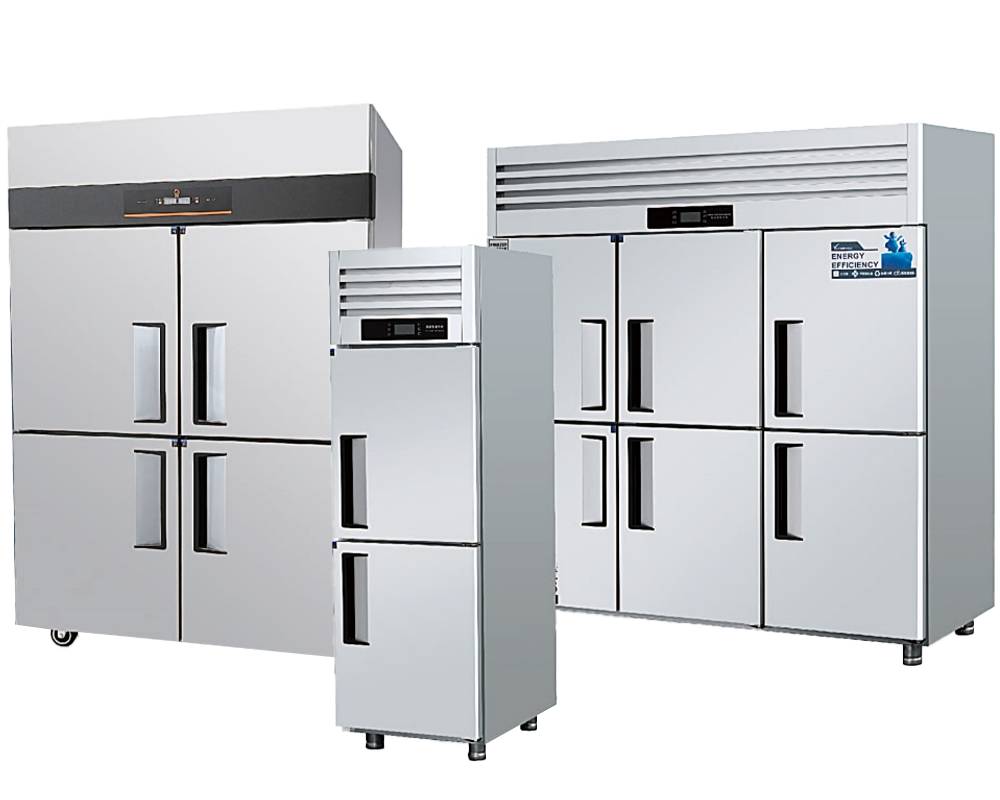 Commercial Vertical Direct-cool Stainless Steel Reach-in Refrigerator
-
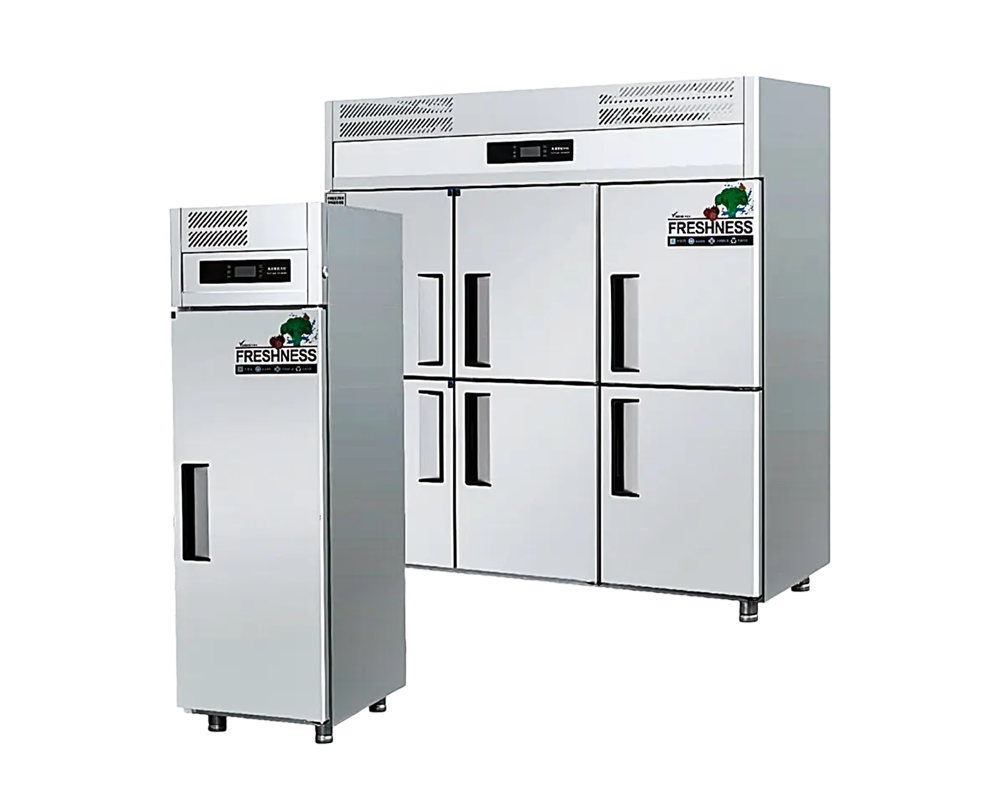 Commercial 201SUS Upright Air Cooling Reach-in Refrigerators
-
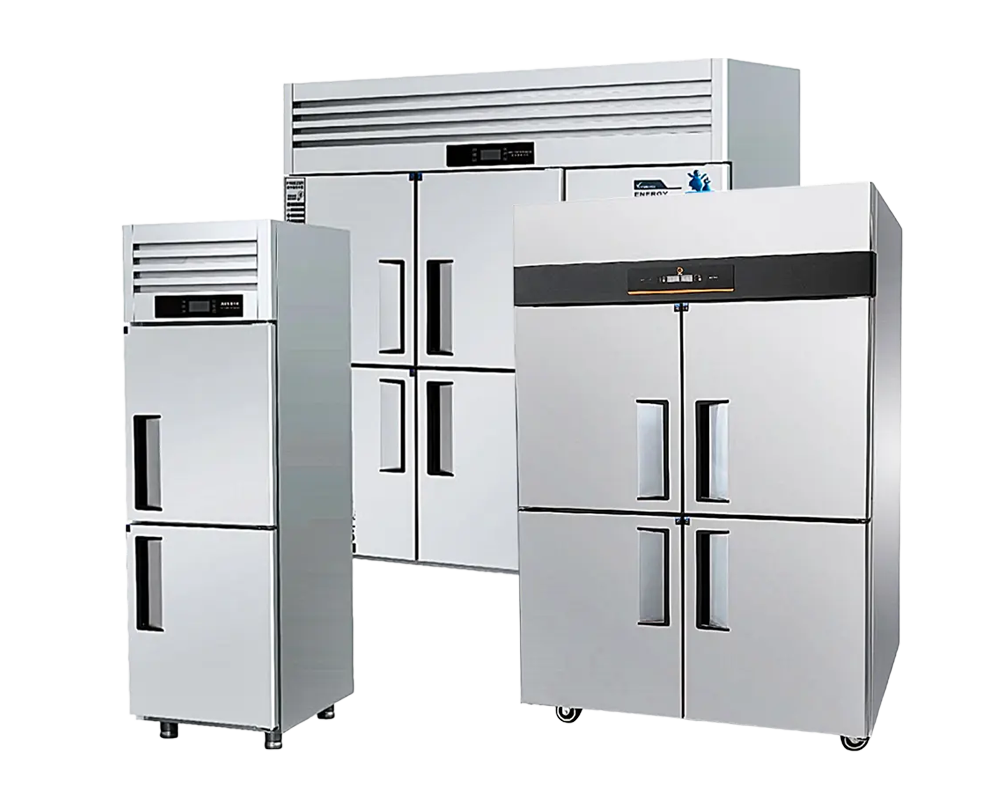 Commercial Direct-Cool Upright Reach-in Freezers
-
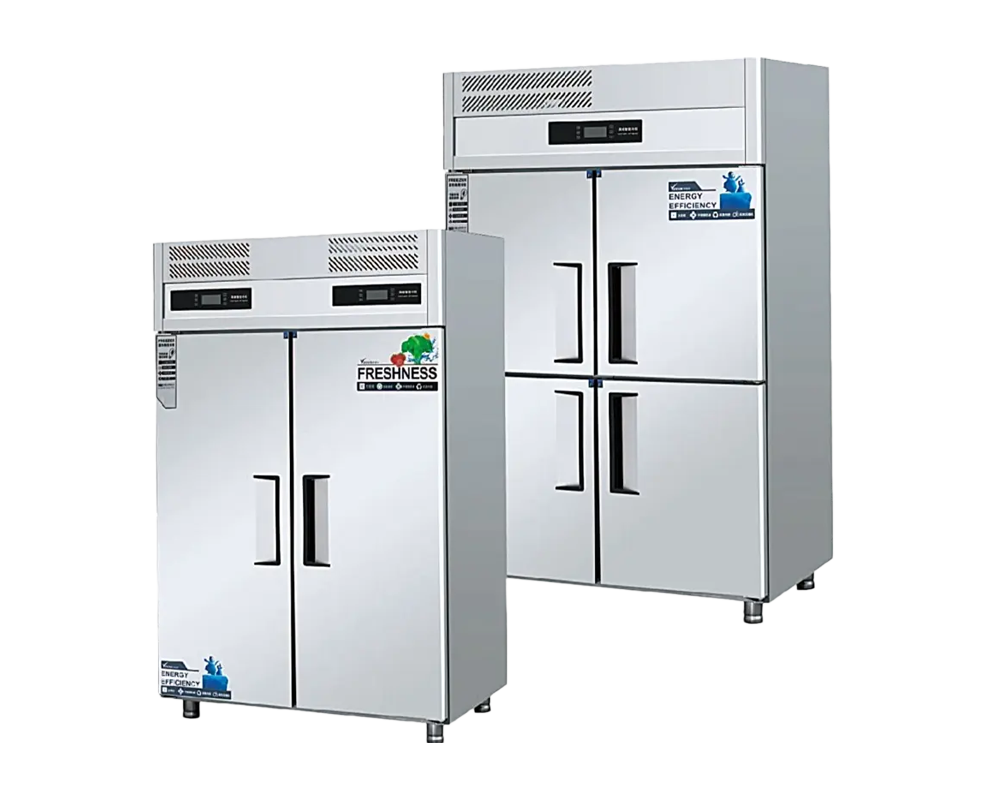 Commercial Stainless Steel Air Cooled Reach-in Vertical Freezers
-
 Dual Temperature Control Direct Cooling Commercial Upright Reach-in Refrigerators
-
 Commercial Vertical Air Cooled Intelligent Reach-in Freezer and Refrigerator
-
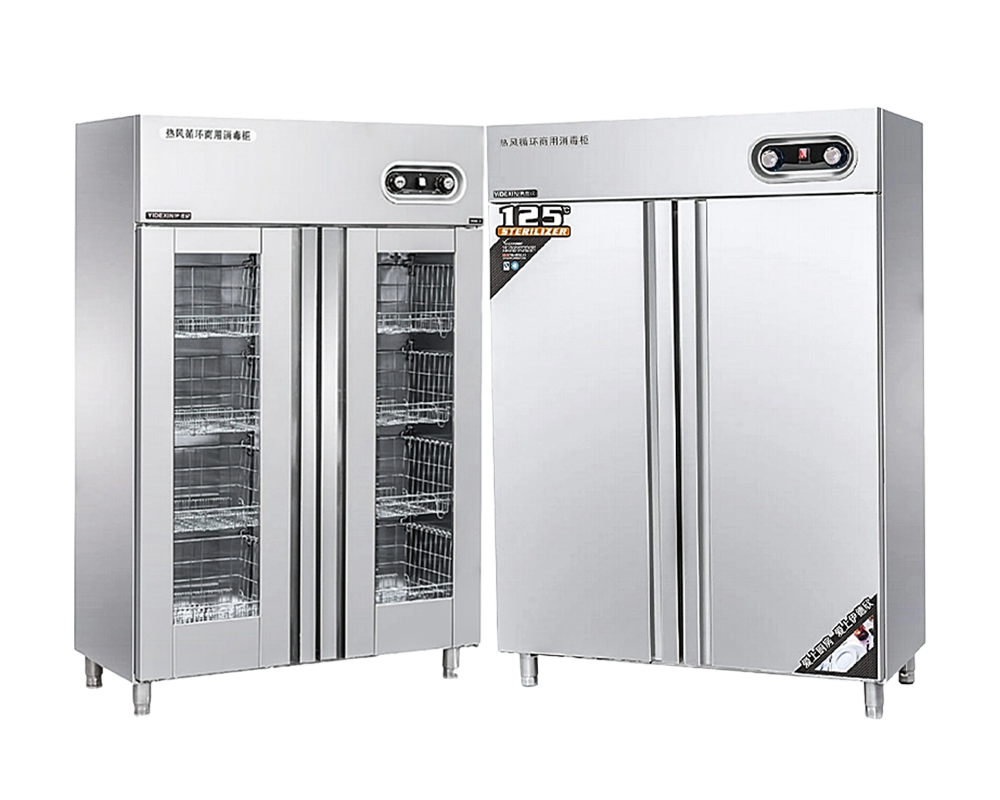 Stainless Steel/Glass Flat Door Sterilization Cabinet
-
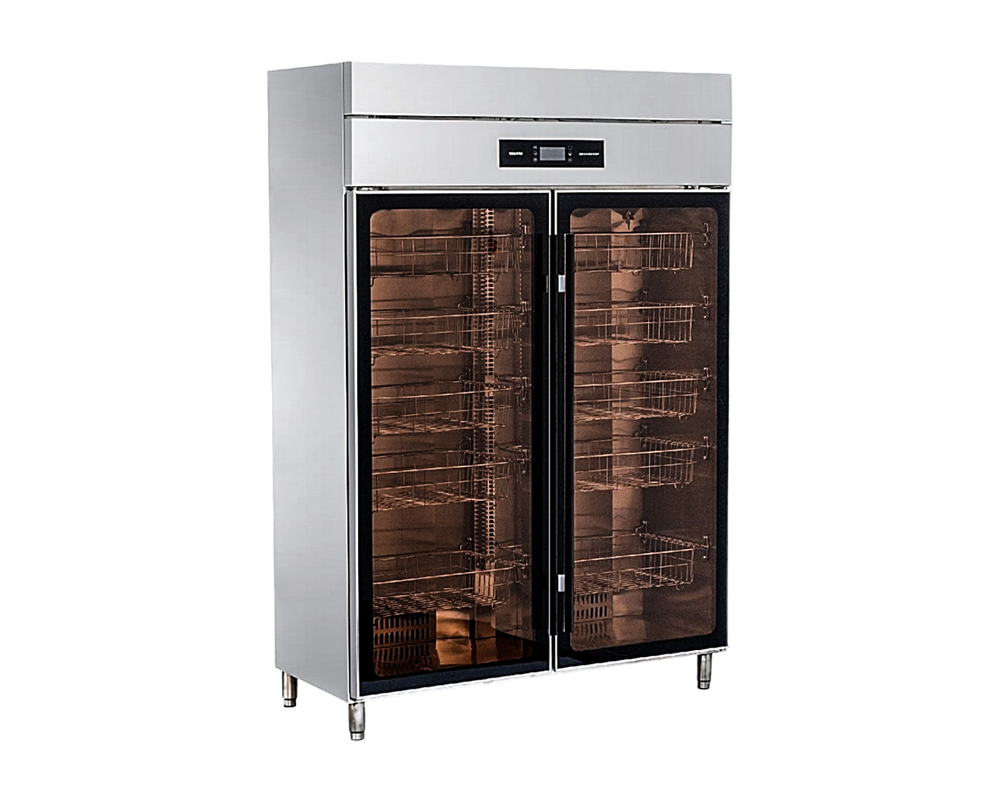 Multifunctional Three-mode High Temperature Glass Door Disinfection Cabinet
-
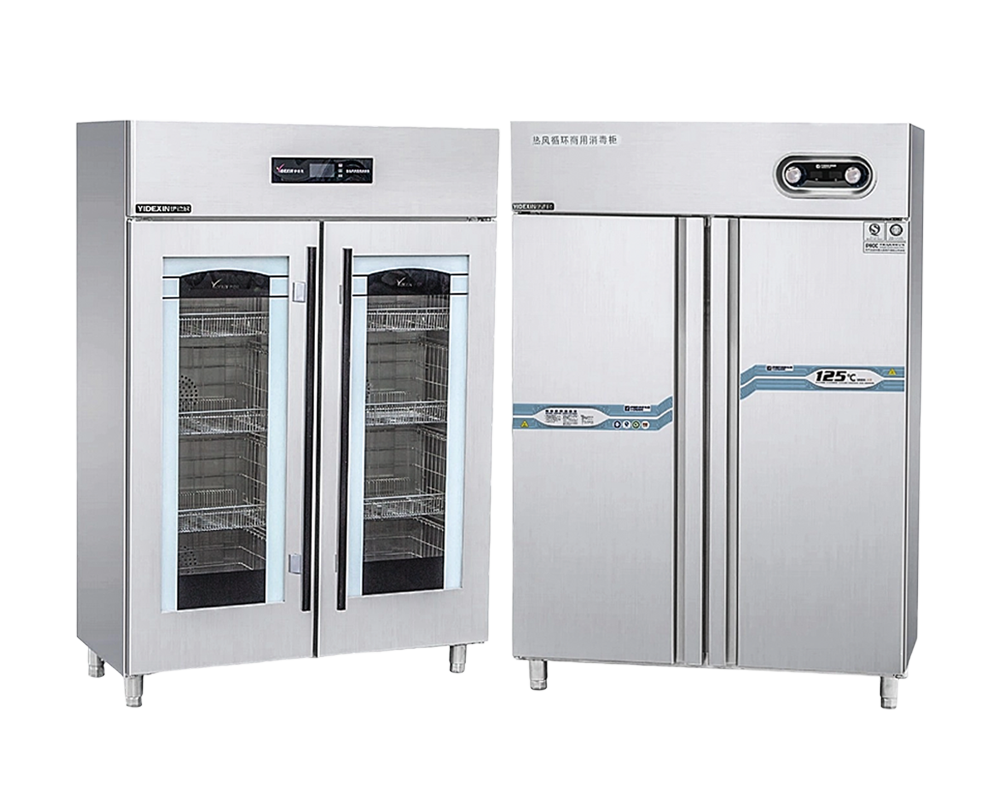 Commercial Restaurant Anti-Fingerprint Stainless Steel Disinfection Cabinet
-
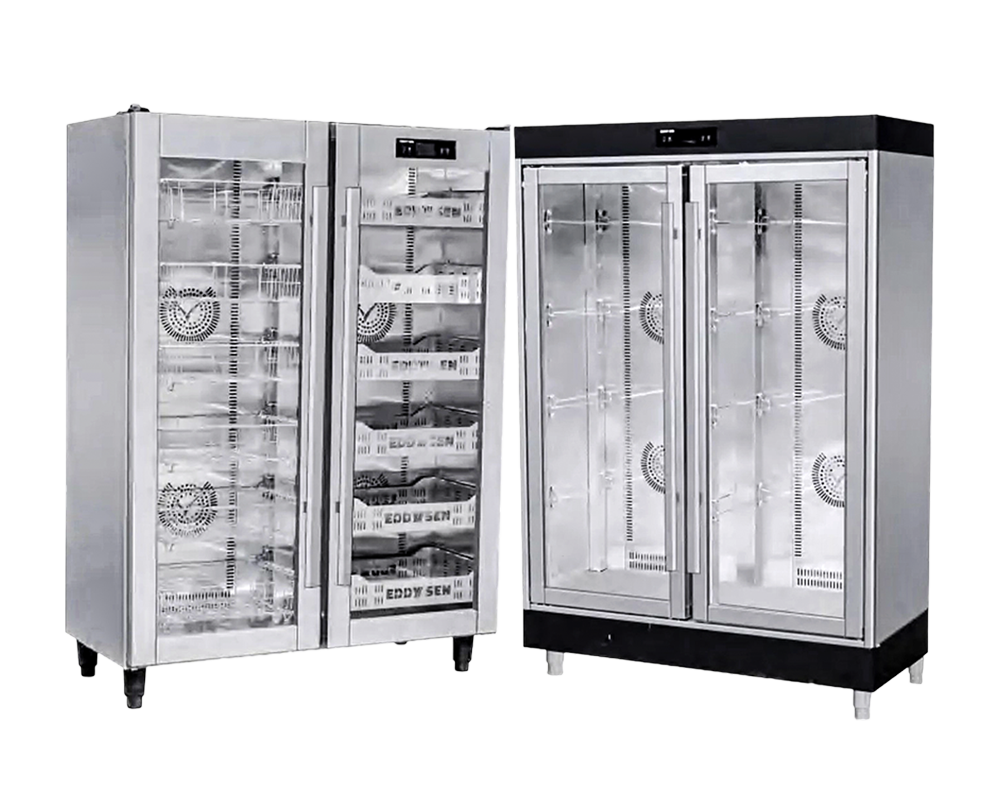 Intelligent Light Wave Stainless Steel UV Disinfection Cabinet
-
 [email protected] / [email protected]
-
 +86-15066977778 / +86-19012777577

-
 Reach-in Refrigerators
-
 Reach-in Freezers
-
 Dual Temperature Refrigerators
-
 Worktop Refrigerators
-
 Worktop Freezers
-
 Salad Bar Refrigerators
-
 Combined Island Display Refrigerators
-
 Air Curtain Refrigerators
-
 Fresh Cabinets
-
 Display Refrigerators(Glass Door)
-
 Electric Rice Steamer Cabinets
-
 Gas Rice Steamer Cabinets
-
 Vertical Banquet Cabinets
-
 Horizontal Banquet Cabinets
-
 Heated Disinfection Cabinets
Home / News / Industry information / Undercounter vs Reach-In Refrigerators: Best Mix for Small Kitchens
Undercounter vs Reach-In Refrigerators: Best Mix for Small Kitchens
Content
- 1 Understanding the Core Difference
- 2 Head-to-Head: Key Decision Factors
- 3 Where Undercounter Units Win: The Prep-Line Advantage
- 4 Where Reach-Ins Win: Storage Density Per Square Foot
- 5 The Small Kitchen Reality: Why You Usually Need Both
- 6 Temperature Zones and Menu Compatibility
- 7 Energy Consumption in Small Spaces
- 8 Practical Layout Tips for Small Kitchens
- 9 What to Look for When Sourcing Either Unit Type
- 10 Making the Final Call
Space is one of the most expensive resources in any commercial kitchen. Whether you're running a compact café, a food truck with a prep station, or a ghost kitchen built inside a 300-square-foot unit, every inch of floor and counter space has to earn its keep. That's why the choice between undercounter refrigerators and reach-in refrigerators deserves more than a quick glance at a spec sheet — it's a decision that shapes your entire kitchen workflow, from prep speed to food safety compliance.
Having supplied commercial refrigeration equipment to kitchens across dozens of markets, we've seen both types misapplied often enough to know the real-world consequences: operators buying tall reach-ins they can't fully use, or undercounter units that create cold-spot complaints during a Friday rush. This guide is designed to help you avoid those mistakes by matching refrigeration format to your actual kitchen reality.
Understanding the Core Difference
Before comparing performance, it helps to be precise about what each unit actually is — because the terminology gets blurry in supplier catalogs.
Undercounter Refrigerators
Undercounter refrigerators (also called worktop or prep refrigerators) are designed to fit beneath a standard 36-inch-high work surface. Their typical height ranges from 32 to 34 inches, with a stainless steel top surface that functions as an active prep station. Capacities usually run between 5 and 20 cubic feet, and widths range from about 27 inches for single-door models up to 72 inches or more for triple-door configurations.
Reach-In Refrigerators
Reach-in refrigerators are full-height, freestanding units — typically 78 to 84 inches tall — that provide significantly more storage volume, often ranging from 19 to 55+ cubic feet depending on whether they're single-, double-, or triple-door models. They do not contribute usable counter space and require dedicated floor area.
Head-to-Head: Key Decision Factors
| Factor | Undercounter | Reach-In |
|---|---|---|
| Height | 32–34 in (fits under counter) | 78–84 in (full height) |
| Typical Capacity | 5–20 cu ft | 19–55+ cu ft |
| Doubles as prep surface | Yes | No |
| Floor footprint (per cu ft) | Higher | Lower |
| Access speed during service | Fast (inline with cook) | Requires movement |
| Best use case | Active prep stations | High-volume bulk storage |
| Relative unit cost | Lower per unit | Higher per unit, lower per cu ft |
Where Undercounter Units Win: The Prep-Line Advantage
In a small kitchen — say, under 500 square feet — the undercounter refrigerator's biggest selling point is not its storage capacity, it's the working surface it creates. A 48-inch two-door undercounter unit gives you roughly 8 square feet of prep space plus chilled ingredient access, all without consuming a single additional square foot of floor area beyond what the unit occupies.
For sandwich counters, pizza prep lines, sushi bars, and cocktail stations, this matters enormously. Your mise en place stays within arm's reach, cold, and restocked quickly because the fridge is literally where you're working. In timing studies on compact quick-service kitchens, stations built around worktop refrigeration have been shown to reduce average ticket times by 15–25% compared to layouts that require cooks to walk to a remote reach-in.
Undercounter units are also a better fit when:
- Your ceiling height is limited and a full-height unit would feel visually oppressive in a small space
- You're working with an open-kitchen or exhibition kitchen concept where aesthetics matter
- You need refrigeration distributed across multiple stations rather than centralized
- Counter space is scarce and a reach-in top cannot be used productively
Where Reach-Ins Win: Storage Density Per Square Foot
If your priority is raw cold storage volume and you need to keep ingredient stock for a full service period without frequent restocking runs, reach-in refrigerators are simply more efficient. A standard single-door reach-in with 23 cubic feet of capacity has roughly the same floor footprint as a 27-inch undercounter unit that holds only 6–8 cubic feet. You get nearly three times the storage in the same floor space.
This matters in kitchens where:
- You're storing large hotel pans, sheet trays, or full-size sheet cake boxes that won't fit in a low-profile undercounter unit
- You have a daily delivery model and need to hold two to three days of perishable stock
- Your menu requires separating protein, dairy, and produce into different temperature zones across multiple shelf levels
- You're operating a high-volume catering or banquet kitchen where bulk prep happens several hours ahead of service
Reach-in units with three-dimensional air duct circulation — the kind used in quality commercial refrigerators with forced-air cooling — also maintain more consistent temperatures across all shelf levels, which is important when storing temperature-sensitive items like seafood, dairy, and prepped proteins that need to stay reliably between 0°C and 4°C.
The Small Kitchen Reality: Why You Usually Need Both
In practice, the most functional small commercial kitchens we equip don't choose one type over the other — they use a deliberate combination. The most common and effective configuration we see is:
- One reach-in as the primary cold store, positioned in a less-trafficked area (near the back wall or in a walk-by corridor), used for overnight stock, bulk prep, and items not needed during active service.
- One or two undercounter units at the cook line, stocked with the specific mise en place for that station — portioned proteins, prepped vegetables, sauces, garnishes — restocked every 1–2 hours from the reach-in during service.
This two-tier system means your cooks rarely need to leave their station during a rush. It also protects temperature integrity in the reach-in, because doors are opened less frequently when routine service draws from the undercounter units instead.
A 250-square-foot ghost kitchen running a burger concept might operate with a single-door reach-in holding 23 cubic feet of bulk stock plus one 48-inch undercounter with two doors at the grill station. That totals roughly 31 cubic feet of refrigeration in a footprint that only consumes about 14 square feet of floor space — a highly efficient ratio for that volume of output.
Temperature Zones and Menu Compatibility
One factor that's often underweighted when specifying refrigeration is how your menu's temperature requirements map onto what each unit type can realistically deliver.
Most undercounter refrigerators are optimized for the 0°C to 10°C range, which covers the vast majority of chilled ingredient storage needs. Some models offer dual-temperature configurations (a split refrigerator/freezer compartment under a single counter), which can be extremely valuable in small kitchens where floor space won't allow a separate undercounter freezer.
Reach-in refrigerators, particularly those with inverter-driven compressors and variable-speed fans, tend to achieve tighter temperature uniformity — ±1°C or better across all shelf levels — which matters if you're storing high-value proteins or items with narrow safe-temperature windows. This is one reason high-end restaurants and hotel banquet kitchens favor reach-ins as their primary cold store even when floor space is at a premium.
If your menu includes items requiring true freezing (ice cream, par-frozen proteins, frozen desserts), you'll need either a dedicated undercounter freezer or a reach-in freezer in addition to your refrigeration — both unit formats have corresponding freezer versions designed to maintain -18°C (0°F) or below.
Energy Consumption in Small Spaces
Small kitchens often run on limited electrical capacity, and refrigeration is typically the largest continuous energy draw on the circuit. Here's what to keep in mind:
- Undercounter units generally consume less electricity in absolute terms (typically 1.5–3 kWh per day for a two-door prep refrigerator), but they deliver less storage per watt compared to full-height reach-ins of equivalent quality.
- Reach-in refrigerators with inverter compressors and high-density insulation (6 cm foaming thickness is a good benchmark) maintain lower compressor start frequencies, which is the primary driver of energy efficiency in refrigeration units.
- In hot kitchen environments (above 32°C ambient), top-mounted compressors in reach-in units perform better because they stay away from the radiant heat rising from cooking equipment at floor level.
- Self-closing doors — standard on quality undercounter and reach-in units — can reduce temperature recovery time after door opening events by 20–30%, meaningful in high-traffic kitchens.
Practical Layout Tips for Small Kitchens
When you're planning a small kitchen layout, a few principles consistently produce better results than treating refrigeration placement as an afterthought:
- Position undercounter units first, then work the reach-in around them. The prep line drives service flow, so lock in undercounter placement before deciding where the reach-in lives.
- Keep the reach-in within 10–12 feet of the cook line. More than that and restocking the undercounters during service becomes a meaningful labor drain.
- Don't position reach-ins next to cooking equipment. A reach-in placed beside a range or fryer works harder to maintain temperature, increases compressor wear, and uses significantly more electricity — sometimes 30–40% more than a unit in ambient conditions.
- Use the reach-in top wisely if space is truly scarce. Many operators in small kitchens place cutting boards or dry storage bins on top of a reach-in — a practical solution as long as you maintain proper ventilation clearances (typically 3–6 inches from the wall and top).
- In kitchens under 200 square feet, consider a dual-temperature undercounter unit. A fridge-and-freezer combo under one counter eliminates the need for a second full footprint of floor space for frozen storage.
What to Look for When Sourcing Either Unit Type
Whether you're specifying undercounter refrigerators, reach-ins, or both, the following criteria consistently distinguish quality commercial-grade equipment from units that fail early under daily kitchen conditions:
- Interior construction: Stainless steel interiors (201 or 304 grade) with rounded inner corners. Rounded edges prevent food debris accumulation and satisfy food safety inspection requirements in most markets.
- Door seals: Multi-airbag silicone gaskets that create a reliable seal under high-frequency open/close cycles. Worn gaskets are the single most common cause of temperature compliance failures in commercial refrigeration.
- Cooling system type: For ingredient storage requiring temperature precision, forced-air (fan-assisted) cooling outperforms direct-cool systems. For basic beverage and produce storage, direct-cool is often sufficient and lower cost.
- Certifications: CE certification for European market compliance; ISO 9001 for manufacturing quality standards. These are baseline expectations, not premium features.
- Automatic defrost: Particularly important for reach-in refrigerators operating in humid kitchen environments. Manual defrost units require downtime and staff intervention.
We manufacture both undercounter and reach-in refrigeration units built to these specifications. You can view our full range on our commercial kitchen refrigeration equipment product page, which covers options from compact prep refrigerators through to full-height multi-door reach-in models and dual-temperature configurations.
Making the Final Call
The honest answer to "undercounter or reach-in?" is almost always: both, sized correctly to your kitchen's actual throughput. But if you're forced to choose just one for a first build-out, use this simplified decision rule:
- Choose undercounter first if your primary constraint is counter space and your menu relies on fast access to pre-portioned ingredients at a fixed station.
- Choose reach-in first if your primary constraint is cold storage volume and you can build a restocking rhythm into your service workflow.
For most small kitchens with any kind of growth plan, the reach-in comes first as the backbone and the undercounter gets added when the first station is defined. That sequence gives you the most flexibility as your menu and volume evolve.
If you're still unsure which configuration best fits your specific kitchen dimensions, service volume, or menu type, reach out directly. Providing a floor plan and your projected covers per service is usually enough for us to give you a concrete recommendation on unit count, capacity, and placement.

-
 Add.
Add.
Sales Center:Room 410, Floor T3-4, Zhonghai Development Building, No. 888, Kejiguan Street, Binjiang District, Hangzhou, Zhejiang,China
Factory Address:100 Meters South Of Zhongmao Village, Xingfu Town, Boxing County, Binzhou City, Shandong Province, P.R.China
Sales Center:Room 410, Building 15, Tianan Headquarters Center, 555 North Panyu Avenue, Donghuan Street, Panyu District, Guangzhou City, china
-
 Tel.
+86-15066977778+86-19012777577
Tel.
+86-15066977778+86-19012777577 -
 Email.
Quick Links
Product Fast Links
Mobile Terminal
Copyright @Hangzhou Eddysen Catering Equipment Co., Ltd.All rights reserved. Commercial Freezer Manufacturer