 English
 中文简体
中文简体 Español
 عربى
عربى
-
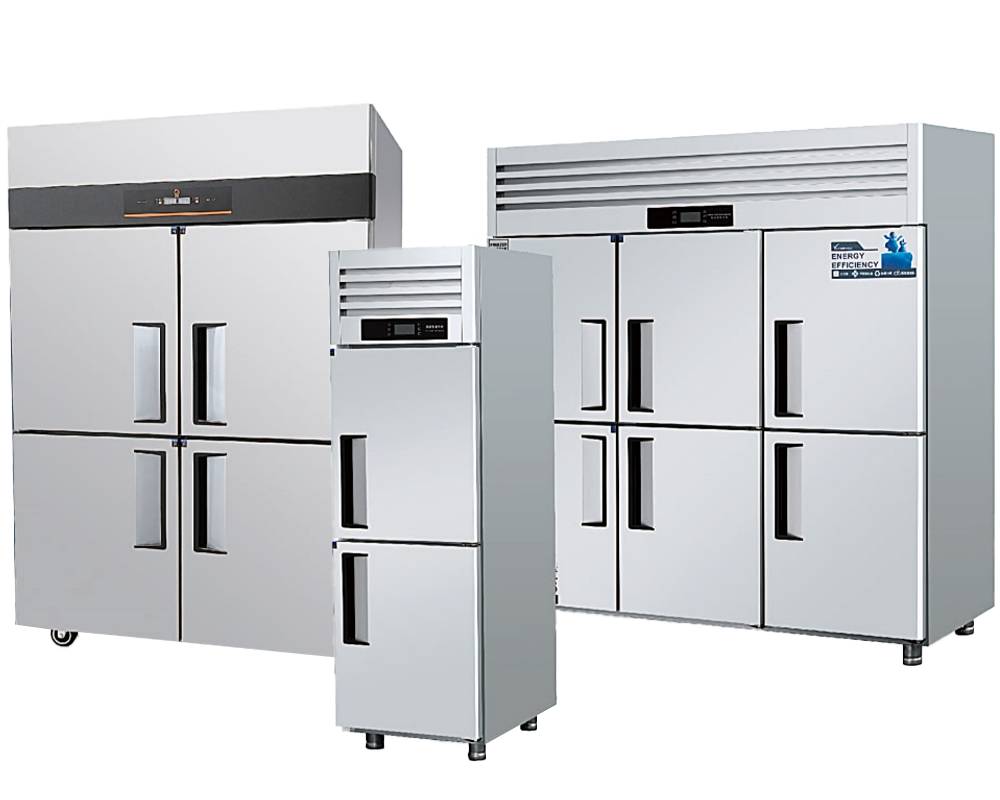 Commercial Vertical Direct-cool Stainless Steel Reach-in Refrigerator
-
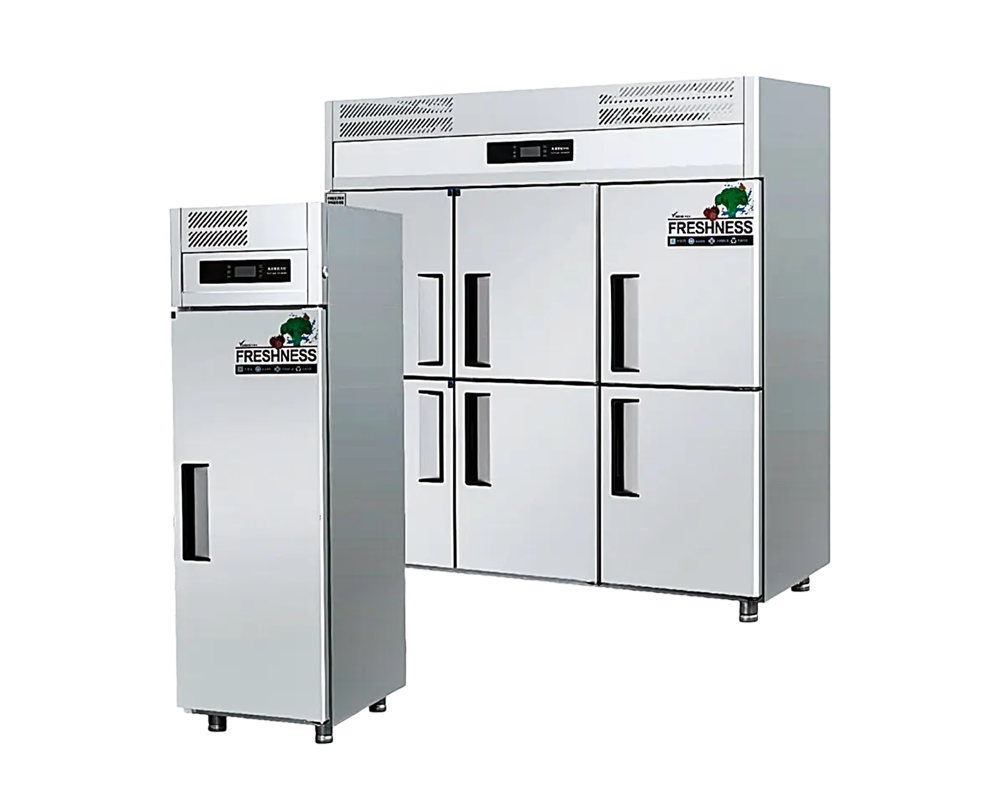 Commercial 201SUS Upright Air Cooling Reach-in Refrigerators
-
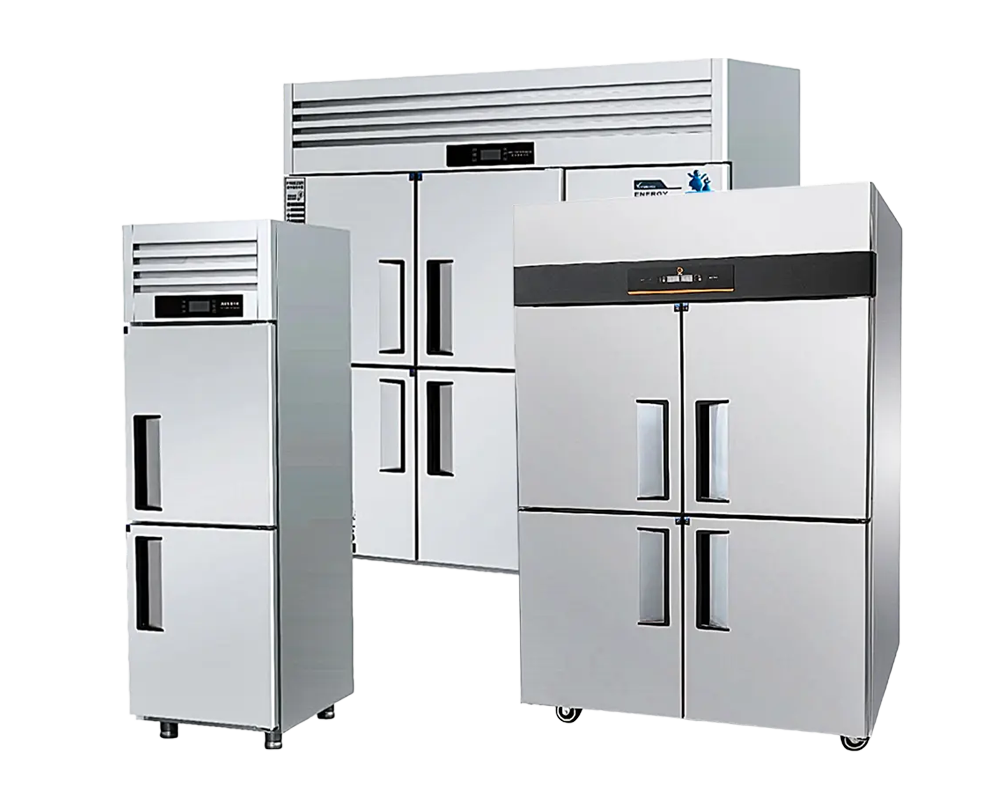 Commercial Direct-Cool Upright Reach-in Freezers
-
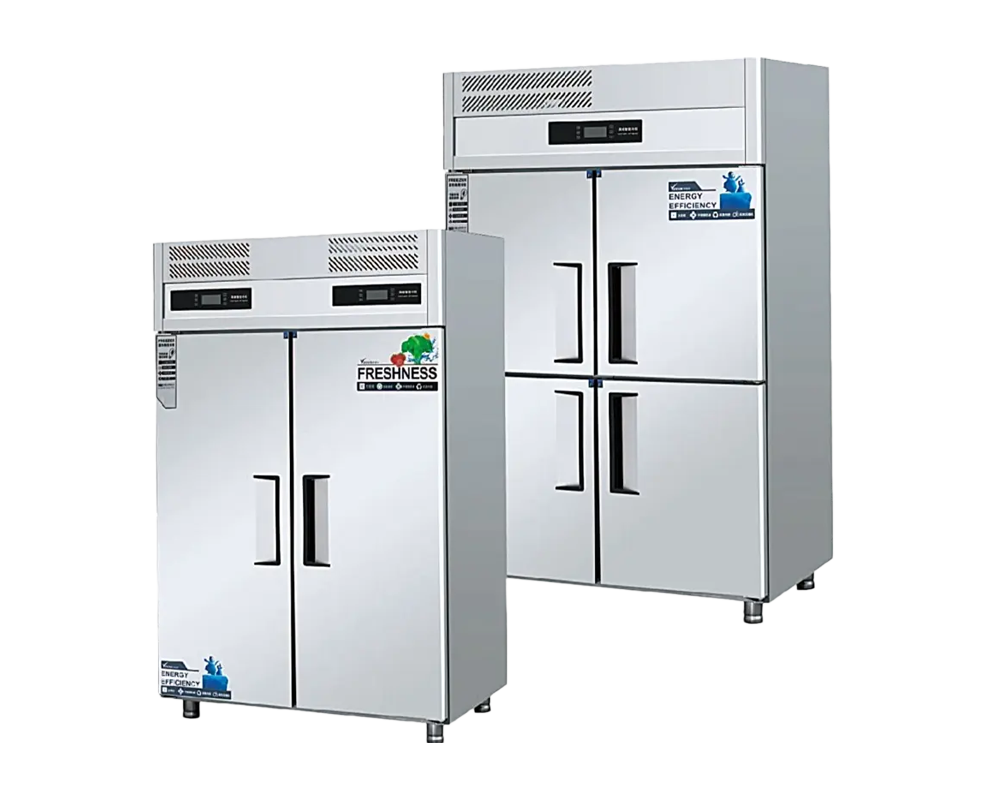 Commercial Stainless Steel Air Cooled Reach-in Vertical Freezers
-
 Dual Temperature Control Direct Cooling Commercial Upright Reach-in Refrigerators
-
 Commercial Vertical Air Cooled Intelligent Reach-in Freezer and Refrigerator
-
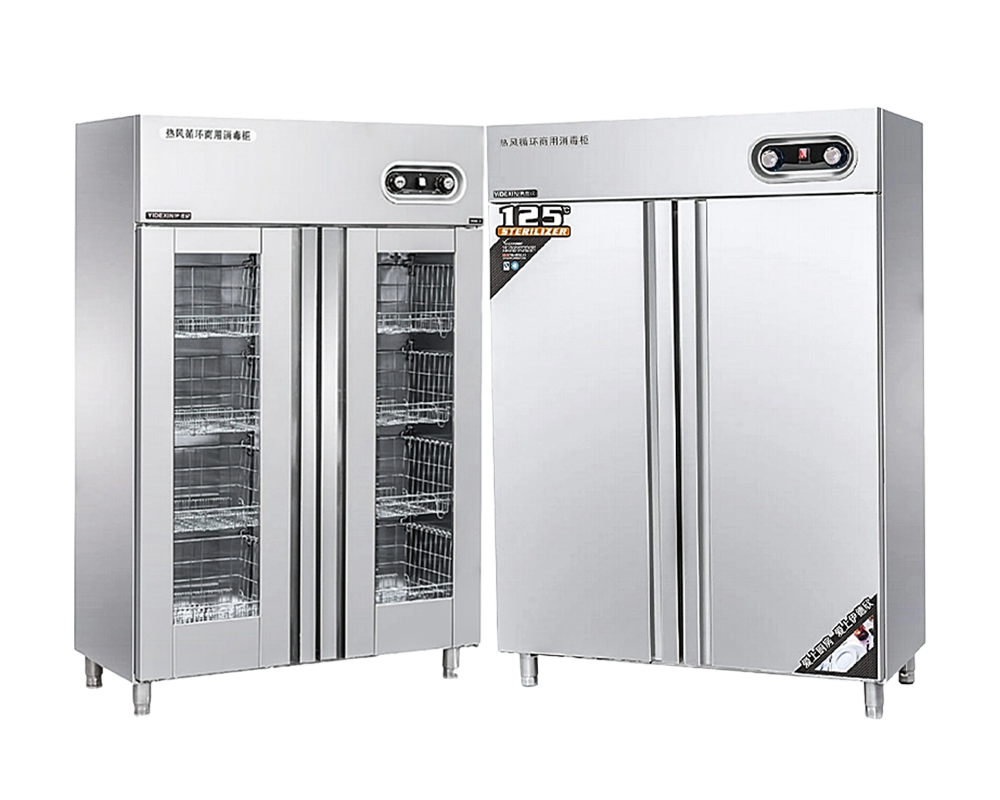 Stainless Steel/Glass Flat Door Sterilization Cabinet
-
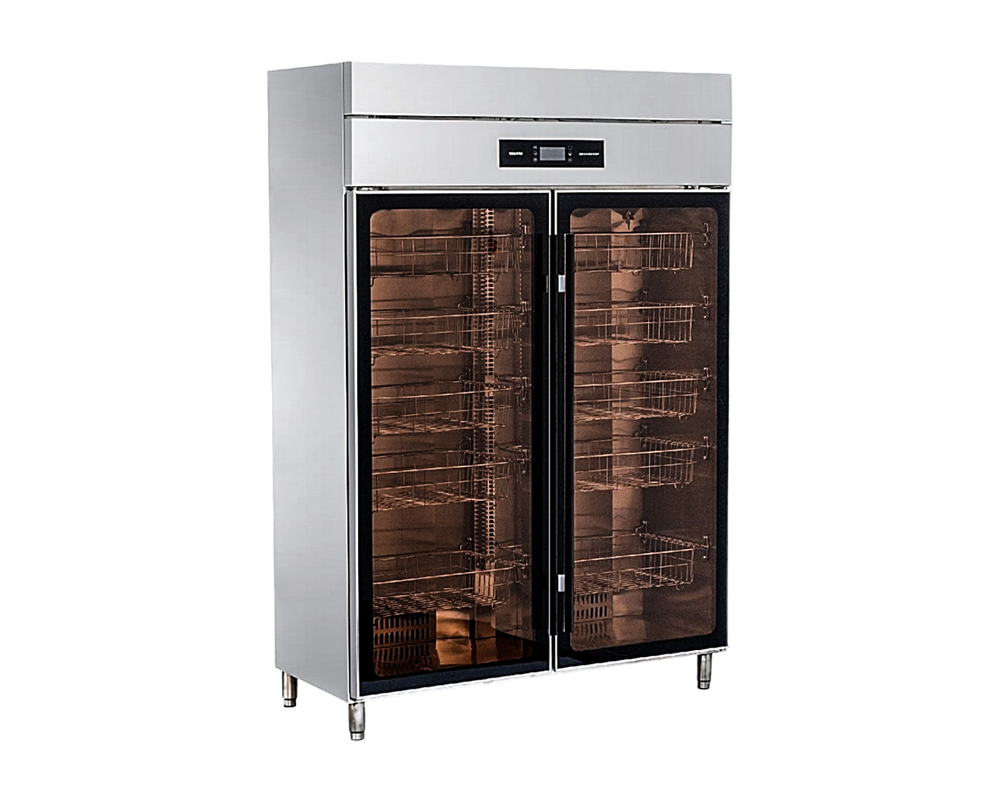 Multifunctional Three-mode High Temperature Glass Door Disinfection Cabinet
-
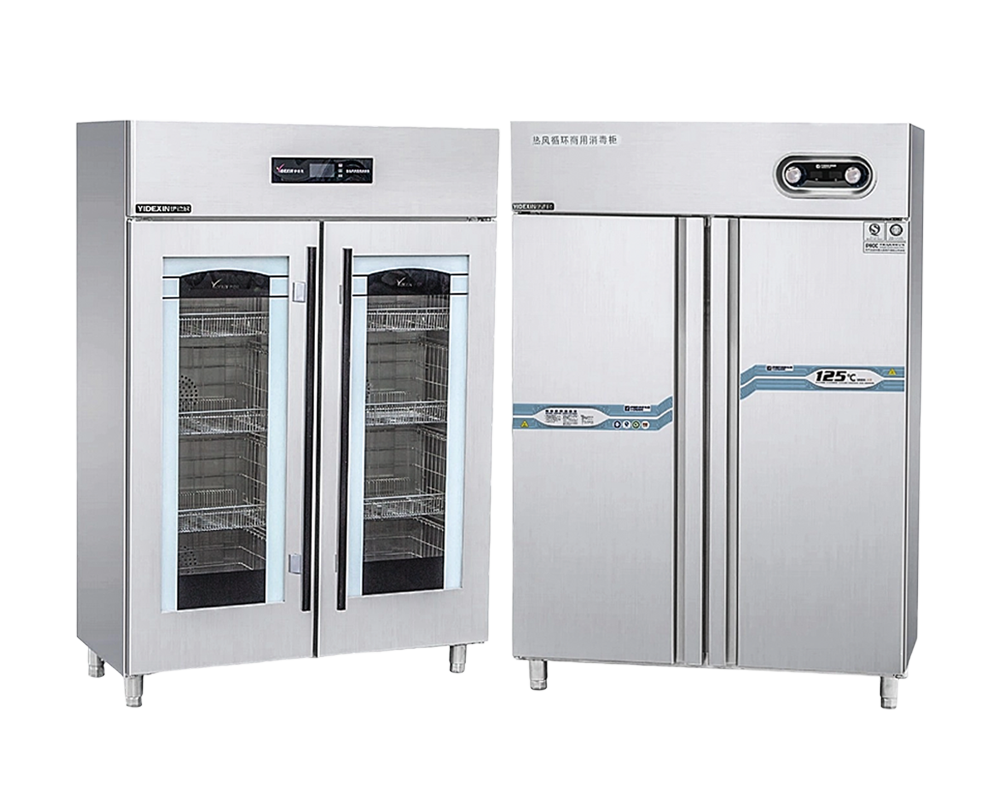 Commercial Restaurant Anti-Fingerprint Stainless Steel Disinfection Cabinet
-
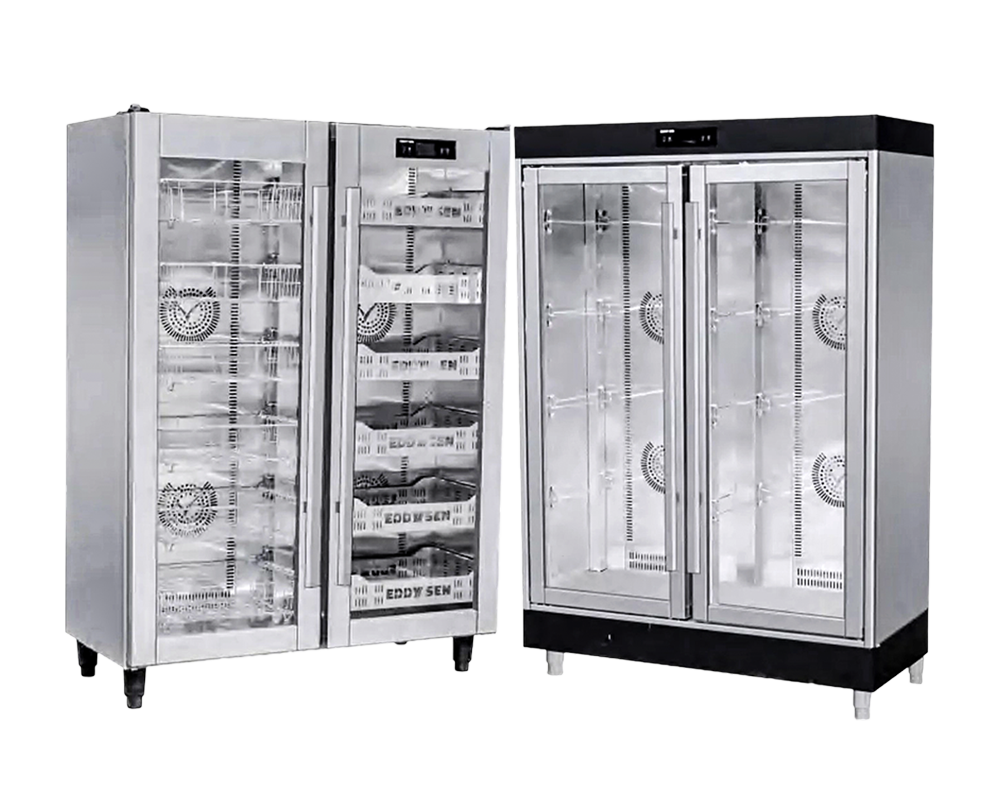 Intelligent Light Wave Stainless Steel UV Disinfection Cabinet
-
 [email protected] / [email protected]
-
 +86-15066977778 / +86-19012777577

-
 Reach-in Refrigerators
-
 Reach-in Freezers
-
 Dual Temperature Refrigerators
-
 Worktop Refrigerators
-
 Worktop Freezers
-
 Salad Bar Refrigerators
-
 Combined Island Display Refrigerators
-
 Air Curtain Refrigerators
-
 Fresh Cabinets
-
 Display Refrigerators(Glass Door)
-
 Electric Rice Steamer Cabinets
-
 Gas Rice Steamer Cabinets
-
 Vertical Banquet Cabinets
-
 Horizontal Banquet Cabinets
-
 Heated Disinfection Cabinets
Commercial Refrigerator Dimensions & Sizes Selection Guide
Content
Choosing the wrong commercial refrigerator size can waste valuable kitchen space, limit storage capacity, and disrupt workflow in busy foodservice or retail environments.
Standard commercial refrigerator dimensions vary depending on the application. Commercial kitchen fridge dimensions usually range from 600–1400 mm wide and up to 2100 mm high, while display fridge dimensions used in supermarkets may exceed 2000 mm in width.
Understanding commercial refrigerator size standards helps restaurants and retailers select the right refrigeration equipment for efficient storage and product display.
What Are the Standard Commercial Kitchen Fridge Dimensions?
In professional kitchens, refrigerators are designed for high storage capacity, durability, and efficient workflow. Restaurants, hotels, and catering facilities rely on standardized commercial kitchen fridge dimensions to ensure equipment fits within typical kitchen layouts.
The most Eddysen commercial kitchen refrigerators include single-door, double-door, and four-door upright refrigerators, etc. Typical size ranges include:
1.Upright Fridge

| Type | Model | Dimensions (mm) | Power | Rated Voltage | Temperature | Refrigerant | Capacity | Net Weight |
| Double Doors Up & Bottom | QDTRF24-2 | 610 × 700 × 1950 | 180W | 220V / 50Hz | 2–8°C / 0 ~ -18°C | R290a | 370L | 67KG |
| Four Doors | QDTRF48-4 | 1200 × 700 × 1950 | 375W | 220V / 50Hz | 2–8°C / 0 ~ -18°C | R290a | 850L | 100KG |
| Double Doors Up & Bottom | XSDTRF24-2 | 610 × 760 × 1950 | 180W | 220V / 50Hz | 2–8°C / 0 ~ -18°C | R290a | 400L | 78KG |
| Four Doors | XSDTRF48-4 | 1200 × 760 × 1950 | 375W | 220V / 50Hz | 2–8°C / 0 ~ -18°C | R290a | 900L | 104KG |
| Six Doors | XSDTRF72-6 | 1800 × 760 × 1950 | 415W | 220V / 50Hz | 2–8°C / 0 ~ -18°C | R290a | 1300L | 134KG |
2. Display Fridge
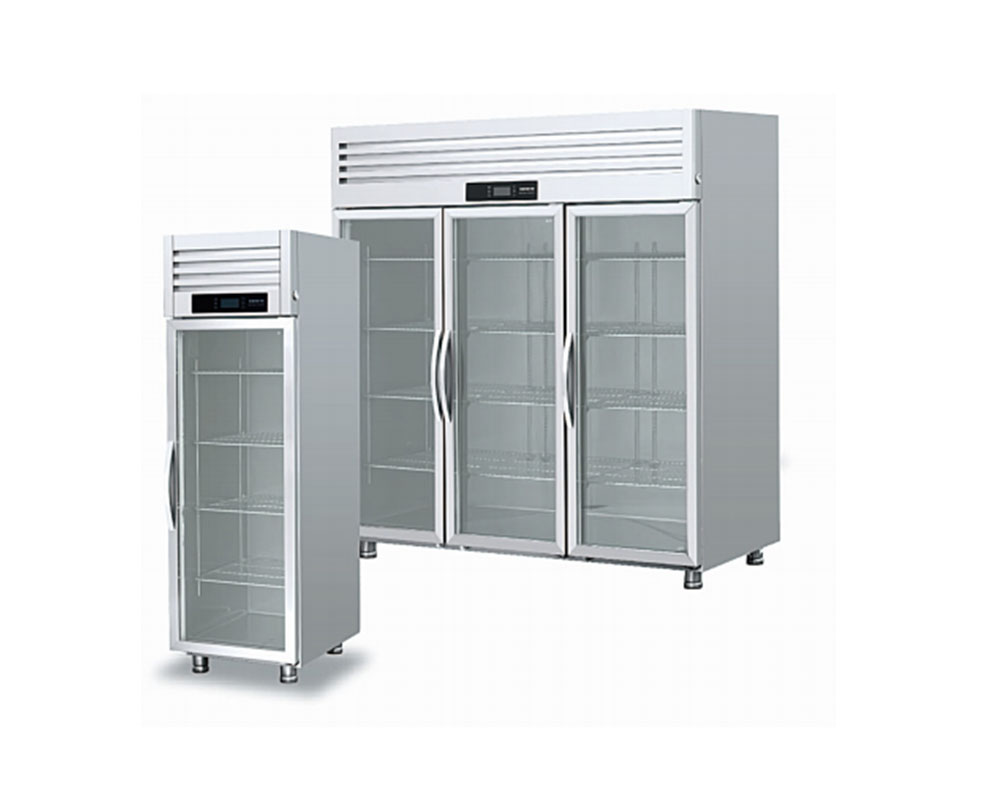
| Type | Model | Dimensions (mm) | Current | Rated Voltage | Power | Temperature | Refrigerant | Capacity | Net Weight |
|---|---|---|---|---|---|---|---|---|---|
| Single Door | QDTR24-1G | 600 × 700 × 1950 | 2.6A | 220V / 50Hz | 140W | 2–8°C | R290 | 370L | 67kg |
| Single Door | QDTF24-1G | 600 × 700 × 1950 | 2.6A | 220V / 50Hz | 180W | 0 ~ -10°C | R290 | 370L | 67kg |
| Double Doors (Up & Bottom) | QTR24-2G | 600 × 700 × 1950 | 2.6A | 220V / 50Hz | 145W | 2–8°C | R290 | 370L | 67kg |
| Double Doors (Up & Bottom) | QTF24-2G | 600 × 700 × 1950 | 2.6A | 220V / 50Hz | 180W | 0 ~ -10°C | R290 | 370L | 67kg |
| Double Doors (Left & Right) | QTR48-2G | 1200 × 700 × 1950 | 2.6A | 220V / 50Hz | 280W | 2–8°C | R290 | 810L | 100kg |
| Double Doors (Left & Right) | QTF48-2G | 1200 × 700 × 1950 | 2.6A | 220V / 50Hz | 300W | 0 ~ -10°C | R290 | 810L | 100kg |
| Three Doors | QTR72-3G | 1800 × 700 × 1950 | 2.6A | 220V / 50Hz | 400W | 2–8°C | R290 | 1280L | 150kg |
| Three Doors | QTF72-3G | 1800 × 700 × 1950 | 2.6A | 220V / 50Hz | 400W | 0 ~ -10°C | R290 | 1280L | 150kg |
| Four Doors | QTR48-4G | 1200 × 700 × 1950 | 2.6A | 220V / 50Hz | 280W | 2–8°C | R290 | 810L | 100kg |
| Four Doors | QTF48-4G | 1200 × 700 × 1950 | 2.6A | 220V / 50Hz | 375W | 0 ~ -10°C | R290 | 810L | 100kg |
| Six Doors | QTR72-6G | 1800 × 700 × 1950 | 2.6A | 220V / 50Hz | 280W | 2–8°C | R290 | 1240L | 128kg |
| Six Doors | QTF72-6G | 1800 × 700 × 1950 | 2.6A | 220V / 50Hz | 460W | 0 ~ -10°C | R290 | 1240L | 128kg |
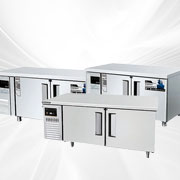
3. Workbench Freezer
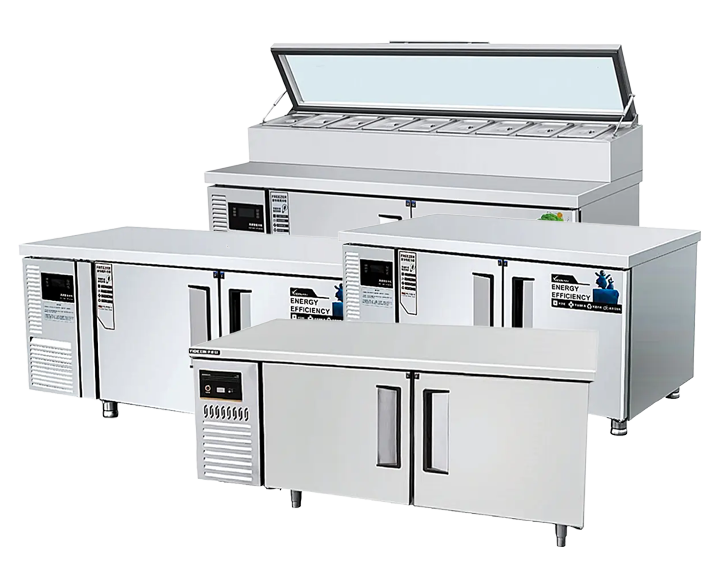
| Height | Model | Dimensions (mm) | Current | Rated Voltage | Power | Temperature | Refrigerant | Capacity | Net Weight |
|---|---|---|---|---|---|---|---|---|---|
| 1.8 m | QDUF18-2(800) | 1800 × 800 × 800 | 1.5A | 220V / 50Hz | 185W | 0 ~ -18°C | R290 | 480L | 64kg |
| 1.8 m | QDUF18-2(700) | 1800 × 700 × 800 | 1.5A | 220V / 50Hz | 185W | 0 ~ -18°C | R290 | 440L | 62kg |
| 1.8 m | QDUF18-2(600) | 1800 × 600 × 800 | 1.5A | 220V / 50Hz | 185W | 0 ~ -18°C | R290 | 305L | 58kg |
| 1.5 m | QDUF15-2(800) | 1500 × 800 × 800 | 1.5A | 220V / 50Hz | 185W | 0 ~ -18°C | R290 | 380L | 58kg |
| 1.5 m | QDUF15-2(700) | 1500 × 700 × 800 | 1.5A | 220V / 50Hz | 185W | 0 ~ -18°C | R290 | 300L | 54kg |
| 1.5 m | QDUF15-2(600) | 1500 × 600 × 800 | 1.5A | 220V / 50Hz | 185W | 0 ~ -18°C | R290 | 245L | 51kg |
| 1.2 m | QDUF12-2(800) | 1200 × 800 × 800 | 1.5A | 220V / 50Hz | 185W | 0 ~ -18°C | R290 | 255L | 50kg |
| 1.2 m | QDUF12-2(700) | 1200 × 700 × 800 | 1.5A | 220V / 50Hz | 185W | 0 ~ -18°C | R290 | 215L | 47kg |
| 1.2 m | QDUF12-2(600) | 1200 × 600 × 800 | 1.5A | 220V / 50Hz | 185W | 0 ~ -18°C | R290 | 175L | 43kg |
Most commercial kitchen refrigerators are built with a stainless steel interior and exterior, powerful compressors, adjustable shelves, and digital temperature controls. Many also use forced-air cooling systems to keep the temperature even throughout the cabinet, helping maintain food freshness and meet food safety standards.
What Are Typical Display Fridge Dimensions in Supermarkets?
Retail environments require refrigeration equipment that not only preserves food but also enhances product visibility and customer engagement. This is why display fridge dimensions are often larger and designed differently than standard kitchen refrigerators. Several types of display refrigerators are commonly used in supermarkets:
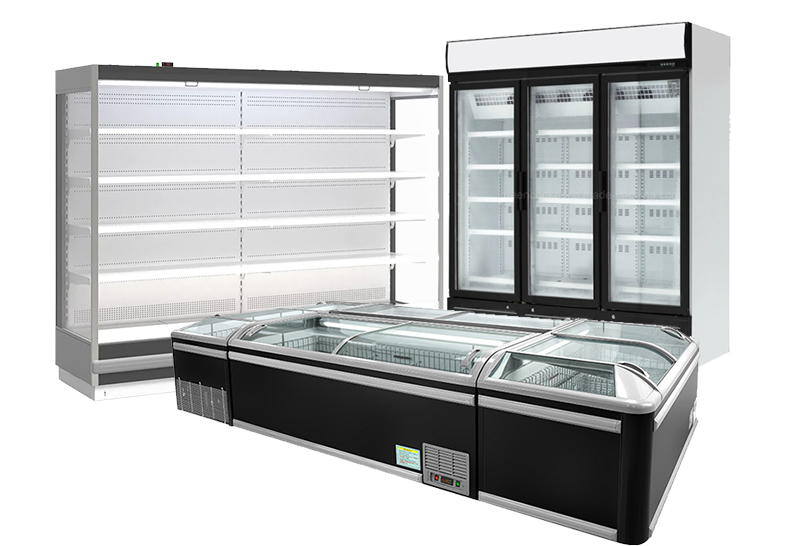
1. Glass Door Display Refrigerators
These refrigerators are widely used for beverages, dairy products, desserts, and packaged food.
| Model | Overall Dimensions (mm) | Temperature (°C) | Power Supply | Defrosting Method | Cooling Method |
|---|---|---|---|---|---|
| BC-BLZ1220-02 | 1250 × 750 × 2000 | 2 ~ 8 | 220V / 380V | Electro-thermal | Air Cooling |
| BC-BLZ1820-02 | 1875 × 750 × 2000 | 2 ~ 8 | 220V / 380V | Electro-thermal | Air Cooling |
| BD-BLZ1220-02 | 1250 × 750 × 2000 | -18 ~ -22 | 220V / 380V | Electro-thermal | Air Cooling |
| BD-BLZ1820-02 | 1875 × 750 × 2000 | -18 ~ -22 | 220V / 380V | Electro-thermal | Air Cooling |
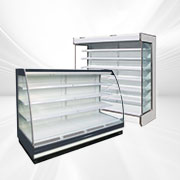
2. Multideck Open Display Refrigerators
Multideck refrigerators are widely used in supermarkets for fresh produce, packaged meals, and dairy products.
| Model | Overall Dimensions (mm) | Temperature (°C) | Power Supply | Defrost Mode | Cooling Method |
|---|---|---|---|---|---|
| BZ-YKZ1219-01 | 1250 × 750 × 1970 | 2 ~ 8 | 220V / 380V | Electro-thermal | Air Cooling |
| BZ-YKZ1819-01 | 1875 × 750 × 1970 | 2 ~ 8 | 220V / 380V | Electro-thermal | Air Cooling |
| BZ-YKZ2519-01 | 2500 × 750 × 1970 | 2 ~ 8 | 220V / 380V | Electro-thermal | Air Cooling |
| BZ-YKZ2919-01 | 2900 × 750 × 1970 | 2 ~ 8 | 220V / 380V | Electro-thermal | Air Cooling |
3.Fresh Meat Display Refrigerator
Fresh meat display refrigerators are designed to keep raw meat fresh while presenting products attractively to customers. They are widely used in commercial food retail environments where temperature control and product visibility are essential.
| Model | Overall Dimensions (mm) | Temperature (°C) | Power Supply | Defrost Mode | Cooling Method |
|---|---|---|---|---|---|
| BZ-YKZ1219-01 | 1250 × 750 × 1970 | 2 ~ 8 | 220V / 380V | Electro-thermal | Air Cooling |
| BZ-YKZ1819-01 | 1875 × 750 × 1970 | 2 ~ 8 | 220V / 380V | Electro-thermal | Air Cooling |
| BZ-YKZ2519-01 | 2500 × 750 × 1970 | 2 ~ 8 | 220V / 380V | Electro-thermal | Air Cooling |
| BZ-YKZ2919-01 | 2900 × 750 × 1970 | 2 ~ 8 | 220V / 380V | Electro-thermal | Air Cooling |
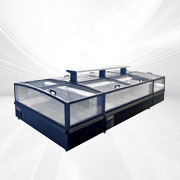
4.Combinat Island Cabinet
Combinat Island Cabinets are widely used in supermarkets, convenience stores, and grocery stores to display frozen and chilled products. Their island-style design allows customers to easily access products from multiple sides, improving product visibility and shopping convenience.
| Model | Overall Dimensions (mm) | Temperature (°C) | Power (V) | Defrost Mode | Cooling Method |
|---|---|---|---|---|---|
| DD-01-18 | 1850 × 890 × 750 | -18 ~ -22 | 220 | Hot Melt | Direct Cooling |
| DD-01-21 | 2100 × 890 × 850 | -18 ~ -22 | 220 | Hot Melt | Direct Cooling |
| DD-01-25 | 2500 × 890 × 850 | -18 ~ -22 | 220 | Hot Melt | Direct Cooling |
How To Measure Commercial Fridge Sizes?
Before purchasing refrigeration equipment, you should carefully measure your installation space to ensure the commercial fridge size fits your environment. Follow these steps:
Measure Installation Width: Measure the available floor space where the refrigerator will be placed. Leave additional space on both sides for ventilation.
Measure Height Clearance: Commercial refrigerators are often over 2000 mm tall, so you must ensure the ceiling height allows proper installation.
Check Depth and Workflow Space: Depth is particularly important in professional kitchens. If refrigerators extend too far into the workspace, they may block walkways and slow down kitchen operations.
Allow Ventilation Space: It is generally recommended to leave 50–100 mm of clearance at the back of the unit and around 150 mm above the refrigerator. Adequate airflow helps the compressor dissipate heat properly, improves cooling performance, and reduces overall energy consumption.
How Do You Choose the Right Commercial Refrigerator Size?
Choosing the right commercial refrigerator size requires balancing storage capacity, available space, and operational efficiency. A properly sized refrigerator helps maintain food safety, improves kitchen workflow, and avoids unnecessary energy consumption.
1. Consider Kitchen Layout
Commercial kitchens often operate in limited spaces. Selecting the correct refrigerator dimensions ensures the unit fits well with preparation tables, cooking equipment, and walkways, helping staff move efficiently during busy hours.
2. Evaluate Storage Needs
Different foodservice businesses require different storage capacities. Large restaurants or catering kitchens may need high-capacity refrigerators such as four-door upright units, while smaller cafés, bakeries, or bars often prefer undercounter refrigerators to save space.
3. Plan for Product Display
For supermarkets, convenience stores, and retail environments, product visibility is important. Refrigerators with larger display areas or glass doors allow customers to easily see the products, helping increase product exposure and encourage impulse purchases.
4. Consider Energy Efficiency
Choosing a refrigerator that is too large can lead to unnecessary energy consumption. Selecting the right size based on actual storage needs helps maintain efficient cooling performance while reducing operating costs.
In Conclusion
Understanding commercial refrigerator size standards and display fridge dimensions helps restaurants, supermarkets, and foodservice businesses choose the right refrigeration equipment, optimize storage space, and improve daily operational efficiency.
At Eddysen, we provide a wide range of commercial refrigeration solutions designed to meet different kitchen and retail needs. With reliable performance, practical designs, and multiple size options, Eddysen helps businesses select the right refrigerator to support efficient food storage and professional operations.

-
 Add.
Add.
Sales Center:Room 410, Floor T3-4, Zhonghai Development Building, No. 888, Kejiguan Street, Binjiang District, Hangzhou, Zhejiang,China
Factory Address:100 Meters South Of Zhongmao Village, Xingfu Town, Boxing County, Binzhou City, Shandong Province, P.R.China
Sales Center:Room 410, Building 15, Tianan Headquarters Center, 555 North Panyu Avenue, Donghuan Street, Panyu District, Guangzhou City, china
-
 Tel.
+86-15066977778+86-19012777577
Tel.
+86-15066977778+86-19012777577 -
 Email.
Quick Links
Product Fast Links
Mobile Terminal
Copyright @Hangzhou Eddysen Catering Equipment Co., Ltd.All rights reserved. Commercial Freezer Manufacturer