 English
 中文简体
中文简体 Español
 عربى
عربى
-
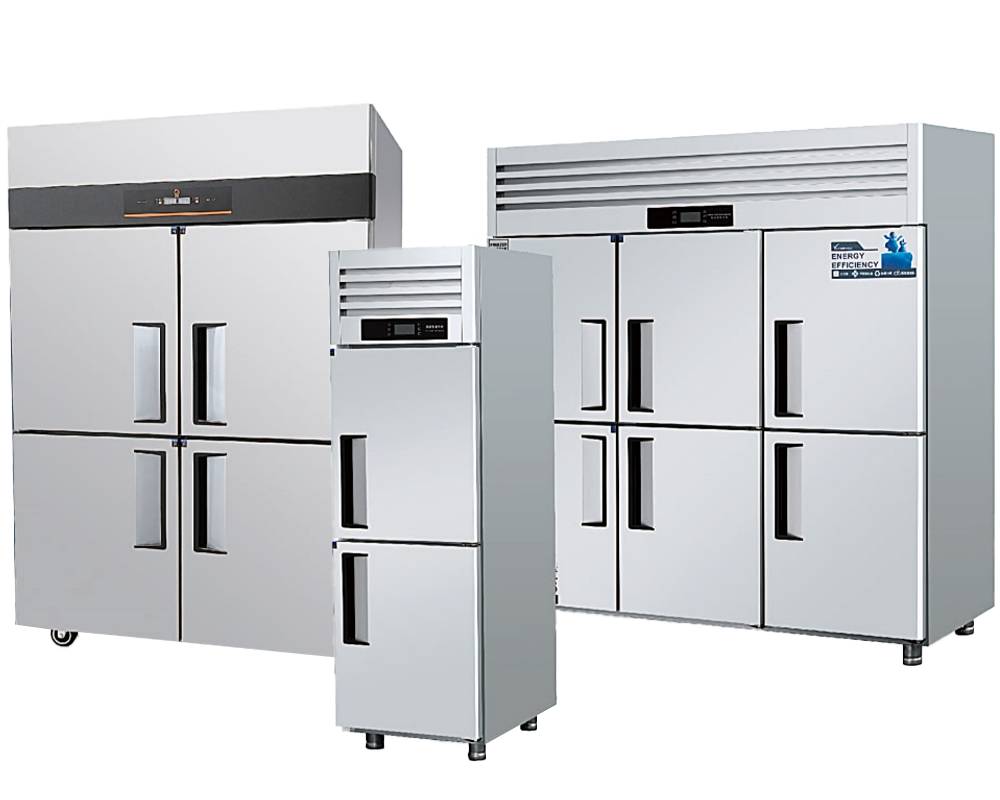 Commercial Vertical Direct-cool Stainless Steel Reach-in Refrigerator
-
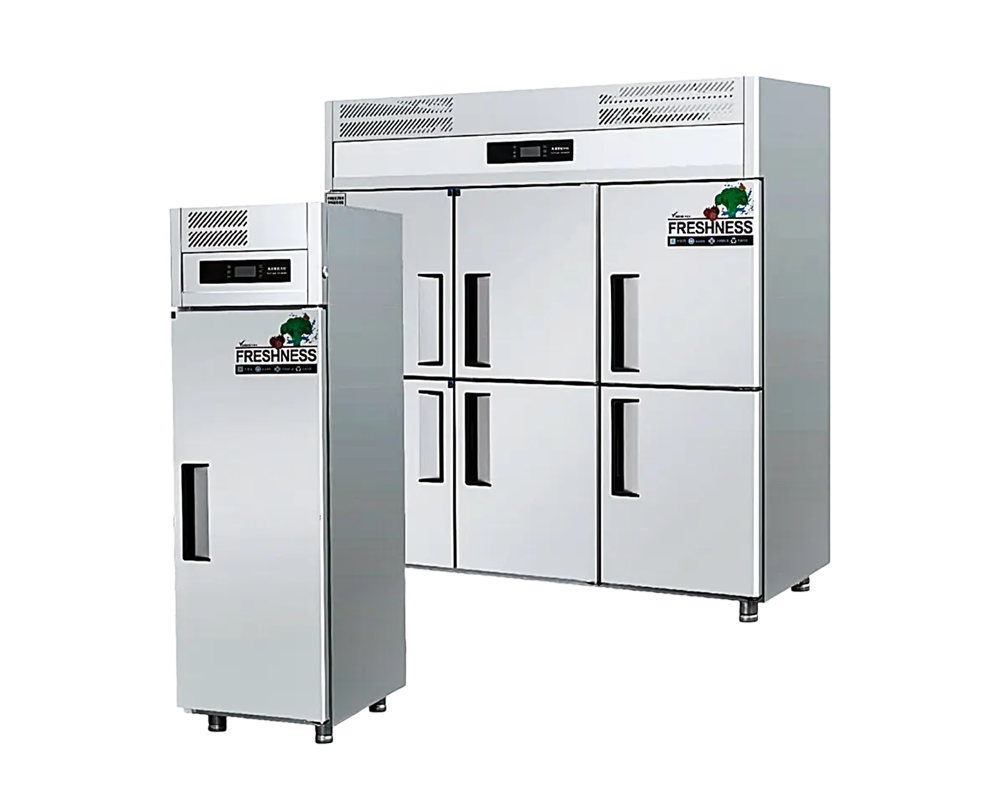 Commercial 201SUS Upright Air Cooling Reach-in Refrigerators
-
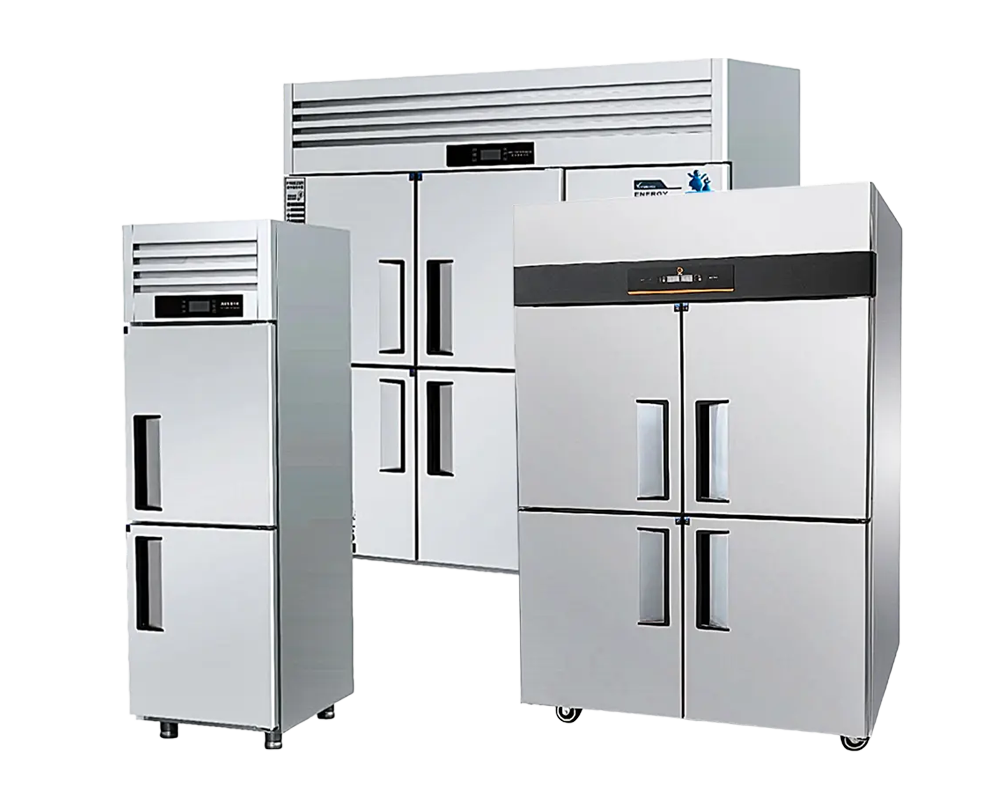 Commercial Direct-Cool Upright Reach-in Freezers
-
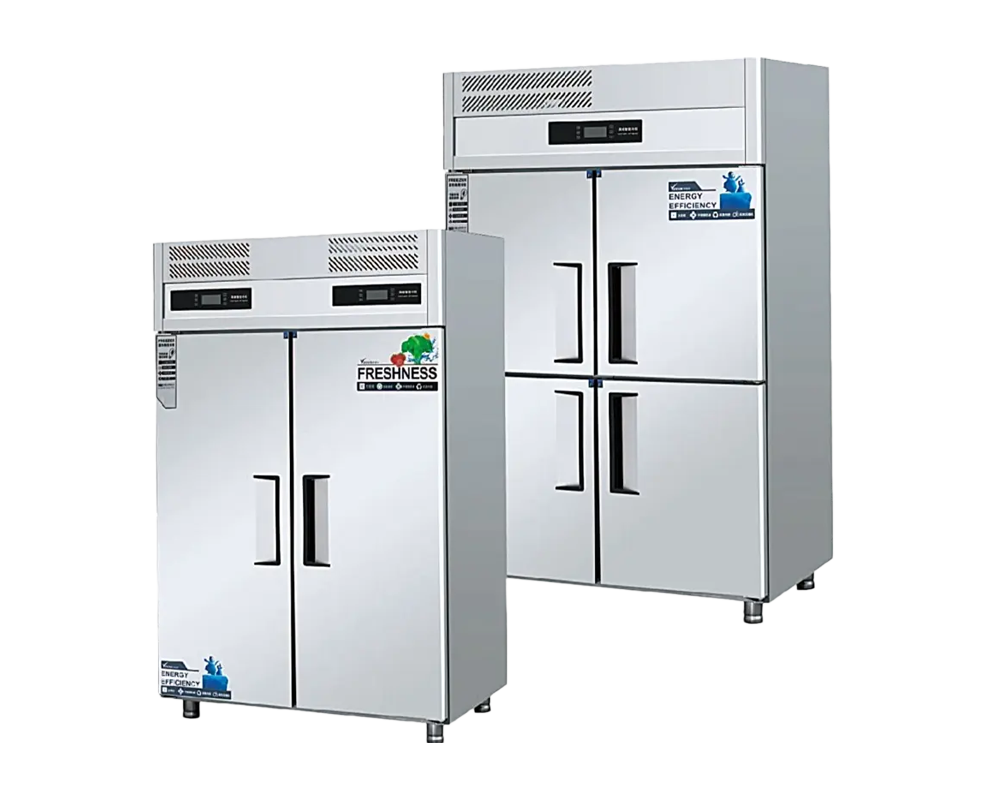 Commercial Stainless Steel Air Cooled Reach-in Vertical Freezers
-
 Dual Temperature Control Direct Cooling Commercial Upright Reach-in Refrigerators
-
 Commercial Vertical Air Cooled Intelligent Reach-in Freezer and Refrigerator
-
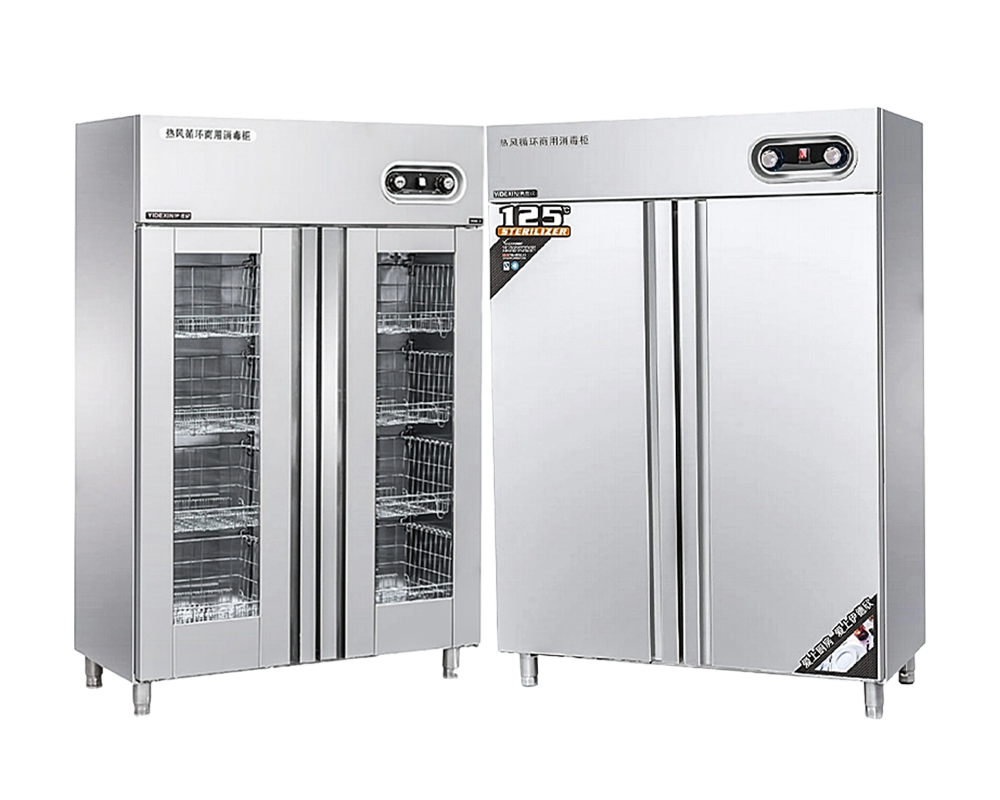 Stainless Steel/Glass Flat Door Sterilization Cabinet
-
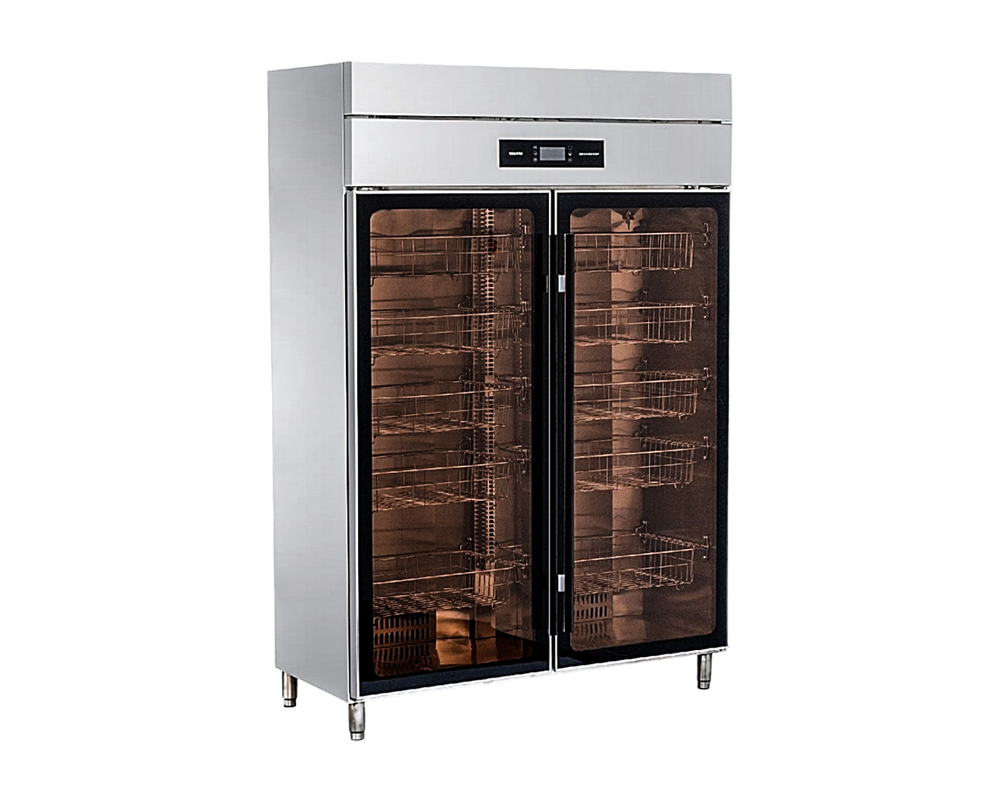 Multifunctional Three-mode High Temperature Glass Door Disinfection Cabinet
-
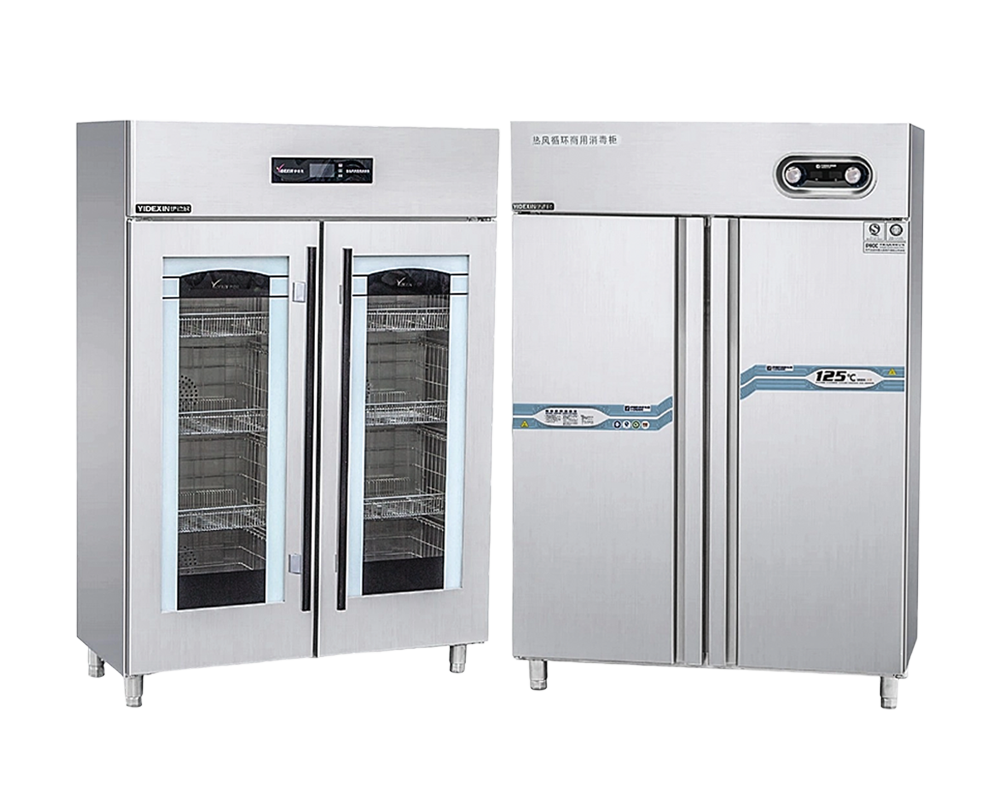 Commercial Restaurant Anti-Fingerprint Stainless Steel Disinfection Cabinet
-
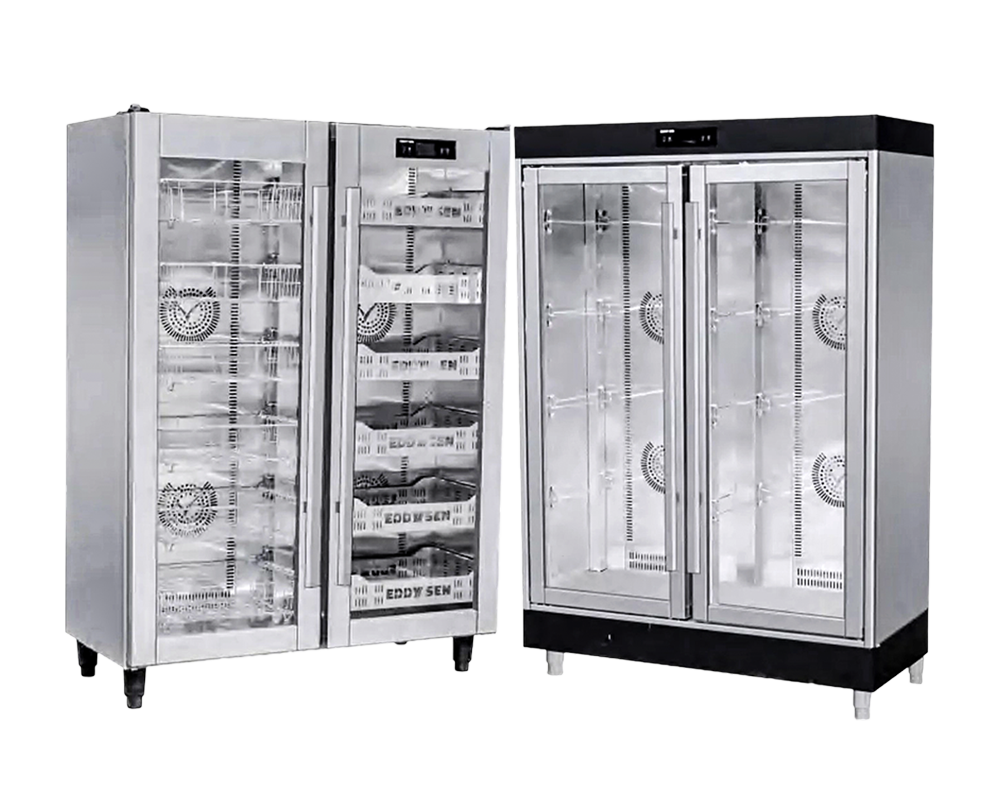 Intelligent Light Wave Stainless Steel UV Disinfection Cabinet
-
 [email protected] / [email protected]
-
 +86-15066977778 / +86-19012777577

-
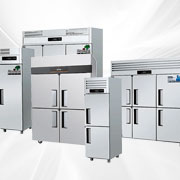 Reach-in Refrigerators
-
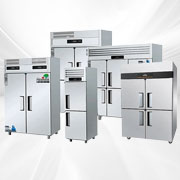 Reach-in Freezers
-
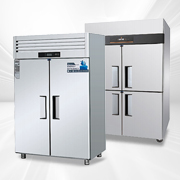 Dual Temperature Refrigerators
-
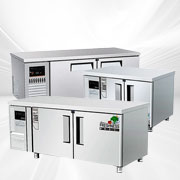 Worktop Refrigerators
-
 Worktop Freezers
-
 Salad Bar Refrigerators
-
 Combined Island Display Refrigerators
-
 Air Curtain Refrigerators
-
 Fresh Cabinets
-
 Display Refrigerators(Glass Door)
-
 Electric Rice Steamer Cabinets
-
 Gas Rice Steamer Cabinets
-
 Vertical Banquet Cabinets
-
 Horizontal Banquet Cabinets
-
 Heated Disinfection Cabinets
What Temperature Should a Commercial Freezer Be?
Content
Maintaining the wrong temperature in a commercial freezer can lead to spoiled food, safety hazards, and wasted energy. Setting the correct temperature ensures food safety, operational efficiency, and compliance with regulations.
Learn how to set, monitor, and maintain optimal freezer temperatures to protect your inventory and reduce operational risks.
Why Commercial Freezer Temperature Imporant?
The temperature of commercial freezers is crucial to food safety, quality, and shelf life. Maintaining freezers at suitable temperatures effectively slows the growth of bacteria and pathogens, preventing food spoilage or contamination and ensuring food safety during storage.
Stable temperatures also effectively prevent freezer burn, preserving the appearance and texture of food. Temperature fluctuations can cause partial thawing of food, affecting quality and even leading to bacterial growth, increasing waste and losses.
Furthermore, temperature control in commercial freezers is essential for compliance with food safety regulations. Stable temperatures ensure efficient operation of refrigeration equipment, reducing energy consumption and maintenance costs, while avoiding compliance issues or fines due to temperature problems, thereby lowering operating costs and improving overall economic efficiency.
What Temperature Should a Commercial Freezer Be Set At?
A commercial freezer temperature of minus eighteen degrees Celsius or zero degrees Fahrenheit is recommended for long-term preservation of meat, seafood, frozen goods, and prepared meals. This standard keeps food safe, maintains quality, and supports energy-efficient operation across supermarkets, restaurants, and retail outlets.
While the temperature of a walk in cooler should be higher, around 2 to 4 degrees Celsius, whether you operate a restaurant freezer temperature system or a retail commercial frezzer, maintaining this standard ensures freshness and slows bacterial growth.
The Difference Between Commercial Freezers and Commercial Refrigerators
Commercial refrigerators and freezers differ significantly in temperature, function, and application. Commercial refrigerators are typically used to store foods and beverages requiring refrigeration, with temperatures usually maintained between 32°F (0°C) and 40°F (4°C). They are suitable for perishable items such as dairy products, vegetables, fruits, and beverages. The purpose of commercial refrigerators is to maintain the freshness of food and extend its shelf life, but they are not suitable for long-term storage.
Commercial freezers are set at 0°F (-18°C) or lower and are specifically designed for storing frozen foods. Freezers can maintain the nutrition, flavor, and texture of food for extended periods, and are particularly suitable for products such as meat, seafood, frozen meals, and ice cream. The function of freezers is to effectively slow the growth of bacteria and germs, thereby extending the shelf life of food and ensuring that food stored for a long time remains safe and of high quality.
Factors Affecting Freezer Temperature Accuracy
Freezer temperature accuracy is influenced by a combination of operating conditions, internal airflow dynamics, and equipment performance. Any disruption in these areas can result in temperature fluctuations, uneven cooling, or delayed temperature recovery.
1. Operating and Environmental Factors
Frequent door openings introduce warm, humid air into the freezer, causing sudden temperature rises and increasing compressor workload. High ambient temperatures further reduce heat dissipation efficiency, while improper loading practices can prevent cold air from circulating evenly.
2. Load Distribution and Airflow Obstruction
Overloading the freezer or blocking air vents restricts airflow paths, resulting in localized cold or warm zones. This uneven circulation reduces the accuracy of temperature sensors and leads to inconsistent cooling performance across different areas.
3. Mechanical and Component Conditions
Worn door gaskets compromise the airtight seal, allowing continuous heat infiltration. Dirty condenser coils reduce heat exchange efficiency, while malfunctioning fans or compressors further impair stable temperature control.
4. Defrost and Control System Performance
Irregular or inefficient defrost cycles can cause excessive frost buildup on evaporator coils, restricting airflow and reducing cooling efficiency. Inaccurate sensors or delayed control responses may also lead to temperature deviations from the set value.
5. Combined Effects
When multiple factors occur simultaneously, temperature instability becomes more severe, potentially affecting food preservation, energy consumption, and overall equipment reliability.
Freezer Temperature Stability and Performance Checklist
The table below summarizes key practices for maintaining stable freezer temperatures and common warning signs indicating insufficient cooling performance.
| Category | Item | Professional Explanation |
| Temperature Stability | Product arrangement | Keep air vents clear and arrange products to allow uniform cold air circulation. |
| Loading control | Avoid overpacking, as excessive load restricts airflow and slows temperature recovery. | |
| Thermostat monitoring | Regularly verify thermostat and sensor accuracy to maintain correct temperature settings. | |
| Cleaning and maintenance | Clean condenser coils and inspect door seals to maintain heat exchange and sealing performance. | |
| Defrost management | Follow the recommended defrost schedule to prevent frost buildup and airflow blockage. | |
| Performance Warning Signs | Partially thawed food | Indicates internal temperature has exceeded the safe storage range. |
| Excessive frost buildup | Suggests restricted airflow or ineffective defrost cycles. | |
| Water pooling | Results from melting ice due to unstable or insufficient cooling. | |
| Prolonged compressor operation | Indicates the system is struggling to reach or maintain the set temperature. |
In Conclusion
A commercial freezer temperature of minus eighteen degrees Celsius or zero degrees Fahrenheit. Eddysen commercial refrigeration equipment strictly adheres to the industry-recommended standard of -18°C (0°F) to ensure that meat, seafood, frozen foods, and prepared meals remain safe, fresh, and of consistent quality during long-term storage. Eddysen commercial appliances are more than just equipment; they are a reliable investment in the long-term returns of your business. Through efficient energy management and precise temperature control, Eddysen commercial freezers and display cases effectively reduce energy consumption, helping you achieve stable operations and sustainable development.
FAQ
1. What Temperature Should a Walk-in Cooler Be?
A walk-in cooler should typically be kept between 35°F and 38°F (1.7°C–3.3°C) to safely store perishable foods.
2. How Many hours for a Freezer to Get Cold?
Most freezers take 4–12 hours to reach proper freezing temperature, depending on size and model. Many reach 0°F (-18°C) within 8 hours.
3. What Temperature Should a deep Freezer Fe?
A deep freezer should be set at 0°F (-18°C) to keep food safely frozen and maintain quality.
4. Can Viruses Survive Refrigerator and Freezer Temperatures?
Yes. Many viruses can survive in both refrigerator and freezer temperatures. Cold environments slow down their breakdown, meaning viruses may remain infectious for days in the refrigerator (around 4°C / 39°F) and weeks or even months in a freezer (0°C / -18°C or below).

-
 Add.
Add.
Sales Center:Room 410, Floor T3-4, Zhonghai Development Building, No. 888, Kejiguan Street, Binjiang District, Hangzhou, Zhejiang,China
Factory Address:100 Meters South Of Zhongmao Village, Xingfu Town, Boxing County, Binzhou City, Shandong Province, P.R.China
Sales Center:Room 410, Building 15, Tianan Headquarters Center, 555 North Panyu Avenue, Donghuan Street, Panyu District, Guangzhou City, china
-
 Tel.
+86-15066977778+86-19012777577
Tel.
+86-15066977778+86-19012777577 -
 Email.
Quick Links
Product Fast Links
Mobile Terminal
Copyright @Hangzhou Eddysen Catering Equipment Co., Ltd.All rights reserved. Commercial Freezer Manufacturer