 English
 中文简体
中文简体 Español
 عربى
عربى
-
 Commercial Vertical Direct-cool Stainless Steel Reach-in Refrigerator
-
 Commercial 201SUS Upright Air Cooling Reach-in Refrigerators
-
 Commercial Direct-Cool Upright Reach-in Freezers
-
 Commercial Stainless Steel Air Cooled Reach-in Vertical Freezers
-
 Dual Temperature Control Direct Cooling Commercial Upright Reach-in Refrigerators
-
 Commercial Vertical Air Cooled Intelligent Reach-in Freezer and Refrigerator
-
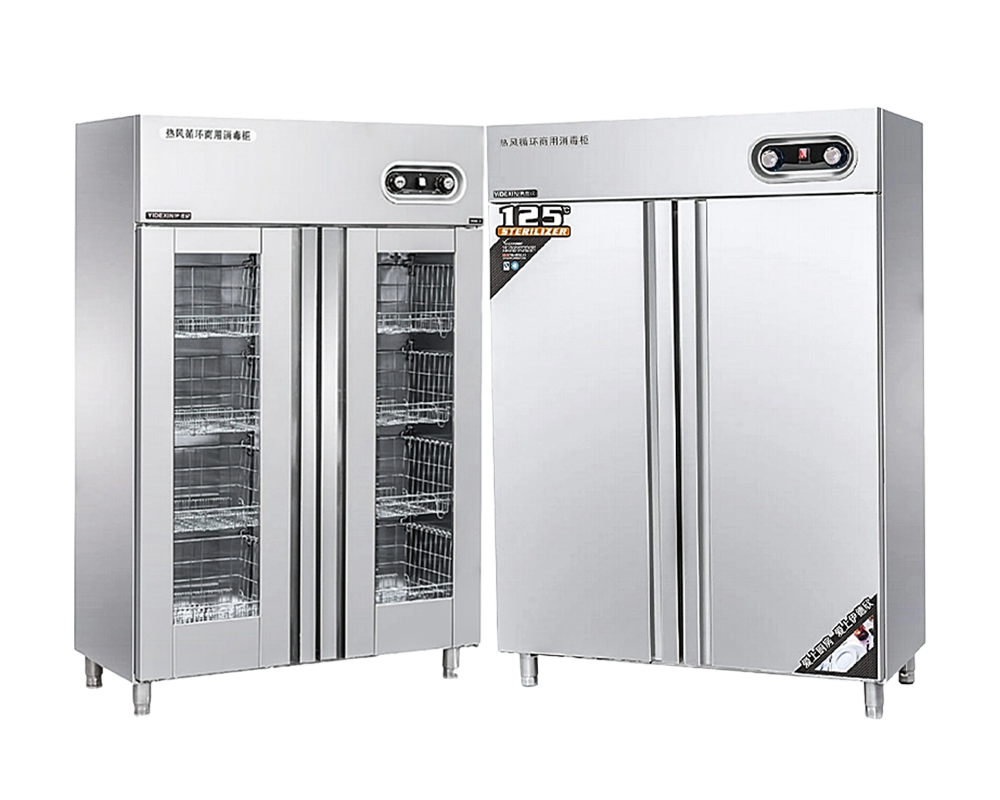 Stainless Steel/Glass Flat Door Sterilization Cabinet
-
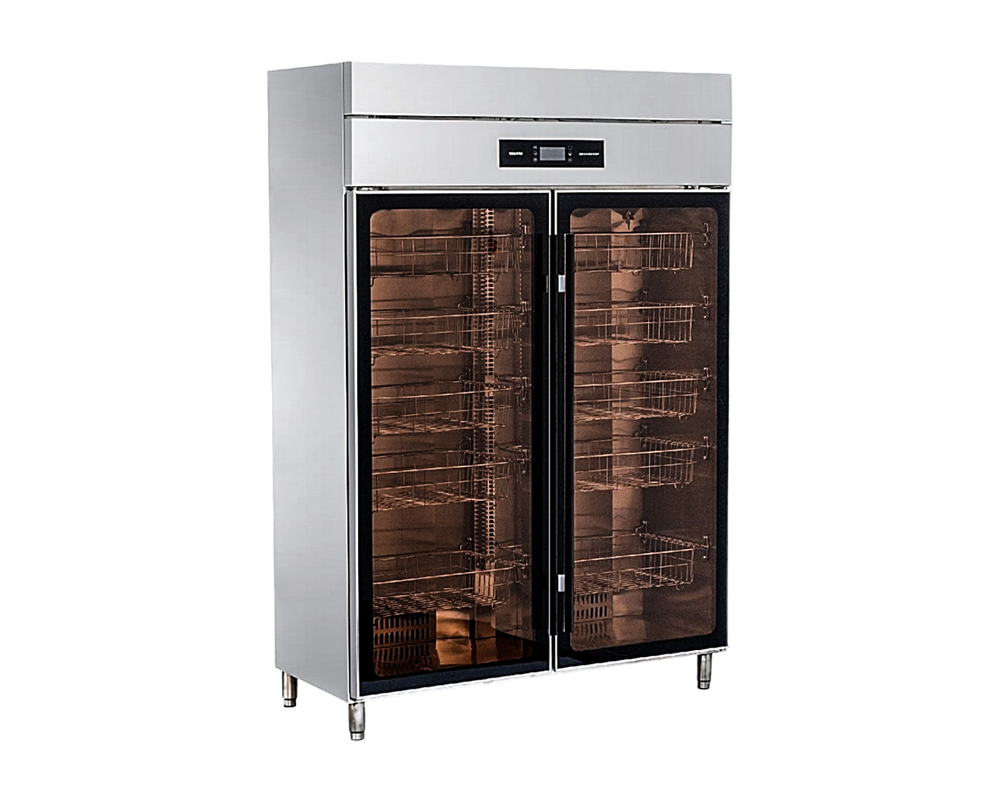 Multifunctional Three-mode High Temperature Glass Door Disinfection Cabinet
-
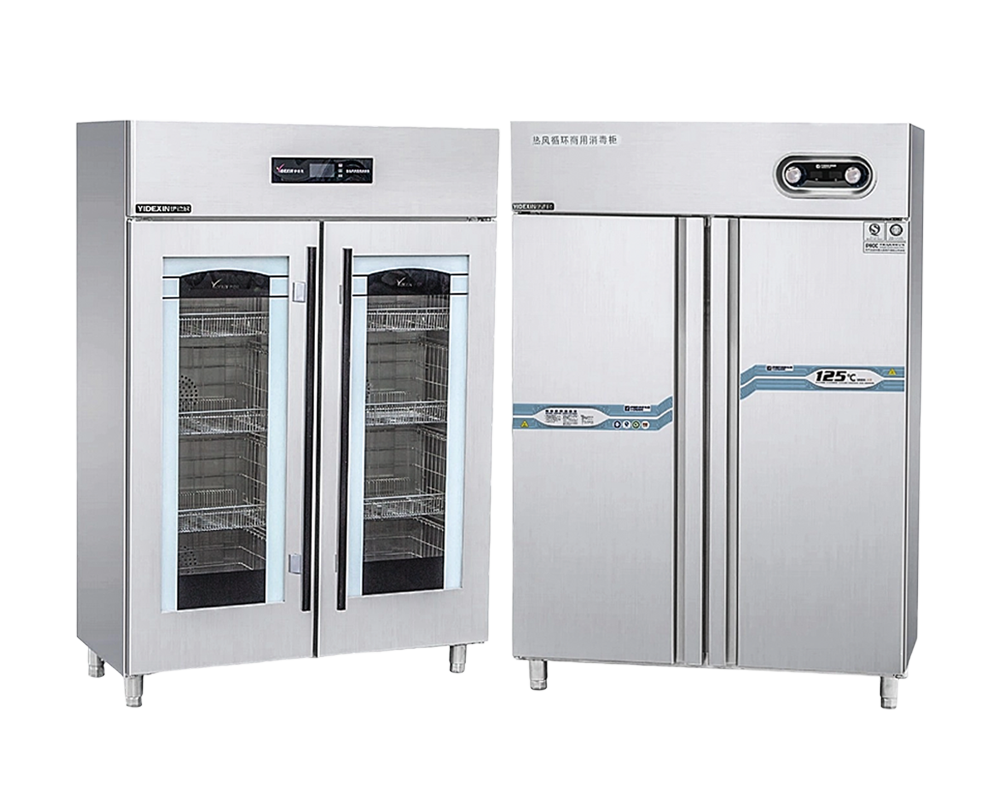 Commercial Restaurant Anti-Fingerprint Stainless Steel Disinfection Cabinet
-
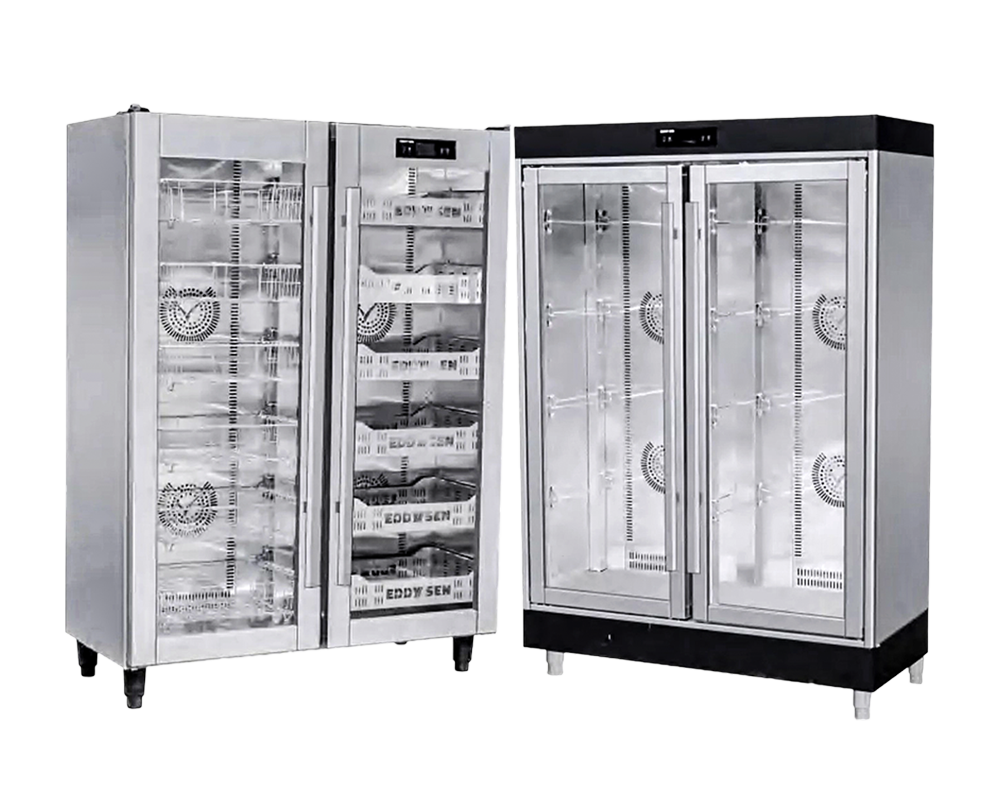 Intelligent Light Wave Stainless Steel UV Disinfection Cabinet
-
 [email protected] / [email protected]
-
 +86-15066977778 / +86-19012777577

-
 Reach-in Refrigerators
-
 Reach-in Freezers
-
 Dual Temperature Refrigerators
-
 Worktop Refrigerators
-
 Worktop Freezers
-
 Salad Bar Refrigerators
-
 Combined Island Display Refrigerators
-
 Air Curtain Refrigerators
-
 Fresh Cabinets
-
 Display Refrigerators(Glass Door)
-
 Electric Rice Steamer Cabinets
-
 Gas Rice Steamer Cabinets
-
 Vertical Banquet Cabinets
-
 Horizontal Banquet Cabinets
-
 Heated Disinfection Cabinets
Home / News / Industry information / Banquet Carts and Heated Banquet Cabinets: Practical Usage Guide
Banquet Carts and Heated Banquet Cabinets: Practical Usage Guide
Content
- 1 How banquet carts and heated banquet cabinets fit into banquet service
- 2 Pre-service setup: power, preheat, humidity, and airflow
- 3 Loading plated meals and trays without losing heat
- 4 Moving safely: corridors, elevators, ramps, and service line handoff
- 5 Food safety controls built for real banquet conditions
- 6 Cleaning and maintenance that keep holding performance consistent
- 7 Choosing specs that match your workload
How banquet carts and heated banquet cabinets fit into banquet service
“Banquet carts” typically move plated meals, trays, and serviceware through the kitchen-to-ballroom workflow, while “heated banquet cabinets” (and heated banquet carts) are designed to hold food hot for a controlled period before service. Used correctly, they reduce late pickups, protect plate presentation, and tighten your service window.
A practical rule: use a non-heated banquet cart for transport efficiency (staging, plate movement, bussing), and use heated banquet cabinets for temperature control (hot holding and timed release to the service line).
- Banquet cart (non-heated): fast plate movement, staging in tight corridors, clearing and reset.
- Heated banquet cabinet/cart: controlled hot holding to protect food safety and service timing.
- Best results come from pairing them: carts move volume; cabinets stabilize temperature until the final push.
Pre-service setup: power, preheat, humidity, and airflow
Start with a quick equipment readiness check
- Verify cord integrity, plug fit, and that the outlet matches the unit’s voltage/amp needs.
- Confirm doors seal cleanly (gaskets intact) and latches close without forcing.
- Check casters roll freely and brakes hold on slight slopes (ramps, thresholds, elevator lips).
Preheat with intent, not habit
Preheat time depends on insulation, load, and ambient temperature. In practice, many operations target a cabinet air setpoint in the 160–180°F range to reduce recovery time during loading, while ensuring the product itself stays at safe holding temperatures.
Operational tip: treat preheating as a scheduled step on your banquet timeline (e.g., “preheat starts at T-60”). If your unit supports humidity, begin modestly—too much humidity can soften breading and degrade crisp garnishes; too little can dry proteins.
Protect airflow to protect temperature uniformity
- Do not block rear air tunnels or fan intakes with trays, foil, or pan lids.
- Avoid “wall-to-wall” loading; leave small gaps for convection to reduce hot/cold spots.
- Plan load order so the first trays needed are closest to the doors to minimize open time.
Loading plated meals and trays without losing heat
Use “two-temperature thinking”: product temperature matters most
Cabinet air temperature is not the same as food temperature. Your control point should be the internal temperature of representative items (thickest protein, densest starch). A common safety benchmark for hot holding is keeping hot food above 135°F (57°C); cold holding is typically at or below 41°F (5°C).
A practical loading sequence for plated banquets
- Preheat the unit and stage plate covers, tray slides, and thermometers at the loading point.
- Load in batches (e.g., 20–40 plates at a time) to keep doors open for the shortest possible interval.
- Close doors between batches; allow recovery for 1–3 minutes if you observe rapid temp drop.
- Log a representative product temperature after the first batch and again at mid-load.
- After loading, wait briefly for temperature equalization before rolling to staging or service.
Example: reducing door-open losses during a 200-plate push
If you load 200 plates continuously with doors open, you create a “heat leak” that the system may not recover from quickly. Splitting into five batches of 40 plates and closing doors between batches typically yields more stable holding and less overcooking/drying on edge plates.
Moving safely: corridors, elevators, ramps, and service line handoff
Route planning is a temperature-control strategy
The fastest route is not always the best route. Avoid tight turns that cause plates to shift, and avoid stops that lengthen holding time. Identify “pinch points” (elevator waits, door thresholds, guest cross-traffic) and build them into your timing.
Cart handling practices that prevent spills and injuries
- Push (do not pull) when possible to protect posture and improve visibility around corners.
- Use two-person handling for ramps: one pushing, one guiding and controlling speed.
- Brake during loading/unloading and when stopped on any incline, even slight ones.
- Avoid stacking beyond the cart’s rated capacity; stability failures are usually overload failures.
Handoff to the service line
Designate a single “cabinet captain” at the line: one person controls door openings, release timing, and temperature checks. This reduces repeated door openings by multiple staff and improves plate consistency across the room.
Food safety controls built for real banquet conditions
Heated banquet cabinets support safe service, but they do not replace proper cooking, reheating, and time/temperature control. Build your controls around measurable checkpoints and quick corrective actions.
| Process step | Target | How to verify | If it fails |
|---|---|---|---|
| Preheat complete | Stable cabinet air temp before loading | Built-in thermometer plus recovery test after door open | Extend preheat; check door seal; reduce load density |
| Hot holding | Food above 135°F (57°C) | Probe representative plates/trays at start and mid-hold | Reheat per policy; shorten hold; adjust release timing |
| Door discipline | Minimize open time and frequency | Assign one operator; track batch loading | Re-train; re-stage product; load in smaller batches |
| Allergen control | No cross-contact | Separate shelves/labels; dedicated utensils and covers | Remake affected plates; sanitize contact surfaces |
Key operational takeaway: log product temperature, not just cabinet air temperature. Cabinets stabilize conditions, but only product temps confirm control.
Cleaning and maintenance that keep holding performance consistent
Daily close-down routine
- Unplug, cool down, and wipe interior/exterior with a food-safe cleaner; avoid soaking controls.
- Remove crumbs/grease from door tracks and gaskets; residue prevents a tight seal.
- Clean trays, slides, and racks separately; fully dry before reinstalling.
Weekly and monthly checks that prevent “mystery temp drift”
- Inspect gaskets for cracks and flattening; replace if the door no longer seals evenly.
- Check caster hardware and brakes; lubricate if your caster design supports it.
- Validate cabinet thermometer accuracy with a known-good reference to reduce false confidence.
Choosing specs that match your workload
Buying decisions should be anchored to your actual service profile: plated vs. bulk, distance to ballroom, elevator use, and how long you truly need to hold. Focus on capacity, recovery, mobility, and cleanability.
Selection checklist for banquet carts and heated banquet cabinets
- Capacity: plates (e.g., 120–180+) or tray slides sized to your pan standard.
- Heating system and recovery: faster recovery supports batch loading without temperature sag.
- Humidity control: helpful for carving meats and covered plates; less helpful for crisp items.
- Mobility: caster size, brakes, bumpers, and turning radius for your hallways and elevators.
- Weight rating: match the cart/cabinet capacity to your heaviest realistic load.
- Serviceability: removable heaters, accessible panels, and straightforward cleaning surfaces.
| Need | Best fit | Why it matters in service |
|---|---|---|
| Move a large volume of plates quickly | Banquet cart | Optimizes staging and labor flow when timing is tight |
| Hold hot food safely before release | Heated banquet cabinet | Reduces temperature drop and smooths service peaks |
| Long travel from kitchen to ballroom | Heated unit + route discipline | Minimizes risk from delays at elevators and doors |
| Crisp items and delicate garnishes | Banquet cart (short hold) or low-humidity heated hold | Avoids steam-softening and protects plating quality |
If you align equipment choice with your real service constraints—distance, hold time, and plate type—you will typically see fewer remakes, smoother course releases, and more consistent guest experience.

-
 Add.
Add.
Sales Center:Room 410, Floor T3-4, Zhonghai Development Building, No. 888, Kejiguan Street, Binjiang District, Hangzhou, Zhejiang,China
Factory Address:100 Meters South Of Zhongmao Village, Xingfu Town, Boxing County, Binzhou City, Shandong Province, P.R.China
Sales Center:Room 410, Building 15, Tianan Headquarters Center, 555 North Panyu Avenue, Donghuan Street, Panyu District, Guangzhou City, china
-
 Tel.
+86-15066977778+86-19012777577
Tel.
+86-15066977778+86-19012777577 -
 Email.
Quick Links
Product Fast Links
Mobile Terminal
Copyright @Hangzhou Eddysen Catering Equipment Co., Ltd.All rights reserved. Commercial Freezer Manufacturer