 English
 中文简体
中文简体 Español
 عربى
عربى
-
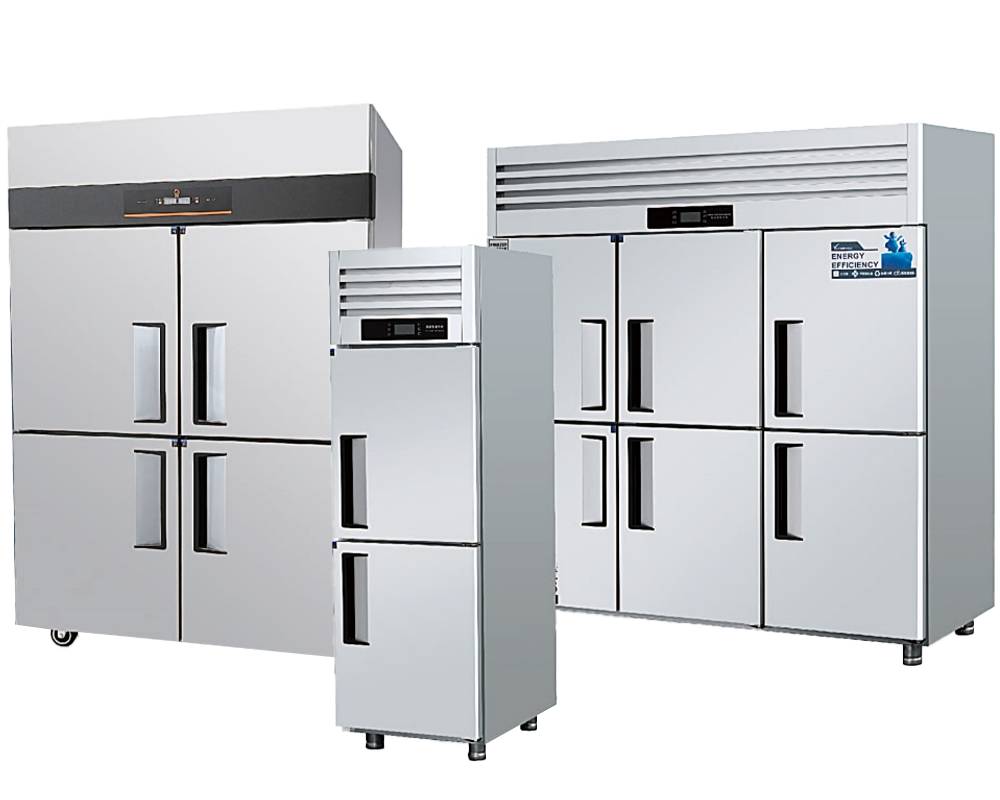 Commercial Vertical Direct-cool Stainless Steel Reach-in Refrigerator
-
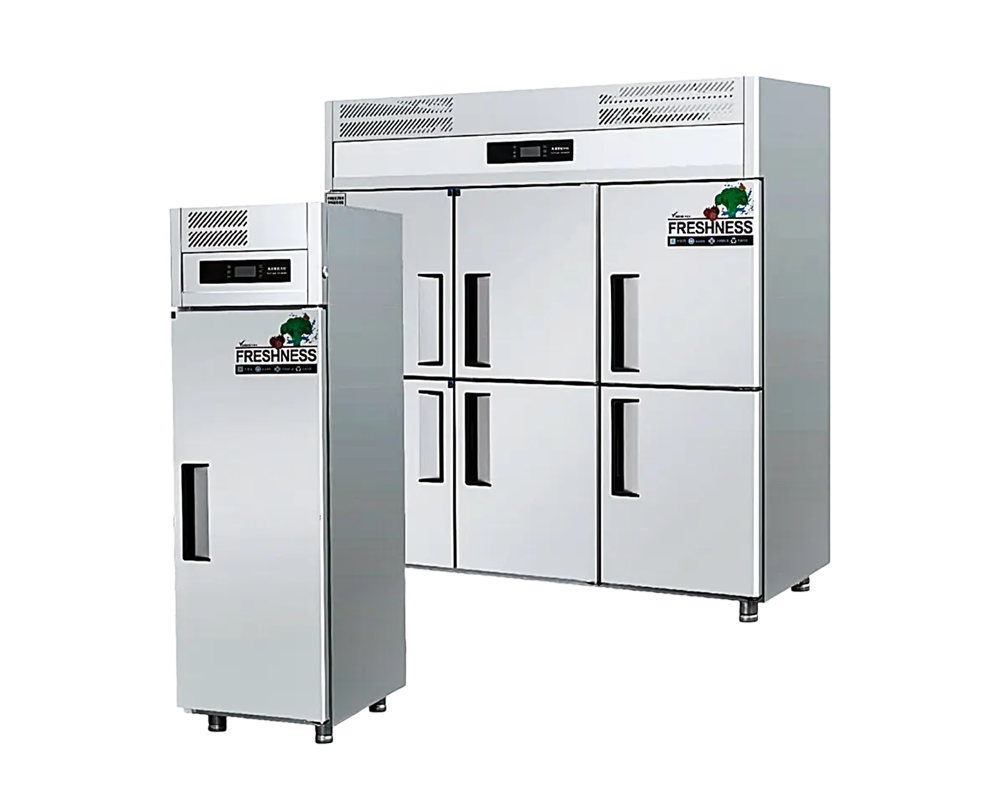 Commercial 201SUS Upright Air Cooling Reach-in Refrigerators
-
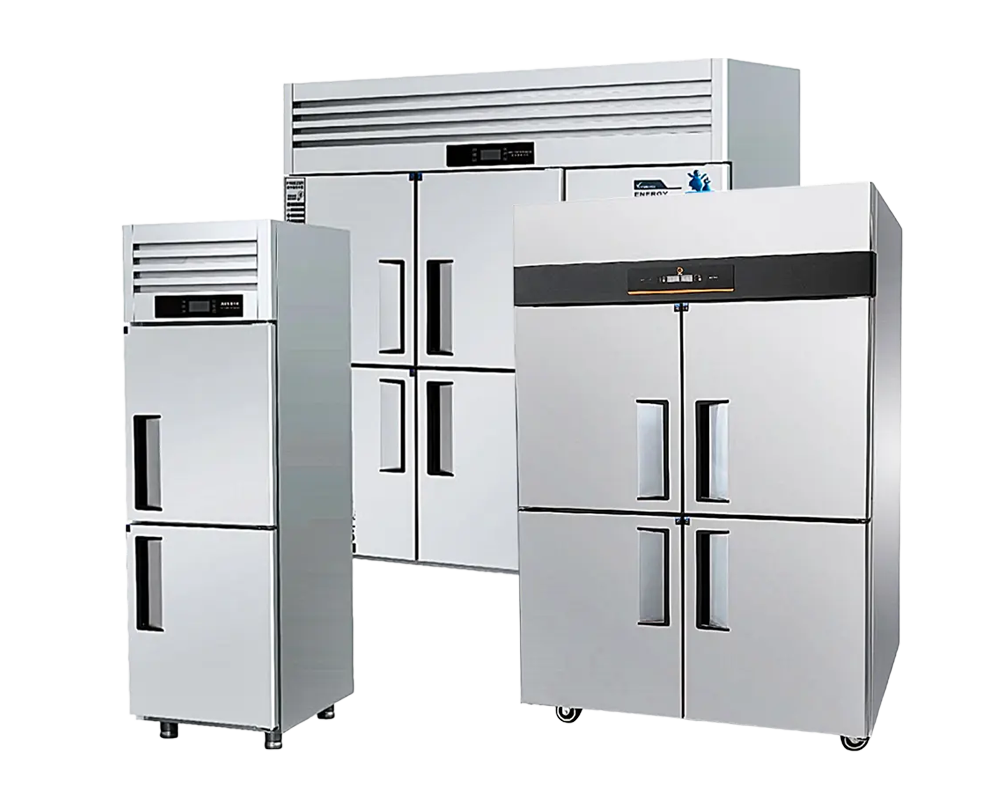 Commercial Direct-Cool Upright Reach-in Freezers
-
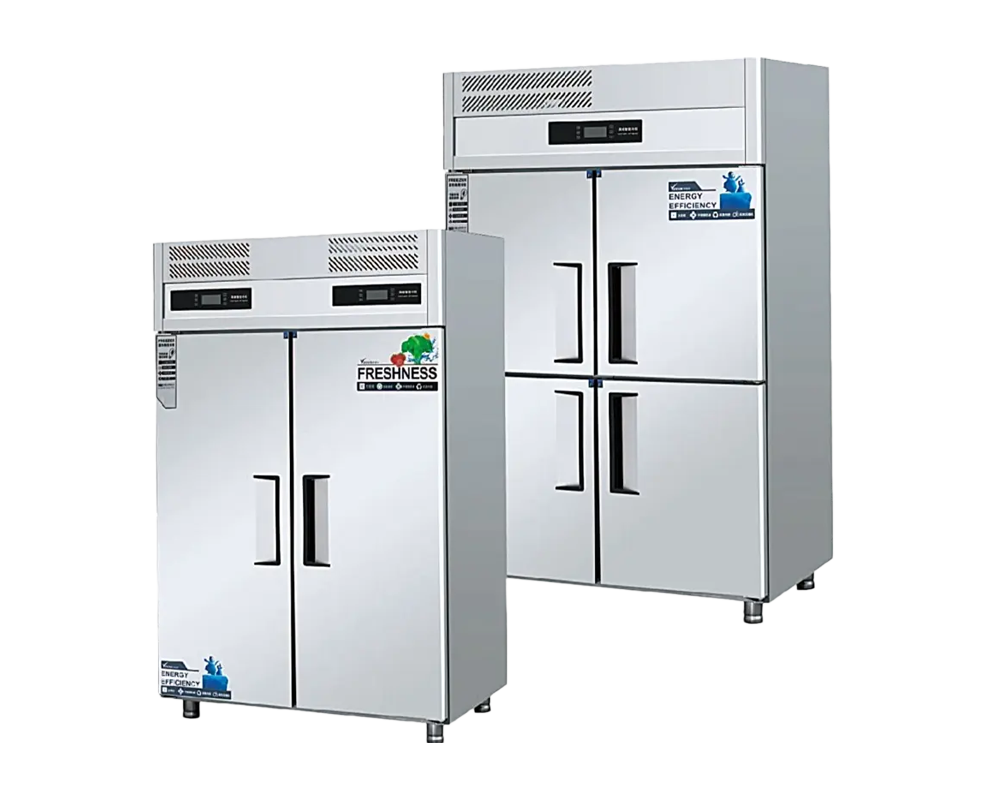 Commercial Stainless Steel Air Cooled Reach-in Vertical Freezers
-
 Dual Temperature Control Direct Cooling Commercial Upright Reach-in Refrigerators
-
 Commercial Vertical Air Cooled Intelligent Reach-in Freezer and Refrigerator
-
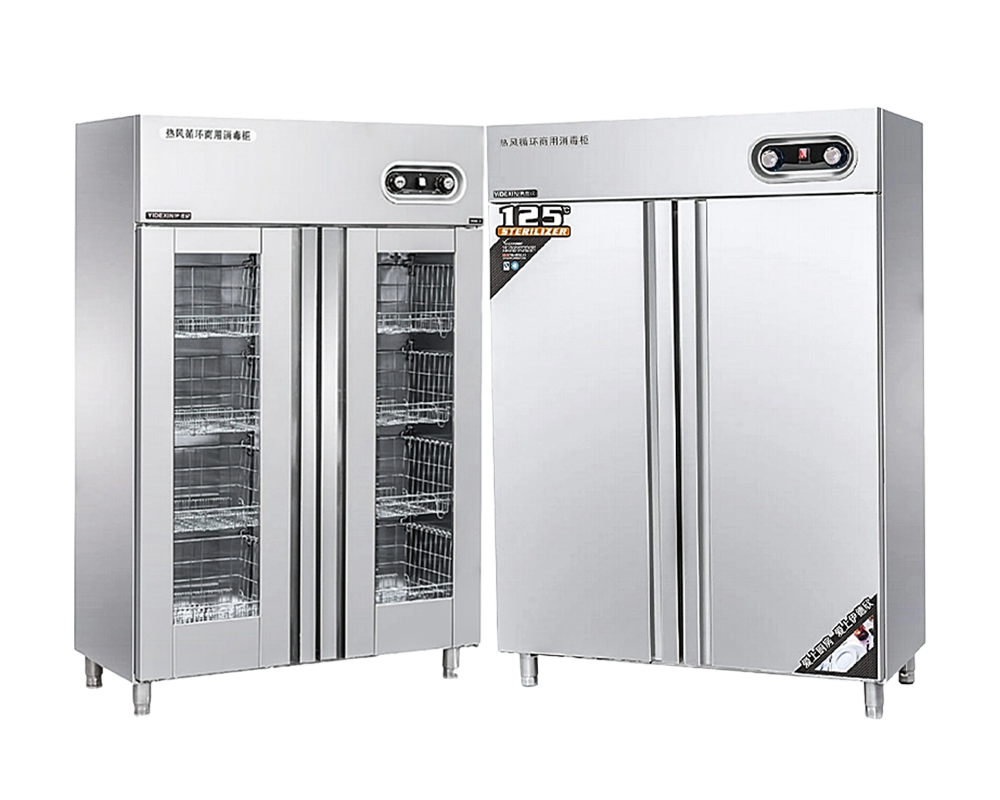 Stainless Steel/Glass Flat Door Sterilization Cabinet
-
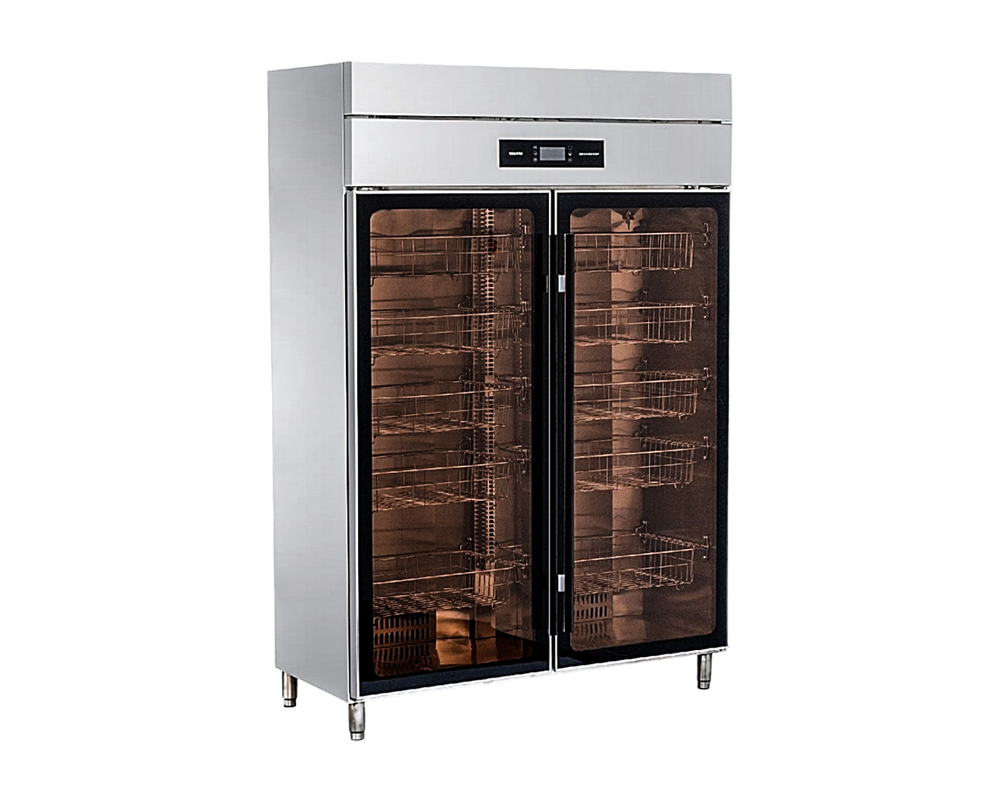 Multifunctional Three-mode High Temperature Glass Door Disinfection Cabinet
-
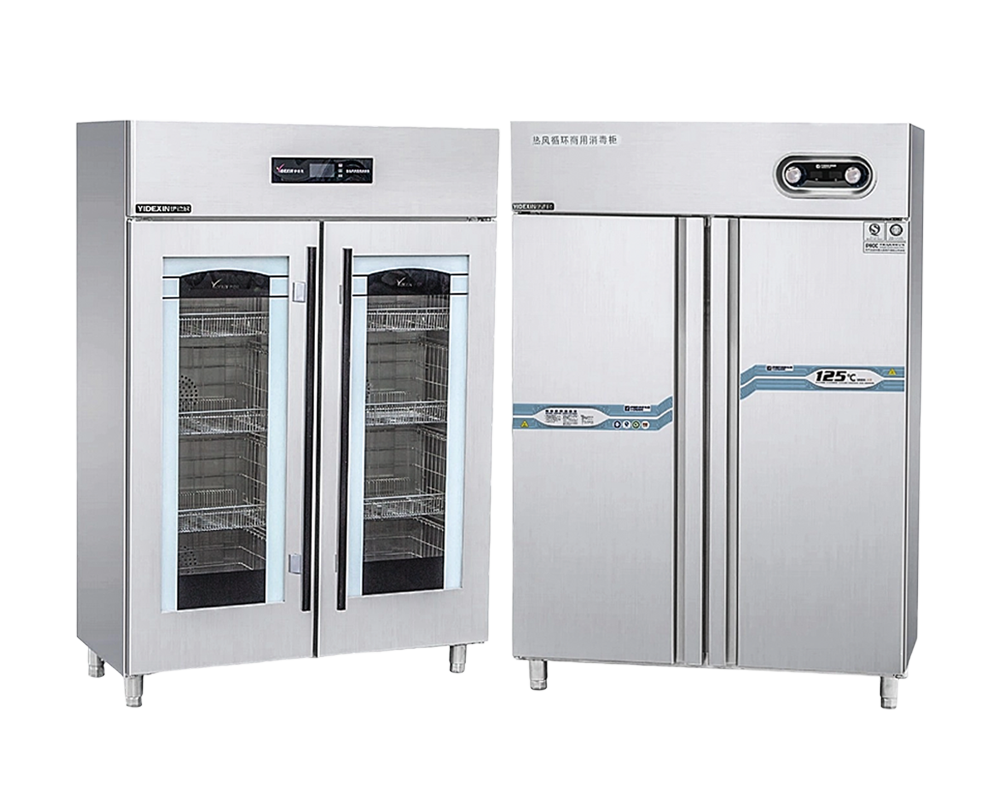 Commercial Restaurant Anti-Fingerprint Stainless Steel Disinfection Cabinet
-
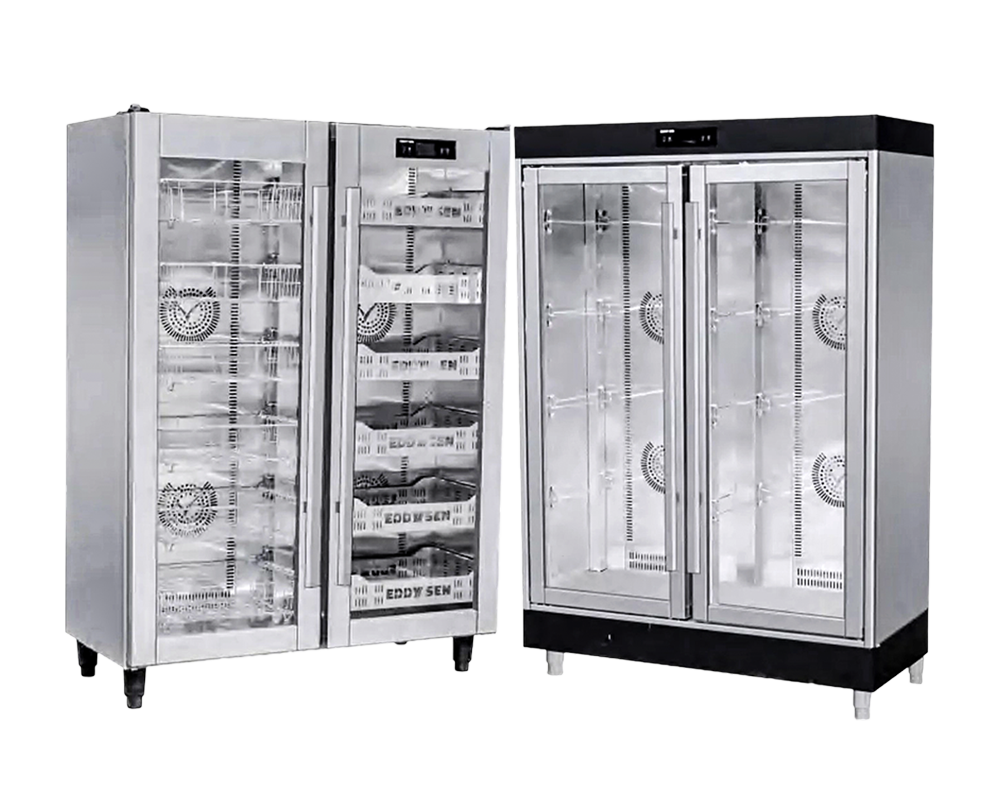 Intelligent Light Wave Stainless Steel UV Disinfection Cabinet
-
 [email protected] / [email protected]
-
 +86-15066977778 / +86-19012777577

-
 Reach-in Refrigerators
-
 Reach-in Freezers
-
 Dual Temperature Refrigerators
-
 Worktop Refrigerators
-
 Worktop Freezers
-
 Salad Bar Refrigerators
-
 Combined Island Display Refrigerators
-
 Air Curtain Refrigerators
-
 Fresh Cabinets
-
 Display Refrigerators(Glass Door)
-
 Electric Rice Steamer Cabinets
-
 Gas Rice Steamer Cabinets
-
 Vertical Banquet Cabinets
-
 Horizontal Banquet Cabinets
-
 Heated Disinfection Cabinets
Home / News / Industry information / Glass Door vs Solid Door Refrigerator: A Complete Guide to Differences
Glass Door vs Solid Door Refrigerator: A Complete Guide to Differences
Content
- 1 What is a Glass Door Refrigerator?
- 2 What is a Solid Door Refrigerator?
- 3 1. Visibility and Display: Which is Better for Customer Engagement?
- 4 2. Energy Efficiency: Which One Saves More on Utilities?
- 5 3. Durability and Maintenance: Which Is More Reliable?
- 6 4. Space Utilization: Which Refrigerator Fits Your Layout?
- 7 5. Cost Comparison: What’s the Price Difference?
- 8 Summary: Differences between Glass Door Refrigerators and Solid Door Refrigerators
- 9 Eddysen Provides You with Superior Commercial Refrigeration Solutions
- 10 In Conclusion
When choosing a commercial refrigerator, should you opt for glass door refrigerators or solid door refrigerators? Both have their unique advantages, but the right choice for your business will depend on several factors, including energy efficiency, display needs, and cost. Let’s take a closer look at the key differences to help you make an informed decision.
Now, let’s explore the key differences and how each type of refrigerator fits different needs in your commercial kitchen. This guide will explore the difference in energy for glass vs solid door refrigerator models, along with the pros and cons of glass door vs solid door refrigerator to ensure you choose the best option for your business.
What is a Glass Door Refrigerator?
A glass door refrigerator features transparent doors, often made of tempered glass, allowing for clear visibility of the items inside. This design is ideal for environments where displaying products is key, such as grocery stores, convenience stores, and restaurants. The ability to see the contents without opening the door helps increase customer engagement and can drive sales.
Advantages of Glass Door Refrigerators:
Glass door refrigerators offer several distinct benefits, particularly for businesses where product visibility and customer engagement are key priorities.
-
Better Insulation: The solid door offers thicker insulation, keeping temperatures stable and energy costs low.
-
Durability: Solid doors tend to be more durable and resilient to wear and tear.
-
Energy Efficiency: The added insulation helps conserve energy by reducing temperature fluctuations.
What is a Solid Door Refrigerator?
On the other hand, a solid door refrigerator has opaque, usually metal or insulated doors, designed to maintain optimal temperature control. These units are commonly used in back-of-house areas, such as commercial kitchens, food prep stations, and storage rooms. While you can’t see the products inside without opening the door, solid doors offer superior insulation, helping maintain a consistent temperature and reduce energy consumption.
Advantages of Solid Door Refrigerators:
Solid door refrigerators come with several advantages, especially for businesses focused on functionality, durability, and energy savings. Here’s why these refrigerators are often the preferred choice for storing bulk items or ingredients behind the scenes:
-
Better Insulation: The solid door offers thicker insulation, keeping temperatures stable and energy costs low.
-
Durability: Solid doors tend to be more durable and resilient to wear and tear.
-
Energy Efficiency: The added insulation helps conserve energy by reducing temperature fluctuations.
1. Visibility and Display: Which is Better for Customer Engagement?
When it comes to attracting and engaging customers, visibility plays a critical role.
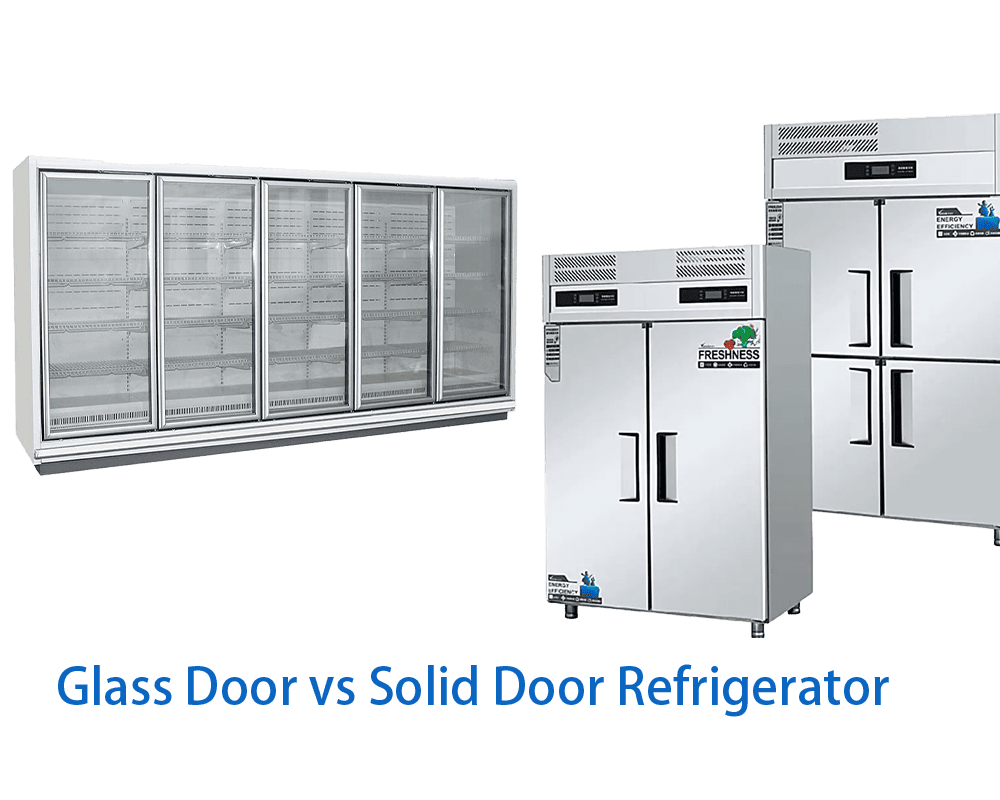
Glass Door Refrigerators
The visibility of the products inside is one of the key features that sets glass door refrigerators apart. By allowing customers to see the products without opening the door, these units create a more engaging shopping experience. This is widely used convenience stores, cafes, and supermarkets where impulse buys are common. The transparent doors increase product appeal and encourage customers to make quick purchasing decisions.
Solid Door Refrigerators
In contrast, solid door refrigerators are typically used in areas where customer interaction is not necessary. These units are designed for storage purposes, often found in kitchens, food prep stations, or storage rooms. Since the contents are not visible, they are perfect for bulk items or ingredients that don’t need to be displayed to customers.
Tip: If your goal is to maximize storage without needing to showcase products, solid door refrigerators are the better choice.
2. Energy Efficiency: Which One Saves More on Utilities?
Solid Door Refrigerators
When it comes to energy consumption, solid door refrigerators have a clear advantage. The thicker insulation in solid door models helps maintain internal temperatures more effectively, reducing the amount of energy required to keep the unit cool. This makes them more energy-efficient, particularly in environments where doors are opened less frequently.
Glass Door Refrigerators
Glass door refrigerators tend to be less energy-efficient. The transparent glass doors allow cold air to escape more easily, which results in higher energy consumption, especially in high-traffic areas where the refrigerator door is frequently opened. Businesses that want to reduce energy costs may find solid door models to be a better long-term investment.
3. Durability and Maintenance: Which Is More Reliable?
When choosing between glass door and solid door refrigerators, durability and ease of maintenance are key factors to consider. Depending on your business environment, one type of refrigerator may prove to be more reliable than the other in terms of withstanding daily wear and tear.
Solid Door Refrigerators
Solid door refrigerators are known for their durability. These units are typically made from strong materials like metal, making them more resistant to damage from impacts or heavy use. Whether it’s a busy kitchen or food storage area, solid door refrigerators can withstand the wear and tear of daily operation without losing functionality. While they may require occasional maintenance on door seals and hinges, they are generally low-maintenance over time.
Glass Door Refrigerators
While glass door refrigerators are easier to clean due to the smooth surface, they are more prone to damage. Cracked or broken glass can be costly to repair or replace, and the transparent doors can show smudges and fingerprints, requiring frequent cleaning. However, glass door models do provide the benefit of visibility, making it easier to spot any maintenance issues such as product spills or temperature fluctuations.
4. Space Utilization: Which Refrigerator Fits Your Layout?
Glass Door Refrigerators
Glass door refrigerators are often larger and designed to be placed in high-traffic, customer-facing areas. These units require more accessible space to showcase products effectively.
Tip: If you want to attract customer attention and drive sales, glass door refrigerators are the way to go.
Solid Door Refrigerators
In contrast, solid door refrigerators tend to be more compact and efficient in terms of space utilization. These refrigerators are typically placed in back-of-house areas, where product visibility isn’t as critical. Solid door units are ideal for kitchens or storage rooms where space is at a premium and the focus is on efficient storage rather than product display.
5. Cost Comparison: What’s the Price Difference?
When considering the glass door vs solid door refrigerator cost, it’s important to note that glass door refrigerators tend to be more expensive.
Glass Door Refrigerators
When considering cost, glass door refrigerators generally come with a higher price tag. The added functionality of transparent doors and the display features contribute to the higher upfront cost. The cost of glass door vs solid door refrigerator price is also affected by the materials used for the doors and the added energy consumption of glass models.
Solid Door Refrigerators
solid door refrigerators are typically more affordable. They are less expensive to purchase initially and cost less to operate because of their energy-efficient design. Tip: For businesses with tight budgets or those needing simple refrigeration, solid door refrigerators offer great value for money.
Summary: Differences between Glass Door Refrigerators and Solid Door Refrigerators
| Feature | Glass Door Refrigerators | Solid Door Refrigerators |
| 1. Visibility and Display | 1.Provides higher visibility for customers to see the products inside. 2.Ideal for convenience stores, cafes, and supermarkets, encouraging impulse buys. 3.Transparent doors enhance product appeal, prompting customers to make quick purchasing decisions. |
1.No visibility of contents, designed primarily for storage purposes. 2.Suitable for areas where customer interaction is minimal, such as kitchens, food prep stations, or storage rooms. |
| 2. Energy Efficiency | 1.Less energy-efficient due to the transparency of the glass. 2.Higher energy consumption as cold air escapes more easily, especially in high-traffic areas where the door is frequently opened. 3.Best suited for environments where door openings are infrequent. |
1.More energy-efficient thanks to thicker insulation. 2.More effective at maintaining internal temperatures and reducing energy consumption, particularly in areas with low traffic. |
| 3. Durability and Maintenance | 1. Easier to clean due to smooth glass surfaces. 2. More prone to damage, such as cracked or broken glass, which can be costly to repair or replace. 3. Transparent doors make it easier to spot maintenance issues, such as spills or temperature fluctuations. |
1. Highly durable, typically made from metal or other robust materials, resistant to damage from impacts or heavy use. 2. Requires less maintenance, generally only occasional checks on door seals and hinges. 3. Less prone to wear and tear, ideal for high-use environments. |
| 4. Space Utilization | 1. Larger units, requiring more space for placement. 2. Best for high-traffic, customer-facing areas to maximize product display. |
1. More compact, making them efficient for back-of-house use. 2. Used for storage rooms or kitchens where space is limited and product visibility isn’t needed. |
| 5. Cost Comparison | 1. Generally higher initial cost due to the transparent doors and display features. 2. Higher operating costs due to higher energy consumption. |
1. More affordable, both in terms of initial purchase price and operating costs. 2. Lower energy consumption makes them a more cost-effective choice over time. |
Eddysen Provides You with Superior Commercial Refrigeration Solutions
At Eddysen, we offer a wide range of high-quality glass door refrigerators and solid door models designed for commercial use. Our products are built with advanced technology, ensuring superior energy efficiency, durability, and performance. Whether you're looking for several refrigerators to showcase products in a customer-facing area or need a reliable storage solution for back-of-house operations, Eddysen provides you with the best commercial refrigeration solutions.
In Conclusion
Choosing between a glass door refrigerator and a solid door refrigerator ultimately depends on your business needs. Glass door refrigerators offer visibility and easy access. On the other hand, solid door refrigerators provide better insulation and energy efficiency, often better suited for back-of-house storage. At Eddysen, we provide top-quality solutions to meet the diverse refrigeration needs of your business.
FAQ
How to Clean and Maintain a Glass Door Fridge?
-
Regular Cleaning: Wipe the glass doors daily using a non-abrasive cleaner to avoid streaks and smudges. A microfiber cloth works well.
-
Interior Cleaning: Remove all products, then clean the interior shelves and walls with a mild detergent and warm water.
-
Check the Door Seals: Inspect seals regularly for wear. Clean them with warm water and a mild soap to ensure they remain airtight.
-
Defrosting: If the fridge doesn’t have automatic defrosting, manually defrost it when ice buildup is noticeable to maintain efficiency.
What Are the Disadvantages of Glass Door Refrigerators?
-
Higher Energy Consumption: Glass doors allow cold air to escape easily, causing the compressor to work harder and consume more energy.
-
Prone to Damage: The glass can crack or break under impact, which can be costly to replace.
-
Requires Frequent Cleaning: Smudges, fingerprints, and streaks are more visible, so glass doors require more frequent cleaning to maintain a neat appearance.
Do Glass Door Fridges Use More Power?
Yes, glass door refrigerators tend to use more power than solid door models. The transparency of the glass allows cold air to escape, which forces the fridge to work harder to maintain the internal temperature, especially in high-traffic areas where the door is often opened.

-
 Add.
Add.
Sales Center:Room 410, Floor T3-4, Zhonghai Development Building, No. 888, Kejiguan Street, Binjiang District, Hangzhou, Zhejiang,China
Factory Address:100 Meters South Of Zhongmao Village, Xingfu Town, Boxing County, Binzhou City, Shandong Province, P.R.China
Sales Center:Room 410, Building 15, Tianan Headquarters Center, 555 North Panyu Avenue, Donghuan Street, Panyu District, Guangzhou City, china
-
 Tel.
+86-15066977778+86-19012777577
Tel.
+86-15066977778+86-19012777577 -
 Email.
Quick Links
Product Fast Links
Mobile Terminal
Copyright @Hangzhou Eddysen Catering Equipment Co., Ltd.All rights reserved. Commercial Freezer Manufacturer