 English
 中文简体
中文简体 Español
 عربى
عربى
-
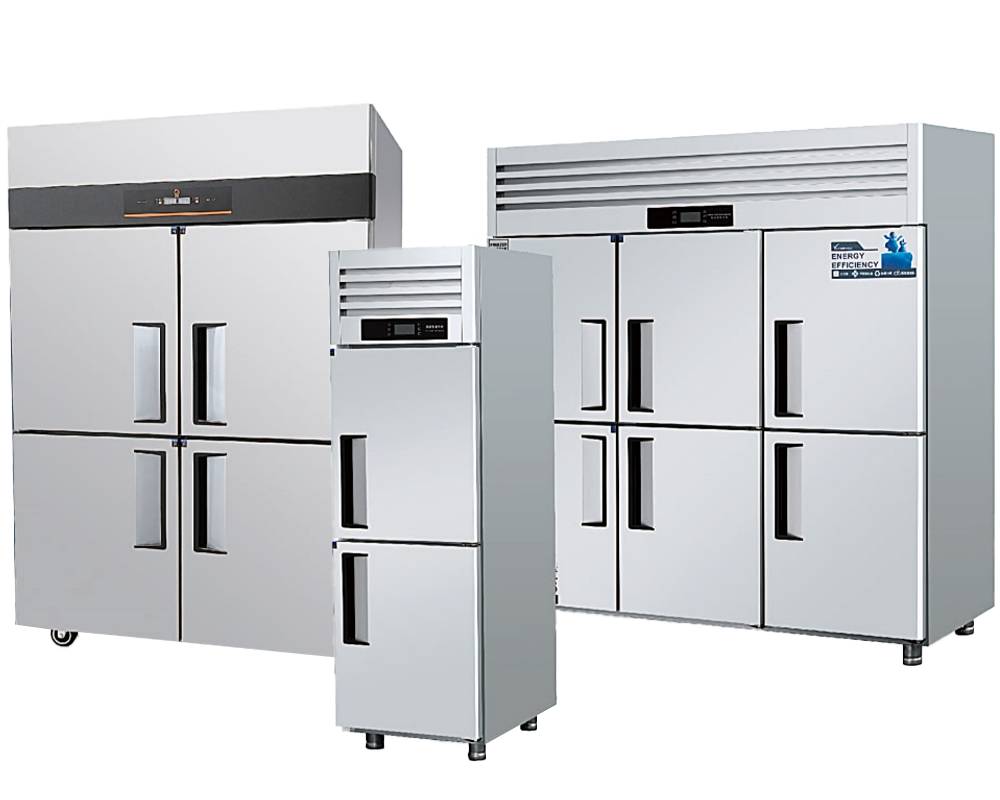 Commercial Vertical Direct-cool Stainless Steel Reach-in Refrigerator
-
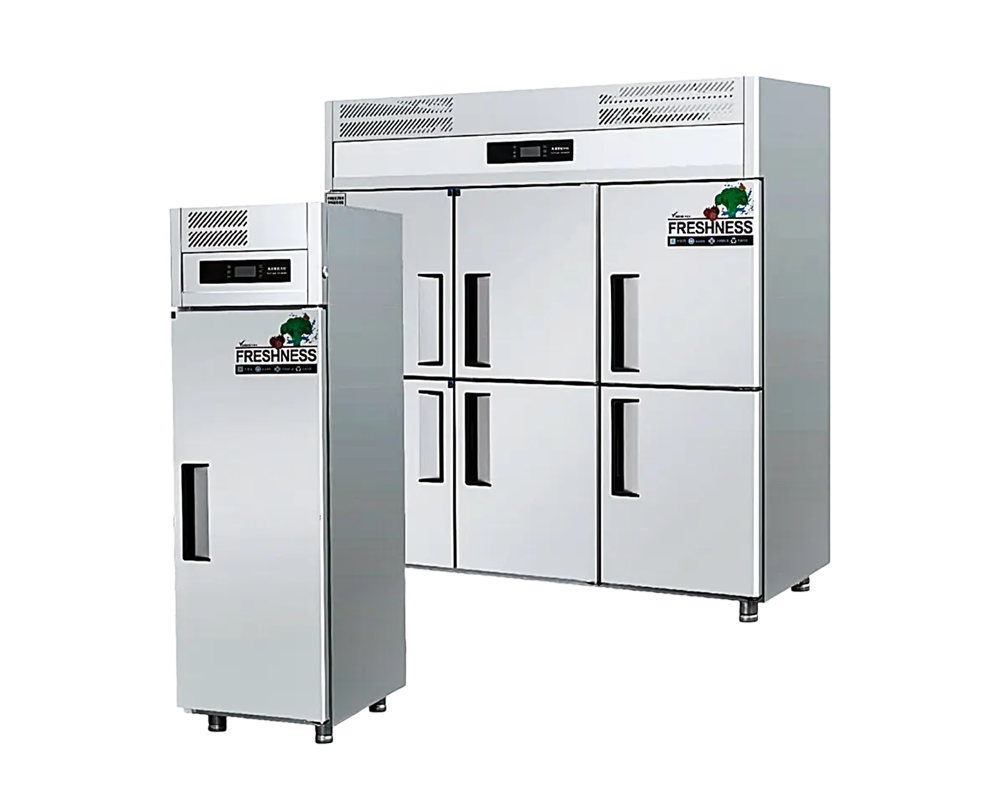 Commercial 201SUS Upright Air Cooling Reach-in Refrigerators
-
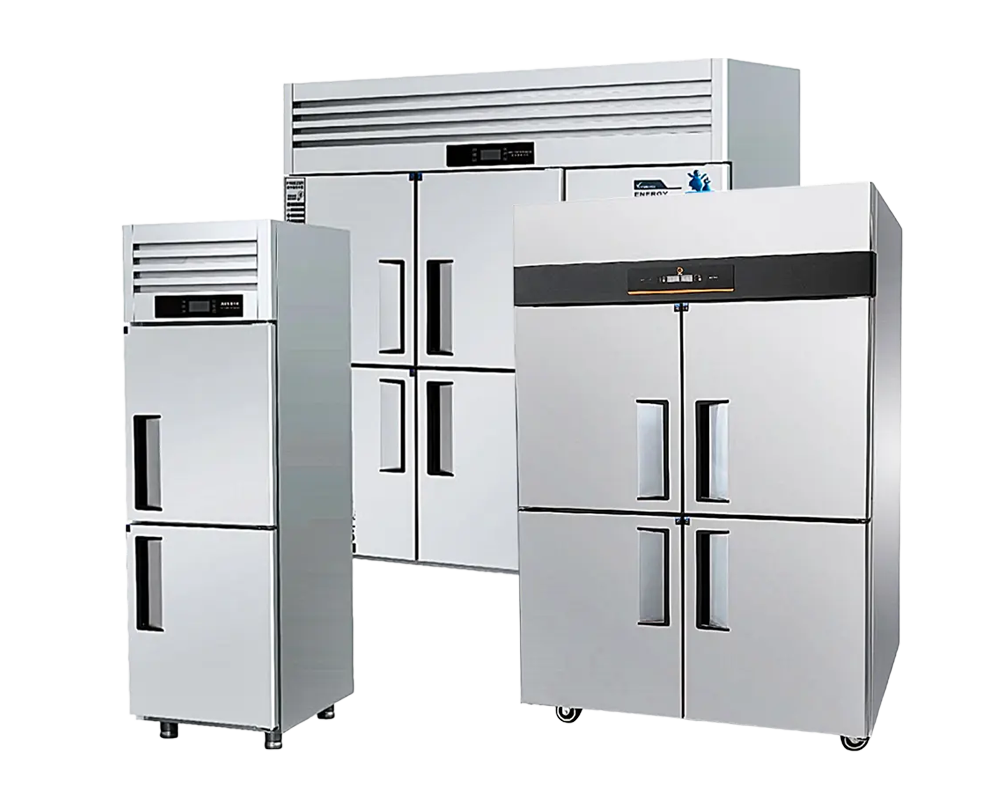 Commercial Direct-Cool Upright Reach-in Freezers
-
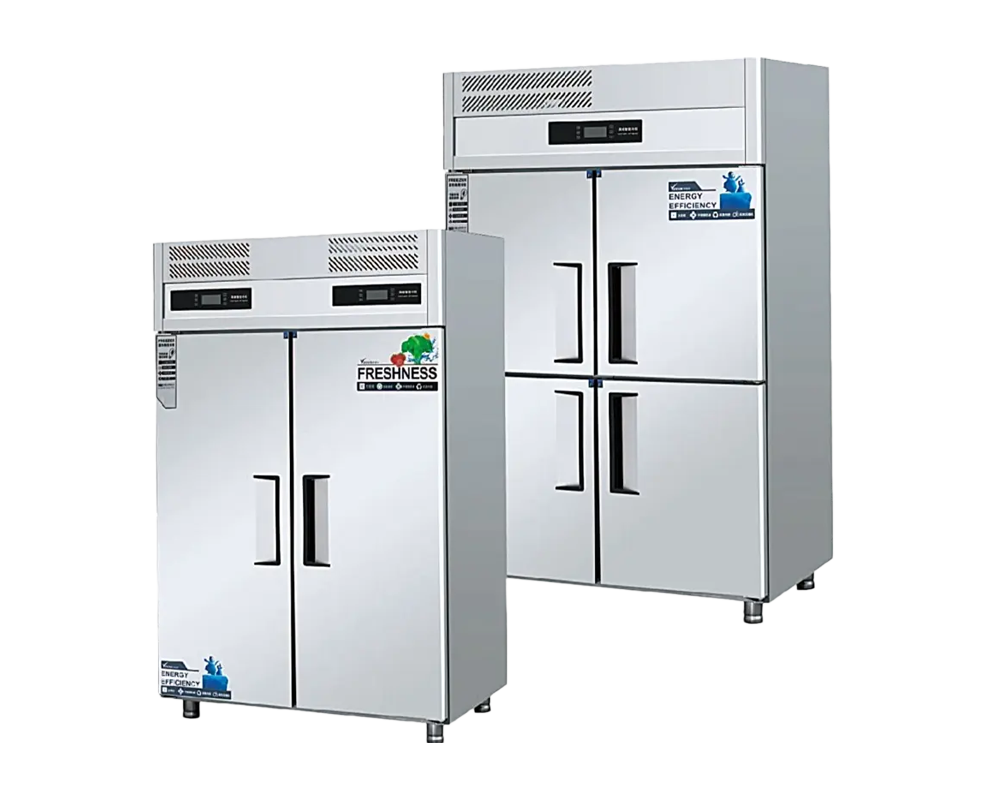 Commercial Stainless Steel Air Cooled Reach-in Vertical Freezers
-
 Dual Temperature Control Direct Cooling Commercial Upright Reach-in Refrigerators
-
 Commercial Vertical Air Cooled Intelligent Reach-in Freezer and Refrigerator
-
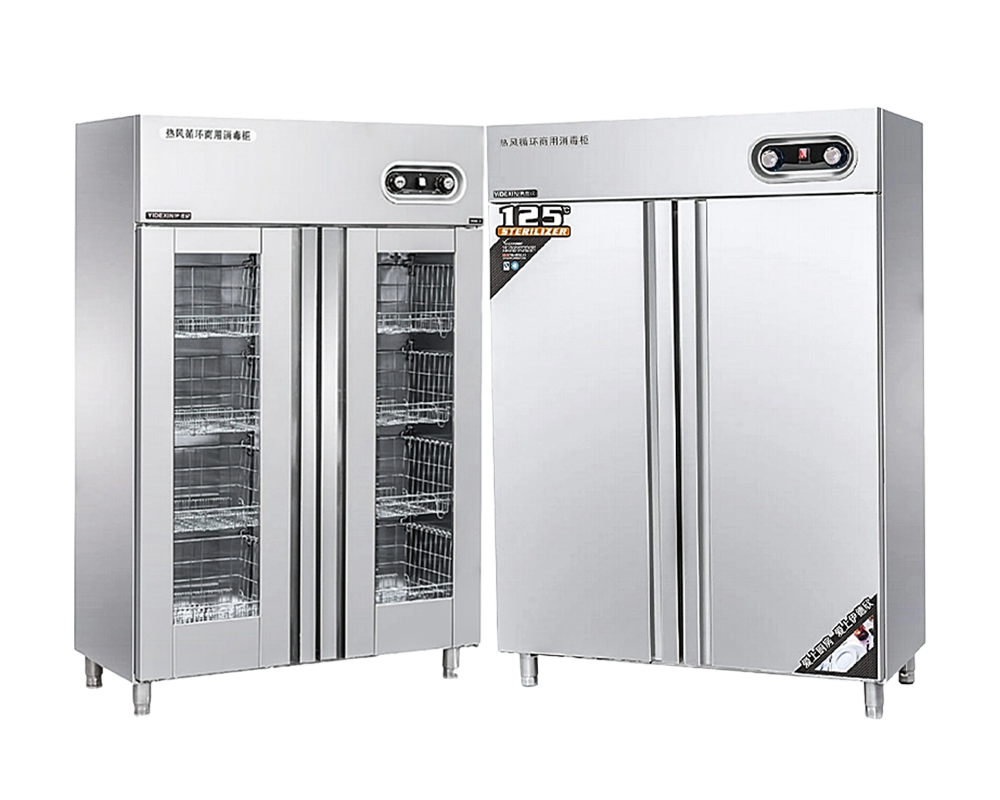 Stainless Steel/Glass Flat Door Sterilization Cabinet
-
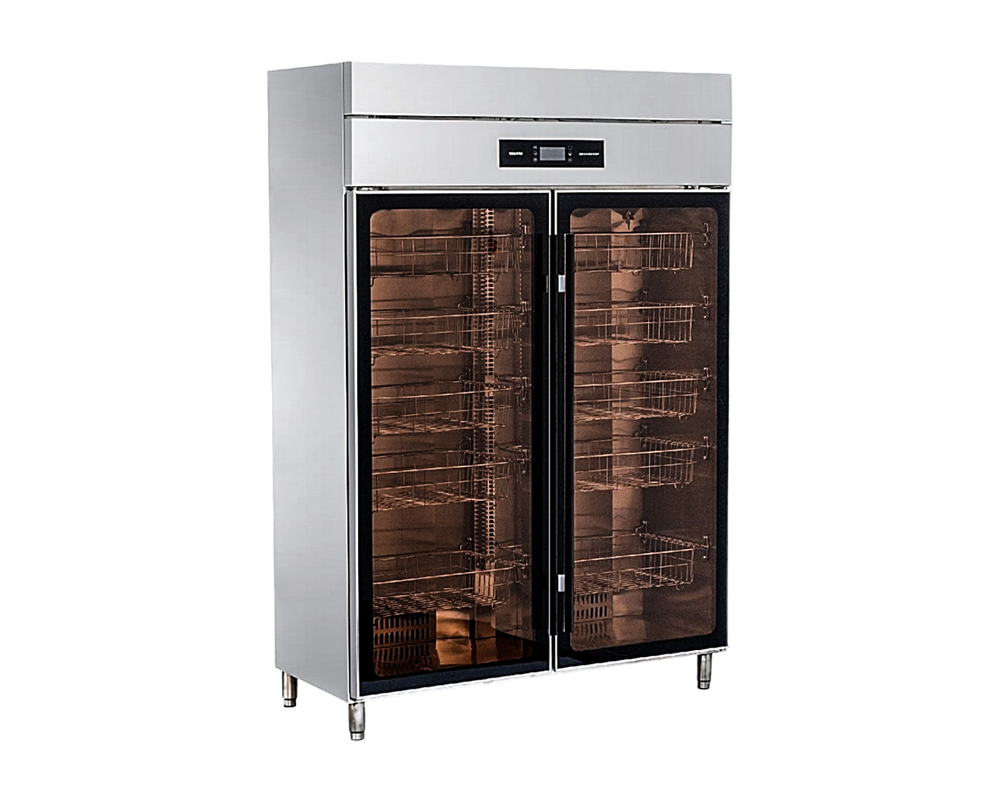 Multifunctional Three-mode High Temperature Glass Door Disinfection Cabinet
-
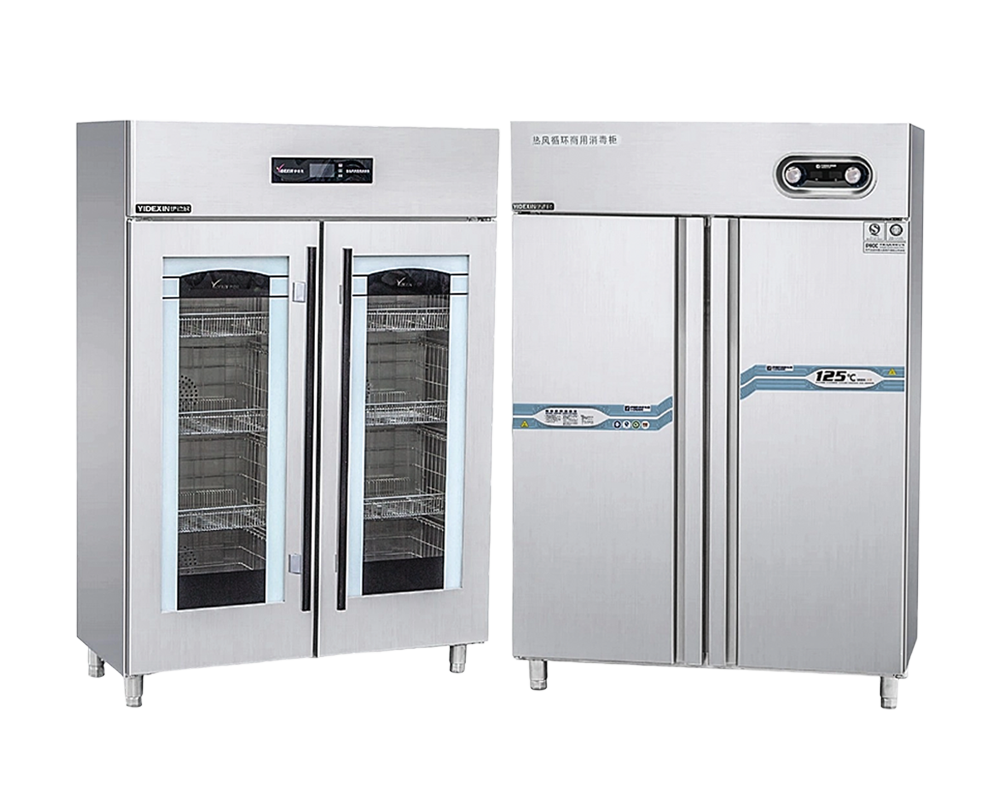 Commercial Restaurant Anti-Fingerprint Stainless Steel Disinfection Cabinet
-
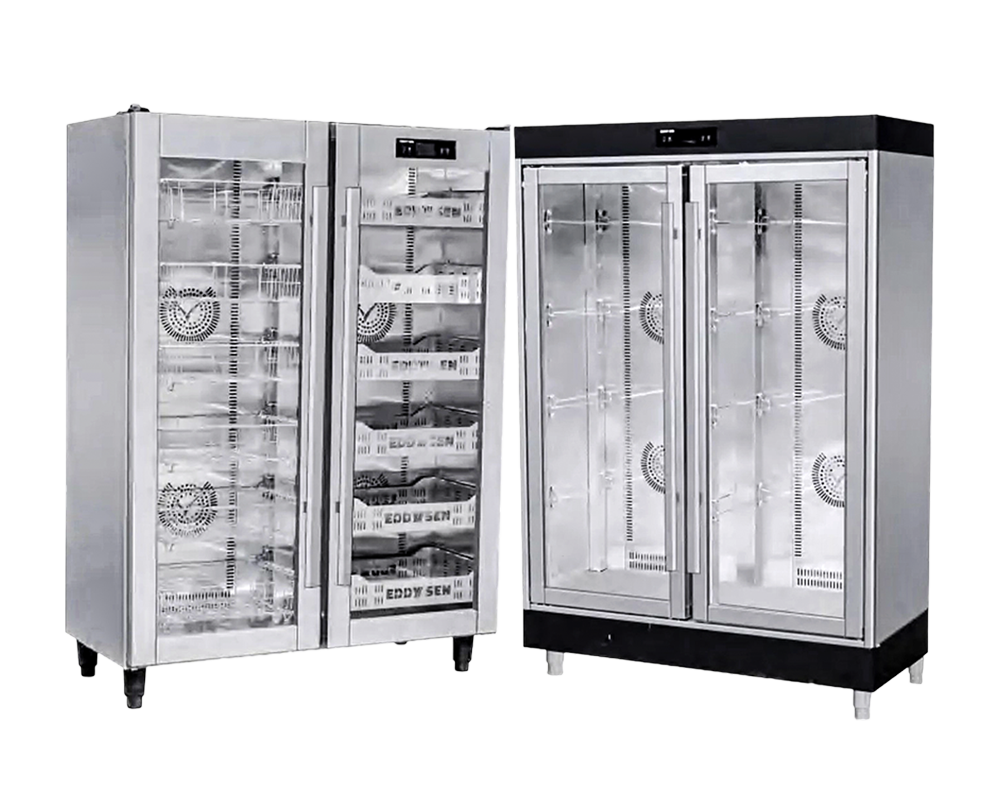 Intelligent Light Wave Stainless Steel UV Disinfection Cabinet
-
 [email protected] / [email protected]
-
 +86-15066977778 / +86-19012777577

-
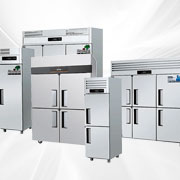 Reach-in Refrigerators
-
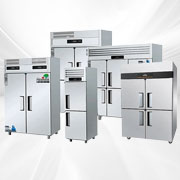 Reach-in Freezers
-
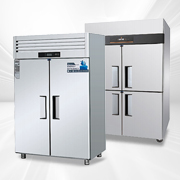 Dual Temperature Refrigerators
-
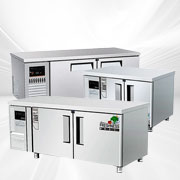 Worktop Refrigerators
-
 Worktop Freezers
-
 Salad Bar Refrigerators
-
 Combined Island Display Refrigerators
-
 Air Curtain Refrigerators
-
 Fresh Cabinets
-
 Display Refrigerators(Glass Door)
-
 Electric Rice Steamer Cabinets
-
 Gas Rice Steamer Cabinets
-
 Vertical Banquet Cabinets
-
 Horizontal Banquet Cabinets
-
 Heated Disinfection Cabinets
Home / News / Industry information / Mastering Commercial Rice Steaming: Key Consistency & Safety Tactics
Mastering Commercial Rice Steaming: Key Consistency & Safety Tactics
Content
Selecting the Right Rice Variety for Your Menu
The foundation of perfect steamed rice lies in selecting the grain that complements your specific cuisine. In a commercial setting, using a generic "white rice" can lead to textural mismatches that degrade the dining experience. Understanding the starch content—specifically the ratio of amylose to amylopectin—is critical. Long-grain varieties like Basmati or Jasmine are lower in amylopectin, resulting in firm, distinct grains ideal for stir-fries and curries. conversely, short-grain varieties are high in amylopectin, creating the sticky, clumping texture necessary for sushi or Korean side dishes.
When sourcing for a restaurant, consider the "crop year" of the rice. "New crop" rice (harvested within the last year) has a higher moisture content and requires less water during steaming, often resulting in a softer, more aromatic product. "Old crop" rice is harder and expands more, which can be more cost-effective for high-volume service like fried rice, but it requires more water and a longer steaming time to become tender.
The Science of Rinsing and Soaking
In a high-volume kitchen, skipping the rinse step is a common error that leads to gummy, unappealing rice. Rinsing is not just about hygiene; it is a mechanical process to remove excess surface starch produced during the milling process. If left on the grain, this starch gelatinizes immediately upon contact with hot steam, acting as a glue that fuses grains together and blocks heat from penetrating the kernel's center. For most styles, water should run clear before cooking begins.
Soaking is equally vital for commercial consistency, particularly when using large commercial steamers. Soaking the grains allows moisture to penetrate the outer hull before heat is applied. This "tempering" ensures that when the steam hits, the grain cooks evenly from the inside out, preventing the common issue of rice that is mushy on the outside but crunchy in the center. For glutinous or brown rice, a soak time of at least 4 hours is recommended, while 30 minutes is often sufficient for fragrant white rice.
Calibrating Water-to-Rice Ratios for Commercial Steamers
Cooking rice in a commercial steamer or combi-oven requires different hydration ratios than stovetop boiling or consumer rice cookers. In a sealed commercial steamer, there is very little evaporation compared to a boiling pot. Consequently, using a standard "2:1" water-to-rice ratio will almost always result in a soggy product. Commercial kitchens must dial in precise ratios based on weight, not volume, to ensure scalability.
| Rice Type | Standard Ratio (Water : Rice) | Commercial Steamer Ratio |
| Jasmine / Long Grain | 1.5 : 1 | 1 : 1 to 1.1 : 1 |
| Basmati (Soaked) | 1.75 : 1 | 1.25 : 1 |
| Short Grain / Sushi | 1.2 : 1 | 1 : 1 |
| Brown Rice | 2 : 1 | 1.5 : 1 |
Note that these ratios assume the rice has been drained thoroughly after rinsing. Any residual water left in the colander contributes to the total liquid volume and must be accounted for to maintain consistency across batches.
Operational Best Practices for Steaming
Load Distribution and Pan Depth
Overloading hotel pans is a frequent cause of uneven cooking. When rice is packed too deeply—exceeding 2 to 3 inches in a standard hotel pan—the weight of the upper layers compresses the bottom grains. This prevents steam circulation and results in a dense, cake-like bottom layer. It is more efficient to use more pans with shallower layers of rice than to overfill a single pan. This ensures every grain has room to expand and receive equal heat exposure.
Steam Generator Maintenance
The quality of the steam itself matters. Commercial steamers can develop scale buildup from hard water, which insulates heating elements and reduces steam generation efficiency. If a steamer struggles to reach temperature quickly, the rice sits in lukewarm water, releasing starch without cooking. This leads to a gummy texture. Regular descaling and ensuring your equipment reaches 212°F (100°C) rapidly is crucial for high-quality output.
Post-Cooking: Fluffing and Temperature Safety
The cooking process does not end when the timer goes off. Proper post-steaming handling is essential for texture and safety.
- The Resting Period: Never serve rice immediately out of the steamer. Allow it to rest in the pan, covered, for 10–15 minutes. This allows moisture on the surface of the grains to redistribute into the core, firming up the exterior structure.
- Fluffing Technique: Use a wide paddle (shamoji) to cut through the rice rather than stirring it. Stirring hot rice mashes the grains and releases starch. Turn the rice over from the bottom of the pan to release trapped steam, which prevents the bottom layer from becoming soggy during holding.
- Food Safety Holding: Rice is susceptible to Bacillus cereus, a bacteria that can survive cooking. Cooked rice must be held at or above 140°F (60°C) at all times. If cooling rice for fried rice the next day, it must be cooled rapidly—spread thin on baking sheets and blast chilled—to pass through the "danger zone" (135°F to 41°F) within strict time limits (usually under 4 hours total, with the first drop to 70°F happening in under 2 hours).
Troubleshooting Common Commercial Rice Issues
Even with standard operating procedures, variables can change. Here is how to diagnose common failures:
- Rice is too hard/dry: This usually indicates insufficient water or a steamer door gasket leak allowing steam to escape. Check the door seal first. If the seal is good, increase the water ratio by 10% for the next batch.
- Rice is wet or mushy: This suggests too much water or not enough rinsing. Ensure the rice is drained completely dry before adding measured water. If using a combination oven, ensure the fan speed is low to prevent blowing water around the pan.
- Yellowing or off-odors: This often happens in rice warmers held for too long. Commercial rice warmers can dehydrate rice over time. Limit holding time to 4–6 hours and consider adding a small amount of water or using a wet cloth liner (if health codes permit) to maintain humidity without saturation.

-
 Add.
Add.
Sales Center:Room 410, Floor T3-4, Zhonghai Development Building, No. 888, Kejiguan Street, Binjiang District, Hangzhou, Zhejiang,China
Factory Address:100 Meters South Of Zhongmao Village, Xingfu Town, Boxing County, Binzhou City, Shandong Province, P.R.China
Sales Center:Room 410, Building 15, Tianan Headquarters Center, 555 North Panyu Avenue, Donghuan Street, Panyu District, Guangzhou City, china
-
 Tel.
+86-15066977778+86-19012777577
Tel.
+86-15066977778+86-19012777577 -
 Email.
Quick Links
Product Fast Links
Mobile Terminal
Copyright @Hangzhou Eddysen Catering Equipment Co., Ltd.All rights reserved. Commercial Freezer Manufacturer