 English
 中文简体
中文简体 Español
 عربى
عربى
-
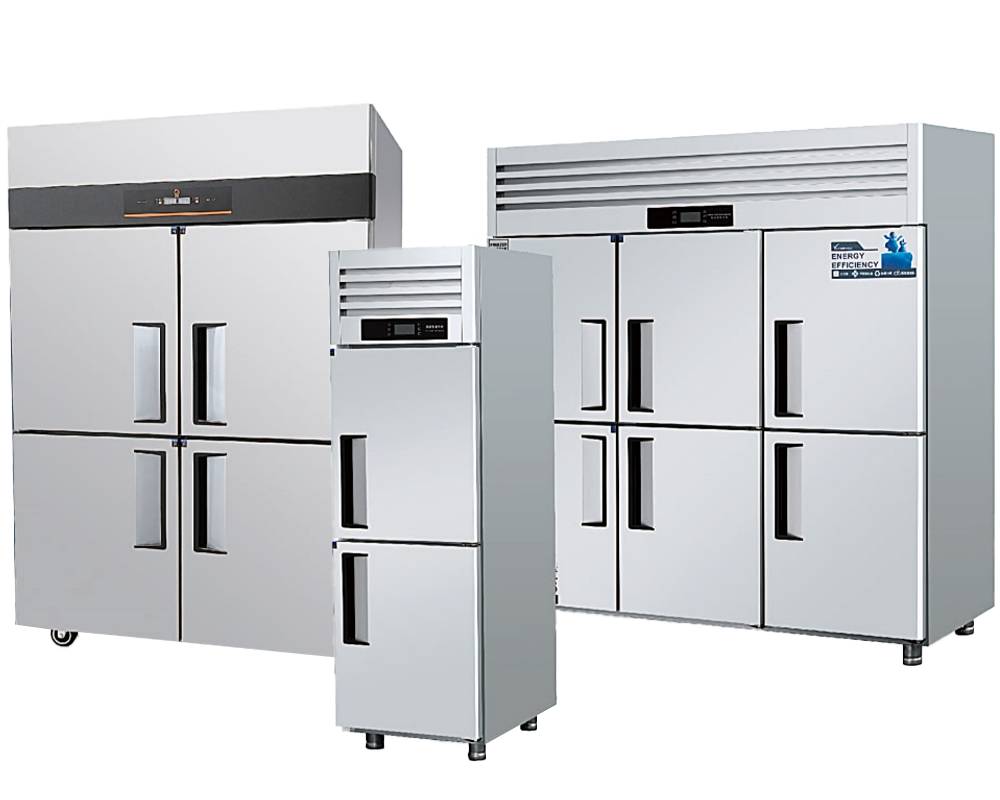 Commercial Vertical Direct-cool Stainless Steel Reach-in Refrigerator
-
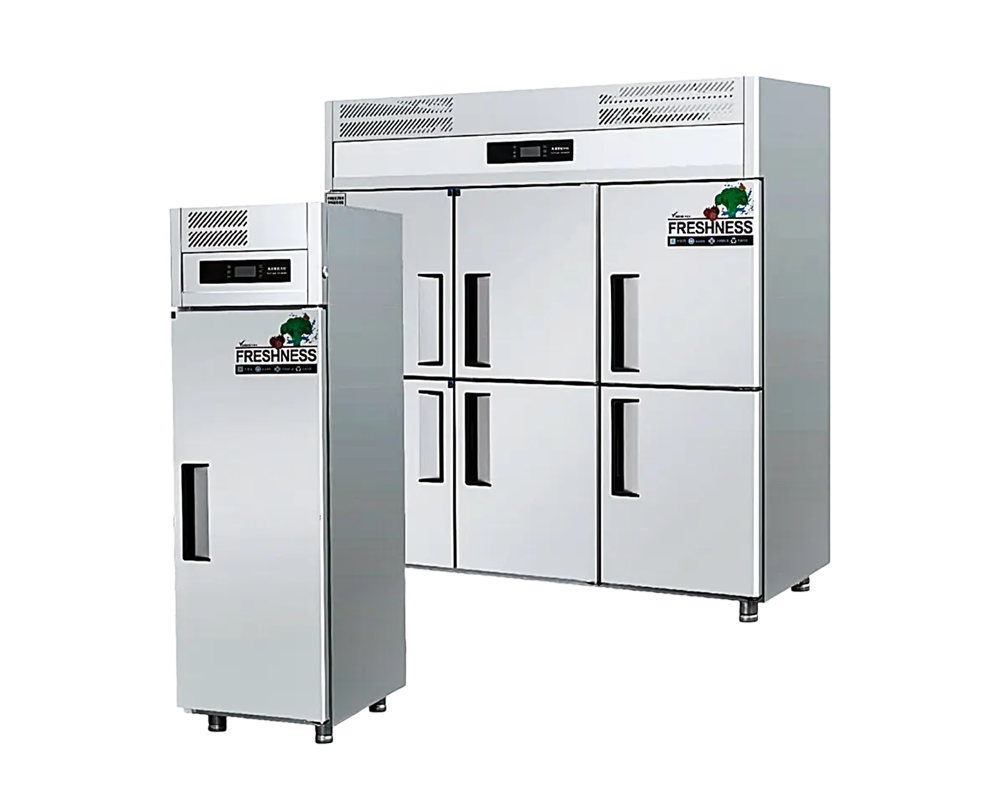 Commercial 201SUS Upright Air Cooling Reach-in Refrigerators
-
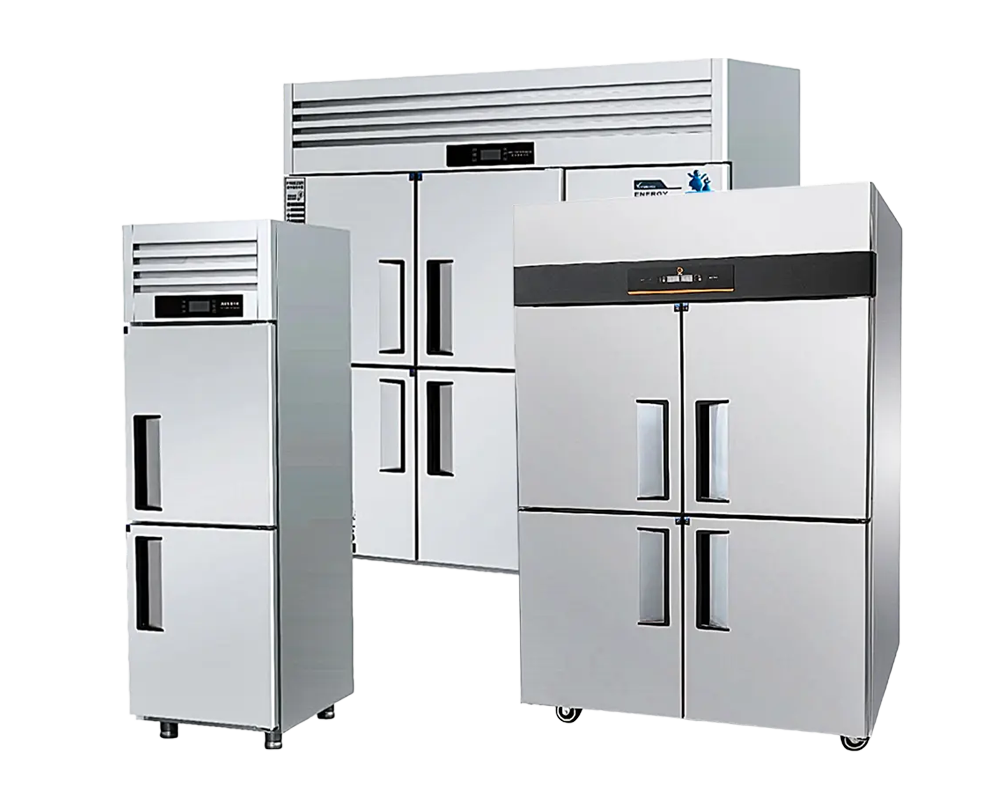 Commercial Direct-Cool Upright Reach-in Freezers
-
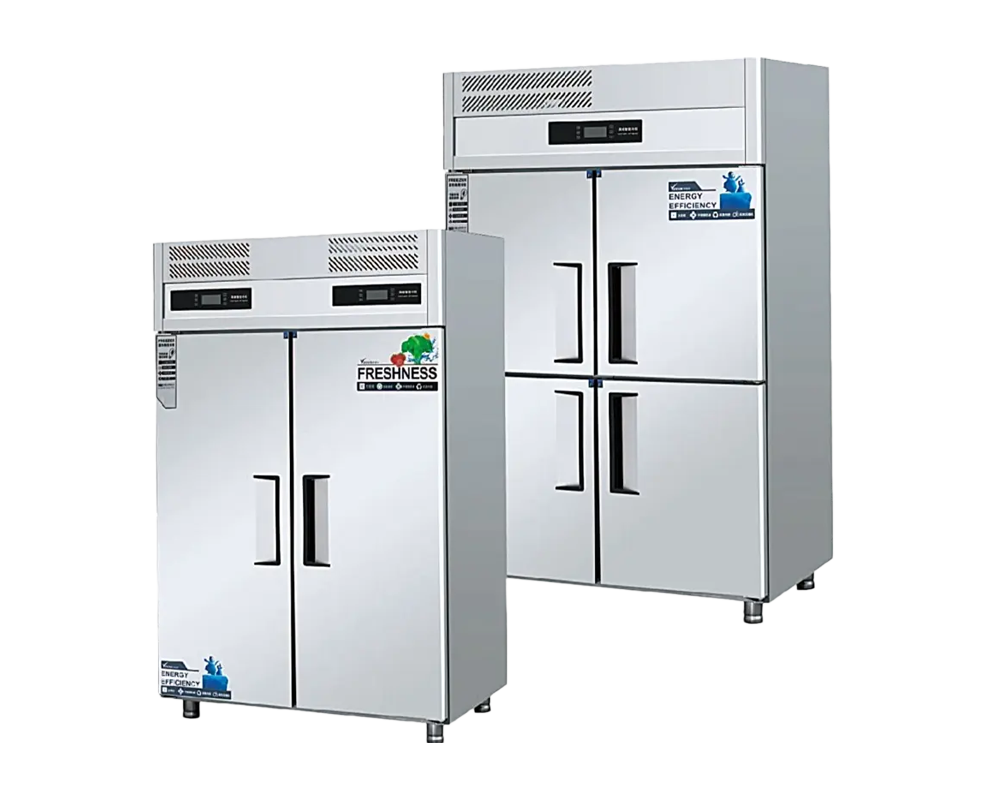 Commercial Stainless Steel Air Cooled Reach-in Vertical Freezers
-
 Dual Temperature Control Direct Cooling Commercial Upright Reach-in Refrigerators
-
 Commercial Vertical Air Cooled Intelligent Reach-in Freezer and Refrigerator
-
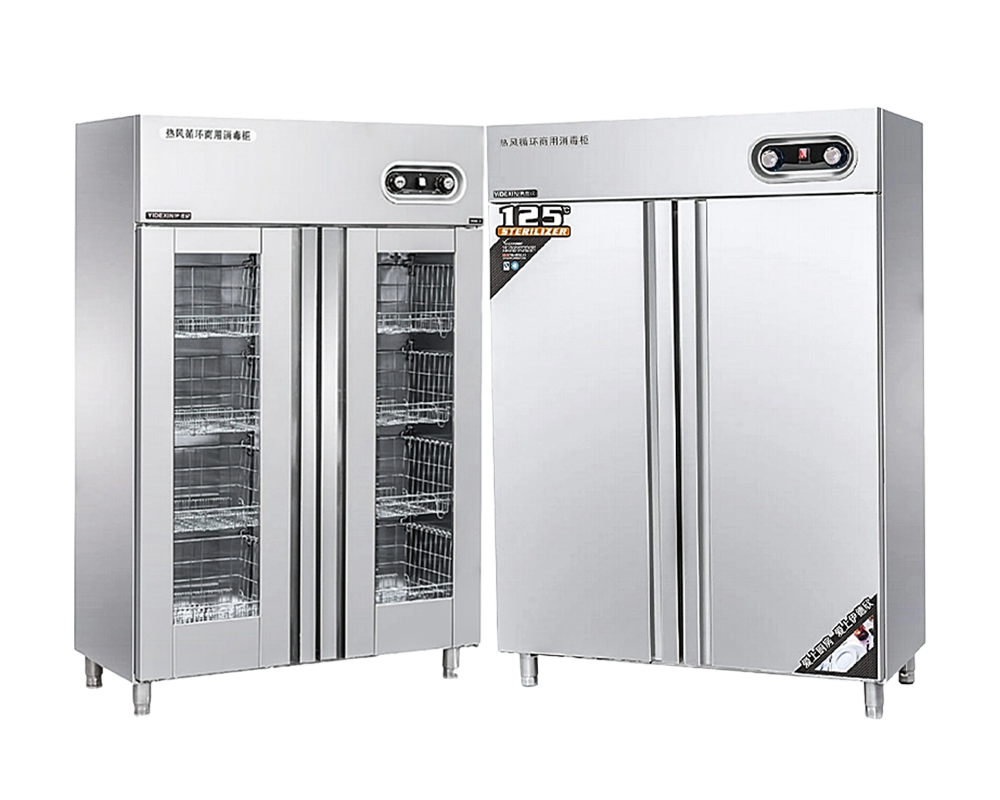 Stainless Steel/Glass Flat Door Sterilization Cabinet
-
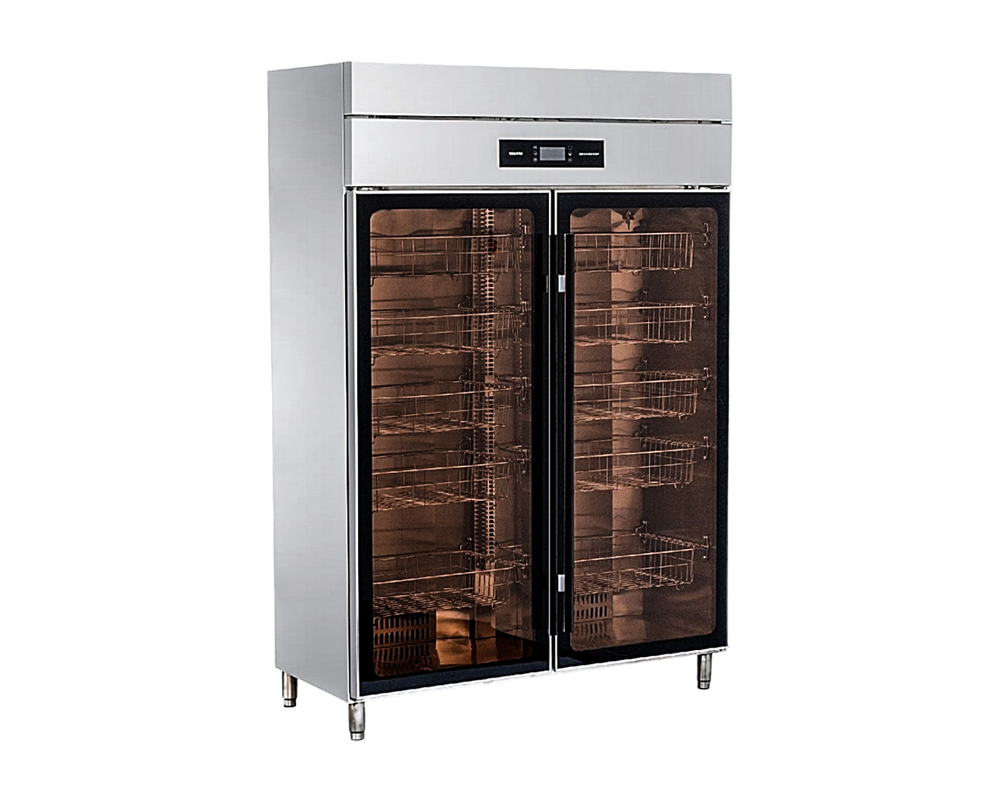 Multifunctional Three-mode High Temperature Glass Door Disinfection Cabinet
-
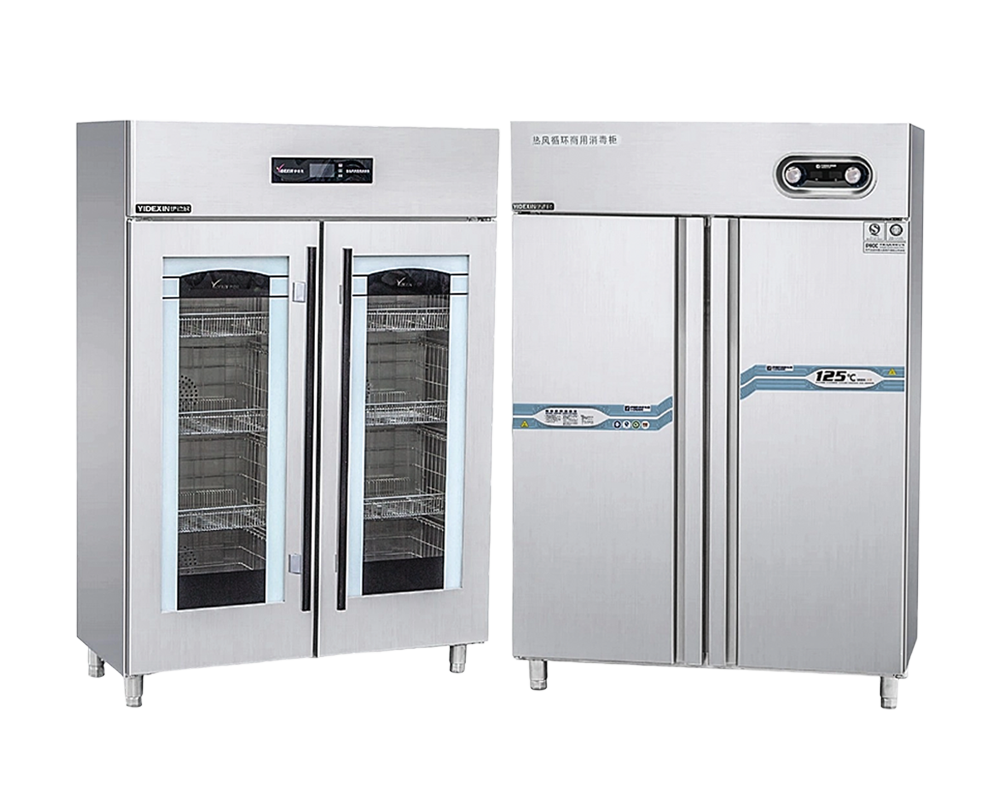 Commercial Restaurant Anti-Fingerprint Stainless Steel Disinfection Cabinet
-
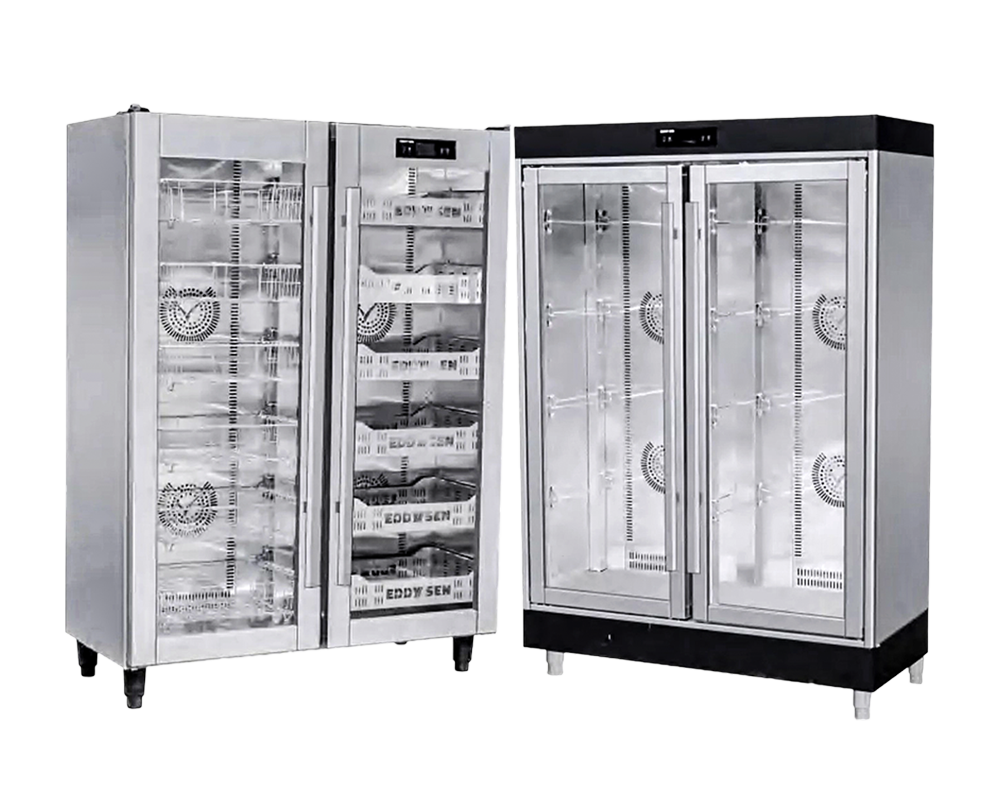 Intelligent Light Wave Stainless Steel UV Disinfection Cabinet
-
 [email protected] / [email protected]
-
 +86-15066977778 / +86-19012777577

-
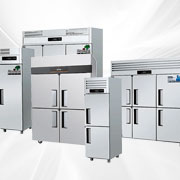 Reach-in Refrigerators
-
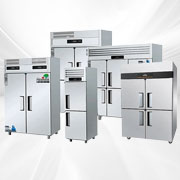 Reach-in Freezers
-
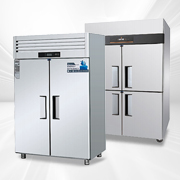 Dual Temperature Refrigerators
-
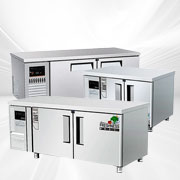 Worktop Refrigerators
-
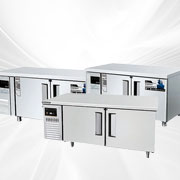 Worktop Freezers
-
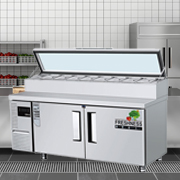 Salad Bar Refrigerators
-
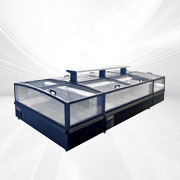 Combined Island Display Refrigerators
-
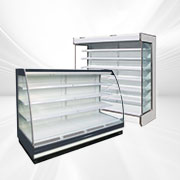 Air Curtain Refrigerators
-
 Fresh Cabinets
-
 Display Refrigerators(Glass Door)
-
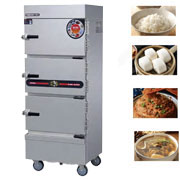 Electric Rice Steamer Cabinets
-
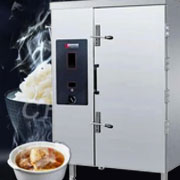 Gas Rice Steamer Cabinets
-
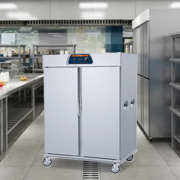 Vertical Banquet Cabinets
-
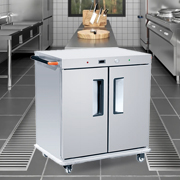 Horizontal Banquet Cabinets
-
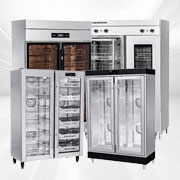 Heated Disinfection Cabinets
Commercial Rice Steamer Guide: Gas vs Electric Cabinets
Content
In high-volume foodservice operations, consistency and volume are paramount. A commercial rice steamer is not merely a larger version of a countertop cooker; it is a sophisticated piece of equipment designed to produce massive quantities of perfectly cooked rice while maintaining texture and moisture. Unlike direct-heat cookers that can scorch the bottom layer, steamer cabinets use circulating steam to cook evenly from all sides. When selecting the right unit for your kitchen, the primary decision revolves around the power source—gas or electric—and understanding the operational nuances of cabinet-style cooking.
Analyzing Gas Rice Steamer Cabinets
Gas rice steamer cabinets are often the preferred choice for large-scale banquet halls, canteens, and central kitchens where utility costs and rapid heat recovery are significant concerns. These units generally utilize natural gas or liquid propane to heat a water reservoir, generating steam that circulates throughout the sealed cabinet. The combustion process in gas models often allows for a more rapid generation of steam compared to standard electric models, which is critical during peak service hours when door openings are frequent.
Installation and Ventilation Requirements
While efficient, gas rice steamer cabinets require specific infrastructure. Because they burn fuel, they must be installed under a Type 1 hood to properly vent combustion byproducts and excess heat. This requirement can limit placement options within a kitchen layout. Furthermore, operators must ensure that the gas line pressure matches the equipment specifications to prevent under-firing, which leads to slow cooking and uneven results.
Evaluating Electric Rice Steamer Cabinets
Electric rice steamer cabinets offer a high degree of versatility and are often easier to install in kitchens where gas lines are unavailable or hood space is at a premium. While high-wattage units may still require hood ventilation depending on local codes to manage steam vapor, they do not emit combustion gases. Electric models are renowned for their energy efficiency in terms of heat transfer; nearly 100% of the energy consumed goes directly into heating the water, resulting in a cooler ambient kitchen environment compared to gas alternatives.
Voltage and Consistency
Consistency is the hallmark of the electric steamer. Because electric heating elements cycle with precision, these cabinets maintain a very steady temperature. However, buyers must be vigilant regarding voltage requirements. Commercial electric steamers often require three-phase power (208V, 240V, or 480V) to operate effectively. A single-phase unit may struggle to recover heat quickly enough in a busy commercial environment, leading to gummy or undercooked rice if the door is opened frequently.
Comparing Performance and Infrastructure
Choosing between gas and electric involves balancing initial installation costs against long-term operational utility expenses. The following breakdown highlights the distinct differences to help kitchen managers decide which infrastructure suits their facility best.
| Feature | Gas Rice Steamers | Electric Rice Steamers |
| Heat Recovery | Generally faster due to high BTU output | Steady, but slower recovery in lower voltage units |
| Ventilation | Mandatory Type 1 Hood | Often requires Type 2 Hood (steam only) |
| Installation | Requires gas plumbing and safety disconnects | Requires heavy-duty electrical circuits (3-phase) |
| Maintenance | Burner assembly and pilot cleaning required | Heating element descaling is critical |
Capacity Planning and Pan Configurations
One of the most practical considerations when buying a commercial rice steamer is calculating the "throughput" per hour. Cabinet steamers are categorized by the number of shelves or pan capacity. However, simply counting shelves is insufficient; you must consider the depth of the pans used. Rice expands significantly, meaning shallow pans often used for steaming vegetables are unsuitable for bulk rice production.
Most standard cabinets accommodate full-size hotel pans (12 x 20 inches). For optimal rice cooking, perforated pans are generally not used directly for the rice grains unless a liner is used. Instead, solid pans are utilized to hold the correct water-to-rice ratio. A common configuration includes:
- 6-Pan Cabinets: Ideal for medium-sized restaurants. Typically produces 60-80 lbs of cooked rice per batch.
- 12-Pan Cabinets: Suited for large dining halls. Can handle roughly 120-150 lbs of cooked rice.
- Roll-In Racks: Designed for institutional usage (schools, prisons, hospitals). These allow operators to roll an entire cart of pans directly into the cabinet, minimizing handling time and physical strain.
Essential Maintenance for Longevity
Regardless of whether you choose gas or electric rice steamer cabinets, water quality is the single biggest factor affecting equipment lifespan. Steam generation leaves behind mineral deposits (scale). If left unchecked, scale builds up on electric heating elements (causing them to overheat and burn out) or insulates gas heat exchangers (drastically reducing efficiency).
To ensure your investment lasts, practical maintenance protocols must be established. Implementing a water filtration system specifically designed for steamers is non-negotiable in hard water areas. Furthermore, a daily "blowdown" procedure—where the boiler drains water under pressure to remove sediment—should be mandatory for staff at closing. Regular delining with an acid-based cleaner will remove stubborn buildup and ensure that the steam circulates freely, keeping your rice fluffy and consistent batch after batch.

-
 Add.
Add.
Sales Center:Room 410, Floor T3-4, Zhonghai Development Building, No. 888, Kejiguan Street, Binjiang District, Hangzhou, Zhejiang,China
Factory Address:100 Meters South Of Zhongmao Village, Xingfu Town, Boxing County, Binzhou City, Shandong Province, P.R.China
Sales Center:Room 410, Building 15, Tianan Headquarters Center, 555 North Panyu Avenue, Donghuan Street, Panyu District, Guangzhou City, china
-
 Tel.
+86-15066977778+86-19012777577
Tel.
+86-15066977778+86-19012777577 -
 Email.
Quick Links
Product Fast Links
Mobile Terminal
Copyright @Hangzhou Eddysen Catering Equipment Co., Ltd.All rights reserved. Commercial Freezer Manufacturer