 English
 中文简体
中文简体 Español
 عربى
عربى
-
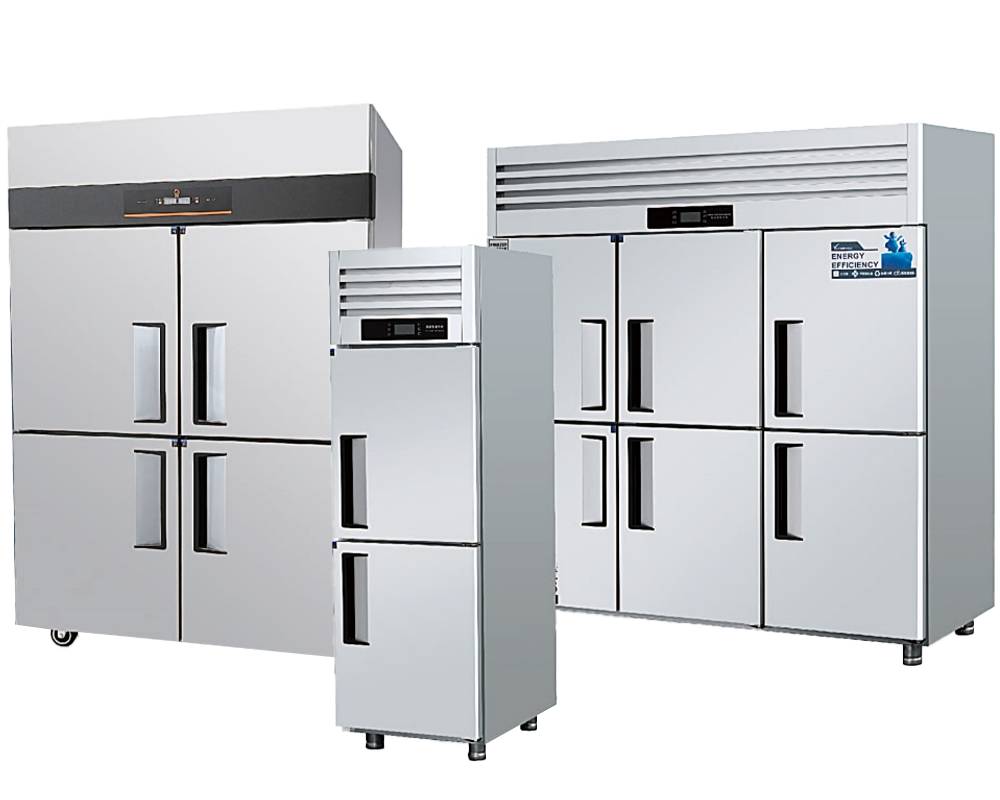 Commercial Vertical Direct-cool Stainless Steel Reach-in Refrigerator
-
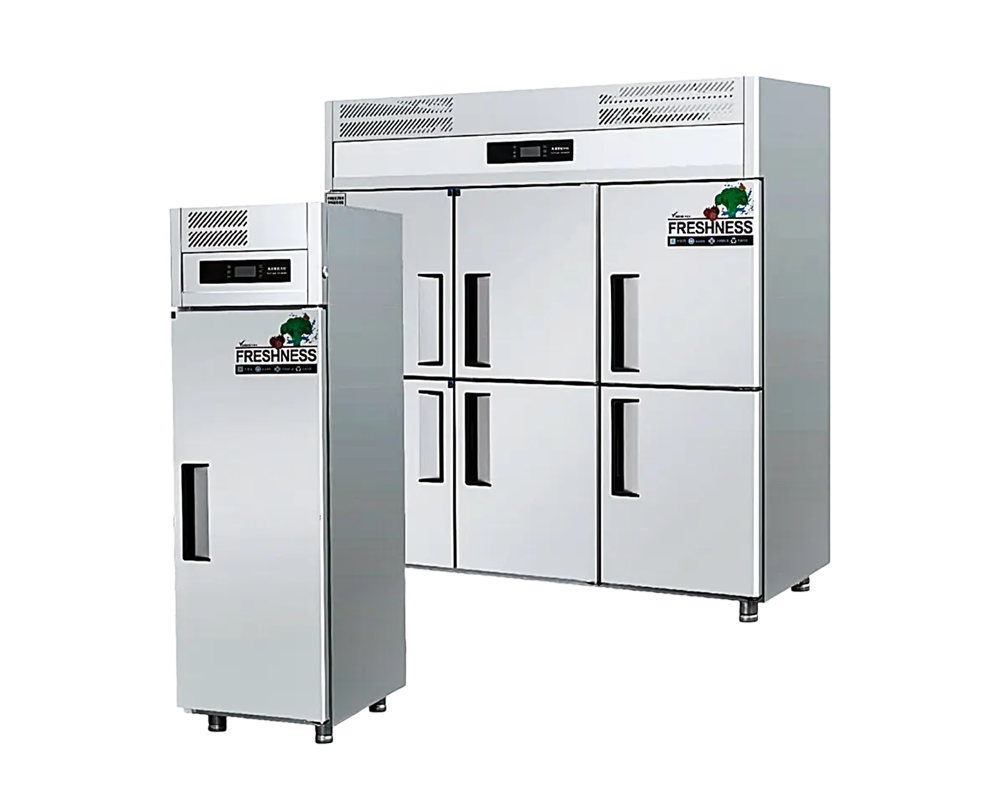 Commercial 201SUS Upright Air Cooling Reach-in Refrigerators
-
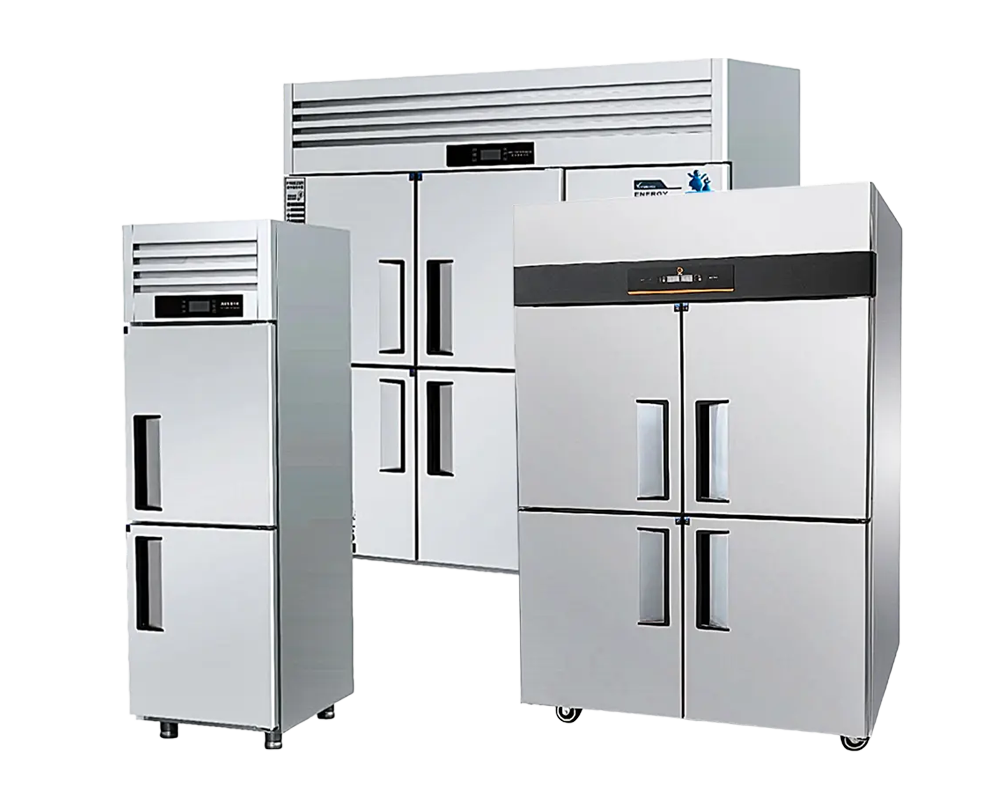 Commercial Direct-Cool Upright Reach-in Freezers
-
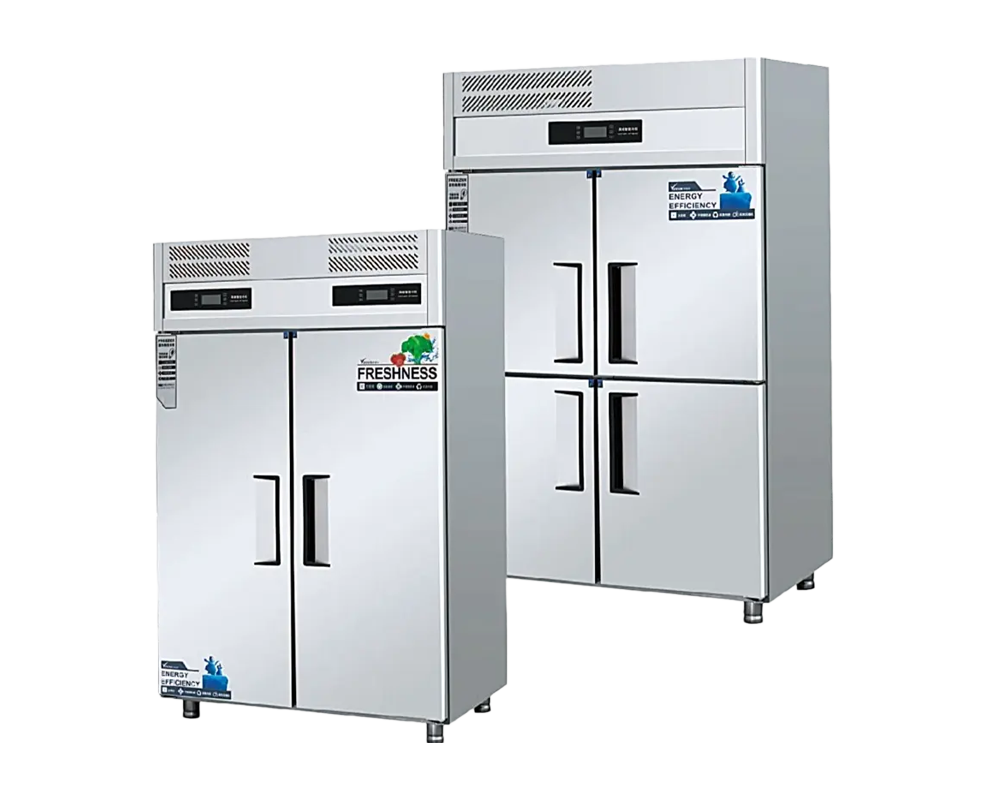 Commercial Stainless Steel Air Cooled Reach-in Vertical Freezers
-
 Dual Temperature Control Direct Cooling Commercial Upright Reach-in Refrigerators
-
 Commercial Vertical Air Cooled Intelligent Reach-in Freezer and Refrigerator
-
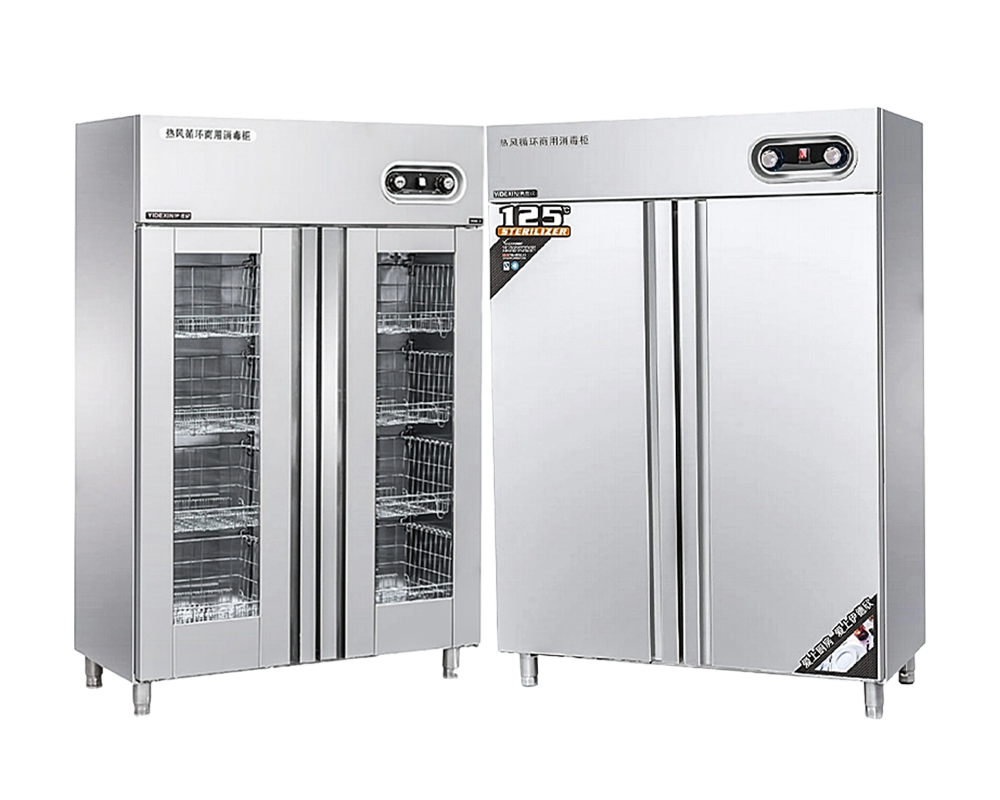 Stainless Steel/Glass Flat Door Sterilization Cabinet
-
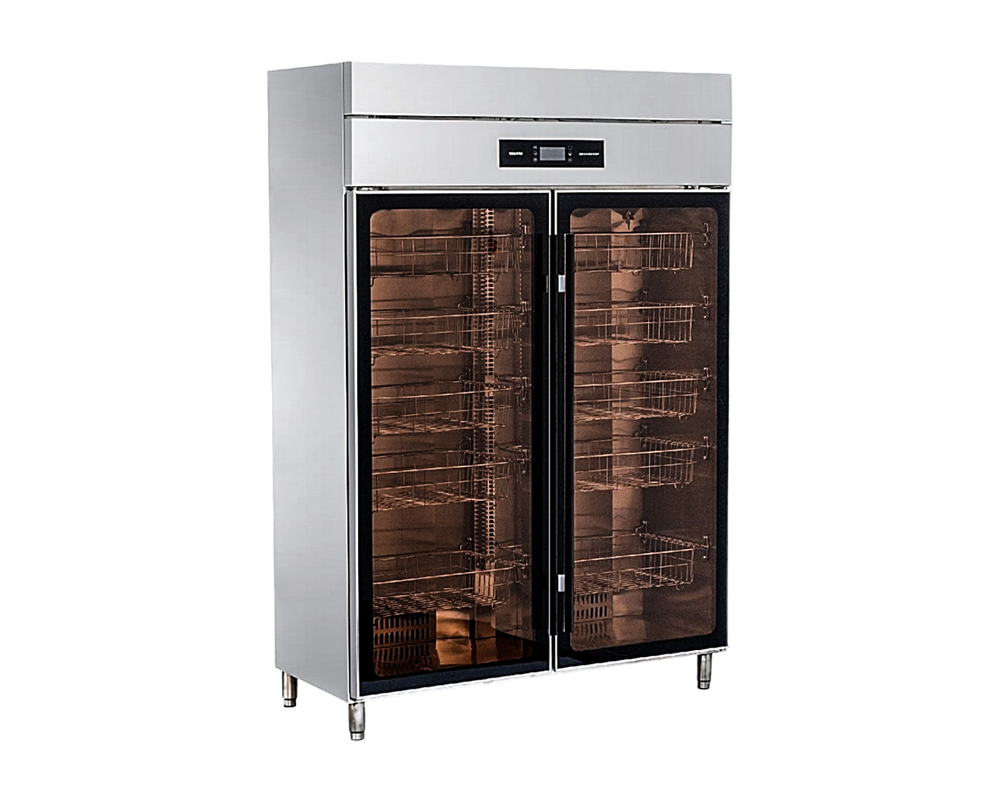 Multifunctional Three-mode High Temperature Glass Door Disinfection Cabinet
-
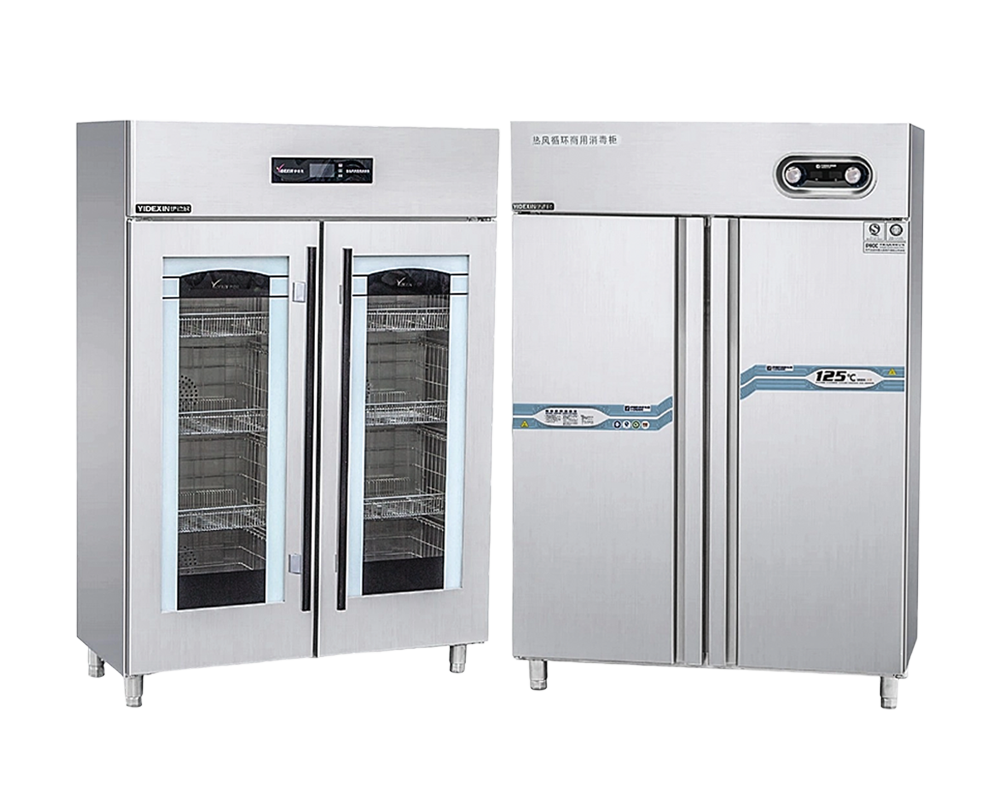 Commercial Restaurant Anti-Fingerprint Stainless Steel Disinfection Cabinet
-
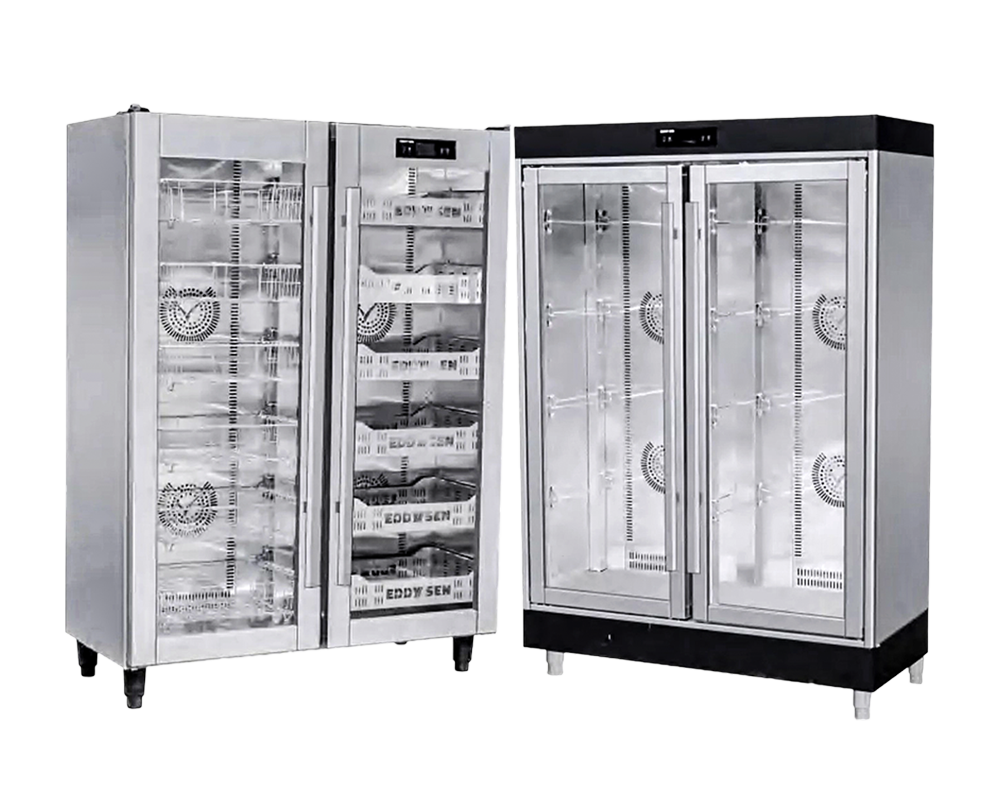 Intelligent Light Wave Stainless Steel UV Disinfection Cabinet
-
 [email protected] / [email protected]
-
 +86-15066977778 / +86-19012777577

-
 Reach-in Refrigerators
-
 Reach-in Freezers
-
 Dual Temperature Refrigerators
-
 Worktop Refrigerators
-
 Worktop Freezers
-
 Salad Bar Refrigerators
-
 Combined Island Display Refrigerators
-
 Air Curtain Refrigerators
-
 Fresh Cabinets
-
 Display Refrigerators(Glass Door)
-
 Electric Rice Steamer Cabinets
-
 Gas Rice Steamer Cabinets
-
 Vertical Banquet Cabinets
-
 Horizontal Banquet Cabinets
-
 Heated Disinfection Cabinets
How Does a Freezer Work?
Content
Understanding how a freezer operates can prevent food spoilage and save money by ensuring your storage practices are efficient and safe. In short, a freezer works by circulating a refrigerant through a compressor, condenser, and evaporator, absorbing heat from inside and releasing it outside.
Let’s explore the components and working principles of a freezer in detail.
What is Freezer?
A freezer is an appliance or enclosed space designed to maintain extremely low temperatures (typically between -18°C / 0°F and -23°C / -10°F, or even colder for specialized use) to preserve food and other perishables by slowing or stopping bacterial growth, enzyme activity, and spoilage.
What Are the Main Components of a Freezer?
A freezer is more than just a box that keeps food cold. It’s a carefully engineered system where several components work together to remove heat from the interior and maintain a consistently frozen environment. The main components of the freezer are condenser coils, compressor, expansion valve, evaporator coils, and capillary tube. Each part plays a specific role in the cooling process, ensuring your food stays frozen effectively.
Condenser Coils: The condenser coils are where heat collected from inside the freezer is released. By dispersing this heat into the surrounding air, they enable the system to keep pulling warmth from the interior, maintaining a steady cold temperature.
Compressor: The compressor acts as the driving force of the freezer. It pumps refrigerant through the system, pushing it through the coils and ensuring that the cooling process continues efficiently and consistently.
Expansion Valve: The expansion valve regulates the flow of refrigerant into the evaporator coils. By controlling the amount and pressure of refrigerant, it allows heat to be absorbed efficiently without overloading the system.
Evaporator Coils: Inside the freezer, the evaporator coils absorb heat from the air and stored food. As the refrigerant flows through these coils, it removes warmth from the interior, keeping the freezer cold and the contents properly frozen.
Capillary Tube: The capillary tube fine-tunes the flow of refrigerant between high-pressure and low-pressure areas. By regulating this flow, it helps the system maintain stable cooling and consistent freezer performance.
How Does the Freezer Cycle Work?
The freezer cycle operates to maintain a consistent low temperature by transferring heat from the inside of the freezer to the outside. It relies on the continuous movement and transformation of refrigerant through several key stages.
1. The cycle begins when the compressor pressurizes the refrigerant. This process raises the refrigerant's temperature, turning it into a high-pressure, high-temperature gas. The compressor forces this gas through the system, preparing it for the next stage of heat exchange.
2. The hot, high-pressure refrigerant then travels through the condenser coils, where it releases the heat absorbed from inside the freezer. As it cools, the refrigerant changes from a gas to a liquid, losing the heat it carried and readying itself for the next stage.
3. The cooled liquid refrigerant flows through the expansion valve or capillary tube, where the pressure drops significantly. This sudden reduction in pressure causes the refrigerant to cool even further, ensuring it enters the evaporator coils at the ideal temperature to efficiently absorb heat.
4. Inside the evaporator coils, the low-pressure refrigerant absorbs heat from the air and stored food in the freezer. As the refrigerant absorbs this heat, it evaporates, turning back into a gas. The gas then returns to the compressor, and the cycle repeats.
This continuous process of compression, condensation, expansion, and evaporation ensures the freezer remains at a constant low temperature, keeping your food frozen and preserved efficiently.

Factors Influencing Freezer Efficiency
Factors influencing freezer efficiency several factors impact your freezer’s effectiveness. High ambient temperatures, frequent door openings, overfilled storage, and blocked vents reduce efficiency.
| Factor | Effect on Efficiency | Recommendation |
| Ambient Temperature | High surrounding temperatures force the freezer to work harder, reducing cooling efficiency. | Place the freezer away from heat sources like ovens, direct sunlight, or radiators. |
| Door Opening Frequency | Frequent or prolonged door openings allow warm air in, raising internal temperature and energy consumption. | Minimize the number and duration of door openings. |
| Food Storage Volume | Overcrowding blocks airflow inside the freezer, causing uneven cooling and reducing efficiency. | Maintain space between items to allow proper circulation of cold air. |
How Different Freezers Work?
While all freezers share the core goal of maintaining sub-freezing temperatures to preserve items, their operational mechanisms, designs, and functionalities vary significantly based on intended use, space, and convenience needs.
1. Freestanding Freezers (Horizontal and Upright)
Horizontal freezers feature a horizontal top-opening design to minimize cold air loss and are equipped with a compressor-driven cooling system for even temperature distribution.
Upright freezers have a vertical front-opening structure with shelves/drawers for easy organization and typically feature frost-free technology for convenient access.
2. Refrigerator-Freezer Combinations
These combination units include a refrigerator compartment (0–4°C) and a freezer compartment (-18°C), driven by a single compressor and a shared refrigerant system. The cooling capacity of each compartment is regulated by valves, while fans maintain a consistent temperature.
Refrigerator-freezer combinations are available in top-mounted, bottom-mounted, or side-by-side designs, balancing space saving and easy access. Most models also feature automatic defrosting.
3. Built-in/Integrated Freezers
Appliances that perfectly match kitchen cabinetry create a seamless, aesthetically pleasing kitchen. These refrigerators utilize a compressor-based cooling system and feature optimized insulation, equipped with dedicated vents (top/bottom/back) to dissipate heat from the enclosed space.
4. Dedicated Freezers
Ultra-Low Temperature Freezers (ULT): Employ a two-stage compressor and heavy-duty insulation, operating at temperatures from -40°C to -80°C, for preserving laboratory samples/vaccines.
Commercial: Utilizes an industrial-grade compressor, suitable for restaurants and shops, and can be equipped with an optional display screen; low maintenance costs.
Portable: Compact size, compatible with 12V/AC power, uses thermoelectric cooling or a mini compressor.
In Conclusion
Understanding the mechanics of your freezer and performing regular maintenance is key to ensuring long-term food preservation and optimal energy efficiency. If you're looking to purchase new freezers or upgrade your existing, eddysen is a trusted manufacturer that can help you find the perfect model to suit your needs.
FAQ
1. Can Dirty Coils Cause the Freezer to Stop Cooling?
Yes, dirty coils can hinder the freezer’s cooling efficiency. When condenser coils are clogged with dirt, they can’t release heat properly, making the freezer work harder and potentially causing it to stop cooling effectively.
2. How do Freezers Make ice?
Freezers make ice by freezing water at 0°F (-18°C). The cold temperature causes water to freeze into solid ice, either in ice trays or automatic ice makers.
3. What Controls the Temperature in a Freezer?
The thermostat controls the freezer’s temperature. It monitors the internal temperature and turns the compressor on or off to maintain the set temperature, usually around 0°F (-18°C).

-
 Add.
Add.
Sales Center:Room 410, Floor T3-4, Zhonghai Development Building, No. 888, Kejiguan Street, Binjiang District, Hangzhou, Zhejiang,China
Factory Address:100 Meters South Of Zhongmao Village, Xingfu Town, Boxing County, Binzhou City, Shandong Province, P.R.China
Sales Center:Room 410, Building 15, Tianan Headquarters Center, 555 North Panyu Avenue, Donghuan Street, Panyu District, Guangzhou City, china
-
 Tel.
+86-15066977778+86-19012777577
Tel.
+86-15066977778+86-19012777577 -
 Email.
Quick Links
Product Fast Links
Mobile Terminal
Copyright @Hangzhou Eddysen Catering Equipment Co., Ltd.All rights reserved. Commercial Freezer Manufacturer