 English
 中文简体
中文简体 Español
 عربى
عربى
-
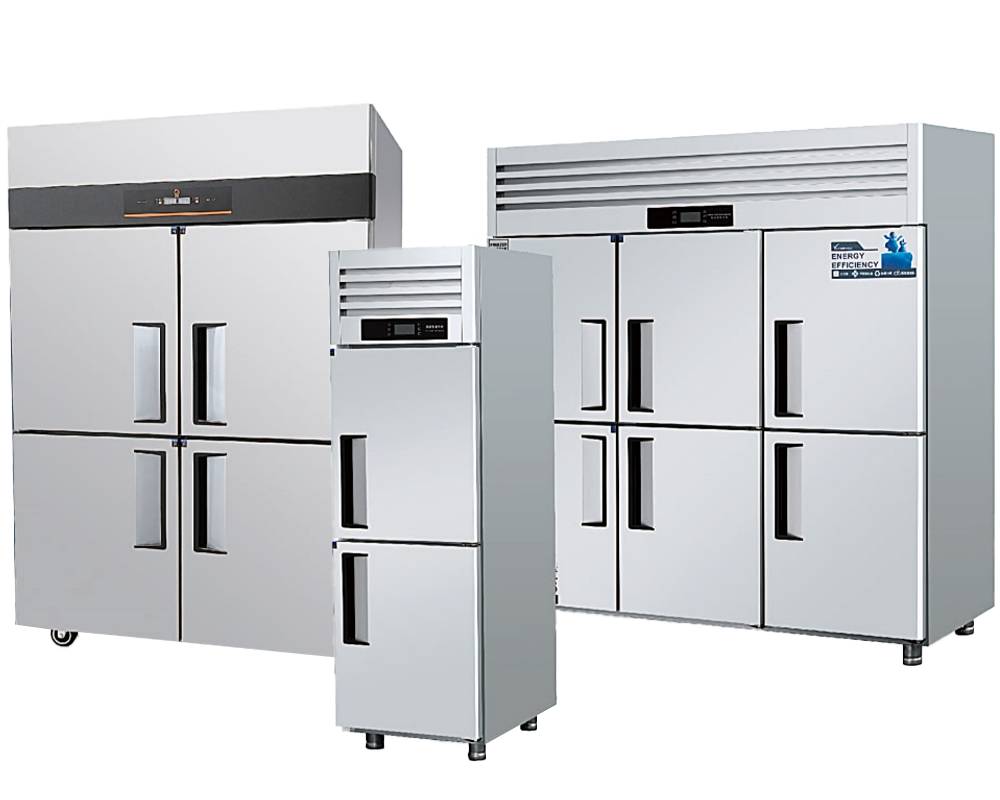 Commercial Vertical Direct-cool Stainless Steel Reach-in Refrigerator
-
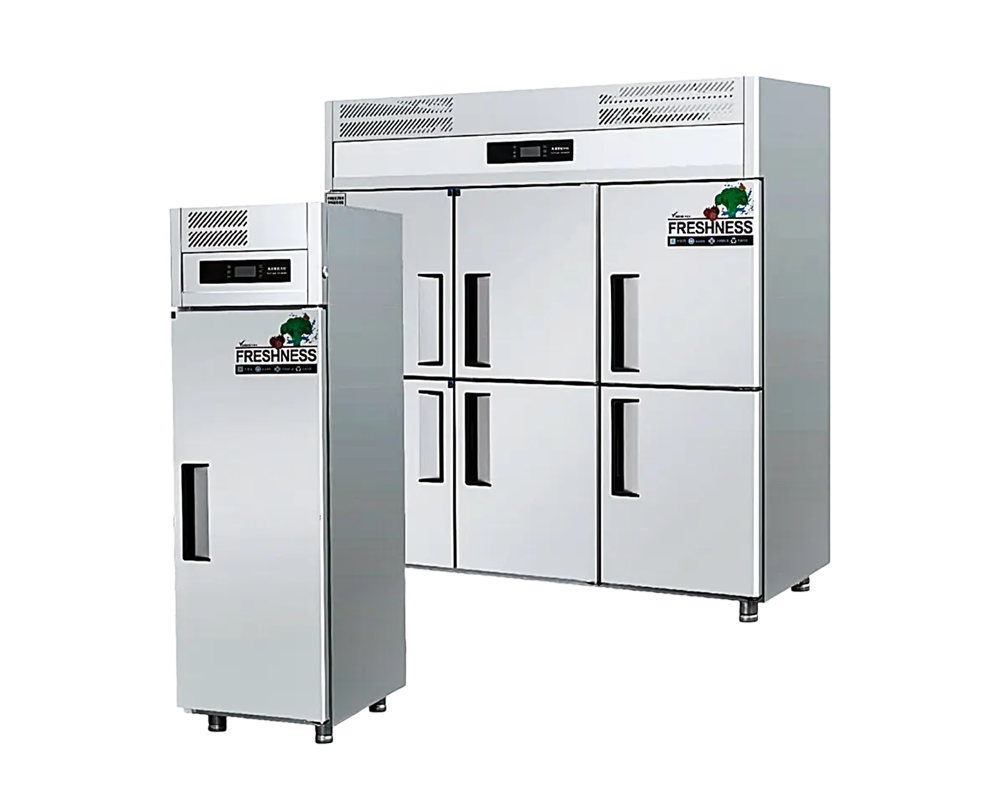 Commercial 201SUS Upright Air Cooling Reach-in Refrigerators
-
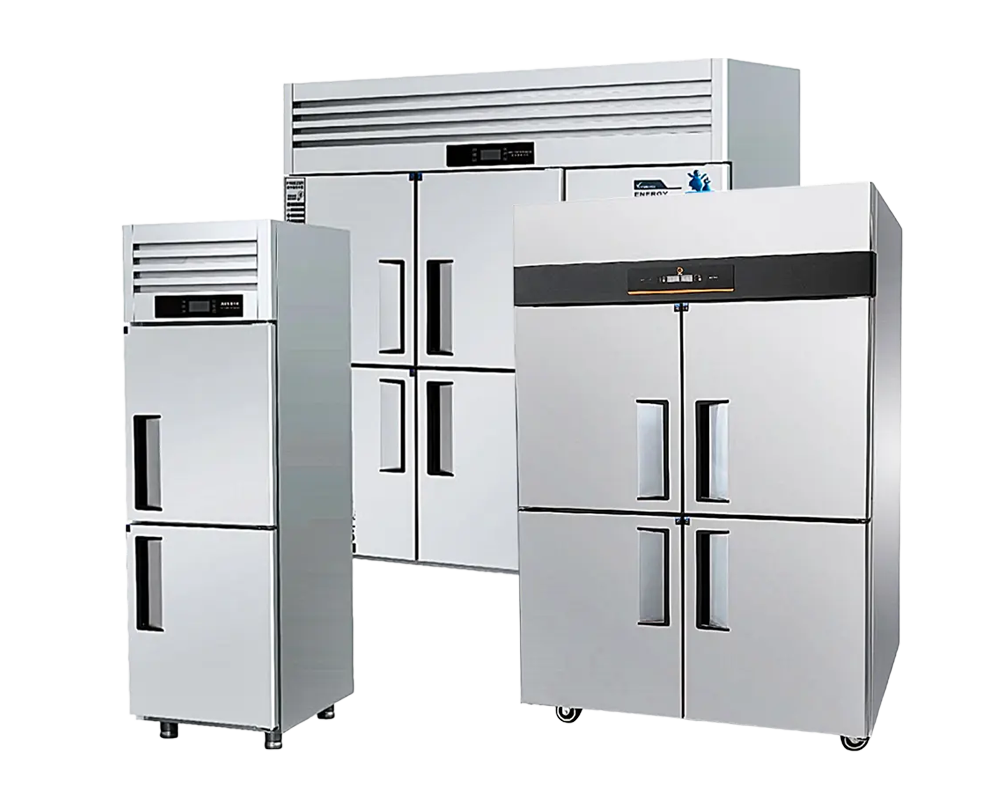 Commercial Direct-Cool Upright Reach-in Freezers
-
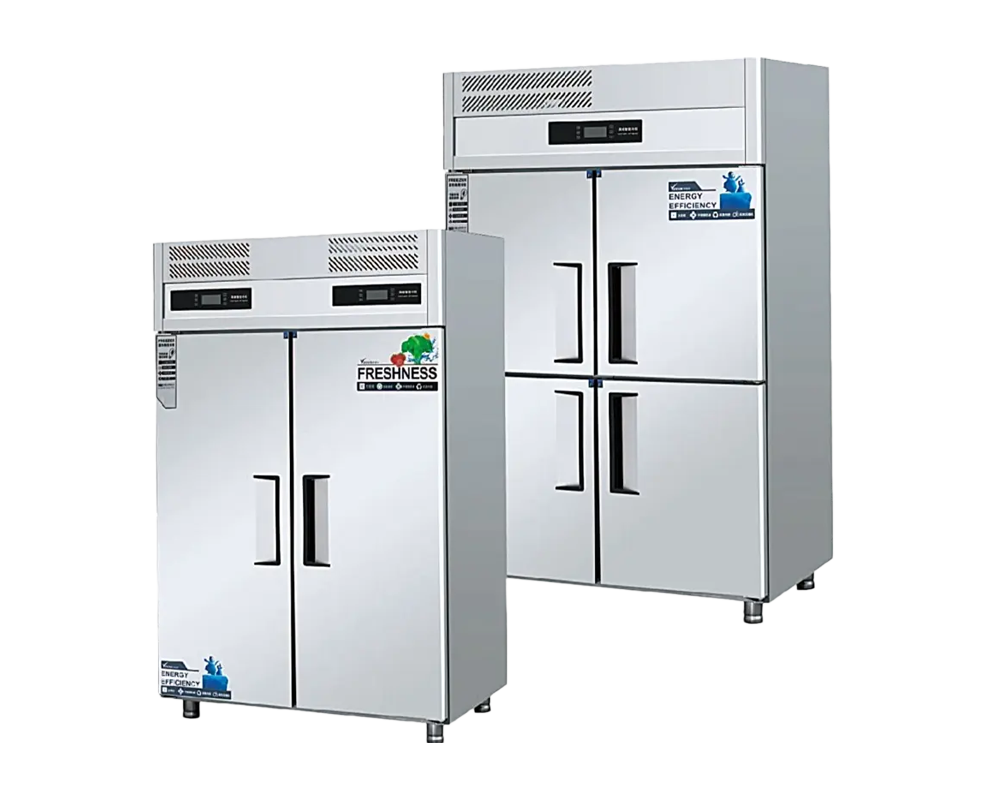 Commercial Stainless Steel Air Cooled Reach-in Vertical Freezers
-
 Dual Temperature Control Direct Cooling Commercial Upright Reach-in Refrigerators
-
 Commercial Vertical Air Cooled Intelligent Reach-in Freezer and Refrigerator
-
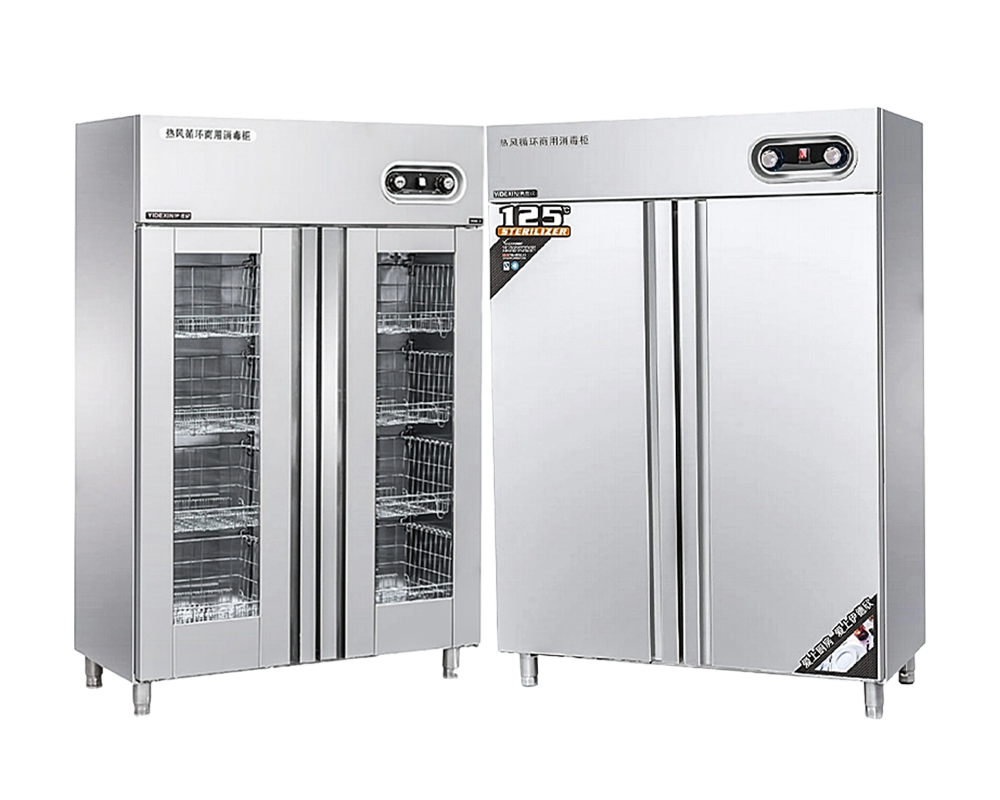 Stainless Steel/Glass Flat Door Sterilization Cabinet
-
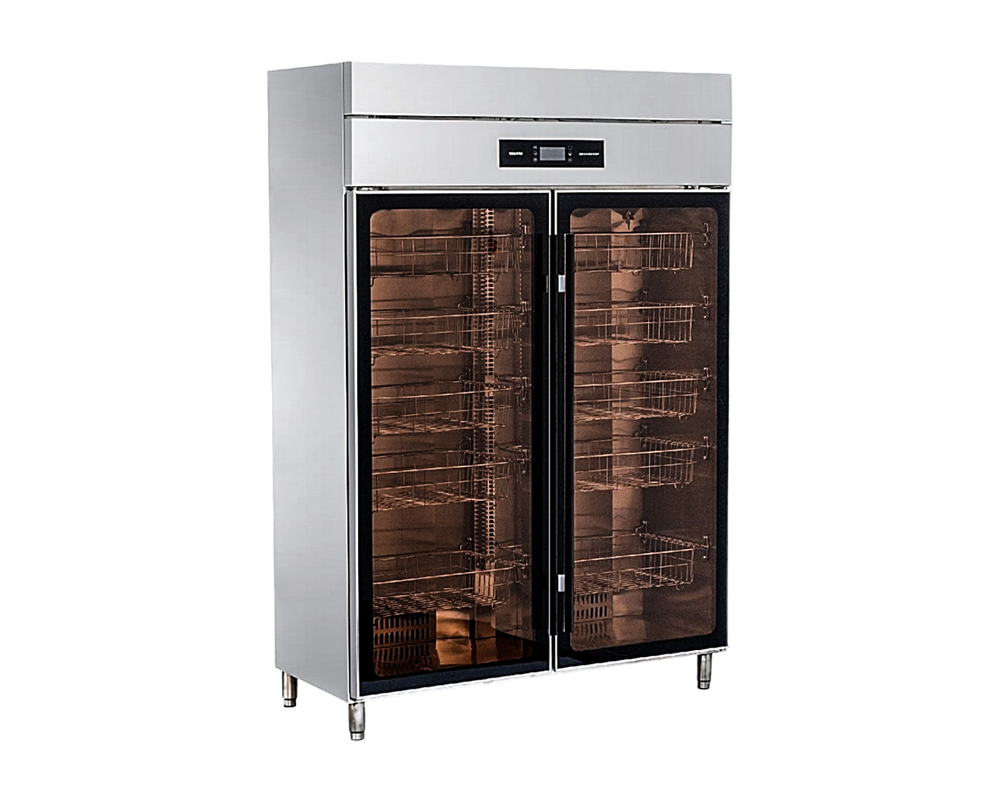 Multifunctional Three-mode High Temperature Glass Door Disinfection Cabinet
-
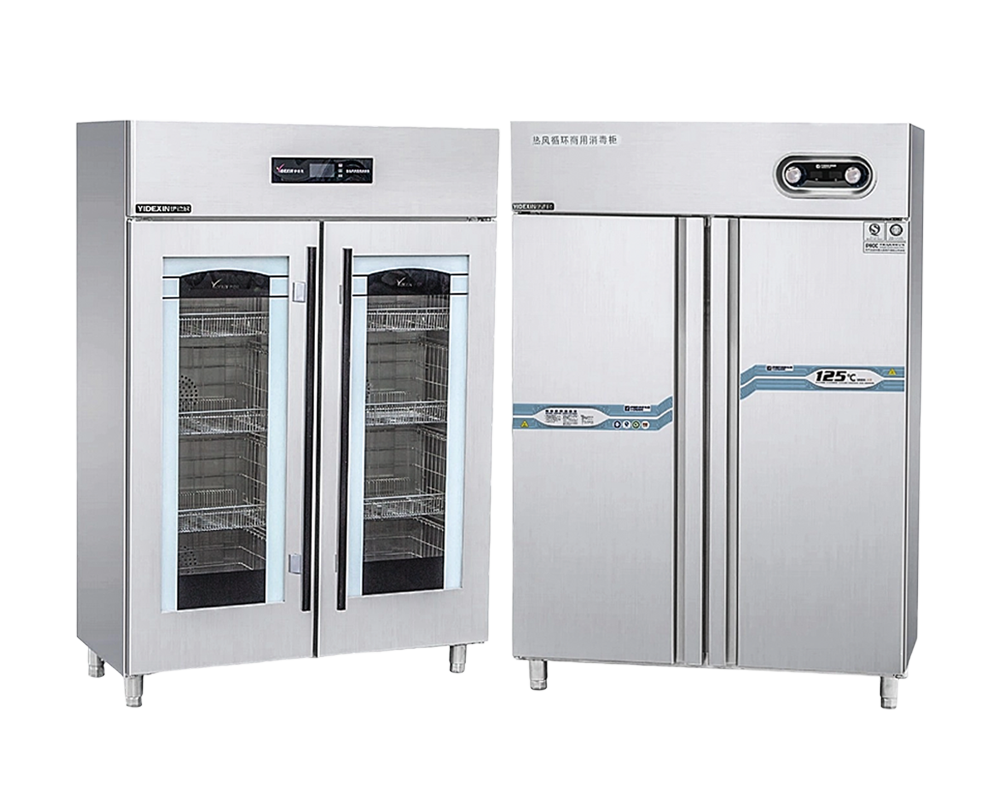 Commercial Restaurant Anti-Fingerprint Stainless Steel Disinfection Cabinet
-
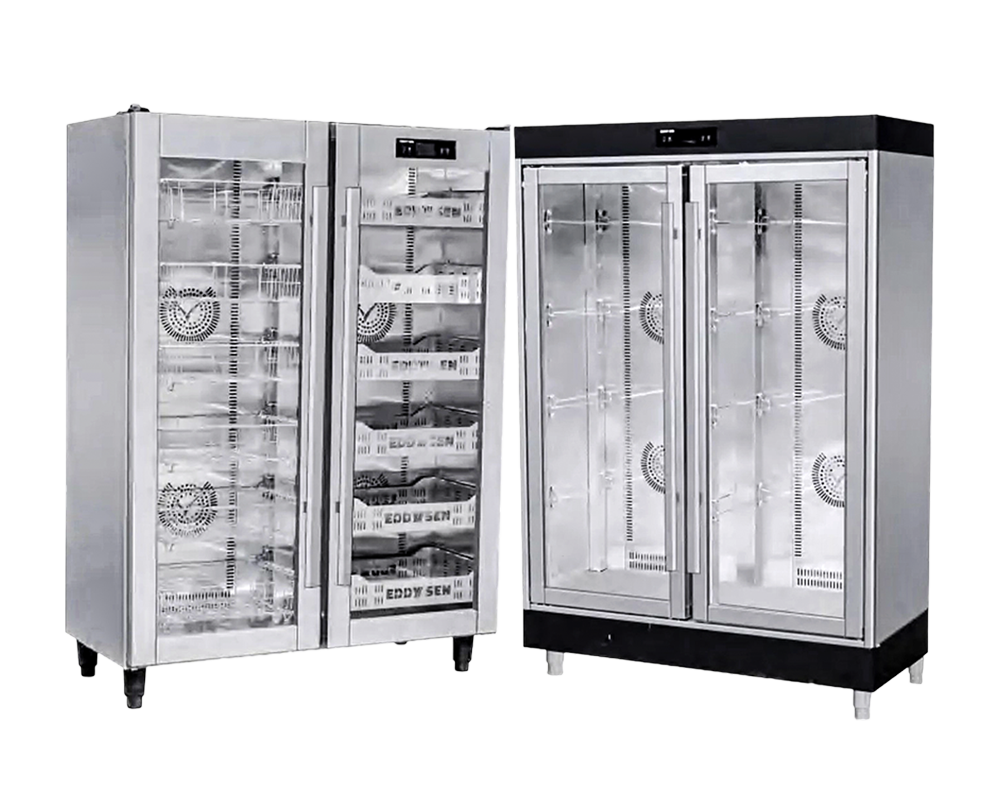 Intelligent Light Wave Stainless Steel UV Disinfection Cabinet
-
 [email protected] / [email protected]
-
 +86-15066977778 / +86-19012777577

-
 Reach-in Refrigerators
-
 Reach-in Freezers
-
 Dual Temperature Refrigerators
-
 Worktop Refrigerators
-
 Worktop Freezers
-
 Salad Bar Refrigerators
-
 Combined Island Display Refrigerators
-
 Air Curtain Refrigerators
-
 Fresh Cabinets
-
 Display Refrigerators(Glass Door)
-
 Electric Rice Steamer Cabinets
-
 Gas Rice Steamer Cabinets
-
 Vertical Banquet Cabinets
-
 Horizontal Banquet Cabinets
-
 Heated Disinfection Cabinets
Commercial Freezer Temperature Range: A Complete Guide
Content
Improperly set freezer temperatures can lead to food spoilage, wasted money, and even safety hazards. You need a reliable way to ensure all items are properly frozen.
The standard operating temperature for commercial freezers should be maintained at 0°F (-18°C) or below. This ideal freezer temperature range helps ensure food safety, efficient cooling, and energy savings. Maintaining the temperature in a commercial freezer within this narrow range prevents food from thawing, bacterial growth, and product spoilage.
Now, let's learn about commercial freezer temperature range.
What Is the Proper Temperature Range for a Commercial Freezer?
The optimal temperature range for commercial freezers is strictly controlled at 0°F (-18°C) or lower. This professional-grade temperature range is designed to lock in the freshness, texture, and nutritional value of commercially frozen foods, ensuring long-term safe storage without affecting quality.
Supermarkets, restaurants, and frozen food retailers worldwide rely on this stable temperature setting. It effectively prevents frostbite, inhibits bacterial growth, and maintains consistent product quality even with frequent door openings or large-capacity storage, meeting food safety regulations and the practical needs of business operations.
Temperature Setting Note: The actual suitable freezing temperature is affected by various factors, including the type, structure, and capacity of the freezer, as well as the types of food stored. Different models of commercial freezers may have different optimal operating temperatures.
Below is a quick reference comparing common freezer categories:
| Type of Freezer | Recommended Operational Temperature | Purpose |
| Commercial Freezer | -18°C to -22°C | Daily restaurant and commercial food storage |
| Deep Freezer | -25°C to -30°C | Long-term frozen storage |
| Display Freezer | -15°C to -18°C | Product visibility with stable cooling |

Why is Maintaining the Proper Freezer Temperature Crucial?
Keeping the freezer temperature stable is essential for keeping food fresh, frozen, and of high quality. Temperature fluctuations in the freezer can affect food texture and increase operational risks. Because food businesses heavily rely on food stability, understanding the ideal freezer temperature is vital.
For commercial freezers, the optimal temperature range is strictly maintained at 0°F (-18°C) or below. This professional-grade level helps lock in the freshness and quality of frozen foods, ensuring they remain safe, stable, and suitable for long-term storage in demanding commercial environments.
Factors That Affect Commercial Freezer Temperature Stability
Many factors impact the commercial freezer temperature stability you rely on, determining whether the equipment can maintain the correct temperature range required for food safety and energy efficiency. The following are relevant factors:
-
Overloading the freezer disrupts airflow
-
Frequent door openings cause rapid temperature swings
-
Poor ventilation around the unit adds heat stress
-
Damaged door gaskets leak cold air
-
High ambient temperatures reduce efficiency
These issues all influence what is the temperature inside the freezer during operation. Even high-quality equipment must be used correctly to maintain the right temperature for freezer stability.
How to Improve Energy Efficiency Without Affecting Proper Freezer Temperature Range?
Maintaining the correct commercial freezer temperature doesn’t mean you have to sacrifice energy efficiency. With proper habits and routine maintenance, kitchens can reduce power consumption while keeping food safely frozen and equipment running at peak performance.
1. Reduce Door Open Time
Minimizing how long the freezer door stays open prevents warm air from entering and helps maintain stable internal temperatures.
2. Organize Items for Quick Access
A well-arranged freezer allows staff to find products quickly, reducing door-open duration and lowering temperature fluctuations.
3. Clean Condenser Coils Regularly
Removing dust and grease buildup ensures efficient heat exchange and reduces strain on the compressor, saving energy.
4. Ensure Proper Ventilation Around the Unit
Adequate airflow surrounding the freezer prevents overheating and supports consistent cooling performance.
5. Defrost the Freezer When Necessary
Eliminating excess frost helps restore proper airflow and prevents the system from working harder than needed.
In Conclusion
To ensure food quality, energy efficiency, and safe commercial operations, maintain freezer temperatures between -18°C and -22°C. Maintaining this temperature range helps prevent food spoilage, reduces energy consumption, and ensures consistent performance in busy kitchens or warehouses.
Eddysen freezers are specifically designed for highly stable temperature control, robust insulation, and efficient airflow, making them widely applicable in commercial applications with stringent temperature control requirements.
If you are looking for a reliable solution to store your food at optimal temperatures, contact EDDYSEN today to learn how our industry-leading commercial freezers and refrigerators can meet your needs.
FAQ
What is theIdeal Freezer Temperature for Long-term Storage?
For long-term storage, the ideal freezer temperature is around -20°C or slightly lower. This deep freezer temperature range is cold enough to slow down enzymatic activity and prevent freezer burn while keeping food safe for months. Maintaining this good freezer temperature protects meat, seafood, and prepared foods from spoilage and preserves their texture over time.
How Cold Should a Refrigerator Freezer Be?
A refrigerator freezer should be set to maintain a proper freezer temp at or below -18°C. This standard freezer temperature ensures that all stored food remains frozen and safe for consumption. Monitoring the freezer temp range with a thermometer helps you verify what is the freezer temperature inside and prevents temperature fluctuations that could compromise food safety.

-
 Add.
Add.
Sales Center:Room 410, Floor T3-4, Zhonghai Development Building, No. 888, Kejiguan Street, Binjiang District, Hangzhou, Zhejiang,China
Factory Address:100 Meters South Of Zhongmao Village, Xingfu Town, Boxing County, Binzhou City, Shandong Province, P.R.China
Sales Center:Room 410, Building 15, Tianan Headquarters Center, 555 North Panyu Avenue, Donghuan Street, Panyu District, Guangzhou City, china
-
 Tel.
+86-15066977778+86-19012777577
Tel.
+86-15066977778+86-19012777577 -
 Email.
Quick Links
Product Fast Links
Mobile Terminal
Copyright @Hangzhou Eddysen Catering Equipment Co., Ltd.All rights reserved. Commercial Freezer Manufacturer