 English
 中文简体
中文简体 Español
 عربى
عربى
-
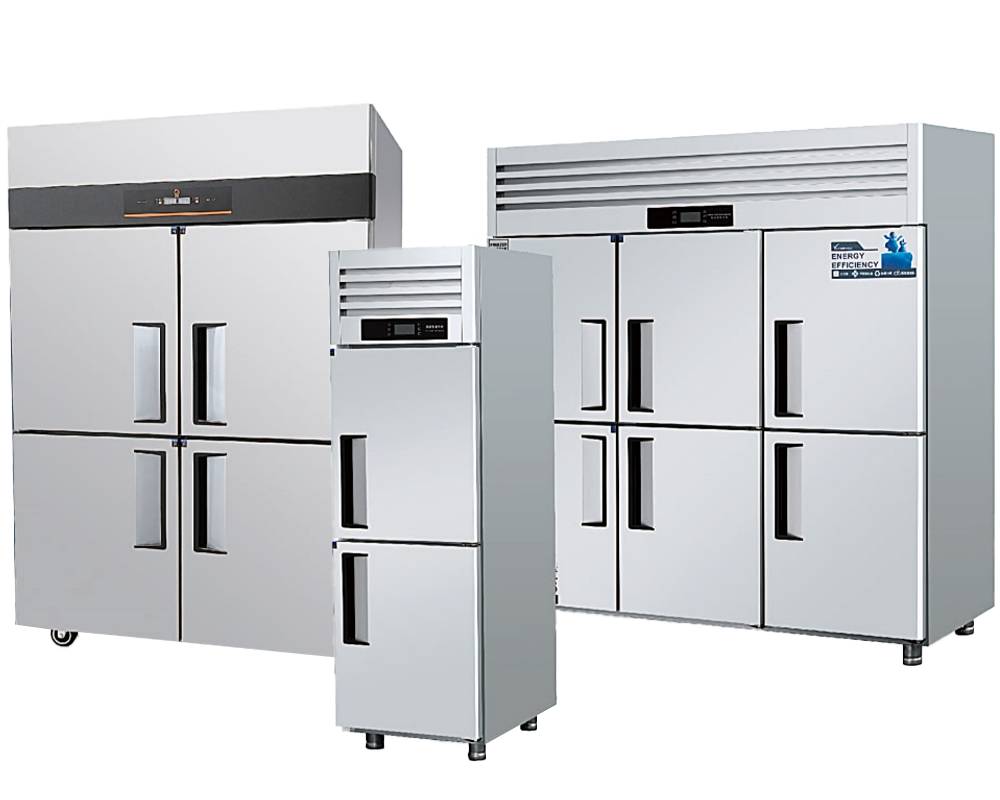 Commercial Vertical Direct-cool Stainless Steel Reach-in Refrigerator
-
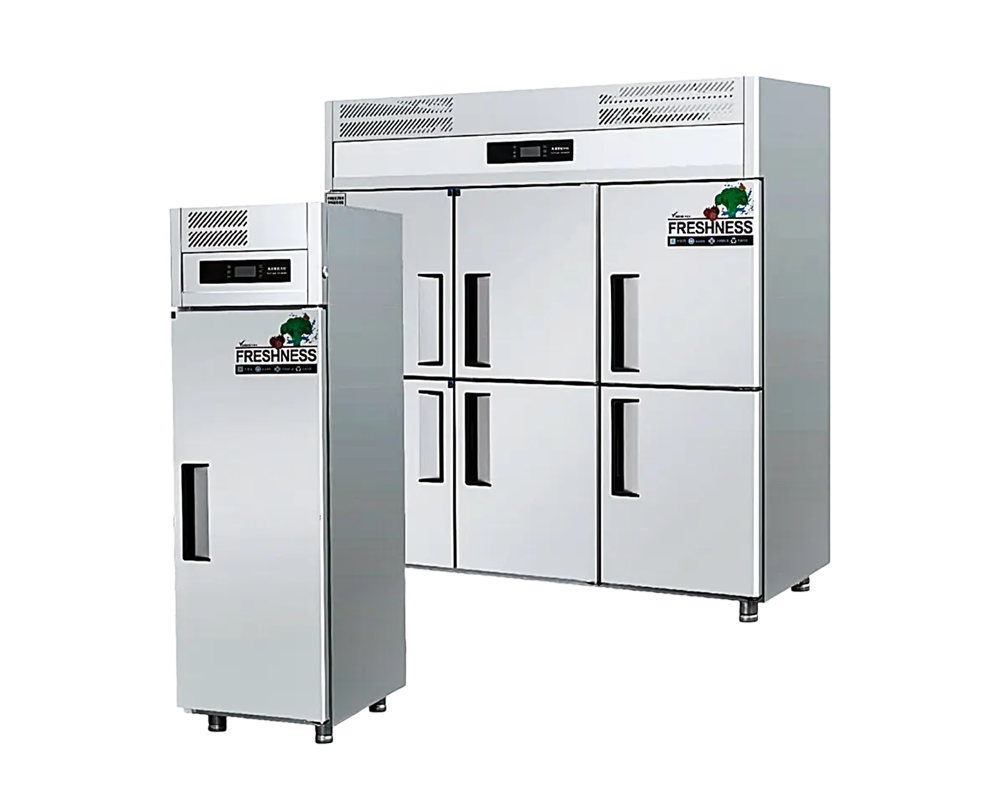 Commercial 201SUS Upright Air Cooling Reach-in Refrigerators
-
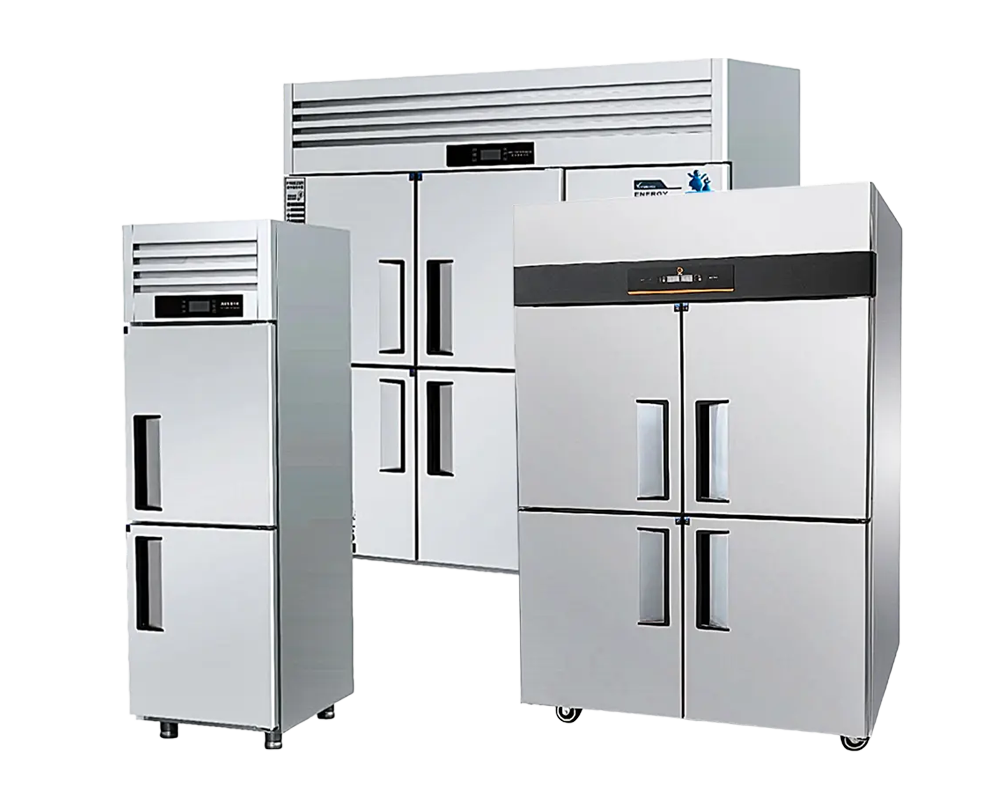 Commercial Direct-Cool Upright Reach-in Freezers
-
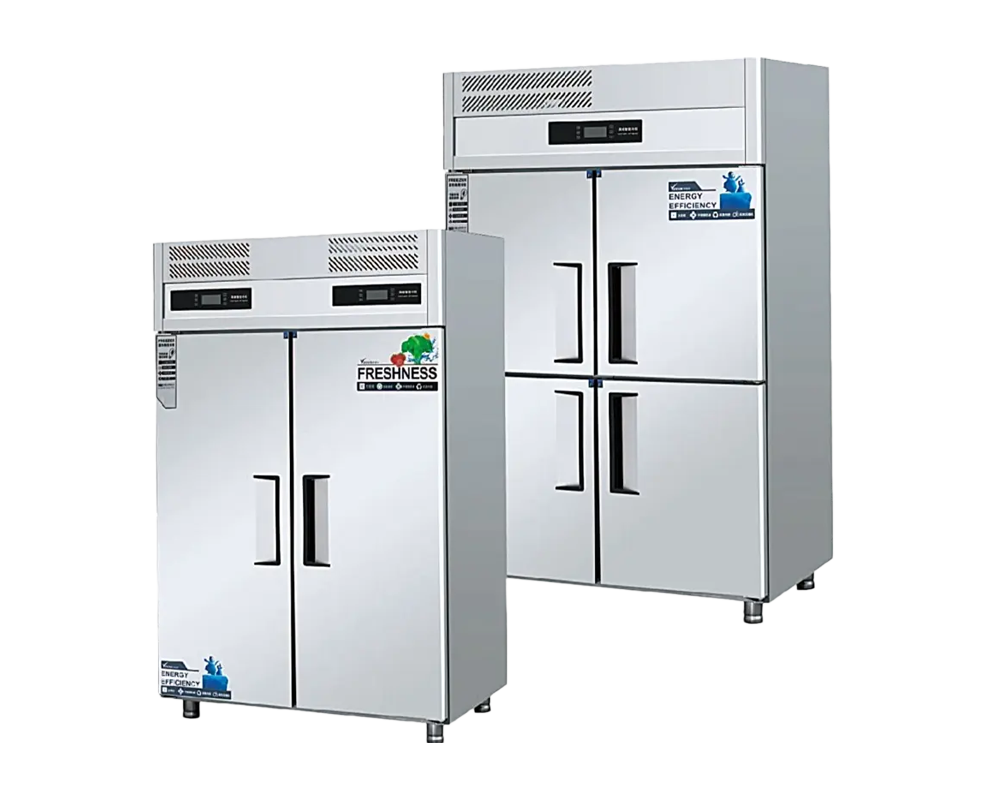 Commercial Stainless Steel Air Cooled Reach-in Vertical Freezers
-
 Dual Temperature Control Direct Cooling Commercial Upright Reach-in Refrigerators
-
 Commercial Vertical Air Cooled Intelligent Reach-in Freezer and Refrigerator
-
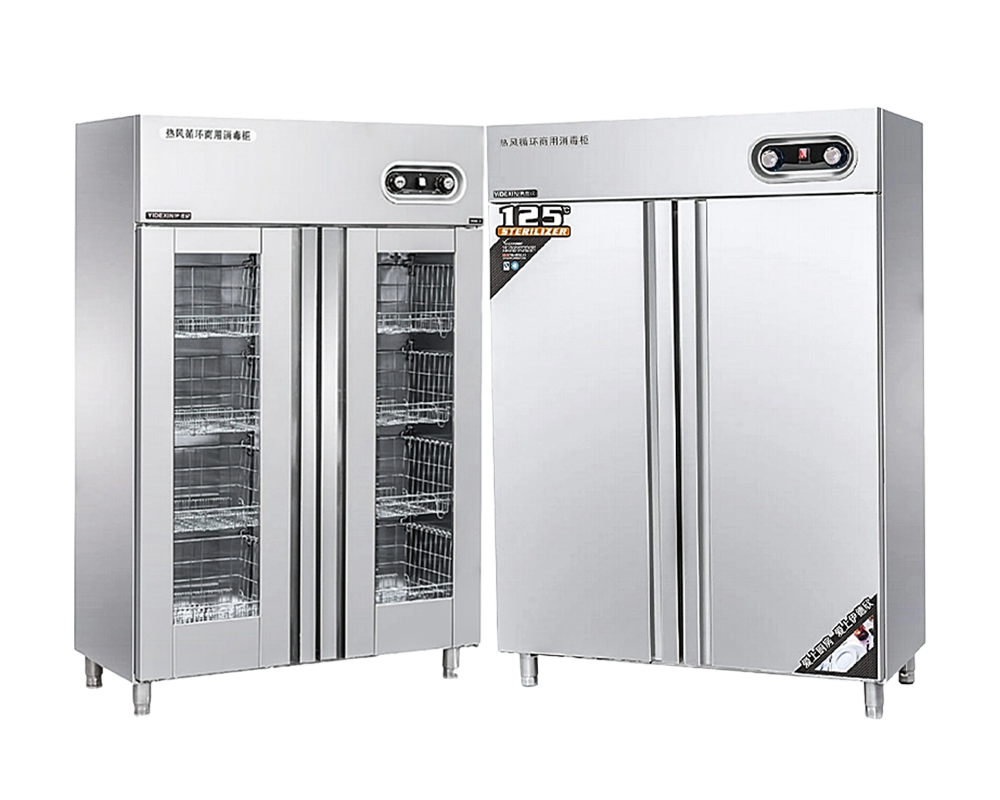 Stainless Steel/Glass Flat Door Sterilization Cabinet
-
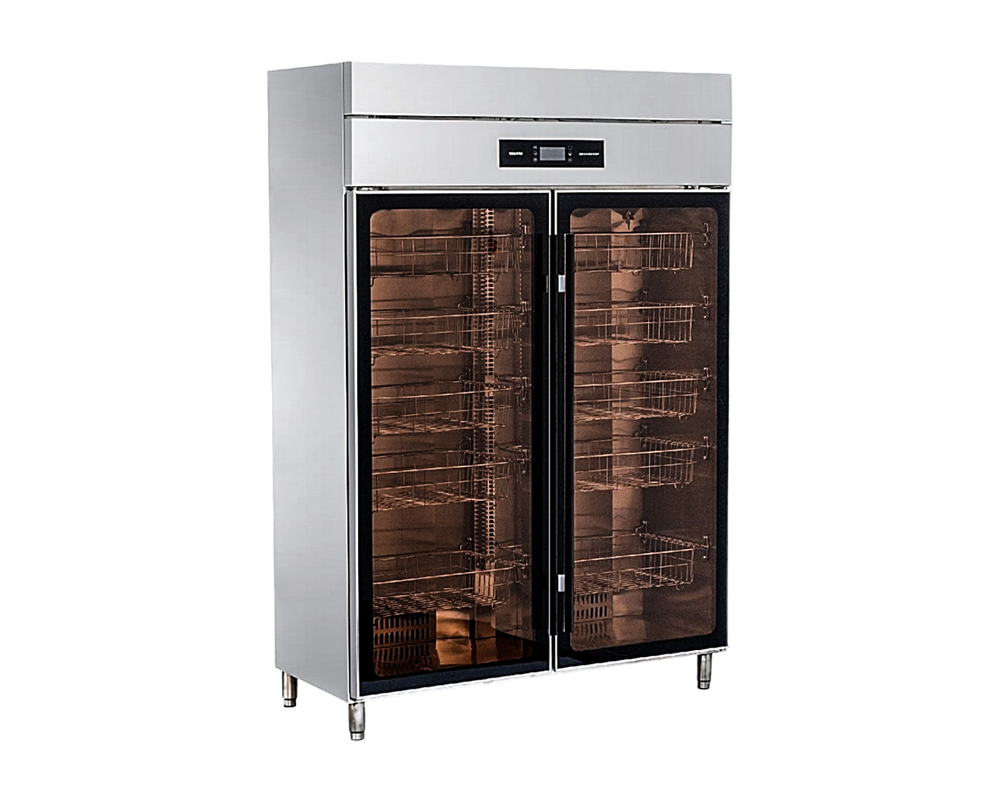 Multifunctional Three-mode High Temperature Glass Door Disinfection Cabinet
-
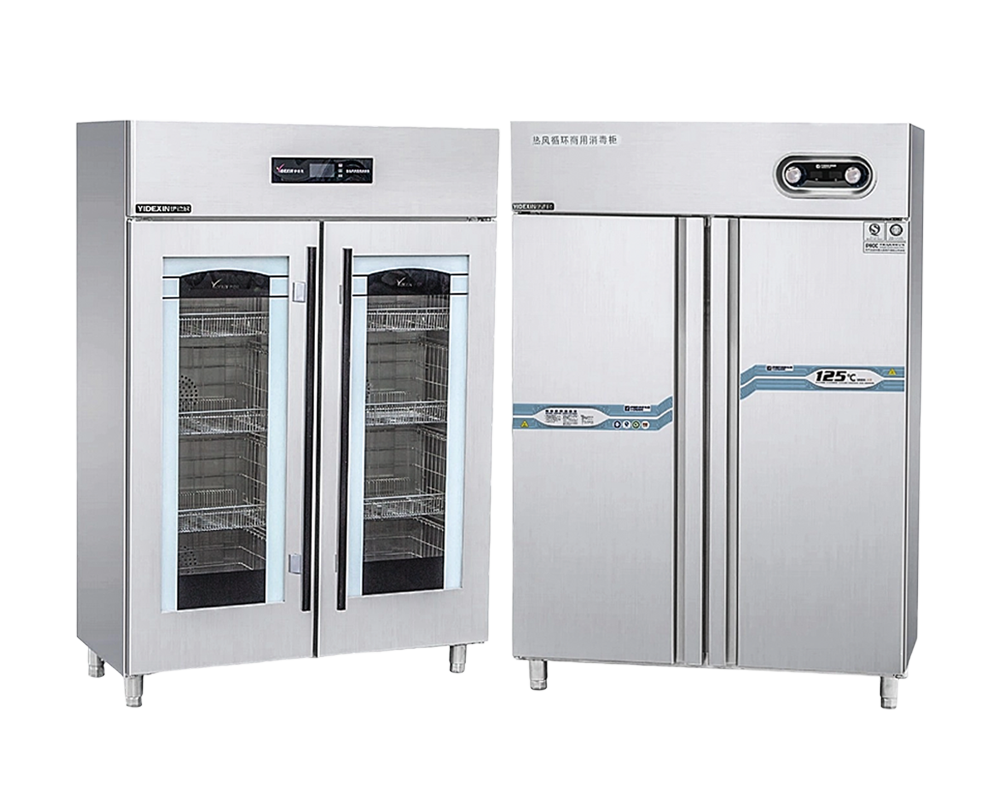 Commercial Restaurant Anti-Fingerprint Stainless Steel Disinfection Cabinet
-
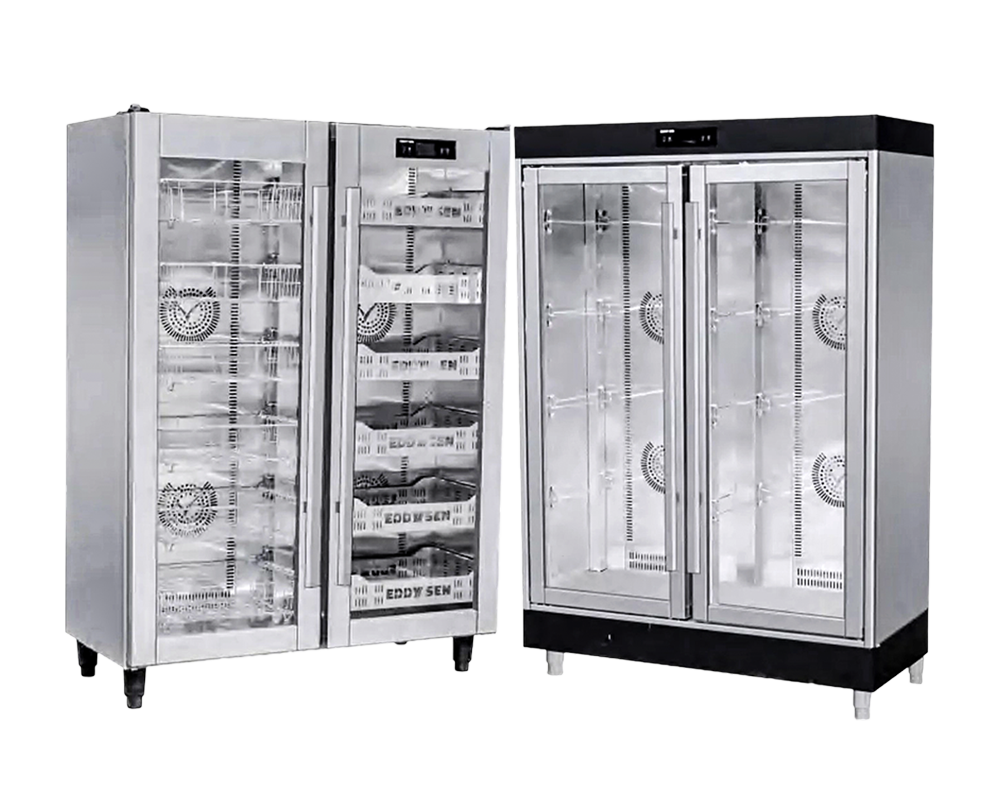 Intelligent Light Wave Stainless Steel UV Disinfection Cabinet
-
 [email protected] / [email protected]
-
 +86-15066977778 / +86-19012777577

-
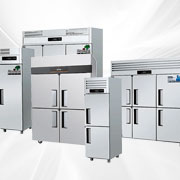 Reach-in Refrigerators
-
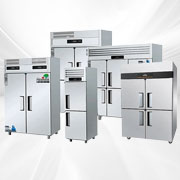 Reach-in Freezers
-
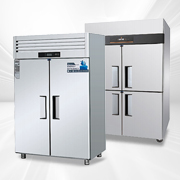 Dual Temperature Refrigerators
-
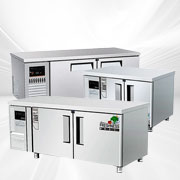 Worktop Refrigerators
-
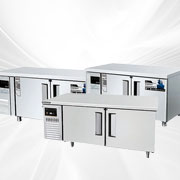 Worktop Freezers
-
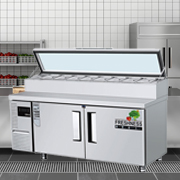 Salad Bar Refrigerators
-
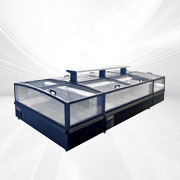 Combined Island Display Refrigerators
-
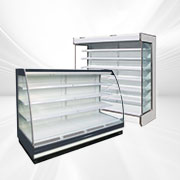 Air Curtain Refrigerators
-
 Fresh Cabinets
-
 Display Refrigerators(Glass Door)
-
 Electric Rice Steamer Cabinets
-
 Gas Rice Steamer Cabinets
-
 Vertical Banquet Cabinets
-
 Horizontal Banquet Cabinets
-
 Heated Disinfection Cabinets
Different Types of Commercial Freezers and their Applications
Content
Choosing the right commercial freezer can be overwhelming, and the wrong choice leads to wasted space, higher costs, and poor food quality. Understanding freezer types solves these issues and improves efficiency.
There are many different types of commercial freezers. Such as upright freezers, chest freezers, display freezers, blast freezers, and walk in units serve specific storage or merchandising needs for kitchens and retail environments. Proper selection ensures performance, safety, and workflow efficiency.
Let’s explore each commercial freezer and its applications.
1. Upright Commercial Freezers
Upright units are vertical commercial freezer solutions designed to maximize storage while minimizing floor space. Upright models are used in restaurants, hotel kitchens, and catering facilities due to their shelving system, which organizes ingredients efficiently.
Key Features:
- Vertical shelving for organized storage
- Small footprint for tight kitchen spaces
- Fast access for frequently used ingredients
- Strong temperature consistency during peak hours

2. Chest Freezers
Chest units are large capacity freezer types commonly used for bulk ingredients. They offer excellent energy efficiency and long term storage stability. Chest comercial freezer units are widely used in meat shops, seafood processors, and volume driven kitchens.
Key Benefits:
- Large interior capacity for bulk ingredients
- Lower energy consumption than upright units
- Excellent cold retention with top opening design
- Ideal for long term frozen storage
3. Under Counter Freezers
Under counter units fit seamlessly beneath prep tables, enhancing kitchen ergonomics and speed. These commercial freezer units are perfect for cafes, bakeries, and compact kitchens. They keep high turnover ingredients within arm’s reach, improving food preparation speed.
Key Features:
- Compact footprint to maximize prep area
- Easy access to frequently used items
- Supports fast paced cooking workflows
- Clean, integrated design for small kitchens
4. Display Freezers
Display units combine freezing performance with product visibility to boost sales and convenience. These freezer types are essential in supermarkets, convenience stores, dessert shops, and beverage outlets. Their transparent doors and bright lighting encourage impulse purchases of ice cream, beverages, and packaged snacks.
Key Benefits:
- Clear visibility for retail merchandising
- LED lighting enhances product appeal
- Customer friendly for self service environments
- Reduced door openings help maintain temperature
5. Blast Freezers
Blast equipment quickly reduces food temperature to lock in freshness and meet safety standards. Blast commercial freezer units are common in hotels, catering businesses, and food processing plants. They rapidly freeze cooked dishes, seafood, dough, and prepared meals to preserve texture and prevent bacterial growth.
Key Features:
- Ultra rapid freezing to stop bacterial growth
- Maintains food texture for high quality results
- Essential for HACCP compliance
- Suitable for both raw and cooked food cooling
6. Walk In Freezers
Walk in rooms provide the largest capacity among all freezer types and support industrial scale storage. They are used in central kitchens, food factories, hotel chains, and large institutions like schools and hospitals.
Key Benefits:
Massive storage capacity for bulk inventory
Allows staff to walk inside and organize stock
Heavy duty refrigeration for large operations
Great for multi day or long term storage
7. Glass Door Freezers
Glass door units offer excellent visibility for inventory control and customer browsing. They are used in self service restaurants, retail stores, and buffet displays. This commerical freezer type allows quick stock checks without opening doors, reducing temperature fluctuations.
Key Features:
Easy inventory checks without door opening
Ideal for retail and self service environments
Enhances product presentation
Reduces temperature fluctuations
8. Dual Temperature Freezers
Dual temperature units offer both refrigeration and freezing in a single footprint. These flexible commercial freezer solutions suit small restaurants, food trucks, and compact kitchens needing multiple temperature zones without adding equipment.
Key Benefits:
Refrigeration and freezing zones in one unit
Saves space for compact kitchens
Flexible storage for multiple food categories
Reduces equipment investment costs

Freezer Type Comparison Table
| Freezer Type | Key Advantage | Typical Application |
| Upright Freezer | Organized vertical access | Restaurants, hotels |
| Chest Freezer | Bulk and long term storage | Meat shops, bulk kitchens |
| Under Counter Freezer | Workflow efficiency | Cafes, compact kitchens |
| Display Freezer | Merchandising and presentation | Supermarkets, dessert shops |
| Blast Freezer | Rapid cooling and safety | Catering, food factories |
| Walk In Freezer | Industrial capacity | Central kitchens, institutions |
| Glass Door Freezer | Visibility and convenience | Retail, self service |
| Dual Temperature Freezer | Multi zone functionality | Small kitchens |
In Conclusion
Different types of freezers meet different business needs, and choosing the right commercial freezer can significantly improve safety, efficiency, and overall kitchen performance.
To ensure long lasting freshness and professional storage, consider Eddysen’s comprehensive commercial refrigeration and freezing solutions. As a trusted Commercial Freezer Manufacturer, we provide everything from display freezers to upright commercial units, delivering reliable equipment designed to enhance the operational efficiency of every food service business.
FAQ
1. How does a freezer work?
A freezer removes heat from the inside compartment using a refrigeration cycle. The refrigerant absorbs heat as it evaporates and releases it outside as it condenses. This constant heat transfer keeps the internal temperature low enough to freeze and preserve food.
2. How cold does a freezer get?
Most commercial and household freezers operate between -18°C and -23°C (0°F to -10°F). This temperature range slows bacterial growth, preserves food quality, and keeps items safely frozen for long-term storage.
3. How does a chest freezer work?
A chest freezer uses an airtight, top-opening design that minimizes cold air loss. It cools using the same refrigeration cycle as upright freezers, with coils surrounding the inner walls for even, efficient freezing. Its design keeps temperatures stable and energy use low.
4. What is a freezer used for?
A freezer stores food at temperatures below freezing to prevent spoilage, extend shelf life, and maintain product quality. It is used in homes, restaurants, and commercial kitchens to preserve meat, seafood, produce, desserts, and other perishable items.

-
 Add.
Add.
Sales Center:Room 410, Floor T3-4, Zhonghai Development Building, No. 888, Kejiguan Street, Binjiang District, Hangzhou, Zhejiang,China
Factory Address:100 Meters South Of Zhongmao Village, Xingfu Town, Boxing County, Binzhou City, Shandong Province, P.R.China
Sales Center:Room 410, Building 15, Tianan Headquarters Center, 555 North Panyu Avenue, Donghuan Street, Panyu District, Guangzhou City, china
-
 Tel.
+86-15066977778+86-19012777577
Tel.
+86-15066977778+86-19012777577 -
 Email.
Quick Links
Product Fast Links
Mobile Terminal
Copyright @Hangzhou Eddysen Catering Equipment Co., Ltd.All rights reserved. Commercial Freezer Manufacturer