 English
 中文简体
中文简体 Español
 عربى
عربى
-
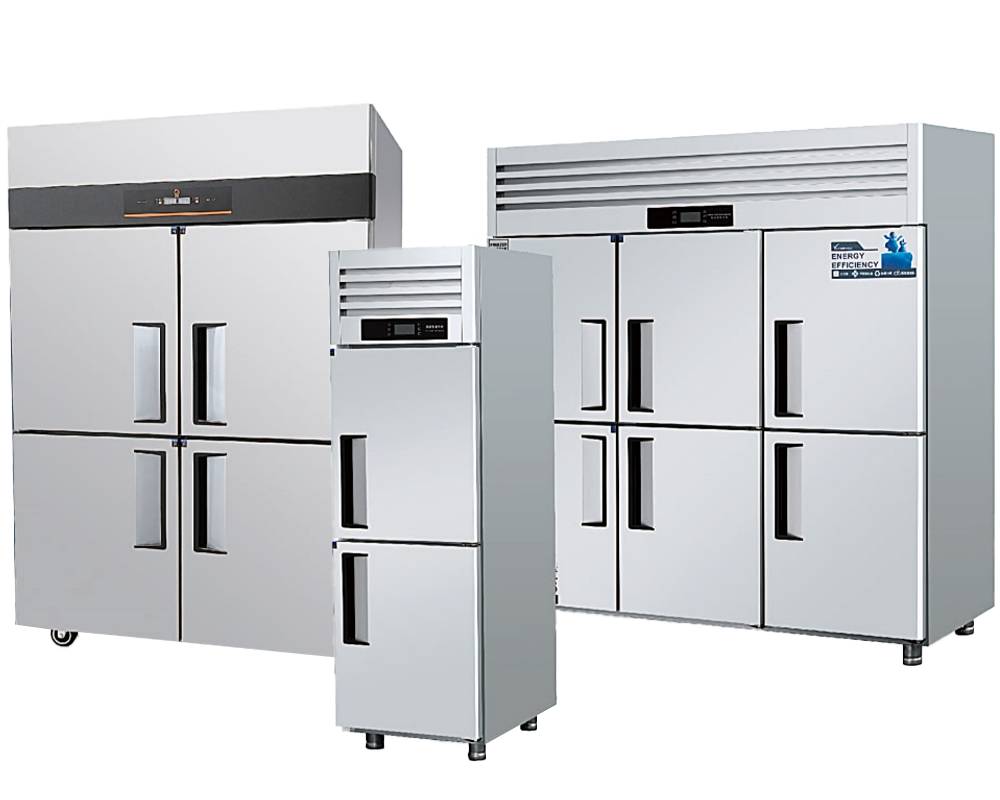 Commercial Vertical Direct-cool Stainless Steel Reach-in Refrigerator
-
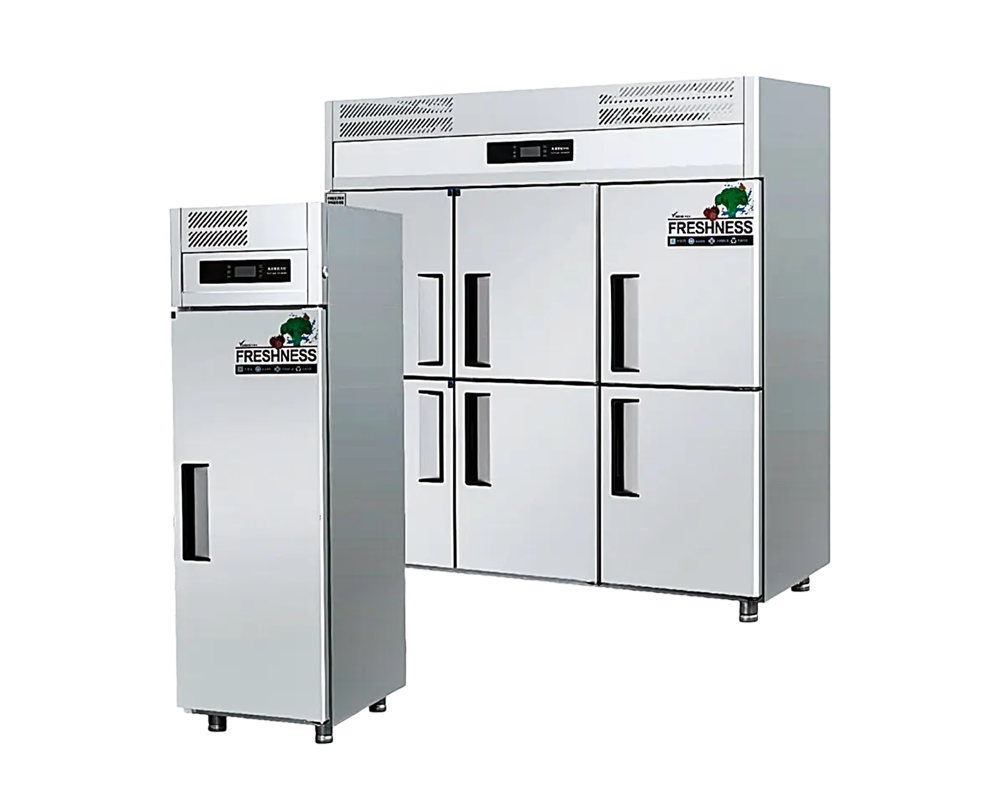 Commercial 201SUS Upright Air Cooling Reach-in Refrigerators
-
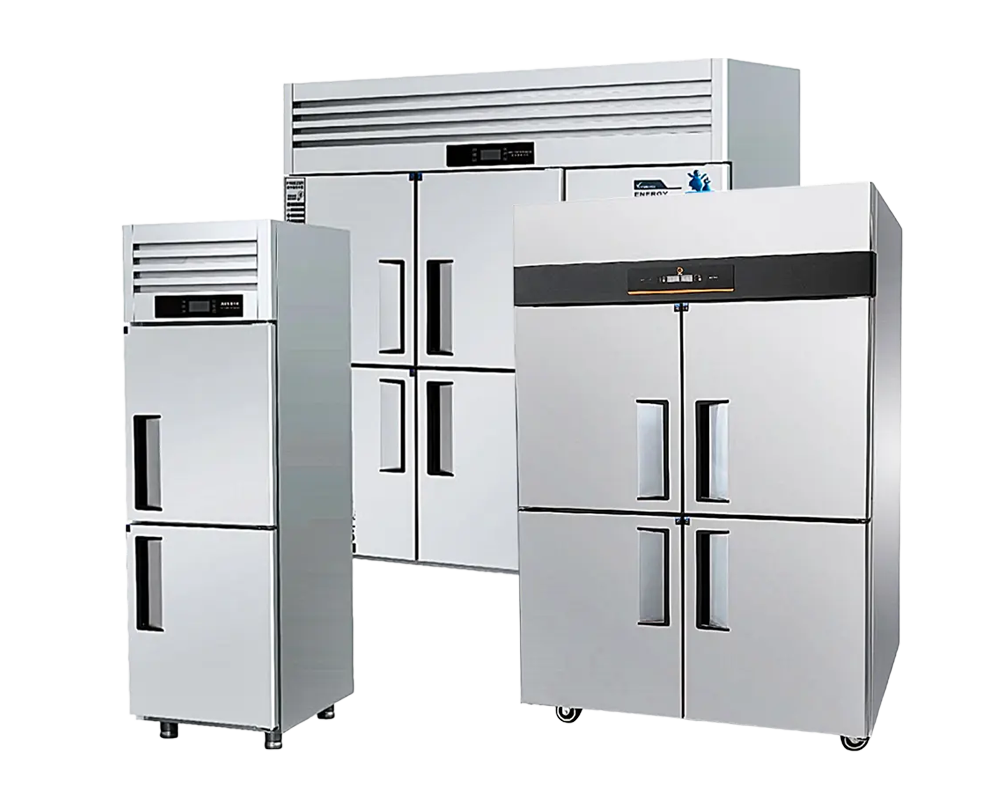 Commercial Direct-Cool Upright Reach-in Freezers
-
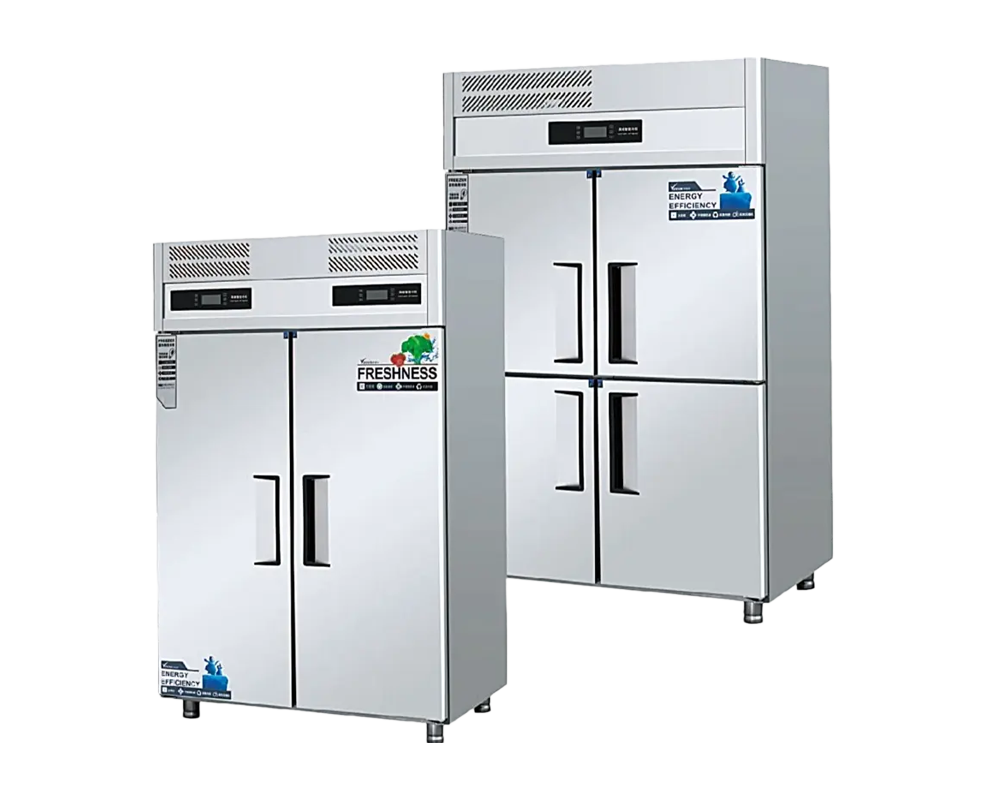 Commercial Stainless Steel Air Cooled Reach-in Vertical Freezers
-
 Dual Temperature Control Direct Cooling Commercial Upright Reach-in Refrigerators
-
 Commercial Vertical Air Cooled Intelligent Reach-in Freezer and Refrigerator
-
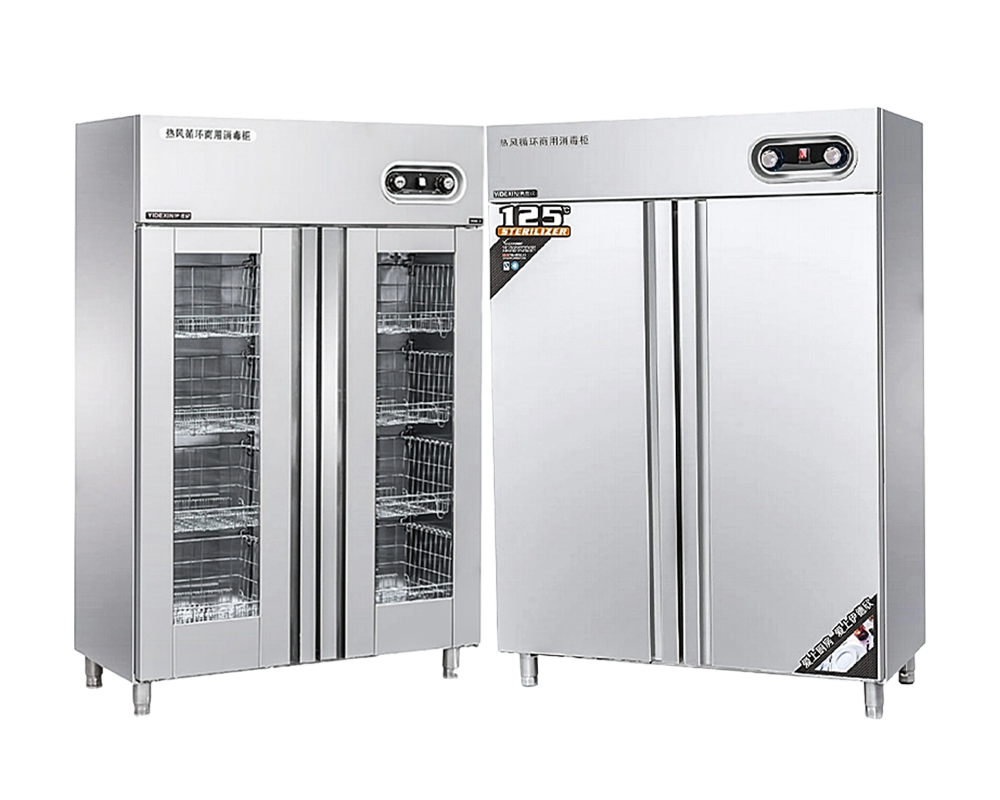 Stainless Steel/Glass Flat Door Sterilization Cabinet
-
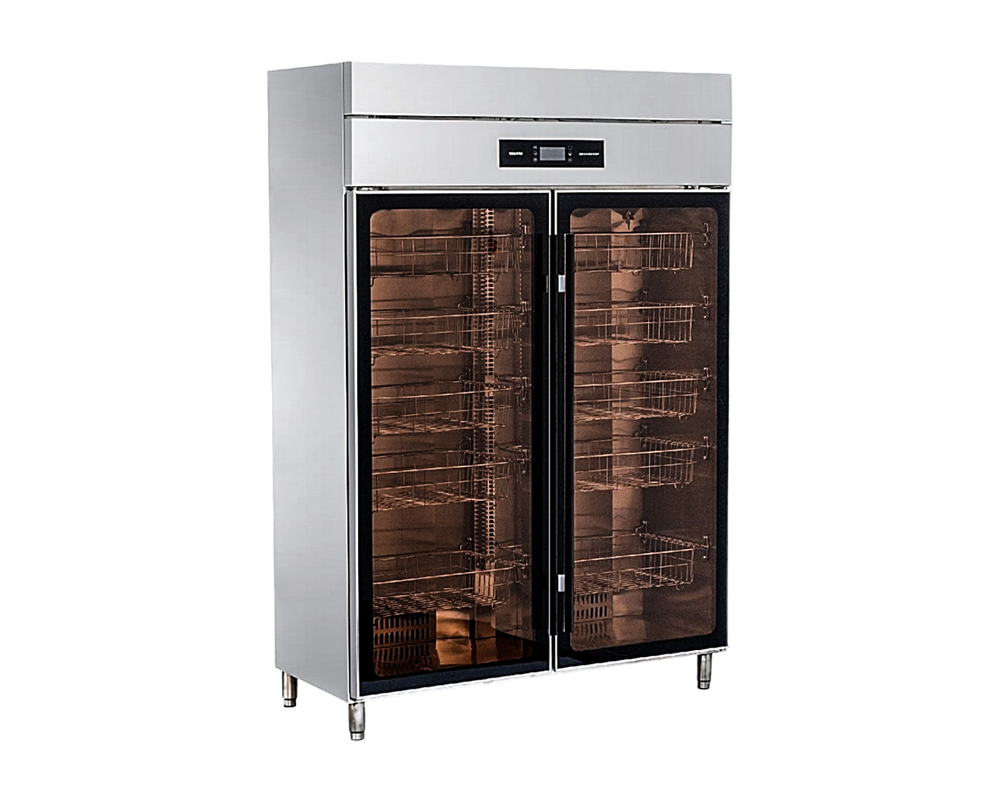 Multifunctional Three-mode High Temperature Glass Door Disinfection Cabinet
-
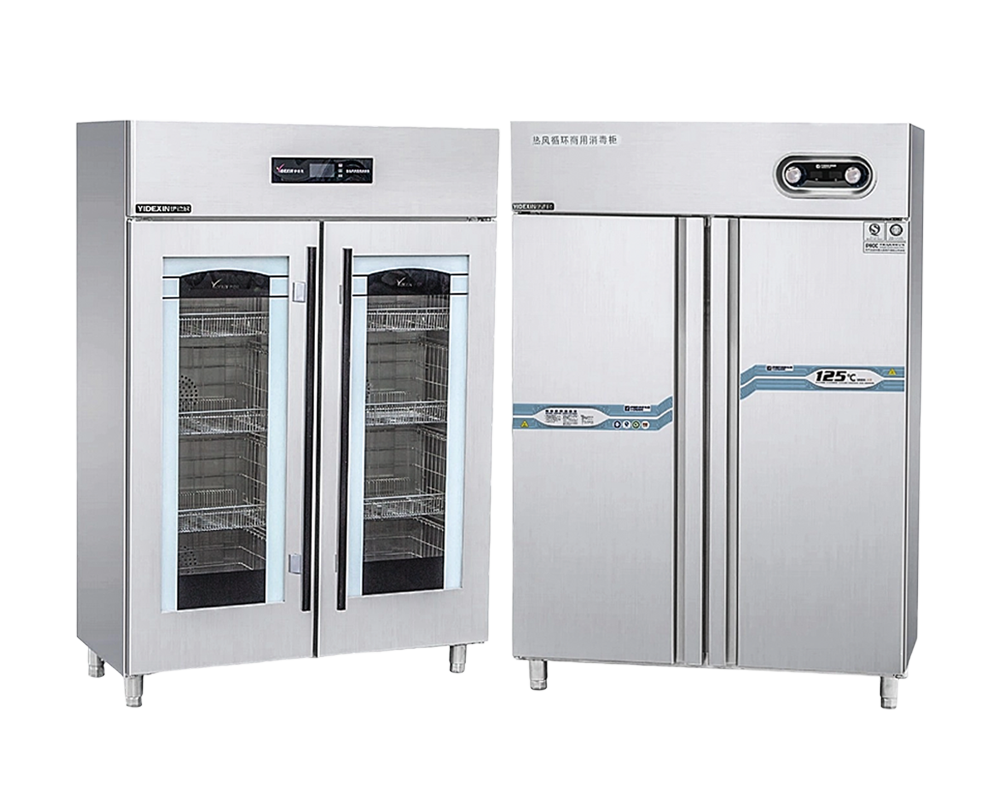 Commercial Restaurant Anti-Fingerprint Stainless Steel Disinfection Cabinet
-
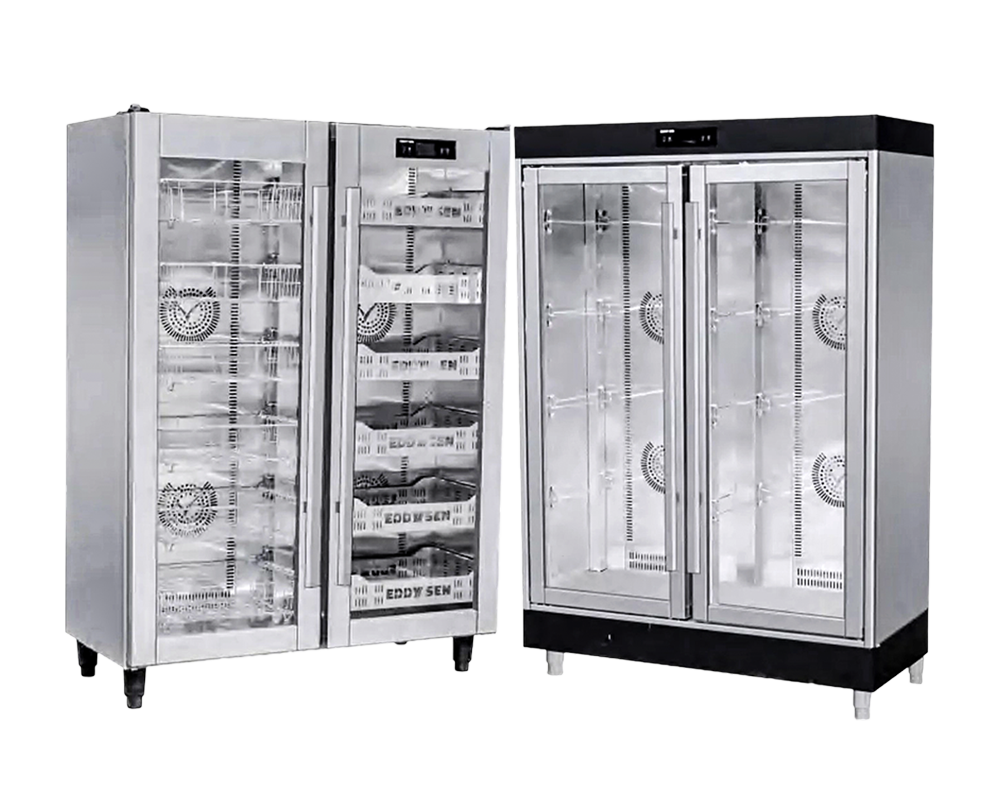 Intelligent Light Wave Stainless Steel UV Disinfection Cabinet
-
 [email protected] / [email protected]
-
 +86-15066977778 / +86-19012777577

-
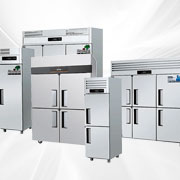 Reach-in Refrigerators
-
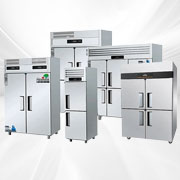 Reach-in Freezers
-
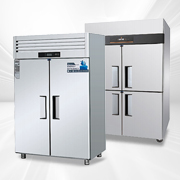 Dual Temperature Refrigerators
-
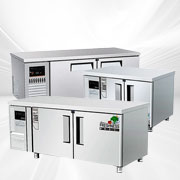 Worktop Refrigerators
-
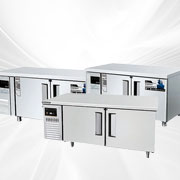 Worktop Freezers
-
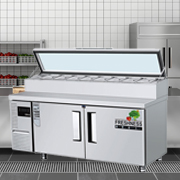 Salad Bar Refrigerators
-
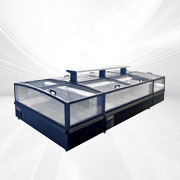 Combined Island Display Refrigerators
-
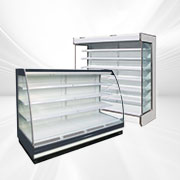 Air Curtain Refrigerators
-
 Fresh Cabinets
-
 Display Refrigerators(Glass Door)
-
 Electric Rice Steamer Cabinets
-
 Gas Rice Steamer Cabinets
-
 Vertical Banquet Cabinets
-
 Horizontal Banquet Cabinets
-
 Heated Disinfection Cabinets
Types of Refrigerators and Freezers: A Comprehensive Guide
Content
- 1 What Are the Main Types of Commercial Refrigerators?
- 2 What Are the Main Types of Commercial Freezers?
- 3 What Is the Difference Between Refrigerators and Freezers?
- 4 In Conclusion
Commercial refrigeration equipment comes in a variety of types to meet different storage capacities, workflows, and service environment requirements. Understanding the types of refrigerators and freezers available on the market will help you choose the refrigeration equipment best suited to your needs.
Let's continue reading to learn about the common types of refrigerators and freezers used in commercial kitchens.
What Are the Main Types of Commercial Refrigerators?
Commercial refrigerators vary based on size, layout and kitchen workflow. Below are the key categories used across restaurants, hotels and food processing facilities.
1. Upright Refrigerators
Upright refrigerators feature a vertical design and ample capacity, making them ideal for busy kitchen environments. Staff can quickly access ingredients, and temperatures remain stable even with frequent door openings. With adjustable shelves and a compact footprint, they are widely used in restaurant kitchens where efficiency and order are paramount.
2. Undermount Refrigerated Display Cases
Undermount refrigerated display cases slide directly under the worktable, allowing chefs to quickly access refrigerated ingredients without leaving the preparation area. Their low profile and durable construction make them ideal for compact kitchens where maximizing efficiency and space is crucial. These refrigerators provide reliable cooling performance in cafes, small restaurants, and dessert shops.
3. Preparation Area Refrigerated Display Cases
Prep area refrigerated display cases combine refrigeration with a practical work surface, making them essential for preparing salads, sandwiches, pizzas, or other assembled foods. The top-mounted refrigerated ingredient compartments ensure that ingredients and cut items remain at a safe temperature throughout the service. Their integrated design helps speed up food preparation and ensures consistent food quality in fast-paced kitchens.
4. Walk-in Cold Storage
Walk-in cold storage provides large-capacity refrigeration space for locations requiring the management of large quantities of ingredients. These spacious cold storage rooms can be customized to fit available space and are commonly used in hotels, large restaurants, and food production facilities. Their powerful refrigeration systems provide a stable low-temperature environment suitable for bulk storage of meat, produce, and beverages.
5. Display Refrigerators
Display refrigerators feature transparent glass doors to showcase beverages, desserts, and packaged foods in an attractive way for customers. Ample internal lighting and stable temperature control help keep products fresh while promoting impulse purchases. These refrigerators are common in convenience stores, supermarkets, and cafes because their eye-catching appearance and easy access effectively boost sales.

6. Bar Refrigerators
Bar refrigerators are designed for fast-paced beverage service locations such as bars, lounges, and hotels. Their compact structure and efficient refrigeration systems ensure drinks are chilled and readily available. These devices are typically used to store bottled, canned, and barrelled beverages, allowing bartenders to work efficiently in confined spaces while maintaining consistent beverage quality.
Main Types of Commercial Refrigerators and Their Applications
| Refrigerator Type | Best For | Key Features |
| Upright Refrigerators | Restaurants, hotel kitchens, busy food prep areas | Vertical design; large capacity; stable temperature even with frequent door openings; adjustable shelves; space-efficient footprint |
| Undermount Refrigerated Display Cases | Small kitchens, cafés, compact food prep spaces | Fits under worktables; quick ingredient access; space-saving; durable construction; ideal for tight kitchen layouts |
| Preparation Area Refrigerated Display Cases | Salad, sandwich, and pizza preparation stations | Integrated prep table + refrigeration; top-mounted ingredient compartments; maintains safe temperatures; improves workflow efficiency |
| Walk-in Cold Storage | Hotels, large restaurants, food processing facilities, bulk storage needs | Large customizable rooms; high-capacity storage; stable low-temperature environment; powerful refrigeration systems |
| Display Refrigerators | Supermarkets, convenience stores, cafés, customer-facing product display | Glass doors; internal lighting; strong visibility; stable temperature; boosts impulse purchases |
| Bar Refrigerators | Bars, lounges, hotels, fast beverage service areas | Compact structure; rapid cooling; optimized for bottles, cans, and kegs; easy bartender access; space-saving design |
What Are the Main Types of Commercial Freezers?
Freezers are essential for long-term food preservation and strict temperature control in commercial environments. The following are the main types of commercial freezers.
1. Upright Freezers
Upright freezers are similar to household refrigerators but with larger capacity, ideal for restaurants or food stores. They save floor space and make it easy to organize food. For example, a small restaurant might use an upright freezer to store pre-prepared meals, frozen vegetables, and meat, allowing staff to quickly access items.
Advantages:
-
Space-saving vertical design ideal for small kitchens
-
Easier to organize with shelves and compartments
-
Quick access to food without bending down
-
Great for restaurants needing frequent item retrieval
Disadvantages:
-
Higher energy consumption compared to chest freezers
-
Smaller usable storage volume due to shelving
-
Temperature fluctuation from frequent door openings

2. Chest Freezers
Chest freezers open from the top and offer large storage capacity, perfect for bulk or oversized items. For example, supermarkets often use chest freezers to store frozen seafood, ice cream, and large cuts of meat. Because cold air sinks, the temperature remains stable when the lid is opened, making them ideal for long-term storage.
Advantages:
-
Largest storage capacity among freezer types
-
Excellent temperature stability, cold air remains inside when opened
-
More energy-efficient than upright freezers
-
Ideal for long-term storage of bulk and oversized items
Disadvantages:
-
Requires more floor space
-
Harder to organize and retrieve items at the bottom
-
Not suitable for environments needing frequent access
3. Display Freezers
Display freezers are designed for retail environments like supermarkets, convenience stores, or dessert shops. They feature glass doors or tops so customers can browse products directly. For example, an ice cream shop might use a display freezer with a transparent lid and lighting to showcase different flavors, keeping items frozen while attracting buyers.
Advantages:
-
Transparent doors/lids showcase products to drive sales
-
Internal lighting enhances product visibility
-
Customer-friendly design ideal for retail environments
-
Easy access and organized product arrangement
Disadvantages:
-
Higher energy consumption due to glass panels
-
Typically more expensive than standard freezers
-
Temperature stability may decrease with constant customer opening
4. Blast Freezers / Shock Freezers
Blast freezers quickly freeze food to preserve texture, flavor, and nutritional value. They are commonly used in bakeries, catering operations, or seafood processing plants. For instance, a bakery might place freshly baked pastries into a blast freezer to rapidly chill them, ensuring freshness for the next day’s sale.
Advantages:
-
Rapid freezing preserves texture, flavor, and nutrients
-
Prevents bacterial growth by quickly lowering food temperature
-
Essential for bakeries, seafood factories, and catering operations
Disadvantages:
-
High initial cost
-
Requires significant power and proper ventilation
5. Refrigerated Freezer Combos
Refrigerated freezer combo units combine refrigeration and freezing in a single appliance, perfect for cafes or restaurants with limited space. For example, a coffee shop could use a combo unit to store milk, cakes, and ice cream in one place, saving space while allowing staff to access items at different temperature requirements quickly.
Advantages:
-
Saves space by combining refrigeration and freezing in one unit
-
Convenient for small cafés, coffee shops, and compact kitchens
-
Supports multiple storage temperatures in a single location
Disadvantages:
-
Smaller freezer and refrigerator capacity compared to standalone units
-
Higher chance of mechanical issues because of combined functionality
-
Temperature performance may not match dedicated single-purpose units
Summary of Types of Commercial Freezers
| Type of Freezer | Description | Example / Use Case |
| Upright Freezers | Similar to household refrigerators but larger; saves floor space and easy to organize; transparent doors allow easy inventory management. | A small restaurant stores pre-prepared meals, frozen vegetables, and meat for quick access. |
| Chest Freezers | Top-opening design; large capacity; cold air stays low, ideal for long-term bulk storage. | Supermarkets store frozen seafood, ice cream, and large cuts of meat. |
| Display Freezers | Glass doors or tops for customer browsing; designed for retail visibility. | Ice cream shops showcase different flavors with transparent lid and lighting to attract buyers. |
| Blast Freezers / Shock Freezers | Rapidly freezes food to preserve texture, flavor, and nutrition; used in production or processing. | Bakeries chill freshly baked pastries quickly to maintain freshness for next-day sale. |
| Refrigerated Freezer Combos | Combines refrigeration and freezing in one unit; space-saving and versatile. | Cafes store milk, cakes, and ice cream together while meeting different temperature needs. |
What Is the Difference Between Refrigerators and Freezers?
Refrigerator units and freezer units serve different temperature and storage needs. Refrigerators maintain a cool environment, typically between 1°C and 5°C (34°F–41°F), to keep perishable foods like fruits, vegetables, dairy, and cooked meals fresh for short-term use.
Freezers, on the other hand, operate at much lower temperatures, usually -18°C (0°F) or below, to preserve foods like meat, seafood, and ice cream for long-term storage by stopping bacterial growth. While refrigerators are designed for easy daily access and lower energy consumption, freezers focus on maximizing frozen storage and maintaining consistent cold conditions for extended periods.
In Conclusion
Commercial refrigerators and freezers come in many forms, each designed for specific kitchen tasks. Understanding these types helps businesses choose the best cooling equipment for efficient operations.
FAQ
1. Which is better, an inverter fridge or a compressor fridge?
Inverter fridges are more energy-efficient and maintain a more stable temperature by adjusting compressor speed. Traditional compressor fridges run at full power in cycles, using more energy and causing temperature fluctuations. For long-term savings and quieter operation, an inverter fridge is generally the better choice.
2. What style refrigerator is most efficient?
Top-freezer refrigerators are generally the most energy-efficient style. Their simple design and natural cold air flow from the freezer to the fridge compartment reduce energy consumption compared to side-by-side or French-door models.
3. What are the three basic types of freezers?
The three basic types of freezers are upright freezers, chest freezers, and display freezers. Upright freezers save space and allow organized storage, chest freezers offer large capacity for bulk storage, and display freezers are designed for retail visibility.

-
 Add.
Add.
Sales Center:Room 410, Floor T3-4, Zhonghai Development Building, No. 888, Kejiguan Street, Binjiang District, Hangzhou, Zhejiang,China
Factory Address:100 Meters South Of Zhongmao Village, Xingfu Town, Boxing County, Binzhou City, Shandong Province, P.R.China
Sales Center:Room 410, Building 15, Tianan Headquarters Center, 555 North Panyu Avenue, Donghuan Street, Panyu District, Guangzhou City, china
-
 Tel.
+86-15066977778+86-19012777577
Tel.
+86-15066977778+86-19012777577 -
 Email.
Quick Links
Product Fast Links
Mobile Terminal
Copyright @Hangzhou Eddysen Catering Equipment Co., Ltd.All rights reserved. Commercial Freezer Manufacturer