 English
 中文简体
中文简体 Español
 عربى
عربى
-
 Commercial Vertical Direct-cool Stainless Steel Reach-in Refrigerator
-
 Commercial 201SUS Upright Air Cooling Reach-in Refrigerators
-
 Commercial Direct-Cool Upright Reach-in Freezers
-
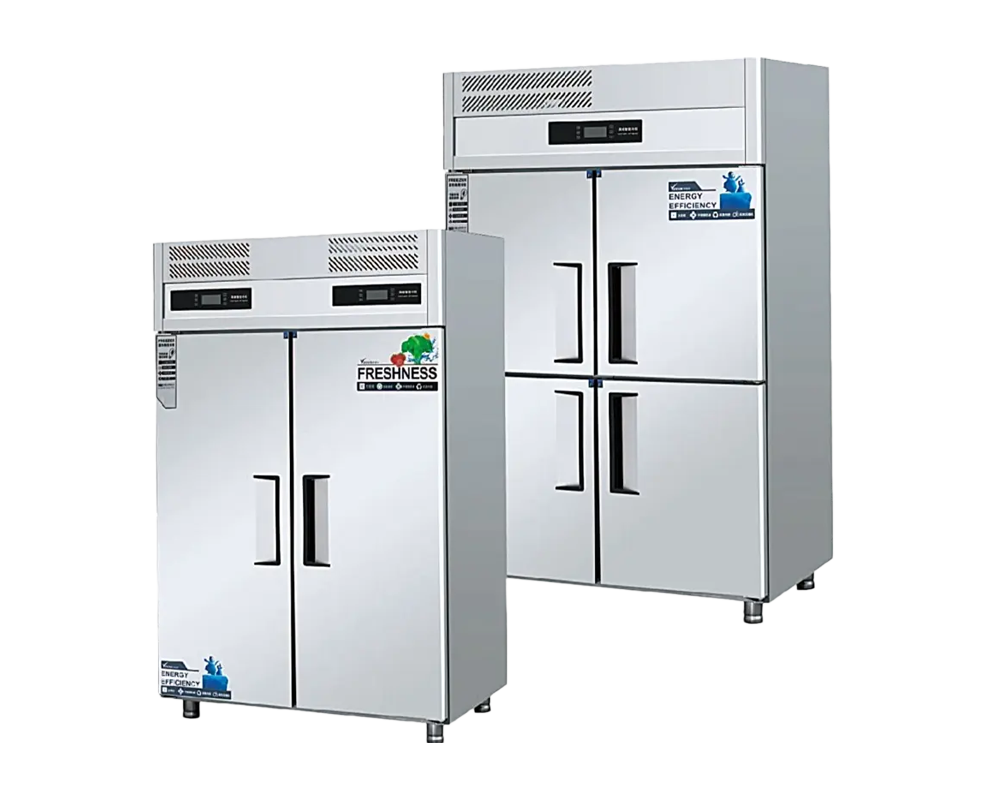 Commercial Stainless Steel Air Cooled Reach-in Vertical Freezers
-
 Dual Temperature Control Direct Cooling Commercial Upright Reach-in Refrigerators
-
 Commercial Vertical Air Cooled Intelligent Reach-in Freezer and Refrigerator
-
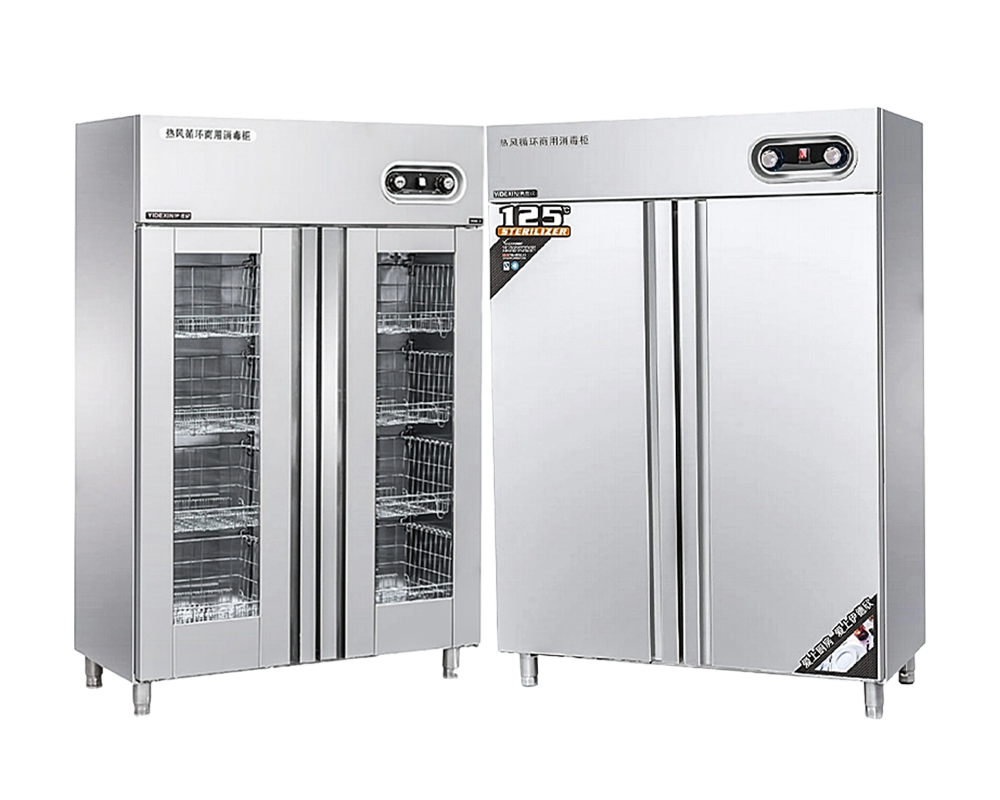 Stainless Steel/Glass Flat Door Sterilization Cabinet
-
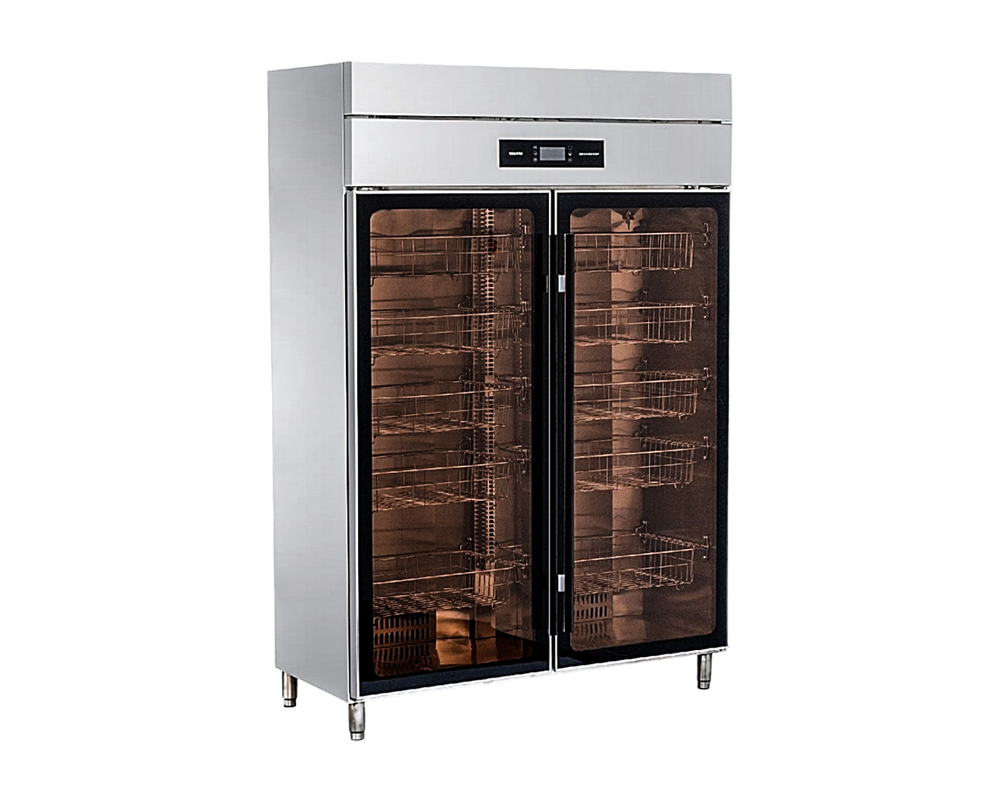 Multifunctional Three-mode High Temperature Glass Door Disinfection Cabinet
-
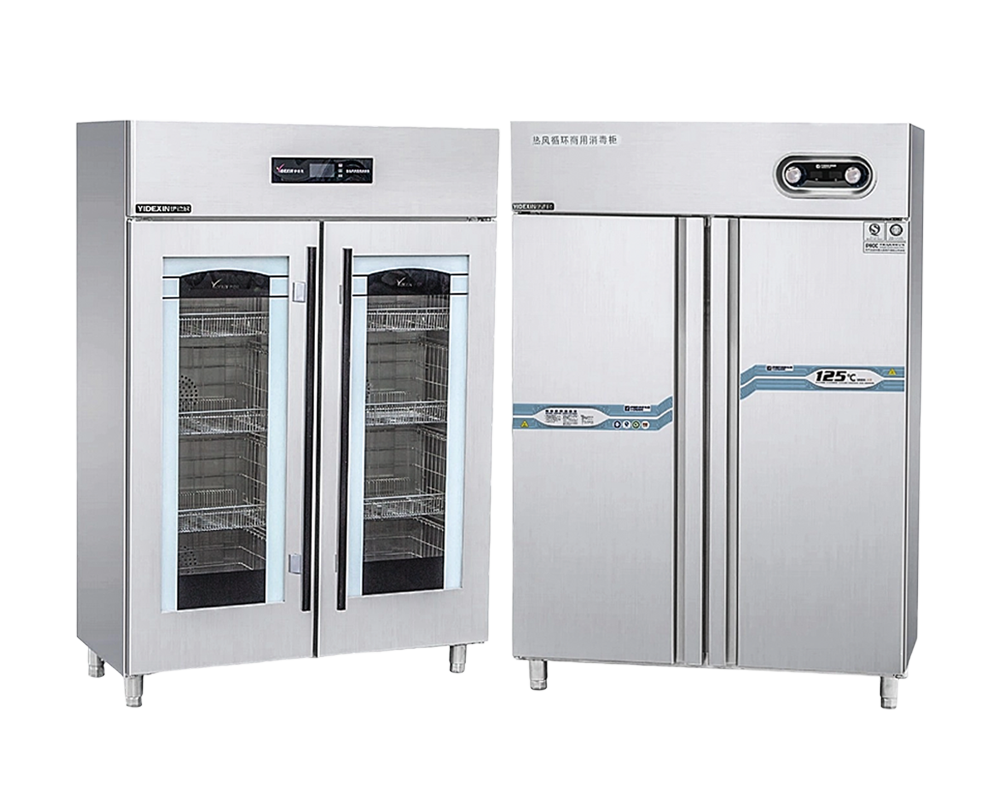 Commercial Restaurant Anti-Fingerprint Stainless Steel Disinfection Cabinet
-
 Intelligent Light Wave Stainless Steel UV Disinfection Cabinet
-
 [email protected] / [email protected]
-
 +86-15066977778 / +86-19012777577

-
 Reach-in Refrigerators
-
 Reach-in Freezers
-
 Dual Temperature Refrigerators
-
 Worktop Refrigerators
-
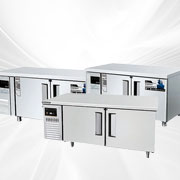 Worktop Freezers
-
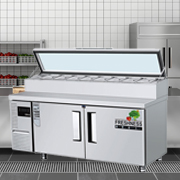 Salad Bar Refrigerators
-
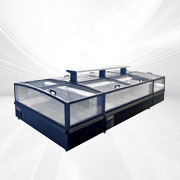 Combined Island Display Refrigerators
-
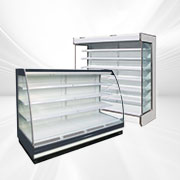 Air Curtain Refrigerators
-
 Fresh Cabinets
-
 Display Refrigerators(Glass Door)
-
 Electric Rice Steamer Cabinets
-
 Gas Rice Steamer Cabinets
-
 Vertical Banquet Cabinets
-
 Horizontal Banquet Cabinets
-
 Heated Disinfection Cabinets
Home / News / Industry information / Buffet Steam Table Buying Guide: Electric vs Gas, Size, and Cost Comparison
Buffet Steam Table Buying Guide: Electric vs Gas, Size, and Cost Comparison
Content
- 1 What Is a Buffet Steam Table and How Does It Work?
- 2 Electric vs Gas Steam Tables: A Side-by-Side Comparison
- 3 Steam Table Sizes and Pan Capacity: What You Need to Know
- 4 Hot vs Cold Combo: Configuring a Dual-Temperature Buffet Line
- 5 Key Features to Look for in a Commercial Steam Table
- 6 How Many Steam Tables Do You Need? A Quick Calculation
- 7 Maintenance Tips to Extend the Life of Your Steam Table
Two-thirds of food waste in buffet operations traces back to inconsistent holding temperatures. A properly selected steam table for buffet service eliminates that variance, keeping dishes at safe, serving-ready temperatures for hours. This guide strips away the marketing fluff and gives you the direct comparisons, sizing calculations, and maintenance realities that determine whether a unit pays for itself in months or becomes a drain on your kitchen.
What Is a Buffet Steam Table and How Does It Work?
A steam table for buffet setups is a heated food-holding station that maintains prepared dishes at a consistent serving temperature, typically between 140F and 165F. Unlike a standard food warmer that relies solely on ambient hot air, a steam table uses a water reservoir beneath the food pans. Heating elements warm the water, and the resulting steam gently and evenly transfers heat through the pan bottoms without scorching the food.
This water-bath method is what separates a commercial steam table from a dry-heat cabinet. Dry heat draws moisture out of food, causing sauces to thicken and proteins to dry. Steam adds humidity to the holding environment. For dishes like braised meats, rice, and soups, that humidity keeps texture and appearance intact for the full duration of service. Dry-heat wells do exist and work better for crispy items like fried chicken or egg rolls, but most buffet lines default to wet-heat wells for their versatility.
A standard unit consists of a stainless steel well, a heating element (electric or gas-fired), a water drain, and a temperature control. Food goes into hotel pans that rest inside the well opening. The steam table acts as the backbone of any buffet line, paired with complementary equipment like curved glass deli cabinets for cold items.
Electric vs Gas Steam Tables: A Side-by-Side Comparison
The electric versus gas decision shapes your upfront investment, ongoing energy costs, and installation logistics. Neither technology is universally superior. The right pick depends entirely on your facility's existing infrastructure and the scale of your operation.
Electric models dominate the market for small to mid-sized restaurants and caterers. They plug into standard 208V or 240V outlets, require zero ventilation beyond what your kitchen already has, and cost less to purchase initially. A quality 4-well electric steam table typically lands between $800 and $2,500. The trade-off is operating cost. Electricity runs higher per BTU than natural gas in most US markets.
Gas steam tables make sense for high-volume banquet halls, institutional cafeterias, and operations already plumbed for natural gas. The initial purchase price runs higher — typically 30% to 50% more than an equivalent electric model — but the hourly operating cost drops significantly. Gas units demand proper ventilation and a dedicated gas line, which can add thousands to the installation budget if not already present.
| Dimension | Electric | Gas |
|---|---|---|
| Initial Cost (4-well unit) | $800 – $2,500 | $1,200 – $3,800 |
| Hourly Operating Cost | $0.08 – $0.22 per hour | $0.03 – $0.12 per hour |
| Installation Requirements | Dedicated 208-240V circuit | Gas line + ventilation hood |
| Maintenance Frequency | Low (element replacement) | Moderate (burner cleaning) |
| Best Application | Caterers, small restaurants, hotels | High-volume cafeterias, banquet halls |
The operating cost gap widens in regions with high electricity rates. A single electric well pulling 1,500 watts running six hours daily at $0.14/kWh costs roughly $1.26 per day. The same well on gas might cost $0.35. Multiply that across four wells and 300 operating days, and the annual savings tilt toward gas by several hundred dollars. Factor that against the higher upfront cost of gas and any added ventilation expense to find your break-even point.
Steam Table Sizes and Pan Capacity: What You Need to Know
Steam table sizing follows a predictable logic: each linear foot of well space holds approximately one full-size hotel pan. A 12-inch well hosts a single 12" x 20" full pan. A 24-inch well fits two. This standardization makes it easy to plan your buffet line once you know how many menu items require simultaneous holding.
Sizes typically start at a compact 24-inch, 2-well configuration and extend to 60-inch, 5-well workhorses. The 36-inch, 3-well and 48-inch, 4-well models are the workhorses of mid-volume restaurants and hotel breakfast buffets. They balance capacity against footprint without overcommitting counter space.
| Total Width | Number of Wells | Full-Size Pan Capacity | Best For |
|---|---|---|---|
| 24 inches | 2 | 2 full pans | Catering, small cafes |
| 36 inches | 3 | 3 full pans | Hotel breakfast, mid-size restaurants |
| 48 inches | 4 | 4 full pans | Buffet restaurants, conference centers |
| 60 inches | 5 | 5 full pans | High-volume cafeterias, banquet halls |
A practical rule of thumb: allocate one full-size pan per 40 to 60 guests for a single-entree buffet. For buffets with multiple protein options, plan one pan per 25 to 35 guests per protein item. Sides and starches need roughly one pan per 50 guests. A 100-guest event with two entrees and two sides, therefore, demands a minimum of 5 to 6 pans — meaning either two 3-well tables or one 4-well table supplemented by standalone warmers like horizontal banquet cabinets for overflow.
Hot vs Cold Combo: Configuring a Dual-Temperature Buffet Line
A dual-temperature buffet line pairs heated steam table wells with refrigerated cold wells in a single unit, creating a seamless hot-to-cold flow along one continuous counter. This configuration solves a persistent buffet challenge: salads and desserts sitting at room temperature because the cold station is located on a separate table across the room.
Combination units come in two configurations. Integrated units have hot and cold wells sharing a single chassis, with independent compressors and heating elements. This saves floor space and simplifies installation — one power connection serves both functions. The trade-off is repair complexity. If the compressor fails, the entire cold side goes down even though the hot wells still work.
Modular setups pair separate hot and cold tables side by side. This costs slightly more upfront and requires two power connections, but offers full redundancy. A failed cold unit does not impact hot service and vice versa. Modular configurations also allow you to add salad bar refrigerators incrementally as your buffet expands, rather than replacing an entire integrated table.
Temperature isolation is the engineering challenge here. Quality units place at least 3 inches of high-density insulation between hot and cold zones and use separate thermostats with digital readouts. Budget models without proper thermal breaks will fight themselves — the cold compressor runs constantly to offset heat bleed from the adjacent well, spiking your energy bill.
Key Features to Look for in a Commercial Steam Table
Steam tables look similar at first glance — stainless steel boxes with wells. The materials and components inside those boxes separate units that last a decade from those that corrode within three years. Here is what to inspect before buying.
Stainless steel grade and thickness. The well interior takes the most abuse: constant heat cycling, standing water with minerals, and acidic food drips. 304-grade stainless steel resists pitting and rust far better than 201-grade. Thickness matters equally. Wells made from 0.8mm steel dent more easily and transfer heat less evenly than 1.2mm construction. The exterior body can be 0.6mm to 0.8mm 201-grade without compromising durability, but the well itself demands 304-grade at 1.0mm minimum.
Insulation density. High-density polyurethane foam, injected at a minimum of 40kg per cubic meter, separates the hot well from the outer cabinet skin. Lower-density foam or fiberglass batting allows heat to escape through the cabinet walls, forcing the heating element to cycle more frequently and increasing ambient kitchen heat.
Temperature control precision. Mechanical dial thermostats swing plus or minus 10F to 15F, which is fine for most buffet holding. Digital controllers hold within plus or minus 3F and often include timers and auto-fill options. For operations that hold delicate sauces or chocolate, digital control is worth the $200 to $400 premium per well.
Drainage design. Gravity drains with a 1-inch ball valve at the well bottom clean out quickly. Pump-assisted drains cost more but let you route wastewater to a floor drain several feet away — critical when your steam table sits in a dining room without nearby plumbing.
How Many Steam Tables Do You Need? A Quick Calculation
Miscalculating capacity creates two expensive problems. Too few wells, and your kitchen staff wastes valuable minutes swapping pans and refilling during peak rush. Too many, and you burn capital on underutilized equipment that permanently eats countertop real estate.
Start with your menu. Count every hot item that needs simultaneous holding at peak service. That is your minimum well count. Then apply a 20% buffer for off-peak menu expansions and seasonal specials. The resulting number, divided by your preferred well-per-unit configuration, tells you how many tables to order.
| Guest Count | Hot Menu Items | Recommended Wells | Suggested Configuration |
|---|---|---|---|
| 50 | 3 – 4 | 3 – 4 wells | One 36" 3-well table |
| 100 | 5 – 7 | 5 – 7 wells | One 48" 4-well + one 24" 2-well |
| 200 | 8 – 12 | 8 – 12 wells | Two 48" 4-well tables or one 60" 5-well + one 36" 3-well |
For operations that run a fixed daily buffet, pair your steam table with supplementary holding equipment. A vertical banquet cabinet stores backup pans of popular items, preheated and ready to swap in when a well runs low. This cuts the number of wells you need on display while ensuring no guest stares at an empty pan.
Maintenance Tips to Extend the Life of Your Steam Table
A steam table for buffet use lives in a harsh environment: constant heat, mineral-laden water, and food acids. Neglect it, and the warranty period becomes the lifespan. Follow a documented maintenance routine, and a quality unit runs reliably for eight to twelve years.
Daily maintenance starts with draining. Standing water hardens into scale deposits overnight, particularly in hard-water regions. Open the drain valve at the end of every service day while the water is still warm. Wipe wells dry with a non-abrasive cloth. Weekly, flush each well with a descaling solution — white vinegar works for light buildup, but commercial deliming agents handle heavy mineral crust without damaging stainless steel surfaces.
Monthly, inspect the thermostat probe for scale encrustation. A coated probe reads temperature inaccurately, causing the element to overheat and potentially warp the well bottom. Also check the drain valve gasket for cracking, as a failed gasket causes slow leaks that pool water under the unit and promote corrosion on the cabinet base.
| Frequency | Task | Tools Needed |
|---|---|---|
| Daily | Drain well, wipe dry | Non-abrasive cloth |
| Weekly | Descale well interior | White vinegar or deliming solution |
| Monthly | Inspect thermostat probe, check drain gasket | Visual inspection, gasket replacement if cracked |
| Quarterly | Deep-clean exterior, tighten electrical connections | Stainless steel cleaner, screwdriver |
304 stainless wells outlast 201-grade wells by a factor of two to three times in hard-water conditions. The molybdenum content in 304 resists chloride pitting from both water minerals and food salts. If your water hardness exceeds 150 ppm, the upfront premium for 304-grade pays for itself by avoiding well perforation and replacement within the unit's service life.

-
 Add.
Add.
Sales Center:Room 410, Floor T3-4, Zhonghai Development Building, No. 888, Kejiguan Street, Binjiang District, Hangzhou, Zhejiang,China
Factory Address:100 Meters South Of Zhongmao Village, Xingfu Town, Boxing County, Binzhou City, Shandong Province, P.R.China
Sales Center:Room 410, Building 15, Tianan Headquarters Center, 555 North Panyu Avenue, Donghuan Street, Panyu District, Guangzhou City, china
-
 Tel.
+86-15066977778+86-19012777577
Tel.
+86-15066977778+86-19012777577 -
 Email.
Quick Links
Product Fast Links
Mobile Terminal
Copyright @Hangzhou Eddysen Catering Equipment Co., Ltd.All rights reserved. Commercial Freezer Manufacturer