 English
 中文简体
中文简体 Español
 عربى
عربى
-
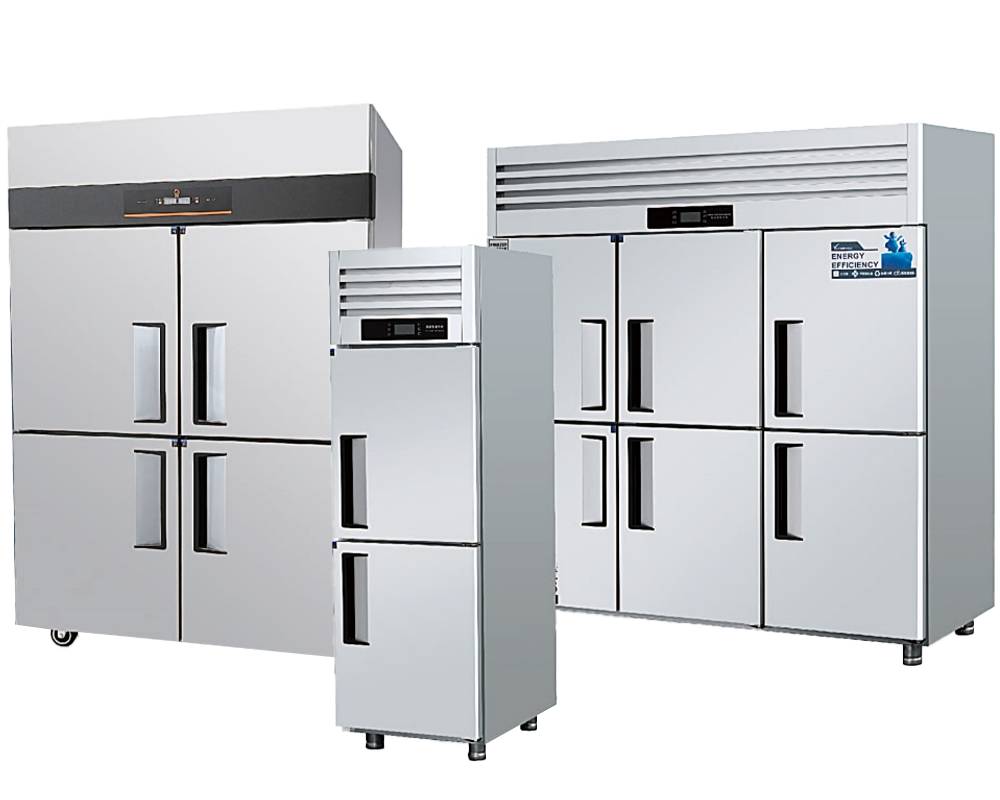 Commercial Vertical Direct-cool Stainless Steel Reach-in Refrigerator
-
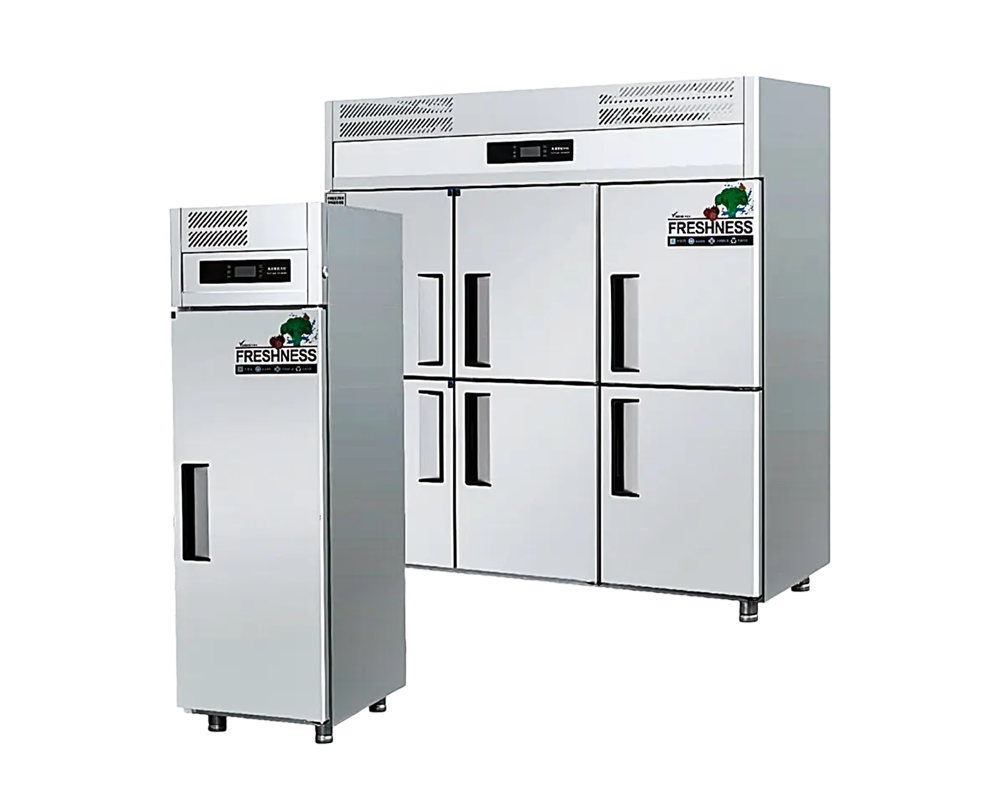 Commercial 201SUS Upright Air Cooling Reach-in Refrigerators
-
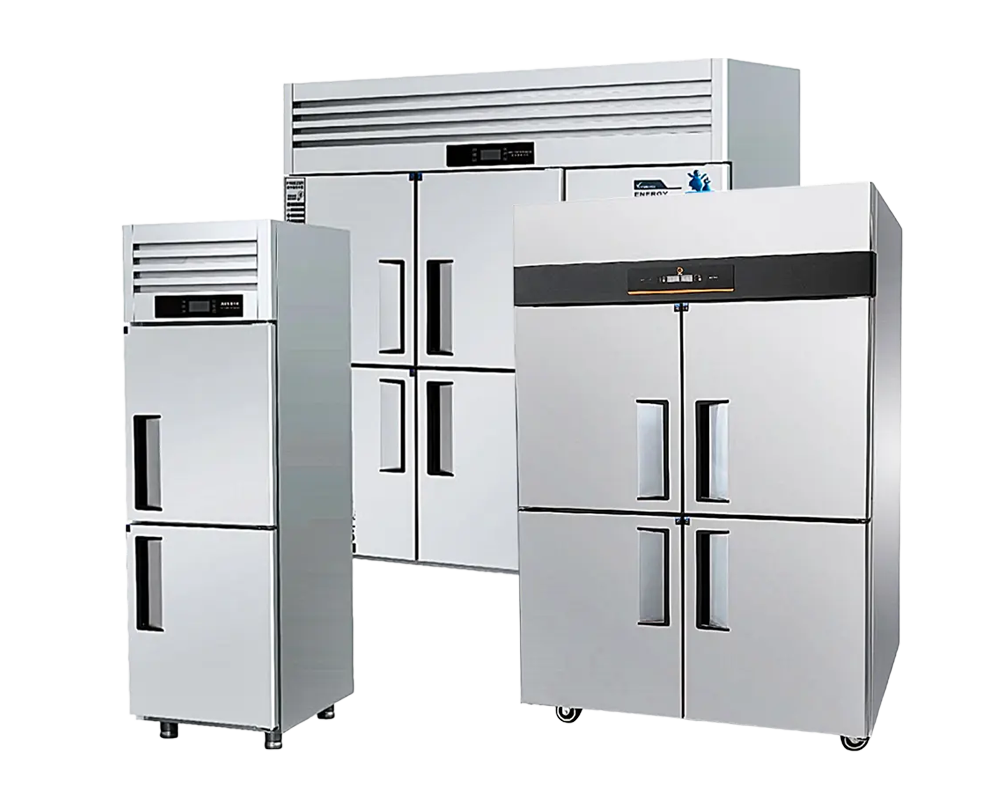 Commercial Direct-Cool Upright Reach-in Freezers
-
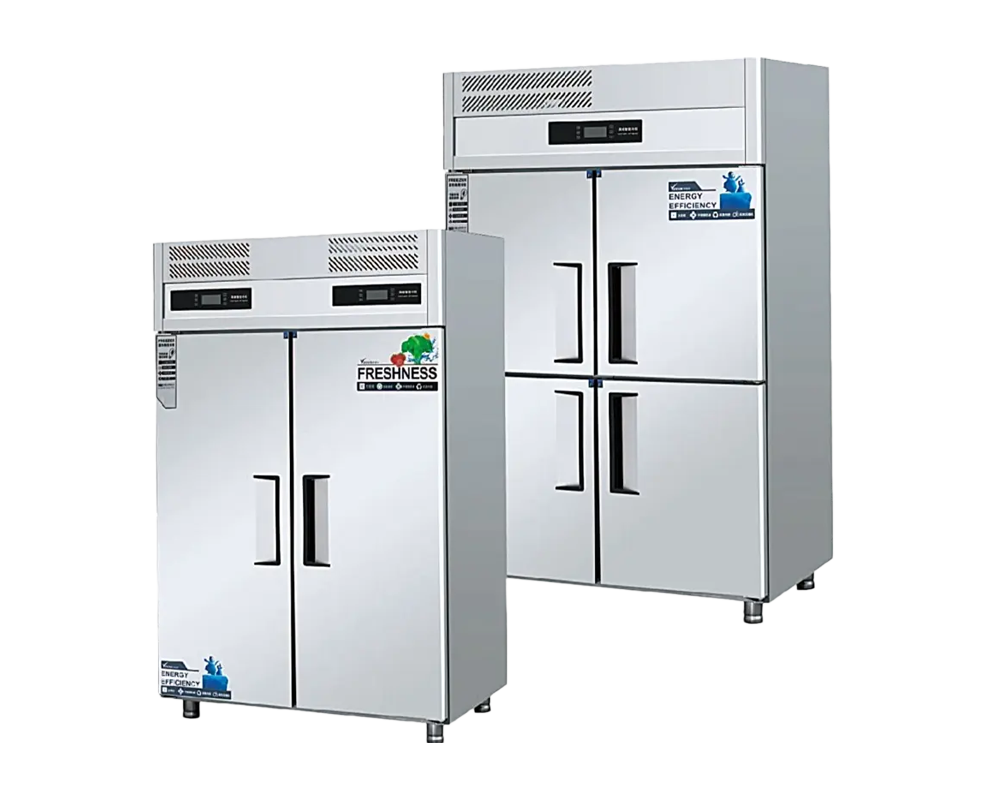 Commercial Stainless Steel Air Cooled Reach-in Vertical Freezers
-
 Dual Temperature Control Direct Cooling Commercial Upright Reach-in Refrigerators
-
 Commercial Vertical Air Cooled Intelligent Reach-in Freezer and Refrigerator
-
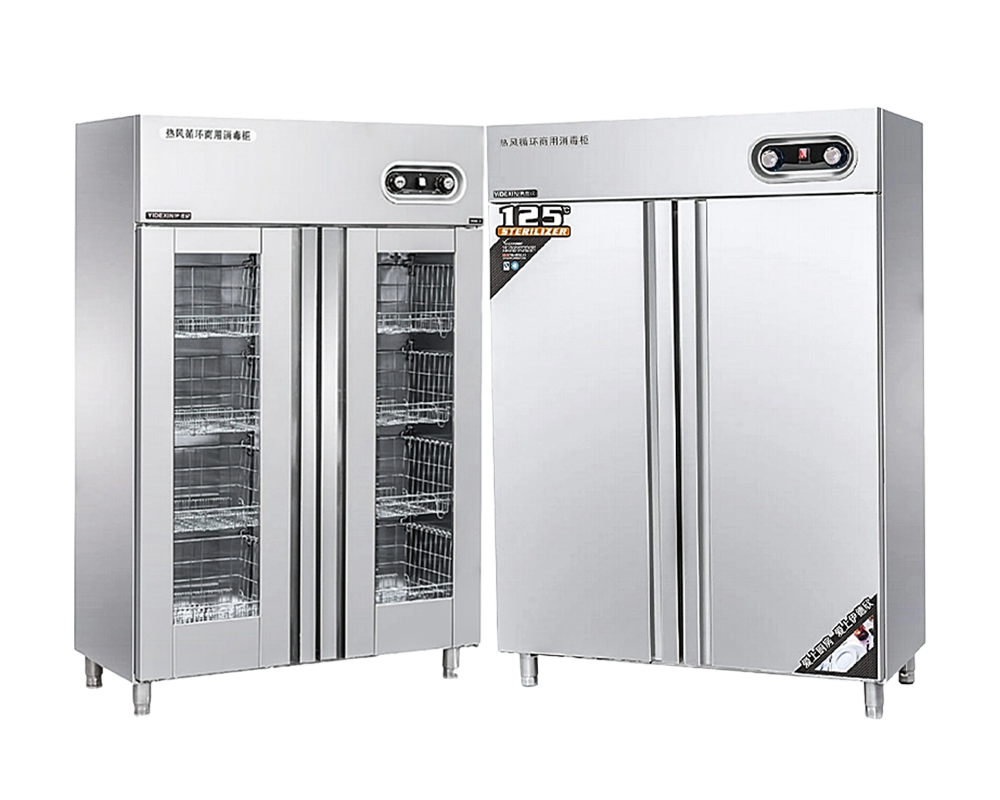 Stainless Steel/Glass Flat Door Sterilization Cabinet
-
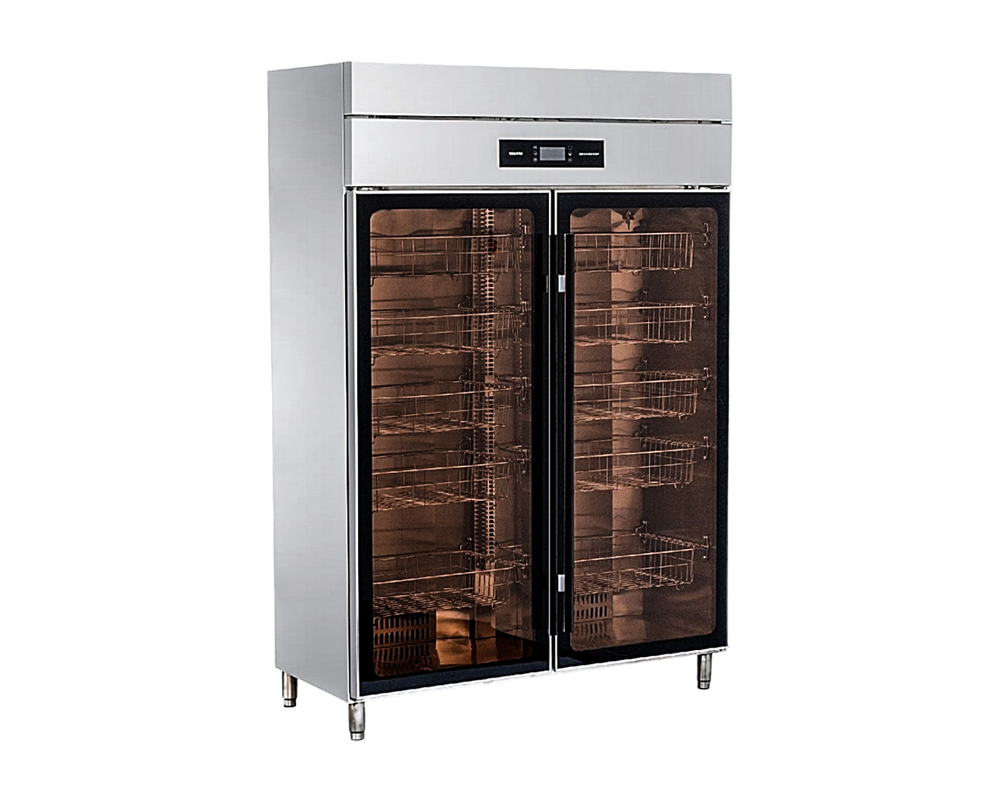 Multifunctional Three-mode High Temperature Glass Door Disinfection Cabinet
-
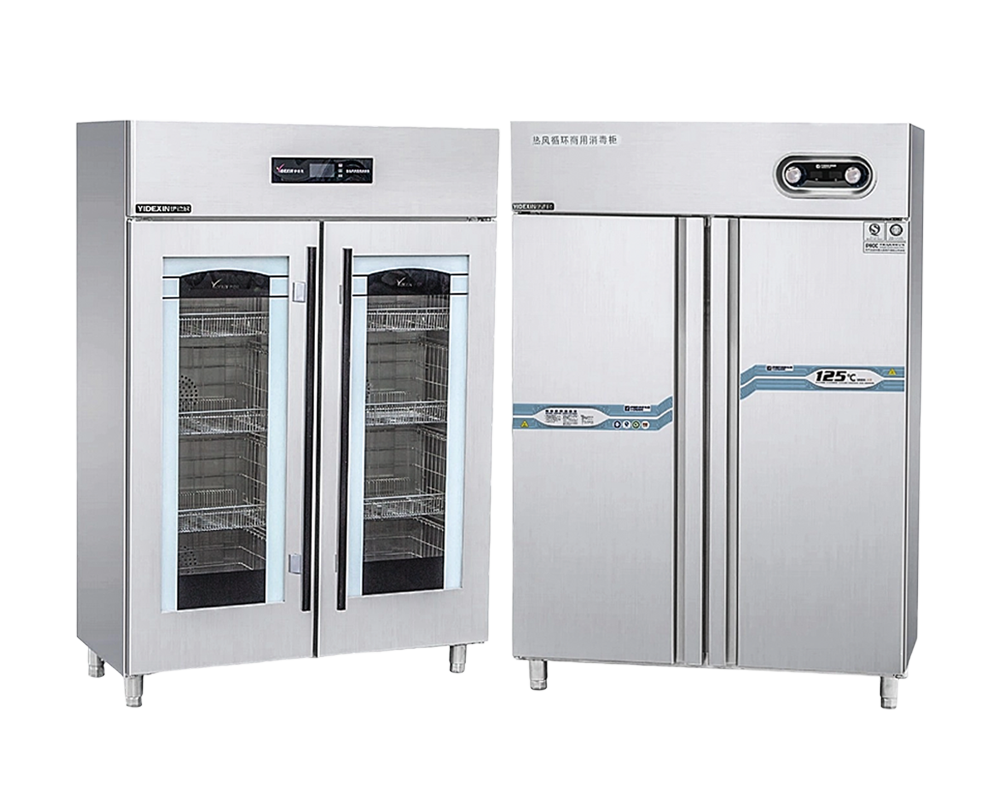 Commercial Restaurant Anti-Fingerprint Stainless Steel Disinfection Cabinet
-
 Intelligent Light Wave Stainless Steel UV Disinfection Cabinet
-
 [email protected] / [email protected]
-
 +86-15066977778 / +86-19012777577

-
 Reach-in Refrigerators
-
 Reach-in Freezers
-
 Dual Temperature Refrigerators
-
 Worktop Refrigerators
-
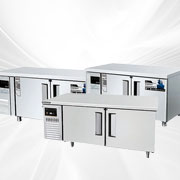 Worktop Freezers
-
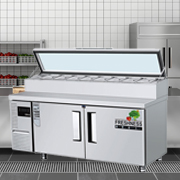 Salad Bar Refrigerators
-
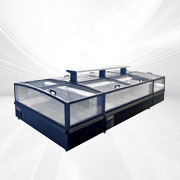 Combined Island Display Refrigerators
-
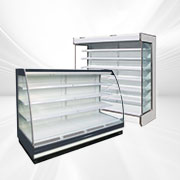 Air Curtain Refrigerators
-
 Fresh Cabinets
-
 Display Refrigerators(Glass Door)
-
 Electric Rice Steamer Cabinets
-
 Gas Rice Steamer Cabinets
-
 Vertical Banquet Cabinets
-
 Horizontal Banquet Cabinets
-
 Heated Disinfection Cabinets
Home / News / Industry information / No Hood Required: The Complete Guide to Ventless Commercial Kitchen Equipment
No Hood Required: The Complete Guide to Ventless Commercial Kitchen Equipment
Content
- 1 What Does “Ventless” Mean? Definitions and Key Certifications
- 2 The Complete List of Commercial Kitchen Equipment That Doesn’t Require a Hood
- 3 Cost Comparison: Traditional Hood System vs. Ventless Equipment (CapEx and OpEx)
- 4 State-by-State Compliance: Where Can You Operate Without a Hood?
- 5 Menu Limitations: What You Can and Cannot Cook in a Hood-Free Kitchen
- 6 Real-World Examples: 3 Successful Hood-Free Kitchens
- 7 How to Choose the Right Refrigeration and Warming Equipment for Your Ventless Kitchen
What Does “Ventless” Mean? Definitions and Key Certifications
A restaurant without a kitchen hood isn’t a fantasy. It’s a calculated choice made by thousands of operators every year. The mechanism that makes it legal is ventless technology—equipment engineered to capture grease, smoke, and airborne particles internally instead of exhausting them through ductwork.
A ventless appliance uses one of two main approaches. First, a series of multi-stage filters (baffle, electrostatic, and HEPA or carbon) traps contaminants before recirculating cleaned air back into the kitchen. Second, built-in catalytic converters oxidize grease and odor molecules at high temperatures, releasing only warm, clean air. Either way, the air stays within the room, and no external exhaust is required.
Certification is non-negotiable. In the United States, UL 710B is the gold standard for ventless cooking equipment. It verifies that the unit limits temperature rise, grease emissions, and smoke output to levels deemed safe for operation without a hood. An ETL or CSA listing to the same UL 710B criteria is generally accepted as equivalent, but local authorities having jurisdiction (AHJs) may still demand UL-specific marking. Some states explicitly reference UL 710B in their fire codes. Always confirm with your local fire marshal before purchasing, even if the unit carries a national certification.
| Certification | Issuing Body | Core Test Standard | Typical Acceptance |
|---|---|---|---|
| UL 710B | Underwriters Laboratories | UL 710B | Widely accepted nationwide |
| ETL | Intertek | UL 710B criteria | Generally accepted; verify with local AHJ |
| CSA | CSA Group | UL 710B criteria | Accepted in most states; less common in CA |
The Complete List of Commercial Kitchen Equipment That Doesn’t Require a Hood
Not all ventless equipment is interchangeable. Each category has distinct power limits, menu capabilities, and operational restrictions. The following table consolidates the most common types used in hood-free kitchens, along with critical performance boundaries.
| Equipment Type | Max Typical Power | Suitable Menu Examples | Prohibited Operations |
|---|---|---|---|
| Ventless Impingement Oven | 10–12 kW | Sandwiches, pizzas, baked pastries | Char-broiling, deep frying |
| Ventless Combi Oven | 18–22 kW | Steamed vegetables, roasted proteins, baked goods | Open-flame grilling |
| Ventless Air Fryer | 3–5 kW | Fries, wings, breaded items | Wet batter frying |
| Ventless Pizza Oven | 12–20 kW | Neapolitan, pan, conveyor pizza | Charred meats |
| Ventless Electric Steamer | 6–12 kW | Rice, dumplings, shellfish | None—fully closed system |
| Ventless Rice Steamer Cabinet | 3–9 kW | Bulk rice, grains | None |
| Induction Cooktop (UL 710B rated) | 5–7 kW per zone | Sautéed vegetables, sauces, soups | High-smoke searing without ventilation |
| Ventless Hood System (recirculating) | Varies (attached to cooking block) | Can support solid-fuel and char-grill devices if rated | Heavy grease-laden vapor without adequate filtration |
The electric steamer and rice steamer cabinet categories are unique because they produce almost no grease-laden vapor, making them inherently low-risk for hood exemption. For high-volume Asian or grain-forward concepts, a dedicated ventless rice steamer can form the backbone of a hood-free kitchen. Many operators pair one with a ventless combi oven to cover both steaming and dry-heat cooking.
Cost Comparison: Traditional Hood System vs. Ventless Equipment (CapEx and OpEx)
A standard Type I hood system—with ductwork, make-up air unit, fire suppression, and installation—costs between $30,000 and over $100,000 depending on linear feet and building complexity. By comparison, ventless equipment carries a premium of only about $2,000 to $5,000 per appliance over its hooded counterpart. The CapEx gap is dramatic, but a three-year total cost of ownership (TCO) reveals a more nuanced picture.
| Cost Category | Hooded Scenario | Ventless Scenario |
|---|---|---|
| Initial Equipment + Installation | $70,000 (average) | $18,000 (two ventless ovens + accessories) |
| Annual Energy (extra HVAC load) | $3,000–$5,000 (make-up air heating/cooling) | $0 (no make-up air penalty) |
| Filter Replacement / Maintenance | $800/year (hood cleaning) | $900–$1,400/year (catalytic converter, HEPA filters every 4–6 months) |
| Fire Suppression Testing & Repairs | $600/year | $0 |
| Equipment Energy Premium | Baseline | $400–$700/year (ventless units often draw 15–25% more power) |
| 3-Year Total | $84,200–$93,800 | $21,900–$25,300 |
The numbers clearly favor ventless over the first three years. However, the operational burden shifts to diligent filter management. A missed replacement cycle can trigger a fire code violation or degrade indoor air quality to the point of staff complaints. Factor a quarterly filter kit into your maintenance calendar just as you would a hood cleaning schedule.
State-by-State Compliance: Where Can You Operate Without a Hood?
National certification is only half the battle. State and municipal amendments to the International Mechanical Code (IMC) often override general guidelines. Below is a snapshot of how three major markets treat ventless cooking appliances. Always consult the current locally adopted code as these requirements evolve.
| State | Overall Stance | Equipment Restrictions | Notable Requirement |
|---|---|---|---|
| California | Permissive with strict field verification | Open-grate charbroilers and deep fryers banned even under ventless hoods unless specifically listed | Must provide manufacturer's UL 710B listing documentation; some jurisdictions require onsite testing |
| New York | Generally permissive | Solid-fuel cooking (wood, charcoal) requires additional approval | NYC fire code references NFPA 96; ventless units must meet UL 710B or equivalent per DOB |
| Texas | Widely accepted | Few state-level prohibitions; local cities may restrict heavy grease-producing methods | Requires visible certification label on equipment |
Failure to secure a local field evaluation can void your occupancy permit even with certified equipment. In California, for example, the AHJ may require a third-party field verification if the appliance was not listed at the factory. Budget an extra $800–$1,200 for this contingency.
Menu Limitations: What You Can and Cannot Cook in a Hood-Free Kitchen
Ventless technology doesn’t mean unlimited cooking. Deep frying and open-flame chargrilling are almost universally prohibited because they generate massive amounts of grease-laden vapor that even advanced filters cannot fully neutralize. Operators must rethink their menu engineering accordingly.
Instead of a deep fryer, consider a ventless air fryer, which uses high-velocity hot air to achieve crisp textures with minimal oil. A combi oven can replicate many roasting tasks without heavy smoke. For charred flavor, a ventless impingement oven with a catalytic converter can reach temperatures that create Maillard reactions without crossing the smoke threshold. Key substitutions include:
- Traditional deep-fried chicken wings → ventless air fryer recipe
- Flame-grilled steak → pan-seared on induction cooktop, finished in ventless combi oven
- Wood-fired pizza → ventless pizza oven with stone deck
- Steamed dumplings → dedicated electric steamer or rice steamer cabinet
The real constraint is volume. A ventless oven’s emission rating is based on a specific food load per hour. Exceeding that load—say, by cooking 60 lbs of bacon per hour instead of the rated 30 lbs—can overwhelm the filter and activate safety interlocks. Always match the manufacturer’s maximum production rate to your peak demand.
Real-World Examples: 3 Successful Hood-Free Kitchens
The High-End Cocktail Bar
A 1,200-square-foot bar in Austin, Texas, serves a curated small-plates menu without a single hood. The kitchen uses a ventless impingement oven for flatbreads and roasted vegetables, a two-zone induction cooktop for sauces and sautés, and a countertop ventless air fryer for truffle fries. All three units operate on 208V single-phase power, allowing the building’s existing electrical service to suffice. The absence of a hood saved $45,000 in build-out costs and shaved eight weeks off construction. Underground storage doubles as the prep area, with a compact reach-in refrigerator and a worktop freezer handling all cold storage.
The Food Truck That Went Brick-and-Mortar
When a popular taco truck transitioned to a permanent 800-square-foot storefront in Denver, Colorado, the owner retained the ventless equipment philosophy. A high-speed ventless combi oven replaced the truck’s griddle, and a pair of rice steamer cabinets handle bulk cilantro-lime rice and black beans. The health department approved the layout after confirming all appliances bore UL 710B listings. The most critical factor? Keeping the menu free of grilled steak and fried fish. Instead, proteins are cooked sous vide and finished on an induction burner before assembling.
Corporate Coffee Chain Expansion
A national coffee chain required a consistent hot-food program across 200 new express-format locations with no hood infrastructure. Each site deployed a ventless pizza oven for artisan flatbreads and breakfast pastries, plus a programmable electric steamer for oatmeal and egg bites. All units plug into standard outlets and sit on mobile carts, allowing easy reconfiguration. The chain’s facilities team reduced per-store CapEx by 60% compared to traditional hooded cafe kitchens. Cold holding is handled by energy-efficient worktop refrigerators, while hot holding relies on insulated warming cabinets.
How to Choose the Right Refrigeration and Warming Equipment for Your Ventless Kitchen
Even though your cooking equipment doesn’t require a hood, every commercial kitchen still needs reliable cold storage and hot holding units that meet health codes. NSF certification is the baseline, but in a ventless setup, space efficiency and ventilation-free operation become even more critical.
For under-counter or back-bar applications, a direct-cooling workbench refrigerator or freezer eliminates the need for condenser air intake clearance concerns that sometimes arise with air-cooled models in tight spots. Many operators find that a commercial worktop refrigerator doubles as both ingredient storage and a plating surface, maximizing every square foot. When a larger walk-in isn’t feasible, a vertical reach-in refrigerator can hold backups without forcing a hood-like footprint.
On the hot side, warming cabinets and hot holding wells complete the ventless picture. These units produce negligible heat and no grease, so they coexist seamlessly with UL 710B-rated cooking equipment. For operations centered on steamed rice or grains, a fully automatic rice steaming cabinet not only eliminates the hood requirement but also ensures batch consistency. Combine it with a ventless combi oven and a salad bar refrigerator for a three-part cold-hot-ambient station that requires zero exhaust ductwork.
Selecting equipment that matches both your menu and your local code interpretation shields you from costly retrofits down the line.

-
 Add.
Add.
Sales Center:Room 410, Floor T3-4, Zhonghai Development Building, No. 888, Kejiguan Street, Binjiang District, Hangzhou, Zhejiang,China
Factory Address:100 Meters South Of Zhongmao Village, Xingfu Town, Boxing County, Binzhou City, Shandong Province, P.R.China
Sales Center:Room 410, Building 15, Tianan Headquarters Center, 555 North Panyu Avenue, Donghuan Street, Panyu District, Guangzhou City, china
-
 Tel.
+86-15066977778+86-19012777577
Tel.
+86-15066977778+86-19012777577 -
 Email.
Quick Links
Product Fast Links
Mobile Terminal
Copyright @Hangzhou Eddysen Catering Equipment Co., Ltd.All rights reserved. Commercial Freezer Manufacturer