 English
 中文简体
中文简体 Español
 عربى
عربى
-
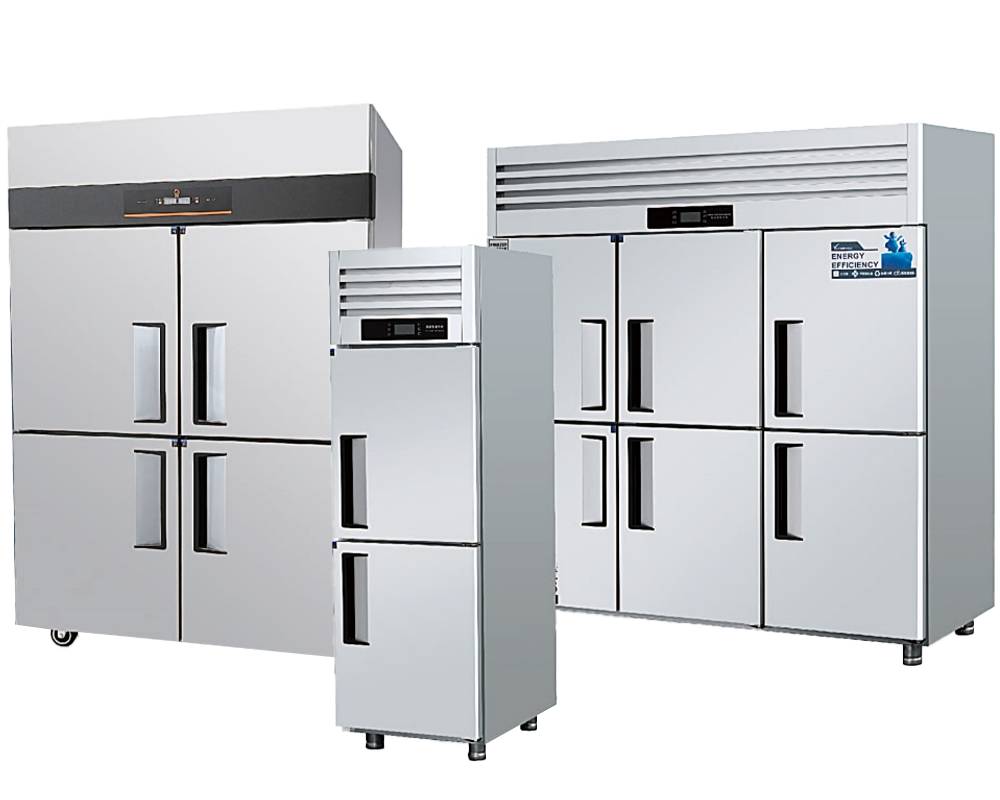 Commercial Vertical Direct-cool Stainless Steel Reach-in Refrigerator
-
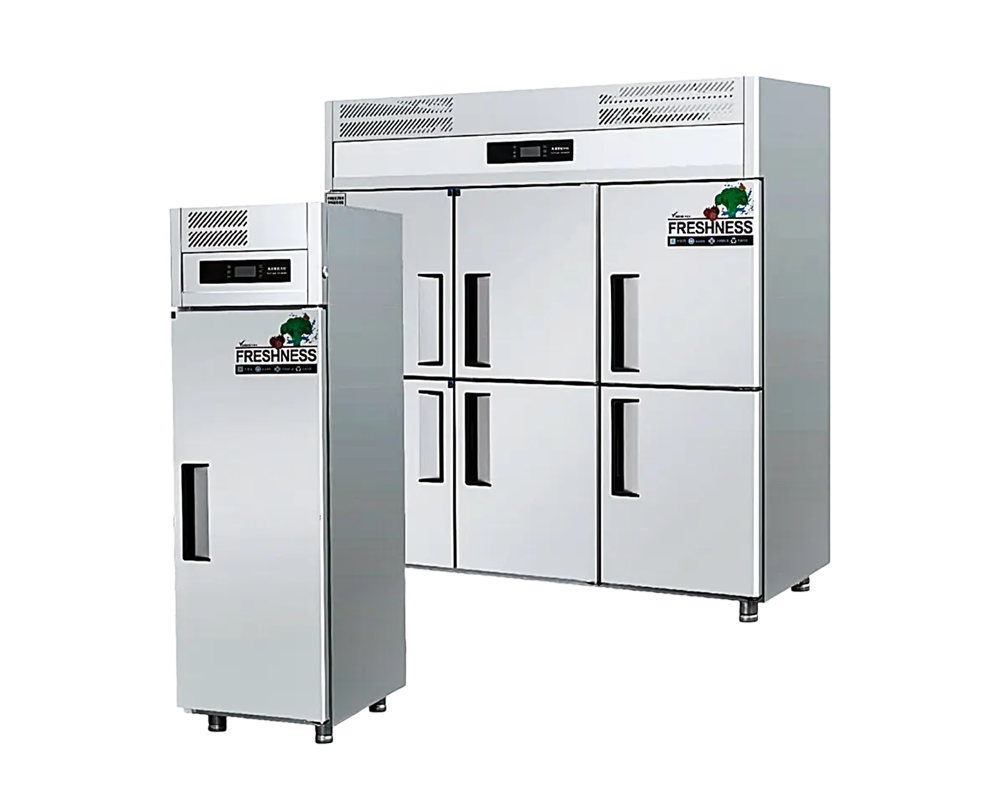 Commercial 201SUS Upright Air Cooling Reach-in Refrigerators
-
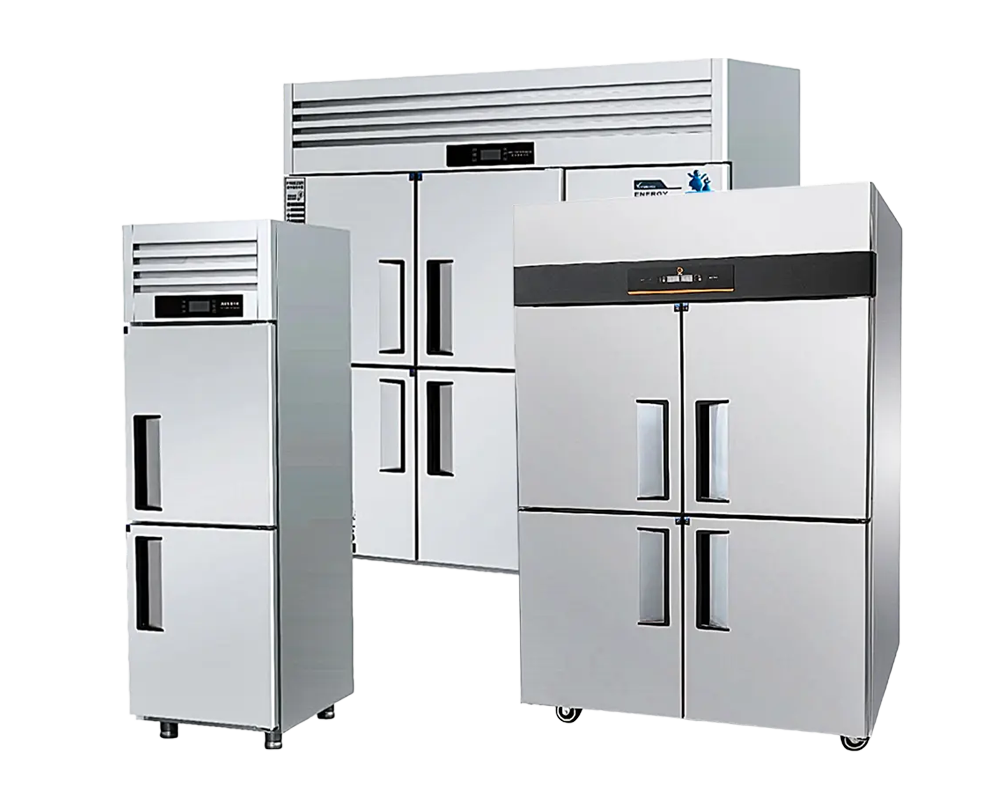 Commercial Direct-Cool Upright Reach-in Freezers
-
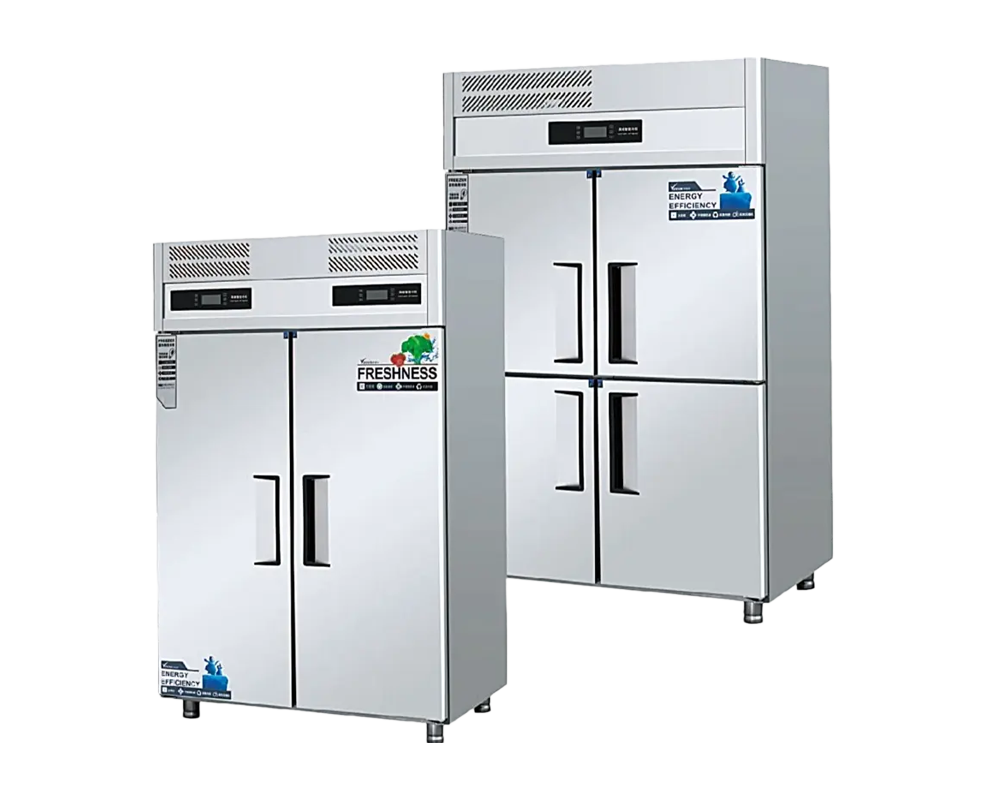 Commercial Stainless Steel Air Cooled Reach-in Vertical Freezers
-
 Dual Temperature Control Direct Cooling Commercial Upright Reach-in Refrigerators
-
 Commercial Vertical Air Cooled Intelligent Reach-in Freezer and Refrigerator
-
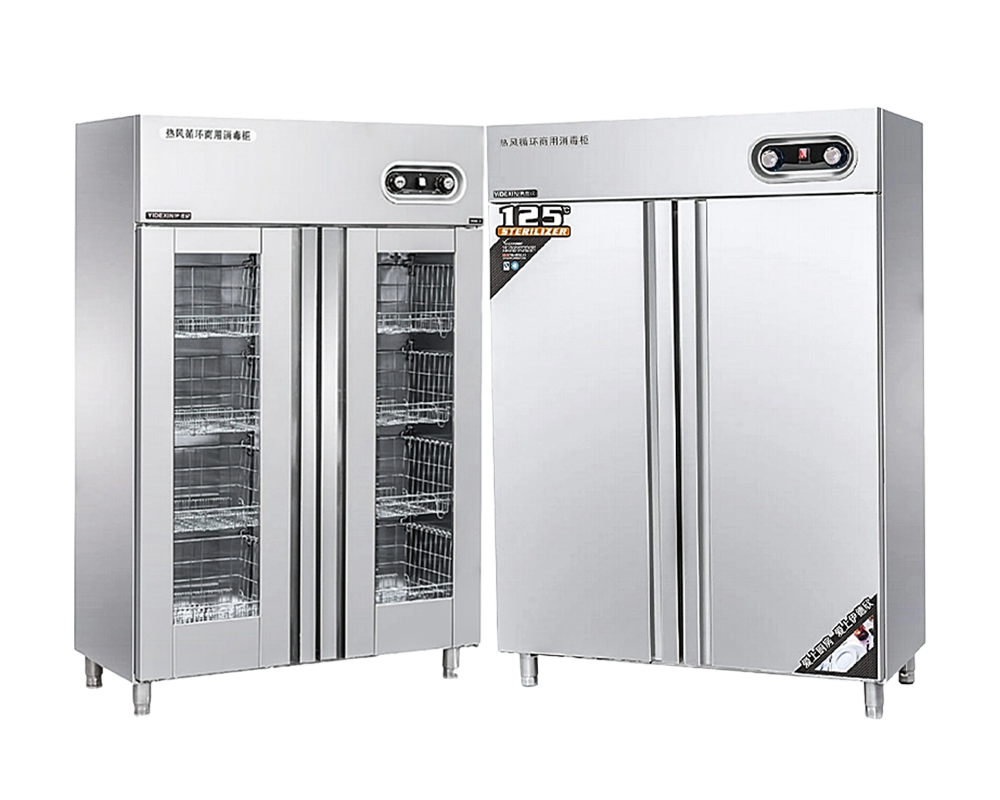 Stainless Steel/Glass Flat Door Sterilization Cabinet
-
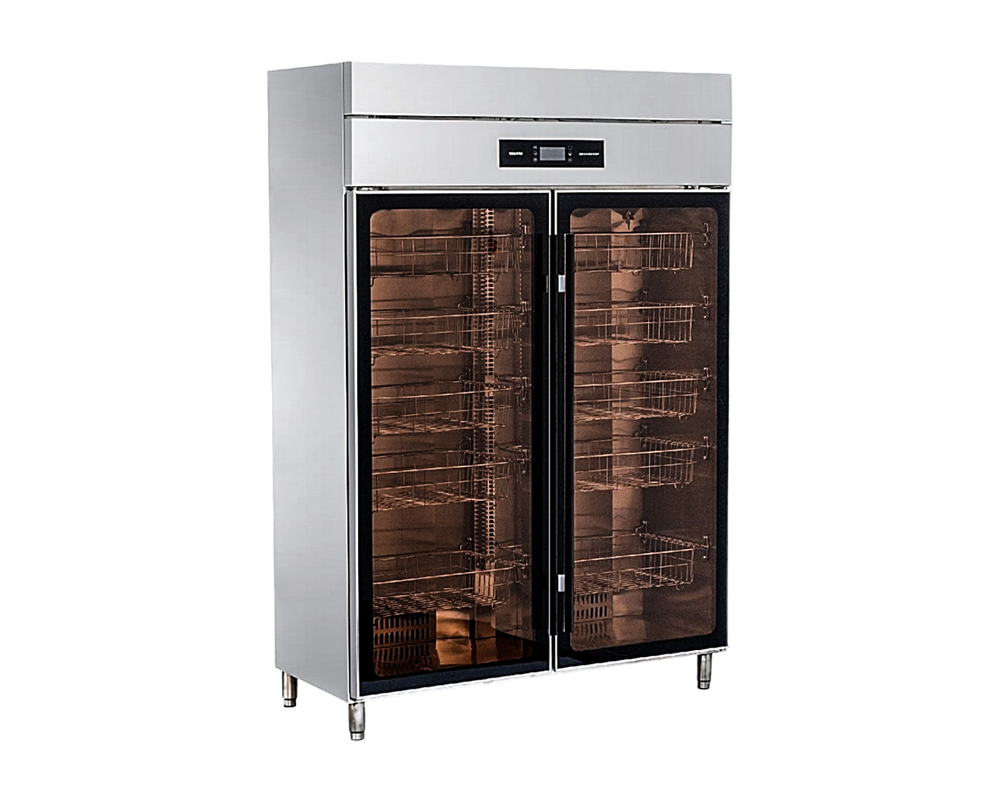 Multifunctional Three-mode High Temperature Glass Door Disinfection Cabinet
-
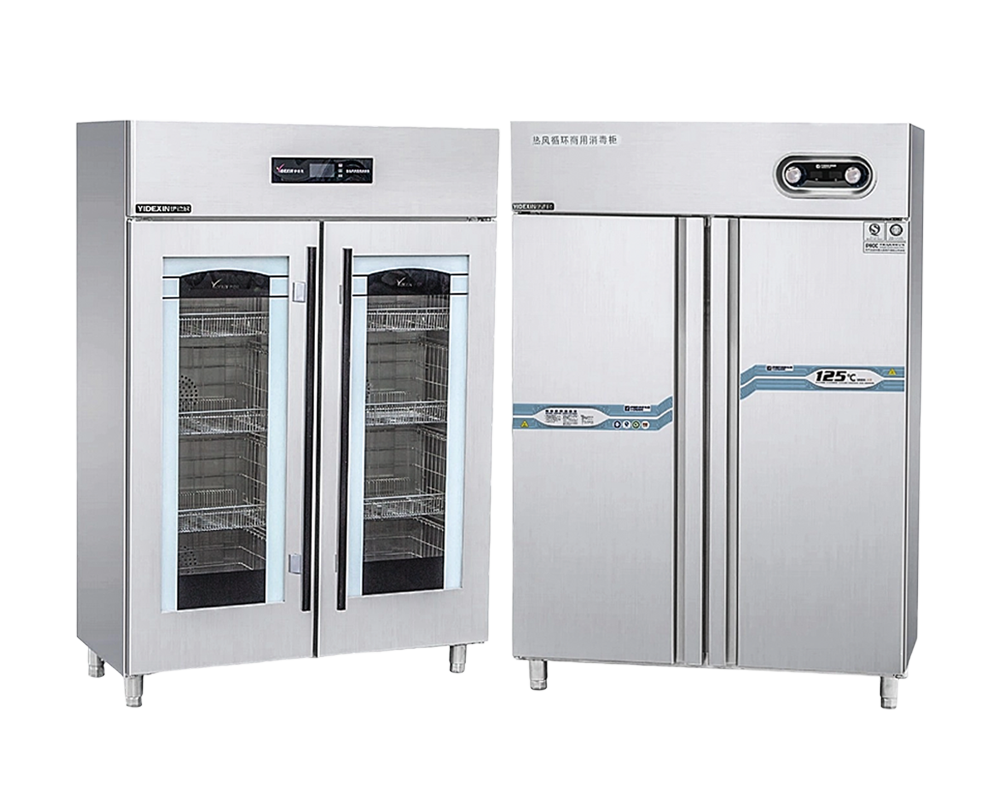 Commercial Restaurant Anti-Fingerprint Stainless Steel Disinfection Cabinet
-
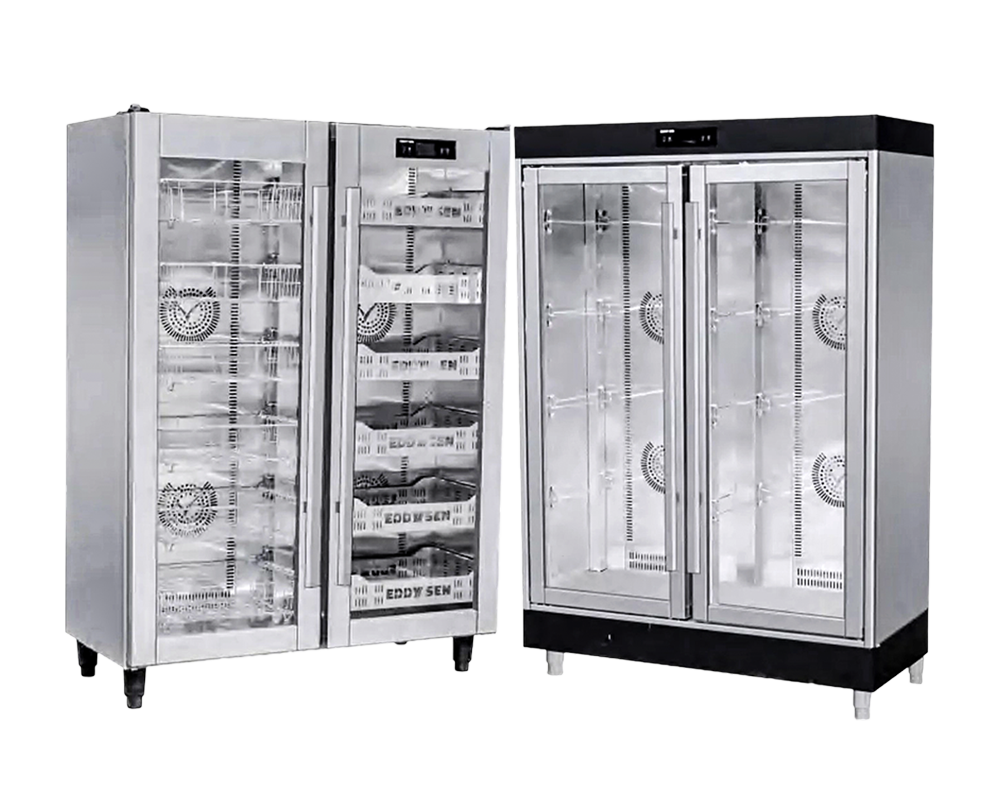 Intelligent Light Wave Stainless Steel UV Disinfection Cabinet
-
 [email protected] / [email protected]
-
 +86-15066977778 / +86-19012777577

-
 Reach-in Refrigerators
-
 Reach-in Freezers
-
 Dual Temperature Refrigerators
-
 Worktop Refrigerators
-
 Worktop Freezers
-
 Salad Bar Refrigerators
-
 Combined Island Display Refrigerators
-
 Air Curtain Refrigerators
-
 Fresh Cabinets
-
 Display Refrigerators(Glass Door)
-
 Electric Rice Steamer Cabinets
-
 Gas Rice Steamer Cabinets
-
 Vertical Banquet Cabinets
-
 Horizontal Banquet Cabinets
-
 Heated Disinfection Cabinets
Commercial Glass Door Freezer Guide: 1, 2, 3+ Door Choices
Content
- 1 What a Commercial Glass Door Freezer Should Deliver in Daily Operation
- 2 Choosing Single, 2-Door, 3-Door, and 4+ Door Formats
- 3 Key Specifications That Drive Total Cost of Ownership
- 4 Temperature Targets: What to Set and What to Monitor
- 5 Merchandising Advantages of Glass Doors (and How to Avoid the Typical Pitfalls)
- 6 Installation and Operating Practices That Keep -18°C Stable With Less Energy
- 7 Customization Considerations When Sourcing From a Manufacturer
- 8 A Practical RFQ Checklist for Commercial Glass Door Freezers
- 9 Conclusion: Selecting the Right Glass Door Freezer for Your SKU Mix and Traffic
What a Commercial Glass Door Freezer Should Deliver in Daily Operation
A commercial glass door freezer is purchased for two reasons that sometimes conflict: keep products reliably frozen and help customers buy faster. Compared with solid-door storage freezers, glass doors introduce more heat gain (radiant heat and frequent openings), so the specification has to prioritize temperature recovery and sealing, not just cabinet size.
For most frozen retail and foodservice applications, the widely used long-term storage target is -18°C (0°F). If you sell ice cream, frozen prepared meals, seafood, and meat, build your selection around maintaining that setpoint under your real conditions (door openings, ambient temperature, loading habits), not under ideal test conditions.
Practical performance indicators to request from suppliers
- Temperature range and recommended setpoint (confirm the unit can hold -18°C with a normal retail door-opening pattern).
- Ambient design limit (hot stores and kitchens can exceed 35°C; higher ambient tolerance reduces risk of warm product edges).
- Insulation approach (foam density/thickness and cabinet sealing strategy—these directly impact compressor run time).
- Door hardware (self-closing hinges, gasket quality, and how the cabinet behaves when doors are opened repeatedly during peak traffic).
Choosing Single, 2-Door, 3-Door, and 4+ Door Formats
Door count is not only a “capacity” decision—it is a workflow and energy decision. More doors can reduce the “open area” per customer interaction (one door opened instead of a wide opening), but door count also influences footprint, merchandising visibility, and service complexity.
When each format tends to fit best
- Single glass door freezer: limited SKU sets, secondary placement, or smaller-format shops where a narrow footprint matters more than maximum facings.
- 2 door glass door freezer: balanced option for convenience stores and mid-traffic aisles; supports broader SKU variety without dominating the aisle.
- 3 door glass door freezer: higher SKU density and stronger visual blocking; useful for frozen meals, desserts, and multi-brand assortments where facings drive conversion.
- 4+ doors (or multi-door modules): supermarkets and high-traffic zones; doors can be assigned by category (ice cream vs. proteins vs. ready meals) to keep openings shorter and replenishment simpler.
Below is a sizing-and-capacity reference using upright freezer examples from a direct-cool reach-in freezer series. Use it as a practical starting point for aisle planning and SKU capacity conversations with suppliers (final dimensions and volumes vary by insulation package, door design, and internal layout).
| Door format | Example dimensions (W×D×H) | Example volume | Example rated power | How to interpret for retail |
|---|---|---|---|---|
| Single door | 610×760×1950 mm | 500 L | 140 W | Best for tight footprints and smaller frozen ranges. |
| 2 doors | 1220×760×1950 mm | 910 L | 280 W | Good “core aisle” size with room for variety and facings. |
| 3 doors | 1820×760×1950 mm | 1370 L | 400 W | Supports broad assortments and category blocking. |
If you need deeper technical context before you finalize door count, it helps to review a concrete specification sheet (for example, a direct-cool upright reach-in freezer series specification) and then translate it into a glass-door merchandising layout with your supplier: direct-cool upright reach-in freezer specifications.
Key Specifications That Drive Total Cost of Ownership
Two freezers with the same door count can behave very differently in real stores. The difference is usually explained by insulation, components, ambient tolerance, and how well the cabinet is engineered for frequent openings.
Insulation thickness and cabinet sealing
As a rule, insulation is “invisible ROI.” For example, an upright freezer design using high-density foaming with an insulation layer around 5 cm (and, in heavier-duty variants, foam thickness around 6 cm) is intended to reduce heat ingress so the compressor starts less frequently. In retail, fewer starts typically means steadier temperatures and lower operating stress.
Ambient temperature tolerance
If your equipment sits near entrances, warm prep zones, or sun-exposed glass, ambient tolerance matters. A design target such as 43°C ambient helps the cabinet maintain performance in harsher environments where standard units may struggle to recover after openings.
Controls, compressor selection, and refrigerant
- Controls: a reliable thermostat/controller (for example, an imported brand controller used in some commercial freezer lines) supports stable setpoint management and easier troubleshooting.
- Compressor: stable, serviceable compressor sourcing is a practical risk reducer—especially for chain operators who require consistent spare-part availability.
- Refrigerant: modern designs may use R290a (and some legacy/export configurations may still reference alternatives). Confirm your market’s refrigerant compliance requirements early to avoid re-approval work later.
Door hardware that protects temperature and energy
A self-closing mechanism is not a “nice to have” in retail. A spring hinge that rebounds automatically (for example, within 90 degrees) reduces “door left ajar” events that quietly destroy temperature stability and inflate energy bills—especially during peak traffic.
Temperature Targets: What to Set and What to Monitor
If you want frozen inventory to stay saleable, specify the temperature target first, then engineer the cabinet around how your staff and customers actually use it. For long-term storage and retail display of frozen foods, a common recommendation is -18°C (0°F).
A practical monitoring approach for glass door freezers
- Use a consistent setpoint policy (avoid frequent manual changes that create thaw/refreeze stress on products).
- Track temperature recovery after peak periods (e.g., lunch rush): stable systems return to setpoint quickly and predictably.
- Audit warm spots by shelf position; glass door display layouts can create uneven zones if airflow paths are blocked.
If you need a quick internal reference to align your SOPs with the setpoint expectation, this guide is useful for training and audits: recommended commercial freezer temperature and stability checklist.
Merchandising Advantages of Glass Doors (and How to Avoid the Typical Pitfalls)
The main reason to choose a glass door freezer is visibility. A transparent door helps shoppers decide without opening the cabinet, which can reduce warm-air intrusion compared with opaque doors—if your planogram is clear and products are easy to find.
Use shelf strategy to reduce door-open time
A display-oriented cabinet configuration (such as multi-layer shelves commonly used in beverage retail display cabinets) can be adapted to frozen categories when shelf heights are set for packaging sizes. The goal is to shorten “search time” so customers open the door, grab, and close quickly.
A simple category-blocking example
- Top shelves: high-velocity SKUs (single-serve ice cream, best-selling meals) to minimize browsing.
- Middle shelves: primary assortment (meals, snacks, proteins) with clear brand blocks.
- Bottom shelves: bulk packs and slower movers (customers who want these items typically accept slightly longer selection time).
If you are also planning refrigerated glass-door merchandisers (for example, beverages), you can align the “look and feel” across aisles for a cleaner store image. This product category overview is a useful starting point for those coordinated layouts: glass door display refrigerators for supermarkets and convenience stores.
Installation and Operating Practices That Keep -18°C Stable With Less Energy
Many temperature complaints are not caused by “bad equipment,” but by installation shortcuts and daily habits that work against freezer physics. A glass door freezer is more sensitive to these issues because visibility and frequent access are part of the design brief.
Operating habits that materially reduce risk
- Leave airflow paths open; avoid blocking vents with cartons or overstuffed facings.
- Train staff to close doors fully—self-closing hinges help, but gaskets still require correct alignment and cleanliness.
- Schedule cleaning to keep heat-exchange surfaces effective; dirty coils increase run time and temperature swings.
- Manage defrost properly; excessive frost acts like insulation on the wrong surface and restricts airflow.
| Check item | What to look for | Why it matters |
|---|---|---|
| Door gaskets | Cracks, gaps, sticky residue | A poor seal causes continuous heat infiltration and unstable product temps. |
| Airflow paths | Blocked vents, overpacked shelves | Restricted airflow creates warm zones and slow recovery after openings. |
| Frost/ice | Heavy buildup on internal surfaces | Frost reduces cooling efficiency and increases compressor workload. |
| Controller accuracy | Mismatch vs. reference thermometer | Inaccurate readings lead to hidden thaw/refreeze cycles and waste. |
Energy note: rated power is a reference, not the bill. For illustration only, a 280 W cabinet running at a 40% duty cycle averages about 2.69 kWh/day (0.28 kW × 24 h × 0.40). Door openings and ambient heat can push real usage higher, which is why insulation, sealing, and store discipline matter.
Customization Considerations When Sourcing From a Manufacturer
Most retail projects require at least some customization—size alignment to aisle plans, branding colors, internal shelf configuration, and control functions. The most efficient approach is to define what must be customized versus what should remain standard to protect lead time and spare-part simplicity.
Common customization requests that usually add real value
- Size and door configuration to match store modules (single/2doors/3doors/more) and replenishment workflow.
- Shelf and bracket layouts designed around packaging sizes to reduce customer “search time.”
- Functional options (controller logic, alarms, mobility features such as casters) that fit your maintenance model.
Quality and compliance checkpoints to verify before mass rollout
Ask for the supplier’s quality system and certification set relevant to your market (for example, ISO quality/environment management and product certifications such as CE where applicable). In practice, these signals reduce the risk of inconsistent builds across batches—an issue that can become expensive once you scale beyond a single store.
A Practical RFQ Checklist for Commercial Glass Door Freezers
To receive comparable quotations (and to avoid surprises after ordering), keep your request structured. The checklist below is intentionally specific so suppliers can respond with clear, auditable answers.
- Door format required: single / 2 doors / 3 doors / 4+ doors, plus target overall width limit for your aisle.
- Temperature requirement: target -18°C and how you will verify it (logger, spot checks, alarms).
- Ambient condition: expected max store temperature and placement notes (near entrance, sunlight, kitchen adjacency).
- Internal layout: shelf count, shelf load rating expectations, and product dimensions for your key SKUs.
- Refrigerant and compliance: confirm allowed refrigerant in your country/region and requested certifications.
- Service model: spare parts expectations, warranty needs, and whether you require standardized components across stores.
Conclusion: Selecting the Right Glass Door Freezer for Your SKU Mix and Traffic
The “best” commercial glass door freezer is the one that holds -18°C reliably under your real traffic pattern while presenting products clearly enough that customers spend less time searching and more time buying. In practice, that means matching door count to aisle constraints and assortment breadth, then prioritizing insulation, sealing, ambient tolerance, and dependable controls.
If your project requires coordinated refrigerated and frozen display lines, a manufacturer with established glass-door display cabinet experience (including customization in size, color, and functions) can simplify rollout by standardizing appearance and maintenance practices across your store formats.

-
 Add.
Add.
Sales Center:Room 410, Floor T3-4, Zhonghai Development Building, No. 888, Kejiguan Street, Binjiang District, Hangzhou, Zhejiang,China
Factory Address:100 Meters South Of Zhongmao Village, Xingfu Town, Boxing County, Binzhou City, Shandong Province, P.R.China
Sales Center:Room 410, Building 15, Tianan Headquarters Center, 555 North Panyu Avenue, Donghuan Street, Panyu District, Guangzhou City, china
-
 Tel.
+86-15066977778+86-19012777577
Tel.
+86-15066977778+86-19012777577 -
 Email.
Quick Links
Product Fast Links
Mobile Terminal
Copyright @Hangzhou Eddysen Catering Equipment Co., Ltd.All rights reserved. Commercial Freezer Manufacturer