 English
 中文简体
中文简体 Español
 عربى
عربى
-
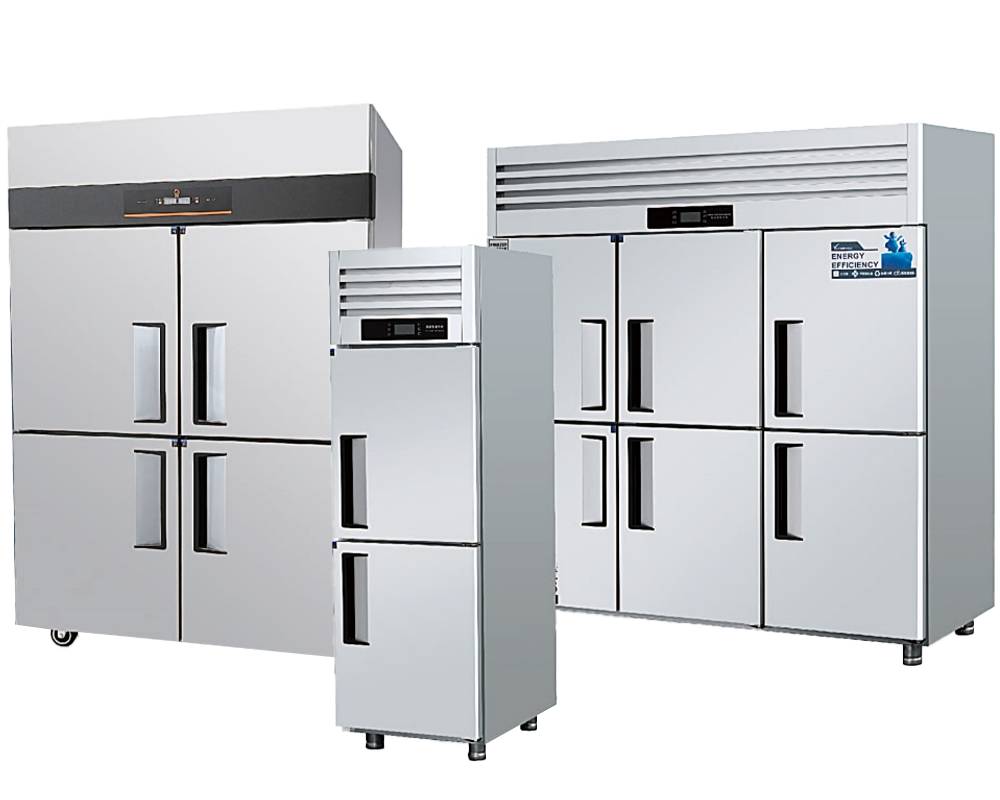 Commercial Vertical Direct-cool Stainless Steel Reach-in Refrigerator
-
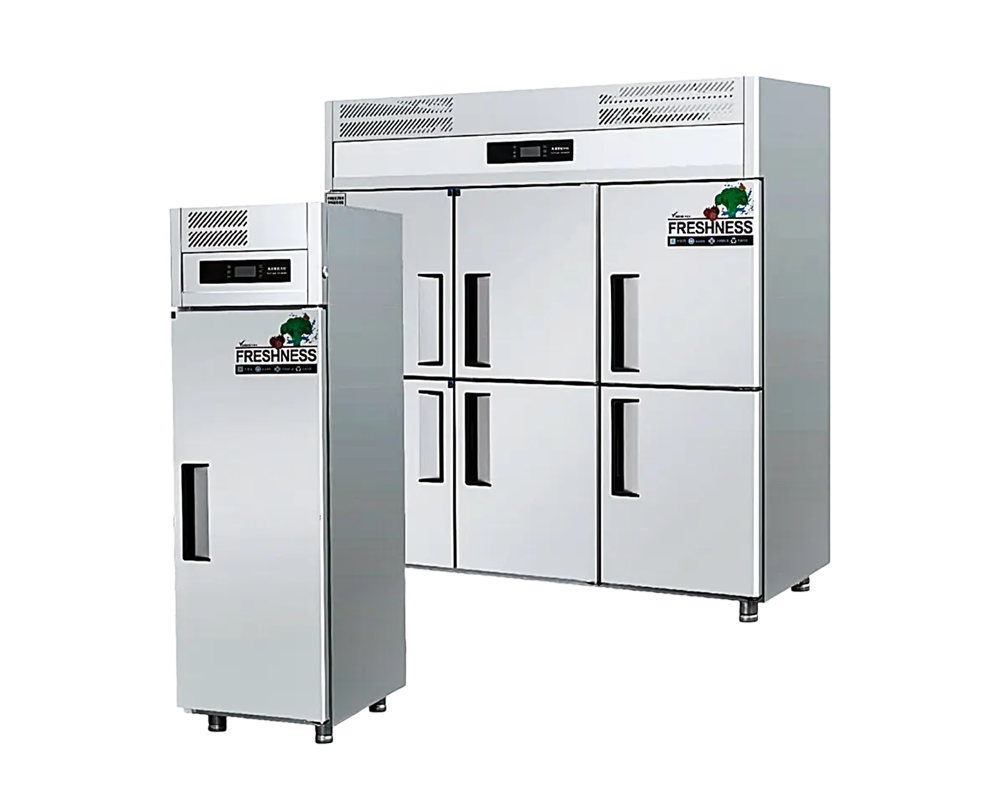 Commercial 201SUS Upright Air Cooling Reach-in Refrigerators
-
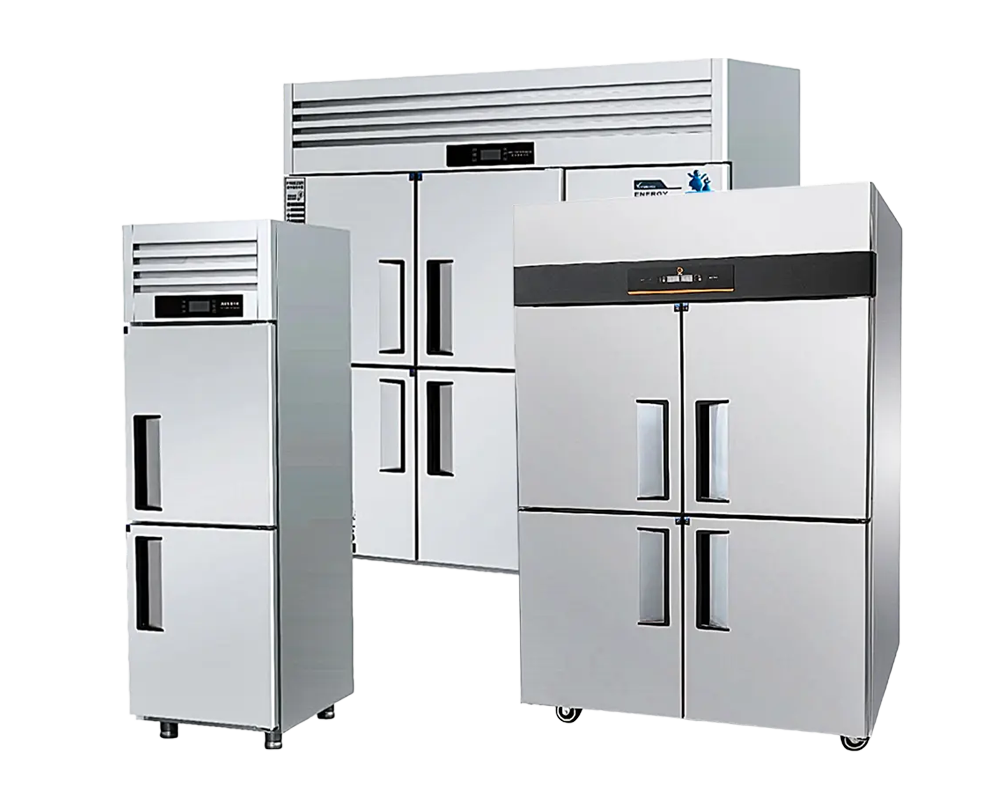 Commercial Direct-Cool Upright Reach-in Freezers
-
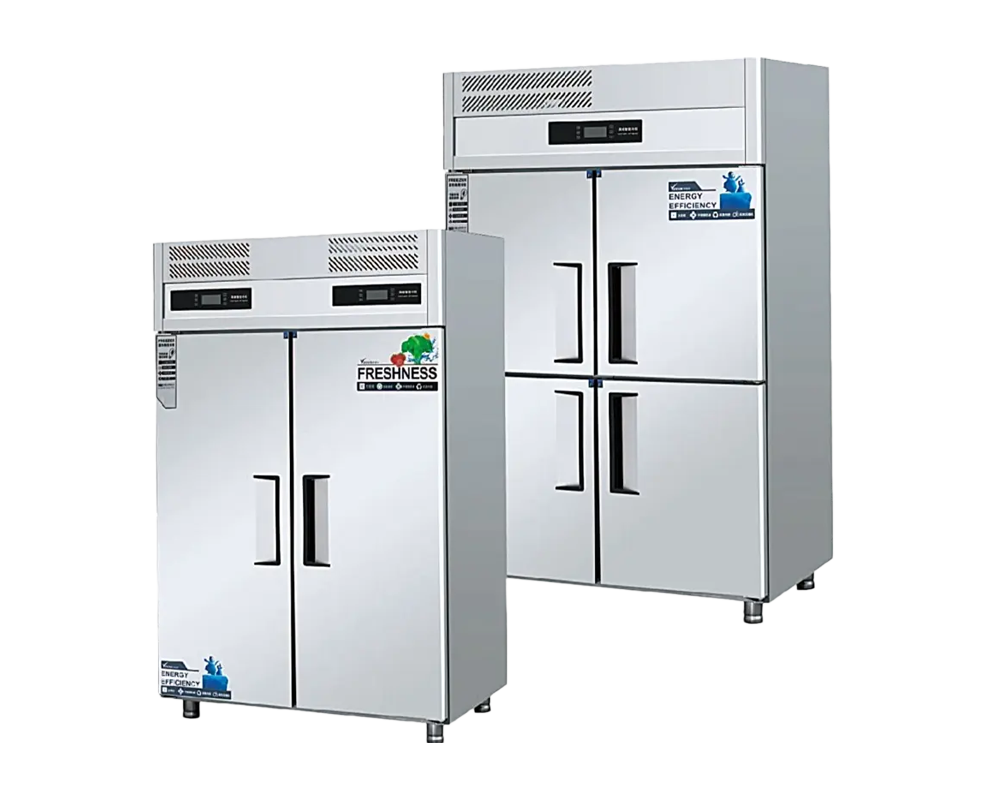 Commercial Stainless Steel Air Cooled Reach-in Vertical Freezers
-
 Dual Temperature Control Direct Cooling Commercial Upright Reach-in Refrigerators
-
 Commercial Vertical Air Cooled Intelligent Reach-in Freezer and Refrigerator
-
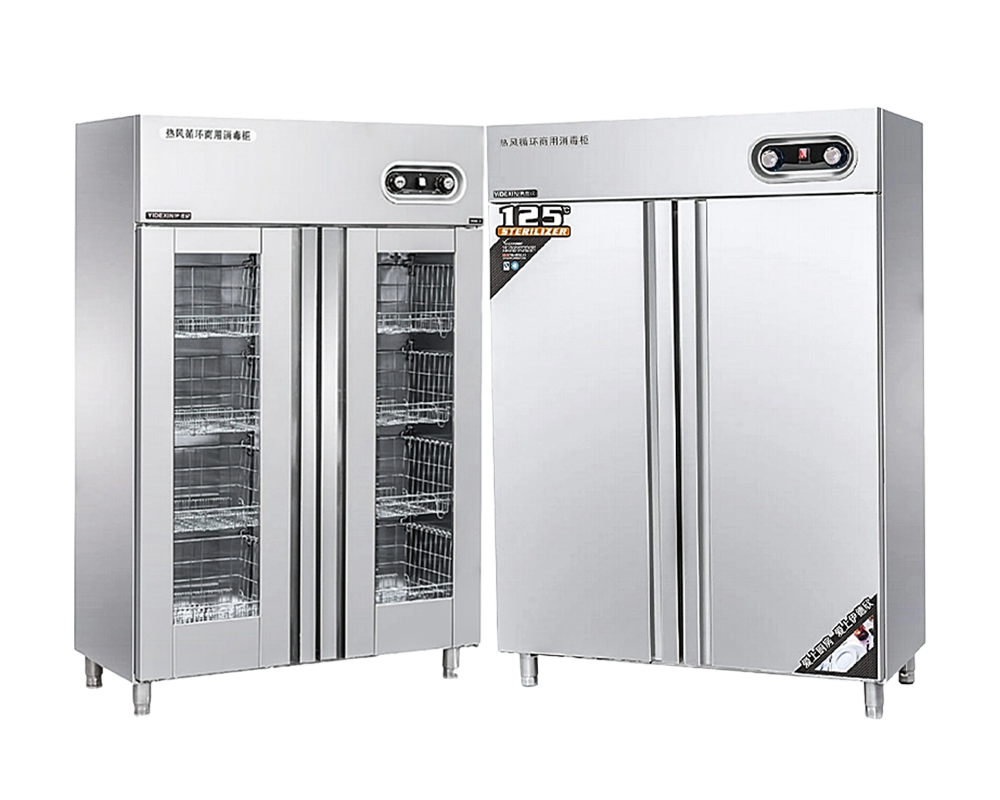 Stainless Steel/Glass Flat Door Sterilization Cabinet
-
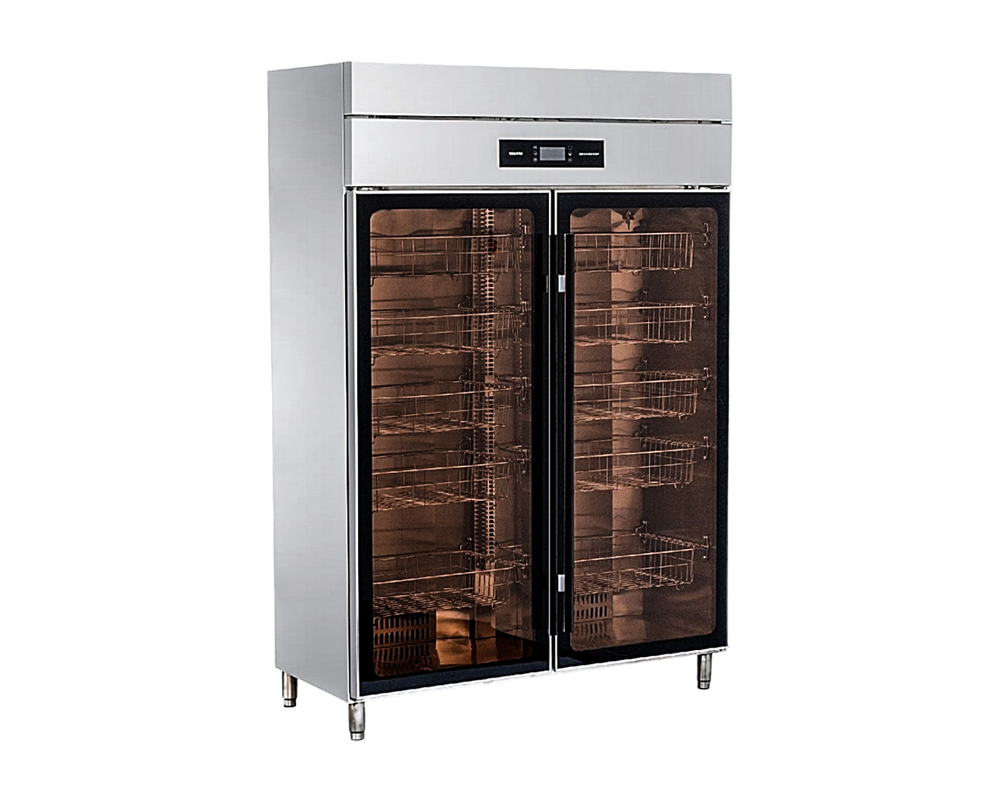 Multifunctional Three-mode High Temperature Glass Door Disinfection Cabinet
-
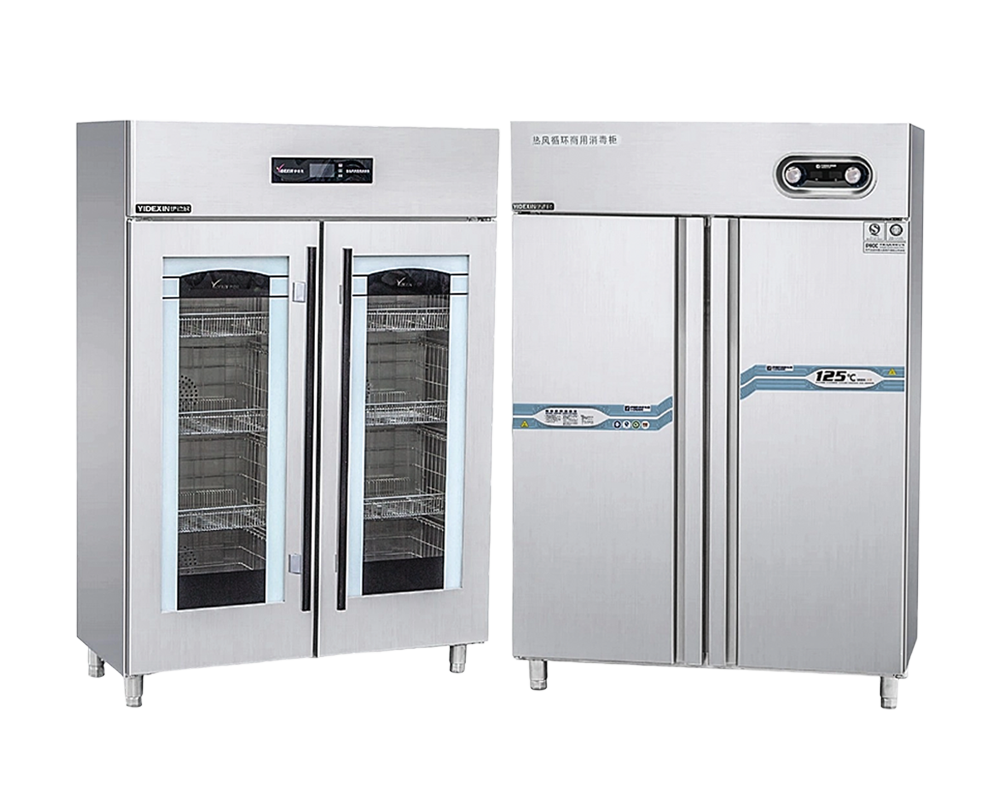 Commercial Restaurant Anti-Fingerprint Stainless Steel Disinfection Cabinet
-
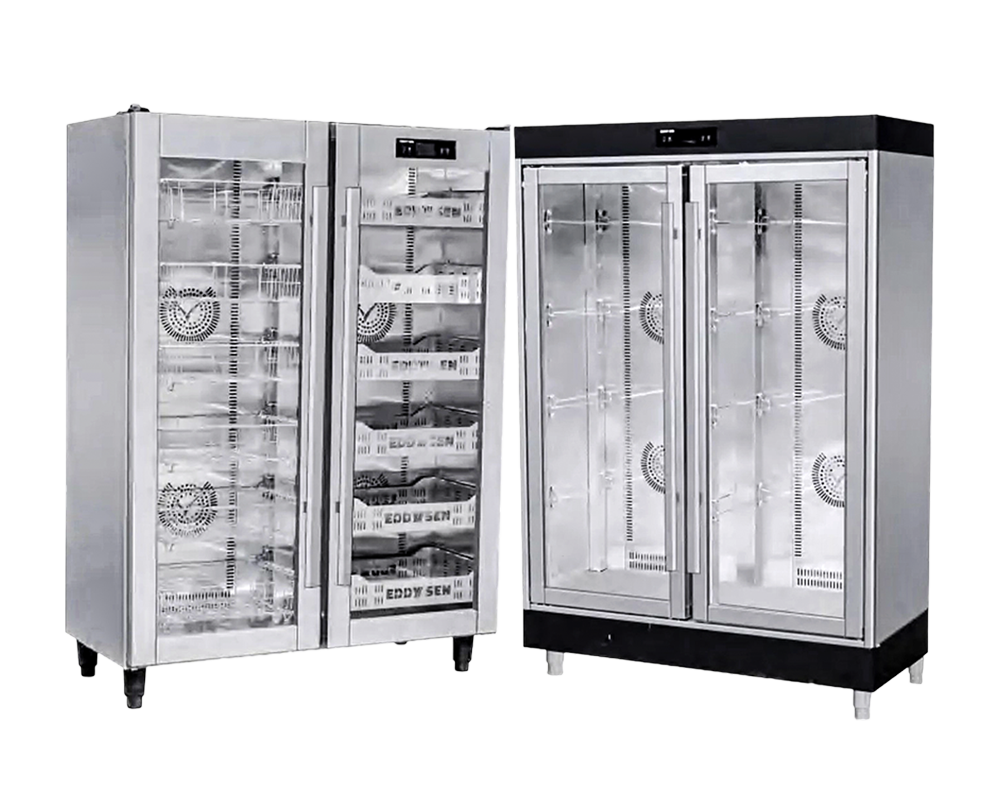 Intelligent Light Wave Stainless Steel UV Disinfection Cabinet
-
 [email protected] / [email protected]
-
 +86-15066977778 / +86-19012777577

-
 Reach-in Refrigerators
-
 Reach-in Freezers
-
 Dual Temperature Refrigerators
-
 Worktop Refrigerators
-
 Worktop Freezers
-
 Salad Bar Refrigerators
-
 Combined Island Display Refrigerators
-
 Air Curtain Refrigerators
-
 Fresh Cabinets
-
 Display Refrigerators(Glass Door)
-
 Electric Rice Steamer Cabinets
-
 Gas Rice Steamer Cabinets
-
 Vertical Banquet Cabinets
-
 Horizontal Banquet Cabinets
-
 Heated Disinfection Cabinets
How to Stop Your Fridges from Freezing?
Content
- 1 The Reasons for Commercial Fridge Freezing
- 1.1 1. Frequent Air Exchange Caused by Operational Demand
- 1.2 2. High Ambient Humidity in Commercial Kitchens
- 1.3 3. Rapid and Continuous Load Fluctuations
- 1.4 4. Airflow Systems Not Optimized for High-Intensity Use
- 1.5 5. Defrost Systems Not Matched to Usage Intensity
- 1.6 6. Insulation Structures Unsuitable for Continuous Operation
- 2 How to Prevent Commercial Refrigerator Freezing?
- 3 Start Your Commercial Refrigerator and Freezer Project at Eddysen
A frozen fridge leads to wasted ingredients, unstable storage temperatures, and higher operating costs. When refrigerator freezing is overlooked, minor issues quickly turn into serious operational problems.
Stopping refrigerator freezing requires accurate temperature control, unobstructed airflow, intact door seals, moisture management, and commercial refrigeration systems engineered for continuous, high-demand environments. To solve freezing issues effectively, the underlying technical causes must be clearly understood.
The Reasons for Commercial Fridge Freezing
Commercial refrigerators operate under far more demanding conditions than residential units, which explains why refrigerator keeps freezing food in professional foodservice environments. Freezing issues are typically the result of multiple operational and structural factors acting together rather than a single malfunction.
1. Frequent Air Exchange Caused by Operational Demand
During peak service hours, refrigerator doors are opened repeatedly, allowing large volumes of warm, humid air to enter the cabinet. This constant air exchange overwhelms the cooling system, causing moisture to condense and freeze on evaporators, air outlets, and interior surfaces.
2. High Ambient Humidity in Commercial Kitchens
Cooking processes generate continuous heat and moisture, raising ambient humidity levels around refrigeration equipment. When refrigerators are not designed to manage this moisture load, internal condensation increases significantly, accelerating ice formation and leading to unstable temperature zones.
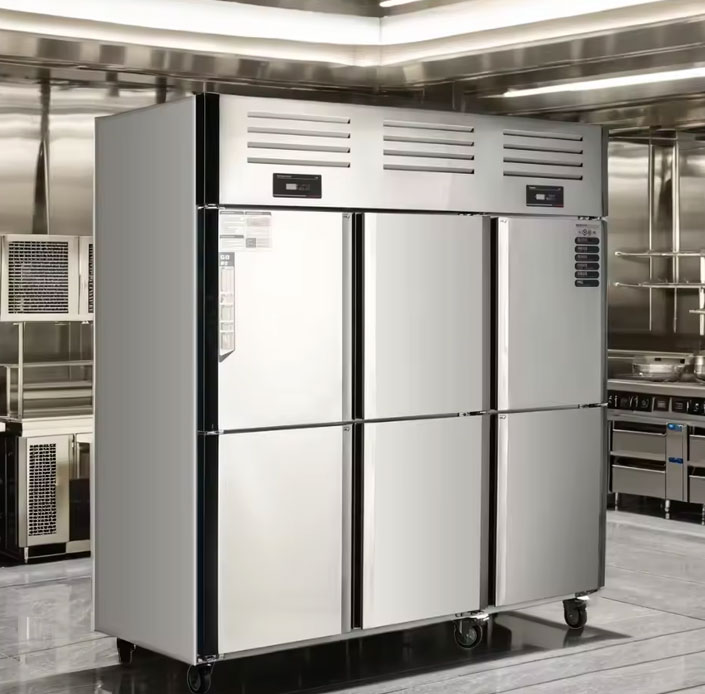
3. Rapid and Continuous Load Fluctuations
Frequent restocking introduces products at varying temperatures, forcing the cooling system to respond constantly. These rapid load changes reduce temperature recovery efficiency, increase compressor run time, and create conditions where freezing can occur in localized areas.
4. Airflow Systems Not Optimized for High-Intensity Use
Inadequate airflow design or insufficient fan capacity results in uneven cold-air distribution. Certain sections of the cabinet receive excessive cooling while others remain warmer, creating cold traps where ice forms and gradually spreads.
5. Defrost Systems Not Matched to Usage Intensity
Defrost cycles designed for light or intermittent use are often insufficient in commercial environments. When frost is not removed effectively, it accumulates layer by layer, eventually restricting airflow and further accelerating freezing problems.
6. Insulation Structures Unsuitable for Continuous Operation
Non-industrial insulation materials allow external heat and moisture to penetrate the cabinet more easily. Under continuous operation, this weak thermal barrier increases internal condensation, reduces energy efficiency, and contributes directly to persistent freezing issues.
How to Prevent Commercial Refrigerator Freezing?
Preventing freezing in fridge situations in commercial kitchens requires a system-level approach. Operational adjustments alone are insufficient. Effective prevention combines equipment design, intelligent control, and proactive maintenance to maintain consistent temperatures and protect food quality. Here are some commonly used measures:
1. Forced-Air Circulation for Even Cooling
Proper airflow is critical for commercial refrigeration. High-performance fans push cold air throughout the cabinet, preventing cold spots where ice can accumulate. In high-traffic kitchens, uneven airflow caused by frequent door openings or densely packed shelves can lead to localized freezing. Ensuring that vents are unobstructed and using circulation fans designed for heavy-duty operation helps maintain even temperature distribution and reduces food freezing in refrigerator zones.
2. Smart Temperature Control
Intelligent controllers automatically adjust cooling output based on internal load, ambient conditions, and door-open frequency. Overcooling due to manual settings or fixed thermostats often leads to refrigerator freezing problems and unnecessary energy consumption. Smart systems stabilize temperatures even under fluctuating conditions, protecting perishable ingredients and extending compressor lifespan, which is critical in commercial environments where downtime can disrupt operations.
3. Automatic Defrost Cycles
Ice forms on evaporator coils and interior surfaces when humidity enters the cabinet. Automatic defrost cycles periodically melt frost before it accumulates into thicker ice layers. Without properly timed defrost cycles, refrigerator frozen zones can form, reducing airflow, creating cold pockets, and increasing the likelihood of my fridge is freezing things. Well-engineered defrost systems maintain airflow efficiency and consistent temperature control across all compartments.
4. Industrial Insulation Materials
High-performance insulation limits heat transfer from the surrounding environment and reduces moisture penetration. Cabinets lacking industrial-grade insulation experience faster condensation and ice buildup, especially in high-humidity kitchens. Proper insulation maintains stable internal temperatures, reduces compressor workload, and prevents freezing in fridge conditions even when ambient kitchen temperatures fluctuate.
5. Commercial-Grade System Design
Refrigerators designed for high-intensity commercial use account for frequent door openings, rapid product turnover, and elevated ambient humidity. Systems engineered for these conditions prevent uneven cooling and minimize refrigerator keeps freezing food incidents. This includes optimized airflow paths, larger evaporator capacity, and strategic placement of sensors to ensure precise temperature control in all compartments.
6. Routine Monitoring and Maintenance
Regular inspections of temperature settings, door seals, airflow, and defrost function help identify early signs of ice formation. Proactive maintenance prevents minor frost accumulation from escalating into persistent refrigerator frozen issues. Simple measures, such as cleaning vents, checking gasket integrity, and ensuring correct thermostat calibration, significantly improve long-term stability and operational efficiency.
Start Your Commercial Refrigerator and Freezer Project at Eddysen
With over 20 years of experience, Eddysen delivers engineered refrigeration solutions designed to prevent refrigerator freezing at the system level.
With advanced manufacturing technologies, precise temperature control, and scalable production capacity, our commercial refrigerators and freezers eliminate frozen fridge issues while supporting global OEM and ODM projects. Our solutions ensure consistent cooling, operational efficiency, and reliable performance for high-intensity commercial environments.
FAQ
1. Why Is My Fridge Freezing Food?
In most cases, food freezing in refrigerator conditions result from uneven cold-air distribution, excessive cooling output, or moisture accumulation inside the cabinet. These factors gradually create localized freezing zones.
2. How Does a Refrigerator Being Too Cold Create Freezing Issues?
A refrigerator too cold setting forces the cooling system to run continuously, leading to freezing in fridge compartments. Complaints such as my refrigerator is freezing my food or my fridge is freezing things usually indicate thermostat miscalibration. A refridgerator too cold also shortens component lifespan.

-
 Add.
Add.
Sales Center:Room 410, Floor T3-4, Zhonghai Development Building, No. 888, Kejiguan Street, Binjiang District, Hangzhou, Zhejiang,China
Factory Address:100 Meters South Of Zhongmao Village, Xingfu Town, Boxing County, Binzhou City, Shandong Province, P.R.China
Sales Center:Room 410, Building 15, Tianan Headquarters Center, 555 North Panyu Avenue, Donghuan Street, Panyu District, Guangzhou City, china
-
 Tel.
+86-15066977778+86-19012777577
Tel.
+86-15066977778+86-19012777577 -
 Email.
Quick Links
Product Fast Links
Mobile Terminal
Copyright @Hangzhou Eddysen Catering Equipment Co., Ltd.All rights reserved. Commercial Freezer Manufacturer