 English
 中文简体
中文简体 Español
 عربى
عربى
-
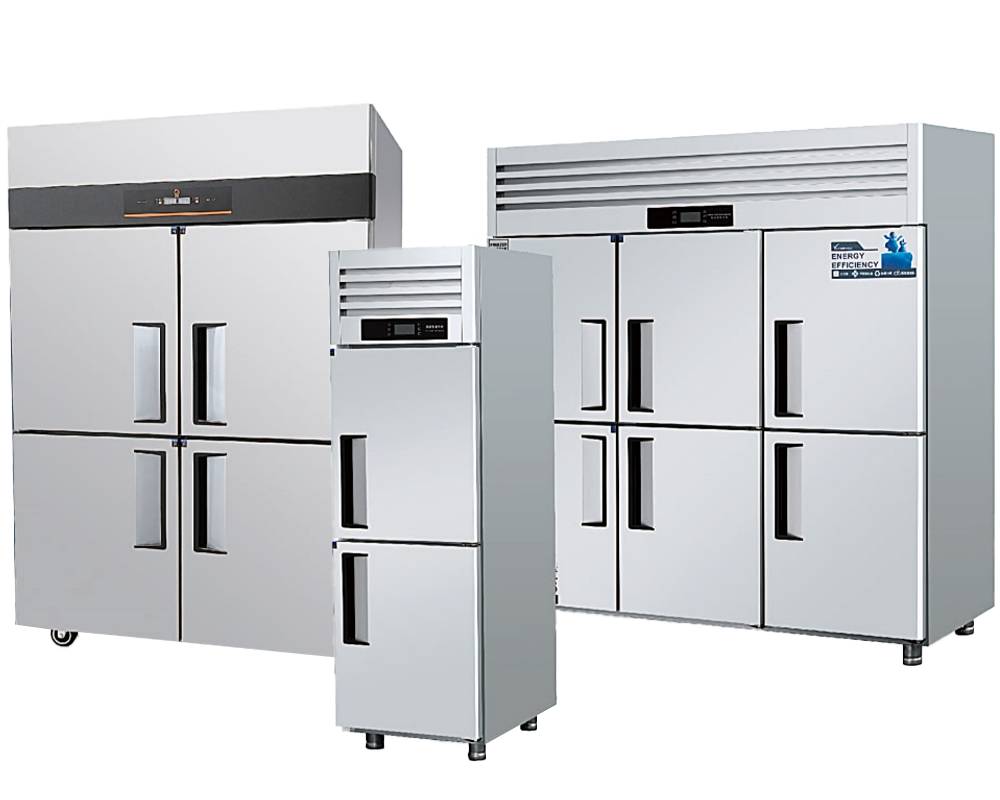 Commercial Vertical Direct-cool Stainless Steel Reach-in Refrigerator
-
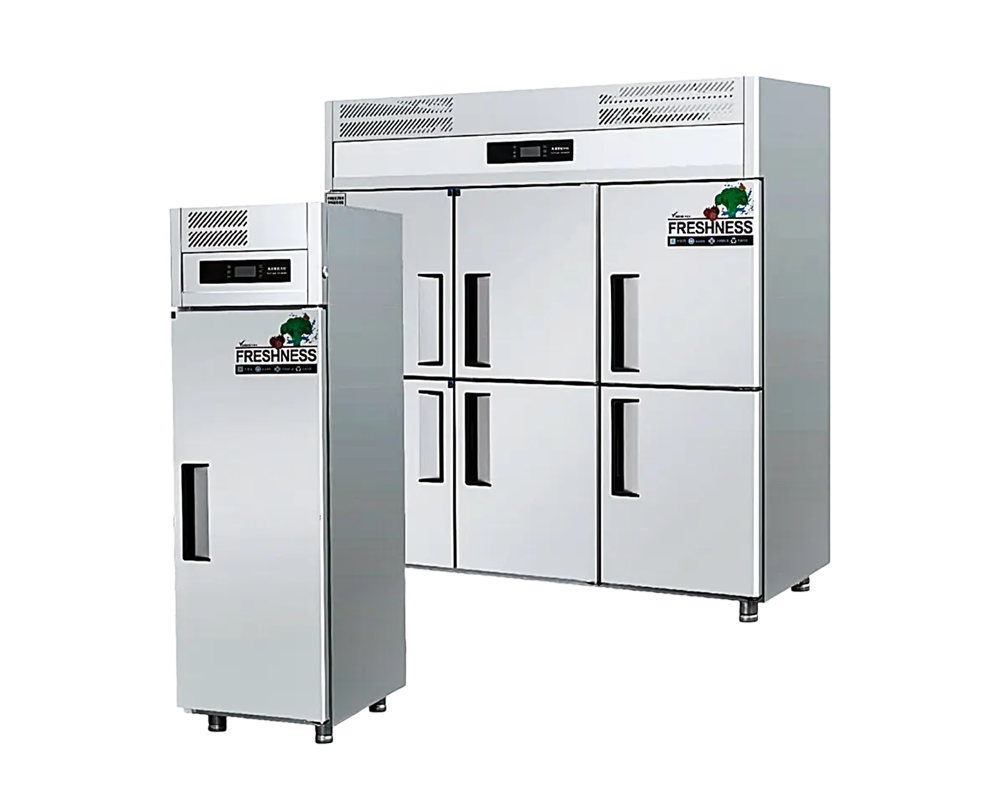 Commercial 201SUS Upright Air Cooling Reach-in Refrigerators
-
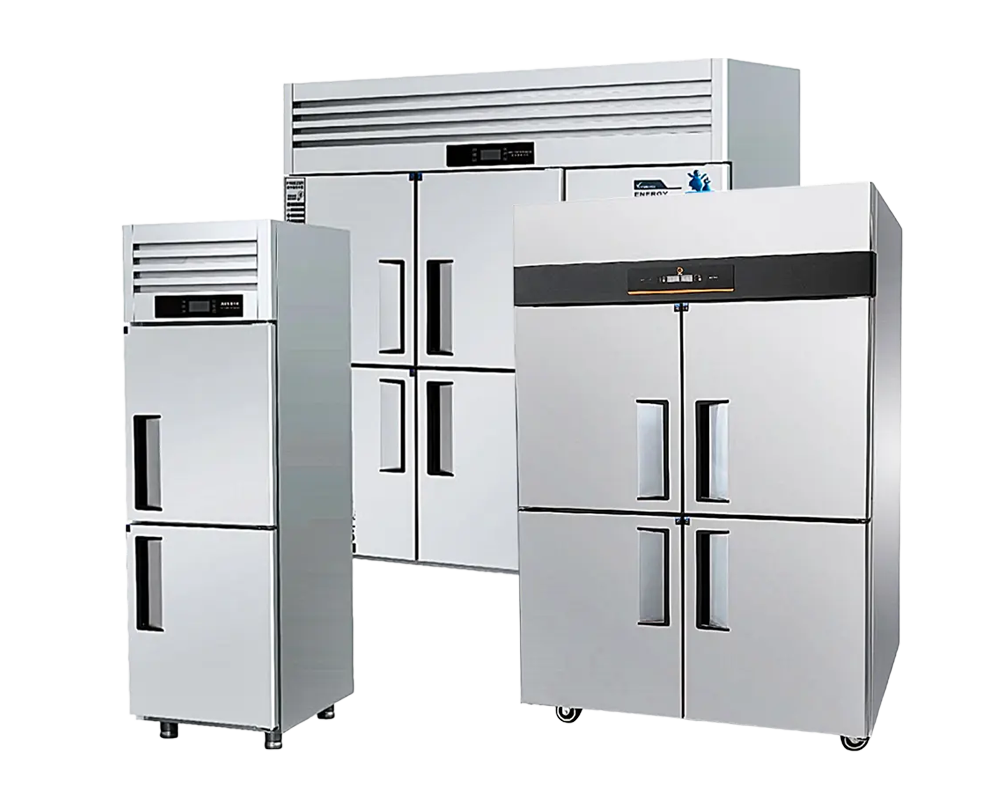 Commercial Direct-Cool Upright Reach-in Freezers
-
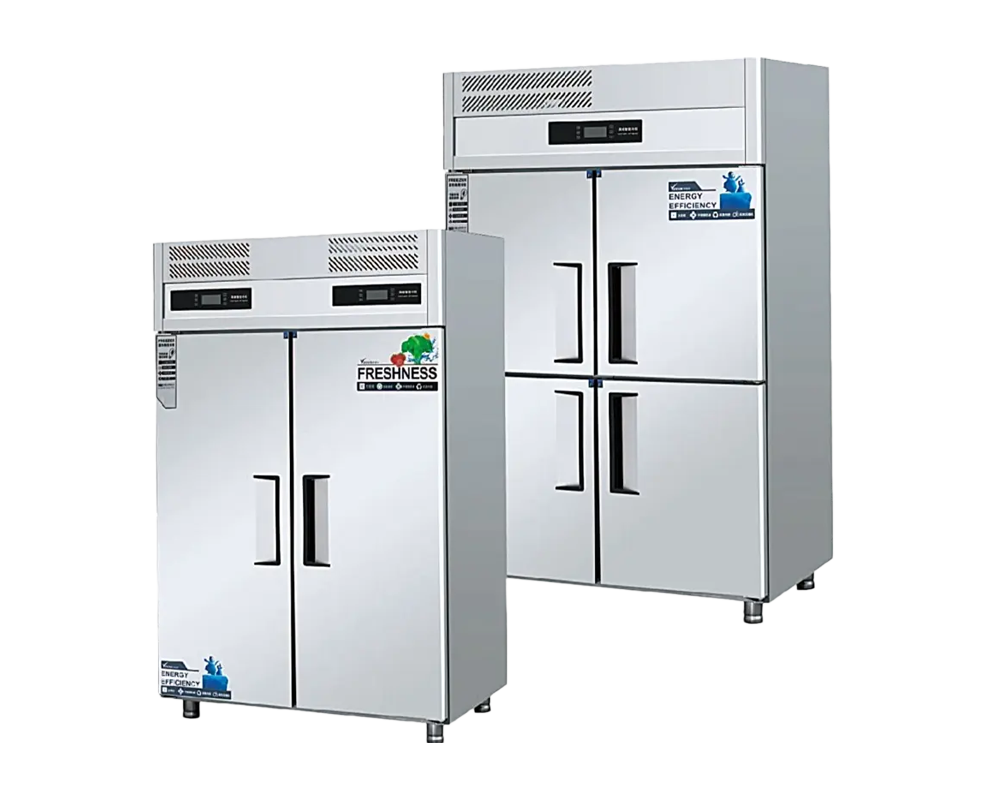 Commercial Stainless Steel Air Cooled Reach-in Vertical Freezers
-
 Dual Temperature Control Direct Cooling Commercial Upright Reach-in Refrigerators
-
 Commercial Vertical Air Cooled Intelligent Reach-in Freezer and Refrigerator
-
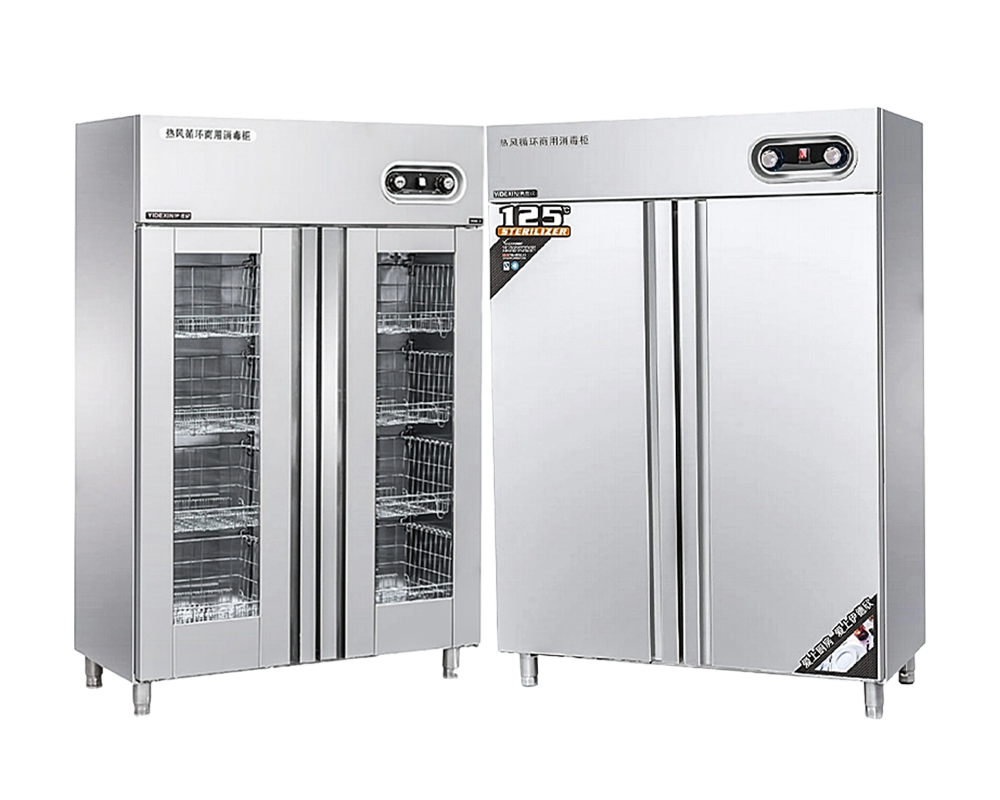 Stainless Steel/Glass Flat Door Sterilization Cabinet
-
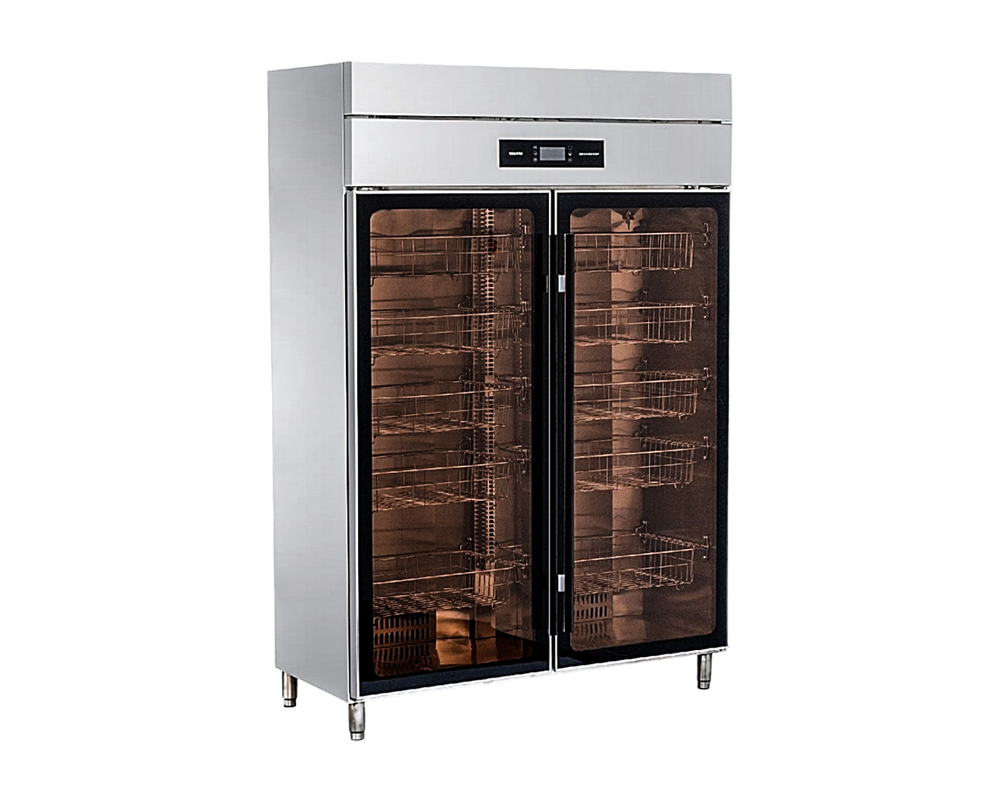 Multifunctional Three-mode High Temperature Glass Door Disinfection Cabinet
-
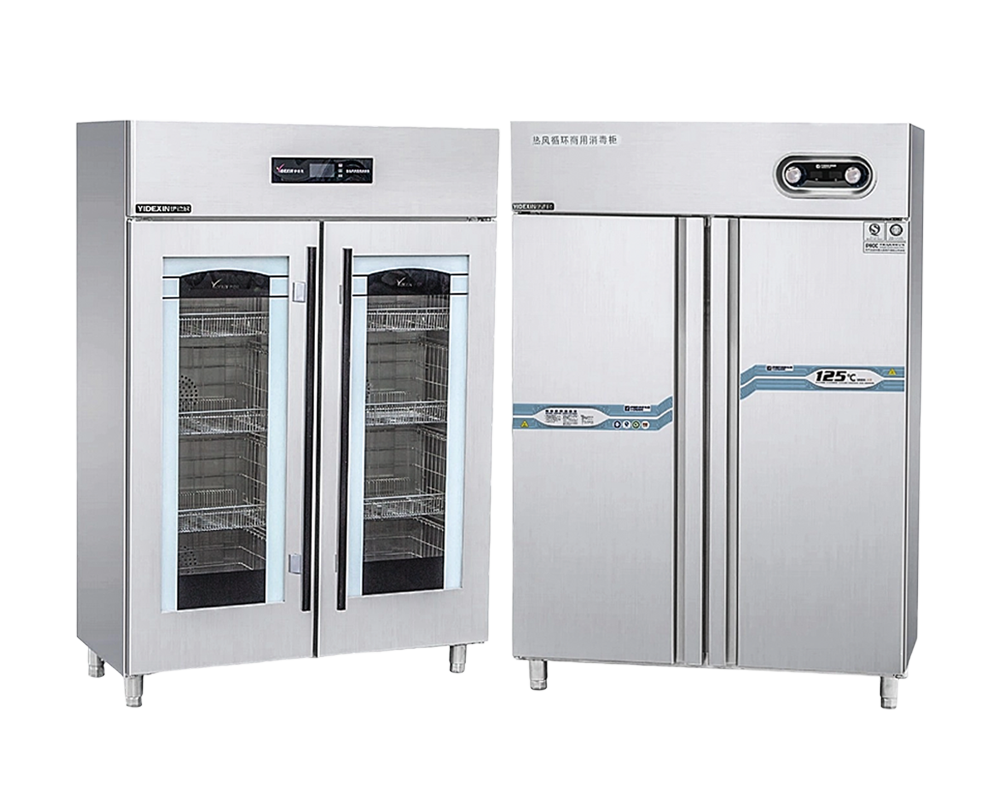 Commercial Restaurant Anti-Fingerprint Stainless Steel Disinfection Cabinet
-
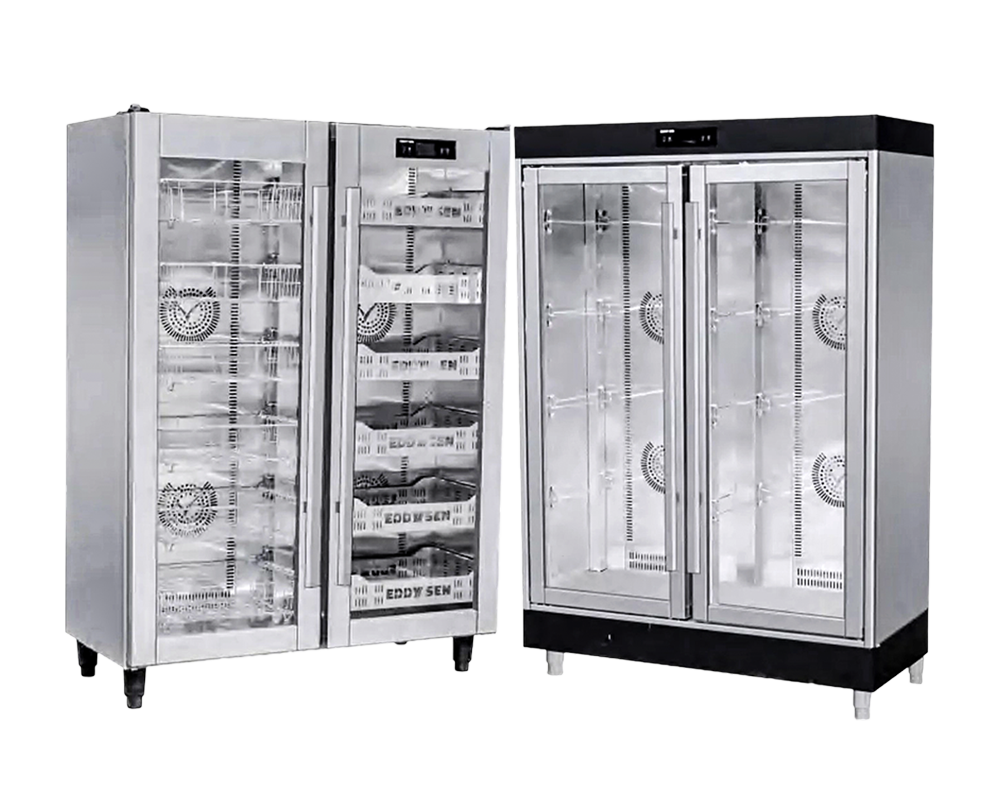 Intelligent Light Wave Stainless Steel UV Disinfection Cabinet
-
 [email protected] / [email protected]
-
 +86-15066977778 / +86-19012777577

-
 Reach-in Refrigerators
-
 Reach-in Freezers
-
 Dual Temperature Refrigerators
-
 Worktop Refrigerators
-
 Worktop Freezers
-
 Salad Bar Refrigerators
-
 Combined Island Display Refrigerators
-
 Air Curtain Refrigerators
-
 Fresh Cabinets
-
 Display Refrigerators(Glass Door)
-
 Electric Rice Steamer Cabinets
-
 Gas Rice Steamer Cabinets
-
 Vertical Banquet Cabinets
-
 Horizontal Banquet Cabinets
-
 Heated Disinfection Cabinets
Disinfection Cabinet for Kitchen: Heated Models, Specs & Tips
Content
- 1 What a Disinfection Cabinet for Kitchen Use Should Deliver
- 2 Disinfection Technologies Commonly Used in Kitchen Cabinets
- 3 Key Specifications That Separate a Reliable Cabinet from a Problem
- 4 Sizing a Disinfection Cabinet for Kitchen Throughput
- 5 Operating Practices That Keep Disinfection Results Consistent
- 6 Material Compatibility and the “Melamine Question”
- 7 How We Configure Heated Disinfection Cabinets for Real Kitchen Conditions
What a Disinfection Cabinet for Kitchen Use Should Deliver
In a busy kitchen, the hygiene gap rarely happens during washing—it happens after washing. Clean tableware can be re-contaminated during air-drying, handling, or storage near raw prep areas. A well-specified disinfection cabinet for kitchen use closes that gap by combining controlled disinfection, drying, and protected holding in one workflow step.
Where the cabinet fits in a practical hygiene workflow
Most kitchens use the cabinet in one of two ways: (1) as a final disinfection-and-dry step after washing, or (2) as a protected “ready-to-serve” storage zone for high-turnover items like plates, bowls, and utensils. In both cases, the goal is consistent, repeatable conditions—not “extra heat” or “extra light” without control.
- Consistent disinfection conditions (time + temperature and/or UV/ozone) across the full cabinet, including corners and densely loaded shelves.
- Fast, even drying to avoid moisture carryover (moisture is a common driver of odor and re-growth during storage).
- Protected holding after disinfection so staff do not “undo” sanitation by placing items back on open racks.
For procurement teams, the most useful framing is this: the cabinet is a controlled process step, not just a storage box. That perspective makes specification and verification straightforward.
Disinfection Technologies Commonly Used in Kitchen Cabinets
Kitchen disinfection cabinets generally use high-temperature hot air (often assisted by far-infrared heating), ultraviolet (UV), ozone, or a combination. The best choice depends on throughput, tableware materials, and how you validate performance in daily operation.
High-temperature hot air (thermal disinfection + drying)
Thermal systems use controlled heating to achieve disinfection and then drive moisture off surfaces for dry holding. As a practical reference point, high-temperature disinfection is often discussed around 120℃ for about 10–15 minutes (under defined conditions) to inactivate common microorganisms. For high-throughput commercial environments, many operators prefer hot-air circulation designs that improve temperature uniformity across the chamber.
UV and ozone (surface-focused methods)
UV and ozone can complement thermal systems, particularly for surface-focused disinfection and for workflows where additional assurance is desired. The operational nuance is that UV is line-of-sight and ozone effectiveness depends on concentration, exposure time, and safe handling. In practice, UV/ozone are most useful when combined with good loading discipline and a cabinet design that minimizes shadowing and dead zones.
If you are comparing options within our range of heated disinfection cabinets, it helps to treat thermal performance (uniformity + drying) as the baseline and then add UV/ozone as a supplemental layer where your hygiene plan benefits from it.
| Approach | Primary mechanism | Strengths in kitchens | Constraints to plan for |
|---|---|---|---|
| High-temp hot air | Time + temperature + circulation | Strong drying and consistent throughput; reduces “wet storage” risk | Requires correct loading to allow airflow; thermal limits depend on tableware material |
| UV + thermal | UV surface exposure plus heated drying | Adds a second disinfection mode; useful for mixed utensil loads | UV is line-of-sight; shadows reduce effectiveness without disciplined loading |
| Thermal + UV + ozone | Multi-mode disinfection package | High assurance when procedures are followed; helpful in high-volume service | Requires safety controls and ventilation planning; ozone use must follow local safety requirements |
Key Specifications That Separate a Reliable Cabinet from a Problem
From a manufacturer’s perspective, most “field failures” are specification mismatches: a cabinet sized for storage but used for throughput, a thermal design without true circulation, or materials chosen without considering cleaning chemistry and corrosion exposure. The checklist below keeps procurement practical.
Performance and control
- Temperature capability and stability: confirm setpoint range and how the cabinet maintains uniform temperature across shelves (circulation matters more than peak element temperature).
- Airflow design: 360° circulation and well-placed vents reduce cold spots and improve drying consistency for stacked loads.
- Cycle controls: timer, temperature control, and (where applicable) UV/ozone interlocks should be simple enough for shift staff to run correctly every time.
Capacity and usability
- Adjustable, multi-layer shelving so you can handle mixed loads (plates, bowls, chopsticks, spoons) without blocking airflow.
- Door format that matches your workflow: undercounter access for tight lines, upright cabinets for back-of-house staging, trolley type for banquet service where moving the full load matters.
Materials and cleanability
Stainless construction is standard in commercial environments, but grade selection still matters. SUS201 can be appropriate for many indoor kitchen environments; where chloride exposure is higher (coastal regions, aggressive cleaners, splash zones), buyers often specify higher corrosion resistance. Regardless of grade, prioritize smooth seams, accessible corners, and shelf geometry that does not trap residue.
If you want an example of a circulation-focused design, our high-temperature hot air stainless steel disinfection cabinet is engineered around hot air circulation and stainless construction to support high-frequency use.
Sizing a Disinfection Cabinet for Kitchen Throughput
A simple way to size correctly is to start from peak service, not average daily covers. Your cabinet should absorb dish return spikes without forcing staff to “shortcut” cycles or store wet items.
A rule-of-thumb sizing model you can validate in one meeting
Use this method: estimate the maximum number of tableware sets that return to dish in 30–45 minutes during peak, then plan capacity for at least 1.2–1.5× that load (so airflow is not blocked by over-stacking). The final size is then checked against your available footprint and door swing space.
| Kitchen type | Typical peak pattern | Recommended cabinet format | Procurement focus |
|---|---|---|---|
| Café, quick service | Short spikes; limited back-of-house space | Undercounter / workbench cabinet | Footprint, easy loading, drying speed |
| Mid-size restaurant | Sustained peaks during dinner service | Upright hot-air circulation cabinet | Uniformity, adjustable shelves, durability |
| Hotel / banquet | Large batch returns; staging and transport needs | Trolley-type cabinet | Batch handling, door strength, cycle repeatability |
If your kitchen runs multiple tableware materials (ceramic, stainless, melamine), include that in sizing discussions. Mixed materials often drive the need for better uniform heating and disciplined shelf spacing so items do not warp, discolor, or trap moisture.
Operating Practices That Keep Disinfection Results Consistent
Even the best cabinet can be undermined by loading and handling habits. Standardizing a few procedures typically produces the biggest hygiene gains with minimal training time.
A simple SOP most kitchens can adopt immediately
- Pre-dry before loading: remove standing water to reduce cycle time and improve drying consistency.
- Load for airflow: keep consistent spacing and avoid “tight stacks” that create cold, wet zones.
- Run a defined cycle: do not shorten time during peak; instead, size capacity so cycles can complete.
- Hold closed after cycle: treat the cabinet as a protected storage zone to prevent re-contamination.
- Spot-check daily: confirm the cabinet reaches your target setpoint and that shelves dry evenly (a quick tactile check for residual moisture is surprisingly effective).
How to verify performance without complicated lab testing
For most kitchens, verification is practical: (1) confirm temperature at the coldest location using a probe during a fully loaded cycle, (2) confirm drying by checking residual moisture on representative items, and (3) record results in a simple log. If your hygiene plan references thermal disinfection benchmarks, your log should show the cabinet reliably reaches that temperature/time window in real use.
For deeper background on cabinet principles and disinfection classifications, you can reference our technical overview: What is a sterilizer disinfection cabinet?
Material Compatibility and the “Melamine Question”
Many commercial kitchens rely on melamine tableware for durability and handling comfort. The trade-off is that melamine benefits from even heating and controlled exposure—rapid or uneven heating can contribute to deformation risk over time. This is one reason circulation and heat distribution matter as much as peak temperature.
When an undercounter workbench cabinet is the better engineering choice
In tight kitchens, an undercounter format can support both workflow and material protection: it shortens staff movement, reduces handling steps, and can be designed for more uniform heat distribution suitable for sensitive tableware. For example, our stainless steel undercounter disinfection cabinet workbench is positioned for compact service lines and emphasizes even heating and practical loading in small spaces.
- If you run mixed loads (melamine + ceramic), consider separating cycles or allocating shelves by material to keep airflow predictable.
- Avoid packing melamine items tightly together; spacing reduces localized overheating and improves drying uniformity.
How We Configure Heated Disinfection Cabinets for Real Kitchen Conditions
From the supplier side, the most common customer requirement is simple: “Make it repeatable under pressure.” That typically means stainless construction inside and out, adjustable shelving, robust door hardware, and a disinfection system designed to reduce dead zones and speed up drying.
Examples of configurations customers choose (and why)
- Hot-air circulation cabinet: designed around 360° circulation and high-temperature capability, with heating elements described as exceeding 150℃ in our engineering series for thorough disinfection and drying.
- UV + thermal cabinet: useful where operators want a dual-mode disinfection approach, pairing heated circulation with UV and straightforward control.
- Trolley-type cabinet for banquet: optimized for moving large loads; multi-mode configurations are often selected where teams want maximum assurance and efficient batch handling. Some product configurations are described with sterilization rates up to 99.99% under specified conditions.
If you are evaluating options, start with your workflow constraints (space, peak load pattern, material mix), then select the technology package that you can validate and operate consistently. You can review our current lineup of heated disinfection cabinets and shortlist two or three formats that match your kitchen’s service model.
A procurement checklist to reduce commissioning risk
- Confirm target cycle settings (temperature/time and any UV/ozone steps) and how operators will record verification.
- Map cabinet placement to workflow so clean items do not pass through raw zones after disinfection.
- Specify stainless grade and door configuration based on your cleaning chemistry and environment.
- Plan commissioning: run a fully loaded validation cycle and document results before the cabinet becomes part of daily service.
If you want support selecting the right disinfection cabinet for kitchen throughput and space constraints, you can share your intended load types and peak-service pattern with our team via Eddysen Contact.

-
 Add.
Add.
Sales Center:Room 410, Floor T3-4, Zhonghai Development Building, No. 888, Kejiguan Street, Binjiang District, Hangzhou, Zhejiang,China
Factory Address:100 Meters South Of Zhongmao Village, Xingfu Town, Boxing County, Binzhou City, Shandong Province, P.R.China
Sales Center:Room 410, Building 15, Tianan Headquarters Center, 555 North Panyu Avenue, Donghuan Street, Panyu District, Guangzhou City, china
-
 Tel.
+86-15066977778+86-19012777577
Tel.
+86-15066977778+86-19012777577 -
 Email.
Quick Links
Product Fast Links
Mobile Terminal
Copyright @Hangzhou Eddysen Catering Equipment Co., Ltd.All rights reserved. Commercial Freezer Manufacturer