 English
 中文简体
中文简体 Español
 عربى
عربى
-
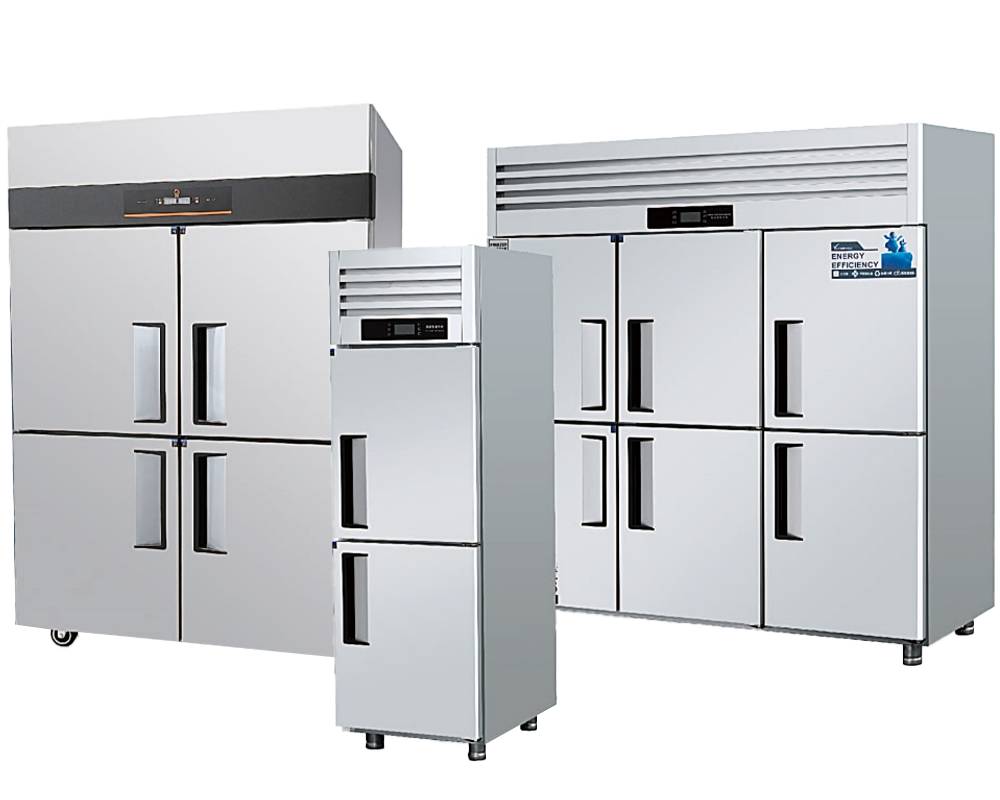 Commercial Vertical Direct-cool Stainless Steel Reach-in Refrigerator
-
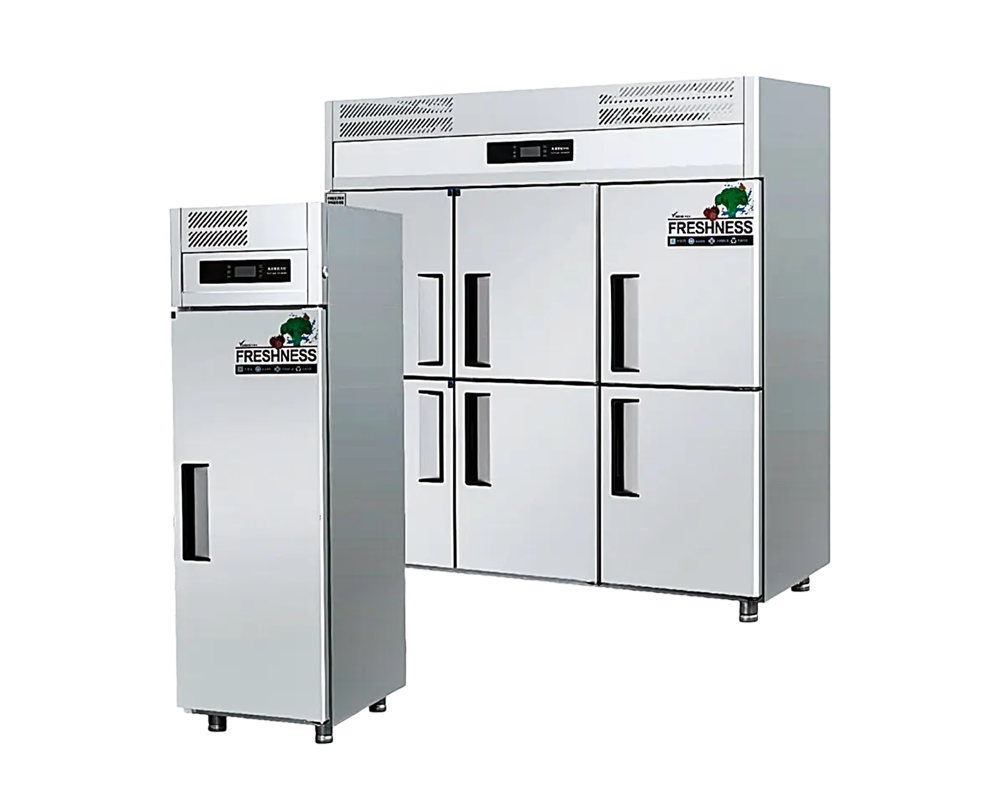 Commercial 201SUS Upright Air Cooling Reach-in Refrigerators
-
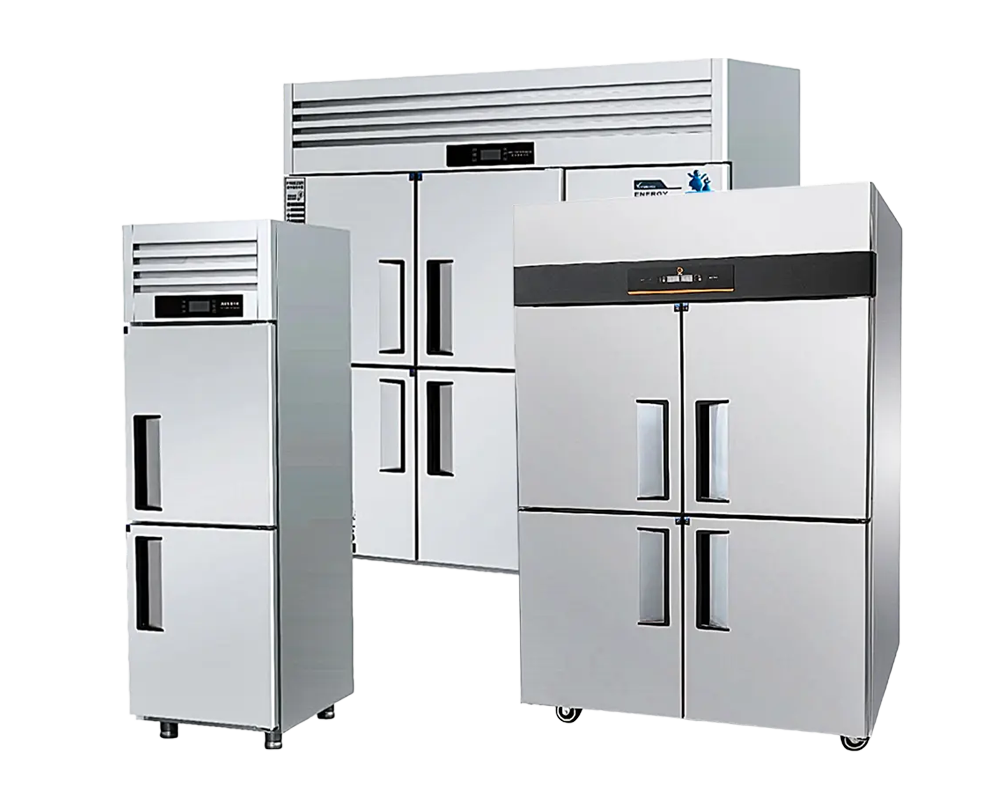 Commercial Direct-Cool Upright Reach-in Freezers
-
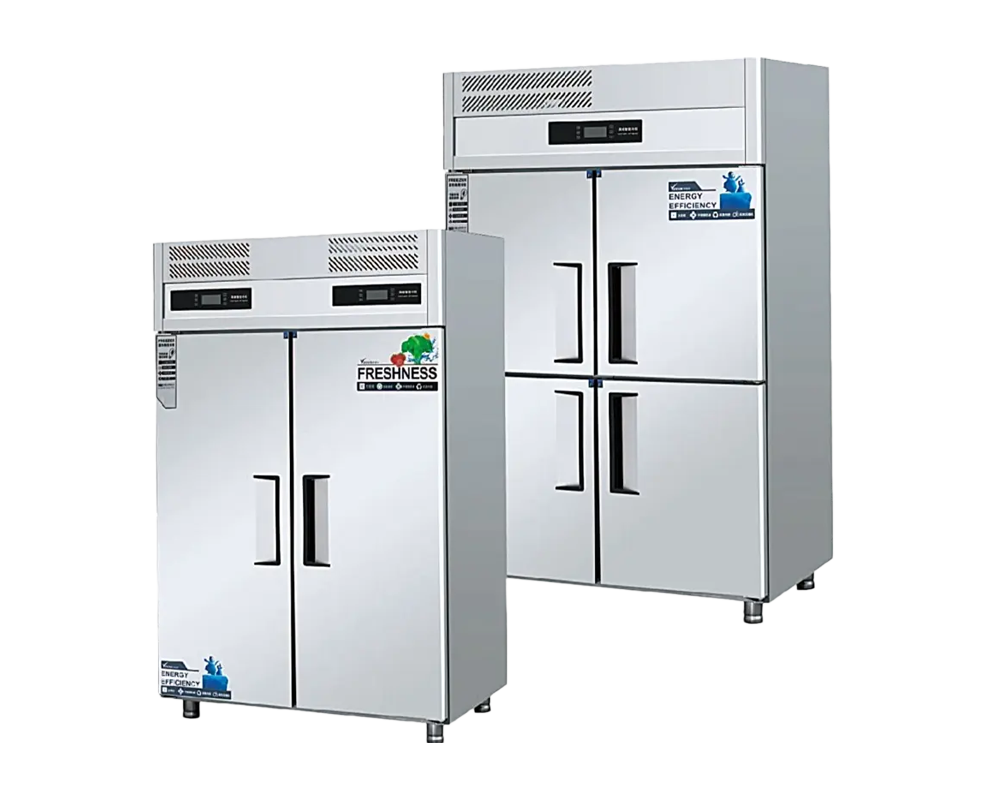 Commercial Stainless Steel Air Cooled Reach-in Vertical Freezers
-
 Dual Temperature Control Direct Cooling Commercial Upright Reach-in Refrigerators
-
 Commercial Vertical Air Cooled Intelligent Reach-in Freezer and Refrigerator
-
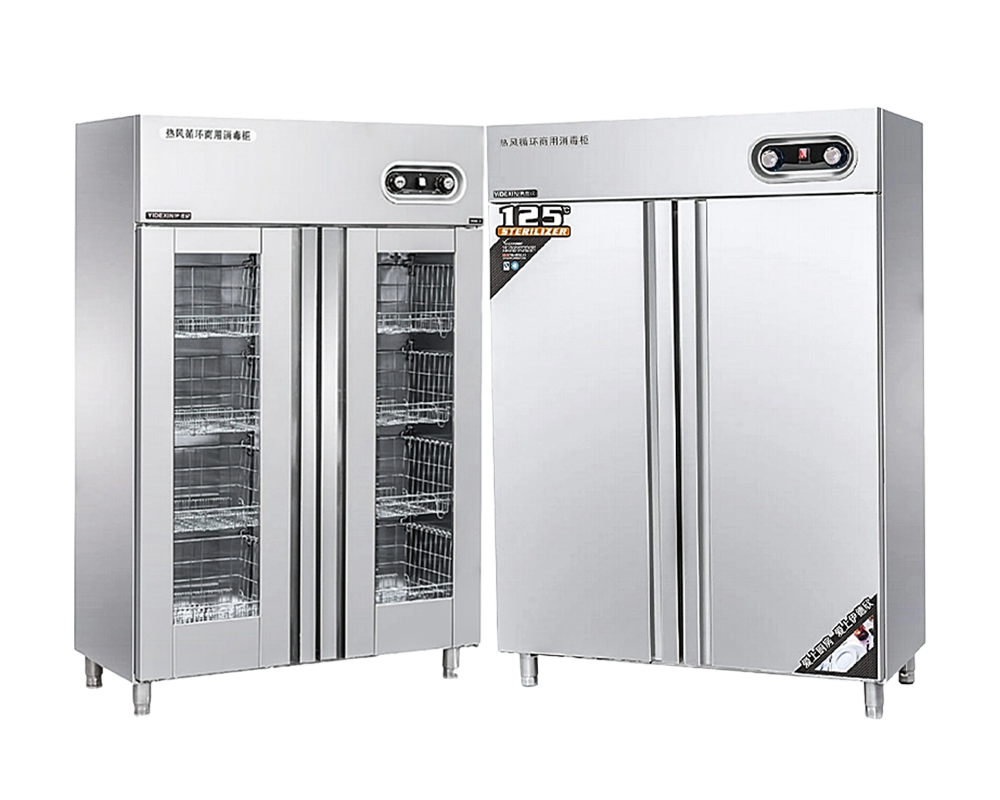 Stainless Steel/Glass Flat Door Sterilization Cabinet
-
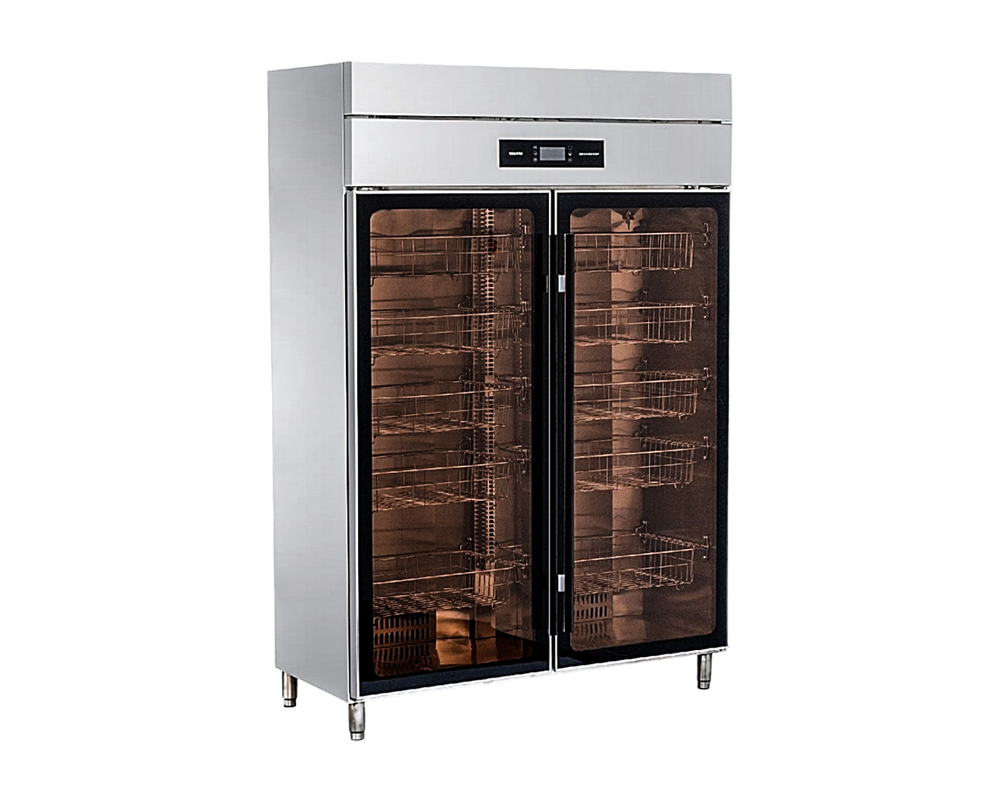 Multifunctional Three-mode High Temperature Glass Door Disinfection Cabinet
-
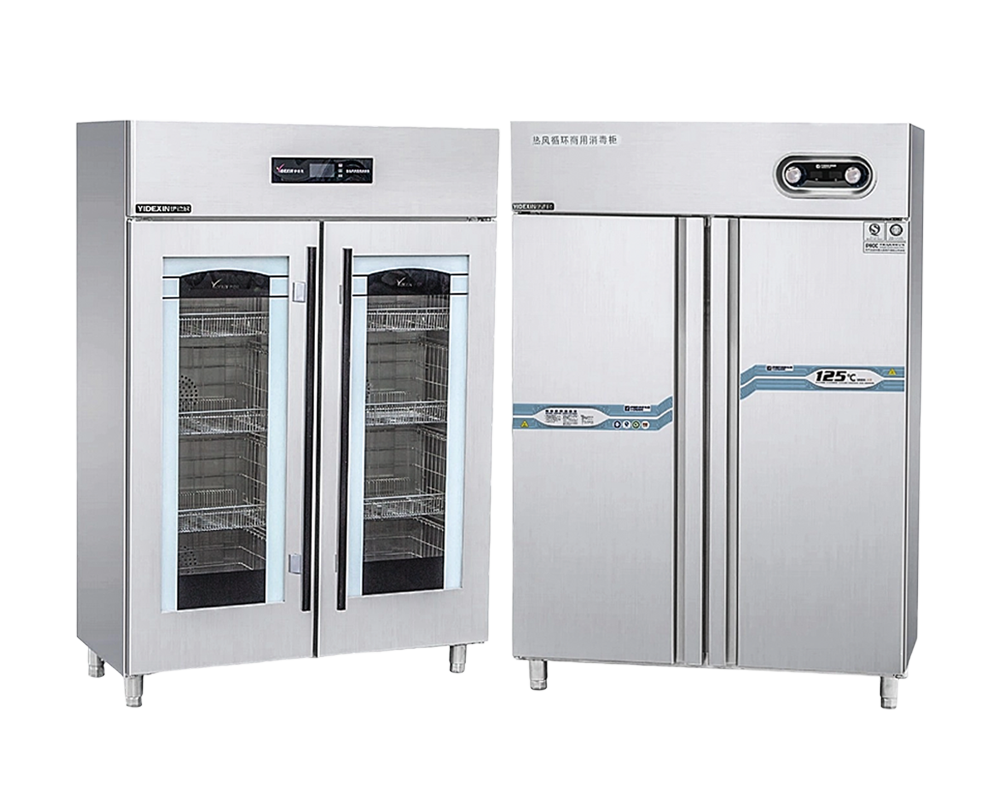 Commercial Restaurant Anti-Fingerprint Stainless Steel Disinfection Cabinet
-
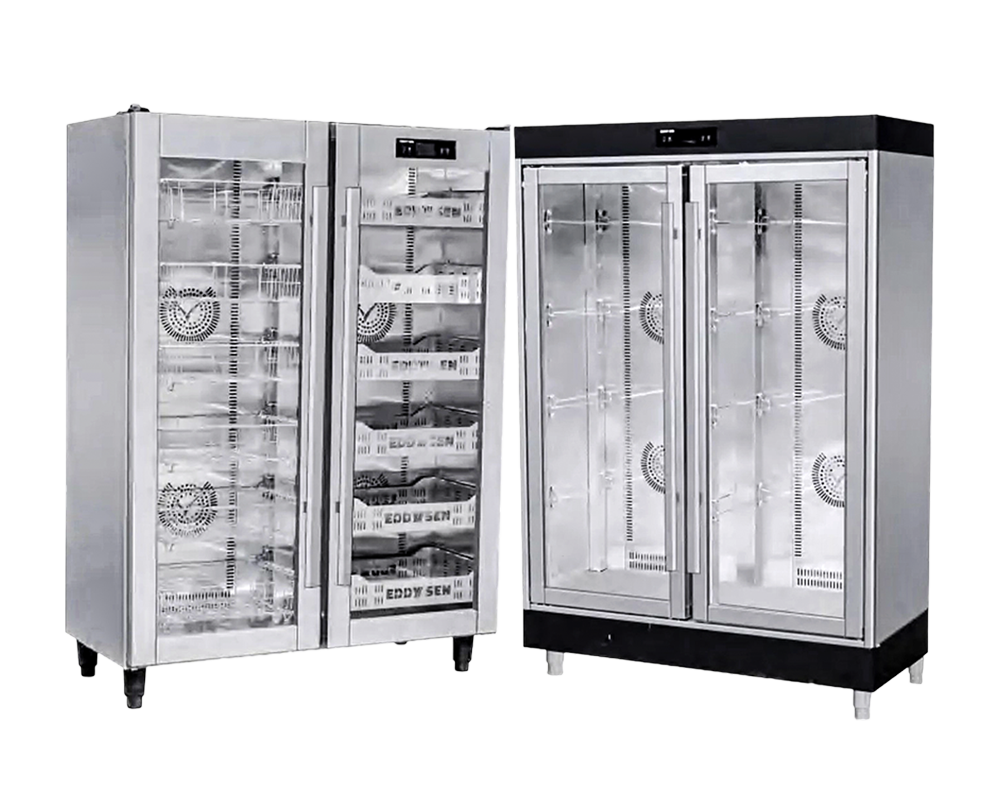 Intelligent Light Wave Stainless Steel UV Disinfection Cabinet
-
 [email protected] / [email protected]
-
 +86-15066977778 / +86-19012777577

-
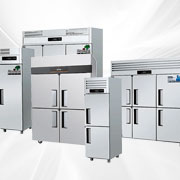 Reach-in Refrigerators
-
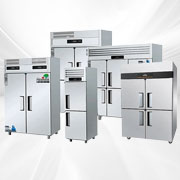 Reach-in Freezers
-
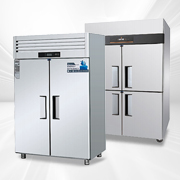 Dual Temperature Refrigerators
-
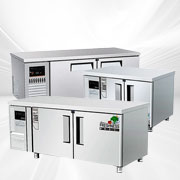 Worktop Refrigerators
-
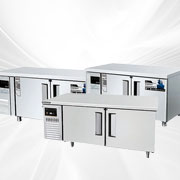 Worktop Freezers
-
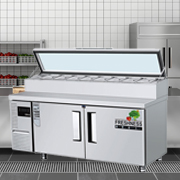 Salad Bar Refrigerators
-
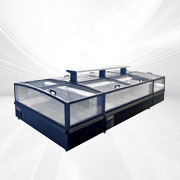 Combined Island Display Refrigerators
-
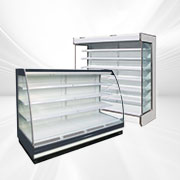 Air Curtain Refrigerators
-
 Fresh Cabinets
-
 Display Refrigerators(Glass Door)
-
 Electric Rice Steamer Cabinets
-
 Gas Rice Steamer Cabinets
-
 Vertical Banquet Cabinets
-
 Horizontal Banquet Cabinets
-
 Heated Disinfection Cabinets
Refrigerated Salad Bar Guide: Food Safety, Setup, and ROI
Content
- 1 What a Refrigerated Salad Bar Is (and When It Pays Off)
- 2 Food Safety: Temperature Targets and Time Controls
- 3 Layout That Keeps Food Cold and Service Fast
- 4 Menu Planning That Controls Cost and Waste
- 5 Daily Cleaning and Weekly Maintenance Checklist
- 6 Energy Use and Operating Cost: Practical Ways to Reduce It
- 7 Buying or Upgrading a Refrigerated Salad Bar: A Field Checklist
What a Refrigerated Salad Bar Is (and When It Pays Off)
A refrigerated salad bar is a cold-holding, customer-facing service line designed to keep ready-to-eat ingredients at safe temperatures while maximizing speed and merchandising. It is most valuable when you need fast throughput (lunch rush), flexible menu rotations, and consistent portioning without re-plating every item.
Use a refrigerated salad bar when your operation benefits from: (1) multiple cold ingredients served simultaneously, (2) self-serve or attended service, and (3) predictable demand that supports daily prep. If your volume is low or highly variable, a smaller refrigerated rail or back-of-house cold pans may reduce waste.
Quick ROI example
If you sell 80 salads/day with an average contribution margin of $4, that is $320/day. If a refrigerated salad bar improves throughput and adds 10 more salads/day, the incremental margin is $40/day. Over 22 operating days/month, that is $880/month before labor and waste considerations.
Food Safety: Temperature Targets and Time Controls
The operational goal of a refrigerated salad bar is straightforward: keep potentially hazardous (time/temperature control for safety) foods cold enough to prevent rapid bacterial growth. A widely used benchmark in U.S. food codes is 41°F (5°C) or below for cold holding.
Practical control points that prevent violations
- Pre-chill ingredients: do not rely on the unit to pull warm product down to safe temperature.
- Use a calibrated probe thermometer and log checks at least every 2–4 hours during service.
- Rotate in smaller pans more often; this limits time out of refrigeration and reduces end-of-shift discard.
- Protect with sneeze guards and keep lids/doors closed on backup cold storage to stabilize temperature.
| Ingredient Type | Best Practice Target | Service Handling Tip |
|---|---|---|
| Cut leafy greens | 34–40°F (1–4°C) | Drain and spin-dry to reduce sogginess and pooling. |
| Cooked proteins (chicken, eggs) | ≤41°F (≤5°C) | Portion into shallow pans; rotate backups from the walk-in. |
| Dairy (cheese, yogurt dressings) | ≤41°F (≤5°C) | Keep high-fat dressings in smaller pans; they warm quickly on top rails. |
| Cut tomatoes and melons | ≤41°F (≤5°C) | Use dedicated utensils; avoid cross-contact with raw items. |
If you choose to run a time-as-control approach (allowed in some jurisdictions with strict procedures), document it clearly. In most day-to-day settings, the safest and simplest standard remains: hold cold foods at or below 41°F (5°C) and rotate product frequently.
Layout That Keeps Food Cold and Service Fast
A refrigerated salad bar can fail food-safety checks even when the compressor works—often due to airflow blockage, overfilling, and heat gain from the room. Design the layout to support refrigeration performance first, then customer flow.
Airflow rules that prevent warm spots
- Do not heap product above the pan rim: it can sit outside the cold air envelope and creep above 41°F.
- Leave space between pans where the unit design expects airflow; avoid “sealing” gaps with foil or towels.
- Place high-risk items (proteins, dairy dressings) in the coldest zones; put low-risk items (whole fruit, sealed packaged items) in warmer edges.
Customer flow that reduces temperature loss
- Start with plates/bowls and greens first; finish with dressings and toppings. This prevents backtracking and congestion.
- Use clear signage for allergens and “staff-served only” items to reduce lid-open time and utensil swapping.
- If attended, position the attendant near the highest-risk pans to control portioning and minimize pan exposure.
Menu Planning That Controls Cost and Waste
The biggest hidden cost in a refrigerated salad bar is not the equipment—it is shrink from overproduction and end-of-service discard. The objective is to offer variety while keeping the “high-cost, high-spoilage” items tightly controlled.
Build the bar using a tiered-cost approach
- Foundation: 3–5 greens and hardy veg (lower cost, longer hold).
- Mid-tier: grains, beans, pickled veg (high perceived value, stable).
- Premium controls: proteins, specialty cheeses, nuts—offer fewer SKUs and pre-portion or staff-serve.
Portion math example (simple, actionable)
Assume you serve 100 guests during lunch and expect 60% to choose chicken. If the target portion is 3 oz, expected usage is 100 × 0.60 × 3 oz = 180 oz = 11.25 lb. If you usually discard 15%, you are losing 1.7 lb/day. At $4.50/lb cooked cost, that is $7.65/day in chicken waste alone. Reducing discard to 7% saves about $4.05/day—often achieved by using smaller pans and more frequent swaps.
Rotation plan that keeps variety without overfilling
- Stock the bar at 70–80% full at open to protect temperature and reduce shrink.
- Swap “premium controls” every 30–60 minutes using pre-chilled backups.
- Near the end of service, consolidate into fewer pans only if temperatures are verified and cross-contamination is avoided.
Daily Cleaning and Weekly Maintenance Checklist
A refrigerated salad bar looks clean when the top is wiped, but sanitation failures often happen at touchpoints: utensil handles, sneeze guard edges, drain areas, and gasket seams. A tight checklist reduces both food-safety risk and service disruptions.
Operational checklist
- Before service: verify unit is at setpoint; confirm pans and product are pre-chilled.
- During service: replace utensils on a routine schedule and immediately when dropped or contaminated.
- After service: remove pans, wash/rinse/sanitize, and clean corners, rails, and splash zones.
| Frequency | Task | Why It Matters |
|---|---|---|
| Daily | Inspect pans, rails, and drain area for standing liquid | Pooling water drives mess, odors, and temperature instability |
| Weekly | Clean condenser intake area (as applicable) and wipe vents | Dust buildup increases energy use and reduces cooling capacity |
| Monthly | Check gaskets, hinges, and thermometer accuracy | Air leaks and bad readings can push food above 41°F |
| Quarterly | Deep clean condenser coil (if accessible) or schedule service | Extends compressor life and preserves performance at peak load |
Energy Use and Operating Cost: Practical Ways to Reduce It
A refrigerated salad bar consumes more energy when it must fight room heat, frequent lid opening, and dirty heat-exchange surfaces. You can often lower operating cost without changing the menu by improving heat management and daily habits.
Operational steps that typically reduce energy and improve cold holding
- Position away from direct sunlight, ovens, dish areas, or HVAC supply vents that blow warm air across the top.
- Keep backup pans in a walk-in or reach-in and swap quickly; long “restocking sessions” spike temperatures and compressor runtime.
- Use night covers (if compatible) and shut down correctly after sanitizing; an uncovered, empty unit in a warm room often cycles unnecessarily.
- Train staff to avoid overfilling; product piled high increases heat gain and leads to discards—double cost.
A useful operating principle: if your temperature logs show the unit “drifting upward” during the busiest 30–60 minutes, the solution is often not a colder setpoint; it is faster pan swaps, less overfill, and cleaner airflow paths.
Buying or Upgrading a Refrigerated Salad Bar: A Field Checklist
Selecting the right refrigerated salad bar is largely about matching capacity and service style to your peak demand. The best unit is the one that holds ≤41°F reliably during peak service, fits your pan strategy, and is easy to clean.
What to verify before you buy
- Pan compatibility: confirm the exact pan sizes and depths you plan to use, including shallow “swap pans.”
- Service mode: self-serve requires strong sneeze-guard coverage and easy utensil management; attended service benefits from staff-side staging space.
- Cleaning access: corners, drains, and under-rail areas should be reachable without special tools; hard-to-clean areas become chronic sanitation risks.
- Temperature stability under load: ask how the unit performs when fully panned and frequently accessed, not just empty in a showroom.
Decision rule for sizing
Size for peak demand while keeping the “premium controls” tight. As a practical rule, plan enough pan capacity to support your peak hour, then rely on rapid restocking. A bar that is too large encourages overproduction; a bar that is too small forces constant lid opening and temperature drift. Your target is stable cold holding plus a restock rhythm that keeps product fresh.
Bottom line: a refrigerated salad bar succeeds when temperature logs stay consistent, pan swaps are fast, and the menu is engineered to limit high-cost discard while still feeling abundant to guests.

-
 Add.
Add.
Sales Center:Room 410, Floor T3-4, Zhonghai Development Building, No. 888, Kejiguan Street, Binjiang District, Hangzhou, Zhejiang,China
Factory Address:100 Meters South Of Zhongmao Village, Xingfu Town, Boxing County, Binzhou City, Shandong Province, P.R.China
Sales Center:Room 410, Building 15, Tianan Headquarters Center, 555 North Panyu Avenue, Donghuan Street, Panyu District, Guangzhou City, china
-
 Tel.
+86-15066977778+86-19012777577
Tel.
+86-15066977778+86-19012777577 -
 Email.
Quick Links
Product Fast Links
Mobile Terminal
Copyright @Hangzhou Eddysen Catering Equipment Co., Ltd.All rights reserved. Commercial Freezer Manufacturer