 English
 中文简体
中文简体 Español
 عربى
عربى
-
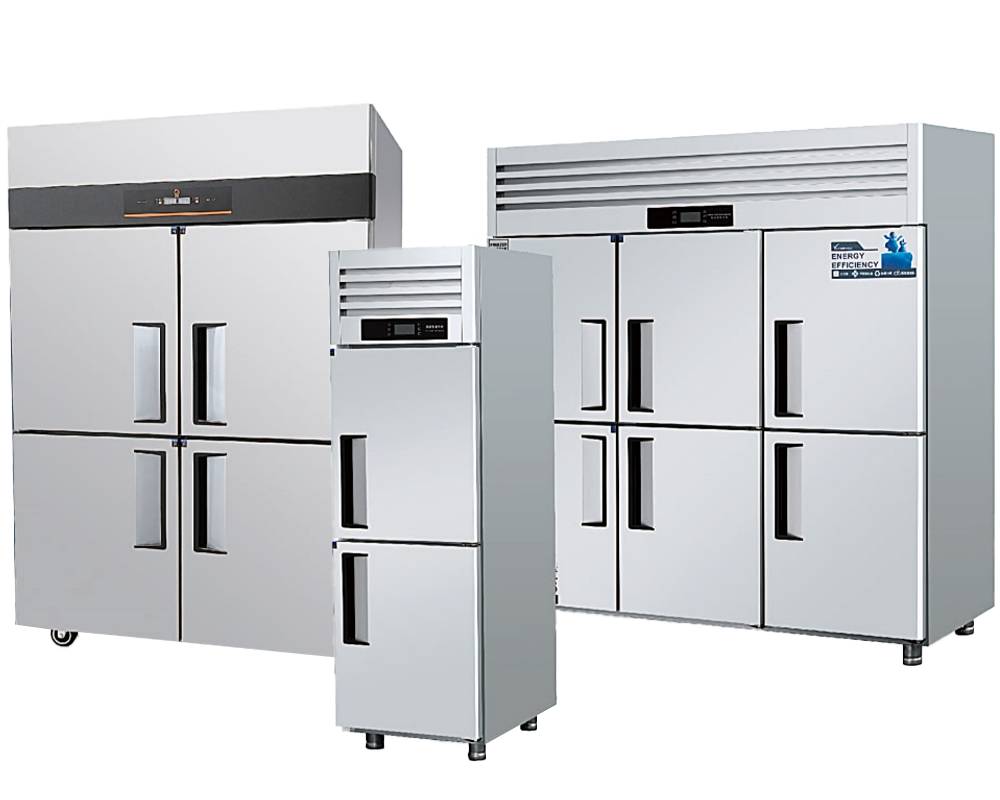 Commercial Vertical Direct-cool Stainless Steel Reach-in Refrigerator
-
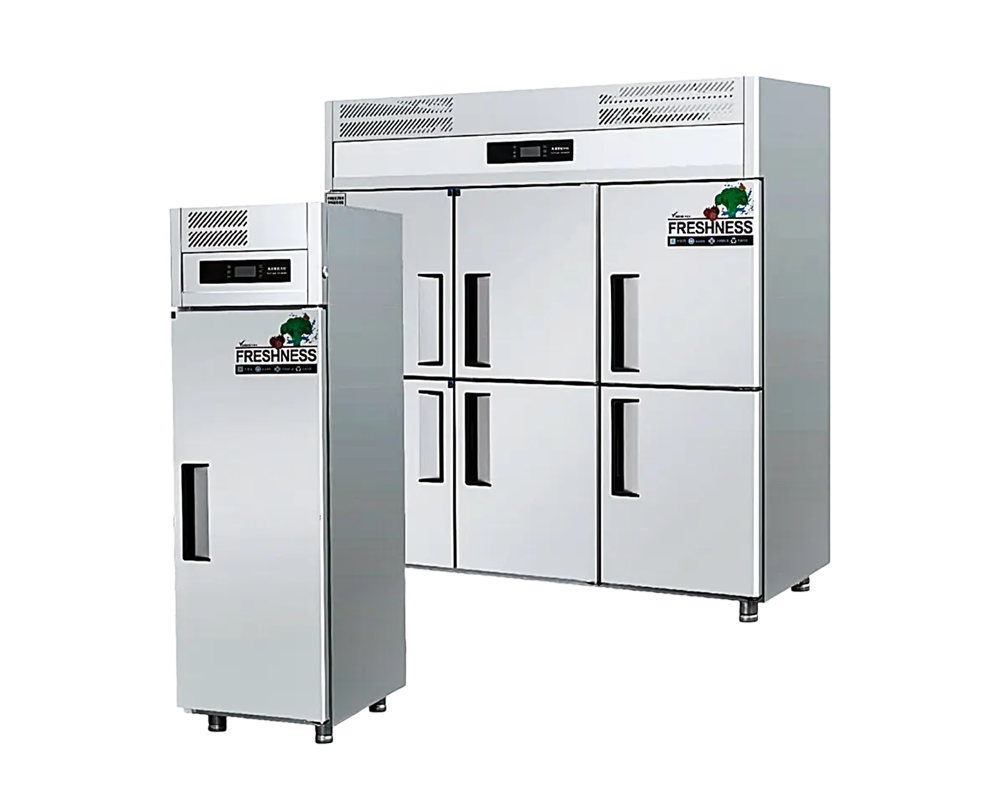 Commercial 201SUS Upright Air Cooling Reach-in Refrigerators
-
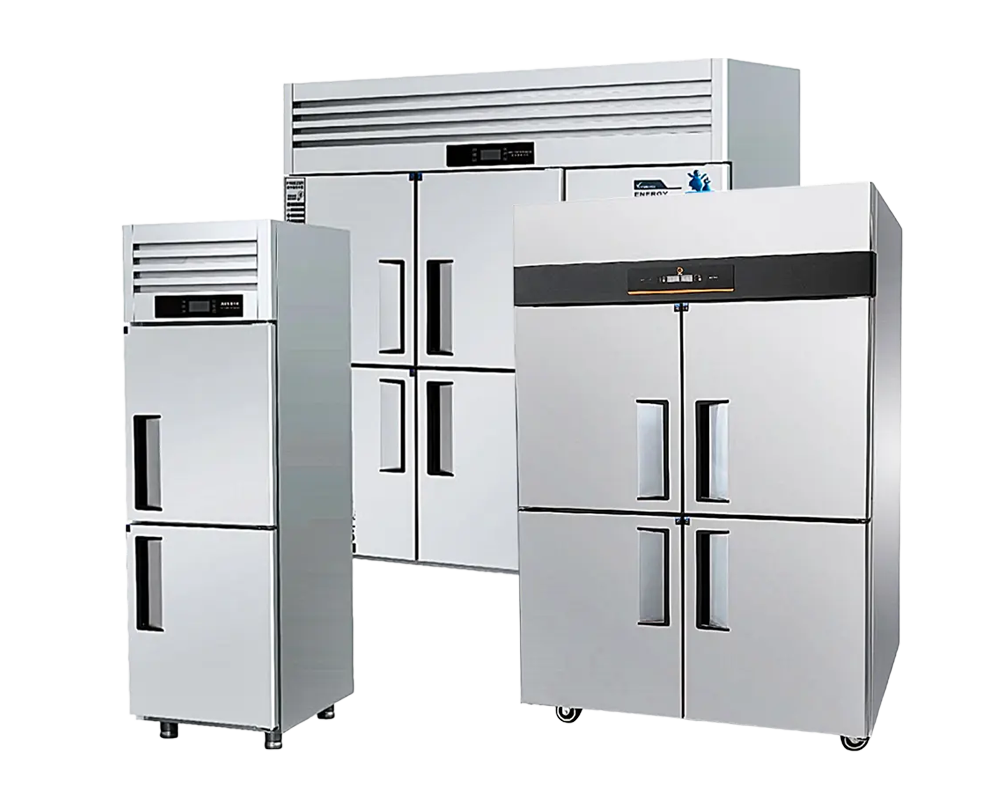 Commercial Direct-Cool Upright Reach-in Freezers
-
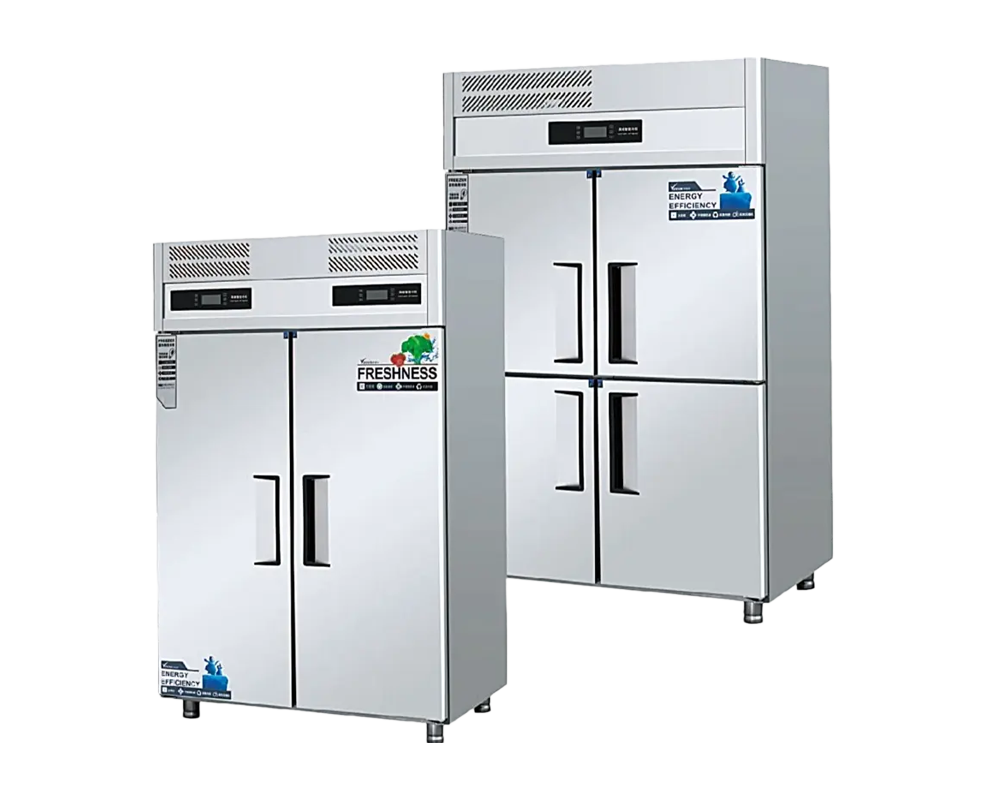 Commercial Stainless Steel Air Cooled Reach-in Vertical Freezers
-
 Dual Temperature Control Direct Cooling Commercial Upright Reach-in Refrigerators
-
 Commercial Vertical Air Cooled Intelligent Reach-in Freezer and Refrigerator
-
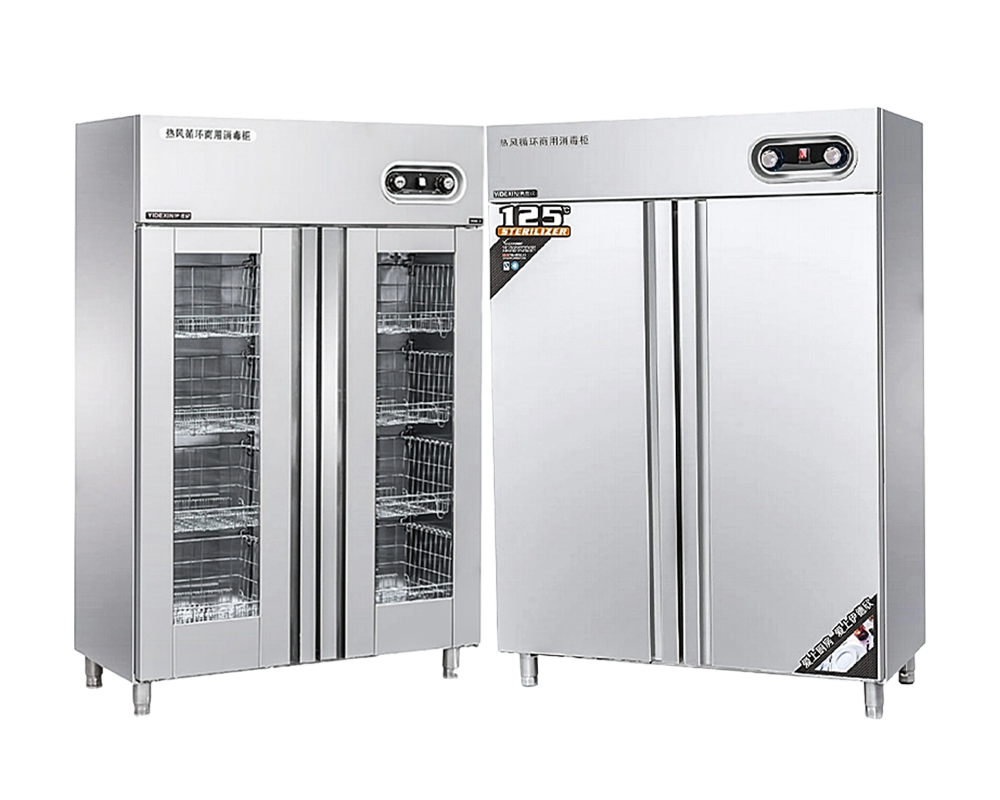 Stainless Steel/Glass Flat Door Sterilization Cabinet
-
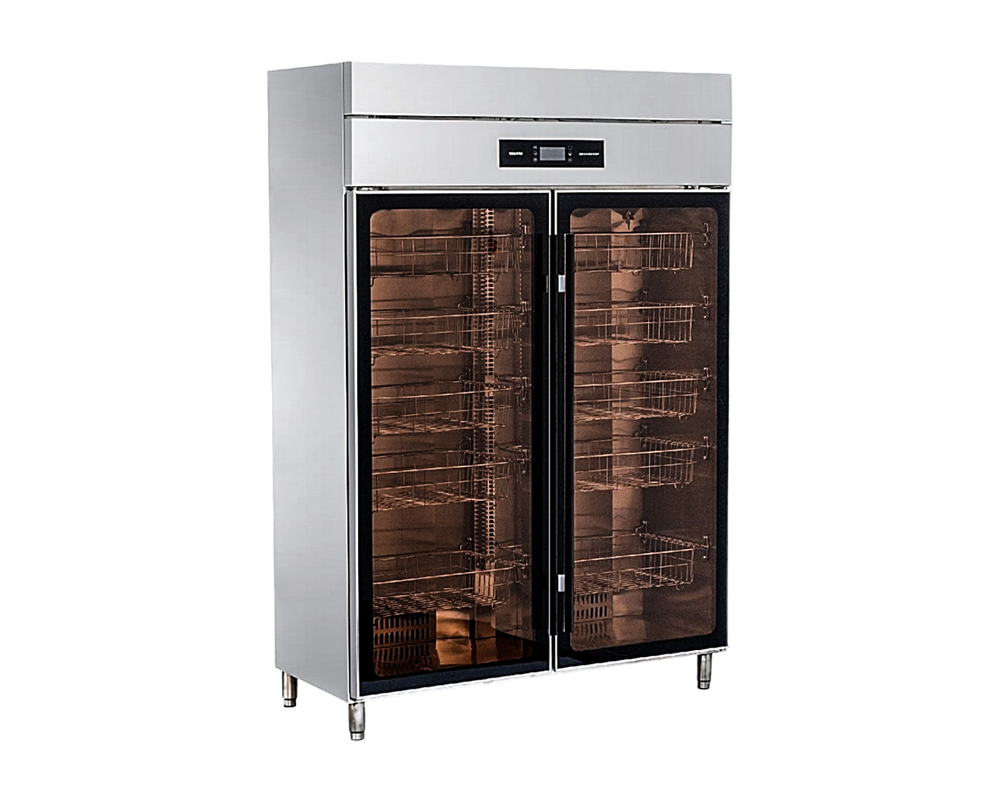 Multifunctional Three-mode High Temperature Glass Door Disinfection Cabinet
-
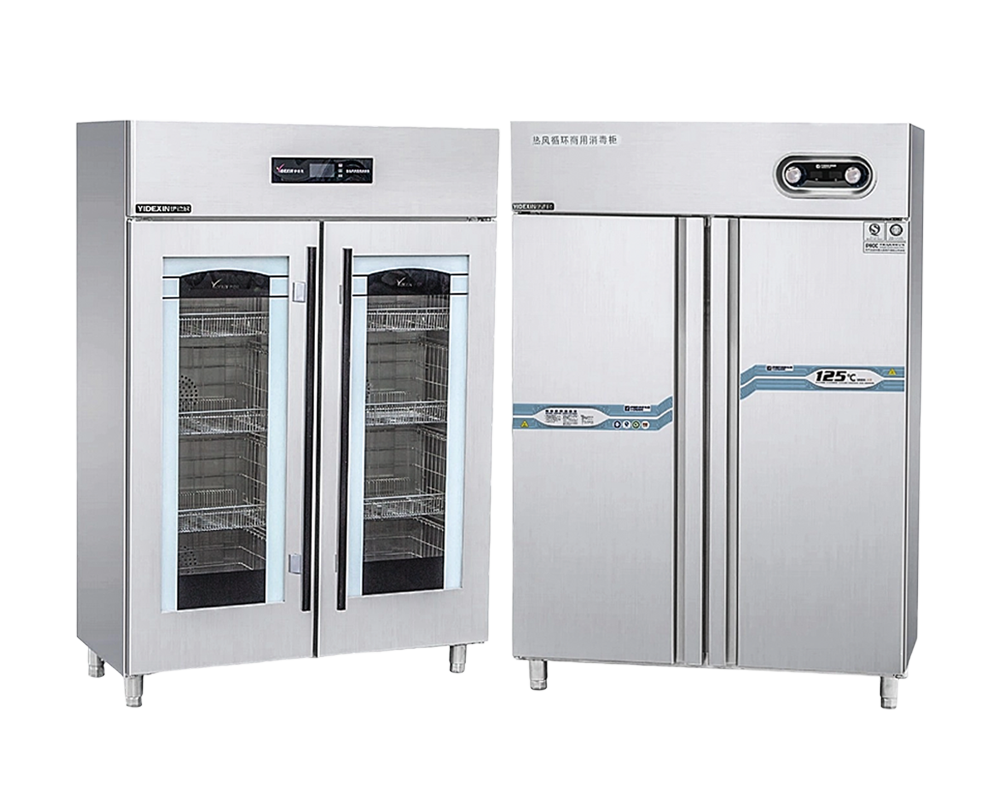 Commercial Restaurant Anti-Fingerprint Stainless Steel Disinfection Cabinet
-
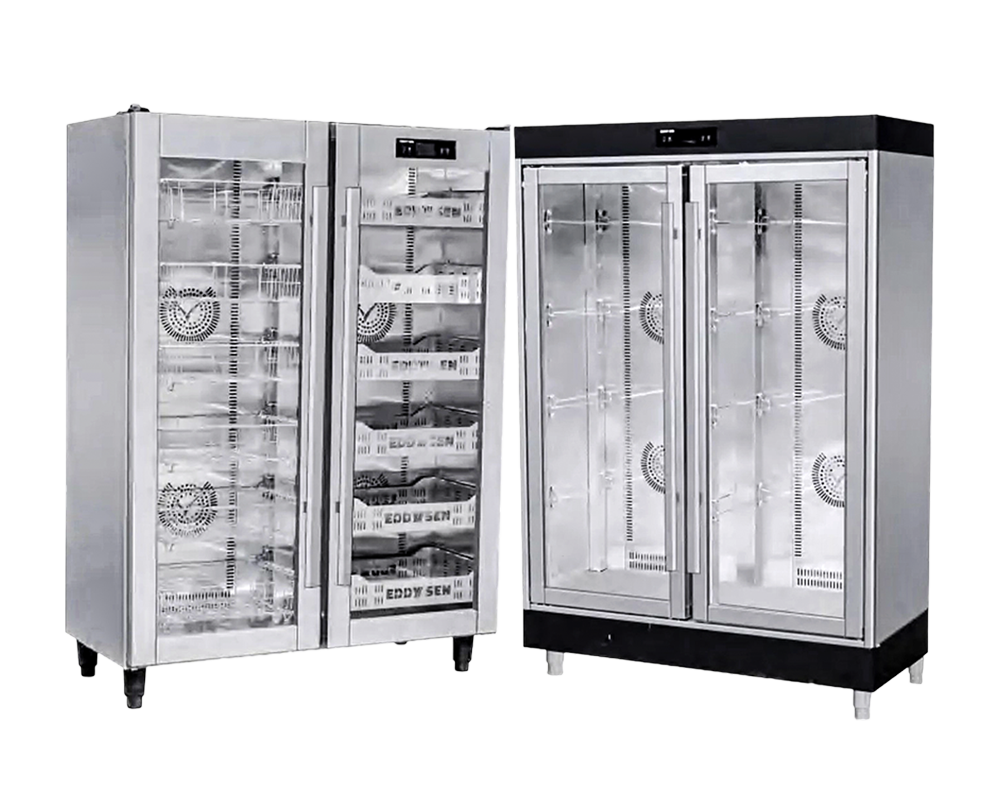 Intelligent Light Wave Stainless Steel UV Disinfection Cabinet
-
 [email protected] / [email protected]
-
 +86-15066977778 / +86-19012777577

-
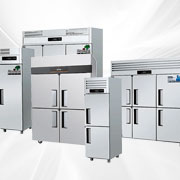 Reach-in Refrigerators
-
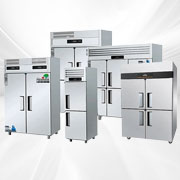 Reach-in Freezers
-
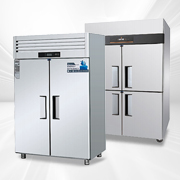 Dual Temperature Refrigerators
-
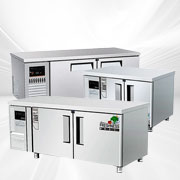 Worktop Refrigerators
-
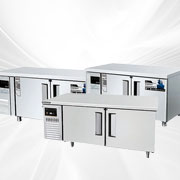 Worktop Freezers
-
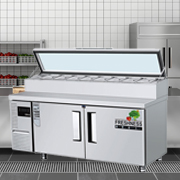 Salad Bar Refrigerators
-
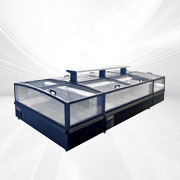 Combined Island Display Refrigerators
-
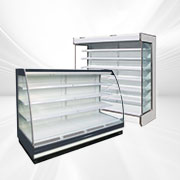 Air Curtain Refrigerators
-
 Fresh Cabinets
-
 Display Refrigerators(Glass Door)
-
 Electric Rice Steamer Cabinets
-
 Gas Rice Steamer Cabinets
-
 Vertical Banquet Cabinets
-
 Horizontal Banquet Cabinets
-
 Heated Disinfection Cabinets
Home / News / Industry information / Worktop Refrigerators: The Perfect Blend of Storage and Efficiency for Modern Kitchens
Worktop Refrigerators: The Perfect Blend of Storage and Efficiency for Modern Kitchens
Content
- 1 1. Introduction — What Is a Worktop Refrigerator?
- 1.1 1.1 The Evolution of Modern Kitchen Equipment
- 1.2 1.2 The Basic Design Concept
- 1.3 1.3 How It Differs from Other Refrigeration Units
- 1.4 1.4 Why Every Commercial Kitchen Needs One
- 1.5 1.5 Material and Build Quality: The Foundation of Durability
- 1.6 1.6 Temperature Performance and Food Safety
- 1.7 1.7 The Ergonomic Advantage: Designed for Human Efficiency
- 1.8 1.8 A Solution for Every Industry
- 1.9 1.9 Market Popularity and Growing Demand
- 1.10 1.10 Conclusion — The Essential Foundation of the Modern Kitchen
- 2 2. How Does a Worktop Refrigerator Work?
- 2.1 2.1 Introduction: The Science Behind Everyday Efficiency
- 2.2 2.2 The Basic Refrigeration Cycle
- 2.3 2.3 Cooling Distribution Systems: Static vs. Fan-Assisted
- 2.4 2.4 The Role of Insulation and Sealing
- 2.5 2.5 Temperature Control and Monitoring Systems
- 2.6 2.6 Compressor Placement and Airflow Design
- 2.7 2.7 Automatic Defrosting and Drainage Systems
- 2.8 2.8 Energy Efficiency and Eco-Friendly Operation
- 2.9 2.9 Noise and Vibration Management
- 2.10 2.10 Maintenance and Longevity Considerations
- 2.11 2.11 Advanced Technology Integration
- 2.12 2.12 Conclusion — Precision Engineering Meets Practical Design
- 3 3. Key Features and Specifications to Consider
- 3.1 3.1 Introduction — Choosing Performance Over Appearance
- 3.2 3.2 Size, Capacity, and Configuration
- 3.3 3.3 Build Quality and Material Standards
- 3.4 3.4 Cooling Performance and Temperature Range
- 3.5 3.5 Temperature Control and Monitoring Systems
- 3.6 3.6 Door and Drawer Configurations
- 3.7 3.7 Energy Efficiency and Environmental Compliance
- 3.8 3.8 Noise and User Comfort
- 3.9 3.9 Cleaning, Hygiene, and Maintenance Design
- 3.10 3.10 Safety and Compliance Standards
- 3.11 3.11 Additional Functional Features
- 3.12 3.12 Cost Considerations and Value Assessment
- 4 4. Advantages of Using a Worktop Refrigerator
- 4.1 4.1 Introduction — The Hidden Power of Efficiency
- 4.2 4.2 Space Optimization — Two Functions in One Compact Footprint
- 4.3 4.3 Streamlined Workflow and Faster Service
- 4.4 4.4 Consistent Temperature Control and Food Safety
- 4.5 4.5 Ergonomic and User-Friendly Design
- 4.6 4.6 Time and Labor Savings
- 4.7 4.7 Improved Organization and Storage Management
- 4.8 4.8 Durability and Longevity
- 4.9 4.9 Energy Efficiency and Cost Reduction
- 4.10 4.10 Enhanced Hygiene and Food Quality
- 4.11 4.11 Aesthetic and Professional Appeal
1. Introduction — What Is a Worktop Refrigerator?
1.1 The Evolution of Modern Kitchen Equipment
The modern commercial kitchen has undergone a remarkable transformation over the last few decades. With urbanization, smaller kitchen footprints, and faster dining turnover, space and efficiency have become invaluable. Restaurant owners and chefs constantly seek equipment that can do more with less — less space, less time, and less energy. Among the innovations answering this call is the worktop refrigerator, a compact, dual-purpose appliance that perfectly embodies modern culinary efficiency.
A worktop refrigerator is a professional-grade unit that combines two essential kitchen functions: food preparation and cold storage. The lower section acts as a refrigerator, keeping perishable ingredients fresh and safe at precise temperatures. The upper section — the “worktop” — is a stainless-steel prep surface, allowing chefs to chop, assemble, and plate dishes directly above their refrigerated ingredients. This all-in-one configuration eliminates wasted steps, streamlines workflow, and optimizes space utilization, making it an indispensable tool in today’s commercial kitchens.
1.2 The Basic Design Concept
At its core, a worktop refrigerator is built around efficiency and ergonomics. The design allows kitchen staff to perform multiple operations within the same footprint — prepping, mixing, or assembling food while maintaining immediate access to chilled components.
Typically, these units feature:
- A flat stainless-steel surfacedesigned to withstand cutting boards, trays, and kitchen equipment.
- One to three refrigerated compartmentsbelow, equipped with doors or drawers.
- Adjustable shelvesor pan racks for flexible ingredient storage.
- Heavy-duty casters or legs, allowing easy cleaning and mobility.
- Durable insulation and digital controlsto maintain temperature consistency.
The worktop refrigerator merges the practicality of a prep table with the performance of a commercial-grade cooler, giving kitchen operators both convenience and reliability.
1.3 How It Differs from Other Refrigeration Units
While many types of commercial refrigerators exist — upright reach-ins, undercounter units, prep tables, and back bar coolers — the worktop refrigerator stands apart for its versatility.
Here’s how it differs:
- From upright refrigerators:A worktop refrigerator doesn’t require chefs to step away from the cooking area to grab ingredients; it sits directly beneath the prep zone.
- From undercounter refrigerators:Though similar in size, undercounter units are designed mainly for storage and often can’t support the heavy-duty use of a work surface. Worktop refrigerators, however, have reinforced tops suitable for daily prep activity.
- From prep tables with topping rails:Prep tables often include open top pans for salad or pizza toppings, but they lack the solid, uninterrupted surface of a worktop refrigerator, which is ideal for multipurpose kitchen use.
In essence, the worktop refrigerator is the perfect middle ground — it’s sturdy enough for prep, spacious enough for storage, and compact enough for tight spaces.
1.4 Why Every Commercial Kitchen Needs One
For restaurants, cafés, bakeries, and even food trucks, space is the ultimate premium. Every inch must serve a purpose. A worktop refrigerator delivers:
- Space efficiency— combining prep and storage eliminates redundant stations.
- Speed and convenience— ingredients stay within arm’s reach.
- Temperature control— maintains ideal cooling even during frequent access.
- Reduced contamination risk— minimizes unnecessary ingredient handling.
- Cleaner workflow— no cluttered countertops or scattered containers.
In high-volume kitchens, seconds matter. A chef reaching three steps fewer per dish might save several minutes per hour — multiplied across a full day, that adds up to hours of saved labor. Worktop refrigerators, therefore, contribute directly to operational speed and profitability.
1.5 Material and Build Quality: The Foundation of Durability
Durability defines the success of a worktop refrigerator. The stainless-steel body and surface not only resist corrosion but also maintain hygiene standards critical to the food industry. This non-porous metal prevents bacteria from accumulating and allows easy cleaning with minimal effort.
Many models use 304 or 430-grade stainless steel, known for excellent strength and resistance to moisture and acidic food spills. Internally, high-density polyurethane insulation ensures minimal thermal loss, keeping the interior cool even when doors are frequently opened during rush hours. The combination of solid construction and efficient cooling technology allows these refrigerators to handle the daily demands of professional kitchens.
1.6 Temperature Performance and Food Safety
Food safety regulations require that perishable items be stored at stable temperatures — typically between 33°F and 41°F (0.5°C to 5°C). Worktop refrigerators are engineered precisely for this range.
Their advanced compressor systems and forced-air circulation ensure even temperature distribution throughout the cabinet. Unlike domestic refrigerators, commercial worktop models maintain consistent cooling even under heavy door usage or high ambient heat. Some units even feature digital thermostats, automatic defrost systems, and door alarms to alert users of temperature fluctuations.
This level of precision protects perishable ingredients — meat, seafood, dairy, vegetables — and helps kitchens comply with strict HACCP (Hazard Analysis Critical Control Point) safety standards.
1.7 The Ergonomic Advantage: Designed for Human Efficiency
Beyond refrigeration performance, the defining feature of a worktop refrigerator is its ergonomic design. The unit’s height aligns with standard counter dimensions, typically around 36 inches (91 cm), allowing chefs to prep food comfortably without bending or stretching.
The design reduces repetitive motion injuries and streamlines the kitchen’s “work triangle” — the movement between the stove, sink, and prep area. By keeping refrigeration directly within the prep station, a worktop refrigerator helps maintain smooth, continuous workflow.
For small kitchens or food trucks, it replaces multiple separate tables and coolers, maximizing both efficiency and employee comfort.
1.8 A Solution for Every Industry
While primarily associated with restaurants, the worktop refrigerator’s adaptability makes it valuable in many settings:
- Cafés and bakeries— store dairy, fruit fillings, and dough at prep height.
- Bars and lounges— chill mixers, fruits, and garnishes for cocktails.
- Catering operations— prep and pack cold items directly from one station.
- Hotels and buffets— maintain food freshness during service.
- Healthcare and laboratories— store temperature-sensitive samples or supplies.
Its reliability and compact design suit any environment that demands consistent cooling with immediate access.
1.9 Market Popularity and Growing Demand
The global trend toward energy-efficient and space-saving kitchen solutions has significantly boosted the demand for worktop refrigerators. Manufacturers are innovating with eco-friendly refrigerants (like R290 propane), smart digital controls, and modular construction, making these appliances more sustainable and adaptable than ever.
In recent years, smaller independent kitchens and large restaurant chains alike have recognized the return on investment that comes with a high-quality worktop refrigerator — lower energy bills, faster prep times, and longer food shelf life.
1.10 Conclusion — The Essential Foundation of the Modern Kitchen
The worktop refrigerator represents more than just a piece of kitchen equipment — it’s a reflection of modern culinary priorities: efficiency, hygiene, and intelligent design. By merging refrigeration with workspace functionality, it solves multiple operational challenges in a single, compact unit.
For chefs and operators, it delivers what matters most — faster service, better organization, and consistent food quality. For business owners, it’s a long-term investment that saves energy, space, and labor.
Whether in a bustling restaurant, a neighborhood café, or a high-end hotel kitchen, the worktop refrigerator has earned its place as a cornerstone of contemporary kitchen infrastructure, where practicality and performance coexist seamlessly.
2. How Does a Worktop Refrigerator Work?
2.1 Introduction: The Science Behind Everyday Efficiency
Though it looks simple from the outside — just a stainless-steel table with doors or drawers below — a worktop refrigerator is actually a carefully engineered piece of equipment. Every component, from the compressor to the insulation, plays a role in maintaining the perfect internal environment for food preservation. Understanding how it works helps kitchen operators appreciate why these refrigerators are so reliable, durable, and energy-efficient.
In commercial kitchens, a fraction of a degree can mean the difference between fresh and spoiled ingredients. That’s why worktop refrigerators are designed with precision systems that deliver stable temperatures under continuous use, even when the doors are opened hundreds of times per day.
2.2 The Basic Refrigeration Cycle
At the heart of every worktop refrigerator lies a closed-loop refrigeration system, which transfers heat from inside the cabinet to the outside environment. The process involves four major components — the compressor, condenser, expansion valve, and evaporator — working in sequence to maintain the desired temperature range (usually 33°F–41°F or 0.5°C–5°C).
Here’s how it works step-by-step:
Compression:
The refrigerant gas is compressed by the compressor, raising its pressure and temperature. This converts it into a hot, high-pressure gas.
Condensation:
The gas travels through condenser coils — typically located at the back or bottom of the unit — where it releases heat to the surrounding air. As it cools, it condenses into a high-pressure liquid.
Expansion:
The expansion valve allows the refrigerant liquid to expand suddenly, dropping its pressure and temperature dramatically. The result is a cold, low-pressure liquid.
Evaporation:
This chilled liquid then flows through the evaporator coil, located inside the refrigerated cabinet. As warm air from inside the fridge passes over the coil, heat is absorbed by the refrigerant, cooling the air and maintaining a stable temperature. The refrigerant then evaporates into gas and returns to the compressor, completing the cycle.
This continuous cycle is what keeps food consistently fresh — even during high-traffic kitchen hours.
2.3 Cooling Distribution Systems: Static vs. Fan-Assisted
Worktop refrigerators come in two main cooling configurations, each with unique benefits depending on the kitchen’s workload and storage needs.
Static Cooling
Also known as “direct cooling,” static systems rely on natural air convection within the cabinet. Cold air sinks and warm air rises, creating a gentle circulation pattern.
- Advantages:Quieter operation and lower energy use.
- Drawbacks:Temperature variations can occur between upper and lower shelves.
Static models are ideal for bakeries or prep stations where the refrigerator isn’t opened constantly.
Fan-Assisted (Forced-Air) Cooling
In this system, an internal fan circulates cold air evenly across all compartments.
- Advantages:Uniform cooling across shelves, faster temperature recovery after door openings, and improved food safety.
- Drawbacks:Slightly higher energy consumption and more moving parts.
Fan-assisted systems are the preferred choice in busy commercial kitchens, where doors are frequently opened and closed during service.
2.4 The Role of Insulation and Sealing
Insulation and door sealing are critical components often overlooked by buyers. A refrigerator’s efficiency depends not only on the cooling mechanism but also on how well it retains cold air.
Insulation:
Most worktop refrigerators use high-density polyurethane foam insulation, which provides excellent thermal resistance and structural strength without adding unnecessary weight. This material prevents cold air from escaping and warm air from entering, even in high-temperature kitchen environments.
Door Seals:
Magnetic gaskets around the door edges ensure an airtight closure, reducing temperature fluctuation and energy waste. They are also removable and easy to clean — an essential feature for hygiene compliance.
This combination of advanced insulation and strong sealing allows worktop refrigerators to maintain consistent internal temperatures while consuming minimal energy.
2.5 Temperature Control and Monitoring Systems
Modern worktop refrigerators incorporate digital thermostats and electronic temperature controllers for precise management. Unlike older analog dials, these systems provide exact readings and can automatically adjust compressor cycles to maintain stable cooling.
Key components include:
- Digital display panelsfor easy monitoring.
- Adjustable setpointsto match ingredient requirements.
- High/low temperature alarmsto alert staff when thresholds are exceeded.
- Automatic defrost systemsthat prevent ice buildup on evaporator coils.
Some high-end models also feature data logging or Bluetooth connectivity, enabling kitchen managers to track temperature performance over time — a vital feature for HACCP compliance and quality assurance.
2.6 Compressor Placement and Airflow Design
Where the compressor and ventilation system are located has a major impact on performance, noise, and maintenance.
Rear-Mounted Compressors
These are common in larger kitchens. They provide efficient cooling but require clearance at the back for ventilation. Rear-mounted systems are ideal for environments with stable ambient temperatures and good airflow.
Side-Mounted Compressors
Increasingly popular in modern designs, side-mounted compressors allow the refrigerator to sit flush against the back wall. They also make servicing easier, since technicians can access components without moving the entire unit. Additionally, they help the unit stay cooler by drawing in ambient air from the sides instead of the hot air behind.
Airflow Optimization
Many worktop refrigerators now use vented base panels and rear exhaust systems to prevent overheating. Proper airflow also ensures that compressors operate at maximum efficiency, prolonging lifespan and reducing electricity costs.
2.7 Automatic Defrosting and Drainage Systems
Continuous operation in humid environments can lead to frost formation on evaporator coils. Frost reduces cooling efficiency and airflow, forcing the compressor to work harder. To counter this, worktop refrigerators are equipped with automatic defrost cycles.
There are typically two types:
- Time-based defrosting, which activates at regular intervals regardless of frost buildup.
- Adaptive defrosting, which uses sensors to detect ice accumulation and activate only when necessary — improving efficiency and reducing downtime.
Melted frost water is then directed into a drain pan where it evaporates harmlessly, keeping maintenance simple and automatic.
2.8 Energy Efficiency and Eco-Friendly Operation
Today’s kitchen equipment is expected to meet both performance and sustainability goals. Worktop refrigerators are no exception. Many manufacturers have integrated technologies that reduce power consumption and environmental impact.
Key eco features include:
- R290 refrigerant (propane-based):A natural refrigerant with zero ozone depletion potential and extremely low global warming potential (GWP).
- Smart inverter compressors:Adjust compressor speed according to cooling demand, saving up to 30% energy compared to fixed-speed units.
- LED interior lighting:Consumes less power and emits minimal heat.
- Improved insulation materials:Reduce thermal loss.
These innovations not only lower utility bills but also support compliance with international energy efficiency standards such as ENERGY STAR and EcoDesign.
2.9 Noise and Vibration Management
A quiet kitchen is a productive kitchen. Worktop refrigerators are often located near food prep areas where communication and concentration are critical. To minimize disturbance, modern units are equipped with:
- Low-noise compressorsdesigned for smooth operation.
- Anti-vibration mountsthat reduce mechanical resonance.
- Sound-dampening insulation layerswithin the cabinet.
This engineering attention to acoustic comfort enhances the overall kitchen experience and reflects the unit’s superior build quality.
2.10 Maintenance and Longevity Considerations
Like any mechanical system, regular maintenance extends a worktop refrigerator’s lifespan. However, these units are designed to simplify upkeep:
- Removable front grillesallow easy access to condenser coils for cleaning.
- Smooth stainless-steel interiorsresist corrosion and facilitate sanitation.
- Self-closing doorsminimize accidental temperature spikes.
- Replaceable gaskets and filterskeep performance consistent.
When properly maintained, a high-quality worktop refrigerator can last 10–15 years of daily commercial use. Many operators consider it a long-term investment that pays for itself through energy savings and reduced food waste.
2.11 Advanced Technology Integration
With the advent of smart kitchens, new-generation worktop refrigerators now feature IoT-enabled monitoring systems. These allow:
- Remote temperature trackingthrough mobile apps or dashboards.
- Automated alertswhen temperature deviates from safe ranges.
- Predictive maintenancethat uses data to forecast potential issues before breakdowns occur.
Such innovations bring a new level of reliability and control to kitchen operations — especially useful for multi-location restaurant chains and catering businesses.
2.12 Conclusion — Precision Engineering Meets Practical Design
A worktop refrigerator is far more than a simple storage appliance. It’s a carefully balanced system where thermodynamics, ergonomics, and digital technology come together to maintain freshness, efficiency, and safety in the kitchen.
From the compressor’s rhythmic pulse to the whisper of the cooling fan, every part of the unit is engineered for performance and longevity. The result is a refrigerator that doesn’t just keep food cold — it supports faster workflows, cleaner operations, and smarter kitchen management.
By understanding how it works, one can truly appreciate why the worktop refrigerator has become an indispensable tool in the modern culinary environment, symbolizing the perfect intersection of science, design, and efficiency.
3. Key Features and Specifications to Consider
3.1 Introduction — Choosing Performance Over Appearance
When investing in a worktop refrigerator, buyers often focus on size or brand, yet the most critical aspects lie beneath the surface — in its build quality, internal systems, and usability features. A refrigerator is not just a cold box; it’s an integrated performance system designed to support hours of non-stop operation under tough kitchen conditions.
Whether you are outfitting a new restaurant, upgrading your café’s prep line, or designing a compact catering station, understanding the core specifications helps you select a model that truly fits your operational and business needs. The best worktop refrigerators are those that combine durability, efficiency, safety, and convenience, forming a seamless part of the kitchen’s workflow.
3.2 Size, Capacity, and Configuration
One of the first considerations when purchasing a worktop refrigerator is capacity and configuration. Units typically range from small single-door models (150–300 liters) to large triple-door units (600–800 liters).
Measuring Your Space
Before buying, measure:
- Width, depth, and heightof the installation area.
- Ventilation clearancearound the unit (usually 2–4 inches).
- Door swing and movement space, ensuring accessibility during rush hours.
For restaurants with multiple chefs or prep stations, a two- or three-door refrigerator provides flexible access to different ingredients simultaneously. Compact cafés or bars may prefer one-door or drawer-style units for tighter spaces.
Internal Layout and Storage Flexibility
Interior configurations vary by brand:
- Adjustable wire or solid shelvesaccommodate tall containers.
- Gastronorm pan compatibilityallows direct storage of food pans.
- Removable racks and trayssimplify cleaning.
Customization matters — kitchens with specific workflows, like salad assembly or pizza prep, often benefit from dedicated drawer systems for faster ingredient access.
3.3 Build Quality and Material Standards
Durability is non-negotiable. A true commercial worktop refrigerator is built almost entirely from stainless steel — inside and out.
Exterior Construction
- 304-grade stainless steeloffers the best balance of corrosion resistance and strength, ideal for humid, high-use kitchens.
- Some budget models use 430-grade steelexternally, which is still durable but less resistant to acidic foods and cleaners.
Interior Design
- Smooth, rounded cornersprevent food buildup and make cleaning faster.
- Insulated door panelsand reinforced hinges withstand frequent use.
- Heavy-duty casters or legsallow mobility for cleaning underneath.
The worktop itself must handle direct impact, heavy chopping boards, and hot pans — hence, it’s typically reinforced with under-frame bracing and finished with polished stainless-steel edges for safety and aesthetics.
3.4 Cooling Performance and Temperature Range
A reliable cooling system is the heart of any refrigerator. For food safety, the internal temperature must stay between 33°F and 41°F (0.5°C–5°C).
Uniform Air Circulation
Top-quality worktop refrigerators employ fan-assisted cooling, ensuring consistent air distribution across all compartments. This design prevents temperature hot spots and maintains freshness even during repeated door openings.
Compressor Efficiency
- Hermetically sealed compressorsprotect against leakage.
- Inverter or variable-speed compressorsautomatically adjust power consumption to match cooling demand, reducing wear and energy use.
Defrost and Drainage Systems
Automatic defrost prevents frost buildup on coils, while integrated drain pans safely evaporate meltwater without manual effort. This ensures uninterrupted operation and food safety.
3.5 Temperature Control and Monitoring Systems
Modern foodservice operations rely on precision. A difference of just a few degrees can affect texture, flavor, and safety — which is why digital temperature control is essential.
Digital Controllers
Digital thermostats offer:
- Real-time display of internal temperature.
- Adjustable setpoints for different food types.
- High/low temperature alerts.
- Lock functions to prevent unauthorized changes.
Sensor Accuracy
High-end models use NTC or thermistor sensors, which respond quickly to temperature shifts. They’re crucial for maintaining stability during frequent door openings.
Smart Integration
Premium models now offer:
- Wi-Fi or Bluetooth monitoring.
- Cloud-based loggingfor HACCP compliance.
- Automated reportson temperature performance.
This technology not only improves oversight but also helps operators identify energy or maintenance issues before they escalate.
3.6 Door and Drawer Configurations
The door style can dramatically affect workflow. Choosing between doors or drawers depends on your kitchen’s pace and menu.
Door Models
- Suitable for storing bulk items, large containers, or trays.
- Easier to load and unload.
- Usually more cost-effective.
Drawer Models
- Provide quick access to smaller items or portioned ingredients.
- Ideal for pizza, sandwich, or salad stations.
- Reduce cold air loss since only one section opens at a time.
Many manufacturers offer hybrid models that combine drawers and doors, allowing maximum flexibility for multi-function kitchens.
3.7 Energy Efficiency and Environmental Compliance
Energy consumption is one of the largest operational costs in any commercial kitchen. A well-designed worktop refrigerator can significantly reduce electricity bills.
Energy-Saving Components
- Eco refrigerants (R290 or R600a):natural, non-toxic, low GWP gases.
- Inverter compressors:variable speed saves up to 30% energy.
- High-efficiency fan motors:use less power while maintaining airflow.
- LED lighting:bright, cool, and energy-efficient.
Insulation and Door Design
Thick polyurethane foam insulation minimizes energy loss. Self-closing doors prevent accidental temperature rise — every second the door remains closed preserves cooling efficiency.
Certifications
Look for:
- ENERGY STAR® labels(U.S.)
- CE and RoHS compliance(Europe)
- MEPS or EcoDesignstandards (Asia-Pacific)
These certifications ensure that your unit meets recognized efficiency benchmarks.
3.8 Noise and User Comfort
In open kitchens or cafés, loud equipment can disrupt ambiance. Leading models feature:
- Low-decibel compressors (below 45–50 dB).
- Sound-dampening insulationto absorb vibration.
- Soft-closing drawers and doorsfor quieter handling.
A calm work environment not only reduces stress but also enhances communication and productivity among kitchen staff.
3.9 Cleaning, Hygiene, and Maintenance Design
Hygiene is a defining factor in foodservice. A worktop refrigerator must be designed for easy sanitation and minimal downtime.
Cleaning-Friendly Features
- Removable gasketsfor deep cleaning.
- Rounded internal edgesprevent residue buildup.
- Drain outletssimplify interior washing.
- Smooth stainless-steel exteriorsresist smudges and moisture.
Maintenance Access
Technicians should easily reach key components like compressors and condensers. Side- or front-mounted units simplify service tasks without moving the refrigerator, saving labor time.
3.10 Safety and Compliance Standards
A professional kitchen appliance must meet local and international standards to guarantee both operator safety and food hygiene.
Common certifications include:
- NSF (National Sanitation Foundation):Ensures safe materials and cleanability.
- ETL or UL certification:Confirms electrical and mechanical safety.
- HACCP compatibility:Supports hazard-free food handling.
These labels reflect a product’s compliance with health codes and reassure operators that the unit is built for commercial-grade reliability.
3.11 Additional Functional Features
Many high-quality worktop refrigerators include thoughtful extras that enhance usability:
- Recessed door handlesto prevent snagging on aprons or utensils.
- Adjustable legs or castersfor stability and cleaning mobility.
- Backsplashes or raised edgesto contain spills.
- Lockable doorsfor overnight security.
- Interior lightingfor quick visibility during service hours.
These small details combine to create a more intuitive and efficient kitchen environment.
3.12 Cost Considerations and Value Assessment
While budget models may seem appealing upfront, their long-term cost can exceed that of premium options due to higher energy usage and shorter lifespan.
When evaluating total cost of ownership, consider:
- Energy consumption (kWh/year)
- Expected service life (years)
- Warranty and parts availability
- Maintenance frequency
In most cases, a slightly higher investment in a well-engineered unit delivers superior ROI — through lower utility bills, reduced downtime, and extended durability.
4. Advantages of Using a Worktop Refrigerator
4.1 Introduction — The Hidden Power of Efficiency
In the fast-paced world of modern foodservice, success depends on more than just great recipes — it depends on speed, organization, and reliability. Every second saved in food preparation translates into faster service and happier customers. A worktop refrigerator is one of those rare appliances that combines practicality with performance, offering benefits that extend beyond mere cold storage.
By merging a robust prep surface with built-in refrigeration, this compact equipment brings substantial advantages to commercial kitchens, bakeries, bars, and catering operations alike. Let’s explore how this multitasking unit can improve workflow, reduce costs, and elevate overall productivity.
4.2 Space Optimization — Two Functions in One Compact Footprint
One of the most obvious yet impactful advantages of a worktop refrigerator is its space-saving design. In a commercial kitchen, where every inch counts, combining prep space and refrigeration into a single unit eliminates the need for a separate countertop and cooler.
Maximized Utility per Square Foot
A worktop refrigerator provides:
- A full prep stationon top — perfect for cutting, mixing, or plating.
- Cold storagebelow — ensuring ingredients remain fresh and accessible.
- Mobilitywith optional casters, allowing flexible kitchen layout changes.
This dual-purpose functionality is especially beneficial in compact kitchens, food trucks, and cafés, where operators must optimize every bit of floor space. By replacing two bulky units with one efficient design, businesses can free up space for other essential tools or additional storage.
4.3 Streamlined Workflow and Faster Service
Efficiency is the lifeblood of any food business. A worktop refrigerator significantly improves the speed and flow of kitchen operations.
Reduced Movement
Instead of walking back and forth between prep tables and refrigerators, chefs can simply reach down to grab chilled ingredients while continuing their work. This minimizes unnecessary steps and interruptions.
Improved Coordination
In multi-chef environments, everyone can access ingredients without blocking walkways or crossing each other’s paths. The refrigerator becomes a centralized workstation, improving team coordination and reducing clutter.
Faster Order Fulfillment
When preparing high-demand items — such as sandwiches, salads, sushi, or desserts — having all ingredients immediately accessible means orders can be completed more quickly, improving customer satisfaction and table turnover.
4.4 Consistent Temperature Control and Food Safety
Food safety is non-negotiable. Worktop refrigerators are specifically designed to maintain consistent, regulated temperatures even during heavy usage.
Stable Cooling Performance
Thanks to fan-assisted air circulation, these units keep all internal compartments evenly cooled, ensuring no area is too warm or too cold. Even frequent door openings during rush periods won’t compromise the freshness of ingredients.
Compliance with Safety Standards
Maintaining a temperature range of 33°F to 41°F (0.5°C–5°C) aligns with HACCP and FDA safety requirements. Some units even include digital monitoring systems and temperature alarms that alert staff to any deviation — protecting food from spoilage.
Reduced Contamination Risks
Since ingredients are stored directly below the prep area, handling is minimized. There’s no need to transfer food across multiple stations, reducing the risk of contamination and maintaining a higher standard of hygiene.
4.5 Ergonomic and User-Friendly Design
Worktop refrigerators are built with human efficiency and comfort in mind. Their height (around 36 inches or 91 cm) aligns perfectly with standard countertop levels, promoting natural posture and minimizing fatigue.
Comfortable Working Position
Chefs can prep, slice, and assemble dishes without bending or stretching excessively. This ergonomic design reduces strain during long working hours, making daily tasks physically easier and safer.
Smart Accessibility
Doors and drawers open smoothly, often with soft-close mechanisms. Recessed handles prevent accidental bumps, while LED interior lighting ensures visibility even in dim kitchens. These features combine functionality with comfort — a must-have for busy culinary teams.
4.6 Time and Labor Savings
The operational design of a worktop refrigerator saves valuable time — one of the most expensive resources in foodservice.
Less Walking, More Working
Even small movements add up during a busy shift. If a chef avoids ten unnecessary steps per dish, over a day, this can translate to hundreds of saved movements. Over weeks and months, this small efficiency becomes a measurable reduction in labor time.
Simplified Cleaning and Maintenance
Stainless-steel surfaces are non-porous and easy to wipe down. Rounded corners and removable gaskets reduce cleaning time further. Since both the prep area and fridge are part of the same unit, cleaning becomes centralized, saving staff hours each week.
Higher Productivity per Employee
With faster prep and fewer interruptions, each team member can produce more in less time — increasing kitchen output without hiring additional staff.
4.7 Improved Organization and Storage Management
A disorganized kitchen leads to waste, stress, and inefficiency. Worktop refrigerators provide structured, organized storage that keeps ingredients easy to find and properly separated.
Categorized Storage
Each compartment or drawer can be designated for a specific ingredient group — meats, dairy, vegetables, or sauces. This structure minimizes cross-contamination and speeds up retrieval.
Adjustable Shelving
Flexible shelving accommodates containers of various heights, from tall sauce bottles to shallow trays of prepped food. Some models also support gastronorm pans, allowing direct transfer between prep, storage, and serving.
Inventory Control
By keeping essential items visible and within reach, chefs can monitor ingredient levels in real time. This reduces food waste and prevents over-ordering — a major financial advantage.
4.8 Durability and Longevity
Commercial kitchens demand tough, reliable equipment. Worktop refrigerators are engineered for long-term performance under heavy use.
Rugged Construction
The stainless-steel build resists corrosion, dents, and wear, even in humid or high-traffic environments. Reinforced tops withstand daily chopping, mixing, and equipment placement.
High-Quality Components
Advanced compressors, strong hinges, and insulated panels ensure the refrigerator maintains stable cooling for years with minimal performance degradation. Many models are tested for continuous 24/7 operation, demonstrating industrial-grade durability.
Low Maintenance Requirements
With proper cleaning and periodic inspection, a quality worktop refrigerator can operate efficiently for 8–10 years or more, providing excellent return on investment.
4.9 Energy Efficiency and Cost Reduction
In commercial operations, electricity bills are a significant expense. Worktop refrigerators are increasingly designed with energy-saving technologies that lower both consumption and environmental impact.
Eco-Friendly Refrigerants
Most new models use R290 (propane) or R600a (isobutane) — natural refrigerants with zero ozone depletion potential and low global warming potential (GWP).
Inverter Compressors
These compressors adjust their cooling output based on demand, consuming less power during idle periods while maintaining stable temperature — saving up to 30% in energy compared to traditional systems.
Insulation and Door Design
Thick foam insulation and self-closing doors minimize temperature fluctuation, ensuring optimal cooling with minimal compressor effort.
Over time, the savings from reduced energy usage can offset the initial purchase cost, making it both a financially and environmentally smart investment.
4.10 Enhanced Hygiene and Food Quality
Cleanliness is at the core of professional food handling. Worktop refrigerators make it easy to maintain high hygiene standards.
Sanitary Surfaces
Stainless-steel exteriors resist bacteria buildup and can be disinfected quickly. The smooth, seamless worktop eliminates hidden crevices where dirt or moisture could accumulate.
Consistent Cold Chain
Since the food is prepped directly above the storage zone, temperature exposure is minimized. This keeps ingredients fresher, crisper, and safer for longer.
Compliance with Food Safety Standards
Many units are NSF-certified, ensuring they meet strict sanitation criteria required by health inspectors and food authorities.
4.11 Aesthetic and Professional Appeal
A clean, organized, and modern-looking kitchen is not just functional — it also enhances brand image. Stainless-steel worktop refrigerators convey professionalism and quality to both staff and customers.
In open kitchens, where diners can see food preparation, sleek, polished surfaces help create a trustworthy, hygienic impression. Even in back-of-house environments, the aesthetic consistency of stainless steel supports a well-managed, high-standard workspace.
Worktop Refrigerators: Summary of Key Insights
A worktop refrigerator is a multifunctional kitchen appliance that combines refrigerated storage with a durable prep surface, making it a cornerstone of modern commercial kitchens. Unlike traditional upright or undercounter refrigerators, it allows chefs to access chilled ingredients directly at the workstation, streamlining workflow and reducing unnecessary movement. Its stainless-steel construction ensures durability, hygiene, and easy cleaning, while advanced insulation and compressor systems maintain consistent temperatures between 33°F and 41°F (0.5°C–5°C), preserving food quality and safety.
The operation of a worktop refrigerator relies on a compressor-based refrigeration cycle, enhanced with fan-assisted cooling, automatic defrost, and precise temperature controls. High-density insulation and magnetic door seals optimize energy efficiency, while side- or rear-mounted compressors, low-noise designs, and ergonomic heights improve usability. Digital thermostats, alarms, and IoT-enabled monitoring add reliability and compliance with HACCP and other safety standards.
Key specifications, including size, capacity, shelving configuration, and door/drawer types, allow operators to select a unit tailored to their kitchen layout and operational needs. Energy-efficient components and eco-friendly refrigerants reduce power consumption and environmental impact, making the appliance both cost-effective and sustainable.
The advantages of worktop refrigerators are substantial: they save space, improve workflow, enhance food safety, reduce labor and energy costs, and support consistent organization. Their versatility extends across industries — from restaurants, cafés, and bakeries to catering services, bars, hotels, and even healthcare facilities — making them a universal solution for efficient food storage and preparation.
Ultimately, a worktop refrigerator is more than a cooling unit; it’s a high-performance kitchen tool that increases productivity, reduces waste, and supports long-term operational efficiency. By integrating storage and prep in a single compact unit, it exemplifies modern kitchen innovation, reliability, and smart design.

-
 Add.
Add.
Sales Center:Room 410, Floor T3-4, Zhonghai Development Building, No. 888, Kejiguan Street, Binjiang District, Hangzhou, Zhejiang,China
Factory Address:100 Meters South Of Zhongmao Village, Xingfu Town, Boxing County, Binzhou City, Shandong Province, P.R.China
Sales Center:Room 410, Building 15, Tianan Headquarters Center, 555 North Panyu Avenue, Donghuan Street, Panyu District, Guangzhou City, china
-
 Tel.
+86-15066977778+86-19012777577
Tel.
+86-15066977778+86-19012777577 -
 Email.
Quick Links
Product Fast Links
Mobile Terminal
Copyright @Hangzhou Eddysen Catering Equipment Co., Ltd.All rights reserved. Commercial Freezer Manufacturer