 English
 中文简体
中文简体 Español
 عربى
عربى
-
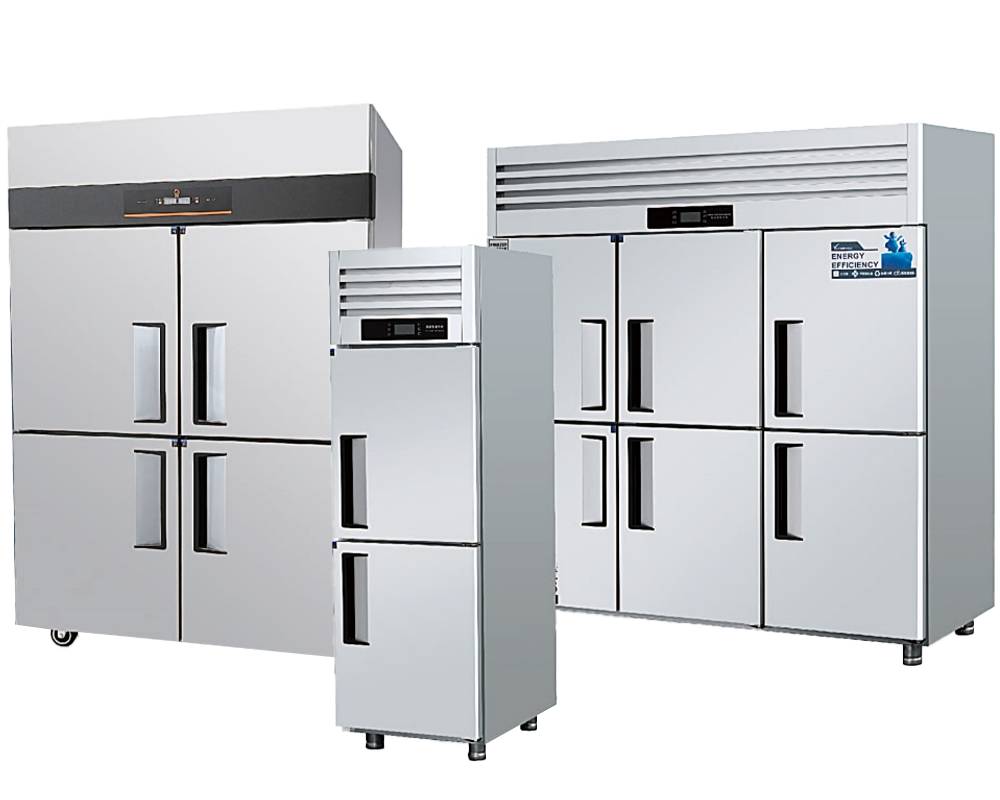 Commercial Vertical Direct-cool Stainless Steel Reach-in Refrigerator
-
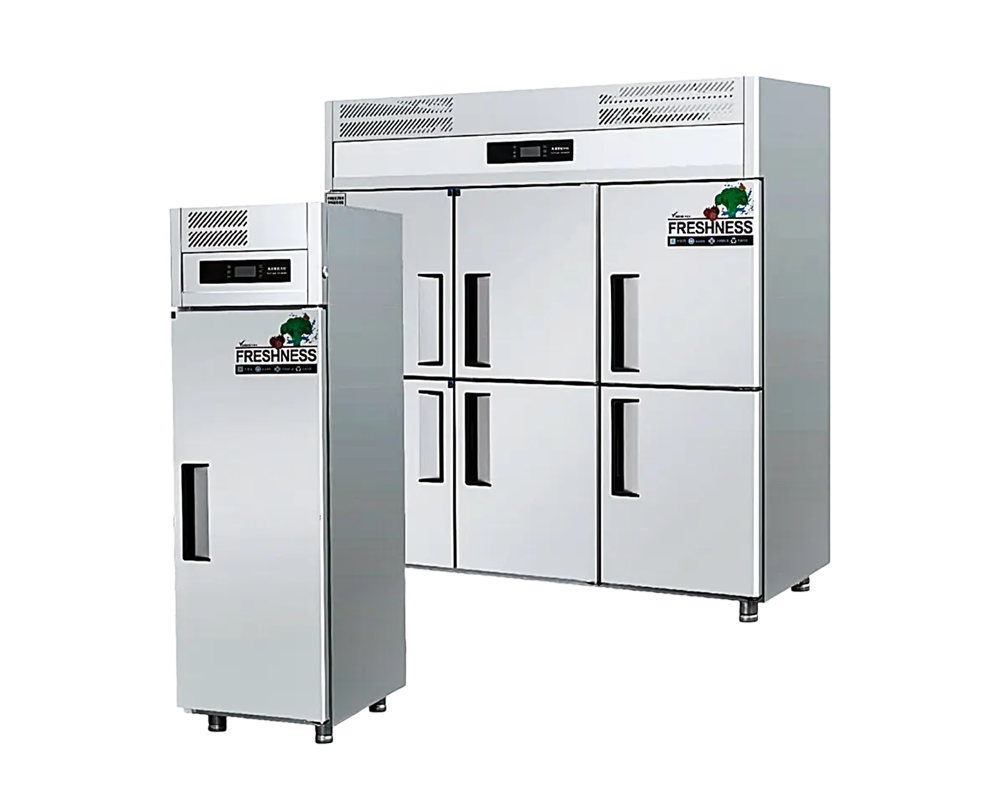 Commercial 201SUS Upright Air Cooling Reach-in Refrigerators
-
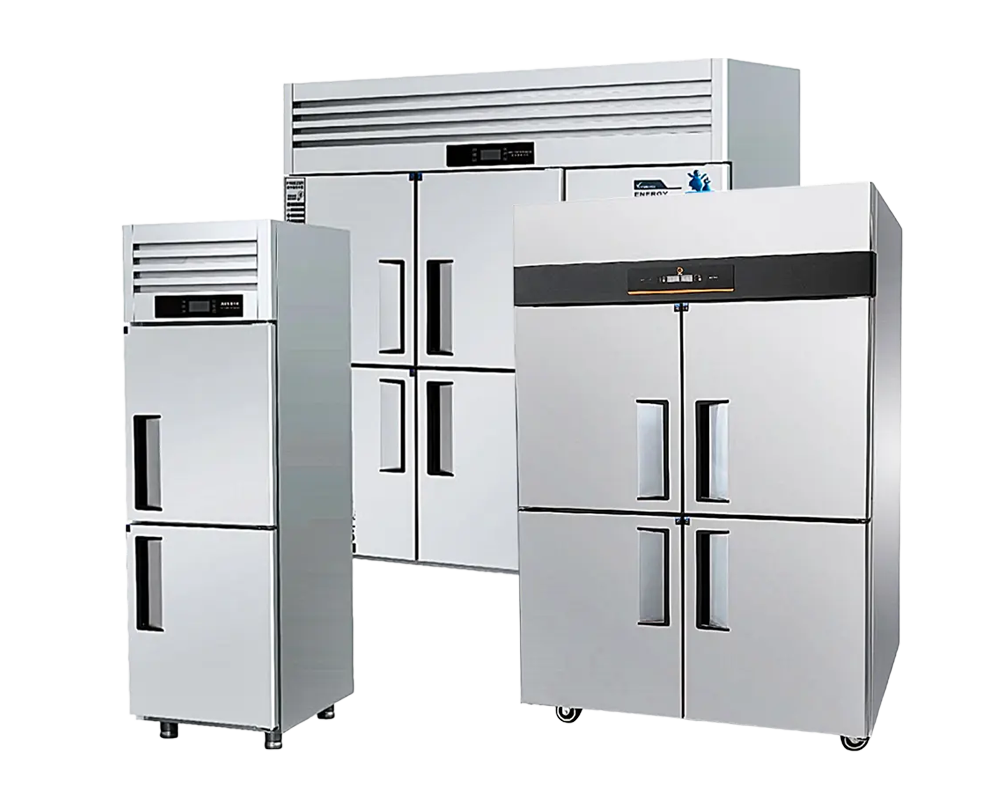 Commercial Direct-Cool Upright Reach-in Freezers
-
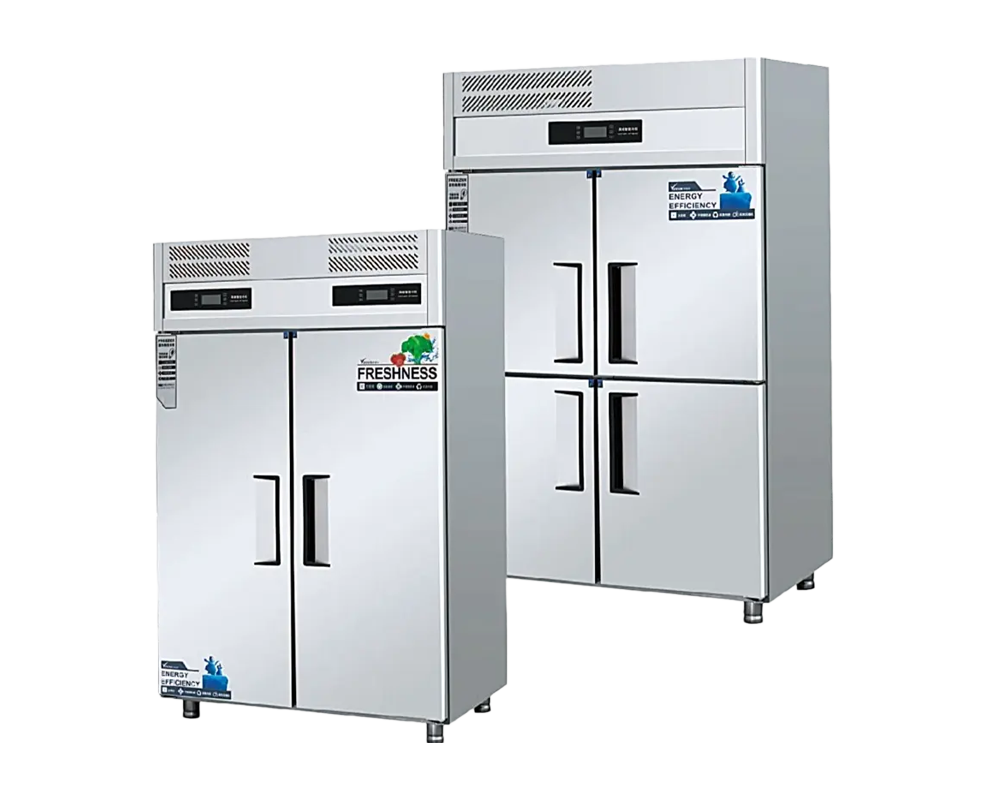 Commercial Stainless Steel Air Cooled Reach-in Vertical Freezers
-
 Dual Temperature Control Direct Cooling Commercial Upright Reach-in Refrigerators
-
 Commercial Vertical Air Cooled Intelligent Reach-in Freezer and Refrigerator
-
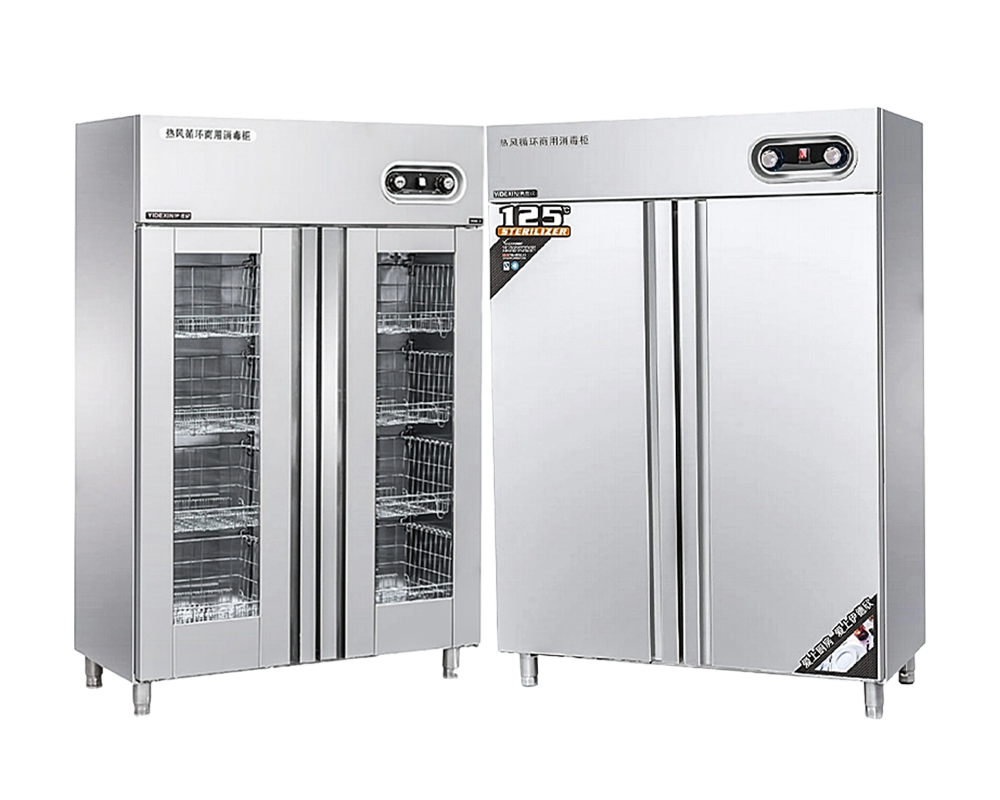 Stainless Steel/Glass Flat Door Sterilization Cabinet
-
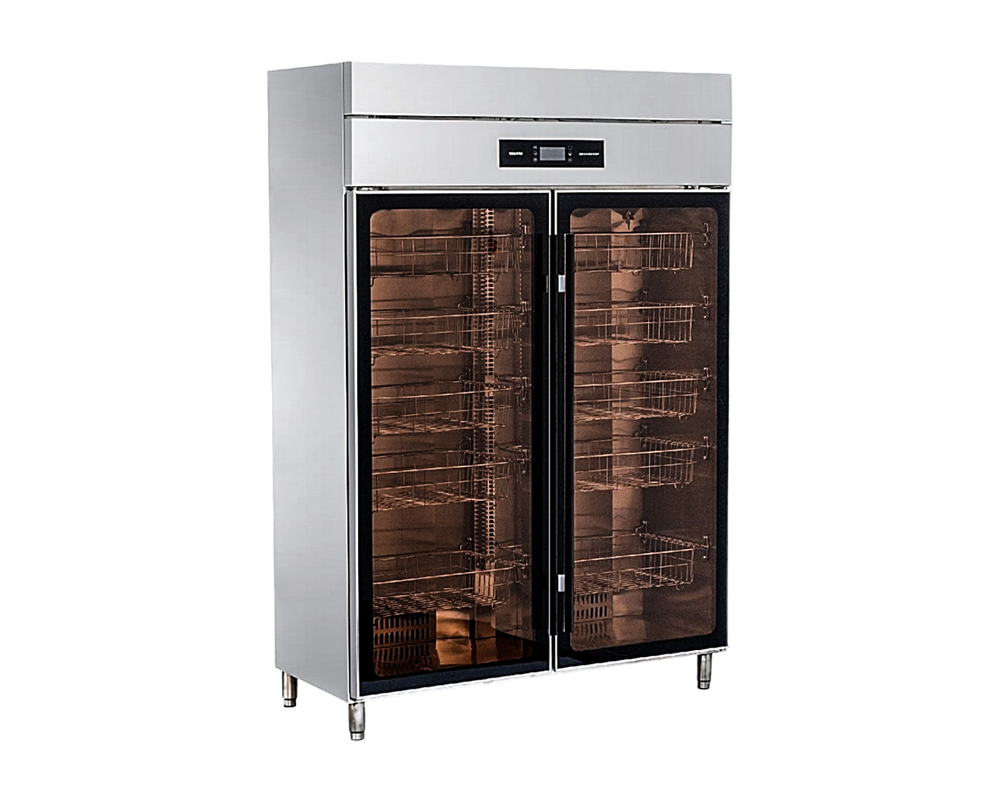 Multifunctional Three-mode High Temperature Glass Door Disinfection Cabinet
-
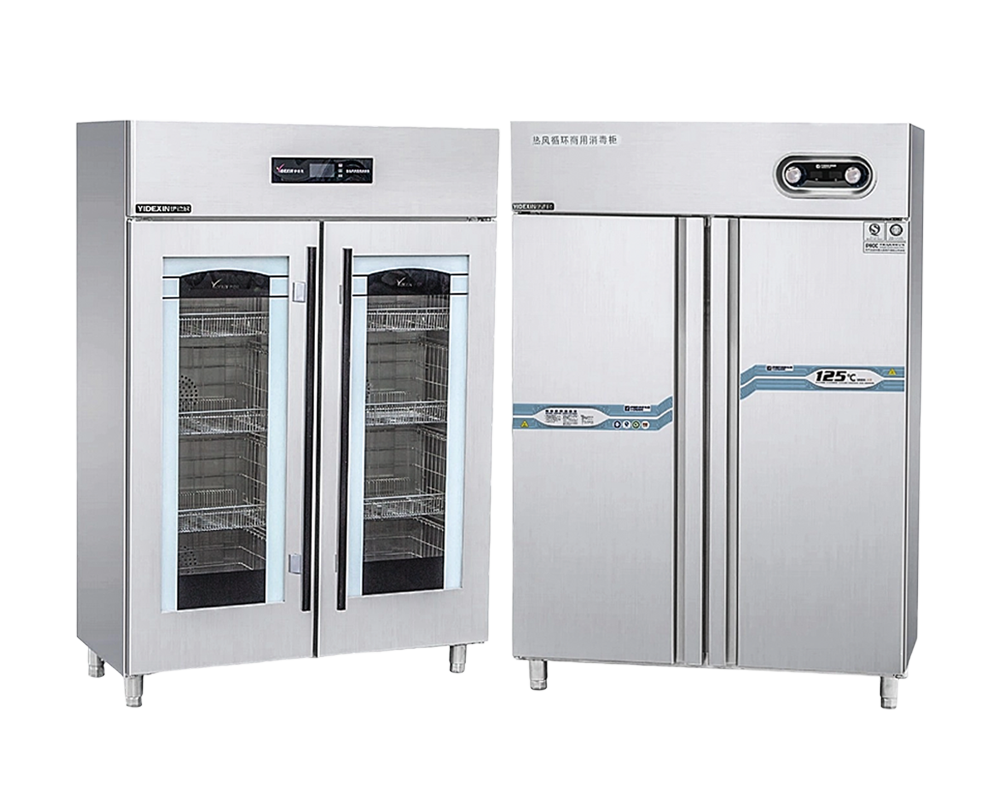 Commercial Restaurant Anti-Fingerprint Stainless Steel Disinfection Cabinet
-
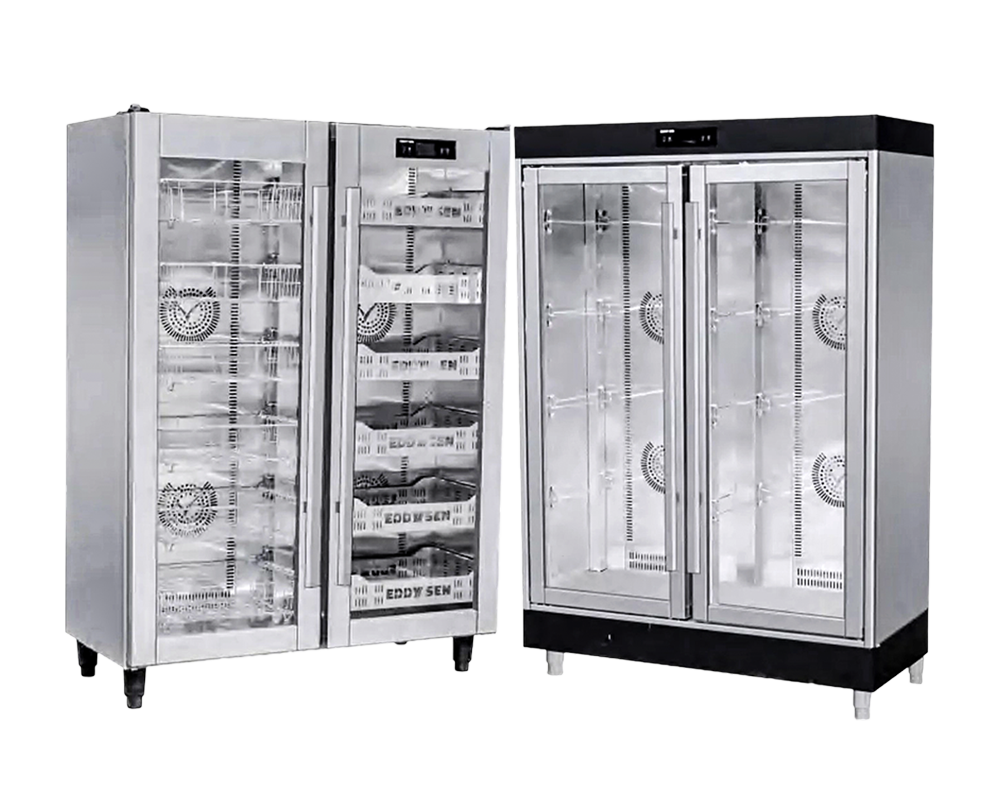 Intelligent Light Wave Stainless Steel UV Disinfection Cabinet
-
 [email protected] / [email protected]
-
 +86-15066977778 / +86-19012777577

-
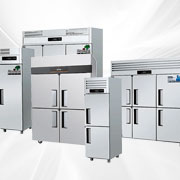 Reach-in Refrigerators
-
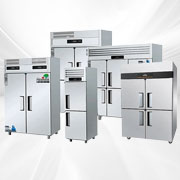 Reach-in Freezers
-
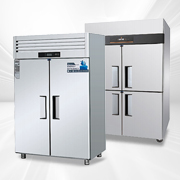 Dual Temperature Refrigerators
-
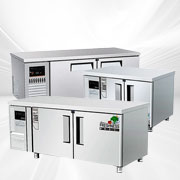 Worktop Refrigerators
-
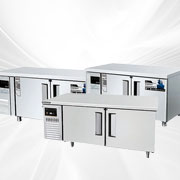 Worktop Freezers
-
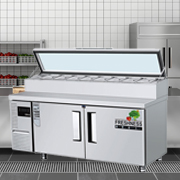 Salad Bar Refrigerators
-
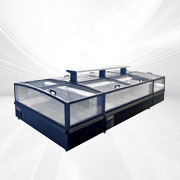 Combined Island Display Refrigerators
-
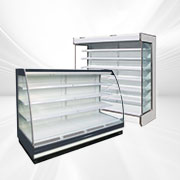 Air Curtain Refrigerators
-
 Fresh Cabinets
-
 Display Refrigerators(Glass Door)
-
 Electric Rice Steamer Cabinets
-
 Gas Rice Steamer Cabinets
-
 Vertical Banquet Cabinets
-
 Horizontal Banquet Cabinets
-
 Heated Disinfection Cabinets
Home / News / Industry information / Commercial Reach-In Freezers — Practical Buying, Installation & Maintenance Guide
Commercial Reach-In Freezers — Practical Buying, Installation & Maintenance Guide
Content
1. Buying Guide for Commercial Reach-In Freezers
Key performance specs to prioritize
When selecting a commercial reach-in freezer, focus first on certified temperature range (typically -10°C to -25°C / 14°F to -13°F for blast-freeze vs. standard display), capacity measured in cubic feet, and any Energy Star or equivalent efficiency ratings. Also confirm compressor type (hermetic, semi-hermetic), refrigerant (HFC vs. low-GWP alternatives), and whether the unit has a self-contained or remote condensing system.
Capacity, footprint and layout considerations
Estimate usable cubic feet based on shelving configuration rather than cabinet volume alone. A 40–60 cu ft reach-in is common for restaurants; bakeries and large retail kitchens often choose 70+ cu ft or multi-door models. Measure doorway widths, elevator clearances and final placement path — many manufacturers list shipping dimensions and assembled dimensions separately.
Feature checklist before purchase
- Digital thermostat with ±1°C accuracy and alarm output.
- Self-closing doors and magnetic gaskets that are replaceable.
- Auto defrost vs. manual defrost settings and drain placement.
- Interior lighting, shelving adjustability, and NSF/UL food-safety compliance.
- Warranty coverage for compressor, parts and labor; availability of local service.
2. Installation & Placement Best Practices
Site preparation and clearance
Allow a minimum clearance specified by the manufacturer — commonly 2–4 inches at the sides and back for air-cooled condensers. For top-venting units, ensure at least 6–12 inches above the cabinet. Place the freezer on a level floor rated to support its gross weight (empty cabinet + loaded inventory). Avoid locations near ovens, fryers or direct sunlight which increase condenser load and reduce efficiency.
Electrical and plumbing requirements
Verify voltage and amperage: many reach-in freezers use 115V–120V/60Hz circuits on dedicated breakers, while heavy-duty or multi-door models may require 208–230V. Use hardened commercial-grade plugs and GFCI where code requires. If the unit has a drain pan or auto-defrost water output, provide a nearby floor drain or condensate pump routed per local code.
3. Energy Efficiency & Operating Cost Tips
Reducing electricity use without sacrificing performance
Choose models with high-efficiency compressors, thicker polyurethane insulation (measured by R-value), and high-performance door gaskets. Install night covers or strip curtains for frequently opened units, and consider remote-condensing options where heat rejection into the kitchen is problematic. Regularly scheduled condenser cleaning improves heat transfer and reduces runtime.
Estimating monthly operating cost (example)
To estimate: find the unit's kWh/day (manufacturer spec or runtime × wattage), multiply by local kWh rate. Example: a 1.2 kW average load × 24 hours = 28.8 kWh/day → 864 kWh/month. At $0.15/kWh this equals about $130/month. Use actual runtime from an energy meter for a precise estimate.
4. Common Maintenance Tasks & Troubleshooting
Daily and weekly checks
- Check door seals for gaps and replace damaged gaskets promptly.
- Verify interior temperature and alarm function at opening and closing.
- Wipe door frames, drains and interior surfaces with manufacturer-approved cleaners.
Monthly and quarterly service
- Clean condenser coils with a brush or vacuum; inspect fan motors for debris.
- Test defrost cycle and check drain traps for clogs; flush with warm water if needed.
- Inspect electrical connections and tighten terminal screws per safety protocols.
Troubleshooting fast reference
If temperature drifts high: check condenser cleanliness, evaporator fan operation and door gasket integrity. For excessive frosting: verify defrost timer/thermostat function and inspect drain lines. If compressor cycles frequently, examine refrigerant charge and airflow restrictions — escalate to certified HVAC/R technician for sealed-system work.
5. Specifications Comparison Table (Example Models)
| Model | Capacity (cu ft) | Exterior | Temp Range | Energy Star | Footprint (W×D×H in) |
|---|---|---|---|---|---|
| CRF-36S | 36 | 304 SS | -10°F to -5°F | Yes | 27×32×78 |
| CRF-60D | 60 | Galv. Steel | -20°C to -10°C | No | 48×32×80 |
| CRF-78R (Remote) | 78 | Stainless w/Alum Trim | -25°C to -15°C | Optional | 72×32×80 |
6. Procurement & On-site Acceptance Checklist
Before signing delivery
- Confirm model, serial number and nameplate voltage match your purchase order.
- Inspect for shipping damage, dented doors, or cracked shelving and document with photos.
- Run-on test: allow unit to stabilize 24 hours and verify it reaches and holds the target setpoint.
Handover documentation
Obtain full manuals, wiring diagrams, service contact info, and warranty registration paperwork. Request spare door gaskets and at least one extra evaporator shelf if available to minimize downtime.
Final notes
Purchasing the right commercial reach-in freezer is a balance of capacity, efficiency, and serviceability. Use the specifications table and checklists above to narrow options, and prioritize units with accessible service parts and a proven local support network to keep downtime minimal.

-
 Add.
Add.
Sales Center:Room 410, Floor T3-4, Zhonghai Development Building, No. 888, Kejiguan Street, Binjiang District, Hangzhou, Zhejiang,China
Factory Address:100 Meters South Of Zhongmao Village, Xingfu Town, Boxing County, Binzhou City, Shandong Province, P.R.China
Sales Center:Room 410, Building 15, Tianan Headquarters Center, 555 North Panyu Avenue, Donghuan Street, Panyu District, Guangzhou City, china
-
 Tel.
+86-15066977778+86-19012777577
Tel.
+86-15066977778+86-19012777577 -
 Email.
Quick Links
Product Fast Links
Mobile Terminal
Copyright @Hangzhou Eddysen Catering Equipment Co., Ltd.All rights reserved. Commercial Freezer Manufacturer