 English
 中文简体
中文简体 Español
 عربى
عربى
-
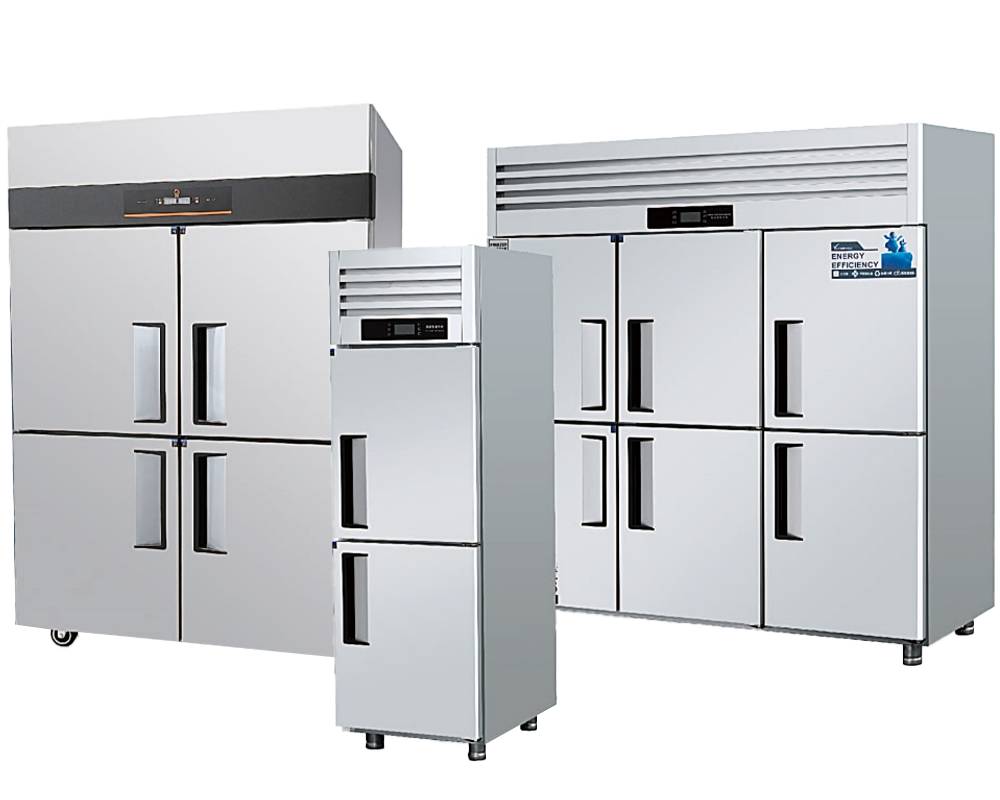 Commercial Vertical Direct-cool Stainless Steel Reach-in Refrigerator
-
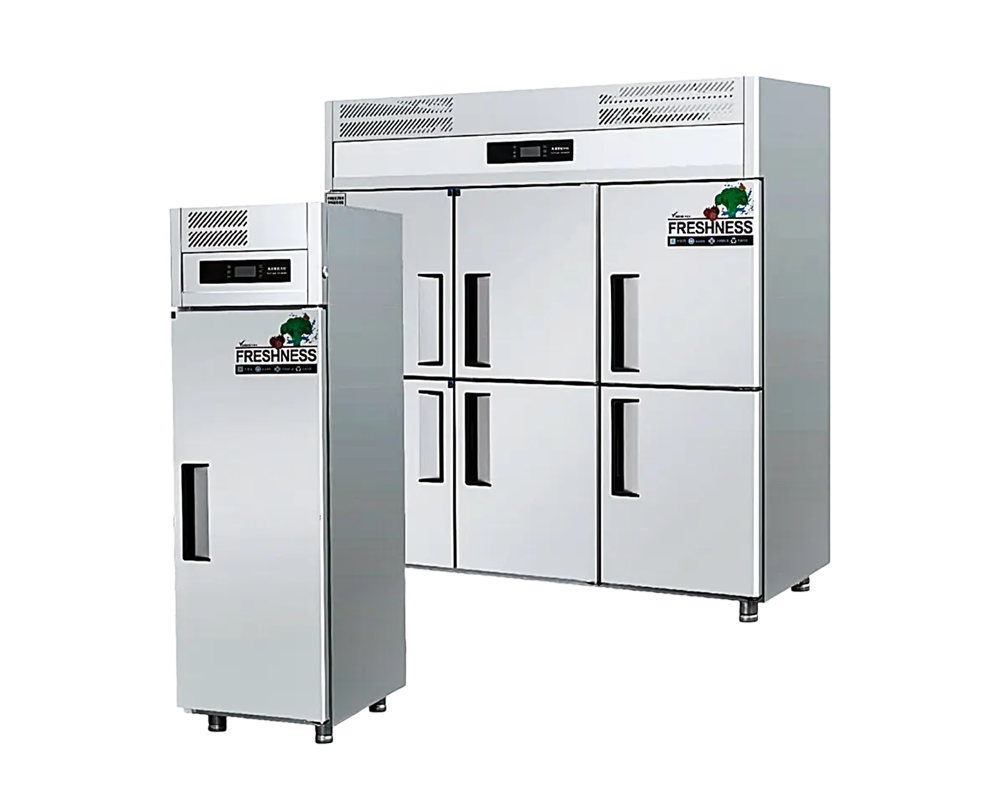 Commercial 201SUS Upright Air Cooling Reach-in Refrigerators
-
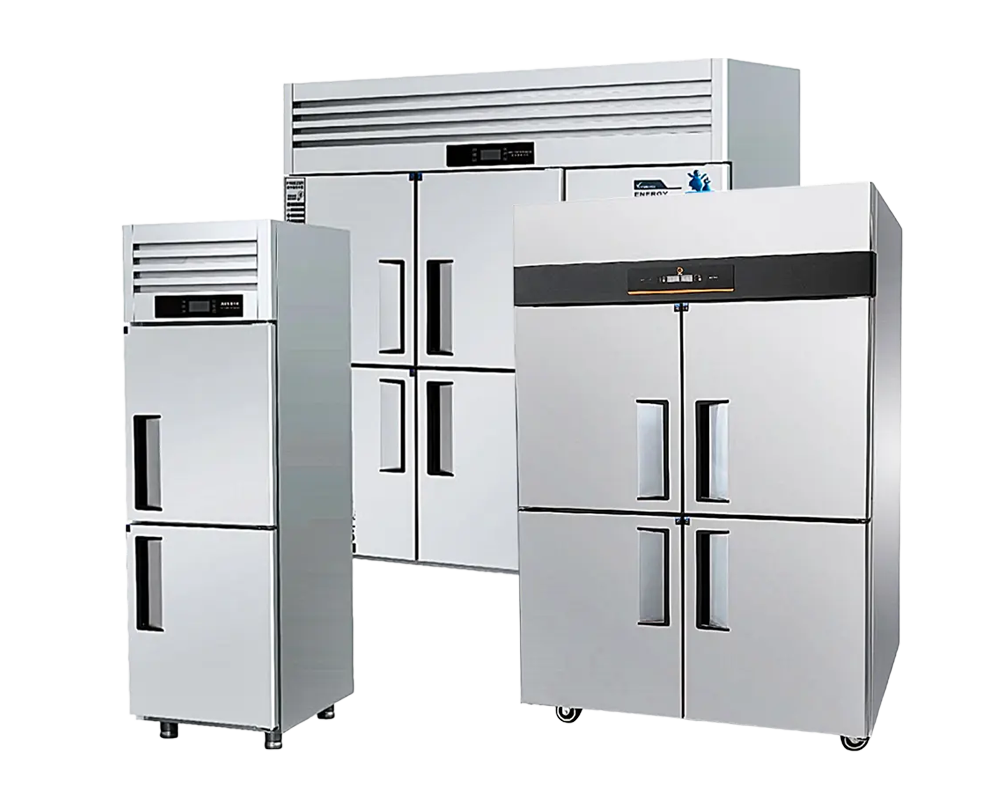 Commercial Direct-Cool Upright Reach-in Freezers
-
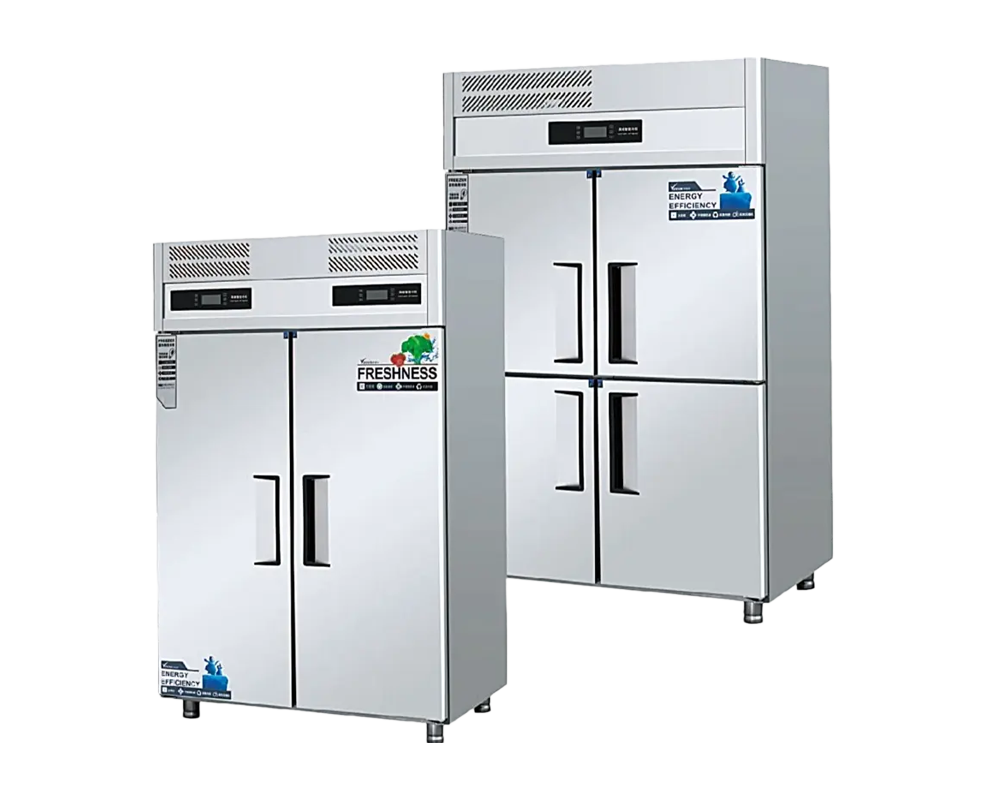 Commercial Stainless Steel Air Cooled Reach-in Vertical Freezers
-
 Dual Temperature Control Direct Cooling Commercial Upright Reach-in Refrigerators
-
 Commercial Vertical Air Cooled Intelligent Reach-in Freezer and Refrigerator
-
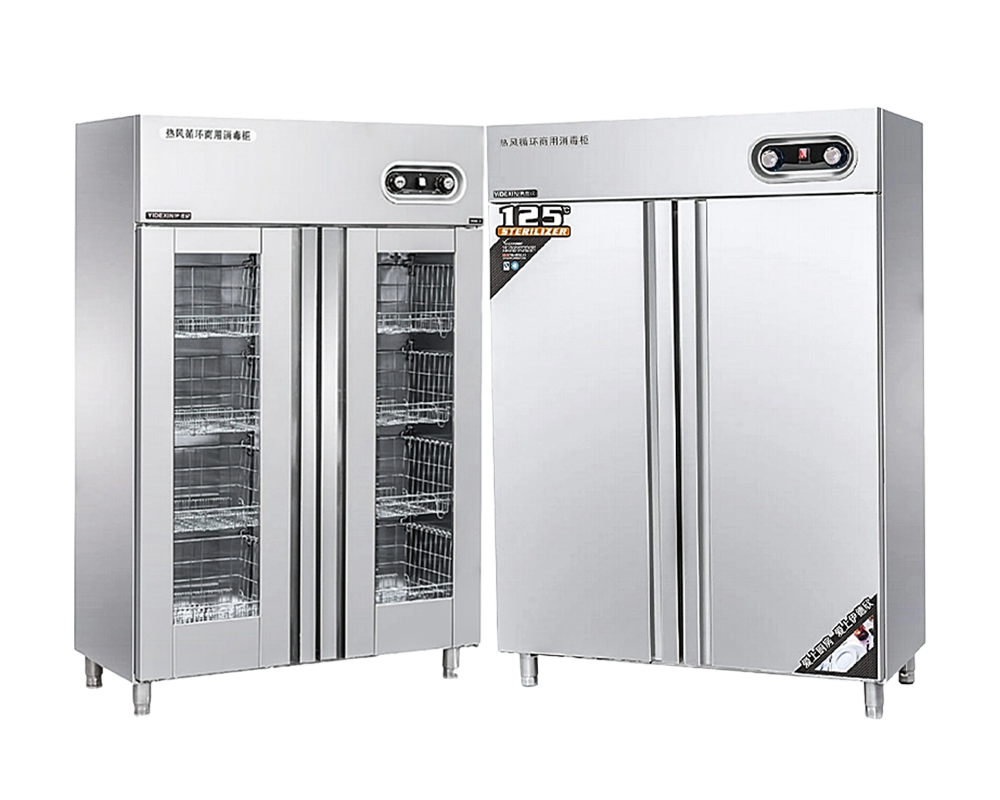 Stainless Steel/Glass Flat Door Sterilization Cabinet
-
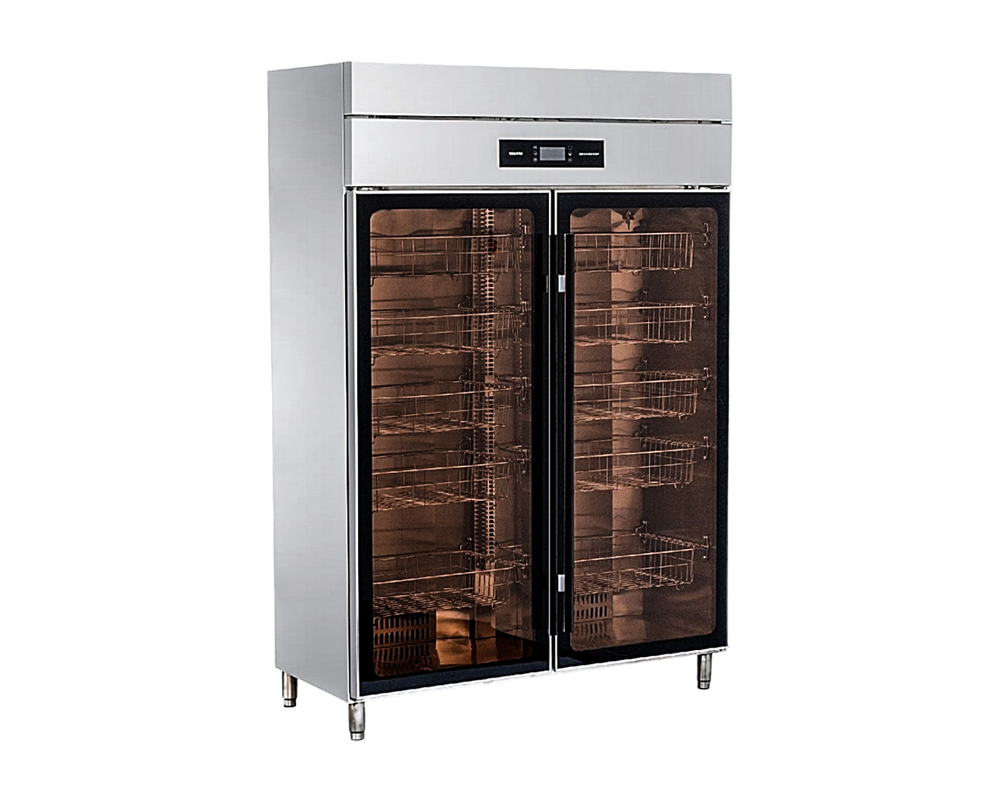 Multifunctional Three-mode High Temperature Glass Door Disinfection Cabinet
-
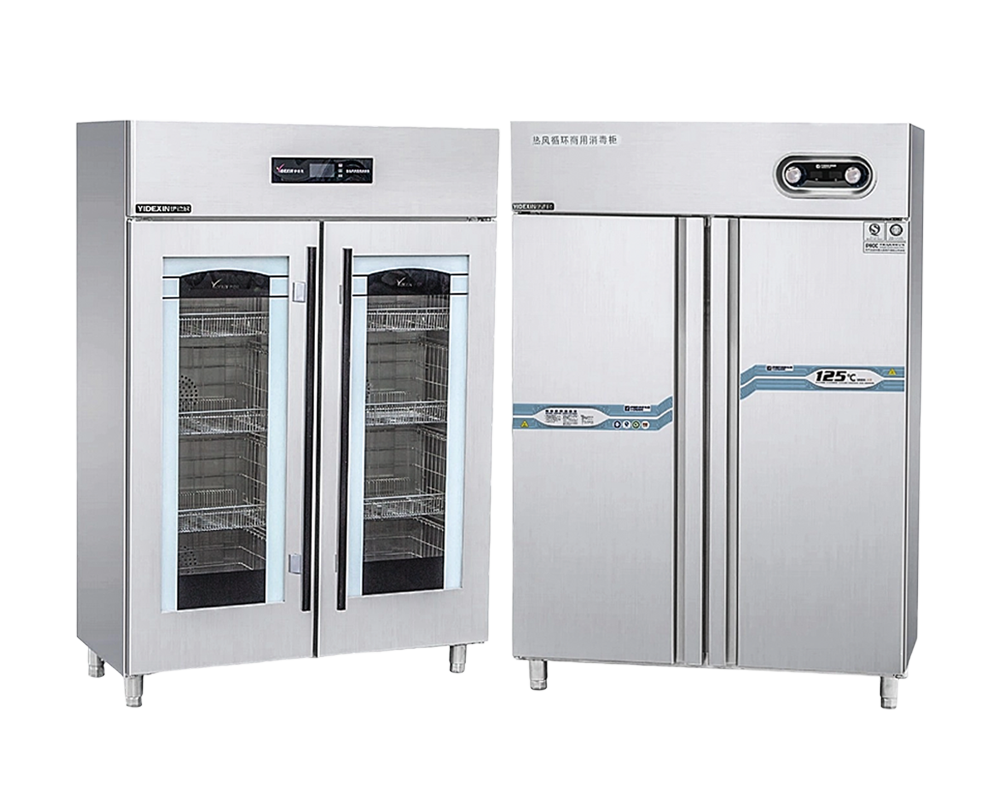 Commercial Restaurant Anti-Fingerprint Stainless Steel Disinfection Cabinet
-
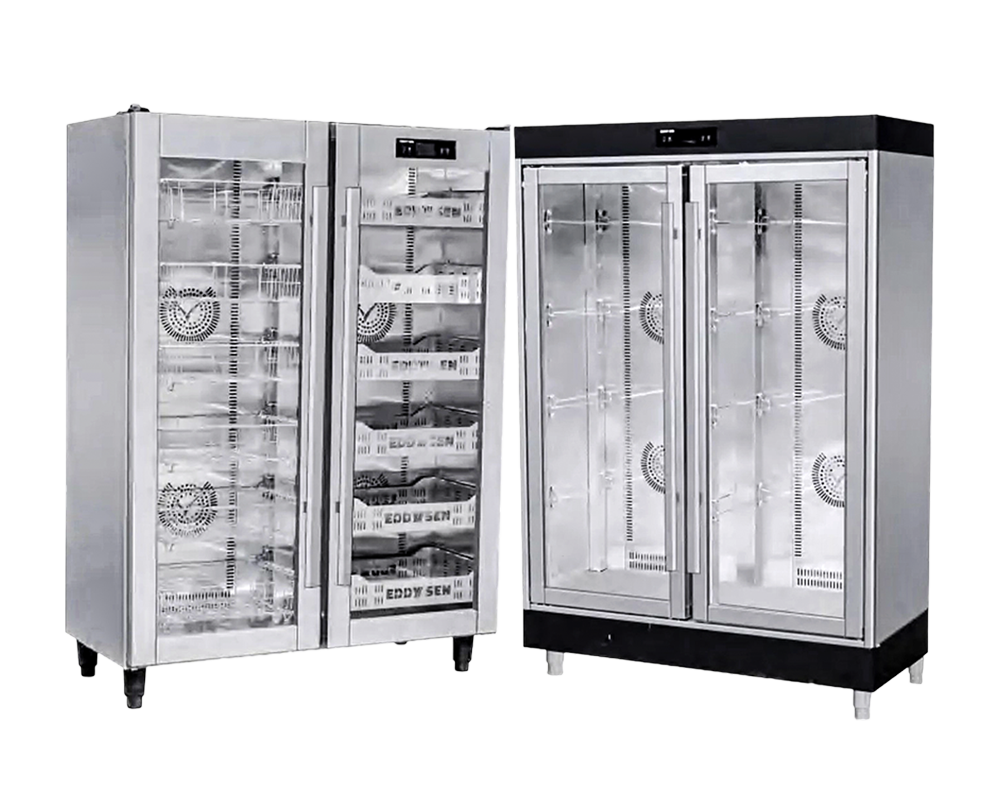 Intelligent Light Wave Stainless Steel UV Disinfection Cabinet
-
 [email protected] / [email protected]
-
 +86-15066977778 / +86-19012777577

-
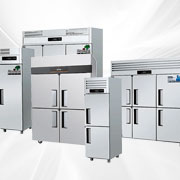 Reach-in Refrigerators
-
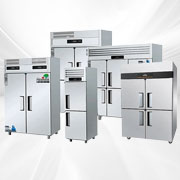 Reach-in Freezers
-
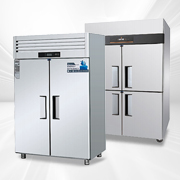 Dual Temperature Refrigerators
-
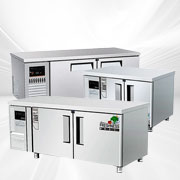 Worktop Refrigerators
-
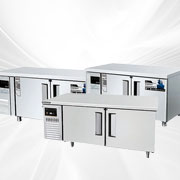 Worktop Freezers
-
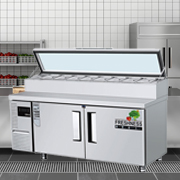 Salad Bar Refrigerators
-
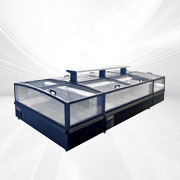 Combined Island Display Refrigerators
-
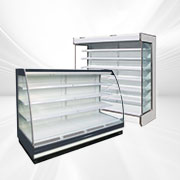 Air Curtain Refrigerators
-
 Fresh Cabinets
-
 Display Refrigerators(Glass Door)
-
 Electric Rice Steamer Cabinets
-
 Gas Rice Steamer Cabinets
-
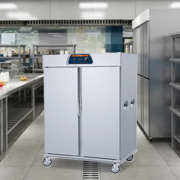 Vertical Banquet Cabinets
-
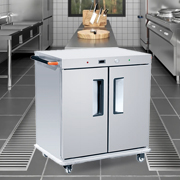 Horizontal Banquet Cabinets
-
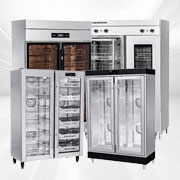 Heated Disinfection Cabinets
Home / News / Industry information / Practical Guide to Banquet Cabinets — Selection, Materials, Layout & Maintenance
Practical Guide to Banquet Cabinets — Selection, Materials, Layout & Maintenance
Content
1. How to Choose the Right Banquet Cabinets
Understand the role of banquet cabinets
Banquet cabinets are specialized storage and service units used in banquet halls, hotels, conference centers, and large-scale catering operations. Their primary roles include secure storage of tableware and linens, quick access during service, mobile staging for plated dishes, and concealment of service equipment. When choosing cabinets, prioritize function (storage vs. staging), mobility (fixed vs. wheeled), and integration with existing service workflows.
Key selection criteria
- Functionality — Determine whether cabinets will store, stage, or both; choose shelving, drawers, or open racks accordingly.
- Capacity & dimensions — Match internal shelf heights and load ratings to plates, chafing dishes, and catering trays you use.
- Mobility — Locking casters and push-handles are essential for mobile cabinets used on busy service lines.
- Durability & finish — Choose materials and finishes that withstand frequent cleaning, bumps, and temperature changes.
- Hygiene & safety — Look for sealed joints, food-safe coatings (if storing edible items), and rounded corners to reduce injury risk.
2. Materials & Construction: Pros and Cons
Quick comparison
| Material | Durability | Cost | Best use |
| Stainless steel | Very high — resists corrosion, easy to sanitize | High | Catering prep areas, wet environments, high-use service carts |
| Powder-coated steel | High — good impact resistance | Medium | General storage, decorative service cabinets |
| High-pressure laminate (HPL) on MDF | Medium — good surface wear, vulnerable to moisture | Low–Medium | Buffet fronts, aesthetic cabinets where moisture is controlled |
| Solid wood (sealed) | Medium — strong but requires maintenance | Medium–High | Banquet rooms, upscale visual fronts |
Construction details to request from suppliers
- Frame & joinery — welded steel frames increase longevity versus simple bolted assemblies.
- Finish specification — specify food-safe or antimicrobial finishes where needed.
- Caster rating — choose casters rated above the maximum expected loaded weight (include braking mechanism).
- Accessory integration — built-in tray dividers, removable shelves, and plate racks reduce setup time.
3. Sizing, Layout & Workflow Integration
How to size cabinets for real operations
Measure typical service loads: number of place settings, maximum chafing dish footprints, and tray heights. Use these steps:
- Calculate peak service volume (e.g., 300 covers) and determine how many cabinets are required to stage that volume simultaneously.
- Design shelf spacing to fit tallest items plus clearance (minimum 25–50 mm per shelf above the item for handling).
- Allow clearance around mobile cabinets for push routes — 900 mm minimum aisle when staff move in opposite directions.
Integrating cabinets into service flow
Place staging cabinets close to service points but out of guest sightlines or behind decorative fronts. Consider a modular approach: a set of smaller, mobile cabinets is often more flexible than one large fixed unit. Label shelves and use color-coded trays to speed retrieval during high tempo service.
4. Installation, Maintenance & Safety Checklist
Pre-installation checklist
- Confirm door width and elevator access for delivered units.
- Verify floor load capacity and caster rating compatibility.
- Request on-site mock-up if cabinets will be fitted behind decorative facades.
Routine maintenance schedule
- Daily — wipe surfaces with approved cleaner; check casters and brakes.
- Monthly — inspect fasteners, hinges, and shelf supports; tighten or replace as needed.
- Annually — perform deeper inspection for corrosion, finish wear, and verify load-bearing components.
Safety reminders
Always lock casters when cabinets are stationary, avoid overloading shelves beyond rated capacity, and keep edges rounded or covered in high-traffic areas to prevent staff injury. Provide staff training on moving loaded cabinets safely and using brakes.
5. Budgeting & Supplier Checklist
Cost drivers to expect
- Material quality (stainless steel vs. laminate).
- Customization (trim, branded panels, integrated power for heated cabinets).
- Mobility features (heavy-duty casters, brakes, handles).
- Certifications and warranties.
Supplier checklist (ask these before you buy)
- Can you provide load ratings, material datasheets, and finish samples?
- What are lead times and delivery/installation services included?
- Is there a warranty for structural and finish defects, and what does it cover?
- Do you offer customization for shelving heights, tray dividers, or branded facades?
Final practical tips
Start with a site audit and sample unit to validate dimensions and function. Favor modular, mobile designs for flexibility. Record one real service shift with the new cabinets in use to identify adjustments before full deployment.

-
 Add.
Add.
Sales Center:Room 410, Floor T3-4, Zhonghai Development Building, No. 888, Kejiguan Street, Binjiang District, Hangzhou, Zhejiang,China
Factory Address:100 Meters South Of Zhongmao Village, Xingfu Town, Boxing County, Binzhou City, Shandong Province, P.R.China
Sales Center:Room 410, Building 15, Tianan Headquarters Center, 555 North Panyu Avenue, Donghuan Street, Panyu District, Guangzhou City, china
-
 Tel.
+86-15066977778+86-19012777577
Tel.
+86-15066977778+86-19012777577 -
 Email.
Quick Links
Product Fast Links
Mobile Terminal
Copyright @Hangzhou Eddysen Catering Equipment Co., Ltd.All rights reserved. Commercial Freezer Manufacturer