 English
 中文简体
中文简体 Español
 عربى
عربى
-
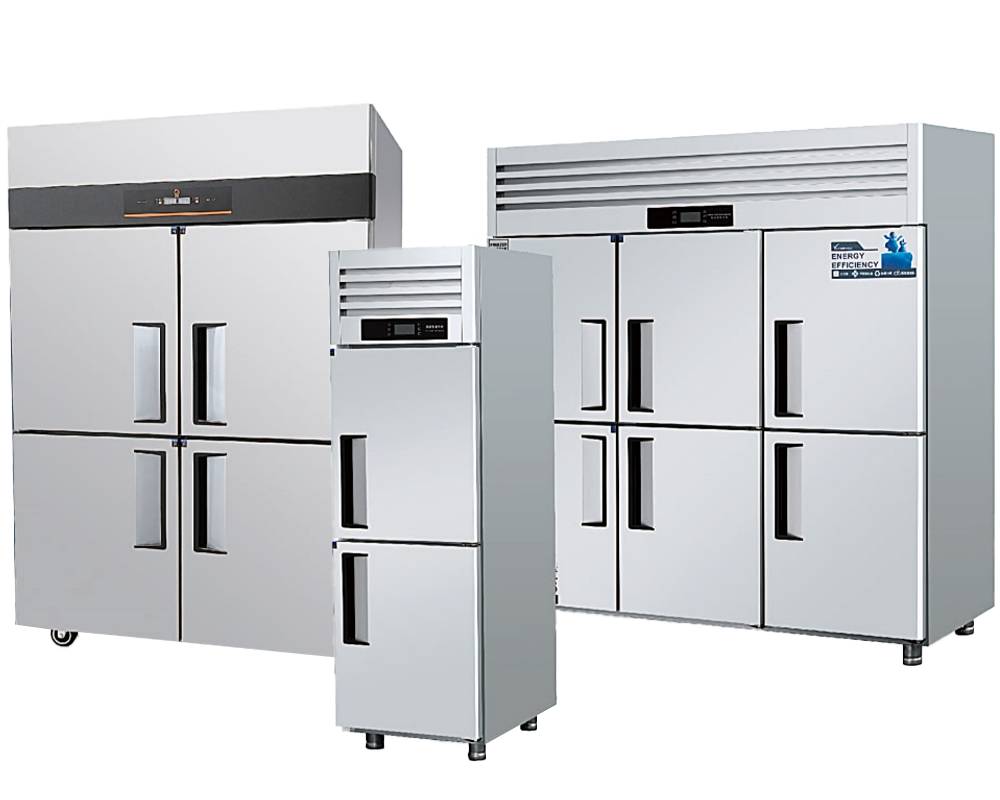 Commercial Vertical Direct-cool Stainless Steel Reach-in Refrigerator
-
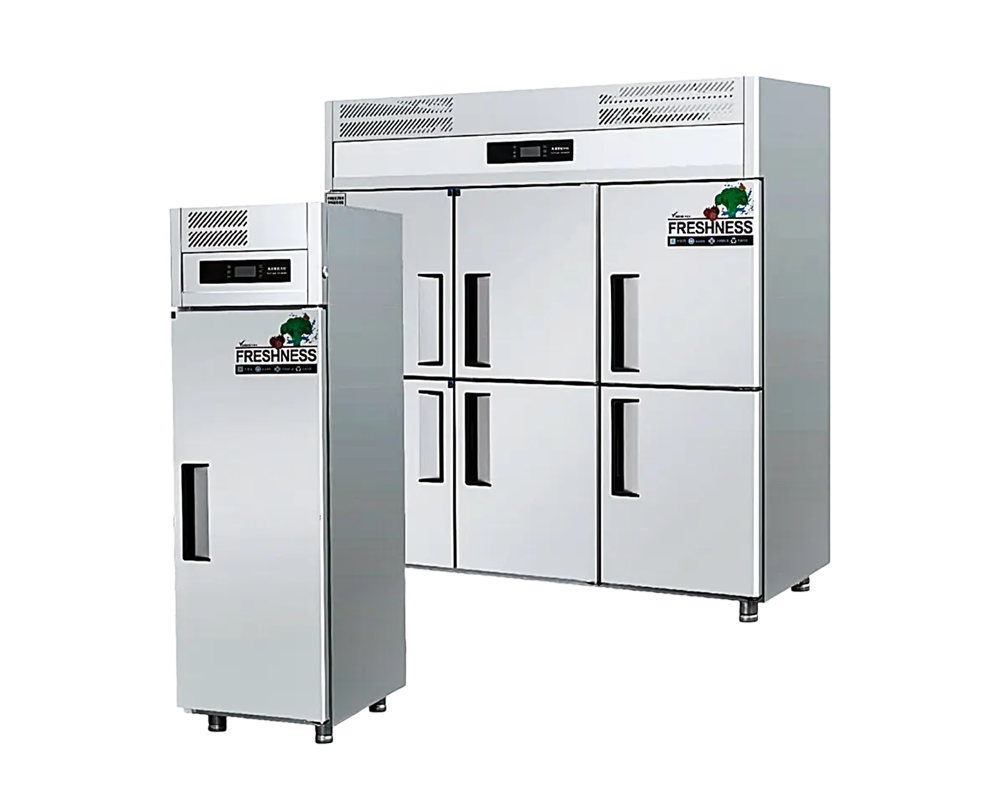 Commercial 201SUS Upright Air Cooling Reach-in Refrigerators
-
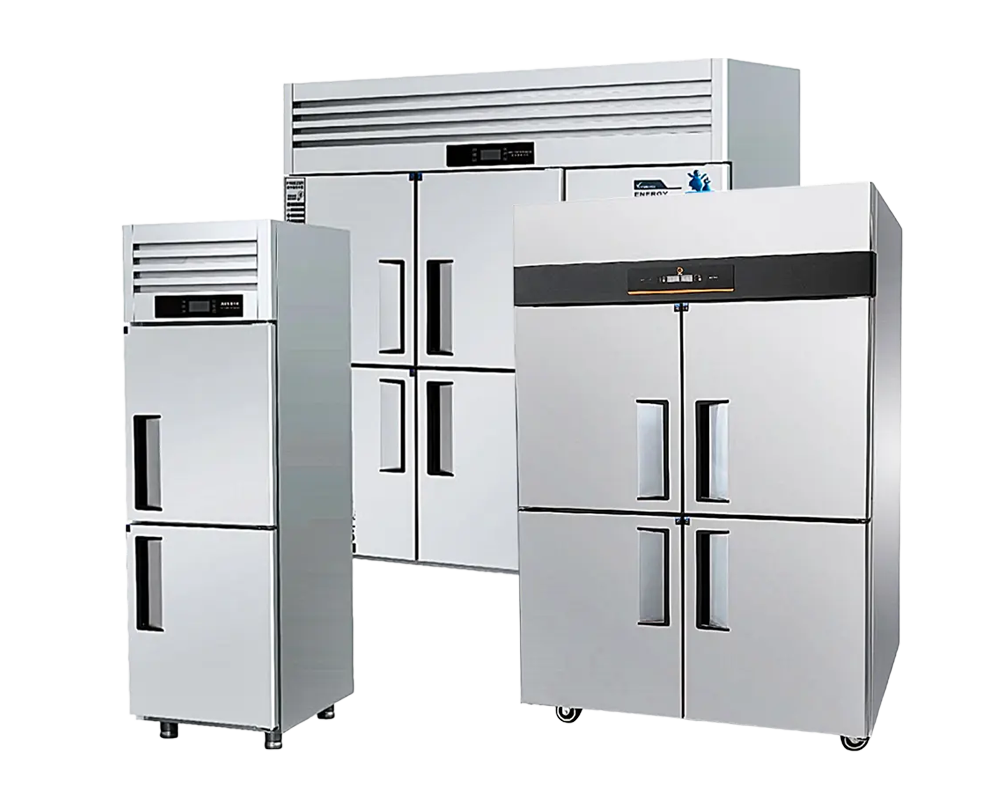 Commercial Direct-Cool Upright Reach-in Freezers
-
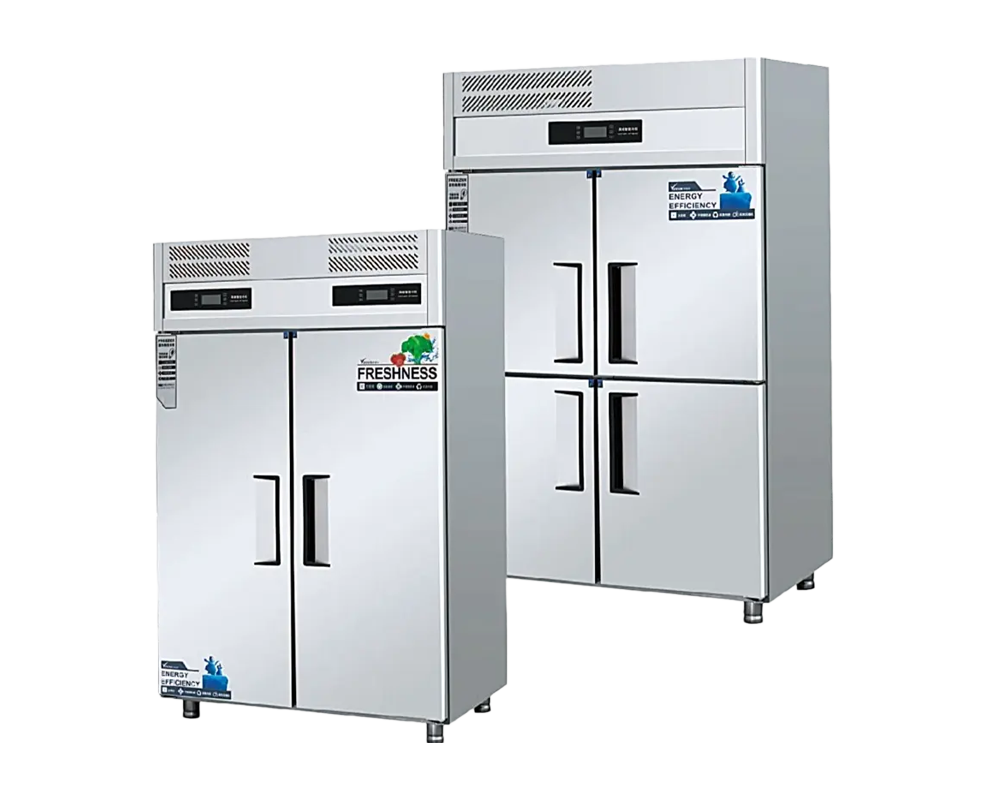 Commercial Stainless Steel Air Cooled Reach-in Vertical Freezers
-
 Dual Temperature Control Direct Cooling Commercial Upright Reach-in Refrigerators
-
 Commercial Vertical Air Cooled Intelligent Reach-in Freezer and Refrigerator
-
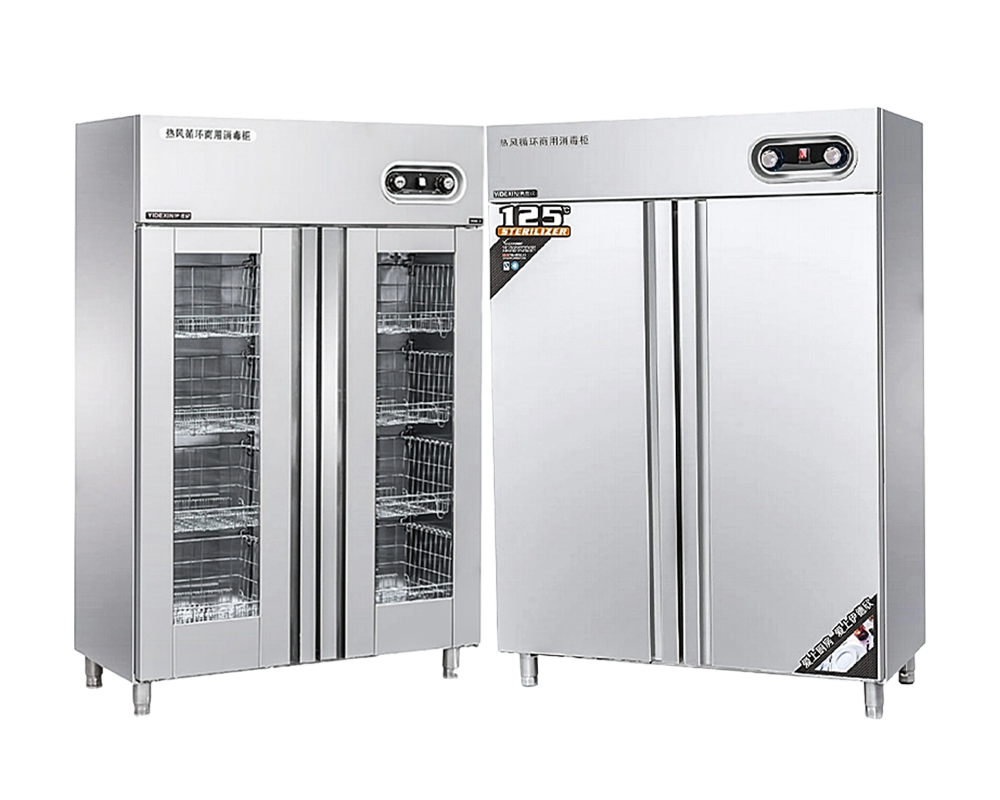 Stainless Steel/Glass Flat Door Sterilization Cabinet
-
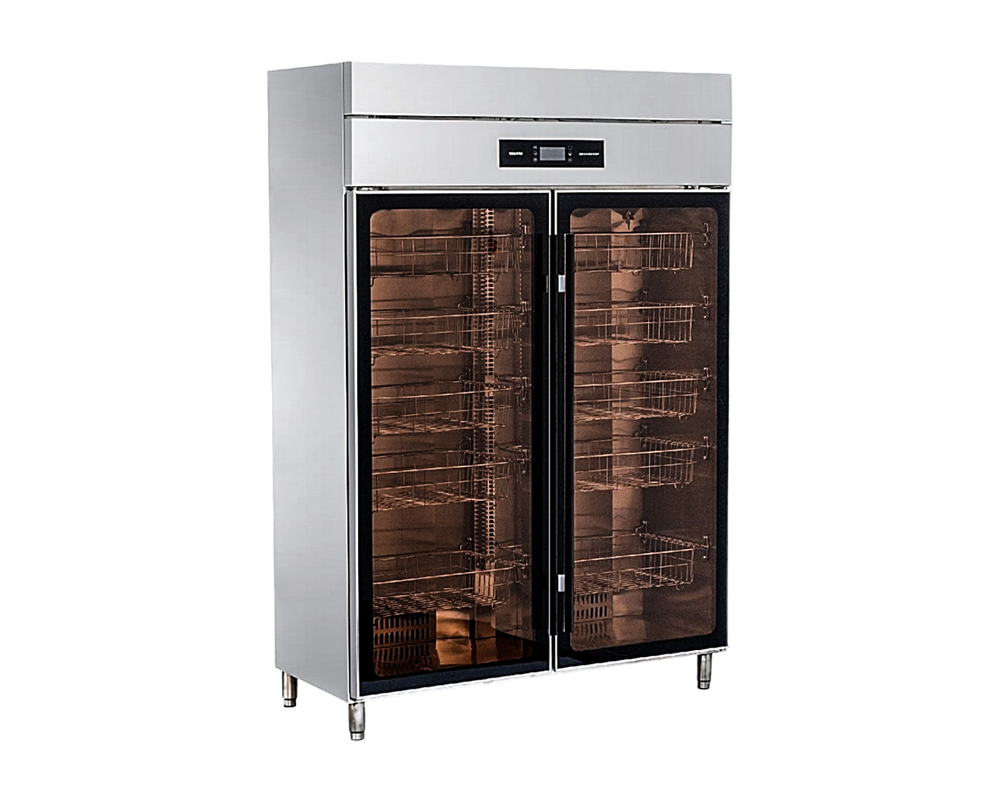 Multifunctional Three-mode High Temperature Glass Door Disinfection Cabinet
-
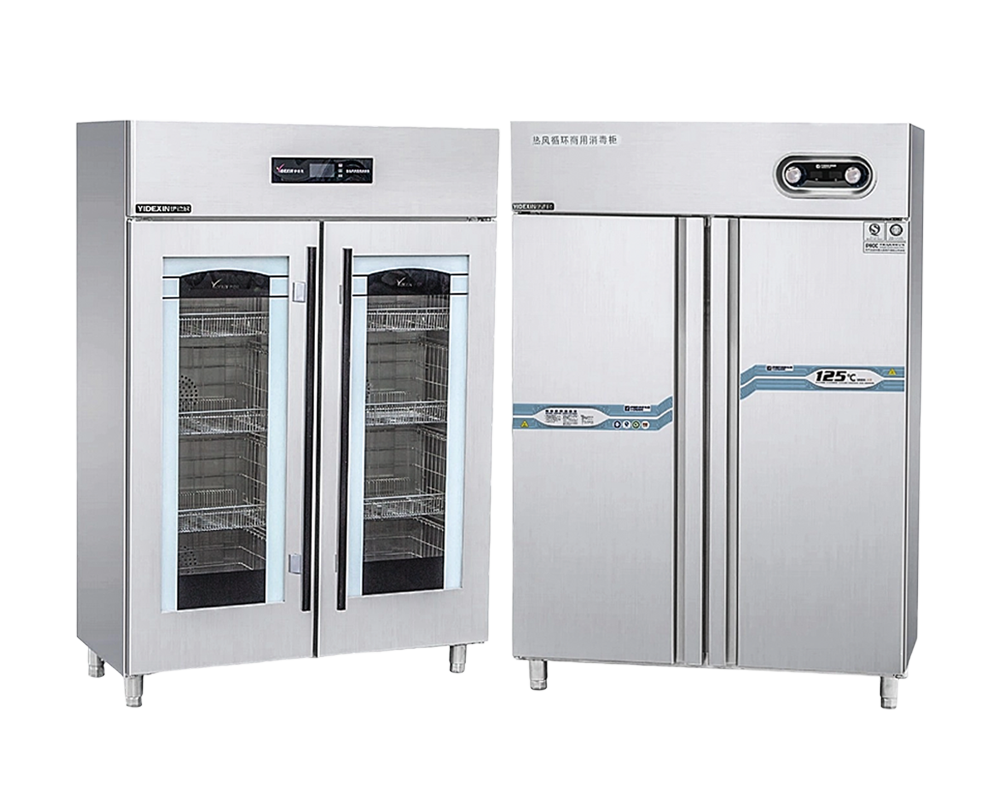 Commercial Restaurant Anti-Fingerprint Stainless Steel Disinfection Cabinet
-
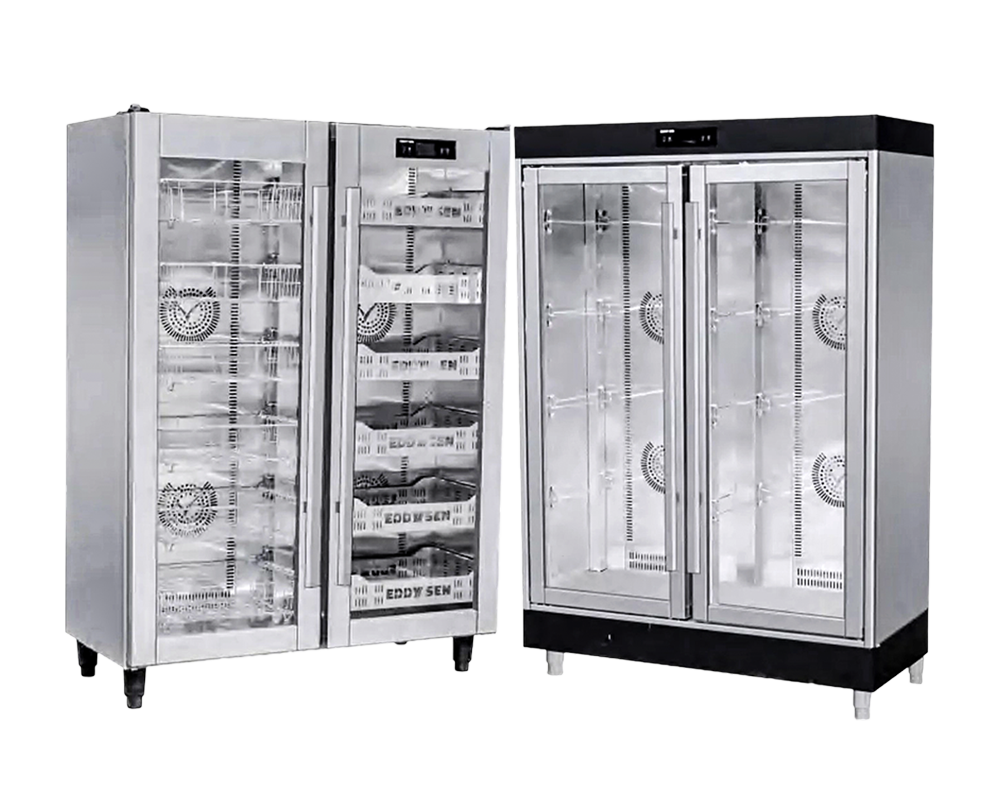 Intelligent Light Wave Stainless Steel UV Disinfection Cabinet
-
 [email protected] / [email protected]
-
 +86-15066977778 / +86-19012777577

-
 Reach-in Refrigerators
-
 Reach-in Freezers
-
 Dual Temperature Refrigerators
-
 Worktop Refrigerators
-
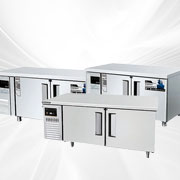 Worktop Freezers
-
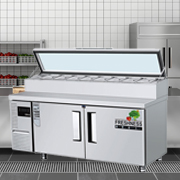 Salad Bar Refrigerators
-
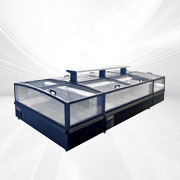 Combined Island Display Refrigerators
-
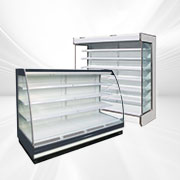 Air Curtain Refrigerators
-
 Fresh Cabinets
-
 Display Refrigerators(Glass Door)
-
 Electric Rice Steamer Cabinets
-
 Gas Rice Steamer Cabinets
-
 Vertical Banquet Cabinets
-
 Horizontal Banquet Cabinets
-
 Heated Disinfection Cabinets
What Should Not Be Stored in a Pantry
Content
Perishable Foods
Pantries are ideal for dry goods, but perishable foods should never be stored here. Items like fresh meat, dairy products, and eggs require consistent refrigeration to prevent bacterial growth and spoilage. Storing these in a pantry can pose serious health risks.
Foods Sensitive to Heat and Light
Certain foods lose flavor, texture, and nutrients when exposed to heat and light. Examples include:
- Chocolate – melts easily and may develop a white film called bloom.
- Oils – especially nut and seed oils, which can become rancid quickly.
- Spices – prolonged exposure reduces potency and aroma.
Moisture-Sensitive Items
Some pantry items can absorb moisture from the environment, leading to clumping or spoilage. Avoid storing the following in humid pantries:
- Sugar – may harden or form crystals.
- Flour – can attract insects or mold if not stored in airtight containers.
- Powdered milk – can spoil faster when exposed to humidity.
Canned Goods That Require Refrigeration After Opening
Once opened, canned items such as soups, beans, or sauces must be refrigerated. Leaving them in the pantry can lead to bacterial growth and foodborne illness.
Household Items That Should Not Be in the Pantry
Pantries are for food storage only. Certain household items should never be stored here due to contamination risks:
- Cleaning chemicals – fumes can permeate food packaging.
- Pesticides – highly toxic and unsafe near consumables.
- Personal care products – avoid storing in areas with food due to contamination risk.
Foods Prone to Pest Infestation
Some dry foods attract pantry pests like weevils and moths. Take care with these items:
| Whole Grains | Rice, quinoa, barley |
| Legumes | Lentils, beans, chickpeas |
| Nuts and Seeds | Almonds, sunflower seeds, walnuts |
To prevent infestations, store these foods in airtight containers and inspect them regularly for signs of pests.

-
 Add.
Add.
Sales Center:Room 410, Floor T3-4, Zhonghai Development Building, No. 888, Kejiguan Street, Binjiang District, Hangzhou, Zhejiang,China
Factory Address:100 Meters South Of Zhongmao Village, Xingfu Town, Boxing County, Binzhou City, Shandong Province, P.R.China
Sales Center:Room 410, Building 15, Tianan Headquarters Center, 555 North Panyu Avenue, Donghuan Street, Panyu District, Guangzhou City, china
-
 Tel.
+86-15066977778+86-19012777577
Tel.
+86-15066977778+86-19012777577 -
 Email.
Quick Links
Product Fast Links
Mobile Terminal
Copyright @Hangzhou Eddysen Catering Equipment Co., Ltd.All rights reserved. Commercial Freezer Manufacturer