 English
 中文简体
中文简体 Español
 عربى
عربى
-
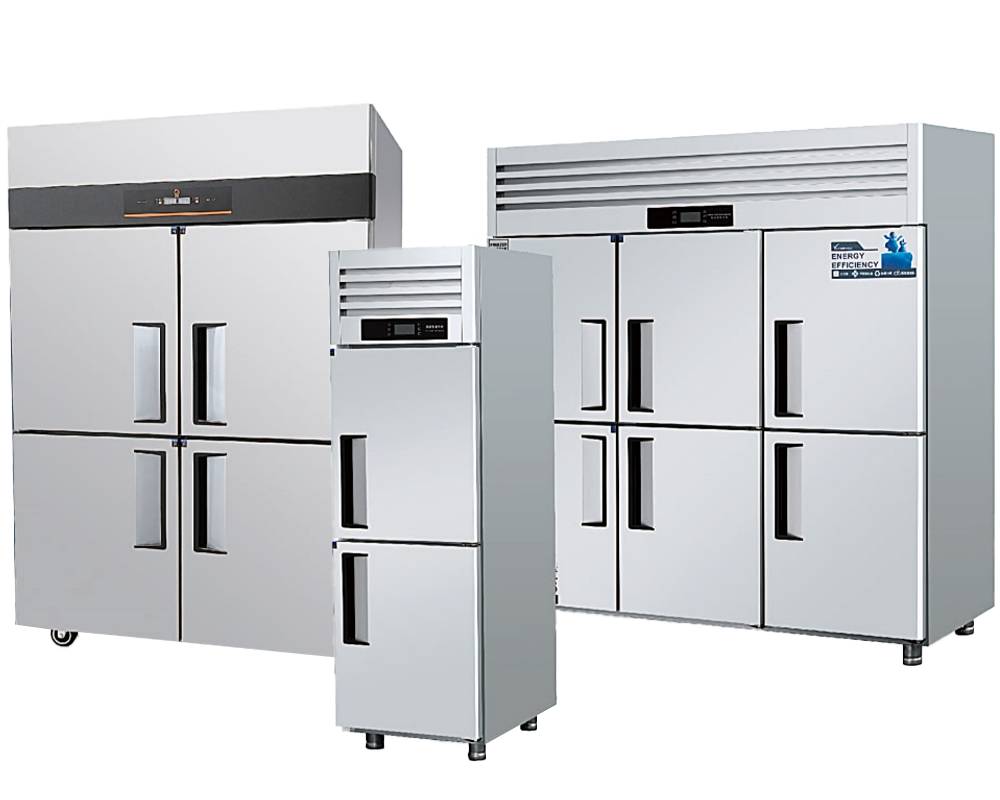 Commercial Vertical Direct-cool Stainless Steel Reach-in Refrigerator
-
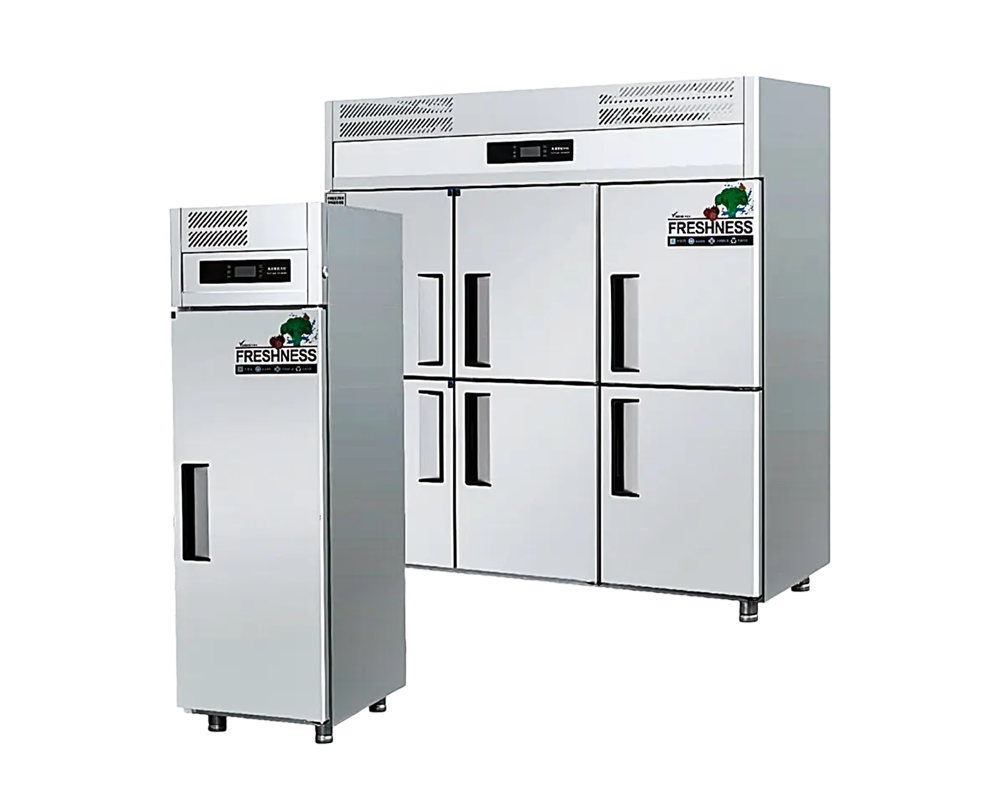 Commercial 201SUS Upright Air Cooling Reach-in Refrigerators
-
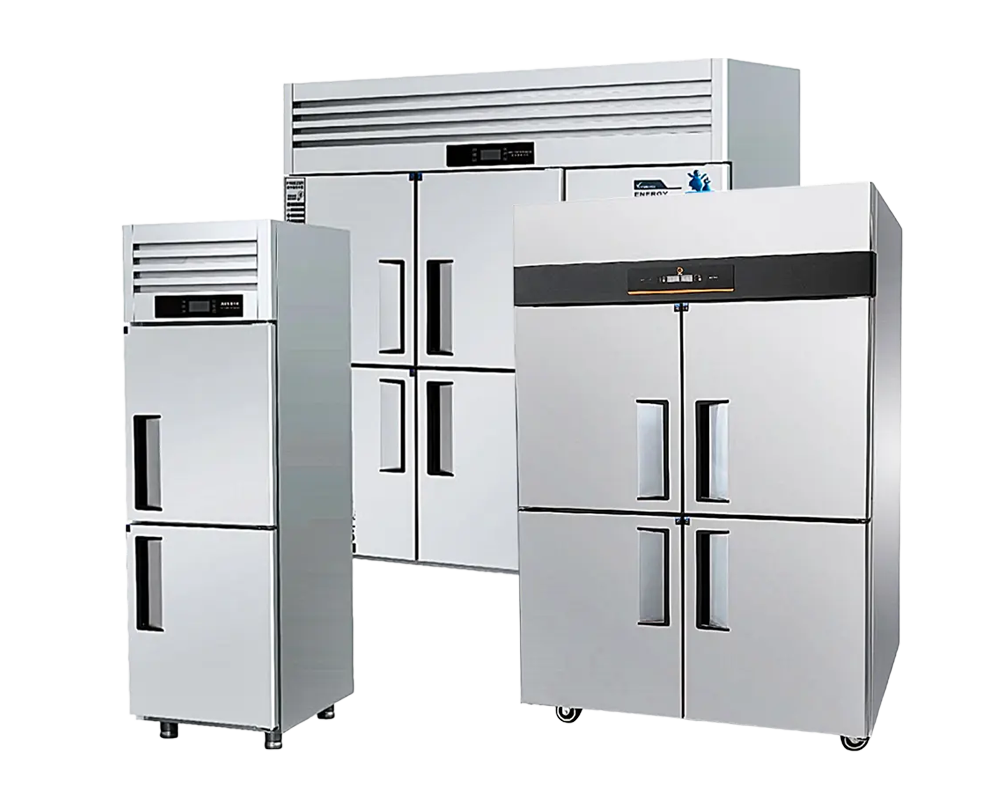 Commercial Direct-Cool Upright Reach-in Freezers
-
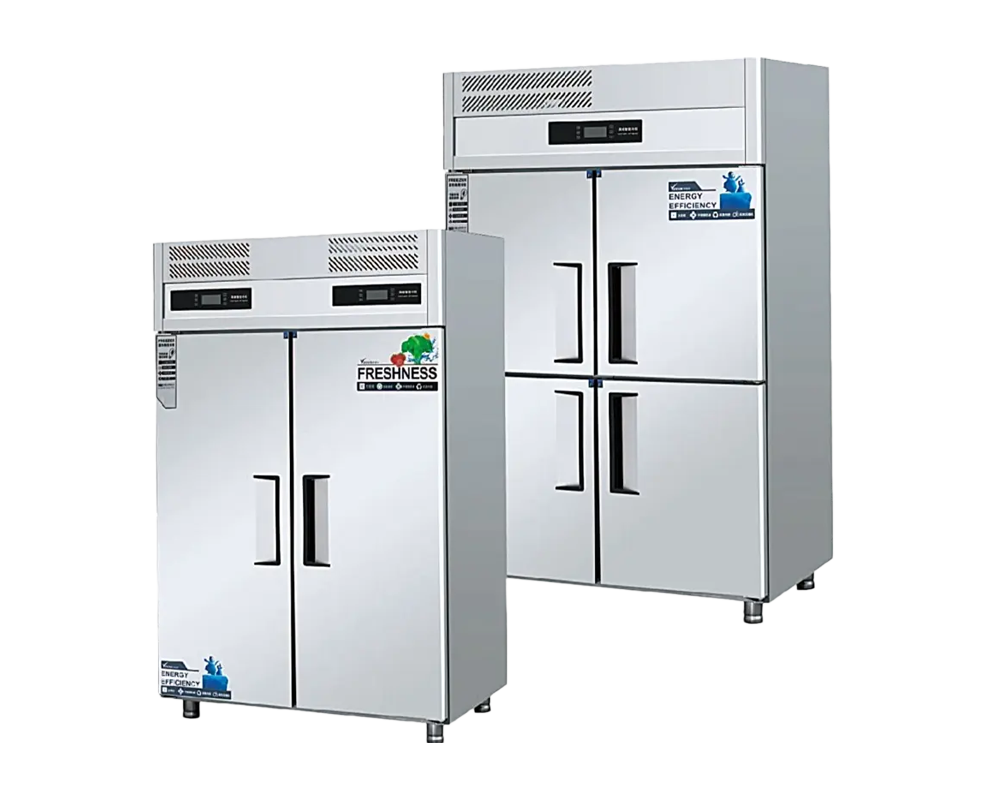 Commercial Stainless Steel Air Cooled Reach-in Vertical Freezers
-
 Dual Temperature Control Direct Cooling Commercial Upright Reach-in Refrigerators
-
 Commercial Vertical Air Cooled Intelligent Reach-in Freezer and Refrigerator
-
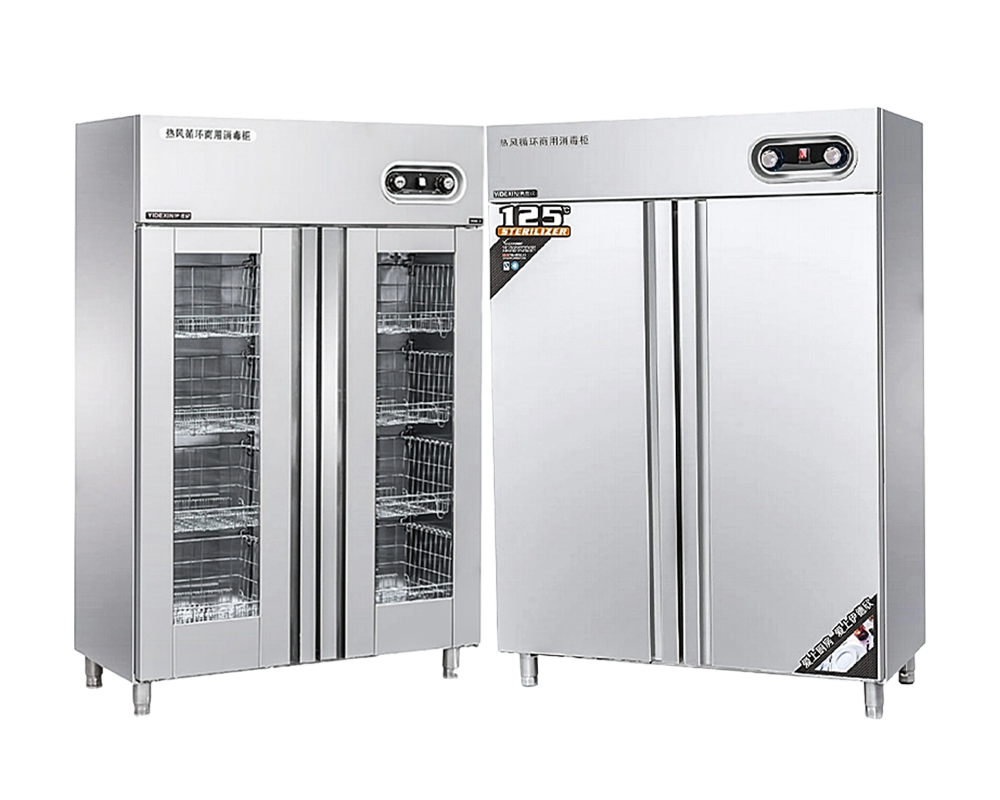 Stainless Steel/Glass Flat Door Sterilization Cabinet
-
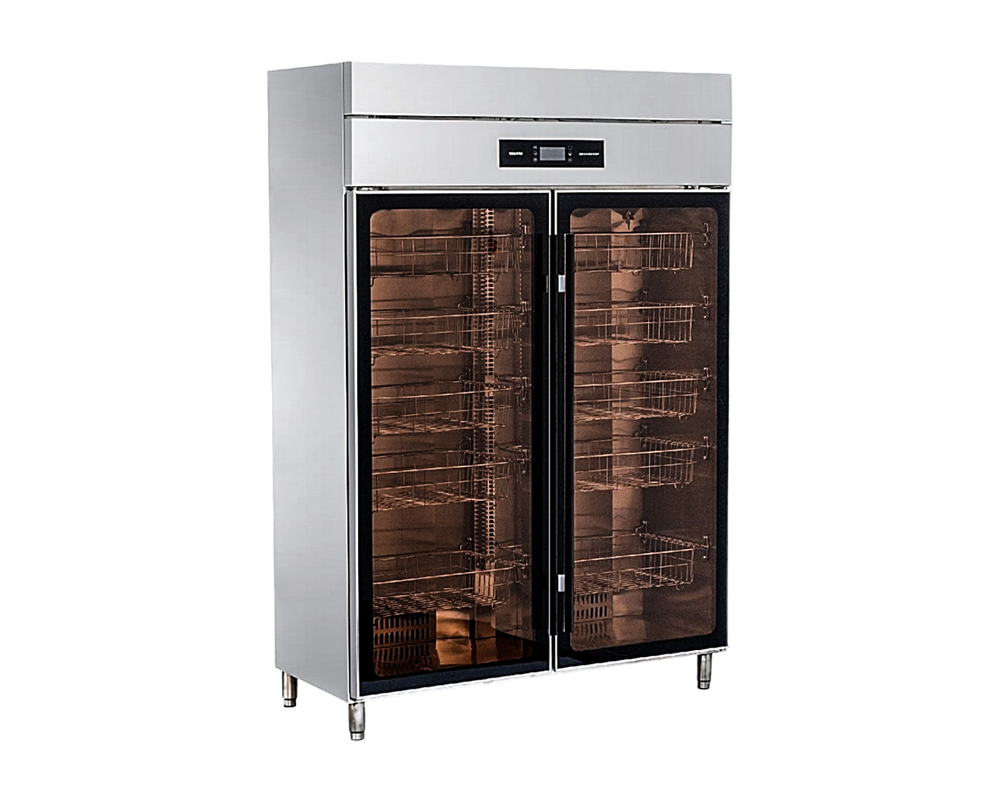 Multifunctional Three-mode High Temperature Glass Door Disinfection Cabinet
-
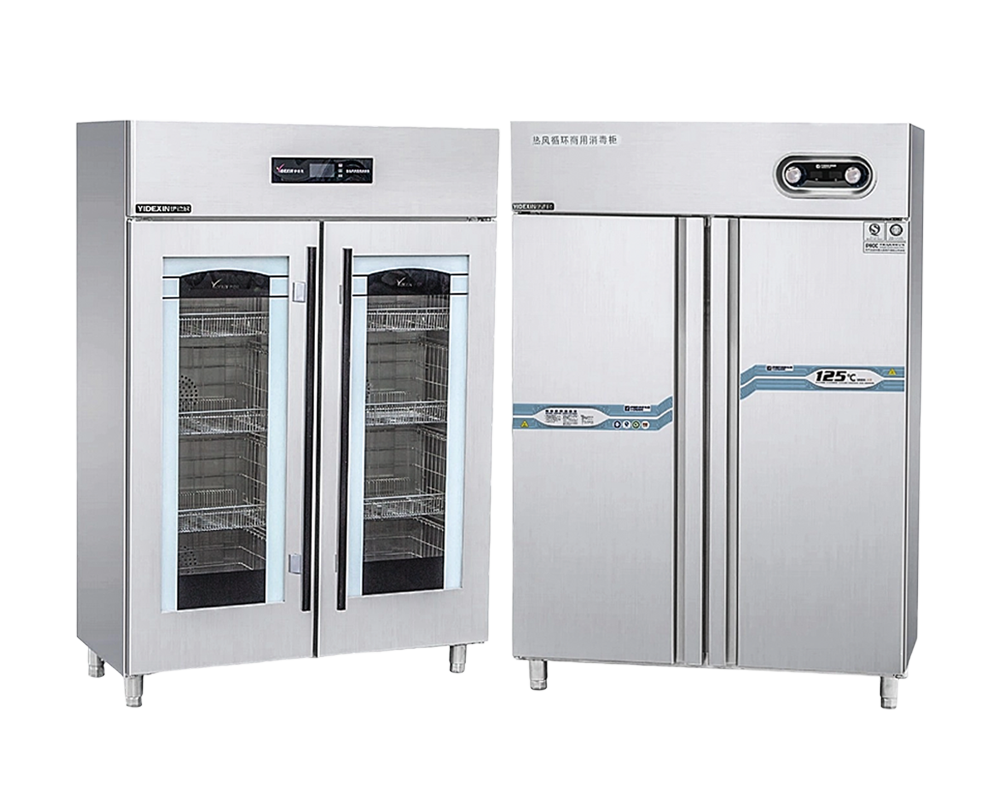 Commercial Restaurant Anti-Fingerprint Stainless Steel Disinfection Cabinet
-
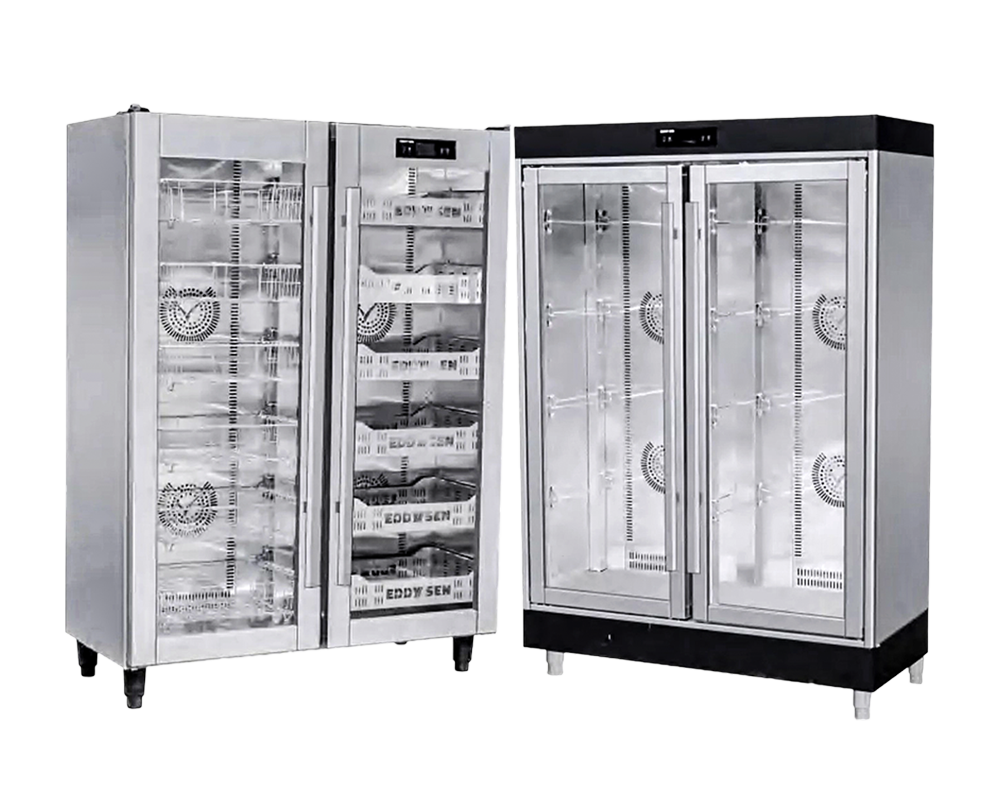 Intelligent Light Wave Stainless Steel UV Disinfection Cabinet
-
 [email protected] / [email protected]
-
 +86-15066977778 / +86-19012777577

-
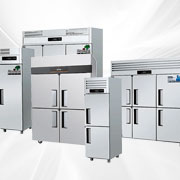 Reach-in Refrigerators
-
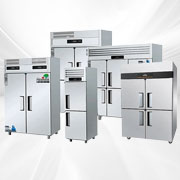 Reach-in Freezers
-
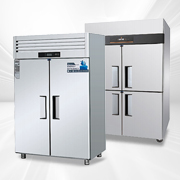 Dual Temperature Refrigerators
-
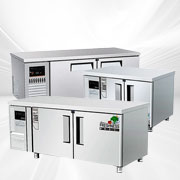 Worktop Refrigerators
-
 Worktop Freezers
-
 Salad Bar Refrigerators
-
 Combined Island Display Refrigerators
-
 Air Curtain Refrigerators
-
 Fresh Cabinets
-
 Display Refrigerators(Glass Door)
-
 Electric Rice Steamer Cabinets
-
 Gas Rice Steamer Cabinets
-
 Vertical Banquet Cabinets
-
 Horizontal Banquet Cabinets
-
 Heated Disinfection Cabinets
Home / News / Industry information / Air Curtain Refrigerators: An In-Depth Guide to Open-Front Refrigeration
Air Curtain Refrigerators: An In-Depth Guide to Open-Front Refrigeration
Content
- 1 What Are Air Curtain Refrigerators?
- 2 Purpose and Functionality
- 3 Growing Popularity in Commercial Settings
- 4 Benefits of the Open-Front Design
- 5 How Air Curtain Refrigerators Work
- 6 Enhanced Product Visibility and Accessibility
- 7 Energy Efficiency and Cost Savings
- 8 Improved Hygiene and Food Safety
- 9 Space Optimization and Flexible Layout Options
- 10 Increased Sales Through Impulse Purchases
- 11 Types of Air Curtain Refrigerators
- 12 Applications in Different Industries
- 13 Factors to Consider When Choosing an Air Curtain Refrigerator
What Are Air Curtain Refrigerators?
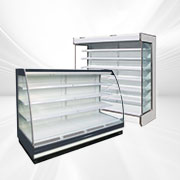
Air curtain refrigerators are specialized cooling units designed to maintain a consistent cold temperature while keeping the unit open at the front. Unlike traditional closed-door refrigerators, they use a stream of high-velocity air to create a barrier between the cold interior and the warmer external environment. This design allows customers to easily view and access products without compromising temperature control.
Purpose and Functionality
The main purpose of air curtain refrigerators is to combine the benefits of refrigeration with open accessibility. These units are particularly useful in retail and commercial settings where product visibility and quick access are crucial. They help preserve food safety, maintain freshness, and support energy efficiency through modern airflow technology.
Growing Popularity in Commercial Settings
Air curtain refrigerators have seen increasing adoption in supermarkets, convenience stores, cafes, and other commercial environments. Retailers favor these units because they enhance product presentation and encourage impulse buying. Additionally, their energy-efficient design helps businesses reduce electricity costs while offering a modern and appealing display.
Benefits of the Open-Front Design
Enhanced Visibility and Accessibility
The open-front design ensures that products are fully visible to customers, making it easier for them to select items without opening doors. This convenience increases the likelihood of impulse purchases and improves overall customer satisfaction.
Energy Efficiency and Cost Savings
Although these refrigerators are open-front, the air curtain technology significantly reduces cold air loss. By creating a barrier of circulating air, they maintain consistent temperatures while using less energy than traditional open coolers, resulting in lower utility bills.
Improved Hygiene and Food Safety
The continuous flow of cold air helps prevent temperature fluctuations that can compromise food safety. Additionally, the open design facilitates easier cleaning and maintenance, reducing the risk of bacterial growth and contamination.
Flexible Layout and Space Optimization
Air curtain refrigerators can be easily integrated into various store layouts, including multi-deck arrangements or island displays. Their open design allows for better use of retail space, enhancing both aesthetics and functionality.
How Air Curtain Refrigerators Work
Air curtain refrigerators are designed to maintain a consistent temperature in open-front displays while minimizing energy loss. Understanding how they work helps businesses optimize efficiency, preserve food quality, and enhance customer experience.
The Science Behind Air Curtain Technology
Air curtain refrigerators use a high-velocity stream of air directed across the open front of the display. This invisible barrier prevents warm room air from entering the refrigerated space, effectively keeping cold air inside. The technology relies on precise airflow dynamics and temperature control to maintain optimal conditions.
Key components include a fan system to circulate air, a cooling coil to reduce the temperature, and an air deflector that ensures the cold air stream is evenly distributed. These components work together to reduce energy consumption while maintaining product freshness.
Circulation of Cold Air and Temperature Maintenance
The circulation system in an air curtain refrigerator continuously moves cold air over the displayed products. Cold air sinks naturally, while the air curtain prevents warm air from entering. This constant movement helps maintain a uniform temperature throughout the cabinet.
Temperature sensors are often installed to monitor conditions in real time. When the temperature rises above the set threshold, the cooling system automatically adjusts to maintain optimal freshness. This ensures that products like dairy, produce, and beverages stay at safe temperatures for longer periods.
Types of Air Curtains
Air curtain refrigerators come in different configurations depending on the layout and product requirements. The main types include:
- Vertical Air Curtains: These direct air downward across the open front, ideal for tall or multi-deck displays.
- Horizontal Air Curtains: These push air horizontally across shorter displays, commonly used in low-profile cases or beverage coolers.
- Combination Systems: Some units integrate both vertical and horizontal airflow to cover larger openings and optimize temperature consistency.
Choosing the right type of air curtain depends on the store layout, product type, and traffic flow. Proper installation and calibration ensure that cold air is retained efficiently, reducing energy costs and improving product shelf life.
Enhanced Product Visibility and Accessibility
Air curtain refrigerators feature an open-front design that allows customers to view products clearly without opening doors. This design increases accessibility, making it easier for shoppers to reach items quickly. Retailers benefit from faster product turnover and improved customer experience due to the convenience of easy access.
With multi-deck configurations, air curtain refrigerators can display a wide variety of items in organized sections. Each product category, from beverages to fresh produce, can be arranged for maximum visibility, enhancing the appeal and making it easier for customers to find what they need.
Energy Efficiency and Cost Savings
Air curtain refrigerators are designed to maintain temperature with minimal energy usage. By creating a consistent cold air barrier, they reduce the loss of refrigerated air, resulting in lower electricity bills. Energy-efficient compressors and fans further optimize power consumption.
Some models feature smart temperature control systems that adjust cooling based on usage patterns, peak shopping hours, or ambient temperature. This advanced technology ensures minimal energy waste while keeping products fresh.
Improved Hygiene and Food Safety
By maintaining a controlled airflow, air curtain refrigerators help prevent contamination from external sources such as dust, insects, or temperature fluctuations. This feature is especially important for perishable items like dairy, meat, and fresh produce.
Many units include easy-to-clean surfaces and removable shelves, simplifying regular maintenance. Consistent temperature monitoring also ensures that food safety standards are met, reducing the risk of spoilage or bacterial growth.
Space Optimization and Flexible Layout Options
Air curtain refrigerators are available in multiple sizes and configurations, including multi-deck and single-deck units. This flexibility allows retailers to optimize store layouts, maximize product exposure, and make efficient use of floor space.
Shelving can often be adjusted to accommodate different product heights, and units can be positioned back-to-back or along walls to create logical shopping pathways. This adaptability ensures both convenience for shoppers and operational efficiency for store managers.
Increased Sales Through Impulse Purchases
Open-front air curtain refrigerators strategically display popular or seasonal products at eye level, encouraging impulse buying. The visibility of fresh and appealing products entices customers to make additional purchases they might not have planned.
Retailers often use LED lighting and attractive shelving arrangements to further enhance product appeal. Studies show that well-displayed refrigerated items can increase sales by up to 20% compared to traditional closed-door units.
Types of Air Curtain Refrigerators
Air curtain refrigerators come in various types to meet different commercial refrigeration needs. Understanding these types helps businesses select the right model for their products and space.
Multi-Deck Display Cases
Multi-deck display cases are designed to showcase a wide variety of products on multiple shelves. They are commonly used in supermarkets and convenience stores for items like beverages, dairy, and packaged foods. Their open-front design allows easy access while maintaining consistent cooling with the air curtain technology.
Remote and Self-Contained Models
Air curtain refrigerators can either be remote or self-contained:
- Remote models use an external compressor unit, which reduces heat and noise in the display area and allows flexible placement in large stores.
- Self-contained models have built-in compressors, making them easier to install and maintain, suitable for smaller stores or locations with limited technical support.
Product-Specific Cases
Air curtain refrigerators are often tailored to specific product types to optimize storage conditions:
- Dairy Cases: Designed to maintain consistent cold temperatures for milk, cheese, and yogurt, preventing spoilage and extending shelf life.
- Deli Cases: Suitable for pre-packaged meats, cold cuts, and prepared foods, offering high visibility and easy access for customers.
- Produce Cases: Optimized for fruits and vegetables, ensuring proper airflow to maintain freshness and reduce moisture buildup.
- Meat Cases: Designed to store raw and processed meats at safe temperatures, often equipped with humidity control to prevent drying.
- Beverage Cases: Ideal for bottled and canned drinks, with adjustable shelving to accommodate different sizes and maximize display efficiency.
Customizable Options
Many air curtain refrigerators offer customizable options such as adjustable shelving, modular units, and temperature zones. These features allow businesses to tailor the display to their product mix, store layout, and customer accessibility preferences.
Choosing the right type of air curtain refrigerator involves considering product type, store size, energy efficiency, and maintenance needs. By understanding the different types, businesses can maximize both product visibility and energy savings.
Applications in Different Industries
Supermarkets and Grocery Stores
Air curtain refrigerators are widely used in supermarkets and grocery stores to display fresh produce, dairy products, beverages, and meats. By maintaining a consistent cold temperature, these units help preserve product freshness and extend shelf life. The open-front design allows customers to quickly browse and pick items, improving shopping convenience and boosting sales. Many stores also use multi-deck display cases to maximize product visibility and optimize floor space.
Convenience Stores and Gas Stations
In smaller retail spaces such as convenience stores and gas stations, air curtain refrigerators offer an efficient way to display cold beverages, snacks, and ready-to-eat foods. The compact designs of self-contained or remote models fit limited floor areas while keeping energy consumption low. These refrigerators also encourage impulse purchases by keeping products visible and easily accessible.
Restaurants and Cafes
Restaurants and cafes utilize air curtain refrigerators primarily for displaying desserts, beverages, and pre-prepared meals. Open-front designs enhance the aesthetic appeal of the products and allow customers to make quick selections. These units also assist staff in maintaining food safety standards by keeping items at the correct temperatures while allowing easy access for service.
Florists
Air curtain refrigerators are highly effective for florists, as they help preserve flowers, plants, and arrangements by maintaining a cool and humid environment. Open-front display cases allow customers to see the full variety of products while ensuring flowers remain fresh for longer periods. Customizable shelving options make it easy to display bouquets and potted plants of different sizes.
Pharmacies
Pharmacies often need specialized refrigeration for temperature-sensitive products such as vaccines, medicines, and supplements. Air curtain refrigerators provide consistent cooling and allow easy access for staff and customers. With proper temperature monitoring and energy-efficient features, these units help maintain product efficacy while reducing operational costs.
Catering and Event Services
For catering businesses, air curtain refrigerators are valuable for temporary setups at events or large-scale food preparation areas. They can store ingredients, desserts, and beverages in an organized and accessible manner. Portable or modular designs allow flexibility in layout and placement, ensuring efficient service while maintaining food safety standards.
Factors to Consider When Choosing an Air Curtain Refrigerator
1. Size and Capacity Requirements
Choosing the right size and capacity for your air curtain refrigerator is critical to ensure it meets your storage needs without wasting space or energy. Consider the volume of products you typically store, peak inventory levels, and the types of items that need refrigeration. For instance, beverages may require more shelf space, while produce often needs wider spacing for proper air circulation.
2. Energy Efficiency Ratings
Energy efficiency is a major factor in reducing operating costs. Look for refrigerators with high Energy Star ratings or similar certifications. Energy-efficient models often feature LED lighting, optimized fans, and insulated panels that reduce cold air loss. Over time, a higher upfront cost can be offset by lower electricity bills.
3. Temperature Control and Consistency
Maintaining consistent temperatures is essential to preserve food quality and safety. Examine the refrigerator's thermostat precision, airflow design, and cooling technology. Some models provide digital temperature displays and smart control systems, allowing real-time adjustments and alerts to prevent spoilage.
4. Maintenance and Cleaning Requirements
Regular maintenance ensures longevity and optimal performance. Consider models that offer easily accessible air filters, removable shelves, and self-cleaning features. Evaluate the ease of disassembly and cleaning of trays and condensers. A low-maintenance design can save time and reduce the risk of operational issues.
5. Cost and Budget Considerations
While upfront cost is important, consider the total cost of ownership. This includes electricity consumption, maintenance expenses, and potential repairs. Balance features, size, and energy efficiency against your budget to select a model that offers long-term value without compromising on performance.

-
 Add.
Add.
Sales Center:Room 410, Floor T3-4, Zhonghai Development Building, No. 888, Kejiguan Street, Binjiang District, Hangzhou, Zhejiang,China
Factory Address:100 Meters South Of Zhongmao Village, Xingfu Town, Boxing County, Binzhou City, Shandong Province, P.R.China
Sales Center:Room 410, Building 15, Tianan Headquarters Center, 555 North Panyu Avenue, Donghuan Street, Panyu District, Guangzhou City, china
-
 Tel.
+86-15066977778+86-19012777577
Tel.
+86-15066977778+86-19012777577 -
 Email.
Quick Links
Product Fast Links
Mobile Terminal
Copyright @Hangzhou Eddysen Catering Equipment Co., Ltd.All rights reserved. Commercial Freezer Manufacturer