 English
 中文简体
中文简体 Español
 عربى
عربى
-
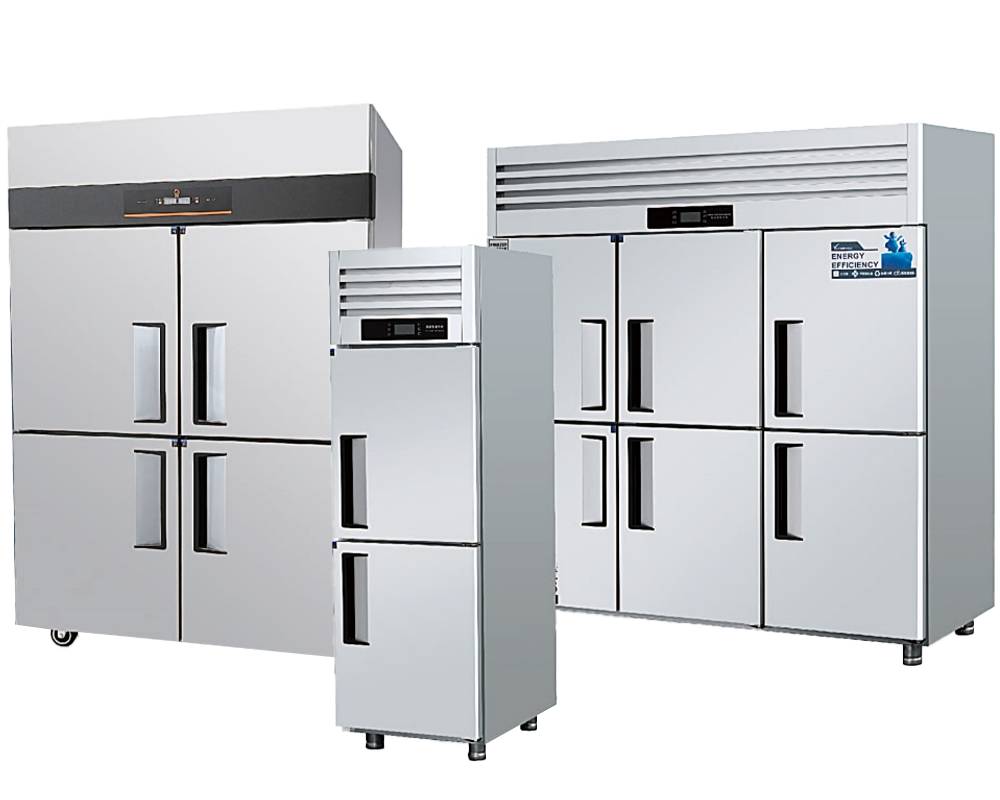 Commercial Vertical Direct-cool Stainless Steel Reach-in Refrigerator
-
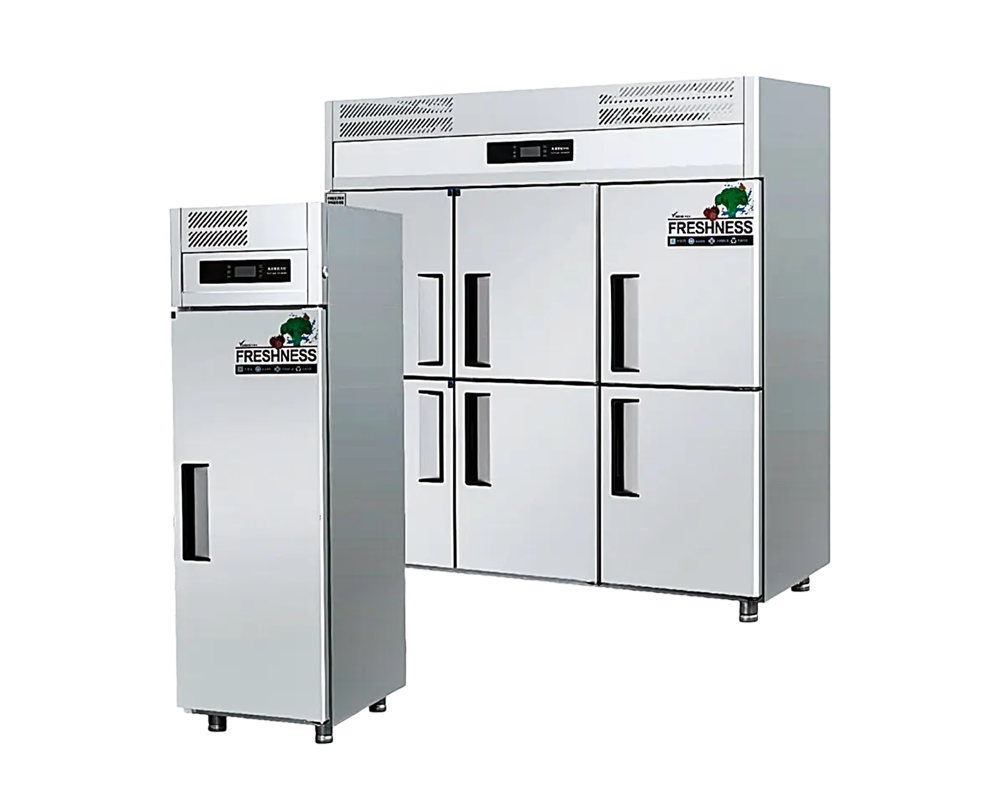 Commercial 201SUS Upright Air Cooling Reach-in Refrigerators
-
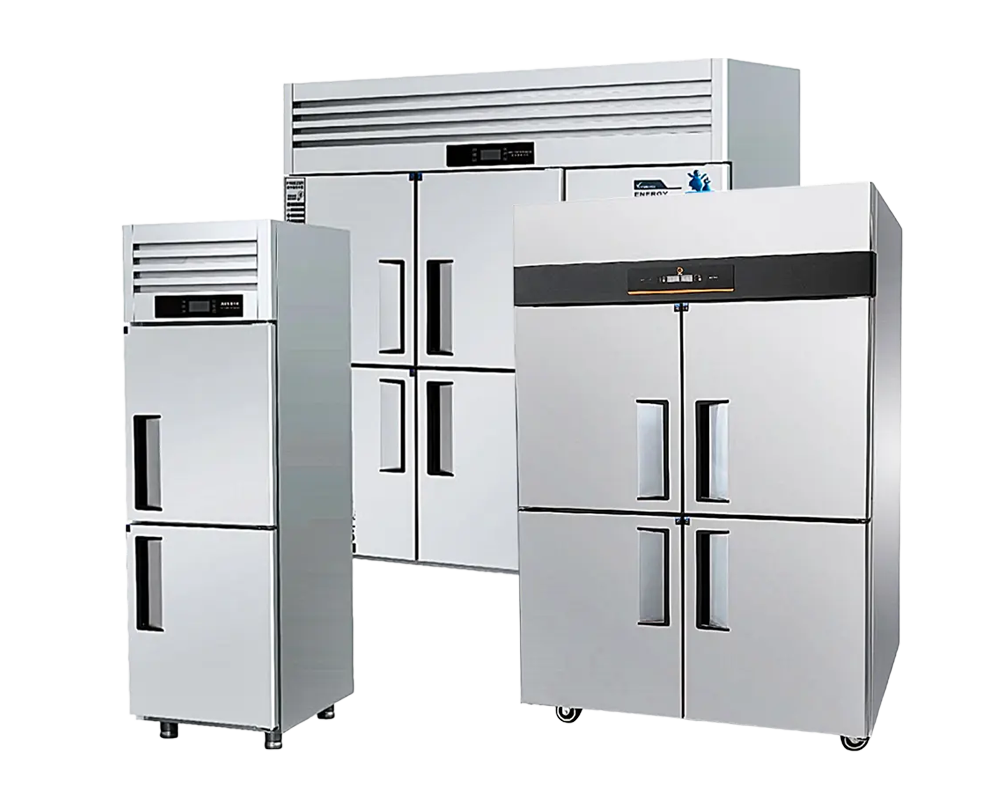 Commercial Direct-Cool Upright Reach-in Freezers
-
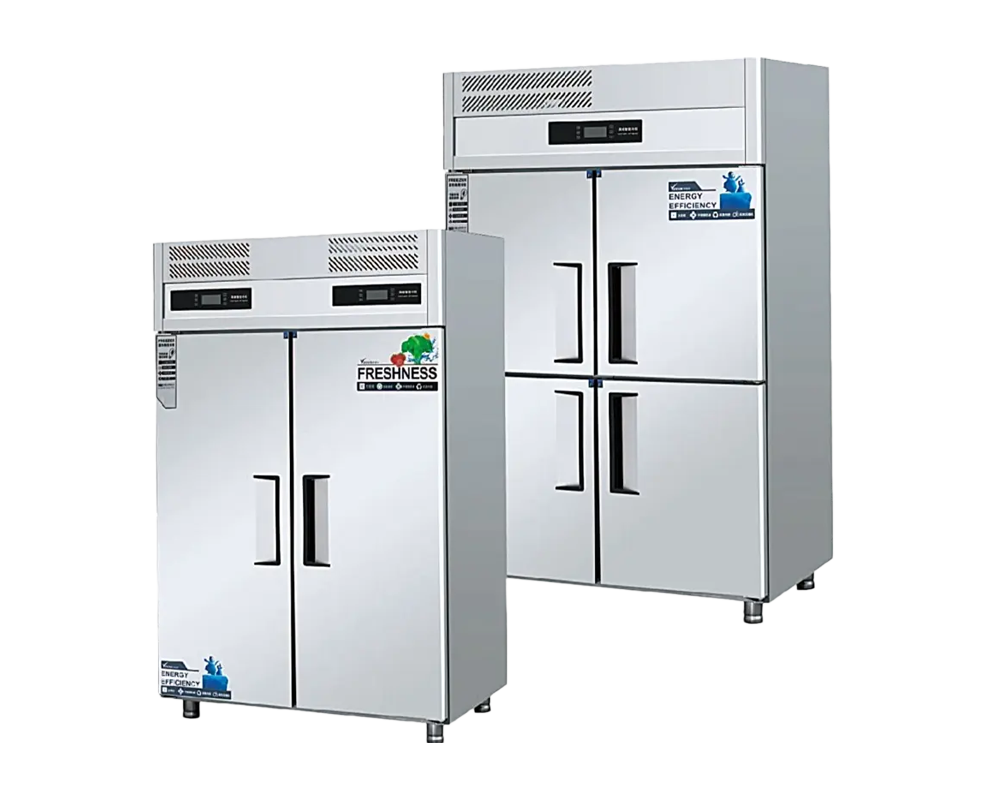 Commercial Stainless Steel Air Cooled Reach-in Vertical Freezers
-
 Dual Temperature Control Direct Cooling Commercial Upright Reach-in Refrigerators
-
 Commercial Vertical Air Cooled Intelligent Reach-in Freezer and Refrigerator
-
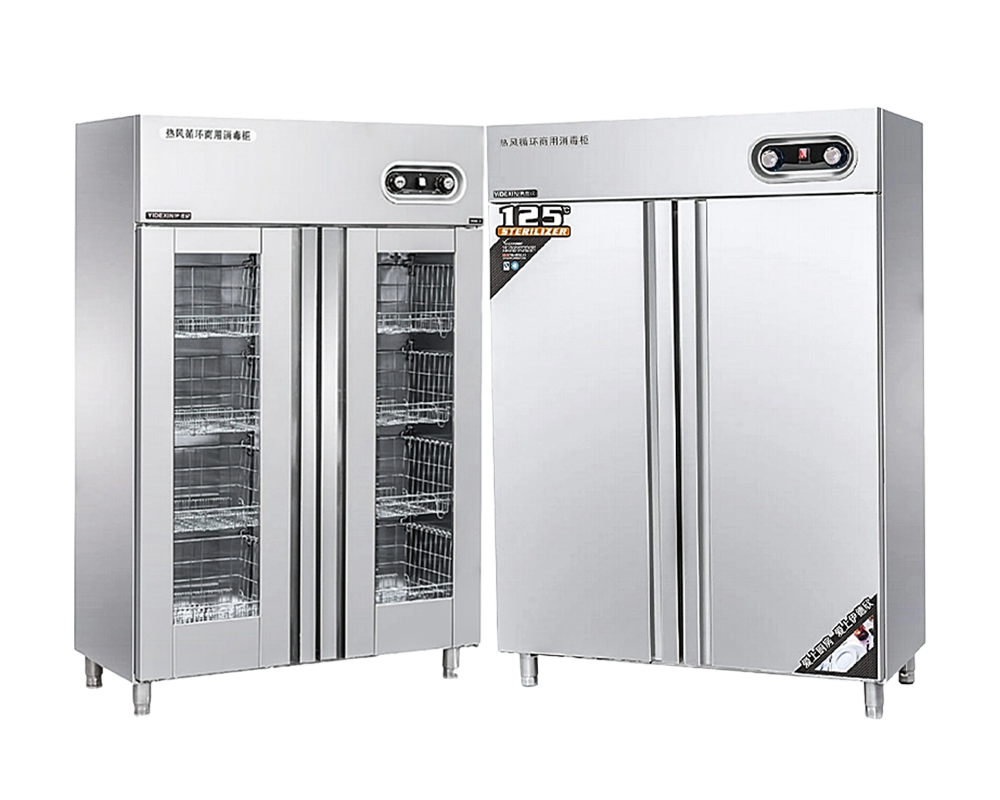 Stainless Steel/Glass Flat Door Sterilization Cabinet
-
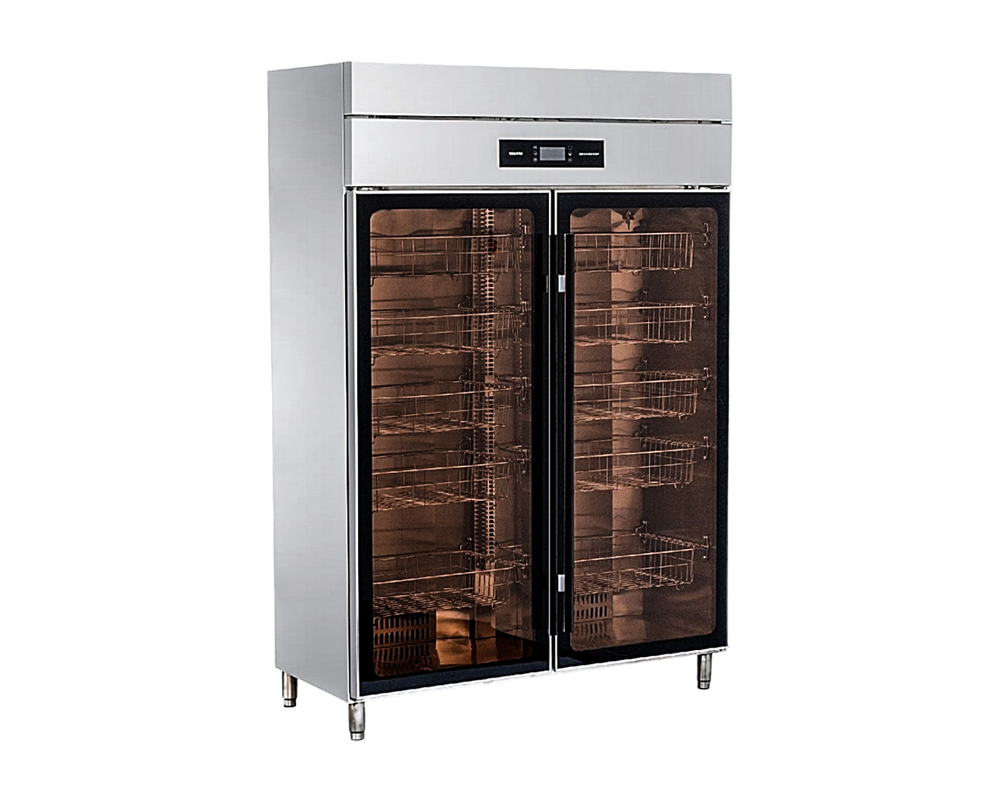 Multifunctional Three-mode High Temperature Glass Door Disinfection Cabinet
-
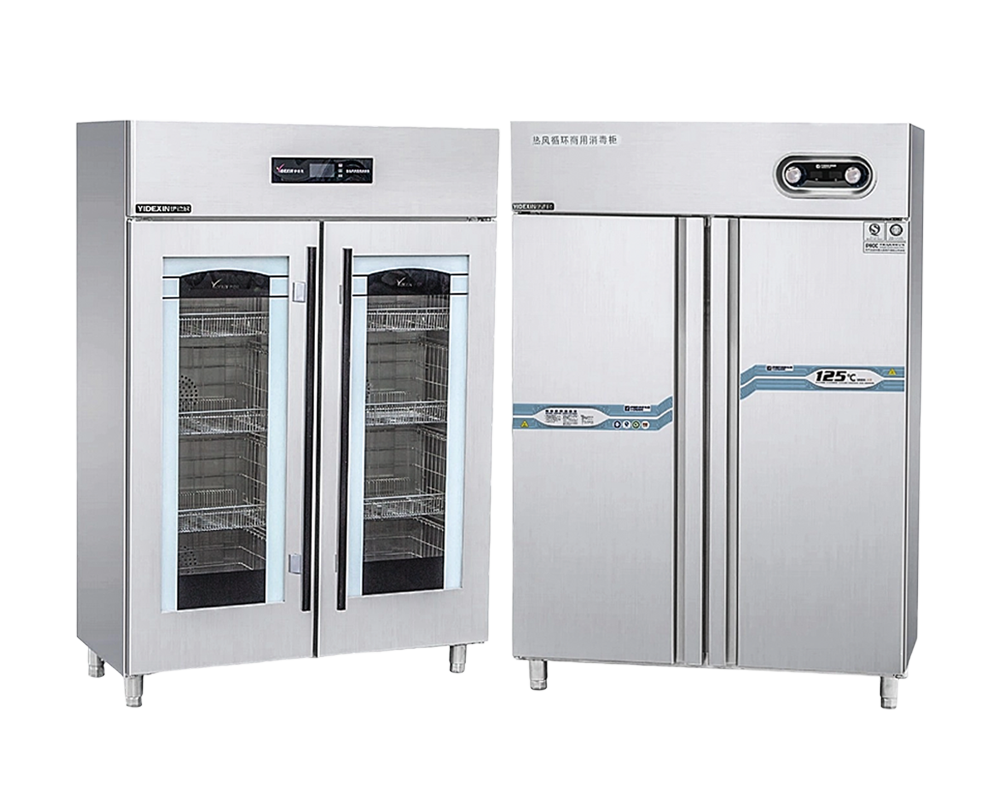 Commercial Restaurant Anti-Fingerprint Stainless Steel Disinfection Cabinet
-
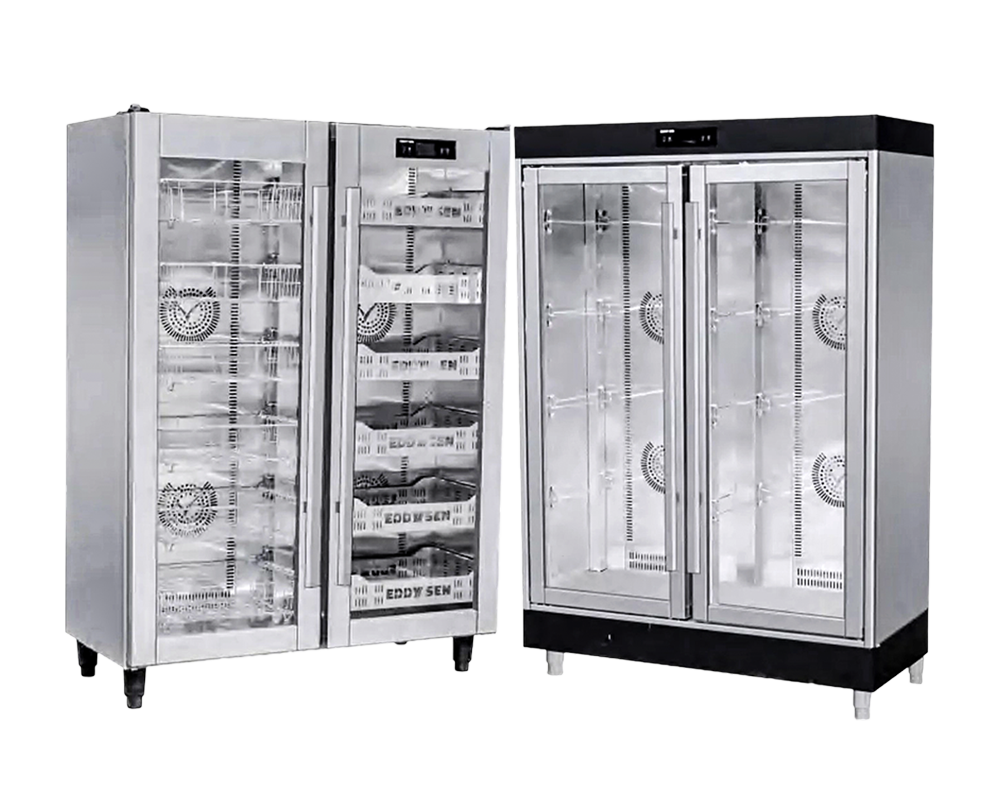 Intelligent Light Wave Stainless Steel UV Disinfection Cabinet
-
 [email protected] / [email protected]
-
 +86-15066977778 / +86-19012777577

-
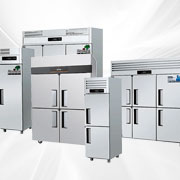 Reach-in Refrigerators
-
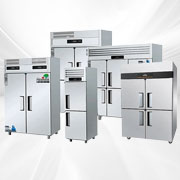 Reach-in Freezers
-
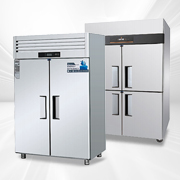 Dual Temperature Refrigerators
-
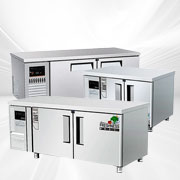 Worktop Refrigerators
-
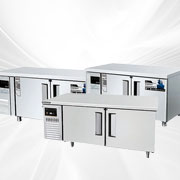 Worktop Freezers
-
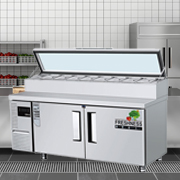 Salad Bar Refrigerators
-
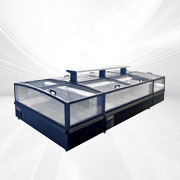 Combined Island Display Refrigerators
-
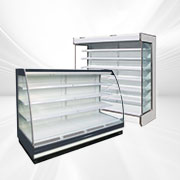 Air Curtain Refrigerators
-
 Fresh Cabinets
-
 Display Refrigerators(Glass Door)
-
 Electric Rice Steamer Cabinets
-
 Gas Rice Steamer Cabinets
-
 Vertical Banquet Cabinets
-
 Horizontal Banquet Cabinets
-
 Heated Disinfection Cabinets
Home / News / Industry information / Revolutionizing Food Storage: The Role of Fresh Cabinets in Modern Kitchens
Revolutionizing Food Storage: The Role of Fresh Cabinets in Modern Kitchens
Content
1. Introduction
In an era where consumers are increasingly prioritizing freshness, nutrition, and sustainability, the way we store our food is undergoing a profound transformation. Enter the fresh cabinet—a sophisticated storage appliance designed specifically to extend the life and preserve the quality of perishable goods. Unlike traditional refrigerators that provide a one-size-fits-all cold environment, fresh cabinets offer precise control over temperature and humidity, creating optimal conditions for a wide range of items, from crisp leafy greens and ripe fruits to artisan breads and fine cheeses.
The importance of these specialized units extends far beyond the modern home kitchen. In commercial settings—from bustling restaurant lines to the pristine displays of supermarket produce sections—fresh cabinets are becoming indispensable. They are the silent guardians of quality and profitability, helping businesses reduce spoilage, maintain ingredient integrity, and ensure that customers receive products at their peak. For households, they represent a shift towards smarter, more efficient food management, empowering families to waste less and enjoy fresher, more flavorful food for longer.
This growing reliance on optimized storage is fueling a robust and innovative market. The global demand for fresh storage solutions is on the rise, driven by a confluence of factors: a heightened awareness of global food waste issues, the burgeoning market for organic and locally-sourced produce, and rapid advancements in smart home and IoT technology. This article will delve into the world of fresh cabinets, exploring their types, technologies, and the myriad benefits they bring to both industries and homes, ultimately painting a picture of their pivotal role in the future of food storage.
2. Types of Fresh Cabinets
As the demand for specialized food storage grows, so does the variety of fresh cabinets available on the market. Understanding the different types is crucial for selecting the right unit to meet specific needs, whether in a commercial enterprise or a private home. These cabinets can be broadly categorized into refrigerated, non-refrigerated, and hybrid models, each designed with distinct preservation goals in mind.
2.1 Refrigerated Fresh Cabinets
These are the most common type of fresh cabinets, functioning similarly to advanced refrigerators but with far greater precision. They are designed to maintain low temperatures, typically between 0°C and 10°C (32°F and 50°F), making them ideal for a wide array of perishable goods.
- Mechanism: They use a compressor-based cooling system to actively lower and maintain the cabinet’s internal temperature.
- Primary Use: Perfect for storing dairy products, meat, poultry, fish, and most fruits and vegetables that are sensitive to warmer temperatures. In commercial contexts, they are the workhorses of kitchens, walk-in coolers, and retail display cases.
- Key Feature: Many advanced models include separate zones with individual temperature and humidity controls, allowing users to store leafy greens (which require high humidity) alongside items like mushrooms (which require low humidity) in the same unit.
2.2 Non-Refrigerated (Ambient) Fresh Cabinets
Contrary to traditional cold storage, non-refrigerated fresh cabinets are designed to operate at room temperature but within a controlled environment. Their primary function is not to cool, but to regulate factors like humidity, ethylene gas, and air circulation.
- Mechanism: These cabinets often use passive cooling, humidity trays, activated carbon filters, and advanced ventilation systems to create an optimal “cellar-like” environment.
- Primary Use: They are exceptionally well-suited for produce that is sensitive to cold damage. This includes items like tomatoes, bananas, avocados, potatoes, onions, and tropical fruits, which can lose flavor and texture in a standard refrigerator. They are also ideal for storing bread, pastries, and certain cheeses that need to breathe.
- Key Feature: The focus is on preserving ripeness and preventing over-ripening or dehydration without the risk of freezing or chilling injury.
2.3 Hybrid Models and Multifunctional Units
Bridging the gap between cold and ambient storage, hybrid models represent the cutting edge of fresh cabinet technology. These versatile units offer the best of both worlds, providing customizable environments within a single appliance.
- Mechanism: Hybrid cabinets feature multiple, independently controlled compartments. One section may function as a refrigerated zone, while another can be switched to a non-refrigerated, humidity-controlled mode.
- Primary Use: They offer unparalleled flexibility, making them ideal for households and businesses with diverse storage needs. A user can store fresh fish in the chilled section while simultaneously ripening avocados or preserving potatoes in the ambient section.
- Key Feature: Often equipped with smart interfaces, these units allow users to easily switch modes, set schedules, and receive alerts, providing ultimate control over their food storage ecosystem. This multifunctionality maximizes space and utility, consolidating what would otherwise require multiple separate appliances.
By offering tailored environments, these distinct types of fresh cabinets ensure that every kind of food item can be stored in its ideal conditions, paving the way for significant reductions in waste and enhancements in food quality.
3.Key Features and Technologies
The effectiveness of a fresh cabinet is defined by the sophistication of its internal systems. Moving beyond simple cooling, these appliances employ a suite of advanced technologies designed to create and maintain the perfect environment for specific types of food. Understanding these features is key to appreciating how fresh cabinets truly revolutionize food storage.
3.1 Temperature and Humidity Control Systems
This is the cornerstone of any fresh cabinet. Precise control is what separates them from standard refrigerators.
- Independent Zones: Modern cabinets often feature multiple compartments where users can set different temperatures and humidity levels simultaneously. For example, one drawer can be set to a high-humidity, near-freezing setting for delicate herbs and leafy greens, while another is set to a cooler, low-humidity environment for meat and fish.
- Humidity Control: Using humidifiers and dehumidifiers, these cabinets can maintain relative humidity levels typically between 50% and 95%. High humidity reduces water loss, keeping vegetables crisp and fresh. Low humidity prevents condensation, which is crucial for storing dry goods or products susceptible to mold.
3.2 Air Circulation and Filtration Mechanisms
Stagnant, odor-filled air is a primary cause of food spoilage and cross-contamination. Fresh cabinets tackle this with advanced air management systems.
- Multi-Airflow Systems: Unlike the single vent of a traditional fridge, fresh cabinets use strategically placed vents and fans to ensure cold air is distributed evenly throughout the unit, eliminating hot and cold spots.
- Ethylene Gas Filtration: Ethylene is a natural plant hormone that accelerates ripening and can lead to premature spoilage. Many high-end fresh cabinets include activated carbon or photocatalyst filters that actively scrub ethylene from the air, significantly extending the life of produce like apples, bananas, and tomatoes.
- Odor Control: Integrated deodorizing filters, often using similar carbon or photocatalytic technology, neutralize volatile organic compounds (VOCs) and food odors, preventing flavors from transferring between different items stored in the cabinet.
3.3 Energy Efficiency and Eco-Friendly Designs
As sustainability becomes a paramount concern, manufacturers are prioritizing energy-saving technologies.
- Inverter Compressors: Unlike traditional compressors that cycle on and off at full power, inverter compressors adjust their speed continuously to maintain the desired temperature. This results in significant energy savings, quieter operation, and more stable temperature control.
- Improved Insulation: The use of high-density foam insulation in doors and walls minimizes cold loss, reducing the workload on the cooling system.
- Natural Refrigerants: A growing trend is the shift towards refrigerants with a lower Global Warming Potential (GWP), such as R600a (isobutane), which are more environmentally friendly than traditional fluorinated gases.
3.4 Smart Features: IoT Integration and Monitoring
The integration of smart technology is transforming fresh cabinets from passive storage units into active kitchen managers.
- Remote Monitoring and Control: Via a smartphone app, users can check internal temperatures, adjust settings, and receive alerts if a door is left open or the temperature rises unexpectedly—a critical feature for commercial operations.
- Inventory Management: Some advanced models feature internal cameras or weight sensors, allowing users to see the contents of their cabinet remotely. Coupled with AI, these systems can even track expiration dates and suggest recipes based on what’s inside.
- Diagnostics and Maintenance: Smart cabinets can run self-diagnostics, predict potential maintenance issues, and even alert service centers automatically, ensuring maximum uptime and performance.
These key features and technologies collectively empower both consumers and businesses to take an unprecedented level of control over their food’s freshness, quality, and longevity.
4. Benefits of Using Fresh Cabinets
The integration of advanced fresh cabinets into kitchens, both commercial and residential, delivers a powerful return on investment that extends far beyond simple storage. By creating optimal preservation environments, these appliances unlock significant advantages that address some of the most pressing challenges in modern food management.
4.1 Extending the Shelf Life of Fresh Produce
This is the most direct and impactful benefit. Fresh cabinets are engineered to slow down the biological processes that lead to spoilage.
- How it works: By maintaining ideal, produce-specific levels of temperature and humidity, they dramatically reduce moisture loss (wilting) and slow down microbial growth (rot). The removal of ethylene gas further delays over-ripening.
- The Result: Items like strawberries, leafy greens, and herbs can last days, and in some cases weeks, longer than they would in a standard refrigerator. This translates to crispier vegetables, fresher herbs, and more flavorful fruits for a significantly extended period.
4.2 Reducing Food Waste in Households and Businesses
Extended shelf life has an immediate and powerful corollary: a drastic reduction in food waste. This is a critical benefit with both economic and environmental implications.
- For Households: Families can buy in bulk or from farmers’ markets with confidence, reducing the frequency of spoiled food being thrown away. This leads to direct savings on grocery bills and a smaller environmental footprint.
- For Businesses: Restaurants, cafes, and grocery stores operate on thin margins where food waste directly impacts profitability. Fresh cabinets allow for better inventory management, reduce the need for frequent deliveries, and minimize the amount of unsold, perished goods that must be discarded.
4.3 Maintaining Food Quality, Taste, and Nutrition
A fresh cabinet doesn’t just keep food from spoiling; it preserves its very essence. Standard refrigeration can degrade the quality of many foods.
- Preservation of Flavor and Texture: Tomatoes won’t become mealy, bread won’t stale as quickly, and lettuce will remain crisp. This ensures that the final dish, whether prepared at home or in a Michelin-starred kitchen, is of the highest possible quality.
- Retention of Nutrients: Many vitamins, such as Vitamin C and some B vitamins, are sensitive to air, light, and improper storage conditions. By slowing degradation, fresh cabinets help preserve the nutritional value of fruits and vegetables, ensuring consumers get the maximum health benefits from their food.
4.4 Enhancing Operational Efficiency for Restaurants and Stores
In a commercial context, fresh cabinets are a powerful tool for streamlining operations and enhancing customer experience.
- Optimized Kitchen Workflow: Chefs can prep ingredients in advance without fear of quality loss, leading to faster service during peak hours. Ingredients are always in a ready-to-use state.
- Improved Product Presentation: In retail, fresh cabinets with glass doors act as attractive display cases. The consistent, misty environment keeps produce looking vibrant and fresh all day, enticing customers and boosting sales.
- Inventory Flexibility: The ability to store a wider variety of perishable goods safely gives businesses more flexibility in their menu planning and product offerings, allowing them to respond better to market trends and seasonal availability.
By delivering these tangible benefits, fresh cabinets transition from being a luxury appliance to an essential component of a smart, sustainable, and efficient approach to food storage in the 21st century.
5. Applications Across Industries
The versatility of fresh cabinet technology has led to its widespread adoption across a diverse range of sectors. Each industry leverages the core benefits of extended freshness and reduced waste to address its unique challenges, demonstrating the universal value of optimized food storage.
5.1 Retail: Supermarkets and Convenience Stores
In the highly competitive retail landscape, product appearance and freshness are directly tied to sales and customer loyalty.
- Application: Fresh cabinets are used as both back-of-house storage and front-of-house display units. In the back, they ensure inventory stays fresh longer, reducing shrinkage. On the sales floor, sophisticated refrigerated and hybrid display cases keep produce, dairy, and ready-to-eat meals looking vibrant and appealing.
- Impact: This results in higher sales, reduced markdowns on nearly expired goods, and an enhanced reputation for quality. It also allows stores to confidently expand their offerings of fresh and organic products.
5.2 Food Service: Restaurants, Hotels, and Catering
For businesses where reputation hinges on the quality of every ingredient, fresh cabinets are a critical operational tool.
- Application: In restaurant kitchens, they provide dedicated storage for high-value ingredients like truffles, specialty cheeses, and fresh fish. Hotels use them in banquet kitchens to store pre-prepped ingredients for large events. Caterers rely on them to transport and store food safely on location.
- Impact: They enable consistent quality control, reduce last-minute ingredient shortages due to spoilage, and provide the flexibility to prepare for service in advance, thereby improving kitchen efficiency and plate presentation.
5.3 Healthcare: Hospitals and Cafeterias
In healthcare settings, food safety and nutritional integrity are non-negotiable, especially for patients with compromised immune systems or specific dietary needs.
- Application: Hospital kitchens and cafeterias use fresh cabinets to store raw ingredients for patient meals and salad bar items. The precise temperature and humidity control is crucial for preventing cross-contamination and maintaining the nutritional value of food designed for healing.
- Impact: This ensures strict compliance with food safety protocols (like HACCP), provides patients with safe and nutritious meals, and helps manage food costs for large-scale institutional feeding.
5.4 Household Use: Smart Kitchens and Pantries
The technology that powers commercial fresh cabinets is now being scaled for the home, revolutionizing domestic food management.
- Application: Integrated into modern smart kitchens, these units function as high-tech larders, pantries, and specialty storage zones. Home cooks can use them to properly ripen fruits, store a week’s worth of fresh vegetables, or keep bread at its ideal texture.
- Impact: They empower families to make fewer grocery trips, save money by reducing waste, and enjoy healthier, more flavorful meals. The integration with smart home systems adds a layer of convenience, allowing for remote monitoring and inventory management, which is a key component of the connected kitchen of the future.
From large-scale commercial operations to the heart of the home, fresh cabinets are proving to be an indispensable asset, tailoring the science of preservation to the specific demands of each environment.
6. Market Trends and Innovations
The fresh cabinet market is not static; it is being dynamically shaped by evolving consumer preferences, technological breakthroughs, and global sustainability imperatives. Understanding these trends is key to anticipating the future of food storage and the next wave of innovations in the industry.
6.1 Rising Demand for Fresh and Organic Foods
A fundamental shift in consumer consciousness is a primary driver of growth. Modern consumers are more educated and concerned about the source, quality, and nutritional value of their food.
- Impact: The global organic food market’s steady expansion creates a direct, parallel need for storage solutions that can preserve the integrity of these often more delicate and preservative-free products. Consumers investing in premium, organic produce are more likely to seek out technology that protects their investment and minimizes waste.
6.2 Technological Advancements in Cooling and Storage
Innovation is relentless, focusing on precision, efficiency, and connectivity.
- Precision Cooling: The development of more sophisticated sensors and variable-speed compressors allows for even finer control over temperature fluctuations, sometimes within a margin of ±0.5°C.
- AI-Powered Optimization: Emerging models use artificial intelligence to learn usage patterns and the specific storage needs of different foods, automatically adjusting settings to optimize freshness. For example, a cabinet might lower the humidity for mushrooms after a grocery shopping day and increase it for greens as the week progresses.
- IoT and Data Analytics: In commercial settings, IoT-enabled cabinets can now track inventory levels, monitor energy consumption in real-time, and even predict maintenance needs before a breakdown occurs, feeding valuable data into broader business management systems.
6.3 Sustainability Trends and Energy-Efficient Models
The “green” imperative is reshaping product design and consumer purchasing decisions.
- Energy Standards: With stricter global energy regulations, manufacturers are investing heavily in technologies like improved insulation, LED lighting, and the inverter compressors mentioned earlier to achieve top-tier energy ratings (e.g., ENERGY STAR).
- Circular Economy: There is a growing focus on using recycled materials in cabinet construction and designing products for easier disassembly and recycling at the end of their life cycle. Furthermore, the phase-out of high-GWP hydrofluorocarbon (HFC) refrigerants in favor of natural alternatives like propane (R290) and CO2 (R744) is a major industry-wide trend.
6.4 Forecasts for the Global Fresh Cabinet Market
The convergence of these trends points toward a robust and expanding market.
- Growth Trajectory: Market research firms consistently forecast strong compound annual growth (CAGR) for the global fresh cabinet market in the coming years. This growth is expected to be fueled by urbanization, rising disposable incomes in developing economies, and the continued expansion of the retail and food service sectors.
- Regional Hotspots: While North America and Europe remain significant markets due to high technological adoption, the Asia-Pacific region is projected to be the fastest-growing market, driven by a burgeoning middle class, rapid retail modernization, and changing dietary habits.
- Future Outlook: The market is moving towards smarter, more connected, and more specialized appliances. We can expect to see further segmentation, with cabinets designed specifically for vegan kitchens, gourmet ingredients, or medical-grade nutritional storage, solidifying their role as a central pillar of the modern food ecosystem.
7. Challenges and Considerations
While the benefits of fresh cabinets are compelling, their adoption and effective use are not without hurdles. A clear-eyed view of these challenges is essential for both businesses and consumers to make informed decisions and maximize the return on their investment.
7.1 High Initial Investment Costs
The advanced technology, precision components, and specialized materials that define a high-quality fresh cabinet come at a premium.
- For Consumers: A dedicated fresh cabinet can represent a significant addition to a kitchen appliance budget, often costing several times more than a standard refrigerator of similar size.
- For Businesses: For a restaurant or supermarket, outfitting a kitchen or sales floor with multiple units requires substantial capital expenditure. This can be a significant barrier to entry for small businesses or startups, requiring a careful calculation of the payback period through reduced waste and improved efficiency.
7.2 Maintenance and Operational Challenges
Sophisticated equipment demands sophisticated care. Neglecting maintenance can quickly negate the benefits.
- Complex Repairs: When systems like precision humidity controls, advanced compressors, or smart sensors fail, repairs often require specialized technicians, leading to higher service costs and potential downtime—a critical issue for a commercial operation reliant on the unit.
- Cleaning and Calibration: These cabinets are not “set and forget.” Seals need to be kept clean, filters (for ethylene, odors) must be replaced periodically, and sensors may require occasional calibration to ensure they are providing accurate readings. Failure to do so can compromise performance.
7.3 Adapting to Different Types of Produce
The very strength of fresh cabinets—their ability to create specific environments—can also be a source of complexity.
- The Knowledge Gap: Simply placing produce into a cabinet does not guarantee optimal results. Users must understand which items require high humidity (e.g., cucumbers, broccoli) versus low humidity (e.g., onions, garlic), and which are sensitive to cold (e.g., bananas, pineapples) versus those that require it (e.g., berries, milk).
- Risk of Misapplication: Storing a cold-sensitive tomato in a refrigerated drawer will still damage its texture and flavor, regardless of the cabinet’s technological prowess. Effective use requires a basic understanding of food science or reliance on pre-programmed settings, which may not cover every unique item.
7.4 Regulatory and Food Safety Compliance
In commercial settings, the use of any food storage equipment is governed by strict health and safety codes.
- Material and Design Standards: Cabinets must be constructed from food-safe, easy-to-clean materials and designed without crevices that could harbor bacteria.
- Temperature Logging: For businesses, regulations often require documented proof that food has been stored at safe temperatures. While many smart cabinets can automate this logging, the business is still responsible for ensuring the data is accurate, maintained, and accessible for health inspectors.
- Energy Regulations: As mentioned in trends, compliance with evolving energy efficiency standards is also a key consideration for manufacturers and large-scale buyers, influencing the available models and their operational costs.
By acknowledging and proactively addressing these challenges—through thorough research, proper training, and a commitment to maintenance—users can ensure they fully harness the powerful advantages that fresh cabinets offer.
8. Conclusion
8.1 Summary of Fresh Cabinet Advantages
The journey through the world of fresh cabinets reveals a clear and compelling narrative: these appliances are far more than a luxury or a simple upgrade. They represent a fundamental shift in our approach to food preservation. By leveraging precise temperature and humidity control, advanced air filtration, and smart technologies, fresh cabinets deliver tangible, significant advantages. They are powerful tools for extending shelf life, drastically reducing food waste, and preserving the nutritional and sensory quality of our food. From the bustling kitchen of a high-end restaurant to the heart of a family home, they enhance efficiency, promote sustainability, and ensure that the quality of ingredients is maintained from the point of purchase to the point of consumption.
8.2 The Future of Fresh Food Storage
The future of fresh food storage is intelligent, integrated, and indispensable. As Internet of Things (IoT) and Artificial Intelligence (AI) become more sophisticated, we can expect fresh cabinets to evolve from controlled environments into proactive kitchen partners. They will manage inventory, automatically order groceries, and tailor storage conditions in real-time based on the specific contents inside. The drive towards sustainability will continue to spur innovations in energy efficiency and the use of eco-friendly materials. Furthermore, as the market for fresh, organic, and locally-sourced foods grows, the fresh cabinet will become a critical enabler, allowing this supply chain to function with less waste and greater reliability.
8.3 Recommendations for Businesses and Consumers
- For Businesses (Restaurants, Retailers, Hospitality): View the investment in fresh cabinets not as an expense, but as a strategic asset. Conduct a thorough analysis of food waste costs to justify the initial outlay. Prioritize models with robust data logging for compliance and energy-efficient designs to lower operational costs. Proper staff training on the different storage zones is crucial to realizing the full return on investment.
- For Consumers: When considering a fresh cabinet, assess your family’s eating habits. If you frequently purchase fresh produce, value flavor and nutrition, and are conscious of food waste, the investment can pay for itself over time. Start by researching units with user-friendly interfaces and preset modes for different food types to simplify the transition. Look for models with strong energy ratings to align economic savings with environmental responsibility.
In closing, the fresh cabinet is no longer a niche appliance but a cornerstone of the modern, efficient, and conscious kitchen. By embracing this technology, both businesses and individuals can take a definitive step towards a future where freshness is prolonged, waste is minimized, and the true quality of our food is never compromised.

-
 Add.
Add.
Sales Center:Room 410, Floor T3-4, Zhonghai Development Building, No. 888, Kejiguan Street, Binjiang District, Hangzhou, Zhejiang,China
Factory Address:100 Meters South Of Zhongmao Village, Xingfu Town, Boxing County, Binzhou City, Shandong Province, P.R.China
Sales Center:Room 410, Building 15, Tianan Headquarters Center, 555 North Panyu Avenue, Donghuan Street, Panyu District, Guangzhou City, china
-
 Tel.
+86-15066977778+86-19012777577
Tel.
+86-15066977778+86-19012777577 -
 Email.
Quick Links
Product Fast Links
Mobile Terminal
Copyright @Hangzhou Eddysen Catering Equipment Co., Ltd.All rights reserved. Commercial Freezer Manufacturer