 English
 中文简体
中文简体 Español
 عربى
عربى
-
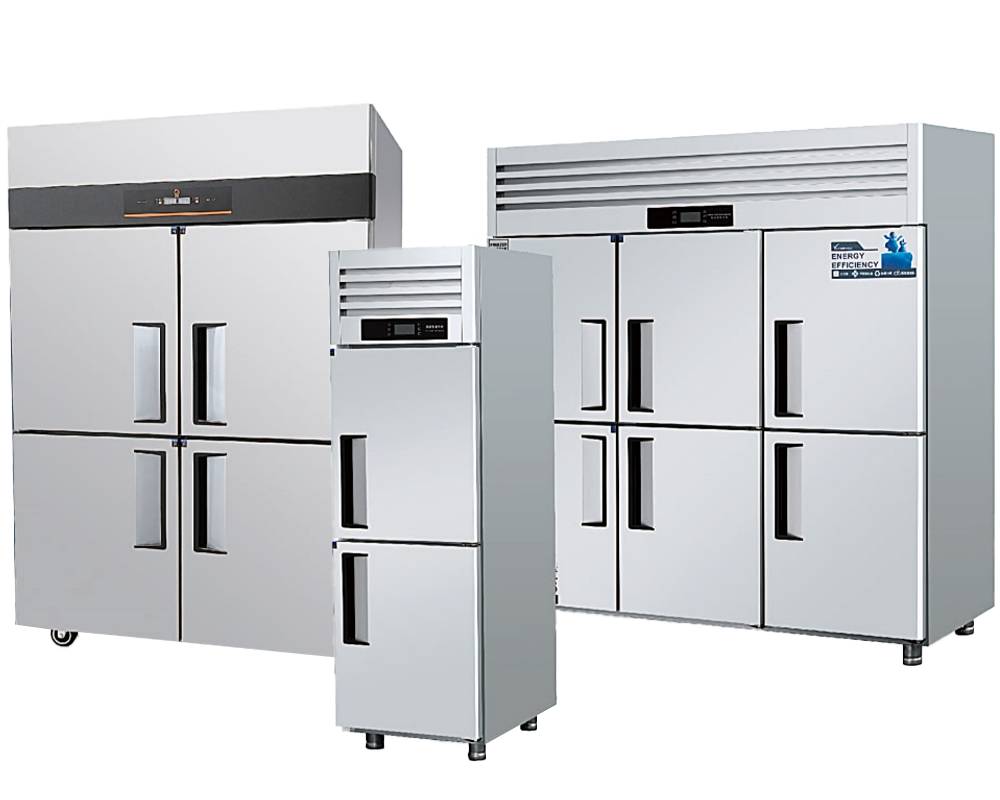 Commercial Vertical Direct-cool Stainless Steel Reach-in Refrigerator
-
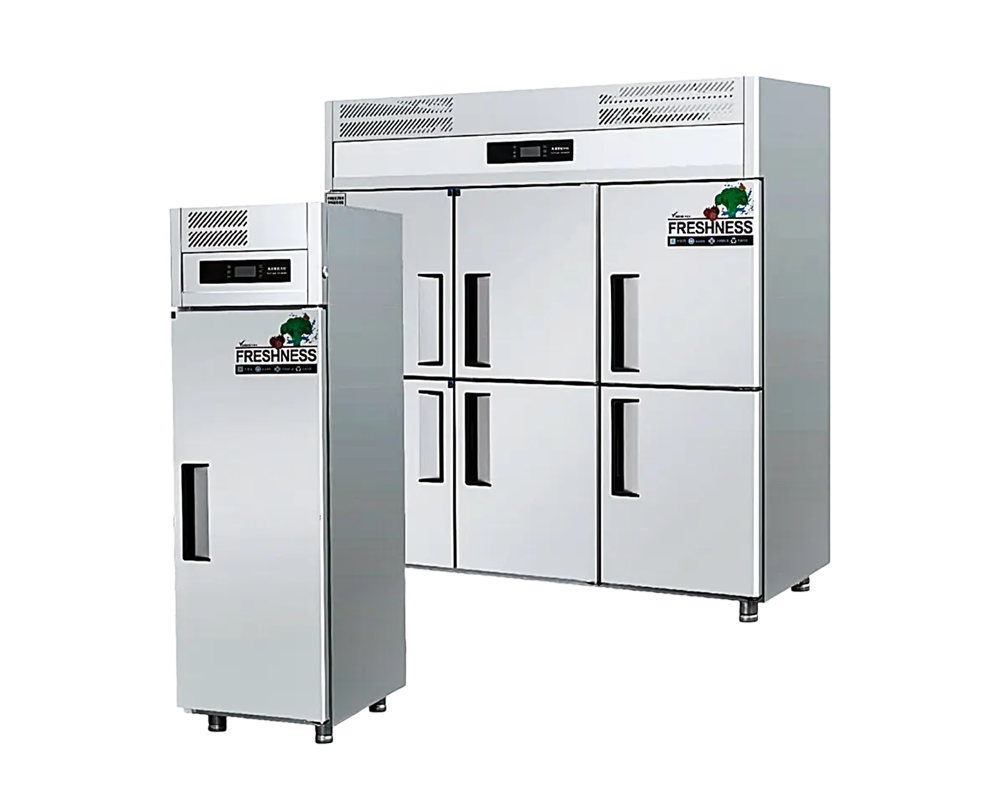 Commercial 201SUS Upright Air Cooling Reach-in Refrigerators
-
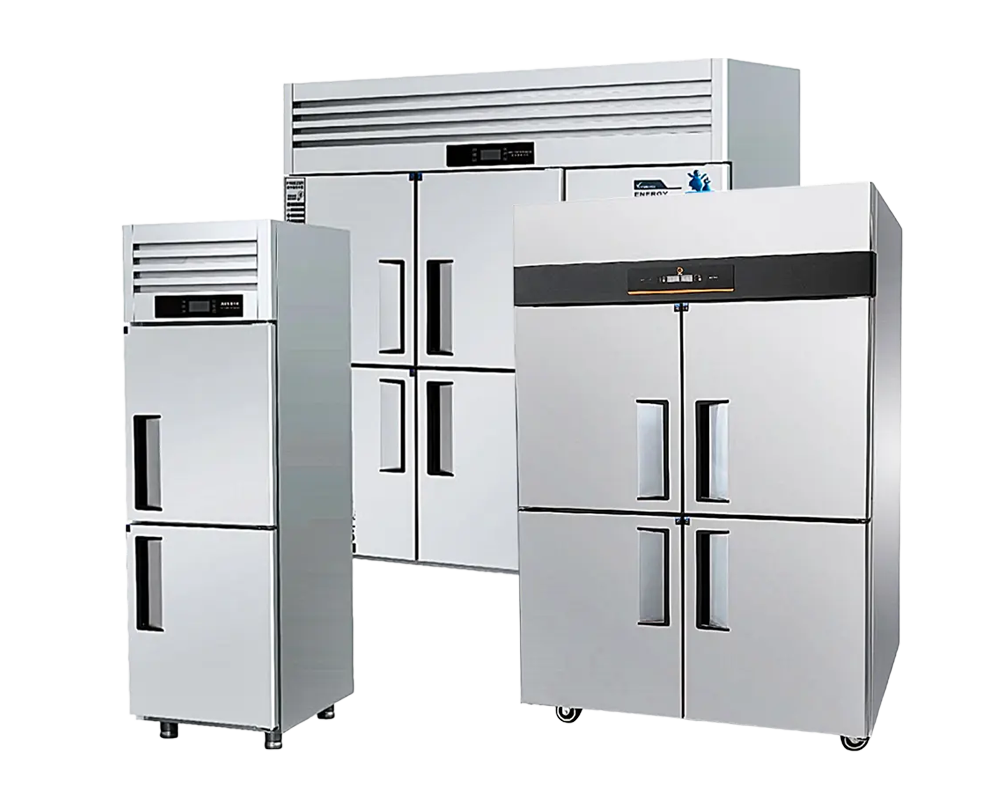 Commercial Direct-Cool Upright Reach-in Freezers
-
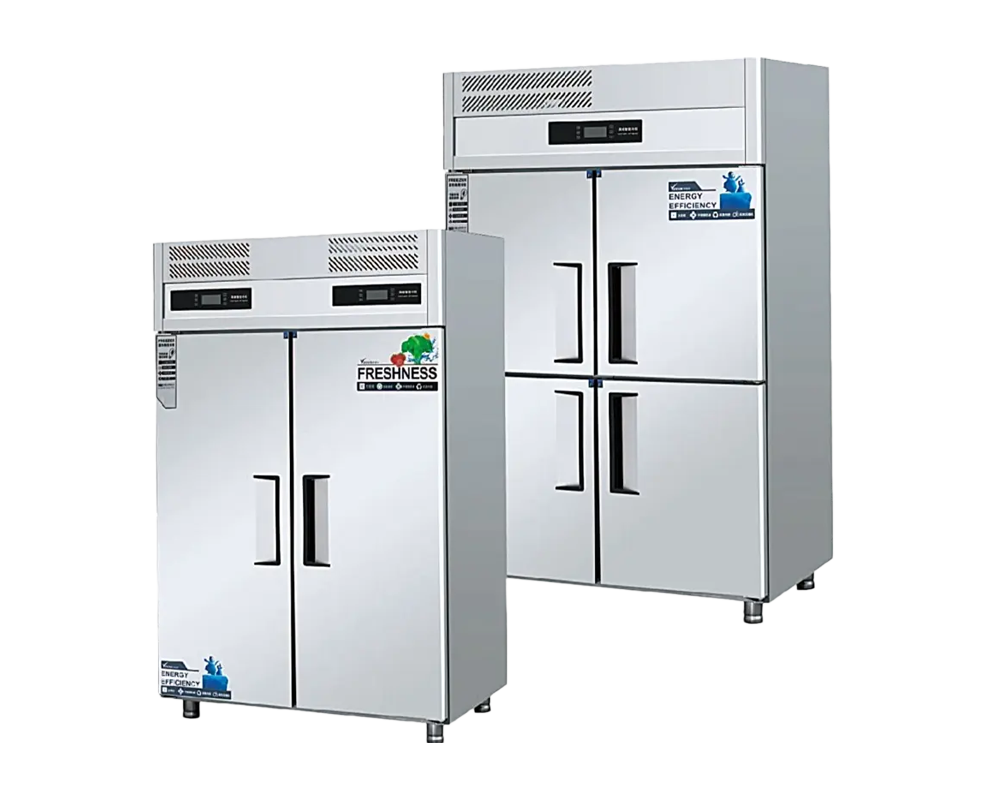 Commercial Stainless Steel Air Cooled Reach-in Vertical Freezers
-
 Dual Temperature Control Direct Cooling Commercial Upright Reach-in Refrigerators
-
 Commercial Vertical Air Cooled Intelligent Reach-in Freezer and Refrigerator
-
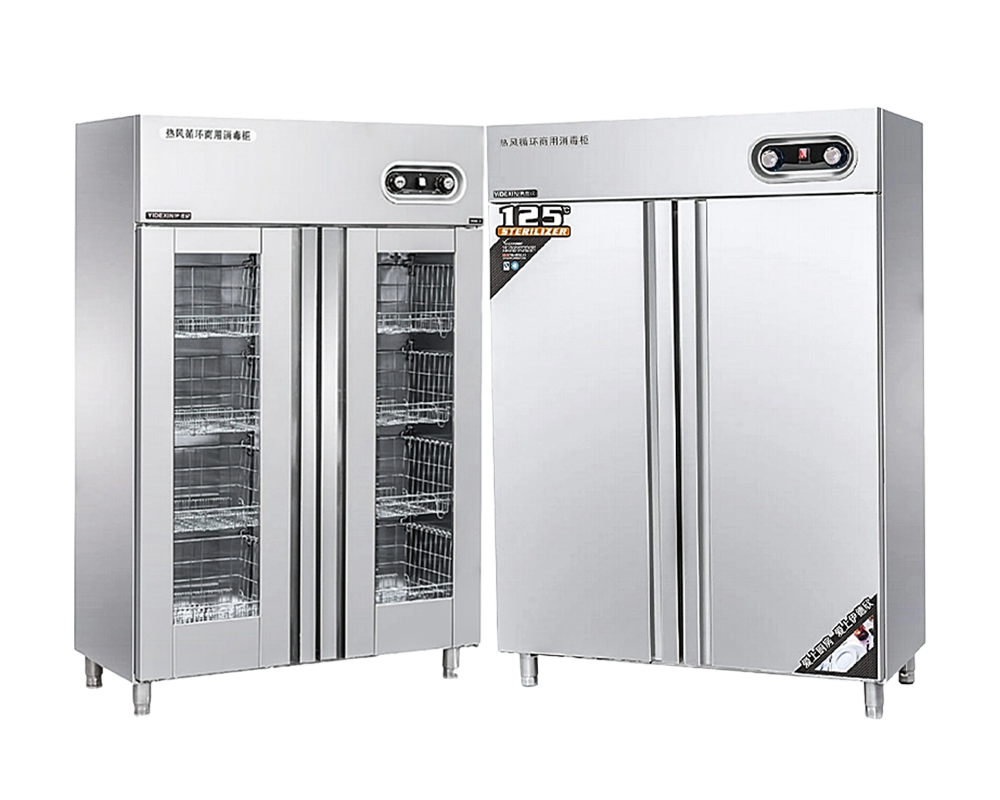 Stainless Steel/Glass Flat Door Sterilization Cabinet
-
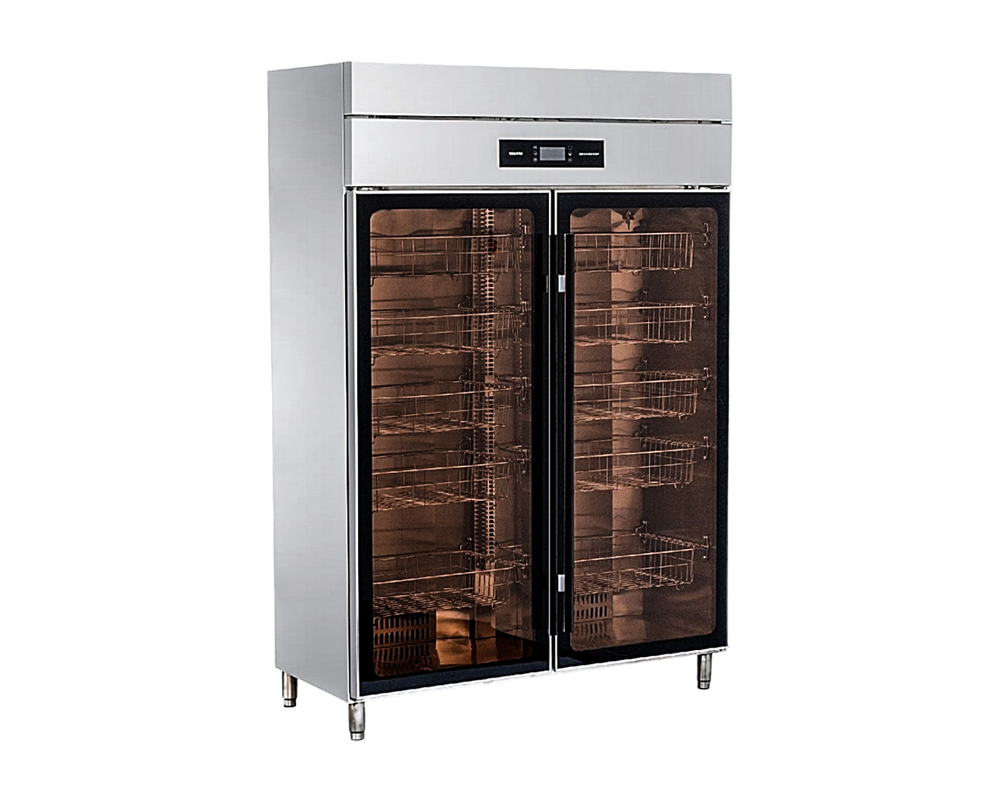 Multifunctional Three-mode High Temperature Glass Door Disinfection Cabinet
-
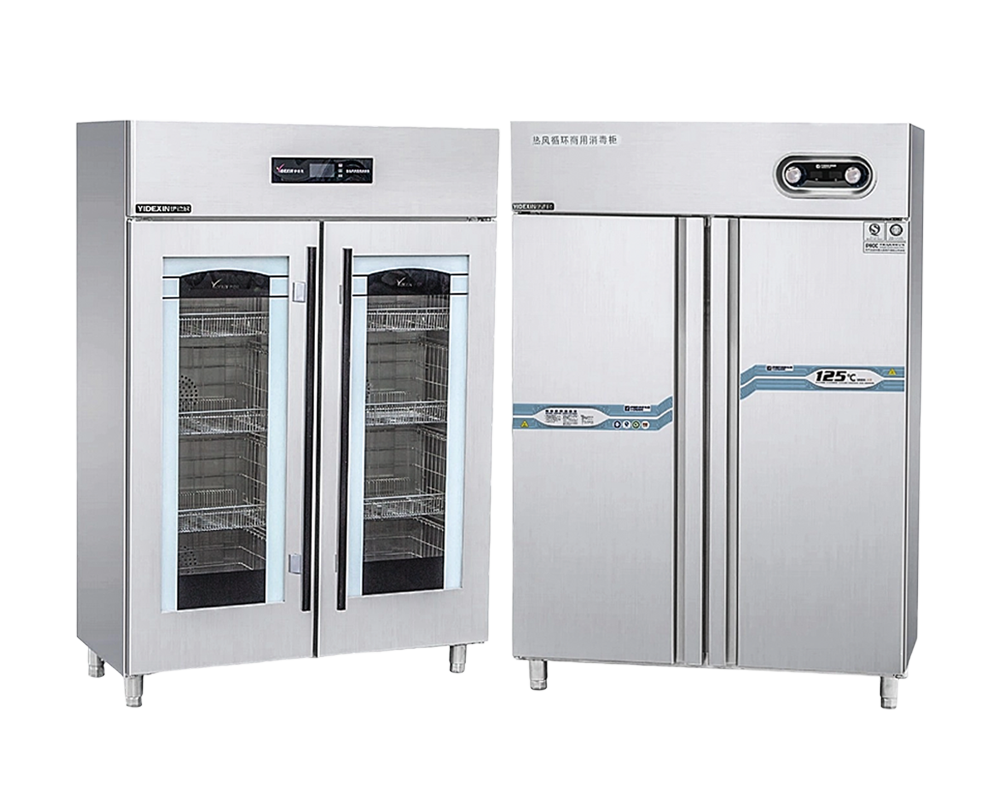 Commercial Restaurant Anti-Fingerprint Stainless Steel Disinfection Cabinet
-
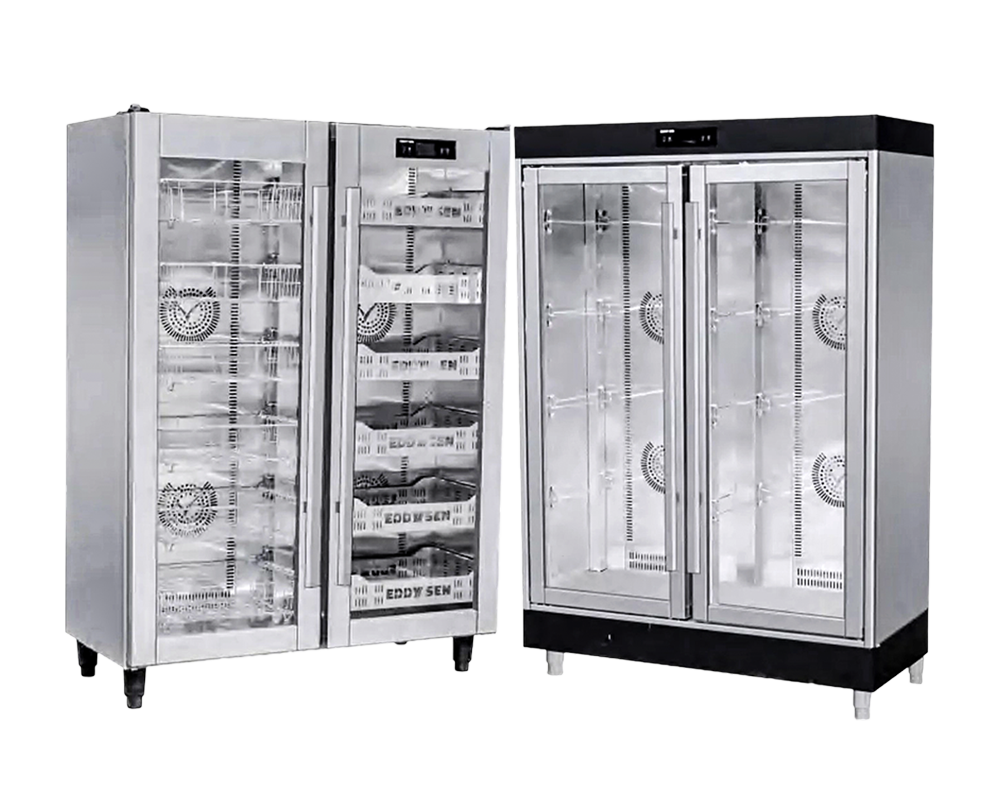 Intelligent Light Wave Stainless Steel UV Disinfection Cabinet
-
 [email protected] / [email protected]
-
 +86-15066977778 / +86-19012777577

-
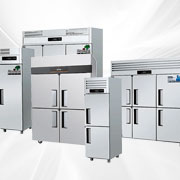 Reach-in Refrigerators
-
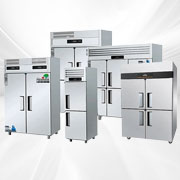 Reach-in Freezers
-
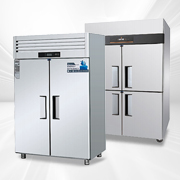 Dual Temperature Refrigerators
-
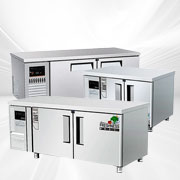 Worktop Refrigerators
-
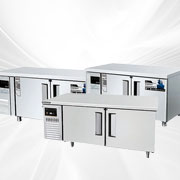 Worktop Freezers
-
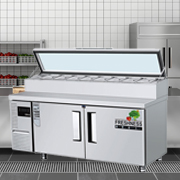 Salad Bar Refrigerators
-
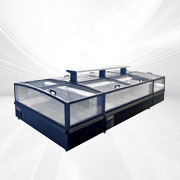 Combined Island Display Refrigerators
-
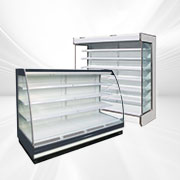 Air Curtain Refrigerators
-
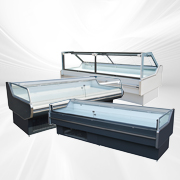 Fresh Cabinets
-
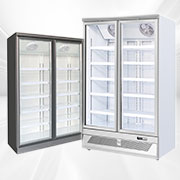 Display Refrigerators(Glass Door)
-
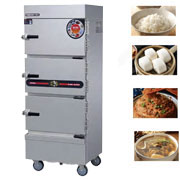 Electric Rice Steamer Cabinets
-
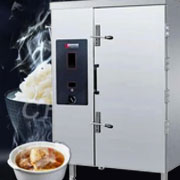 Gas Rice Steamer Cabinets
-
 Vertical Banquet Cabinets
-
 Horizontal Banquet Cabinets
-
 Heated Disinfection Cabinets
Commercial Grade Refrigerator Buying & Maintenance Guide
Content
- 1 Why choose a true commercial grade refrigerator?
- 2 Key specifications to compare (and why they matter)
- 3 Practical buying checklist
- 4 Installation and site requirements
- 5 Daily, weekly, and quarterly maintenance checklist
- 6 Common problems and field fixes
- 7 Quick-size and model comparison table (example)
- 8 Return on investment: energy & lifecycle considerations
- 9 Final purchasing tips & vendor questions to ask
Why choose a true commercial grade refrigerator?
A commercial grade refrigerator is engineered for continuous, high-demand operation in foodservice environments. Unlike consumer units, it uses industrial compressors, thicker insulation (often 2–3" polyurethane), stainless-steel exterior and interior finishes, heavier-duty door hinges and gaskets, and serviceable parts designed for rapid swap-out. Choosing a certified commercial unit reduces temperature variance, improves food safety compliance (HACCP/ServSafe), and lowers downtime risk during peak service hours.
Key specifications to compare (and why they matter)
When evaluating models, focus on these measured specs rather than marketing copy: usable refrigerated volume, temperature stability (±°F), compressor horsepower, energy consumption (kWh/year or EnergyStar rating), recovery time after door opening, and serviceability (front-access compressors, modular components).
Temperature range & stability
Commercial units typically operate in these ranges: reach-in refrigerators 33–38°F for fresh produce and dairy; prep tables and undercounter fridges often 35–41°F; walk-ins can be set 34–40°F depending on load. Look for stated temperature recovery times (how quickly the unit returns to setpoint after a full-door cycle) — under 30 minutes for reach-ins is ideal for heavy-use kitchens.
Compressor, condenser, and coil design
Higher-efficiency scroll or hermetic compressors with oversized condensers perform better in hot kitchens. Units with easily-cleanable condenser coils and front-access condenser grills reduce maintenance time and improve long-term efficiency. Forced-air evaporator designs with directed airflow reduce hot spots on shelving.
Practical buying checklist
- Capacity: Match usable cubic feet to peak inventory, not external footprint — allow 20–30% extra for airflow and rotation.
- Material & finish: Stainless interior (304 grade) for food safety and sanitizer compatibility; exterior grade based on front-of-house vs back-of-house needs.
- Service access: Front-access compressor and removable panels shorten service calls and labor costs.
- Door type & gasket: Self-closing, field-replaceable gaskets, and robust hinges; consider dual-pane tempered glass doors for display units.
- Energy & performance: Look for Energy Star when available and request lab or field performance data (kWh/year under standard load).
- Warranty & parts availability: Minimum 1–2 year parts & labor; longer on compressors. Verify local parts dealers and authorized service techs.
Installation and site requirements
Proper installation prevents premature failures. Ensure a level floor that can support the refrigeration weight plus stocked load. Provide minimum clearances for airflow (manufacturer spec; typically 2–6" at the rear, 4–12" top for some models) and avoid installing directly under heat sources (ovens, steamers). Electrical should be dedicated circuits sized to the unit’s LRA/NEMA plug configuration; hardwired installations must follow local code and NSF requirements where applicable.
Ventilation & ambient temperature
Ambient temperature affects performance: most commercial refrigerators are rated for 70–100°F ambient. In hot walk-in kitchens or near ovens, choose a model rated for 90°F+ ambient or consider remote-compressor options to eliminate heat near food storage.
Daily, weekly, and quarterly maintenance checklist
- Daily: Check and log temperature at peak and low service times; inspect door seals and close operation.
- Weekly: Clean door gaskets with mild detergent; remove debris from condenser grille; check drain lines for clogs.
- Monthly: Vacuum or blow out condenser coils; verify fan operation; inspect refrigerant lines for leaks or oil traces.
- Quarterly: Calibrate thermostat/controls; test defrost cycle and heater operation; grease door hinges as needed per manufacturer.
Common problems and field fixes
Understanding symptoms helps isolate issues quickly and avoid unnecessary parts changes. Below are frequent failures with diagnostic steps that most kitchen managers or in-house techs can perform safely.
Problem: Unit not cooling
- Check power and thermostat setpoint; confirm evaporator fan runs.
- Inspect condenser for heavy dirt — restricted airflow is a leading cause; clean and re-test.
- If compressor is hot and not running, note clicking or overload trips — log serial and call certified tech for compressor or control replacement.
Problem: Excessive frost or water pooling
Defrost system failures and blocked drains cause frost build-up. Verify defrost timer or electronic defrost sequence; clear drain trough and ensure the heater (if present) activates during defrost. Replace worn door gaskets which allow moist air infiltration.
Quick-size and model comparison table (example)
| Model type | Usable volume (cu ft) | Temp range | Compressor | Typical kWh/yr | Price range (USD) |
| Undercounter reach-in | 6–12 | 34–41°F | Hermetic, 1/6–1/4 HP | 300–800 | $1,200–$3,000 |
| Two-door reach-in | 20–30 | 33–38°F | Scroll or hermetic, 1/4–1/2 HP | 600–1,500 | $2,500–$6,000 |
| Walk-in refrigeration (modular) | 100–1,000+ | 34–40°F | Remote rack or single large compressor | 2,000–10,000+ | $6,000–$50,000+ |
Return on investment: energy & lifecycle considerations
A higher upfront cost for efficient compressors, thicker insulation, and serviceable components often pays back through lower energy bills, fewer emergency repair calls, and reduced product spoilage. Calculate ROI by estimating energy savings (compare kWh/yr), projected repair & downtime costs, and expected lifespan — commercial refrigerators commonly last 7–12 years with proper maintenance.
Final purchasing tips & vendor questions to ask
- Ask for measured performance data under a defined load and ambient (not just theoretical specs).
- Request a service panel diagram and lead times for common replacement parts.
- Verify installation support: does the vendor coordinate electrical, casters, and leveling, or is that an add-on?
- Confirm warranty transferability and exclusion list (compressor, labor, corrosion, misuse).
Choosing the right commercial grade refrigerator is a mix of matching capacity and function to operational flow, selecting robust components for the kitchen environment, and committing to routine maintenance. Use the checklists and comparison table above during procurement and integrate the maintenance schedule into daily operations to maximize uptime and food safety.

-
 Add.
Add.
Sales Center:Room 410, Floor T3-4, Zhonghai Development Building, No. 888, Kejiguan Street, Binjiang District, Hangzhou, Zhejiang,China
Factory Address:100 Meters South Of Zhongmao Village, Xingfu Town, Boxing County, Binzhou City, Shandong Province, P.R.China
Sales Center:Room 410, Building 15, Tianan Headquarters Center, 555 North Panyu Avenue, Donghuan Street, Panyu District, Guangzhou City, china
-
 Tel.
+86-15066977778+86-19012777577
Tel.
+86-15066977778+86-19012777577 -
 Email.
Quick Links
Product Fast Links
Mobile Terminal
Copyright @Hangzhou Eddysen Catering Equipment Co., Ltd.All rights reserved. Commercial Freezer Manufacturer