 English
 中文简体
中文简体 Español
 عربى
عربى
-
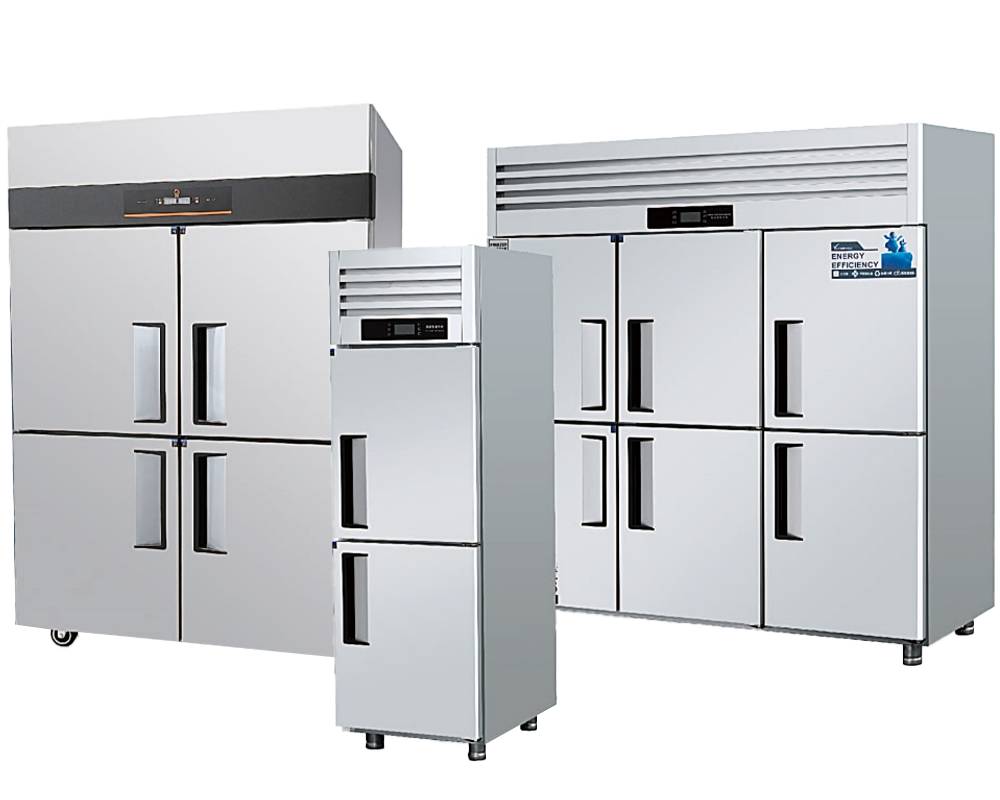 Commercial Vertical Direct-cool Stainless Steel Reach-in Refrigerator
-
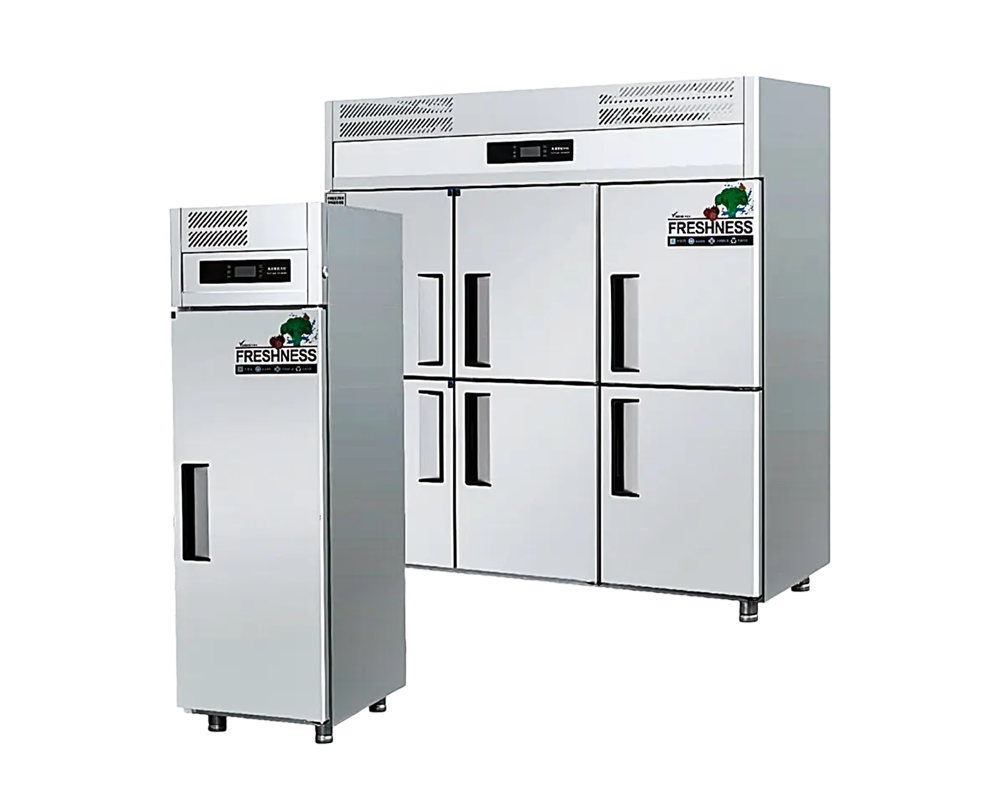 Commercial 201SUS Upright Air Cooling Reach-in Refrigerators
-
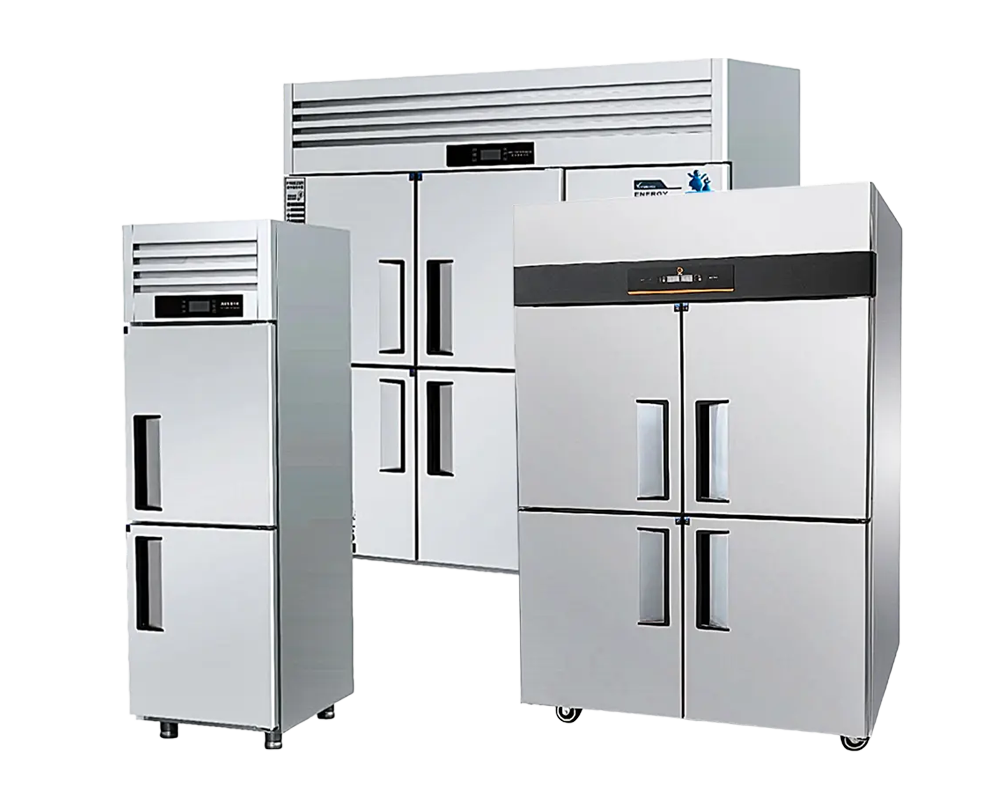 Commercial Direct-Cool Upright Reach-in Freezers
-
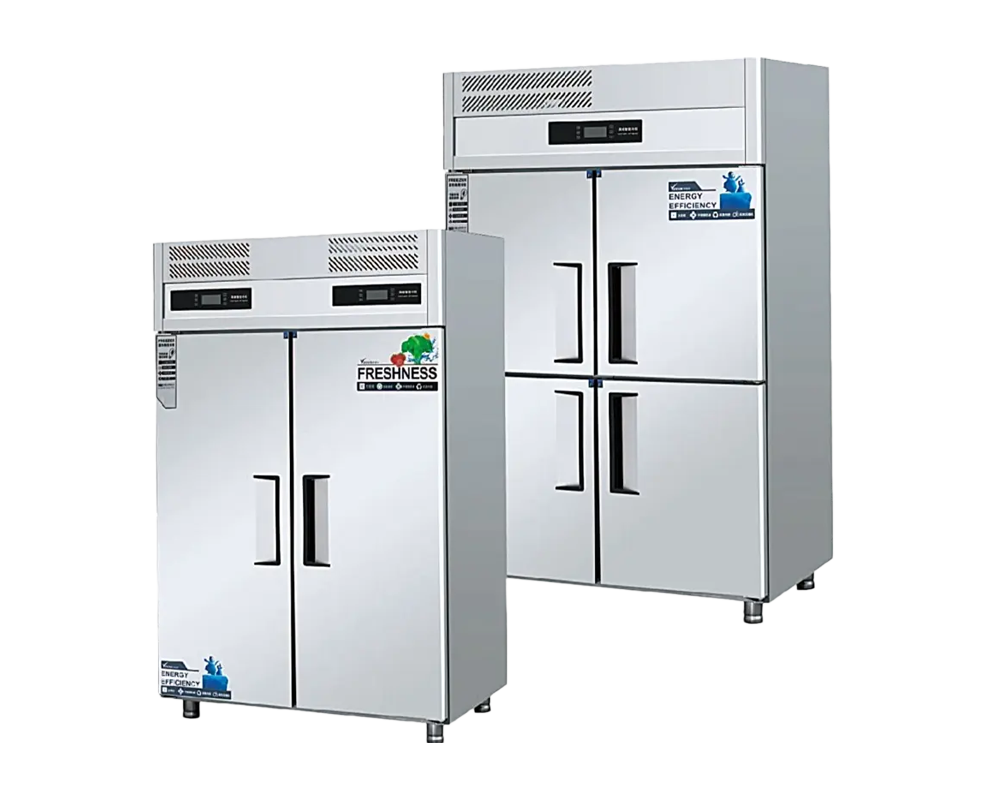 Commercial Stainless Steel Air Cooled Reach-in Vertical Freezers
-
 Dual Temperature Control Direct Cooling Commercial Upright Reach-in Refrigerators
-
 Commercial Vertical Air Cooled Intelligent Reach-in Freezer and Refrigerator
-
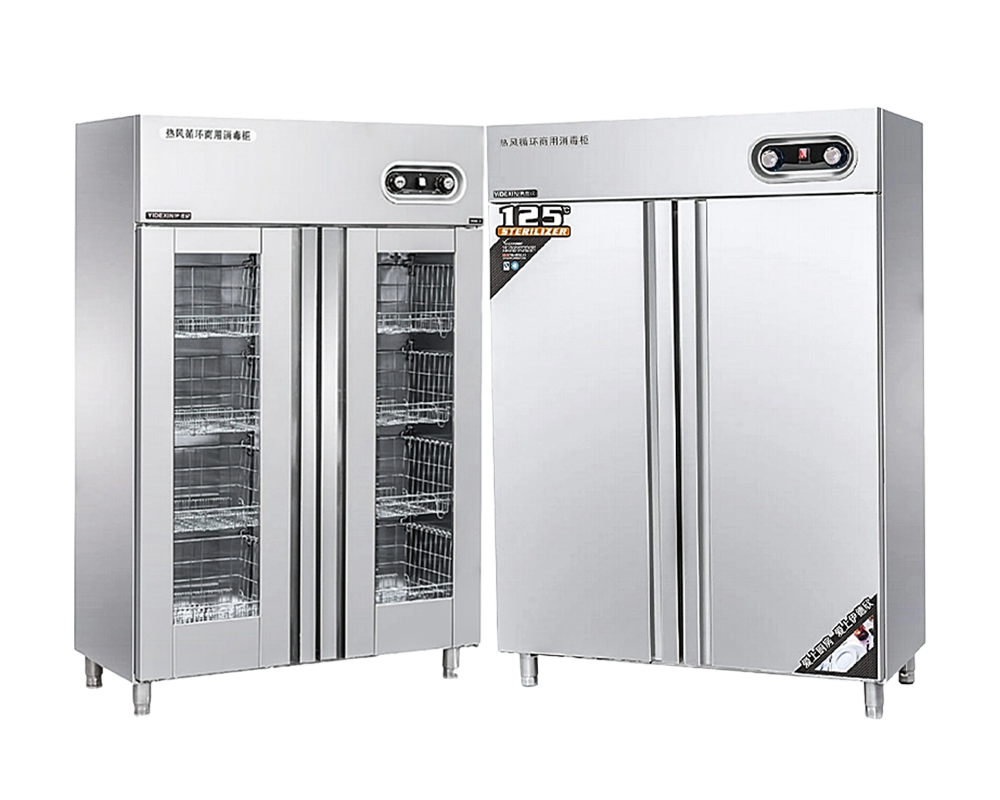 Stainless Steel/Glass Flat Door Sterilization Cabinet
-
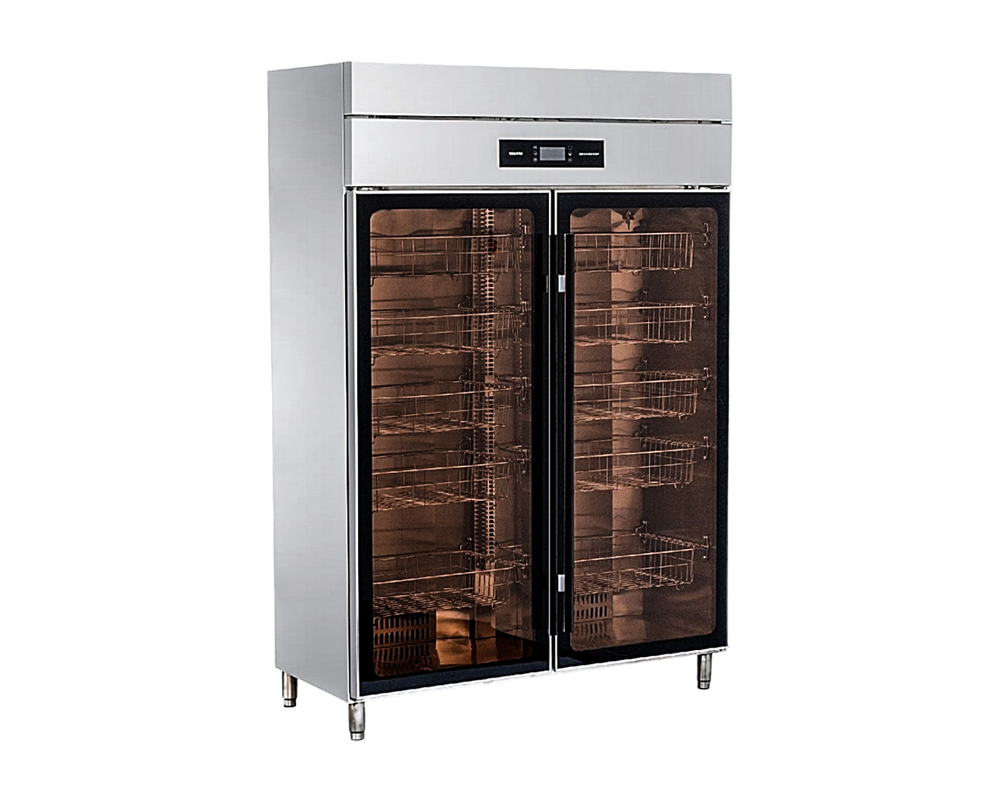 Multifunctional Three-mode High Temperature Glass Door Disinfection Cabinet
-
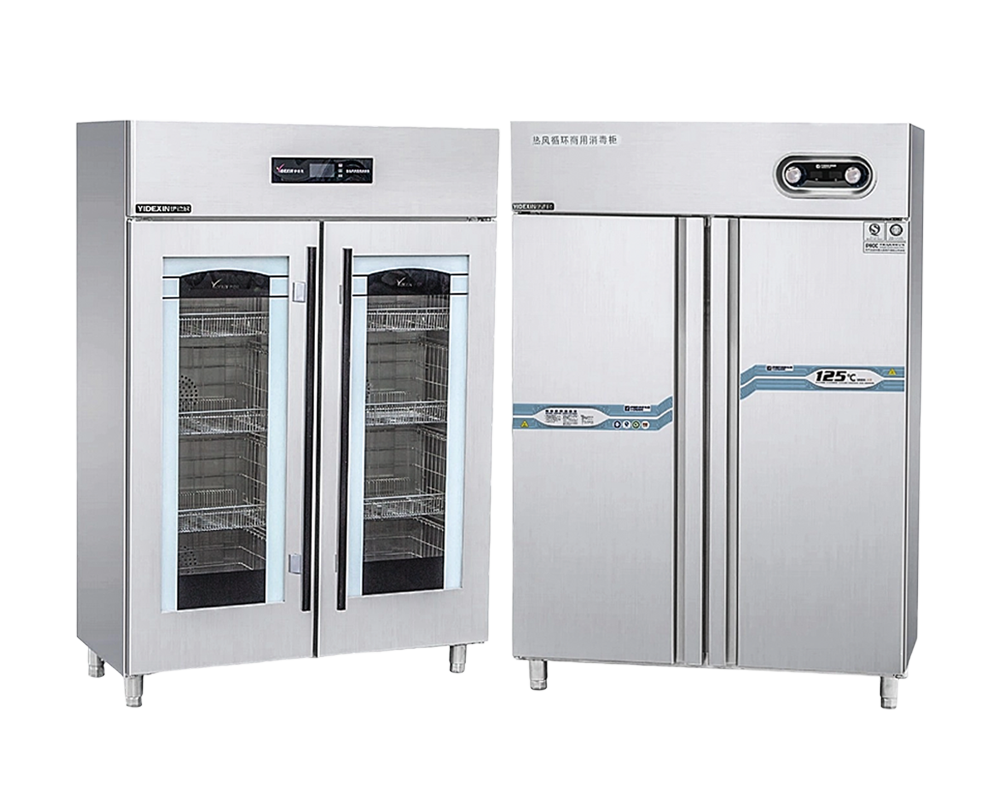 Commercial Restaurant Anti-Fingerprint Stainless Steel Disinfection Cabinet
-
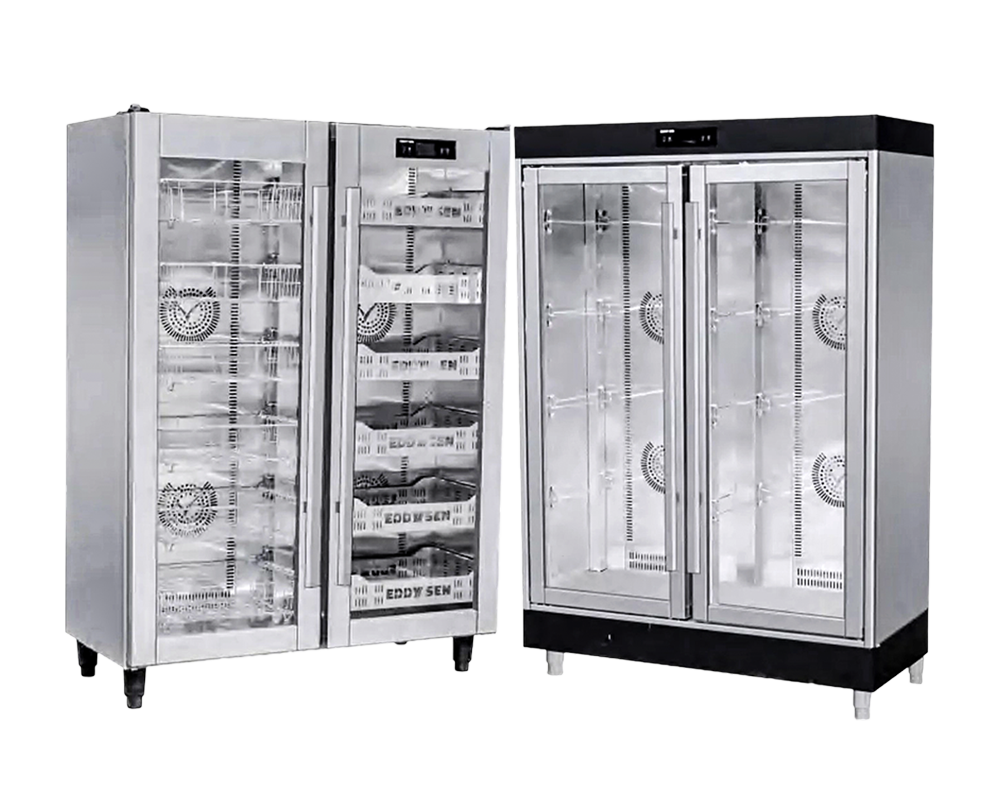 Intelligent Light Wave Stainless Steel UV Disinfection Cabinet
-
 [email protected] / [email protected]
-
 +86-15066977778 / +86-19012777577

-
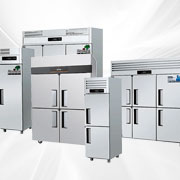 Reach-in Refrigerators
-
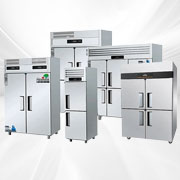 Reach-in Freezers
-
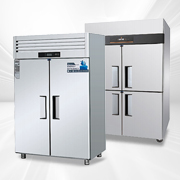 Dual Temperature Refrigerators
-
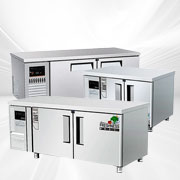 Worktop Refrigerators
-
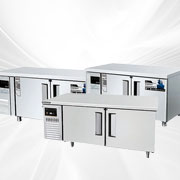 Worktop Freezers
-
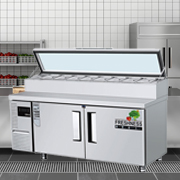 Salad Bar Refrigerators
-
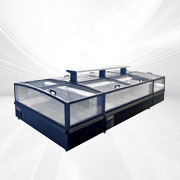 Combined Island Display Refrigerators
-
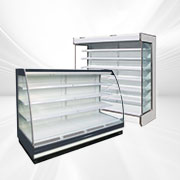 Air Curtain Refrigerators
-
 Fresh Cabinets
-
 Display Refrigerators(Glass Door)
-
 Electric Rice Steamer Cabinets
-
 Gas Rice Steamer Cabinets
-
 Vertical Banquet Cabinets
-
 Horizontal Banquet Cabinets
-
 Heated Disinfection Cabinets
A Guide to Commercial Kitchen Equipments List
Content
- 1 Key Categories in a Commercial Kitchen Equipments List
- 1.1 1. Refrigeration and Freezing Units
- 1.2 2. Cooking Equipment
- 1.3 3. Food Preparation Equipment
- 1.4 4. Display and Storage Systems
- 1.5 5. Cleaning and Sanitizing Equipment
- 1.6 6. Transport Equipment
- 1.7 7. Beverage Equipment
- 1.8 8. Ventilation and Safety Equipment
- 1.9 9. Smallwares and Utensils
- 1.10 Summary of the main categories of commercial kitchen equipment
- 2 How to Choose the Right Equipment for Your Business?
- 3 Choose Eddysen for Your Commercial Kitchen Equipments Supplier
- 4 Summary
A commercial kitchen equipment list is a structured collection of essential tools used to prepare, cook, store, and serve food in professional environments. It helps restaurants, hotels, and foodservice businesses operate safely, efficiently, and consistently.
Let's explore what commercial kitchen equipment is available and choose the right equipment for your business.
Key Categories in a Commercial Kitchen Equipments List
A commercial kitchen contains many types of equipment, each serving a different purpose.
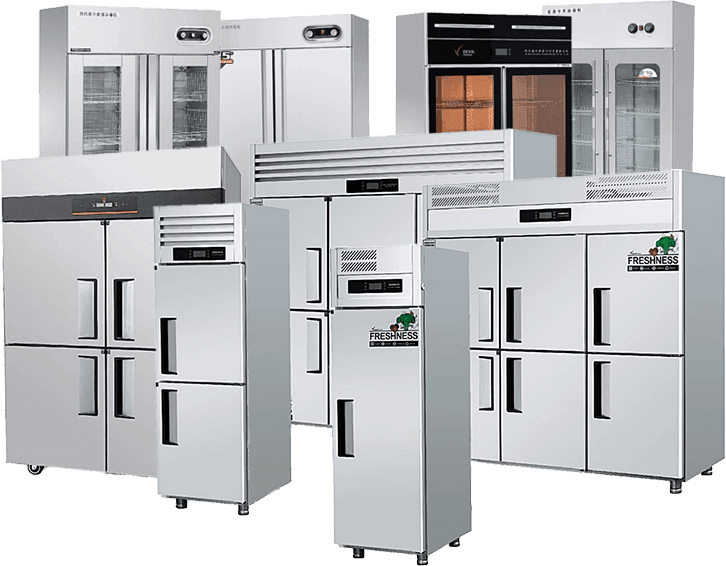
1. Refrigeration and Freezing Units
These units are essential for keeping ingredients fresh and safe before they are used. Refrigeration and freezing units keep food at the right cold temperatures so it stays fresh longer. They slow down bacteria growth, reduce waste, and ensure chefs always have safe, high-quality ingredients ready to cook.
Common Equipment Includes:
- Reach-in refrigerators
-
Undercounter refrigerators
-
Walk-in coolers and freezers
-
Blast chillers and shock freezers
-
Display chillers for beverages or desserts
-
Worktop fridges with prep stations
Tip: Modern commercial kitchens often make use of energy-efficient refrigeration units, multi-zone temperature systems, and smart monitoring features to improve food safety and inventory management.
2. Cooking Equipment
Cooking equipment forms the heart of every commercial kitchen can helps chefs prepare dishes quickly, evenly, and consistently. It supports a variety of cooking methods, including frying, grilling, roasting, and steaming. So easier for the kitchen to cope with high demand during busy periods.
Common Equipment Includes:
-
Gas and electric stoves
-
Convection ovens
-
Combi ovens
-
Flat-top grills and charbroilers
-
Deep fryers
-
Steamers and steam cabinets
-
Soup kettles, tilting pans, and braising pans
Tip: The selection of cooking equipment depends on the cuisine, production volume, and kitchen layout. High-end models are equipped with programmable control systems, energy-saving modes, and precise temperature management to improve cooking efficiency and reduce operating costs.
3. Food Preparation Equipment
Food preparation equipment saves time and effort by completing tasks much faster than manual work. It helps keep ingredient sizes uniform, makes prep work smoother, and improves overall kitchen efficiency.
Common Equipment Includes:
-
Food processors
-
Stand mixers and dough mixers
-
Meat grinders
-
Slicers, dicers, and vegetable cutters
-
Commercial blenders
-
Cutting boards, knives, and preparation tools
Tip: In larger operations, automated prep machines such as portioning devices, dough sheeters, and vegetable peeling machines streamline workflows and reduce labor time while maintaining consistent food quality.
4. Display and Storage Systems
Display and storage systems keep the kitchen organized and hygienic. They make it easy to store tools and ingredients safely and allow restaurants to showcase food attractively in front-of-house areas. Good storage also helps prevent contamination and keeps workflow efficient.
Common Equipment Includes:
-
Hot and cold display cabinets
-
Stainless steel shelving
-
Dry storage racks
-
Ingredient bins and airtight containers
-
Wall-mounted cabinets
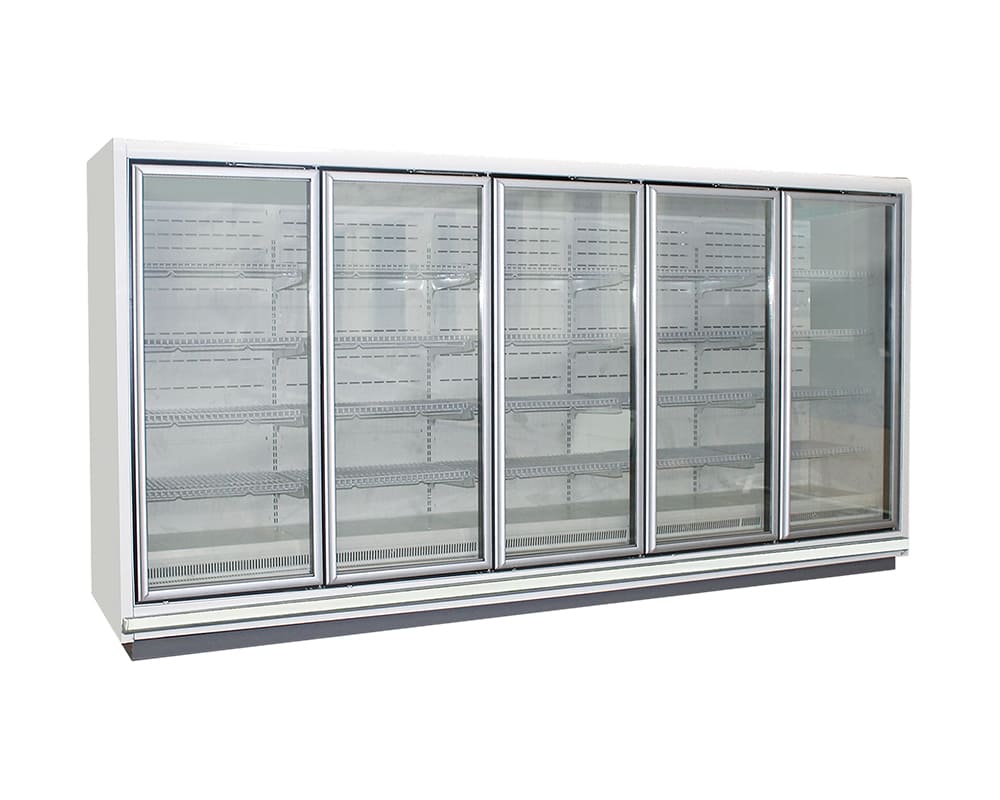
Tip: Efficient storage systems help prevent cross-contamination, improve workflow, and maximize kitchen space. Many modern kitchens prefer modular shelving and durable stainless steel storage units for long-term use.
5. Cleaning and Sanitizing Equipment
This equipment keeps the kitchen free from germs, dirt, and leftover food residue. It washes dishes, sanitizes tools, and meets hygiene regulations, protecting both customers and staff. A clean environment also makes cooking and service more efficient.
Common Equipment Includes:
-
Commercial dishwashers
-
Three-compartment sinks
-
Utensil and tool sterilizers
-
Grease traps
-
Cleaning and sanitation tools
Tip: High-temperature dishwashers, UV sterilization cabinets, and HACCP-approved sanitation systems are commonly used to ensure a safe working environment and prevent foodborne contamination.
6. Transport Equipment
Food and tools often need to be moved around, especially in larger kitchens. Transport equipment helps move dishes, ingredients, and supplies quickly and safely. It keeps hot food warm and cold food chilled during movement, reducing the risk of spills or contamination and improving workflow in busy environments.
Common Equipment Includes:
-
Insulated food transport carts
-
Mobile storage racks and pan racks
-
Service trolleys
-
Heated delivery boxes
7. Beverage Equipment
Beverages are an important part of many menus, requiring their own specialized tools. Beverage equipment prepares and serves drinks quickly and consistently. It enables restaurants to meet high demand for beverages such as coffee, tea, soft drinks, and juices while maintaining good quality and fast service.
Common Equipment Includes:
-
Coffee machines
-
Ice makers
-
Water boilers
-
Juice dispensers
-
Soda fountain systems
-
Beverage coolers
Tip: These machines help streamline drink service and improve consistency in high-traffic environments such as restaurants, and hotel bars.
8. Ventilation and Safety Equipment
A commercial kitchen must remain safe, comfortable, and compliant with regulations. These systems remove smoke, fumes, and heat to maintain clean air. They also help prevent fire hazards and ensure that the kitchen meets safety standards. Good ventilation keeps staff comfortable and reduces risks during cooking.
Common Equipment Includes:
-
Exhaust hoods and ventilation systems
-
Fire suppression systems
-
Make-up air units
-
Carbon monoxide and gas leak detectors
Tip: Proper ventilation improves staff comfort and reduces the risk of fire hazards. Most modern kitchens use automated fire suppression systems integrated into hood setups.
9. Smallwares and Utensils
These are the basic tools used throughout daily kitchen operations. Smallwares and utensils help chefs measure, cut, stir, mix, and serve food. They support nearly every task in the kitchen and make cooking easier, faster, and more accurate.
Common Equipment Includes:
-
Pots, pans, and baking trays
-
Whisks, ladles, spatulas, and tongs
-
Measuring cups and scales
-
Mixing bowls and prep containers
-
Thermometers and testing tools
Tip: Although smallwares are often overlooked, they are essential for efficient workflow and directly affect preparation speed and consistency.
Summary of the main categories of commercial kitchen equipment
| Category | Purpose | Common Equipment |
| Refrigeration and Freezing Units | Keep ingredients fresh and safe by maintaining proper cold temperatures, slowing bacterial growth, and reducing waste. | Upright refrigerators, Undercounter refrigerators, Walk-in coolers and freezers, Blast chillers, Display chillers, Worktop fridges with prep stations |
| Cooking Equipment | Prepare dishes quickly, evenly, and consistently using various cooking methods like frying, grilling, roasting, and steaming. | Gas and electric stoves, Convection ovens, Combi ovens, Flat-top grills, Deep fryers, Steamers, Soup kettles, Tilting pans |
| Food Preparation Equipment | Complete tasks faster than manual work, maintain uniform ingredient sizes, and improve prep efficiency. | Food processors, Stand mixers, Dough mixers, Meat grinders, Slicers, Dicters, Vegetable cutters, Commercial blenders, Cutting boards, Knives |
| Display and Storage Systems | Keep kitchen organized and hygienic, store tools and ingredients safely, and showcase food attractively. | Hot and cold display cabinets, Stainless steel shelving, Dry storage racks, Ingredient bins, Wall-mounted cabinets |
| Cleaning and Sanitizing Equipment | Maintain hygiene, wash dishes, sanitize tools, and meet health regulations. | Commercial dishwashers, Three-compartment sinks, Utensil sterilizers, Grease traps, Cleaning tools |
| Transport Equipment | Move food, ingredients, and tools safely while maintaining proper temperature. | Insulated food transport carts, Mobile racks, Pan racks, Service trolleys, Heated delivery boxes |
| Beverage Equipment | Prepare and serve drinks quickly and consistently to meet high demand. | Coffee machines, Ice makers, Water boilers, Juice dispensers, Soda fountains, Beverage coolers |
| Ventilation and Safety Equipment | Maintain clean air, remove smoke and heat, prevent fire hazards, and ensure safety compliance. | Exhaust hoods, Ventilation systems, Fire suppression systems, Make-up air units, Gas detectors |
| Smallwares and Utensils | Support everyday kitchen tasks such as measuring, cutting, mixing, stirring, and serving food. | Pots, Pans, Baking trays, Whisks, Ladles, Spatulas, Tongs, Measuring cups, Scales, Mixing bowls, Thermometers |
How to Choose the Right Equipment for Your Business?
Picking the right kitchen equipment is important to keep your kitchen running smoothly, make great food, and save money in the long run. Here are the main things to think about:
1. Check Your Kitchen Space
Measure your kitchen and see how much room you have. Make sure there’s enough space for cooking, prepping, storing, and cleaning. Equipment should fit comfortably without getting in the way of your staff moving around.
2. Think About Your Menu
What you plan to cook decides the equipment you need. A bakery needs mixers and ovens, a burger place needs grills and fryers. List out all the tasks you need to do and match the right machines to them.
3. Know Your Customer Volume
How many customers do you expect? Busy restaurants need equipment that can handle lots of orders quickly without breaking down. Make sure your machines can keep up during peak times.
4. Look at Features
Check what each machine can do. Look at cooking methods, sizes, temperature controls, and any extra features. Multi-purpose machines save space, but make sure they can handle what you actually need.
5. Choose Durable Equipment
Invest in strong, long-lasting machines, like stainless steel units. They won’t break easily, last longer, and give you fewer headaches with repairs.
6. Consider Energy Efficiency
Energy-efficient equipment saves money on electricity and keeps your kitchen cooler. Look for models that use less power but still perform well.
7. Think About Cleaning and Maintenance
Pick machines that are easy to clean and maintain. Removable parts and simple designs make cleaning faster and prevent breakdowns, keeping your kitchen safe and hygienic.
8. Consider Long-Term Costs
Don’t just look at the price tag. Think about energy bills, repairs, and replacement parts over time. Spending a bit more upfront on good equipment usually saves money in the long run.
Choose Eddysen for Your Commercial Kitchen Equipments Supplier
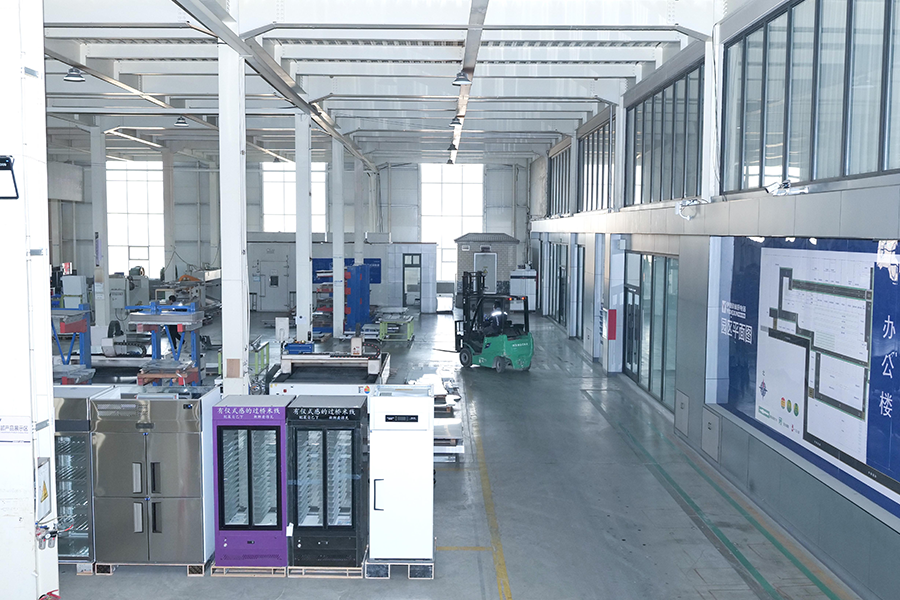
Choose Eddysen for reliable commercial kitchen equipment. With nearly 20 years of experience, Edison is a professional manufacturer of commercial refrigerators, freezers, display cases, sterilizers, and hanging meat refrigerators. Strong OEM/ODM capabilities and rigorous quality control ensure stable product performance and durability, building a trustworthy partnership for your business.
Summary
A robust equipment list helps you build a safe, efficient, and reliable commercial kitchen that supports long-term business success. Contact Eddysen today for a free quote on your commercial kitchen equipment project!
FAQ
1. What basic equipment is required in a commercial kitchen?
A commercial kitchen typically needs refrigeration units, cooking equipment, food prep machines, storage systems, cleaning equipment, and smallwares. These essentials help maintain food safety, speed up cooking, and support daily operations. The exact list depends on your menu, kitchen size, and service style.
2. How do I choose the right equipment for my restaurant or food business?
Start by considering your menu, kitchen size, and customer volume. Compare durability, energy efficiency, ease of cleaning, and long-term maintenance costs. Choose commercial-grade machines with stable temperature control and reliable performance. Quality equipment reduces breakdowns, saves energy, and improves workflow.
3. What factors should I consider when planning a commercial kitchen equipment list?
Focus on your cooking requirements, available space, workflow layout, safety rules, and budget. Ensure equipment matches your menu needs and production speed. Check power consumption, ventilation needs, and cleaning convenience.
4. How to Clean Commercial Kitchen Equipment?
Turn off and unplug the equipment, then remove all detachable parts. Wash surfaces and parts with warm water and mild detergent. Use a degreaser for tough grease, then rinse and dry thoroughly. Sanitize all food-contact areas with an approved solution. Finally, reassemble the equipment and wipe the exterior to keep it clean and safe for daily use.

-
 Add.
Add.
Sales Center:Room 410, Floor T3-4, Zhonghai Development Building, No. 888, Kejiguan Street, Binjiang District, Hangzhou, Zhejiang,China
Factory Address:100 Meters South Of Zhongmao Village, Xingfu Town, Boxing County, Binzhou City, Shandong Province, P.R.China
Sales Center:Room 410, Building 15, Tianan Headquarters Center, 555 North Panyu Avenue, Donghuan Street, Panyu District, Guangzhou City, china
-
 Tel.
+86-15066977778+86-19012777577
Tel.
+86-15066977778+86-19012777577 -
 Email.
Quick Links
Product Fast Links
Mobile Terminal
Copyright @Hangzhou Eddysen Catering Equipment Co., Ltd.All rights reserved. Commercial Freezer Manufacturer