 English
 中文简体
中文简体 Español
 عربى
عربى
-
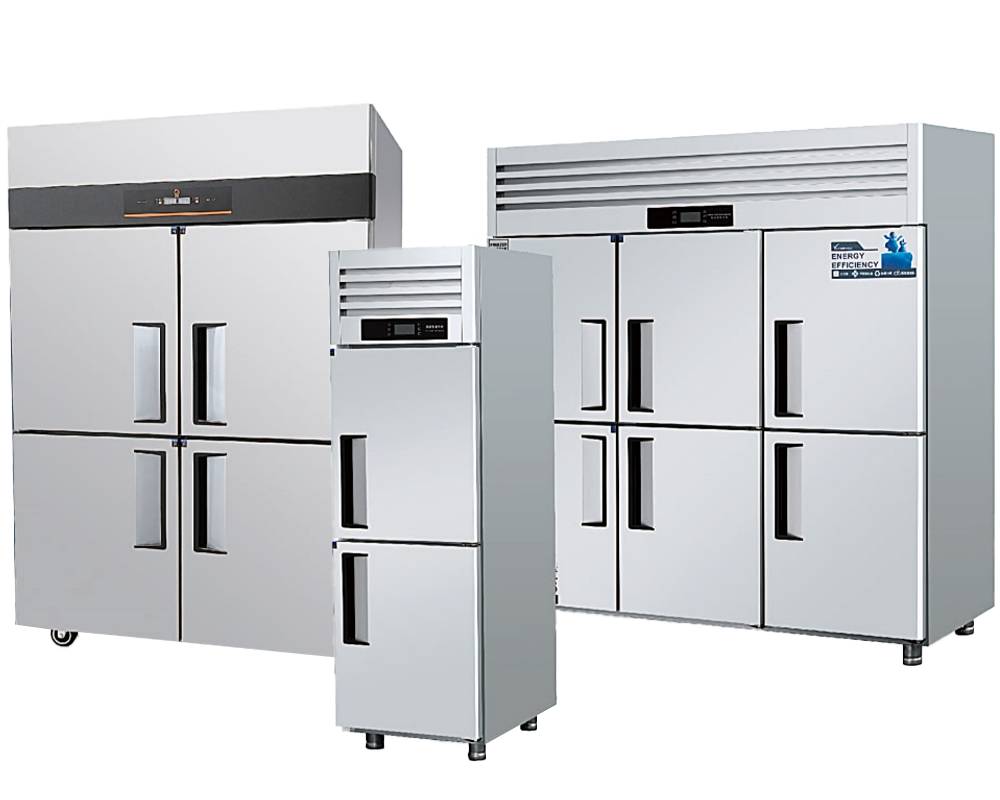 Commercial Vertical Direct-cool Stainless Steel Reach-in Refrigerator
-
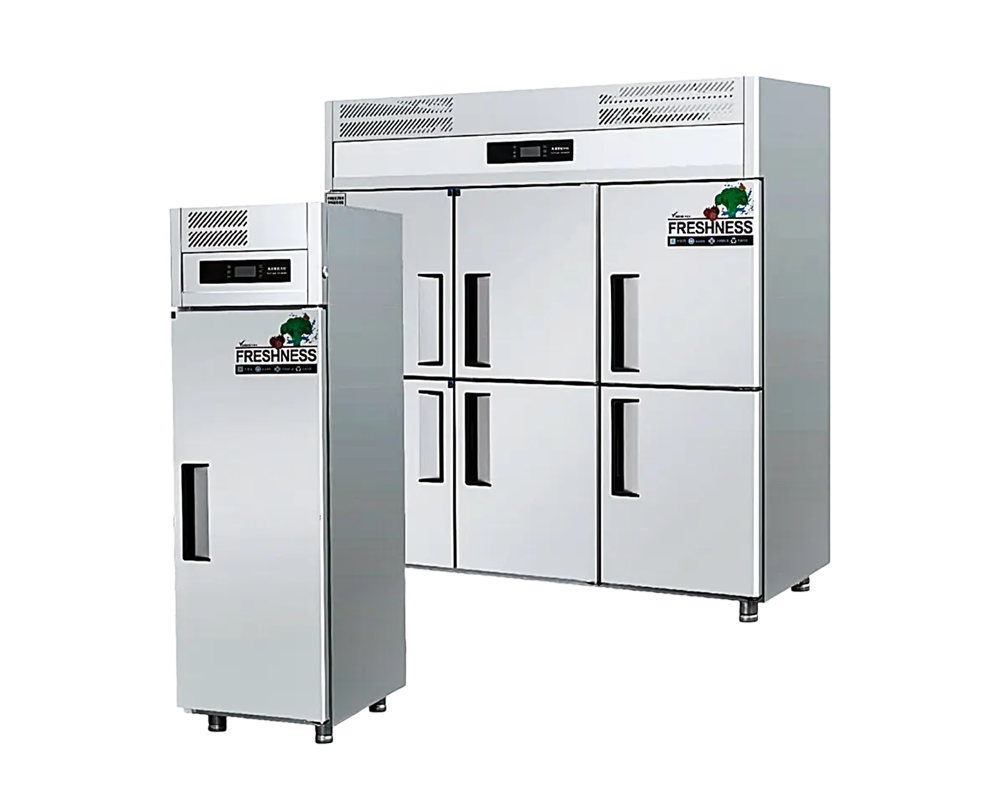 Commercial 201SUS Upright Air Cooling Reach-in Refrigerators
-
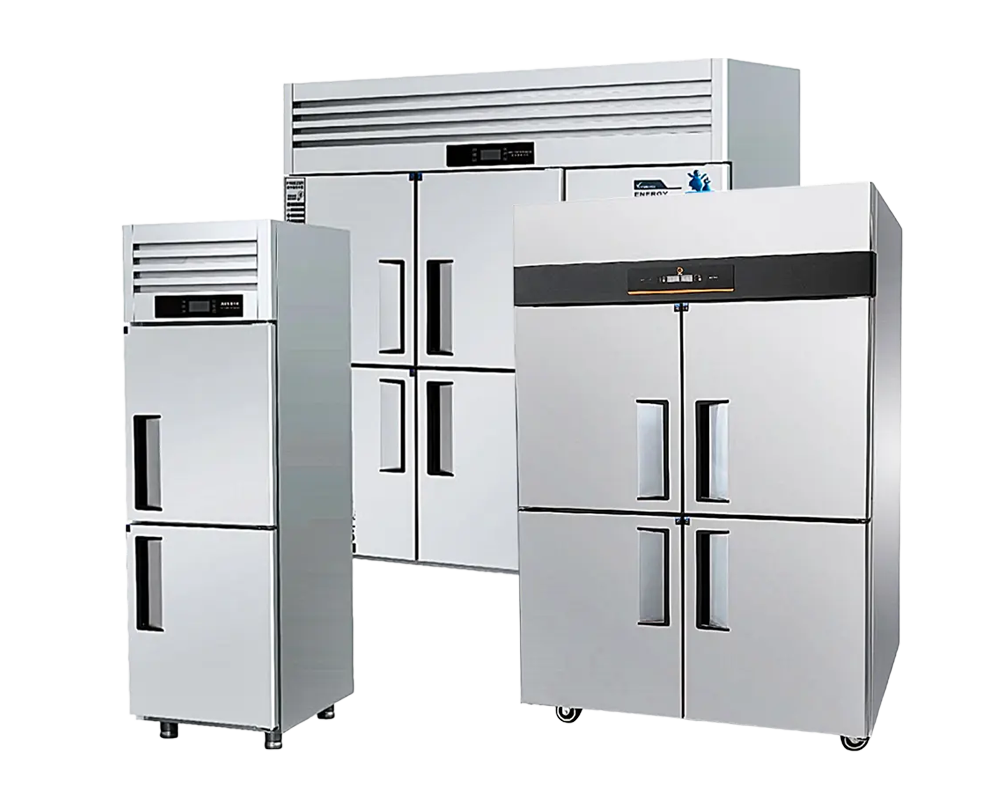 Commercial Direct-Cool Upright Reach-in Freezers
-
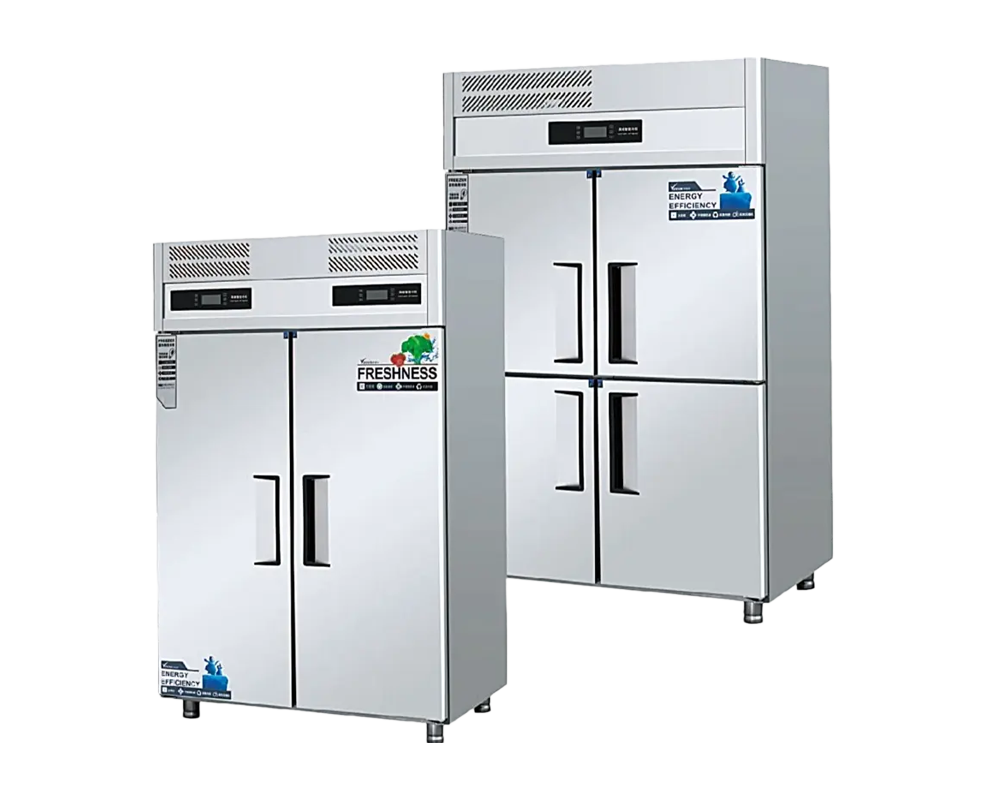 Commercial Stainless Steel Air Cooled Reach-in Vertical Freezers
-
 Dual Temperature Control Direct Cooling Commercial Upright Reach-in Refrigerators
-
 Commercial Vertical Air Cooled Intelligent Reach-in Freezer and Refrigerator
-
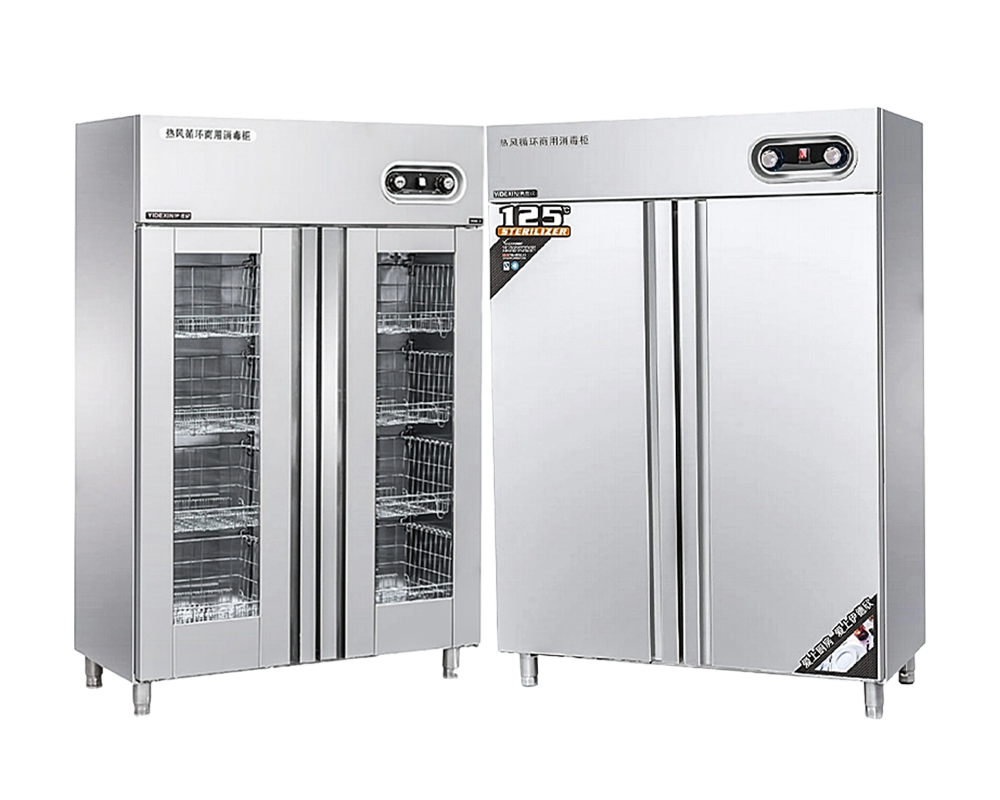 Stainless Steel/Glass Flat Door Sterilization Cabinet
-
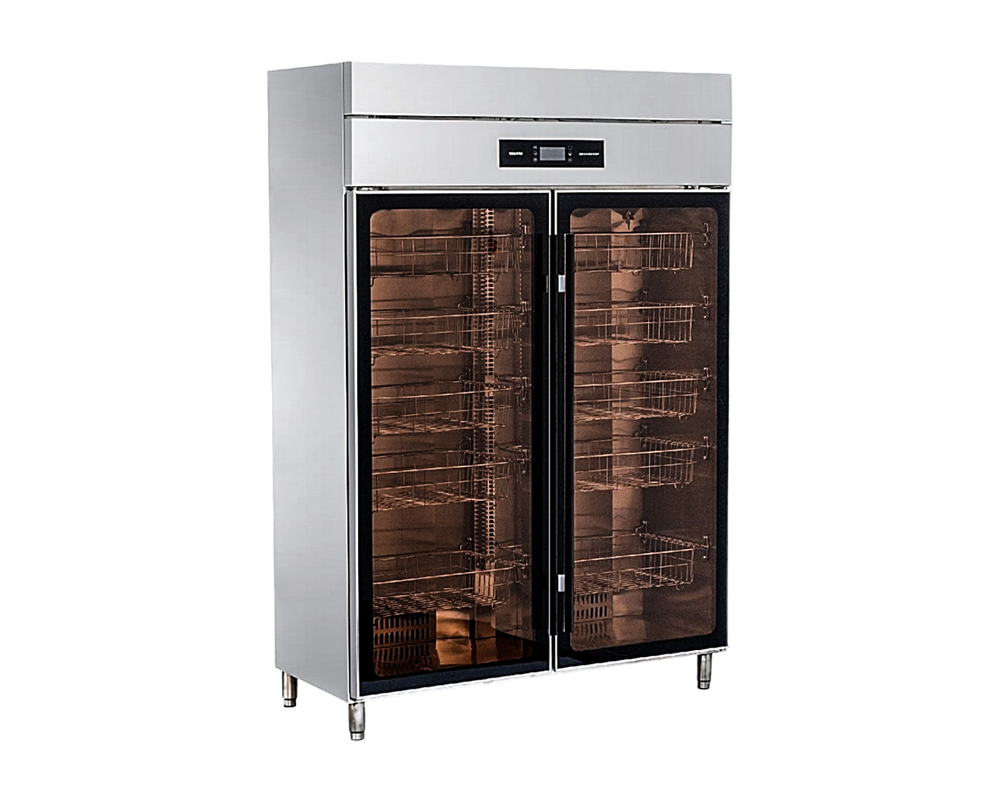 Multifunctional Three-mode High Temperature Glass Door Disinfection Cabinet
-
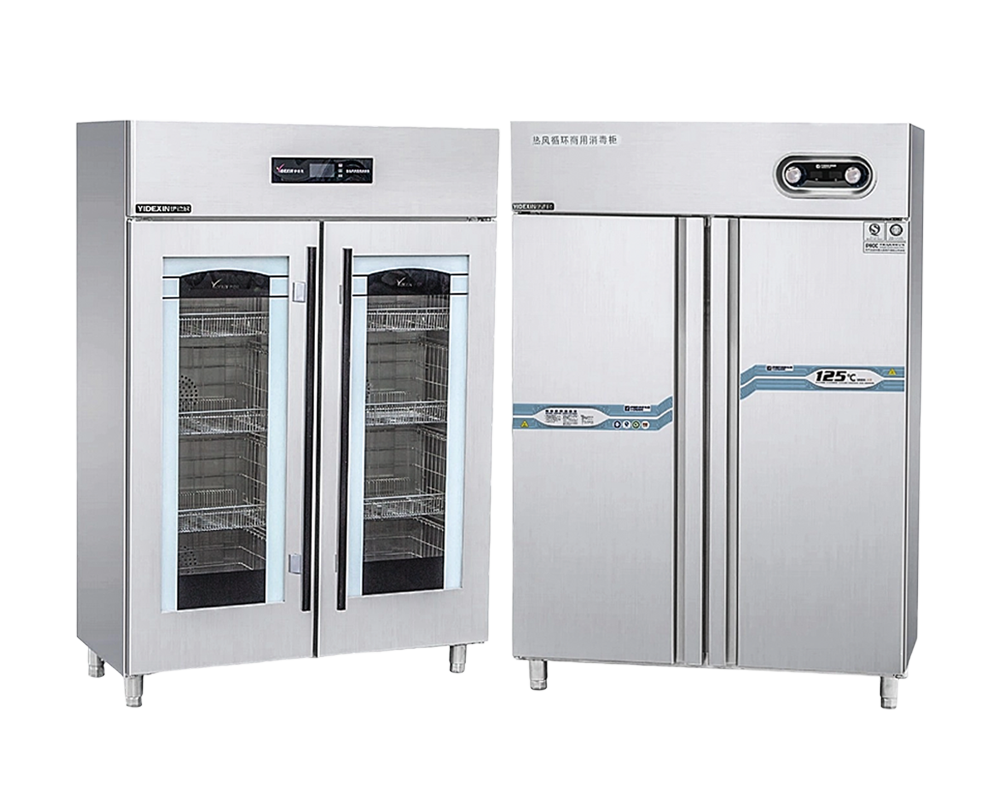 Commercial Restaurant Anti-Fingerprint Stainless Steel Disinfection Cabinet
-
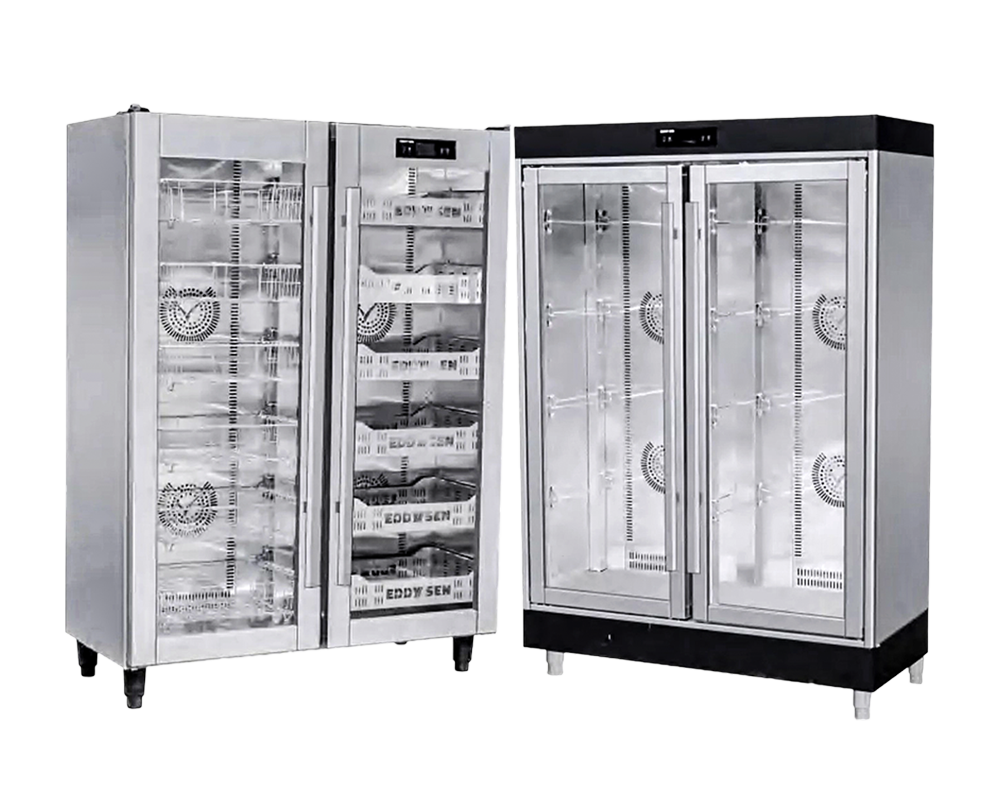 Intelligent Light Wave Stainless Steel UV Disinfection Cabinet
-
 [email protected] / [email protected]
-
 +86-15066977778 / +86-19012777577

-
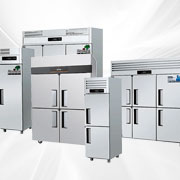 Reach-in Refrigerators
-
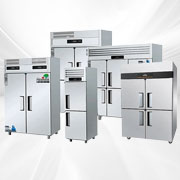 Reach-in Freezers
-
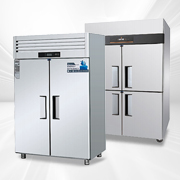 Dual Temperature Refrigerators
-
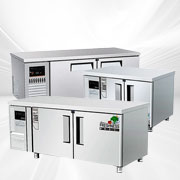 Worktop Refrigerators
-
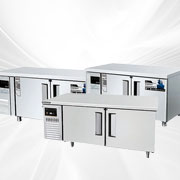 Worktop Freezers
-
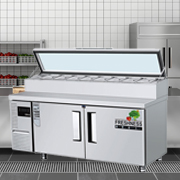 Salad Bar Refrigerators
-
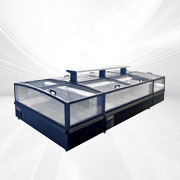 Combined Island Display Refrigerators
-
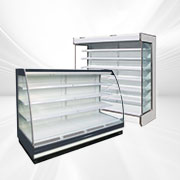 Air Curtain Refrigerators
-
 Fresh Cabinets
-
 Display Refrigerators(Glass Door)
-
 Electric Rice Steamer Cabinets
-
 Gas Rice Steamer Cabinets
-
 Vertical Banquet Cabinets
-
 Horizontal Banquet Cabinets
-
 Heated Disinfection Cabinets
Determining the Right Cleaning Schedule for Kitchen Equipment
Content
Factors to Consider When Determining a Cleaning Schedule
When creating a cleaning schedule for kitchen equipment, it is important to take into account several factors that impact both cleanliness and the longevity of your appliances. These include the type of equipment, frequency of use, and the specific hygiene requirements of your kitchen environment. Each of these factors will help determine the cleaning routine and frequency that should be applied.
Equipment Type
Different kitchen appliances have different cleaning requirements. For example, a deep fryer or oven requires more frequent cleaning due to grease buildup, whereas a refrigerator may only need to be cleaned weekly or bi-weekly. It's crucial to tailor the schedule to the specific needs of each piece of equipment to prevent contamination and maintain their functionality.
Usage Frequency
The more often a piece of equipment is used, the more frequently it should be cleaned. High-usage items like grills, stovetops, and mixers need to be cleaned multiple times throughout the day. On the other hand, equipment that is used less frequently, such as ovens or dishwashers, may require cleaning less often, like once a week or after every few uses.
Developing a Cleaning Routine
A solid cleaning routine is key to maintaining cleanliness and preventing health hazards. This should include both routine daily tasks and more intensive cleaning that is done weekly or monthly. A good cleaning schedule will also assign specific tasks to different staff members, ensuring that all equipment is properly maintained.
Daily Cleaning Tasks
Certain equipment must be cleaned daily to ensure hygiene standards are met. This may include:
- Wiping down surfaces like countertops and stovetops after each use
- Emptying trash bins and sanitizing trash areas
- Cleaning utensils, knives, and cutting boards to avoid cross-contamination
Weekly and Monthly Cleaning
In addition to daily cleaning, some tasks should be scheduled for weekly or monthly deep cleans. These tasks include:
- Cleaning vents, exhaust hoods, and deep fryers
- Descaling coffee machines and water heaters
- Thoroughly cleaning ovens and refrigerators
Cleaning Equipment and Materials Needed
To maintain an effective cleaning schedule, it’s important to have the right tools and materials on hand. Some basic items include:
- Non-abrasive sponges and scrub brushes
- Sanitizing and degreasing agents
- Microfiber cloths for wiping surfaces
- Proper gloves and personal protective equipment (PPE)
Implementing the Schedule and Monitoring Compliance
Once the cleaning schedule has been established, it is important to implement it and monitor staff compliance. Regular inspections can help ensure that cleaning tasks are being completed on time and that equipment is in optimal condition. Additionally, using checklists or digital tools to track cleaning progress can be an effective way to stay organized.
Training Staff
Training your kitchen staff to properly execute the cleaning schedule is crucial. Make sure they understand the importance of cleaning each piece of equipment regularly, and provide them with the knowledge and tools they need to perform the tasks effectively. Ongoing training ensures that the cleaning routine is followed consistently and properly.
Conclusion
Determining an appropriate cleaning schedule for kitchen equipment requires careful consideration of factors like equipment type, usage frequency, and hygiene standards. A clear and well-structured cleaning routine helps maintain both the cleanliness and longevity of your equipment while ensuring food safety. By following best practices and maintaining staff compliance, kitchens can operate smoothly, hygienically, and efficiently.

-
 Add.
Add.
Sales Center:Room 410, Floor T3-4, Zhonghai Development Building, No. 888, Kejiguan Street, Binjiang District, Hangzhou, Zhejiang,China
Factory Address:100 Meters South Of Zhongmao Village, Xingfu Town, Boxing County, Binzhou City, Shandong Province, P.R.China
Sales Center:Room 410, Building 15, Tianan Headquarters Center, 555 North Panyu Avenue, Donghuan Street, Panyu District, Guangzhou City, china
-
 Tel.
+86-15066977778+86-19012777577
Tel.
+86-15066977778+86-19012777577 -
 Email.
Quick Links
Product Fast Links
Mobile Terminal
Copyright @Hangzhou Eddysen Catering Equipment Co., Ltd.All rights reserved. Commercial Freezer Manufacturer