 English
 中文简体
中文简体 Español
 عربى
عربى
-
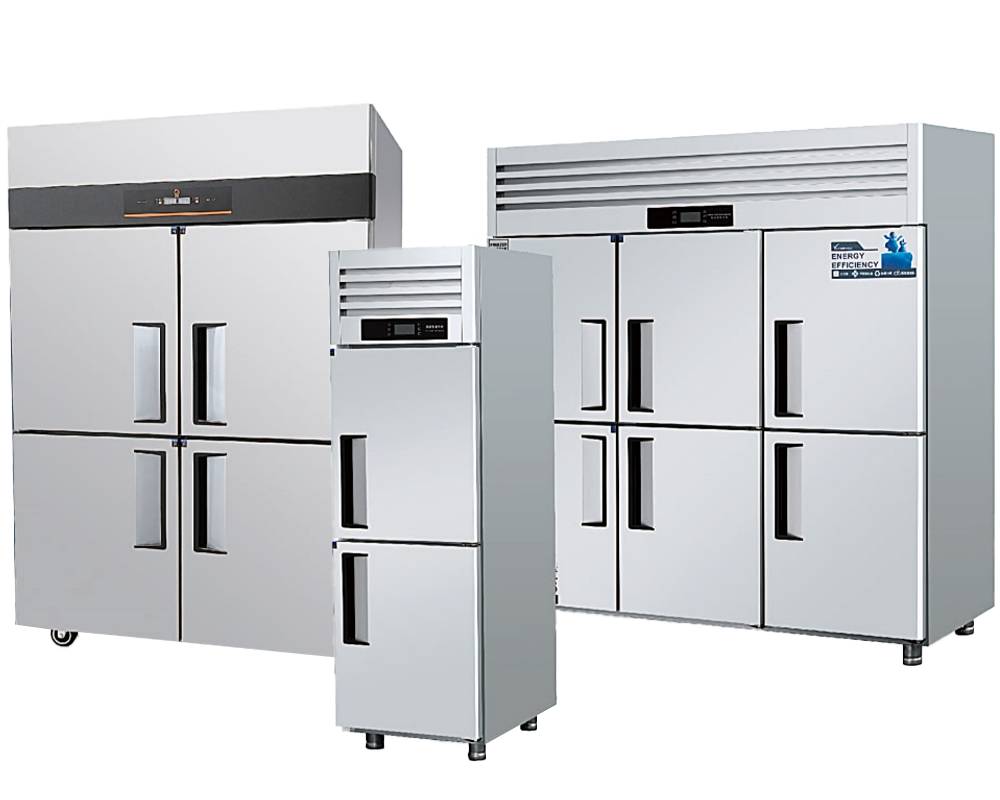 Commercial Vertical Direct-cool Stainless Steel Reach-in Refrigerator
-
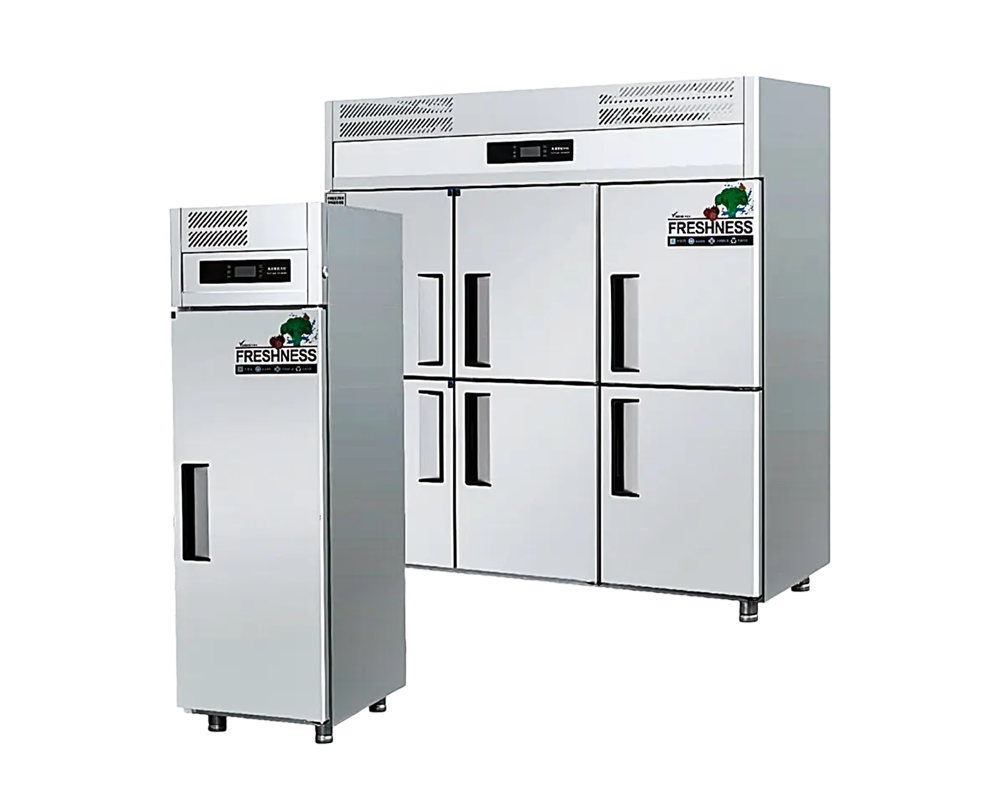 Commercial 201SUS Upright Air Cooling Reach-in Refrigerators
-
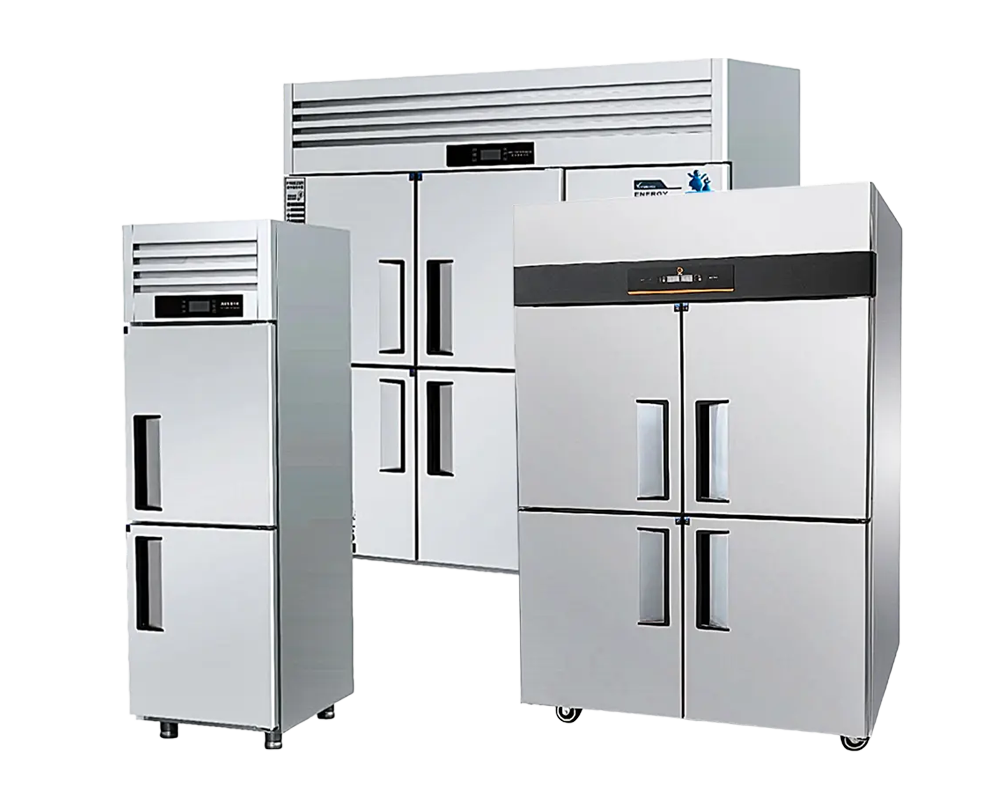 Commercial Direct-Cool Upright Reach-in Freezers
-
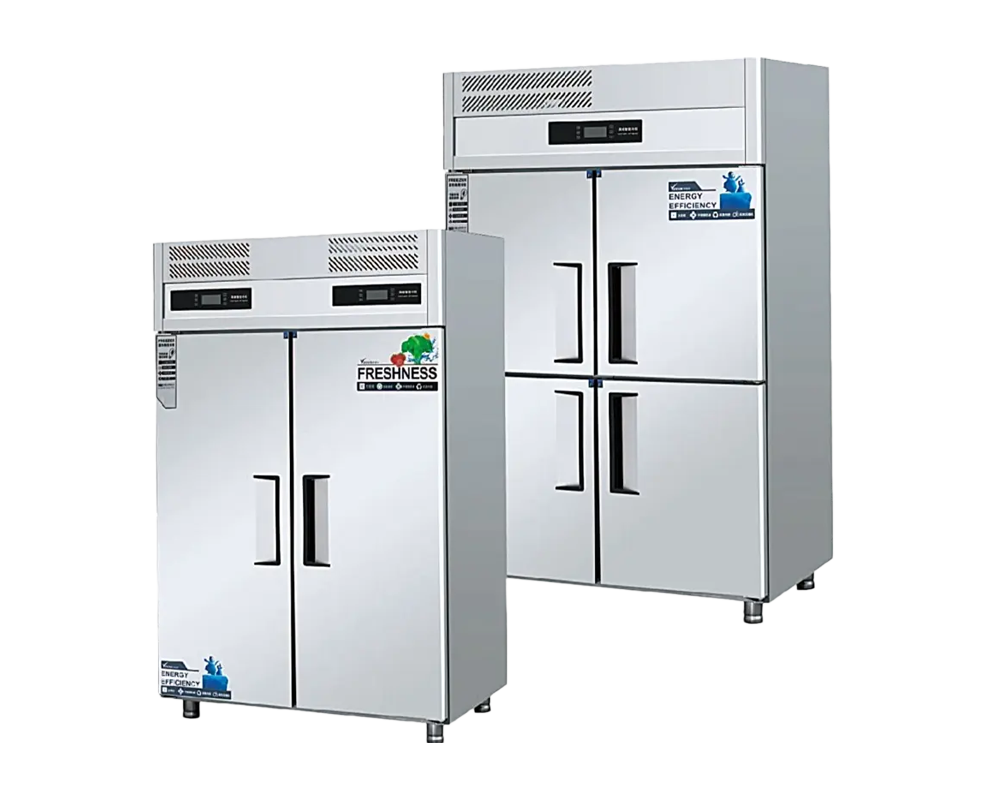 Commercial Stainless Steel Air Cooled Reach-in Vertical Freezers
-
 Dual Temperature Control Direct Cooling Commercial Upright Reach-in Refrigerators
-
 Commercial Vertical Air Cooled Intelligent Reach-in Freezer and Refrigerator
-
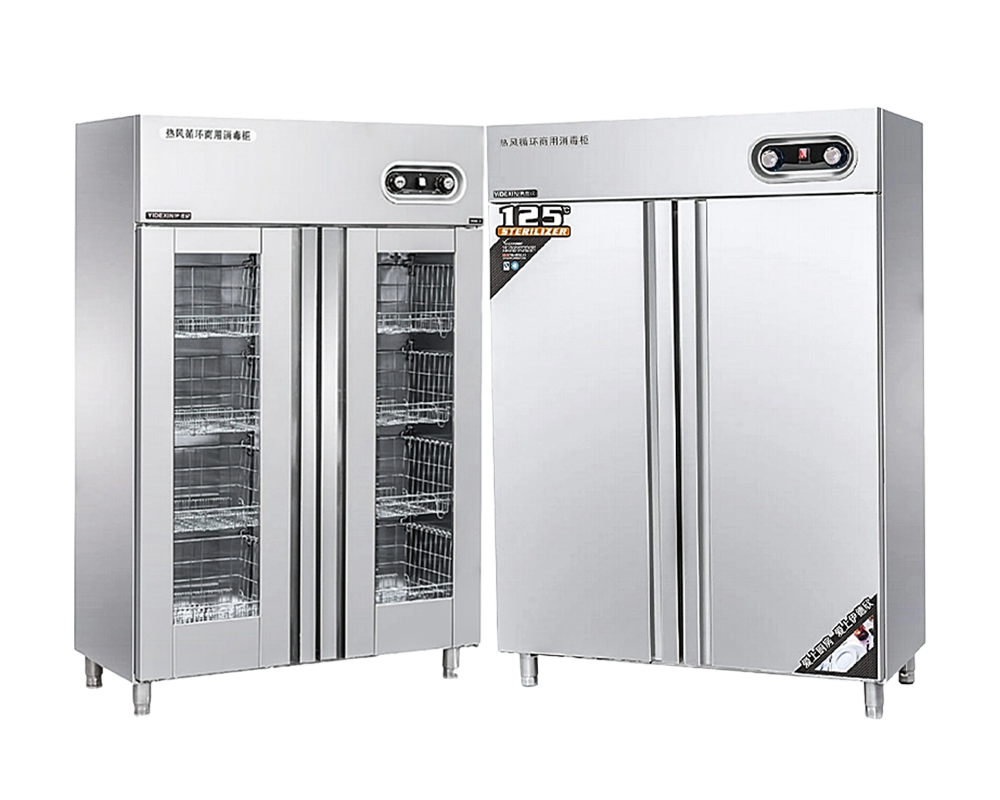 Stainless Steel/Glass Flat Door Sterilization Cabinet
-
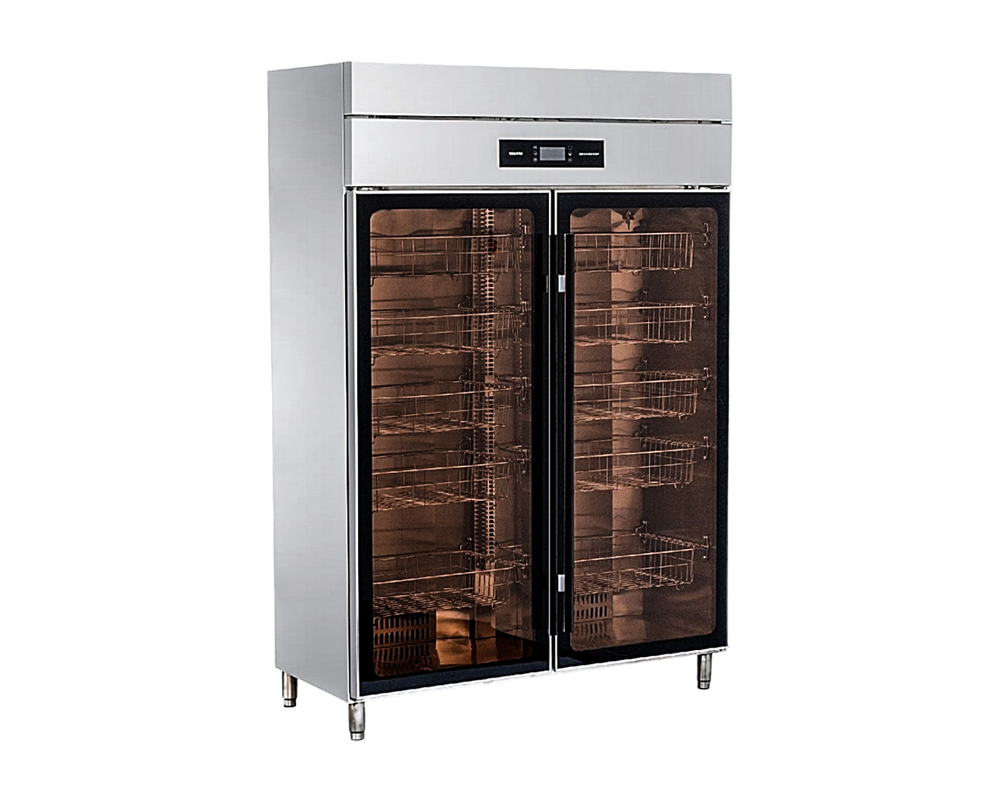 Multifunctional Three-mode High Temperature Glass Door Disinfection Cabinet
-
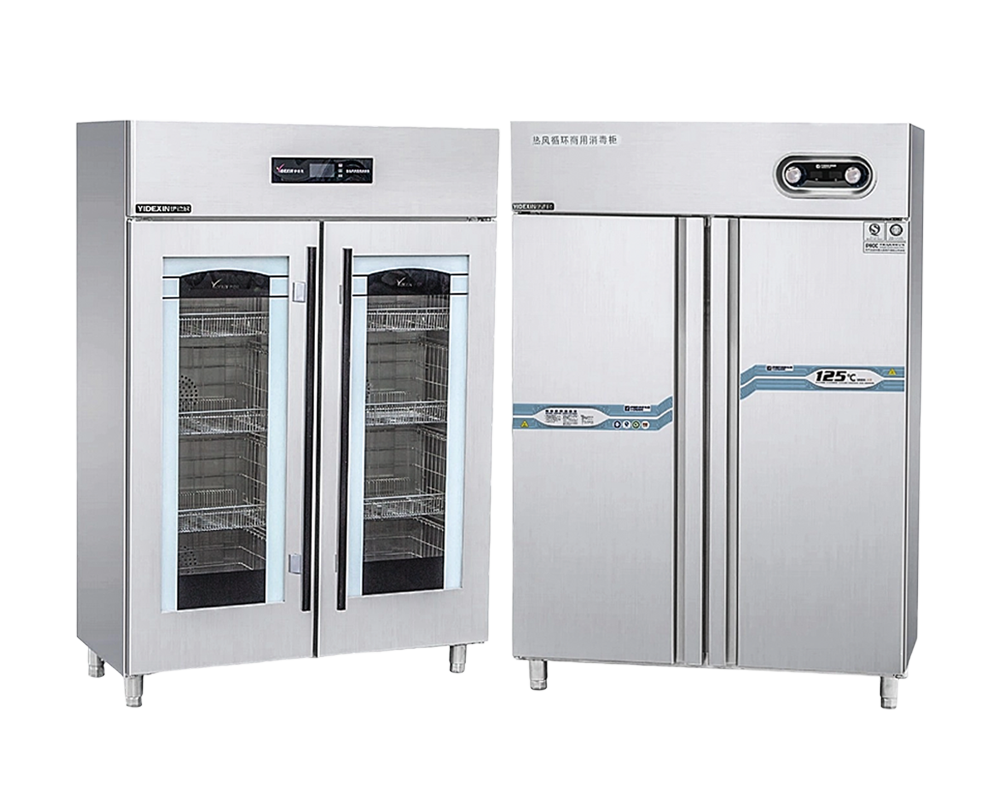 Commercial Restaurant Anti-Fingerprint Stainless Steel Disinfection Cabinet
-
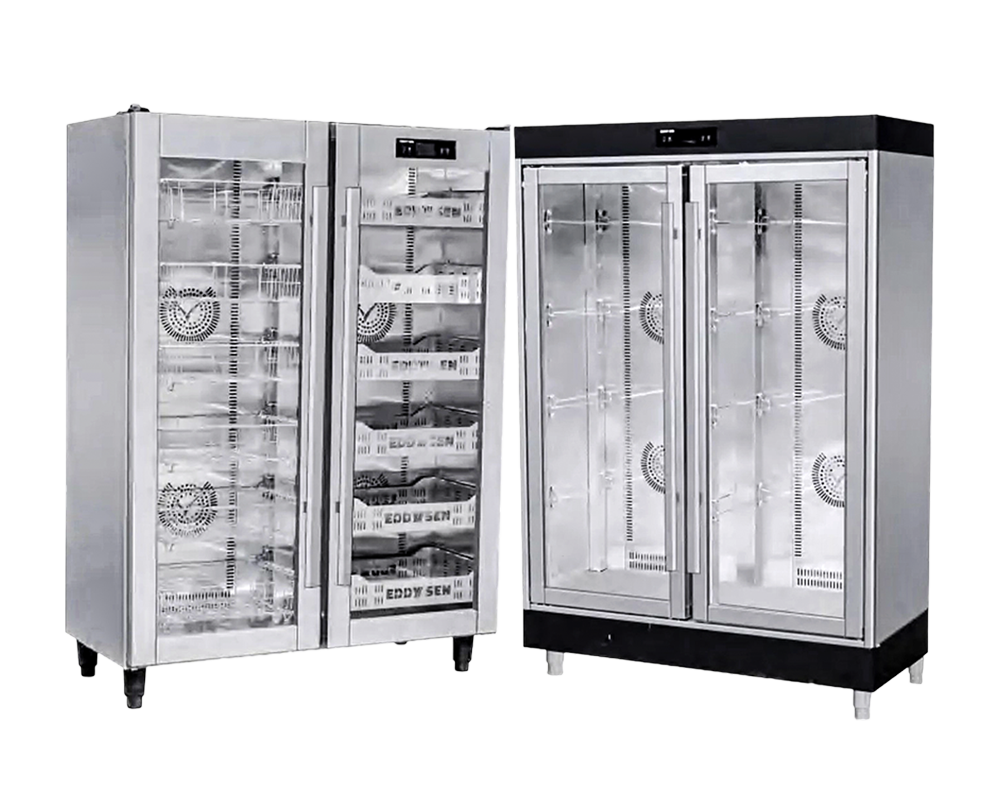 Intelligent Light Wave Stainless Steel UV Disinfection Cabinet
-
 [email protected] / [email protected]
-
 +86-15066977778 / +86-19012777577

-
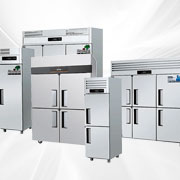 Reach-in Refrigerators
-
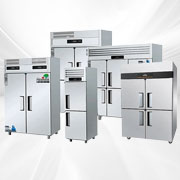 Reach-in Freezers
-
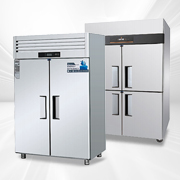 Dual Temperature Refrigerators
-
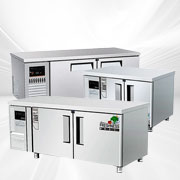 Worktop Refrigerators
-
 Worktop Freezers
-
 Salad Bar Refrigerators
-
 Combined Island Display Refrigerators
-
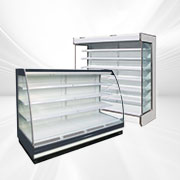 Air Curtain Refrigerators
-
 Fresh Cabinets
-
 Display Refrigerators(Glass Door)
-
 Electric Rice Steamer Cabinets
-
 Gas Rice Steamer Cabinets
-
 Vertical Banquet Cabinets
-
 Horizontal Banquet Cabinets
-
 Heated Disinfection Cabinets
Home / News / Industry information / Air Curtain Fridge Guide — Choose, Install & Maintain (Sliding Doors)
Air Curtain Fridge Guide — Choose, Install & Maintain (Sliding Doors)
Content
- 1 How an air curtain fridge (sliding-door air curtain) works
- 2 Primary benefits and practical limits
- 3 Performance metrics & specifications to check
- 4 Selecting the right sliding door air curtain for a project
- 5 Installation checklist (practical tips)
- 6 Maintenance, monitoring and troubleshooting
- 7 Energy savings & ROI — two worked examples
- 8 Retrofit scenarios and quick selection guide
- 9 Final checklist before purchase
How an air curtain fridge (sliding-door air curtain) works
An air curtain refrigerator (also called an air curtain fridge) installs a high-velocity, conditioned airflow across an open doorway or sliding-door opening. The curtain forms a thin, controlled air barrier that reduces warm-air infiltration, limits humidity transfer, and keeps cold air inside the refrigerated zone without a full solid door. Commercial sliding door air curtains are sized to match opening width, discharge height and target temperature, and they are engineered to avoid turbulence that would mix the two zones.
Primary benefits and practical limits
Air curtain refrigerators are widely used at supermarket refrigerated displays, walk-in coolers with frequent access, and open merchandising cases. Key benefits:
- Reduced refrigeration load — by limiting warm-air infiltration the refrigeration system needs to remove less heat.
- Faster customer access and operational efficiency compared to mechanical doors.
- Improved product visibility and easier stocking when used with sliding doors or open cases.
- Limits: performance falls off when wind drafts are present, when openings are excessively tall, or when door usage patterns are extremely high (continuous large-volume traffic).
Performance metrics & specifications to check
When comparing models, focus on measurable performance data rather than marketing claims. The following table lists the most useful metrics and typical target ranges for commercial sliding-door air curtains.
| Metric | Why it matters | Typical spec or target |
| Airflow (m³/h per meter) | Ensures sufficient barrier strength across opening | 2,000–6,000 m³/h per meter (varies by temperature drop) |
| Throw distance / effective height | Must cover the full vertical opening to prevent leaks | 0.8–2.0 m depending on nozzle design |
| Power draw (W) | Operational cost and electrical sizing | 200–1,200 W per unit (model-dependent) |
| Noise (dB) | Comfort and store environment impact | 45–65 dB at 1 m |
| Ingress protection / drain | Condensate management in humid environments | IPX4 or higher; integrated condensate tray recommended |
Selecting the right sliding door air curtain for a project
Match the air curtain to the opening and use case — do not oversize or undersize. Follow these practical selection steps:
- Measure opening width and height; note any irregular geometry (stepped heights, recessed sills).
- Determine traffic patterns: average openings per hour, length of each opening (seconds), and peak periods.
- Identify ambient conditions: store temperature, humidity, and whether the door faces exterior drafts or HVAC returns.
- Select a model whose rated airflow and throw cover the vertical height and provide ≥60% infiltration reduction for heavy duty retail cases.
- Verify electrical supply (voltage and available breaker) and ensure condensate routing or drip pan capacity is adequate.
Installation checklist (practical tips)
Correct mounting and aiming are crucial. The following checklist reduces common performance problems:
- Mount at manufacturer's recommended height above the opening; small deviations change throw profile.
- Use level bracketry; a 1–2° tilt can break the curtain or create recirculation.
- Seal around the housing to prevent bypass leakage behind the unit.
- Align airflow with opening centerline; verify with smoke test that curtain is continuous across the opening.
- Coordinate with shelving and signage so nothing disturbs the curtain downstream of the discharge.
Maintenance, monitoring and troubleshooting
Routine maintenance tasks
Monthly inspection: clean intake grille, vacuum fan housing, check condensate trap and drain. Every 6–12 months inspect fan motor bearings and belts (if belt-driven), verify electrical connections, and confirm noise and vibration levels are normal.
Troubleshooting common issues
- Weak curtain / drafts visible: check for blocked intake, worn fan, or incorrect mounting height.
- Condensation dripping: ensure condensate pan is clear, that unit has correct tilt if required, and confirm drain line routing.
- Excessive noise: tighten mounting, inspect bearings, and verify fan speed setting isn't higher than required.
Energy savings & ROI — two worked examples
Savings depend heavily on the scale of refrigeration load protected by the curtain. Below are realistic examples to help you estimate payback.
Small refrigerated display case (single case)
Assume baseline energy use for one refrigerated case of 6,000 kWh/year. A well-selected air curtain reduces infiltration and cooling load by about 18% in this scenario — that equals 1,080 kWh/year saved. At an electricity cost of $0.12/kWh, annual cost savings are $129.60. If installed cost is $3,000 (unit + install), payback is approximately 23.1 years, making the curtain marginal on a single small case unless other operational benefits (convenience, merchandising) justify it.
Whole refrigerated department (multiple cases)
Scale changes economics. If the baseline refrigeration energy protected by the curtain is 50,000 kWh/year and you cut load by the same 18%, annual savings are 9,000 kWh or $1,080/year at $0.12/kWh. At the same $3,000 installed cost, payback drops to about 2.8 years. This demonstrates why air curtains are most cost-effective when they protect large, frequently used refrigerated volumes.
Retrofit scenarios and quick selection guide
Common retrofit situations and recommended approaches:
- Replacing heavy swinging doors in high-traffic back-of-house areas — choose a robust, high-throw model with an integrated heater option if frost forms.
- Open merchandising cases in supermarkets — coordinate multiple shorter curtain modules for wide openings and ensure even overlap where modules meet.
- Walk-in cooler where staff open doors frequently — pair a slim sliding-door air curtain with door-activated controls to reduce continuous runtime.
Final checklist before purchase
Before you buy, confirm these items with the vendor and your facilities team:
- Measured performance curves (airflow vs. throw) for the chosen mounting height.
- Power draw and electrical safety certifications (CE, UL, or local equivalent).
- Condensate management plan and warranty on motor & fan components.
- A site smoke test after installation to verify continuous curtain performance across the whole opening.
If you’d like, provide your opening dimensions, door traffic patterns (opens/hour), and the refrigerated load you want to protect (kW or kWh/year). I can calculate a tailored airflow requirement and a simple payback estimate based on current electricity price and likely infiltration reduction.

-
 Add.
Add.
Sales Center:Room 410, Floor T3-4, Zhonghai Development Building, No. 888, Kejiguan Street, Binjiang District, Hangzhou, Zhejiang,China
Factory Address:100 Meters South Of Zhongmao Village, Xingfu Town, Boxing County, Binzhou City, Shandong Province, P.R.China
Sales Center:Room 410, Building 15, Tianan Headquarters Center, 555 North Panyu Avenue, Donghuan Street, Panyu District, Guangzhou City, china
-
 Tel.
+86-15066977778+86-19012777577
Tel.
+86-15066977778+86-19012777577 -
 Email.
Quick Links
Product Fast Links
Mobile Terminal
Copyright @Hangzhou Eddysen Catering Equipment Co., Ltd.All rights reserved. Commercial Freezer Manufacturer