 English
 中文简体
中文简体 Español
 عربى
عربى
-
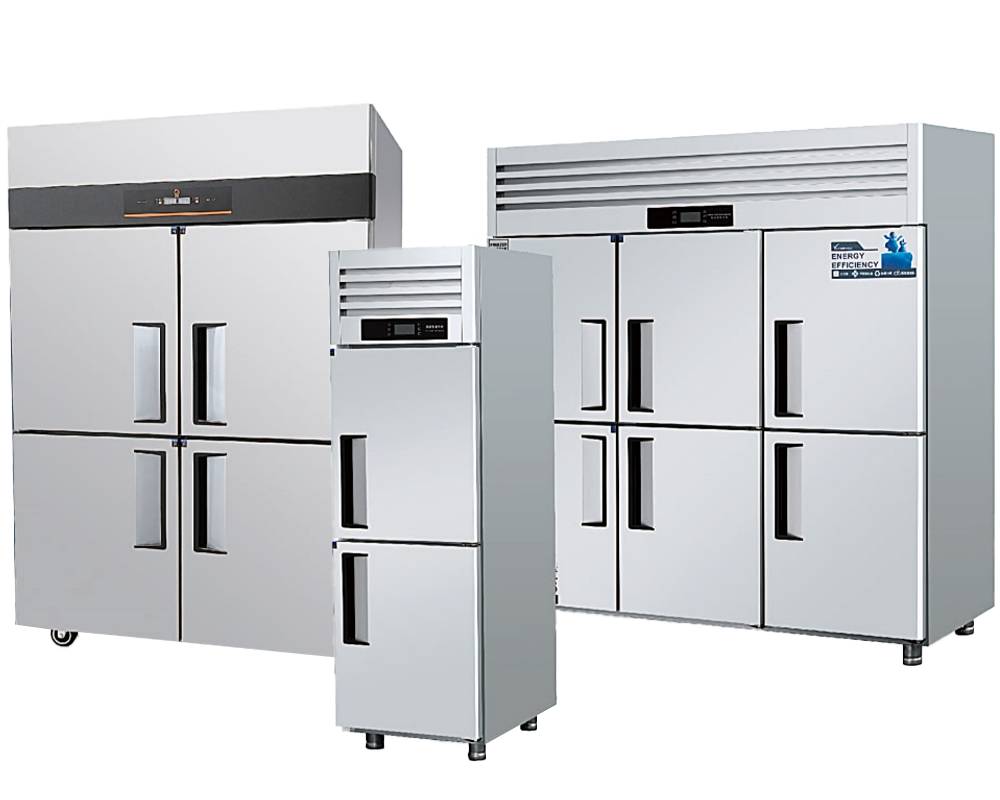 Commercial Vertical Direct-cool Stainless Steel Reach-in Refrigerator
-
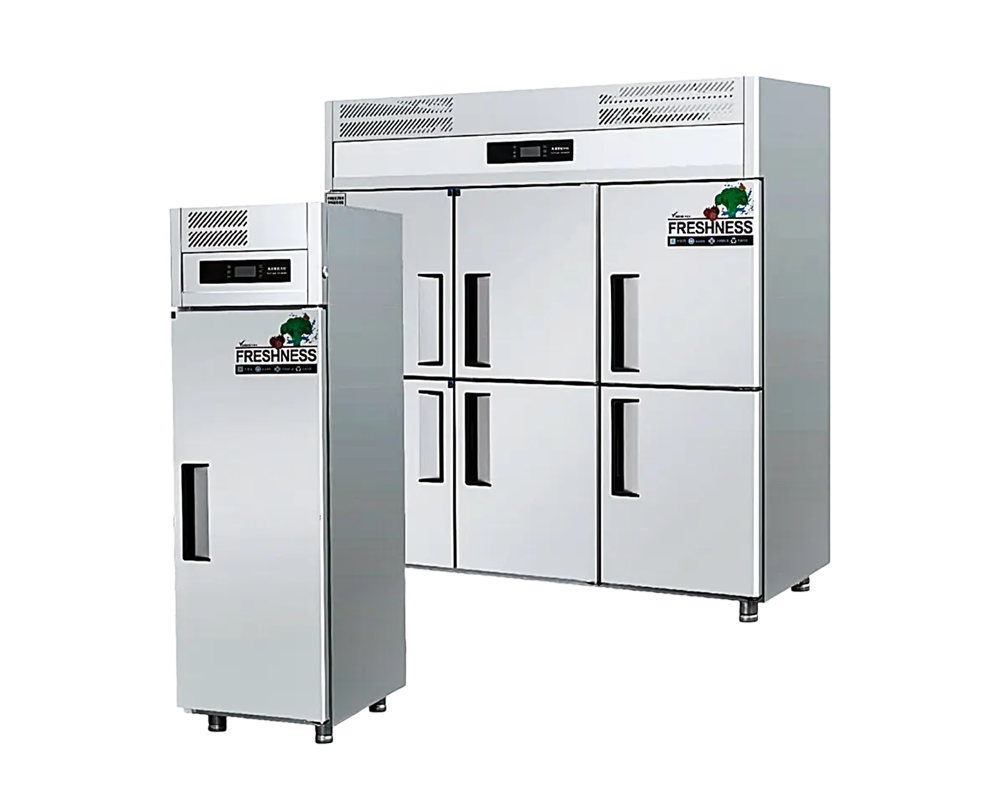 Commercial 201SUS Upright Air Cooling Reach-in Refrigerators
-
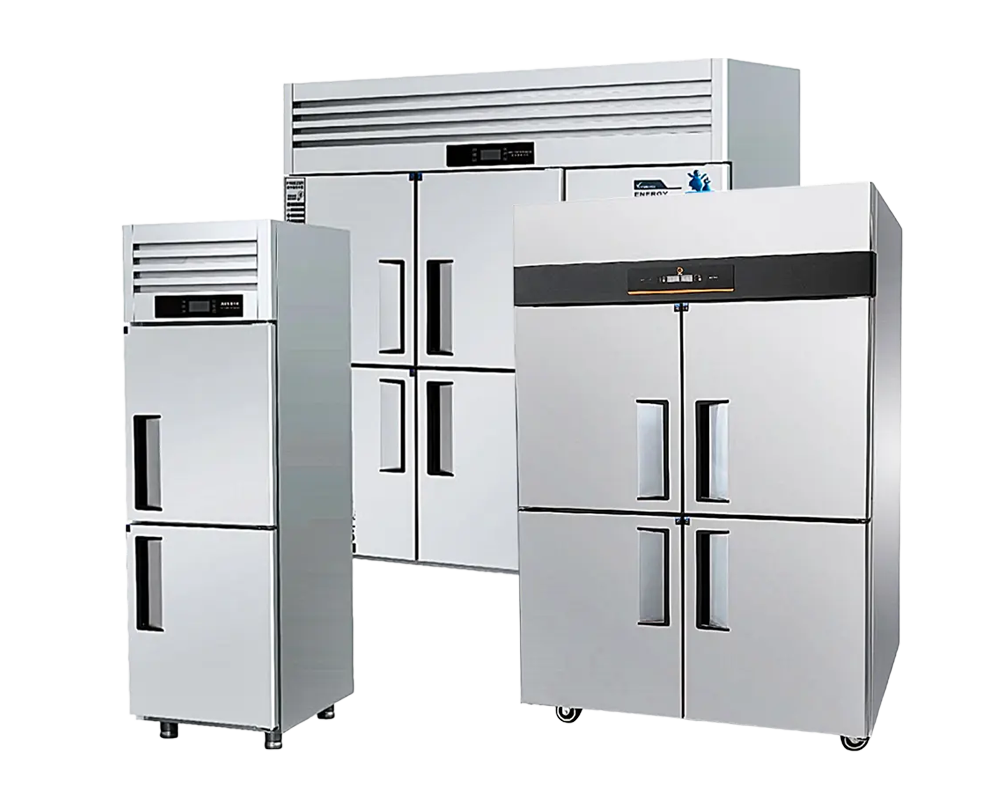 Commercial Direct-Cool Upright Reach-in Freezers
-
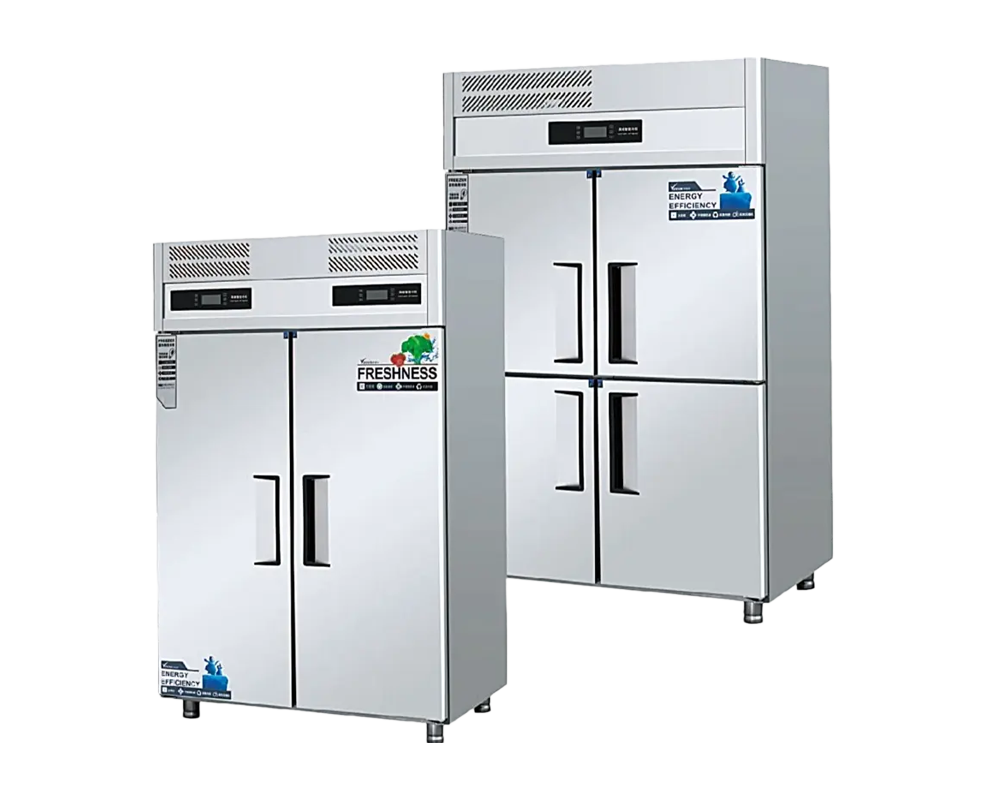 Commercial Stainless Steel Air Cooled Reach-in Vertical Freezers
-
 Dual Temperature Control Direct Cooling Commercial Upright Reach-in Refrigerators
-
 Commercial Vertical Air Cooled Intelligent Reach-in Freezer and Refrigerator
-
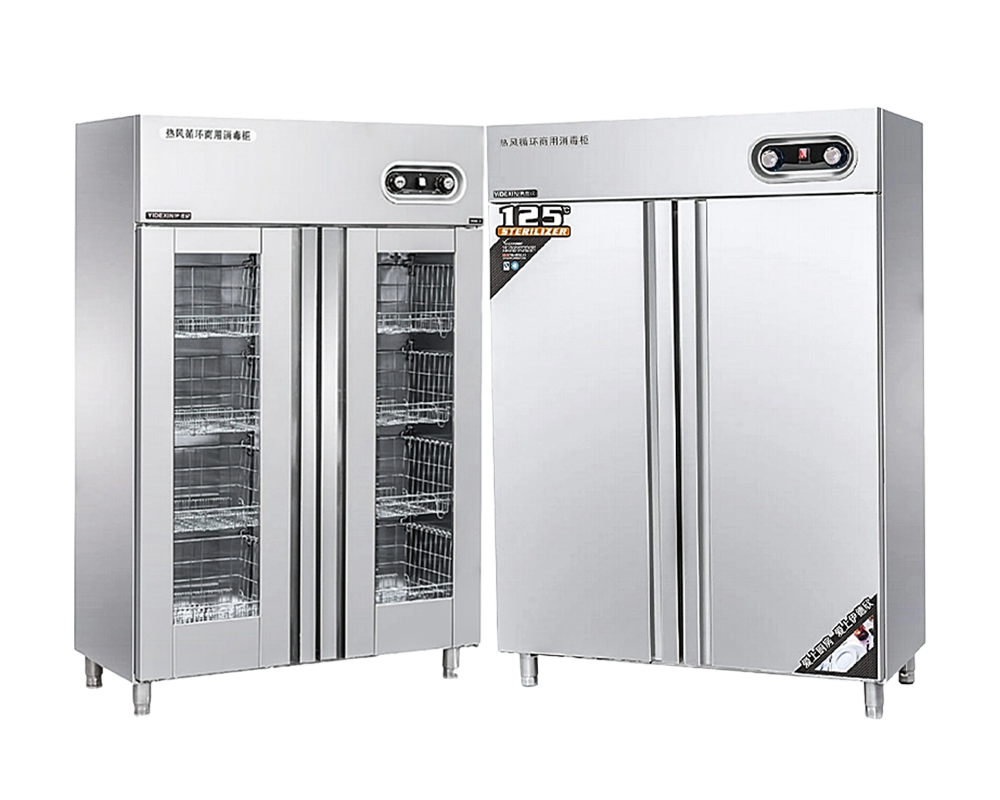 Stainless Steel/Glass Flat Door Sterilization Cabinet
-
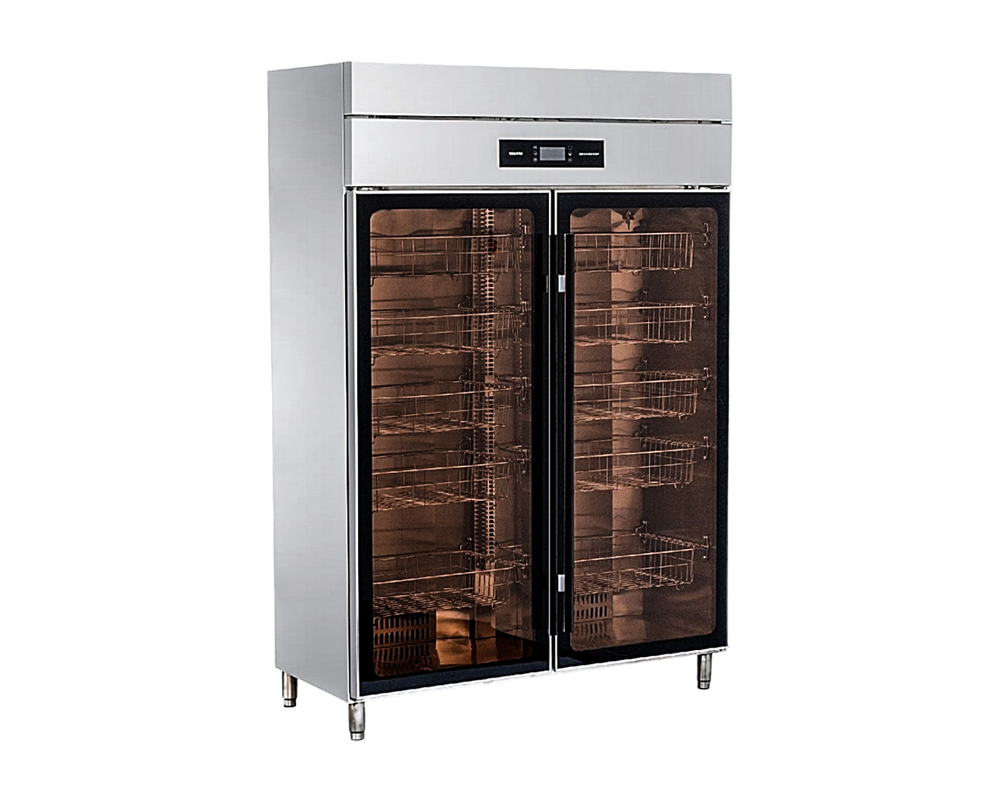 Multifunctional Three-mode High Temperature Glass Door Disinfection Cabinet
-
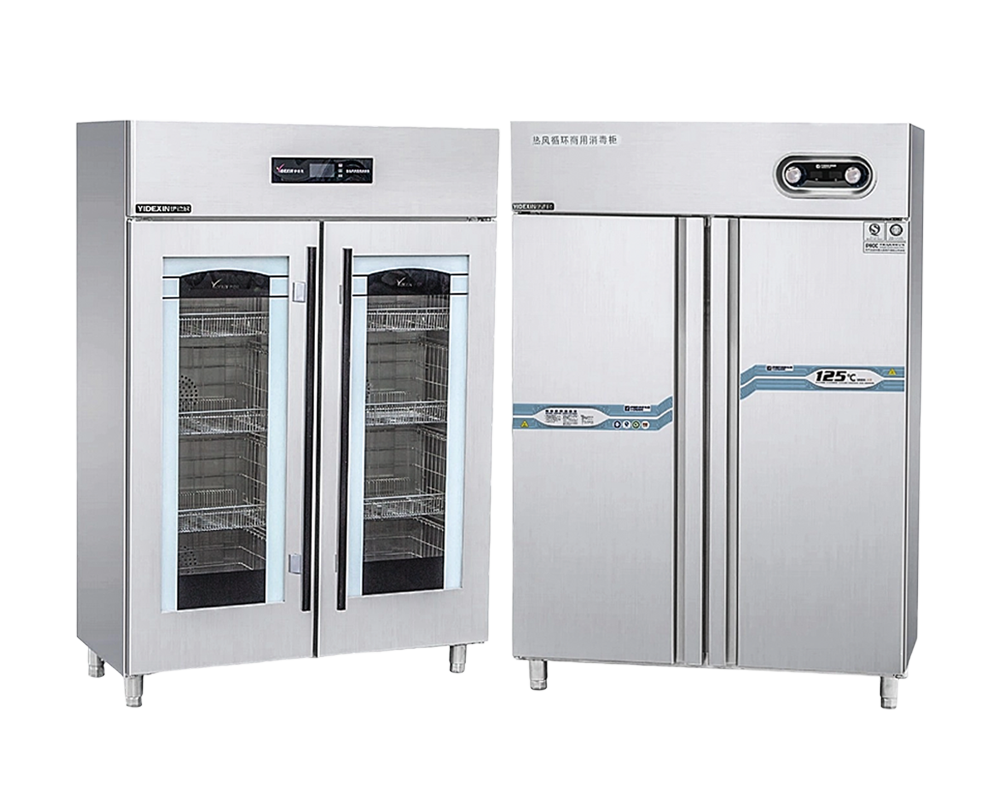 Commercial Restaurant Anti-Fingerprint Stainless Steel Disinfection Cabinet
-
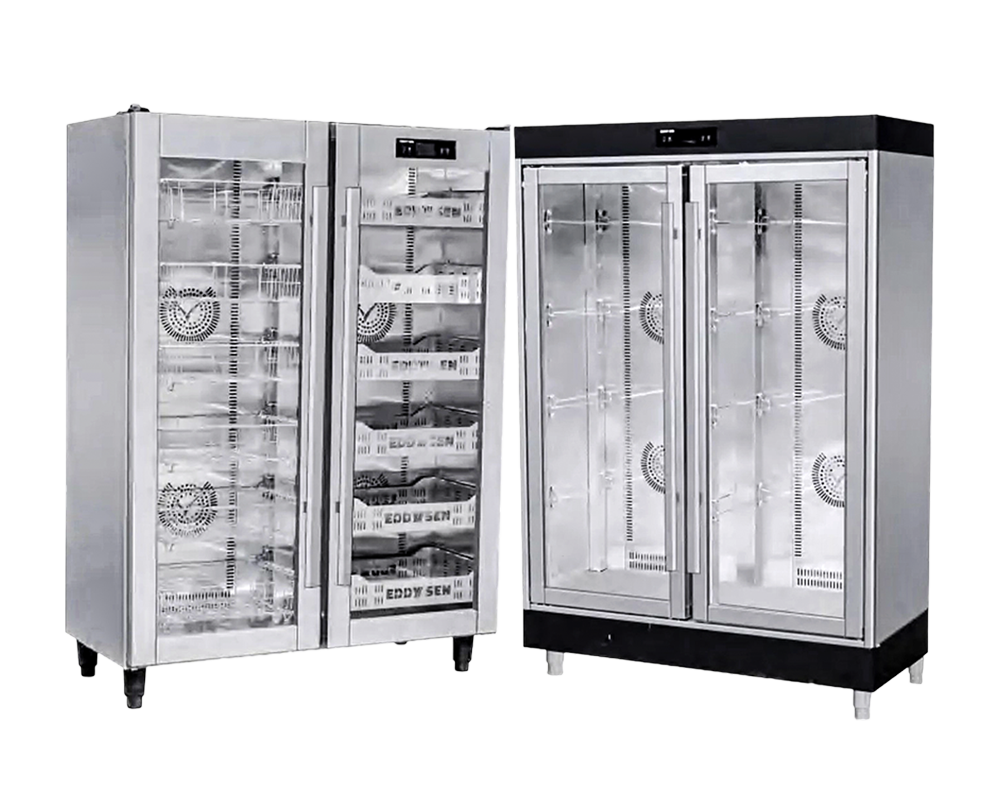 Intelligent Light Wave Stainless Steel UV Disinfection Cabinet
-
 [email protected] / [email protected]
-
 +86-15066977778 / +86-19012777577

-
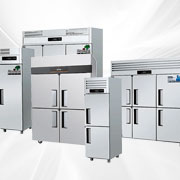 Reach-in Refrigerators
-
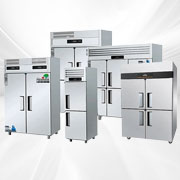 Reach-in Freezers
-
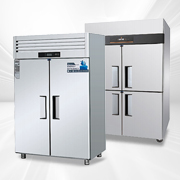 Dual Temperature Refrigerators
-
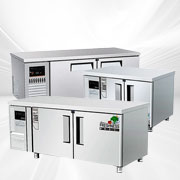 Worktop Refrigerators
-
 Worktop Freezers
-
 Salad Bar Refrigerators
-
 Combined Island Display Refrigerators
-
 Air Curtain Refrigerators
-
 Fresh Cabinets
-
 Display Refrigerators(Glass Door)
-
 Electric Rice Steamer Cabinets
-
 Gas Rice Steamer Cabinets
-
 Vertical Banquet Cabinets
-
 Horizontal Banquet Cabinets
-
 Heated Disinfection Cabinets
Home / News / Industry information / How to Build a Commercial Salad Bar in Your Fridge: Quick Steps
How to Build a Commercial Salad Bar in Your Fridge: Quick Steps
Content
- 1 Decide What “Salad Bar in a Fridge” Means for Your Operation
- 2 Forecast Portions First, Then Choose Pan Sizes and Locations
- 3 Build a Cold-Zone Map Inside the Fridge
- 4 Install the Pan System and Tools So Staff Can Refill Fast
- 5 Lock Food Safety: Targets, Logs, and a Realistic Monitoring Rhythm
- 6 Prevent the Two Big Quality Killers: Soggy Product and Warm Spots
- 7 Standardize Cleaning and Changeover So the Setup Stays Profitable
- 8 Know When to Stop Converting and Use a Dedicated Refrigerated Salad Bar
In commercial kitchens, a “salad bar in your fridge” usually means one thing: turning a refrigerator into a fast, organized cold-prep station that holds ingredients at stable temperatures while your team builds salads quickly and consistently. As a manufacturer and supplier, I see the same problem repeatedly—operators have good ingredients, but the cold workflow is slow, messy, and hard to keep food-safe during peak hours.
Below is how I recommend you build a salad bar in your fridge in a few practical steps for commercial service. The goal is not decoration; it is repeatable speed, food safety discipline, and easy daily cleanup.
Decide What “Salad Bar in a Fridge” Means for Your Operation
Before you rearrange shelves, define your service style. In manufacturing, we design refrigeration around how food is accessed—because access patterns drive heat gain, temperature swings, and waste.
Two common commercial setups
- Back-of-house “build line”: ingredients live inside the fridge; staff open doors briefly, grab pans, and assemble at a nearby counter.
- Front-of-house service (attended or self-serve): ingredients are held in an open top well or rail with a guard, optimized for continuous access.
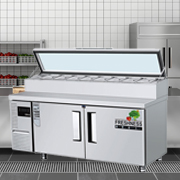
If your priority is customer-facing display and constant access, it is usually more efficient to use a dedicated salad bar refrigerator format. You can review options on our Salad Bar Refrigerators page and compare layouts before you commit to a DIY conversion.
Forecast Portions First, Then Choose Pan Sizes and Locations
In production planning, we never size a unit without demand assumptions. Do the same for your fridge salad bar: portion forecasting tells you how many pans you need, how deep they should be, and where backups should live.
A simple commercial sizing example you can copy
- If you sell 60 salads/day over a 4-hour rush window, that’s 15 salads/hour.
- If each salad averages 6 toppings and your staff pulls toppings twice per salad (portion + adjustment), you create 180+ “pan touches” during rush—access and layout matter.
- To reduce warming and waste, keep small active pans on the main line and hold cold backups deeper inside the fridge.
This planning step prevents a common mistake: operators overfill large pans “to avoid refills,” then end up with warm edges, soggy product, and end-of-shift discard.
Build a Cold-Zone Map Inside the Fridge
Not every spot inside a refrigerator behaves the same. Door racks and front edges warm fastest. Middle shelves recover temperature faster. Bottom areas can be colder depending on airflow design. Your “salad bar in the fridge” works best when you treat the interior like zones, not a single box.
My practical zoning rule for commercial cold prep
- Coldest, most stable zone (center/back): proteins, dairy, cut melons, cooked eggs, high-risk ready-to-eat items.
- Moderate zone (center/front): greens, cut vegetables, cooked grains, washed fruit.
- Warmest zone (doors/front edges): sealed condiments, whole produce, unopened beverages—avoid placing your most sensitive items here during rush.
When we manufacture salad-prep units, we use construction choices that support stable zones—such as rounded inner corners for easier cleaning and an insulation layer designed to reduce heat gain. For example, our salad bar refrigerator designs commonly use 6 cm insulation to improve holding stability and energy performance in daily operation.
Install the Pan System and Tools So Staff Can Refill Fast
Your “few steps” build succeeds or fails on mechanics: pans, lids, utensils, labels, and refilling method. If refills are slow, doors stay open longer, ingredients warm up, and the line collapses.
A practical build sequence I recommend
- Standardize pan footprints (same lengths/widths where possible) so staff can swap pans without reorganizing shelves.
- Use lids for backups and keep backup pans deeper in the cold zone; only active pans should be repeatedly accessed.
- Assign a refill lane (one shelf) where staff stage “next pans” in order of use during rush.
- Mount a label rail or use waterproof labels for each ingredient: name, prep time, and discard time.
- Fix the utensil logic: one utensil per ingredient, stored to avoid handle contact with food (or use utensil holders).
Lock Food Safety: Targets, Logs, and a Realistic Monitoring Rhythm
As a supplier, I always advise customers to treat cold holding as a system, not a thermostat setting. You need pre-chilling, correct filling depth, and a monitoring routine your team can actually sustain.
A widely used commercial benchmark for cold holding is 41°F (5°C) or below for time/temperature control foods. In busy service, the practical difference is your process: pre-chill ingredients, keep pans shallow, and verify with a probe thermometer on a schedule.
| Ingredient Group | Practical Target | Operational Tip |
|---|---|---|
| Leafy greens | 34–40°F (1–4°C) | Spin-dry well; keep greens in a dedicated “dry” pan to prevent pooling. |
| Cooked proteins & eggs | ≤41°F (≤5°C) | Portion into shallow pans; refill from cold backups rather than topping off warm pans. |
| Dairy & creamy dressings | ≤41°F (≤5°C) | Use smaller active pans; rotate more often to reduce time near the door/front. |
| Cut tomatoes & melons | ≤41°F (≤5°C) | Separate utensils and pans to reduce cross-contact and quality loss. |
A monitoring rhythm that staff actually follows
- Pre-chill all ingredients in cold storage before service. Do not expect the line fridge to pull warm food down quickly.
- Check and record temperatures at least every 2–4 hours during service (or more often if doors are opening constantly).
- If an item trends warm, replace the active pan with a pre-chilled backup and move the warm pan back to recovery (or discard per your policy).
Prevent the Two Big Quality Killers: Soggy Product and Warm Spots
Most salad bars fail on quality before they fail on temperature. In field feedback, two issues dominate: greens getting wet and the “front pan edge” creeping warm during rush.
Practical fixes we teach customers
- Do not heap above the pan rim. Product sitting above the cold air envelope warms faster and can look “tired” within an hour.
- Keep greens dry. Spin-dry, use perforated inserts when possible, and avoid storing wet greens directly over ingredients that cannot tolerate drip.
- Reduce door-open time. Stage “next pans” so refills take seconds, not minutes.
- Stop topping off pans. Mixing warm remnants with cold refills creates inconsistent temperature and quality; swap pans instead.
- Assign a cold-backup discipline. Backups should stay closed, deeper in the fridge, and only open when replacing the active pan.
If your workflow requires constant access to ingredients (buffets, hotels, high-volume lunch service), a purpose-built top well/rail reduces door cycling. Many of our commercial designs also use easy-clean interior shapes and integrated structures to shorten daily wipe-down time.
Standardize Cleaning and Changeover So the Setup Stays Profitable
A salad bar in your fridge only remains “few steps” if cleaning is simple. If teardown takes too long, staff will cut corners, labels disappear, and the system degrades within a week.
A commercial cleaning cadence that works
- After each rush: remove spills immediately, wipe handles and high-touch surfaces, and replace any pan that has pooled liquid.
- Daily close: pull all pans, wash and sanitize pans/lids/utensils, wipe interior surfaces, and verify drain paths are clear (if your setup uses inserts or wells).
- Weekly: inspect gaskets, hinges, and shelf tracks; clean condenser areas per your maintenance practice to protect temperature stability and energy use.
From a manufacturing perspective, rounded inner edges and one-piece liners matter because they reduce “dirt corners” and shorten cleaning time. When selecting equipment or configuring a conversion, prioritize surfaces and geometry that your team can clean quickly every day.
Know When to Stop Converting and Use a Dedicated Refrigerated Salad Bar
A conversion is smart when volume is moderate and access is controlled. But once you hit sustained rush traffic, the economics often favor a purpose-built unit: faster throughput, less warming, and fewer end-of-shift losses.
A realistic throughput example
If you run 80 salads/day and improve speed enough to sell 10 more salads/day, the incremental profit can be meaningful over a month—especially when the equipment also reduces waste by keeping pans colder and making rotation easier. The point is not the exact number; the point is that layout and cold stability directly influence revenue and discard.
If you want a format that combines a refrigerated ingredient well with a workbench—so pans are accessible without constant door opening—that is exactly what a commercial refrigerated salad bar is built to do. For a concrete reference, you can see construction and configuration notes on our Commercial Direct-cool 201 stainless steel refrigerated salad bar page.
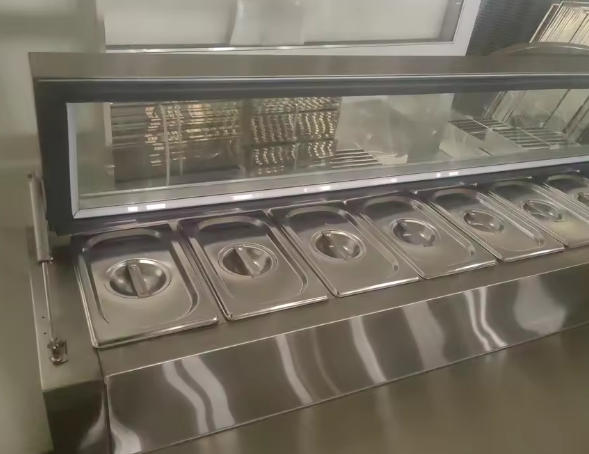
If you want a deeper discussion of food safety control points and ROI logic, refer to our refrigerated salad bar guide on food safety, setup, and ROI.

-
 Add.
Add.
Sales Center:Room 410, Floor T3-4, Zhonghai Development Building, No. 888, Kejiguan Street, Binjiang District, Hangzhou, Zhejiang,China
Factory Address:100 Meters South Of Zhongmao Village, Xingfu Town, Boxing County, Binzhou City, Shandong Province, P.R.China
Sales Center:Room 410, Building 15, Tianan Headquarters Center, 555 North Panyu Avenue, Donghuan Street, Panyu District, Guangzhou City, china
-
 Tel.
+86-15066977778+86-19012777577
Tel.
+86-15066977778+86-19012777577 -
 Email.
Quick Links
Product Fast Links
Mobile Terminal
Copyright @Hangzhou Eddysen Catering Equipment Co., Ltd.All rights reserved. Commercial Freezer Manufacturer