 English
 中文简体
中文简体 Español
 عربى
عربى
-
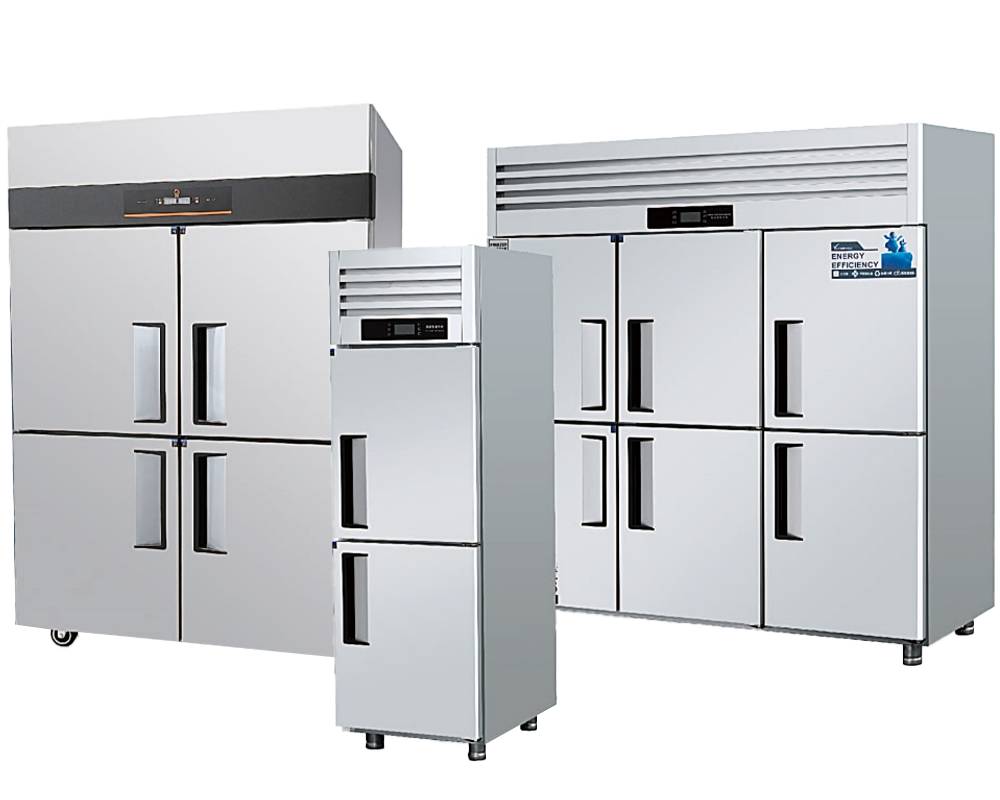 Commercial Vertical Direct-cool Stainless Steel Reach-in Refrigerator
-
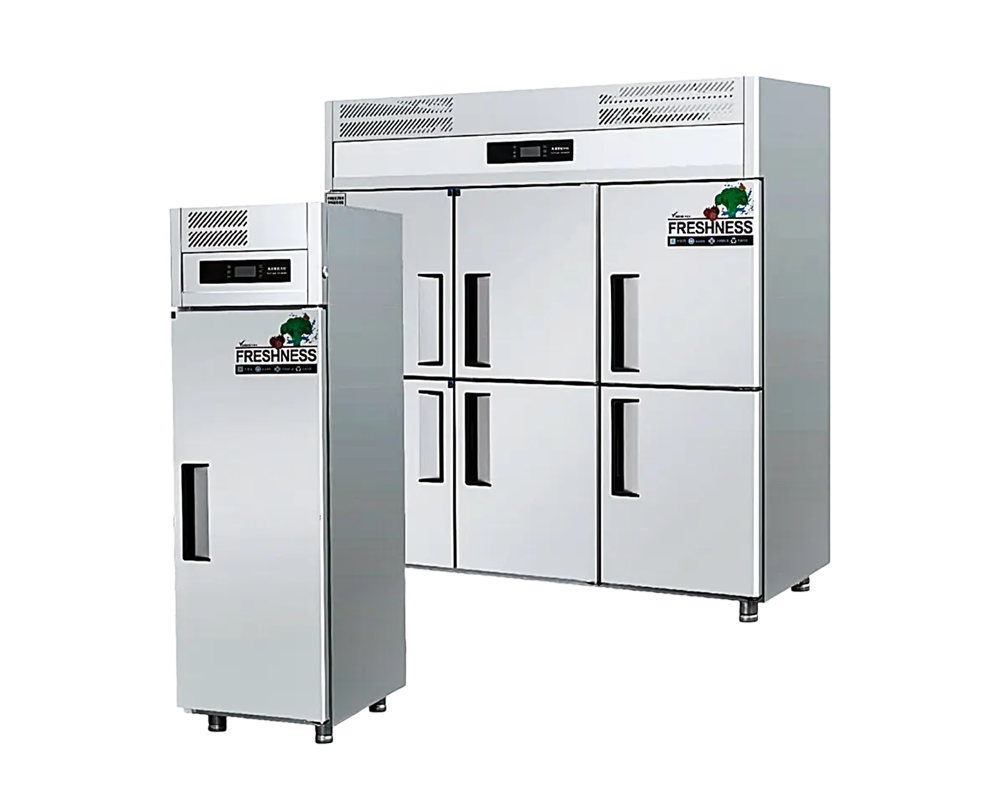 Commercial 201SUS Upright Air Cooling Reach-in Refrigerators
-
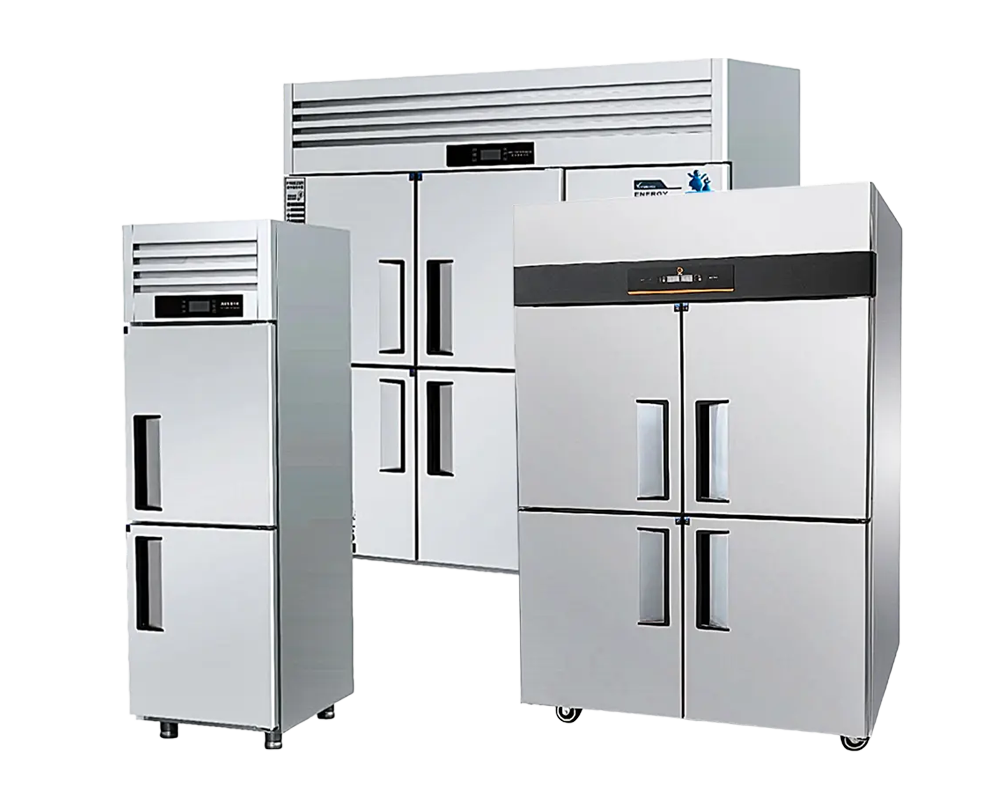 Commercial Direct-Cool Upright Reach-in Freezers
-
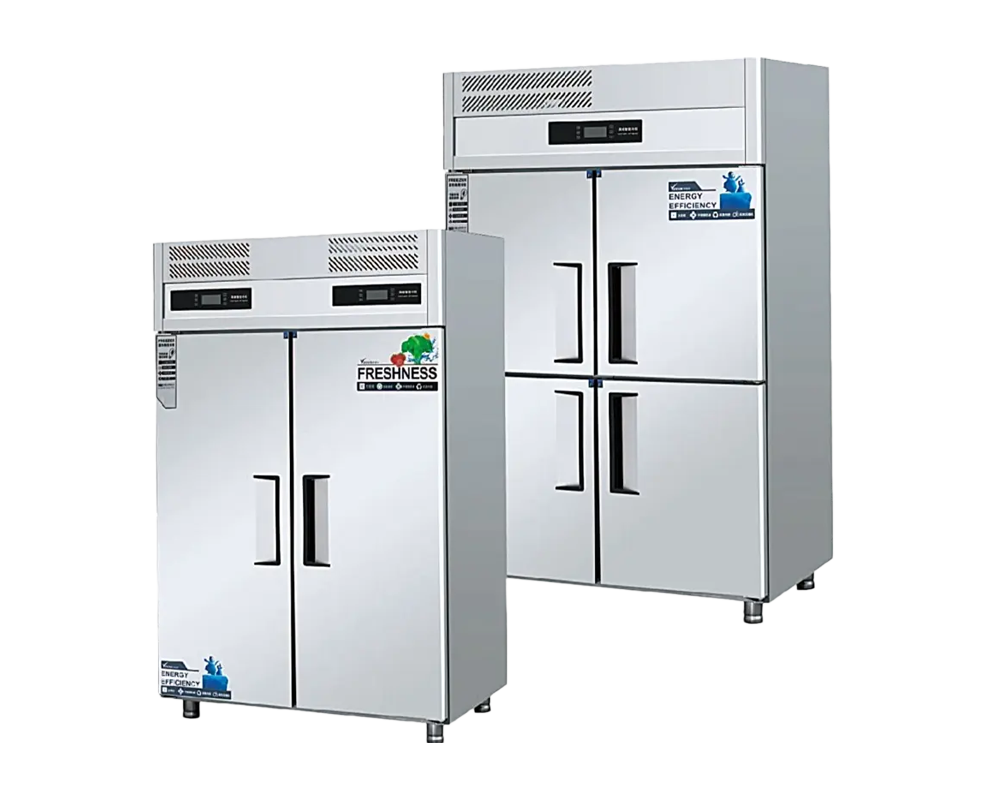 Commercial Stainless Steel Air Cooled Reach-in Vertical Freezers
-
 Dual Temperature Control Direct Cooling Commercial Upright Reach-in Refrigerators
-
 Commercial Vertical Air Cooled Intelligent Reach-in Freezer and Refrigerator
-
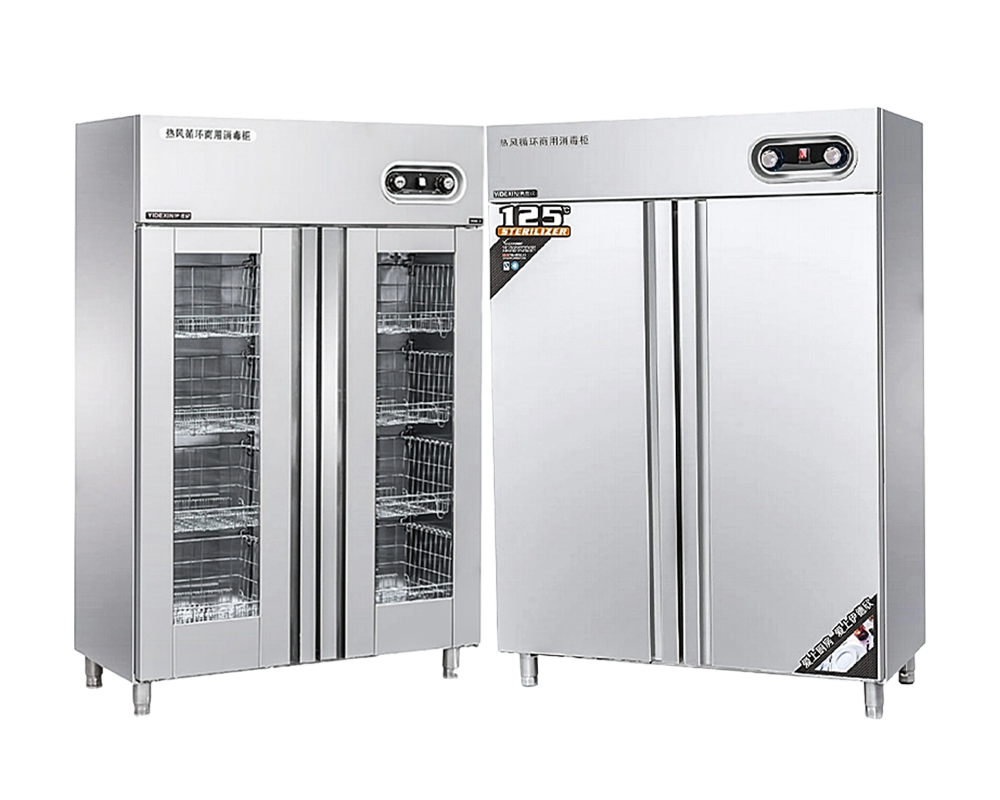 Stainless Steel/Glass Flat Door Sterilization Cabinet
-
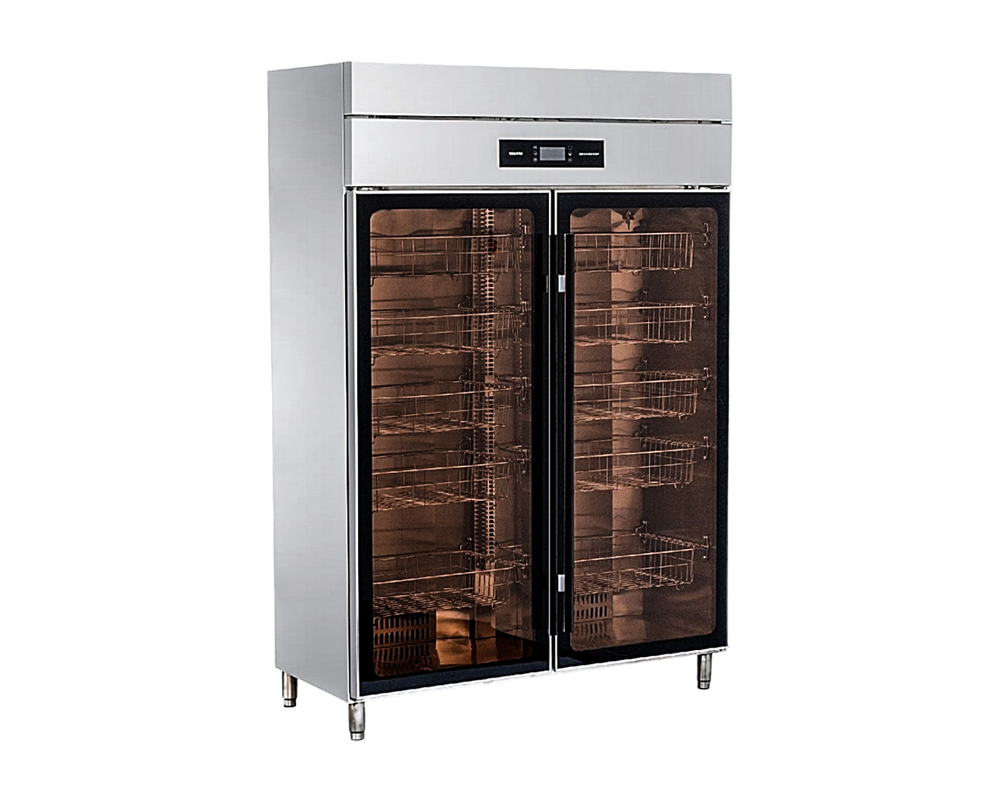 Multifunctional Three-mode High Temperature Glass Door Disinfection Cabinet
-
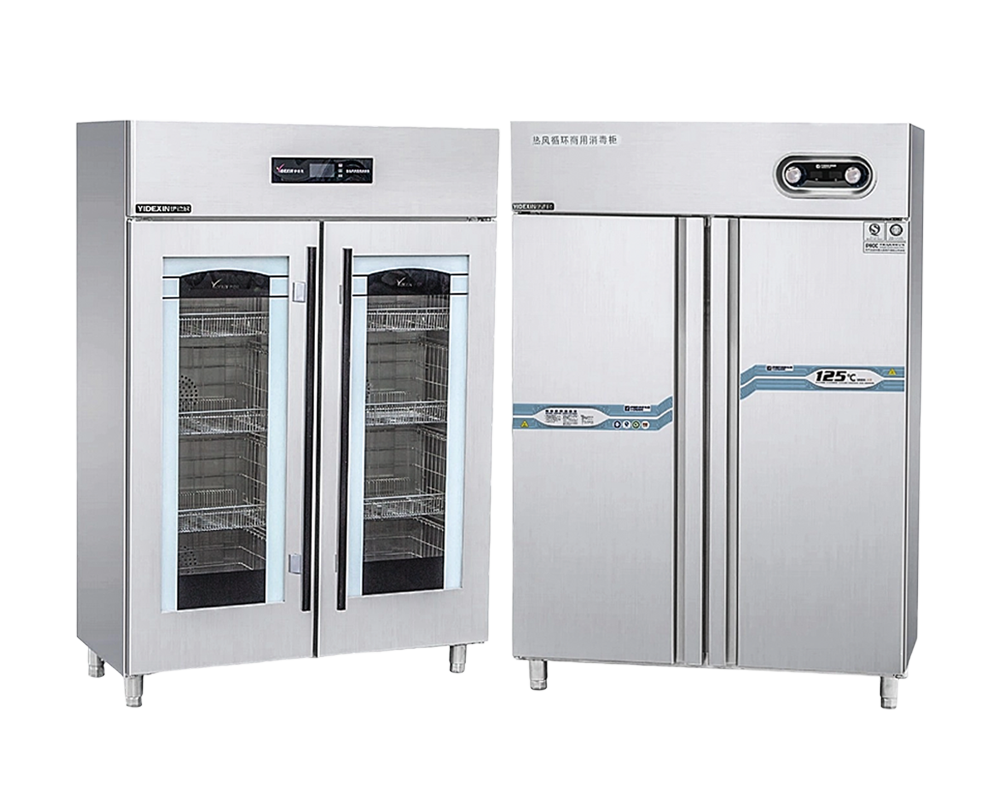 Commercial Restaurant Anti-Fingerprint Stainless Steel Disinfection Cabinet
-
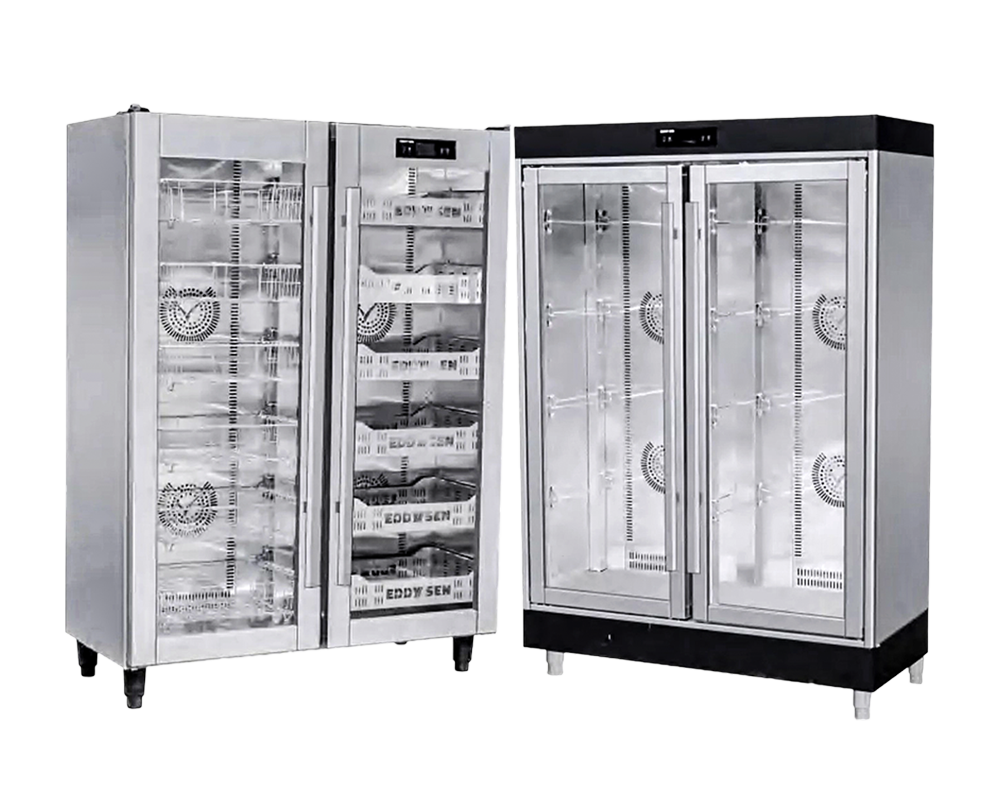 Intelligent Light Wave Stainless Steel UV Disinfection Cabinet
-
 [email protected] / [email protected]
-
 +86-15066977778 / +86-19012777577

-
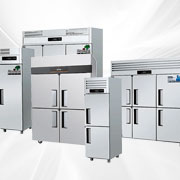 Reach-in Refrigerators
-
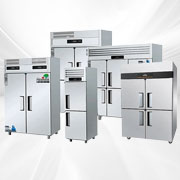 Reach-in Freezers
-
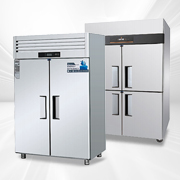 Dual Temperature Refrigerators
-
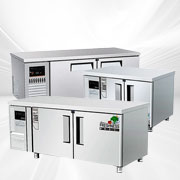 Worktop Refrigerators
-
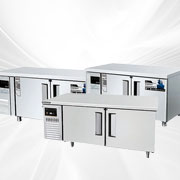 Worktop Freezers
-
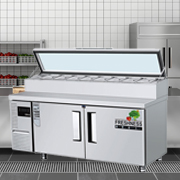 Salad Bar Refrigerators
-
 Combined Island Display Refrigerators
-
 Air Curtain Refrigerators
-
 Fresh Cabinets
-
 Display Refrigerators(Glass Door)
-
 Electric Rice Steamer Cabinets
-
 Gas Rice Steamer Cabinets
-
 Vertical Banquet Cabinets
-
 Horizontal Banquet Cabinets
-
 Heated Disinfection Cabinets
Home / News / Industry information / How Much Does It Cost to Replace a Commercial Refrigerators in 2026?
How Much Does It Cost to Replace a Commercial Refrigerators in 2026?
Content
If your commercial refrigerator keeps breaking down, your energy bills rise and food safety is at risk. Delaying replacement increases losses. Knowing the real refrigerator costs helps you make smarter decisions.
In 2026, the average commercial refrigerator cost ranges from USD 1,200 to USD 6,000. Your final business refrigerator price depends on unit type, capacity, energy efficiency, and whether you choose standard or OEM/ODM solutions. Selecting a cost effective refrigerator balances upfront cost and long-term operating savings. To estimate your actual replacement cost, you need to understand what drives these price differences.
The Replacement Cost Varies Depending on the Type of Commercial Refrigerator
Commercial refrigerator costs vary widely depending on the equipment category you choose. Reach-in refrigerators are typically the most economical option for restaurants and small kitchens. Display refrigerators, island freezers, and glass-door cabinets cost more due to enhanced visibility, lighting systems, and airflow design. Walk-in refrigerators and blast freezers sit at the higher end of the business refrigerator price range because they require powerful compressors, reinforced insulation, and larger structural components.

What Factors Affect Commercial Refrigerator Cost?
When you evaluate a commercial refrigerator, the price you see is not random. Your final commercial refrigerator cost is shaped by multiple technical, material, and compliance-related factors.
-
Unit Size and Storage Capacity
Unit size is one of the most direct drivers of refrigerator costs. Larger internal volume requires more stainless steel panels, thicker insulation layers, and higher-capacity cooling systems to maintain consistent temperatures. In high-load commercial environments, increased storage capacity also demands stronger structural design to handle frequent door openings and heavy product turnover, which further raises the business refrigerator price.
-
Cooling System and Compressor Configuration
The refrigeration system plays a critical role in determining commercial refrigerator cost. High-quality compressors, well-designed evaporators, and balanced airflow systems improve cooling efficiency and temperature stability. While these components increase the initial business refrigerator price, they reduce compressor stress, lower failure rates, and extend the equipment’s service life, making them a smarter long-term investment.
-
Material Quality and Structural Design
Material selection directly affects both durability and refrigerator costs. Food-grade stainless steel, reinforced door frames, and heavy-duty hinges are essential for commercial kitchens with constant use. Although these materials raise upfront costs, they significantly improve resistance to corrosion, impact, and deformation, helping your refrigerator perform reliably under demanding daily operations.
-
Energy Efficiency and Insulation Technology
Energy efficiency is a major factor in long-term operating expenses. Commercial refrigerators with high-density insulation, precise temperature control, and optimized airflow consume less electricity. While energy-efficient models may carry a higher initial commercial refrigerator cost, a truly cost effective refrigerator reduces power consumption and delivers substantial savings over years of continuous operation.
-
Certification and Compliance Requirements
Certification requirements such as CE compliance add testing, documentation, and production costs. These processes increase refrigerator costs but ensure the equipment meets safety, performance, and environmental standards. For international distribution and import clearance, certified commercial refrigerators reduce regulatory risk and improve market acceptance.
-
OEM/ODM Customization Level
OEM/ODM customization affects manufacturing complexity and pricing. Customized dimensions, branding elements, control systems, or performance specifications require additional engineering and production adjustments. Although customization raises initial refrigerator costs, it allows you to align equipment precisely with your kitchen layout, operational workflow, and brand strategy, improving long-term efficiency and consistency.
Why Does Energy Efficiency Matter for Long-Term Cost?
Energy consumption is one of your largest ongoing expenses. A cost effective refrigerator with efficient compressors, precise temperature control, and optimized airflow reduces power usage every day. Over several years, energy savings can offset a higher upfront commercial refrigerator cost and improve overall return on investment.
When Should You Replace Instead of Repairing?
If frequent breakdowns disrupt operations and repair expenses exceed 30–40% of a new commercial refrigerator cost, replacement is usually the smarter choice. New equipment offers better reliability, lower energy consumption, and more stable temperature control, reducing operational risk.
In Conclusion
In 2026, replacing a commercial refrigerator is a strategic investment rather than a simple purchase. By understanding refrigerator costs and key pricing factors, and by working with an experienced manufacturer like Eddysen, you can choose a cost effective refrigerator that supports long-term efficiency, reliability, and business growth.

-
 Add.
Add.
Sales Center:Room 410, Floor T3-4, Zhonghai Development Building, No. 888, Kejiguan Street, Binjiang District, Hangzhou, Zhejiang,China
Factory Address:100 Meters South Of Zhongmao Village, Xingfu Town, Boxing County, Binzhou City, Shandong Province, P.R.China
Sales Center:Room 410, Building 15, Tianan Headquarters Center, 555 North Panyu Avenue, Donghuan Street, Panyu District, Guangzhou City, china
-
 Tel.
+86-15066977778+86-19012777577
Tel.
+86-15066977778+86-19012777577 -
 Email.
Quick Links
Product Fast Links
Mobile Terminal
Copyright @Hangzhou Eddysen Catering Equipment Co., Ltd.All rights reserved. Commercial Freezer Manufacturer