 English
 中文简体
中文简体 Español
 عربى
عربى
-
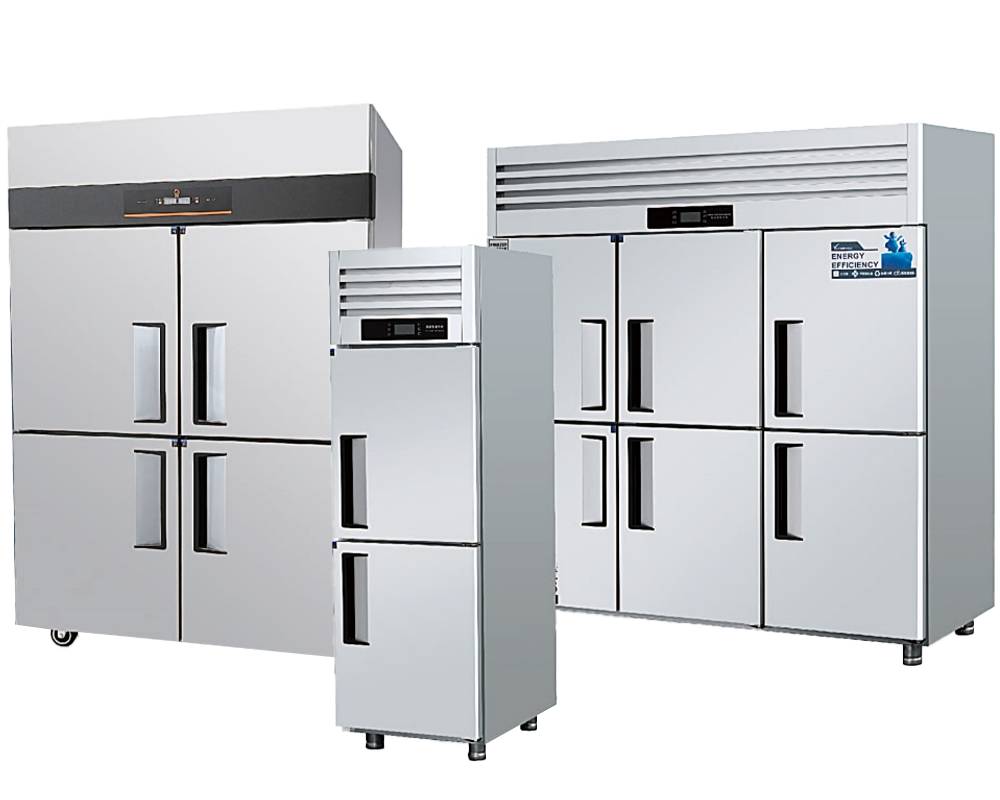 Commercial Vertical Direct-cool Stainless Steel Reach-in Refrigerator
-
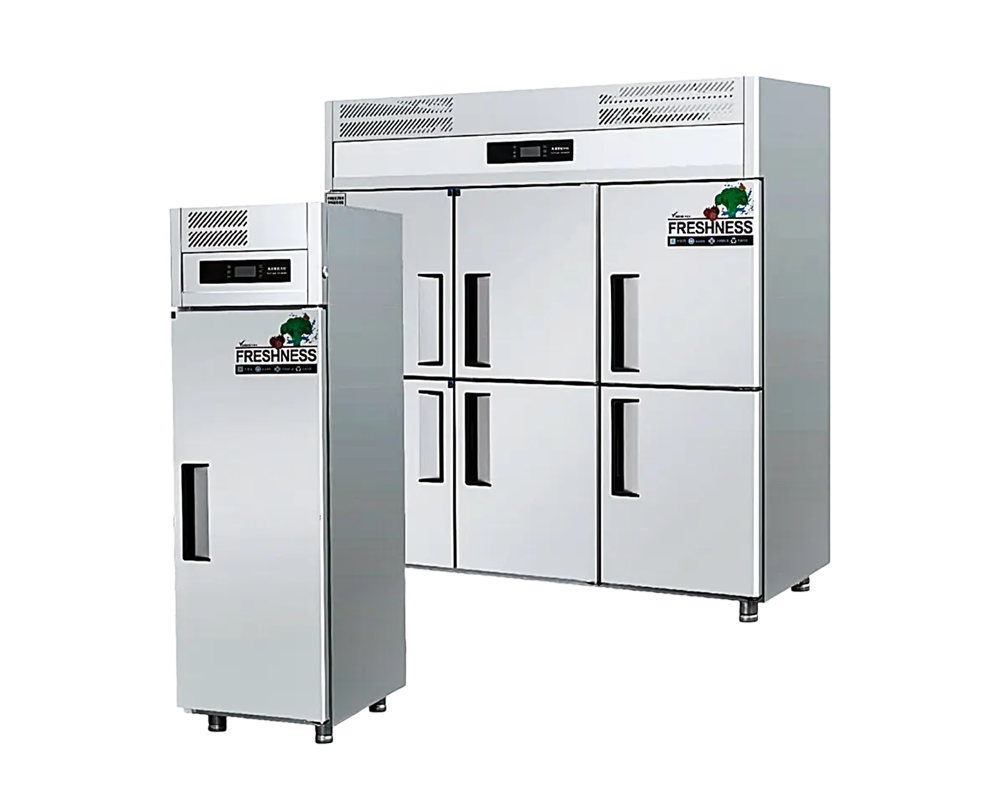 Commercial 201SUS Upright Air Cooling Reach-in Refrigerators
-
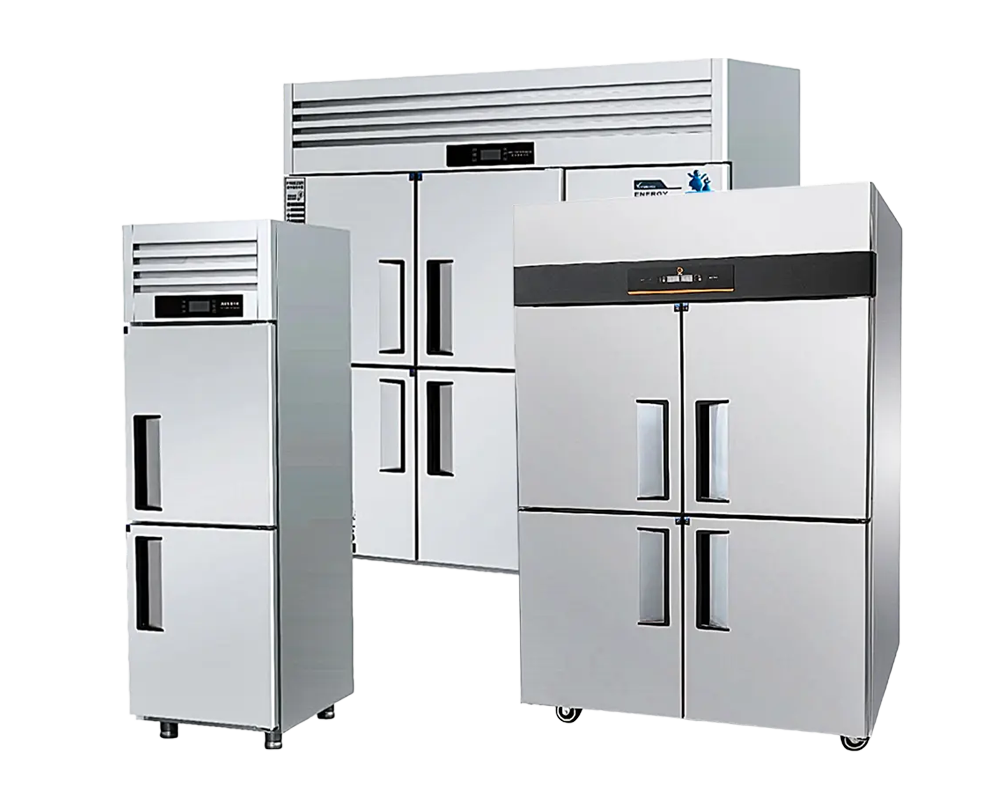 Commercial Direct-Cool Upright Reach-in Freezers
-
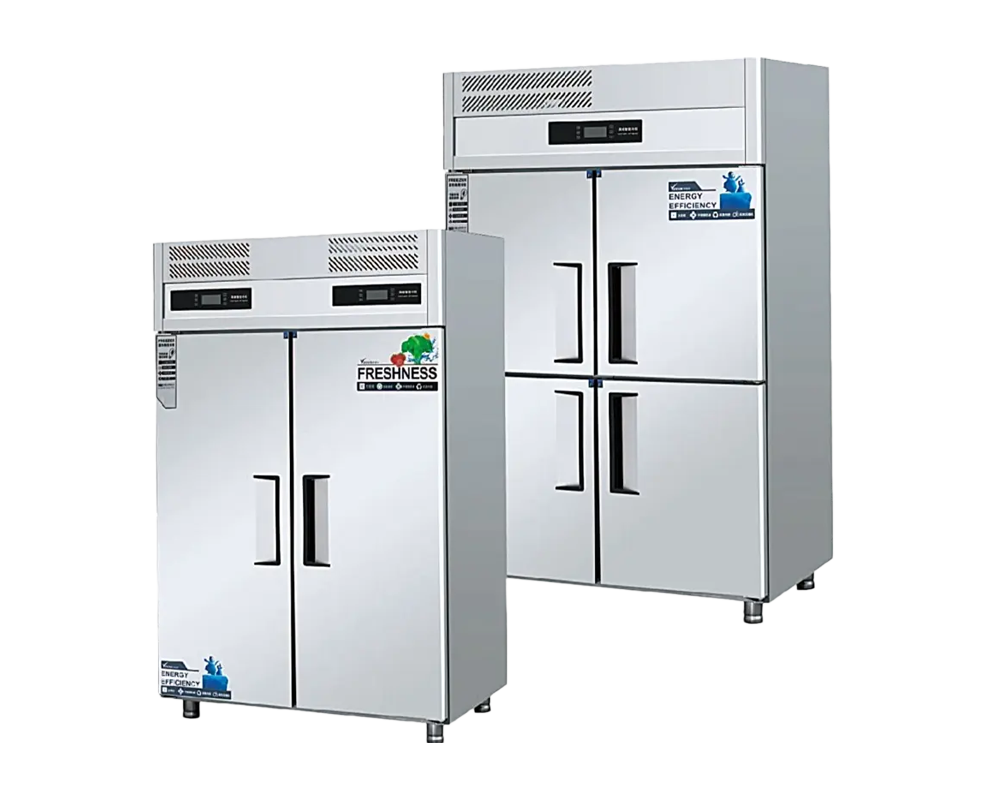 Commercial Stainless Steel Air Cooled Reach-in Vertical Freezers
-
 Dual Temperature Control Direct Cooling Commercial Upright Reach-in Refrigerators
-
 Commercial Vertical Air Cooled Intelligent Reach-in Freezer and Refrigerator
-
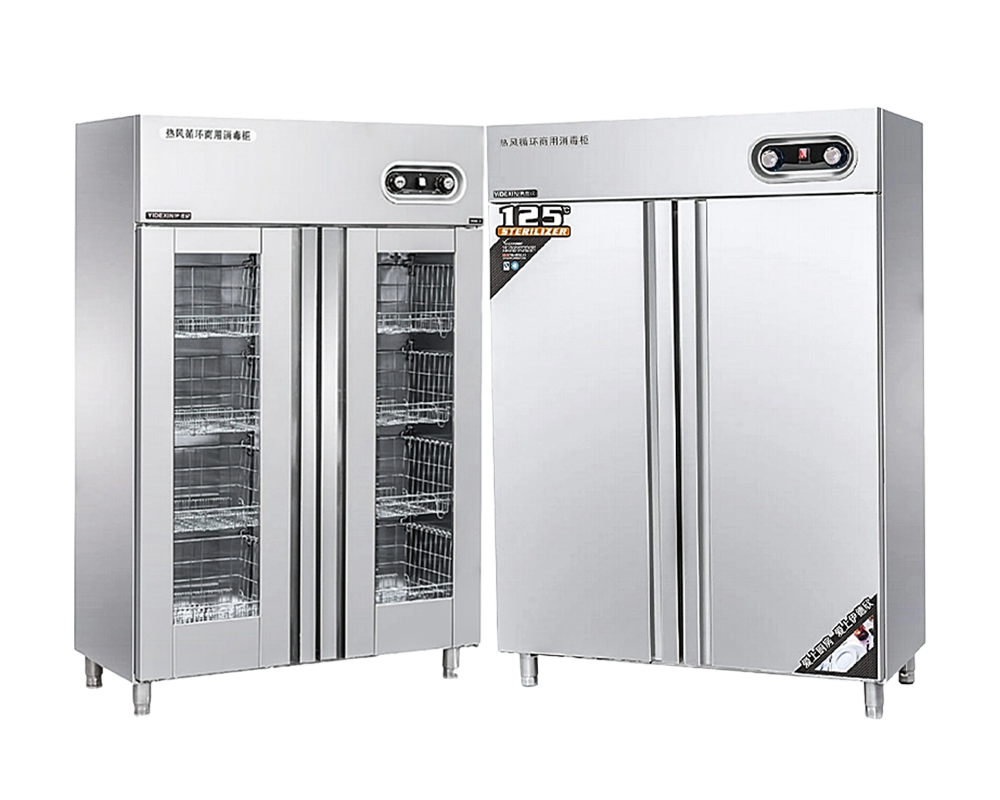 Stainless Steel/Glass Flat Door Sterilization Cabinet
-
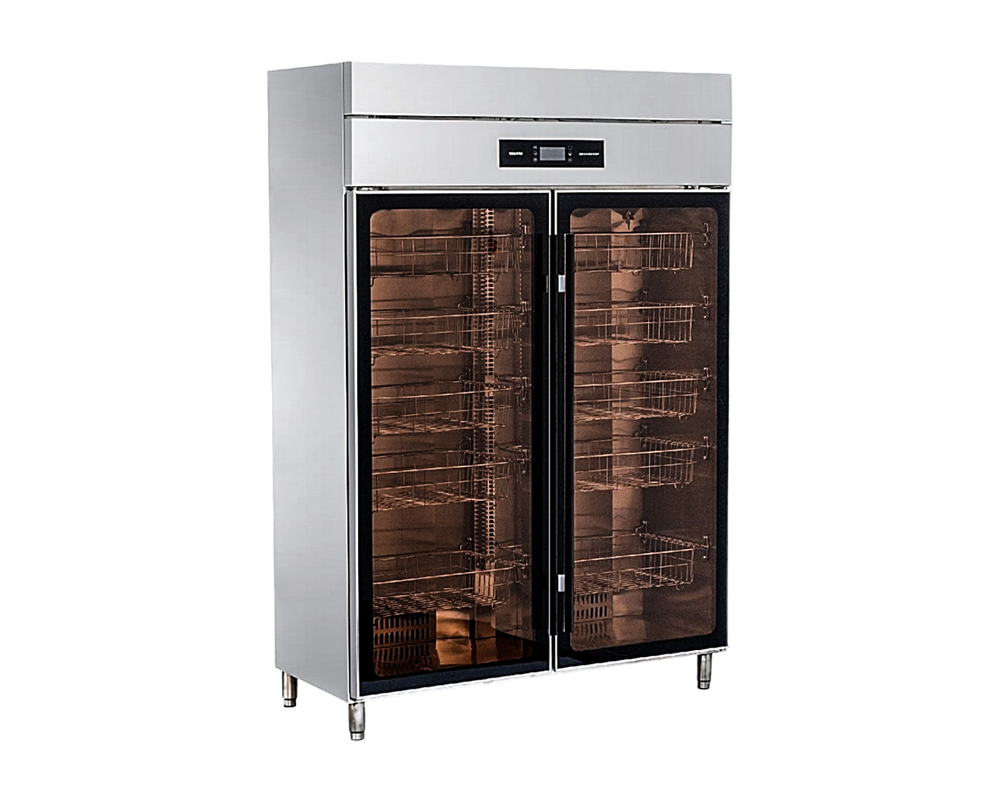 Multifunctional Three-mode High Temperature Glass Door Disinfection Cabinet
-
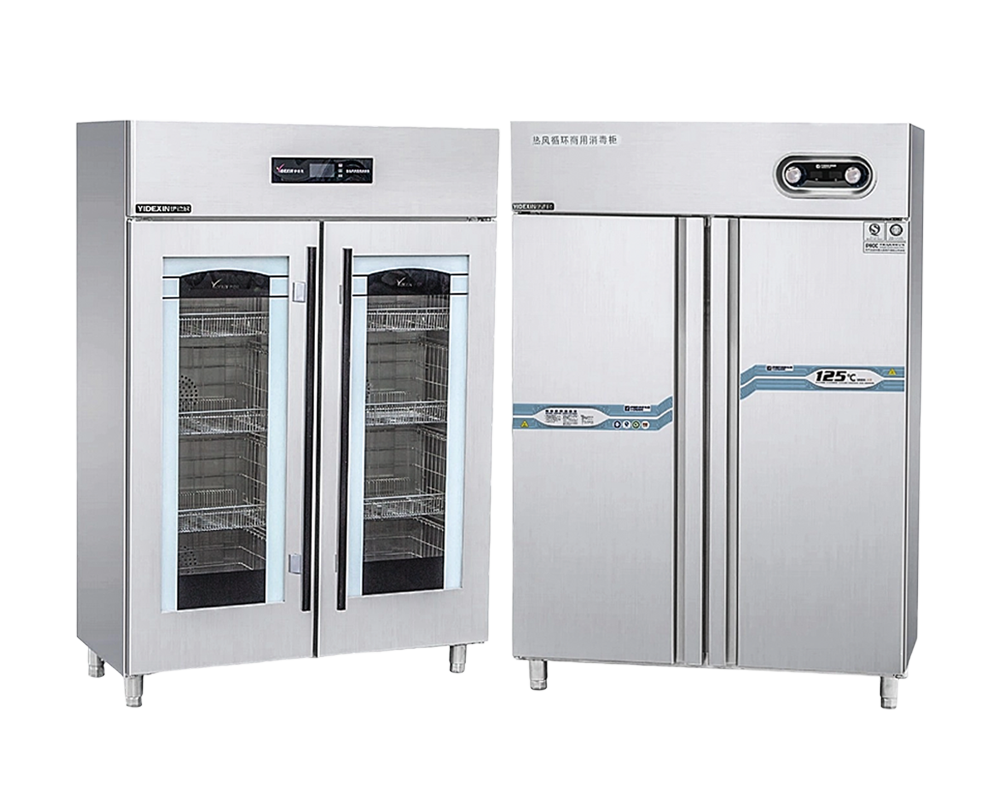 Commercial Restaurant Anti-Fingerprint Stainless Steel Disinfection Cabinet
-
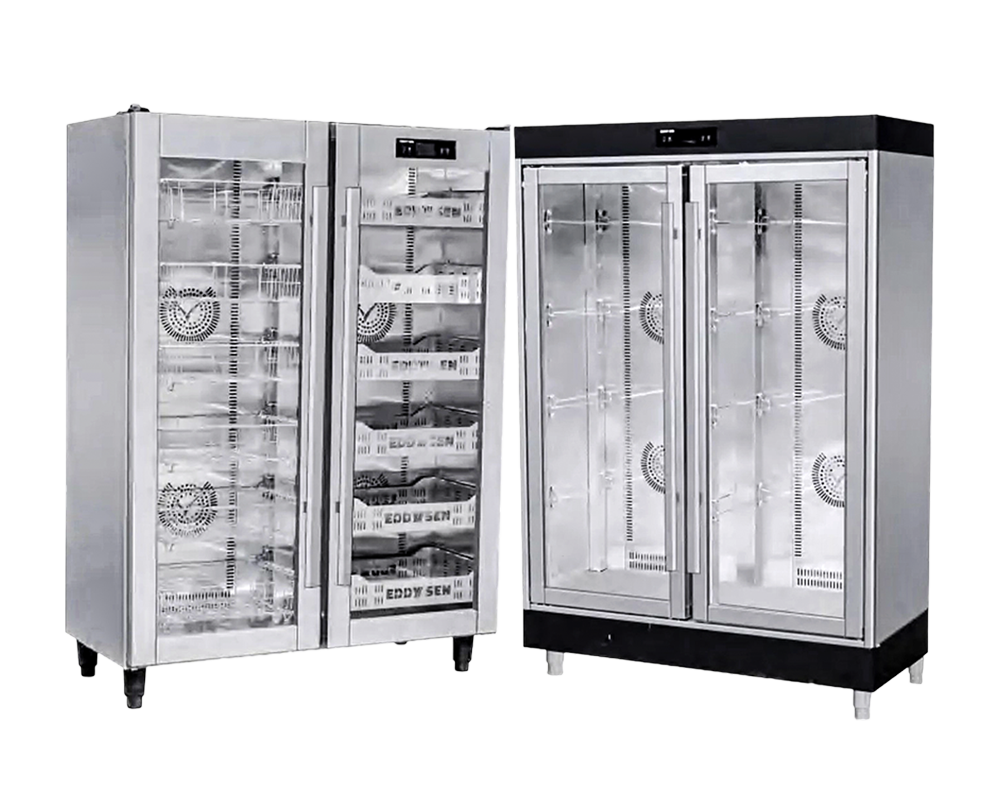 Intelligent Light Wave Stainless Steel UV Disinfection Cabinet
-
 [email protected] / [email protected]
-
 +86-15066977778 / +86-19012777577

-
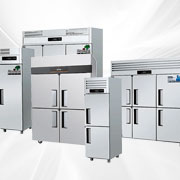 Reach-in Refrigerators
-
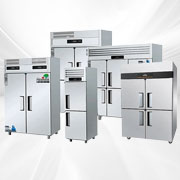 Reach-in Freezers
-
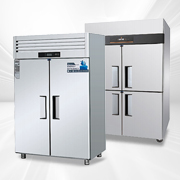 Dual Temperature Refrigerators
-
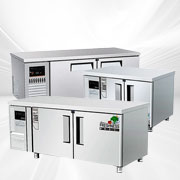 Worktop Refrigerators
-
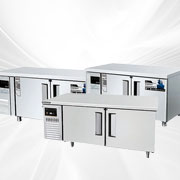 Worktop Freezers
-
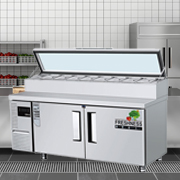 Salad Bar Refrigerators
-
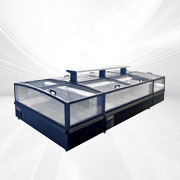 Combined Island Display Refrigerators
-
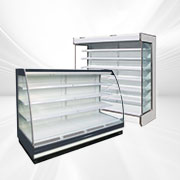 Air Curtain Refrigerators
-
 Fresh Cabinets
-
 Display Refrigerators(Glass Door)
-
 Electric Rice Steamer Cabinets
-
 Gas Rice Steamer Cabinets
-
 Vertical Banquet Cabinets
-
 Horizontal Banquet Cabinets
-
 Heated Disinfection Cabinets
Fan Cooling vs Static Cooling: Best Choice for Your Kitchen
Content
- 1 Fan Cooling (Air Cooling): What It Does Best in a Working Kitchen
- 2 Static Cooling (Direct Cooling): Why Some Kitchens Prefer It
- 3 Fan Cooling vs Static Cooling: Operational Differences That Affect Your Costs
- 4 Which Fits Your Kitchen Best? Match the Cooling Type to Real Scenarios
- 5 How to Get the Performance You Paid For: Loading, Placement, and Daily Habits
- 6 How We Support Your Specification: Choosing the Right Cabinet Type and Build
In a busy kitchen, the refrigeration system is not just “cold storage”—it is part of your workflow. As a commercial refrigeration manufacturer and supplier, I’m often asked one practical question: should you choose fan cooling (air cooling) or static cooling (direct cooling) for your kitchen?
The right answer depends on what you store, how often doors open, how sensitive your ingredients are to drying, and how much labor you want to spend on defrosting and daily maintenance. Below, I’ll compare fan cooling vs static cooling in a way that helps you make a purchase decision you won’t regret six months later.

Fan Cooling (Air Cooling): What It Does Best in a Working Kitchen
Fan cooling uses a fan to circulate cold air through the cabinet. In practical terms, that circulation is what delivers more uniform temperature across shelves and a faster pull-down/recovery after door openings.
Where fan cooling is strongest
- High-traffic stations: in many commercial kitchens, reach-ins on the cook line can see 30–60 door openings per hour during peak service. Fan cooling helps the cabinet recover faster after each open/close cycle.
- Multi-shelf consistency: forced airflow reduces “warm corners,” which matters for dairy, prepared foods, and items that must stay within a tight safe range.
- Automatic defrost convenience: many fan-cooled designs support automated defrost strategies, reducing manual intervention and stabilizing longer-term performance.
What to watch out for
- Moisture loss: constant air movement can dry exposed items (leafy greens, cut fruit, uncovered sauces). Packaging, covered pans, and humidity discipline become more important.
- Slightly higher system complexity: fans, airflow channels, and defrost components add parts that benefit from routine cleaning and proper loading practices.
- Loading errors are punished: blocking airflow vents can cause uneven cooling or longer compressor run time.
If you are evaluating fan-cooled worktop configurations for tight prep areas, you can see a typical example on our air-cooling worktop freezer page.
Static Cooling (Direct Cooling): Why Some Kitchens Prefer It
Static cooling (often called direct cooling) relies on natural convection rather than forced airflow. That sounds simple—and it is. The simplicity is exactly why many operators choose it for specific ingredients and operating styles.
Where static cooling is strongest
- Moisture retention: less air circulation generally means less surface drying. This is helpful for produce and items you want to hold without dehydration.
- Lower noise and a straightforward structure: fewer moving parts typically means a simpler service profile.
- Budget-sensitive applications: for lower door-opening frequency and less demanding uniformity requirements, static cooling is often cost-effective.
Trade-offs you should plan for
- Manual defrost expectation: moisture freezes on cold surfaces; over time, frost can reduce effective cooling and usable space.
- Temperature gradients: the coldest zones are closer to the evaporator surfaces; careful product placement matters more.
- Slower recovery after door openings: for high-traffic lines, temperature can swing more unless you overspec capacity.
For a reference point on how direct cooling is positioned for ingredient handling and moisture-sensitive storage, see our direct-cooling workbench refrigerator page.
Fan Cooling vs Static Cooling: Operational Differences That Affect Your Costs
| Decision factor | Fan cooling (air cooling) | Static cooling (direct cooling) |
|---|---|---|
| Temperature uniformity (shelf-to-shelf) | Typically tighter; strong performance under frequent door openings | More zone variation; placement matters |
| Recovery after door opening | Faster recovery; well-suited to peak service cycles | Slower recovery; best for lower traffic storage |
| Ingredient moisture/humidity | Can dry exposed food; packaging discipline recommended | Usually better moisture retention for uncovered items |
| Defrost & maintenance | Often supports automated defrost; keep airflow paths clean | Frost build-up is expected; plan periodic manual defrost |
| Best fit | High-traffic kitchens, tight compliance ranges, fast-paced prep | Moisture-sensitive storage, backup stations, budget-led projects |
If your purchasing priority is “stable temperature during chaos,” fan cooling usually wins. If your priority is “keep ingredients from drying out with minimal complexity,” static cooling can be the better fit—assuming your traffic profile supports it.
Which Fits Your Kitchen Best? Match the Cooling Type to Real Scenarios
Fast-service line (high-frequency access)
If your team is opening doors every few minutes, temperature recovery is your hidden cost driver. In these environments, I typically recommend fan cooling so the cabinet can stabilize quickly after repeated openings—especially for dairy, proteins, and prepared foods.
Produce and herbs (drying risk)
For leafy greens, herbs, and items stored in perforated bins or uncovered pans, static cooling is often easier to live with because reduced airflow helps limit surface dehydration. If you must use fan cooling, plan for covered pans, proper packaging, or higher rotation.
Pastry, desserts, and plated holding
When appearance is part of the product, surface drying matters. Static cooling can protect texture, while fan cooling supports tighter temperature management for frequent access. Here the correct choice depends on whether access frequency or moisture retention is the bigger risk in your operation.
Back-of-house storage (low-frequency access)
For secondary storage that is opened only a few times per hour, static cooling is often a practical solution—especially when simplicity and budget discipline matter more than fast recovery.
Hot kitchens and challenging ambient conditions
If your equipment sits near cooking lines or in spaces where ambient temperatures spike, system design and heat rejection become critical. In these cases, I recommend prioritizing robust construction, insulation, controls, and proper ventilation clearance—then select fan vs static based on traffic and product sensitivity.
How to Get the Performance You Paid For: Loading, Placement, and Daily Habits
Even the best refrigeration design will disappoint if the cabinet is loaded or installed incorrectly. The good news is that a few operational habits can protect your temperature stability and reduce energy waste.
Best practices for fan-cooled cabinets
- Keep airflow paths open: do not block interior vents; leave breathing space around product loads.
- Avoid hot-load shocks: let cooked items cool appropriately before placing them inside to reduce pull-down stress.
- Clean for efficiency: routine cleaning of filters/heat-exchange areas helps maintain cooling capacity and reduces run time.
Best practices for static-cooled cabinets
- Plan defrost windows: schedule manual defrost before frost reduces usable space or cooling performance.
- Use zoning intentionally: store the most temperature-sensitive items in the most stable zones of the cabinet.
- Protect seals and hinges: door discipline matters more when recovery is slower.
A simple rule I share with buyers is this: fan cooling forgives traffic but punishes poor loading; static cooling forgives packaging but punishes neglecting defrost.
How We Support Your Specification: Choosing the Right Cabinet Type and Build
As a manufacturer, we build commercial refrigeration for real kitchen abuse—stainless-steel construction, insulation designed for efficiency, and controls that support stable operation. We also produce both air-cooled and direct-cooled configurations, so the recommendation can stay focused on your workflow rather than forcing a one-size-fits-all answer.
If you want to review the categories we supply (reach-ins, worktops, supermarket refrigeration, and more), start with our Commercial Kitchen and Supermarket Equipment page. For kitchen storage configurations specifically, our Reach-in Refrigeration Equipment page is a useful overview of typical cabinet formats and use cases.
What I need from you to recommend fan vs static confidently
- Your target product mix (produce, dairy, proteins, prepared foods, desserts).
- Door-opening frequency during peak (estimate is fine).
- Kitchen ambient conditions (especially near cooking lines).
- Labor preference: automatic convenience vs scheduled manual defrost discipline.
- Footprint constraints (reach-in vs worktop/undercounter integration).
When those inputs are clear, the “fan cooling vs static cooling” decision becomes straightforward—and the result is a cabinet that supports your throughput, protects food quality, and stays predictable on operating cost.

-
 Add.
Add.
Sales Center:Room 410, Floor T3-4, Zhonghai Development Building, No. 888, Kejiguan Street, Binjiang District, Hangzhou, Zhejiang,China
Factory Address:100 Meters South Of Zhongmao Village, Xingfu Town, Boxing County, Binzhou City, Shandong Province, P.R.China
Sales Center:Room 410, Building 15, Tianan Headquarters Center, 555 North Panyu Avenue, Donghuan Street, Panyu District, Guangzhou City, china
-
 Tel.
+86-15066977778+86-19012777577
Tel.
+86-15066977778+86-19012777577 -
 Email.
Quick Links
Product Fast Links
Mobile Terminal
Copyright @Hangzhou Eddysen Catering Equipment Co., Ltd.All rights reserved. Commercial Freezer Manufacturer