 English
 中文简体
中文简体 Español
 عربى
عربى
-
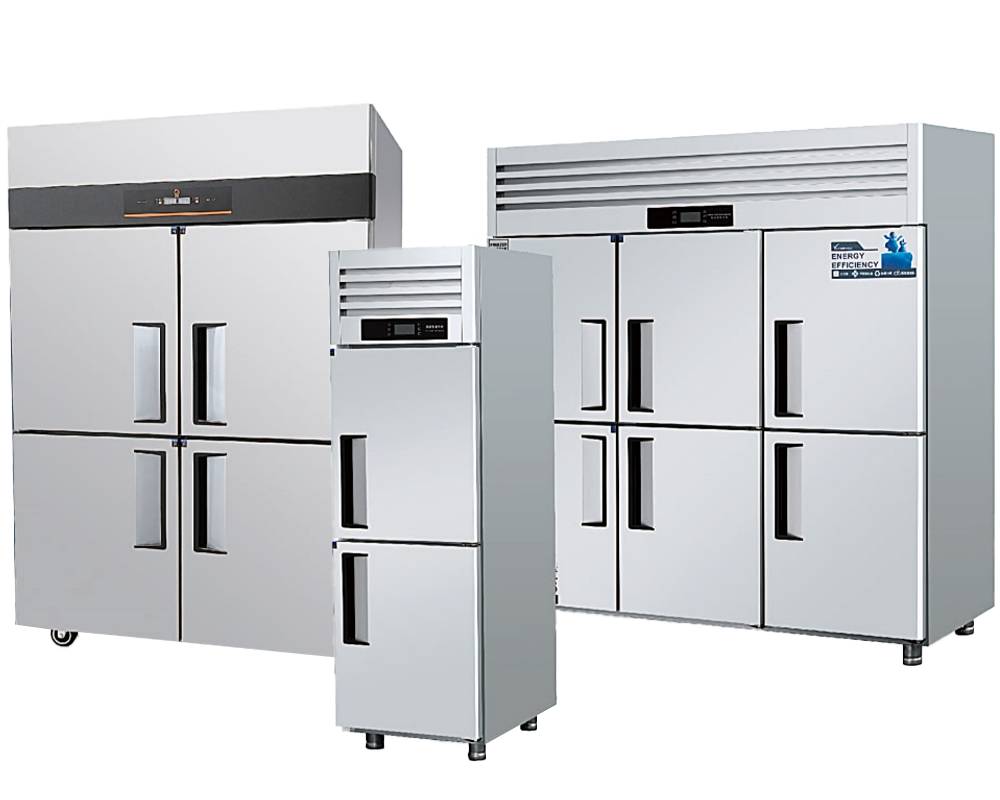 Commercial Vertical Direct-cool Stainless Steel Reach-in Refrigerator
-
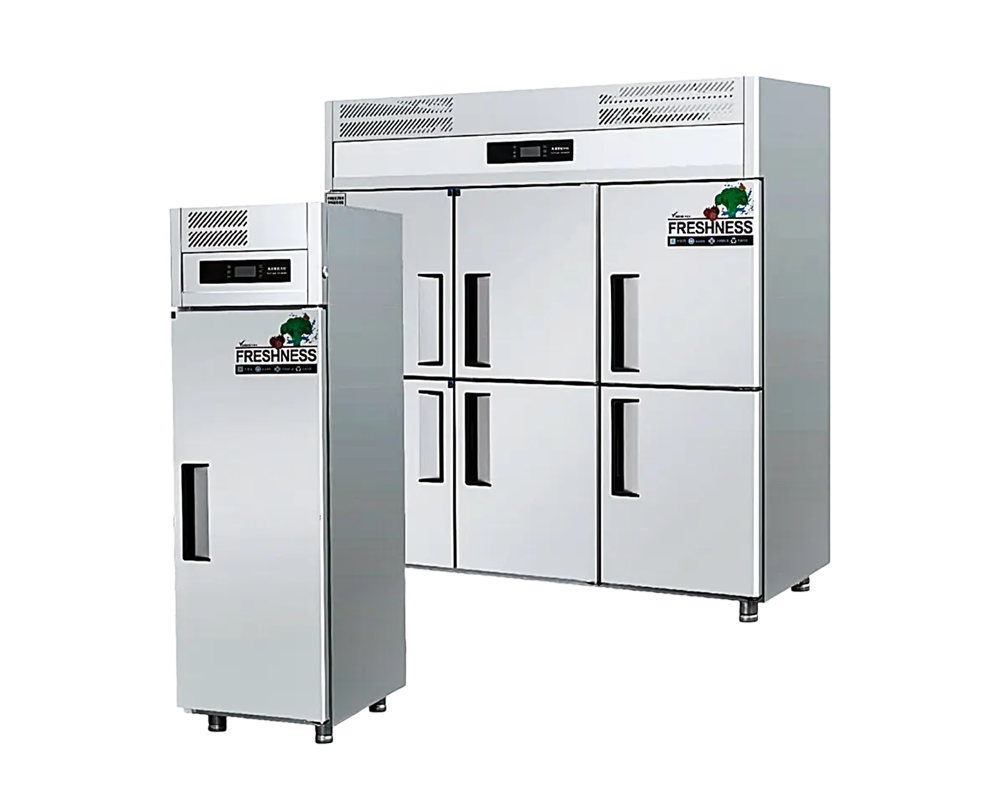 Commercial 201SUS Upright Air Cooling Reach-in Refrigerators
-
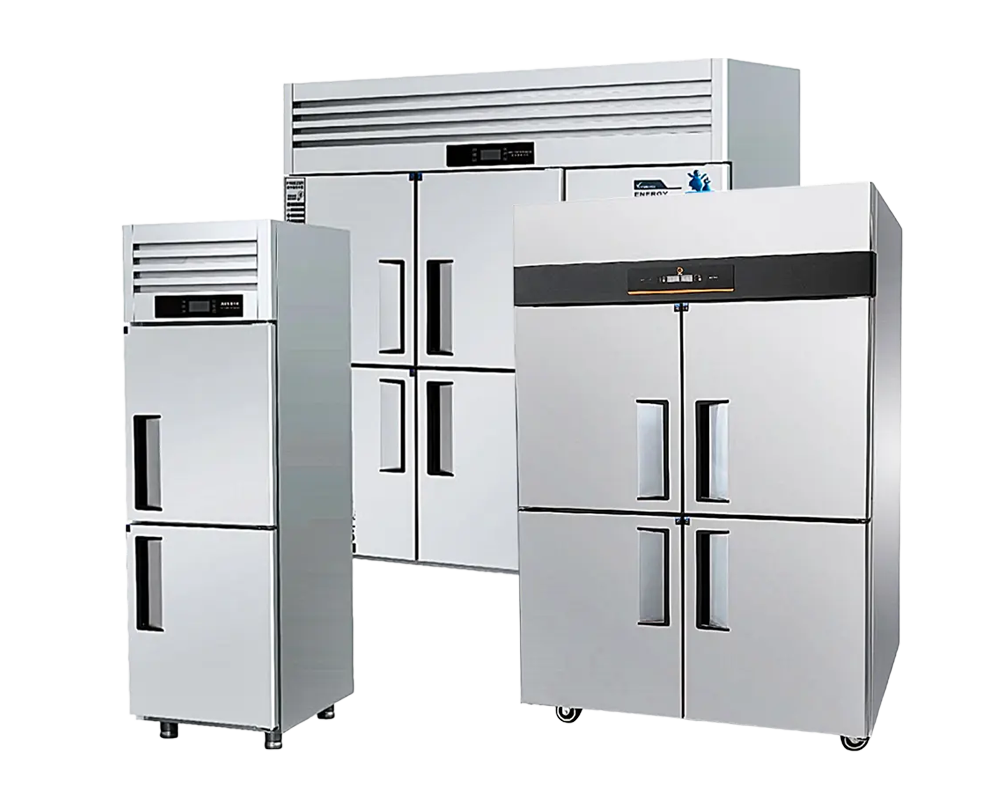 Commercial Direct-Cool Upright Reach-in Freezers
-
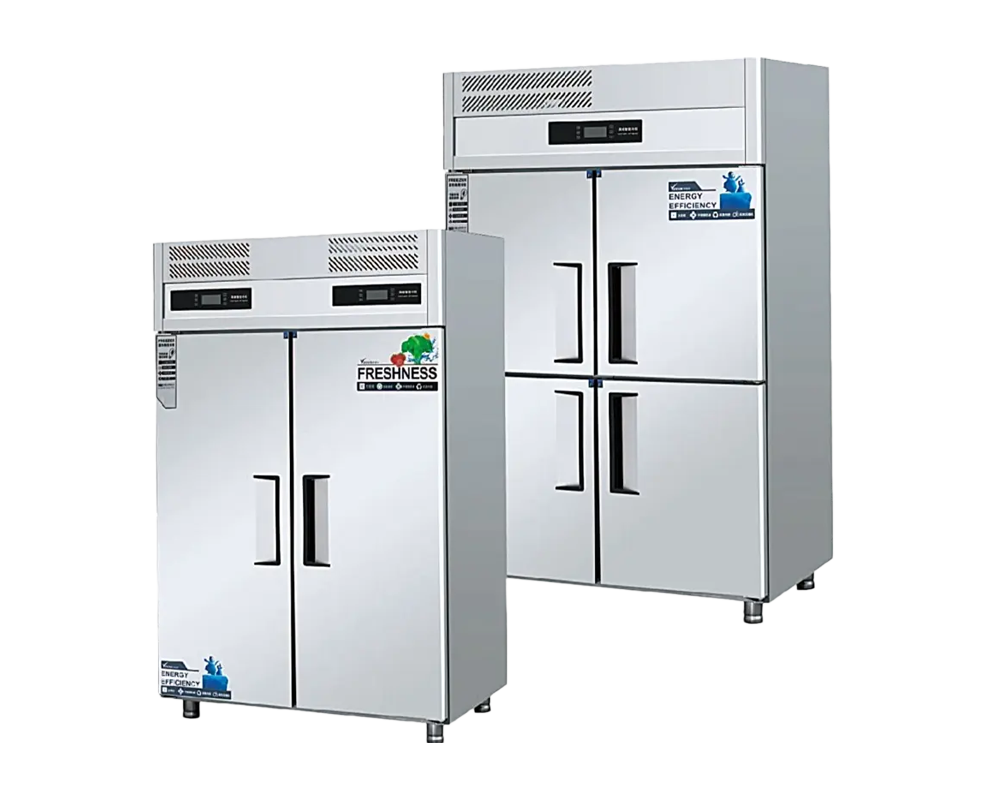 Commercial Stainless Steel Air Cooled Reach-in Vertical Freezers
-
 Dual Temperature Control Direct Cooling Commercial Upright Reach-in Refrigerators
-
 Commercial Vertical Air Cooled Intelligent Reach-in Freezer and Refrigerator
-
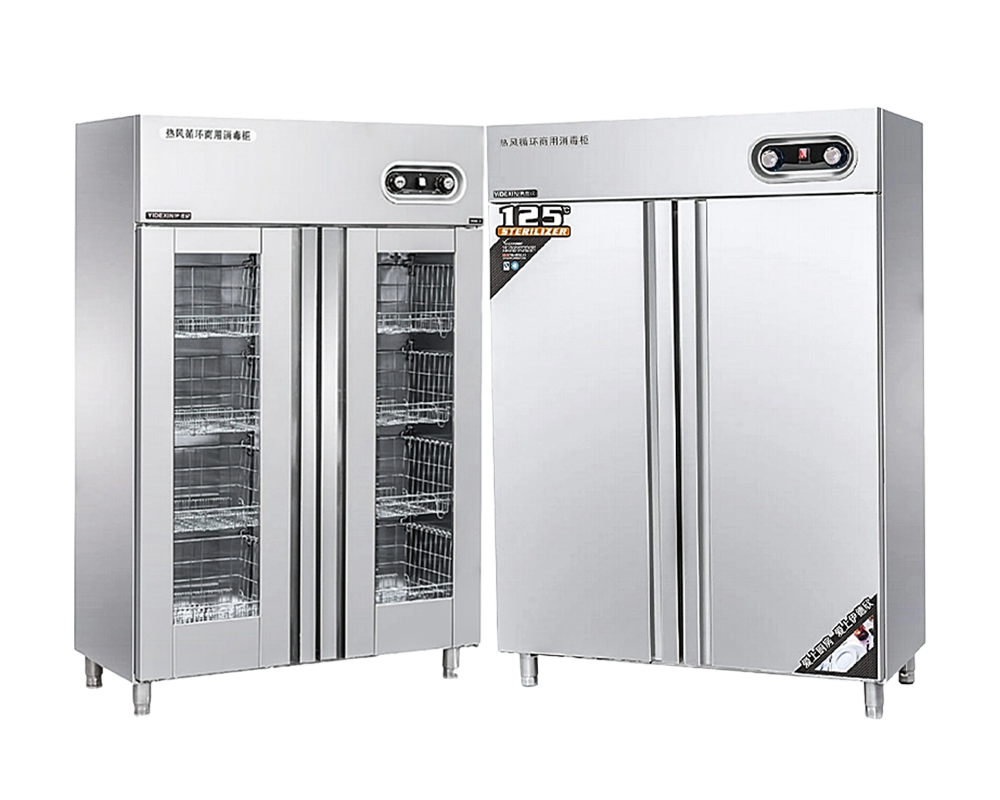 Stainless Steel/Glass Flat Door Sterilization Cabinet
-
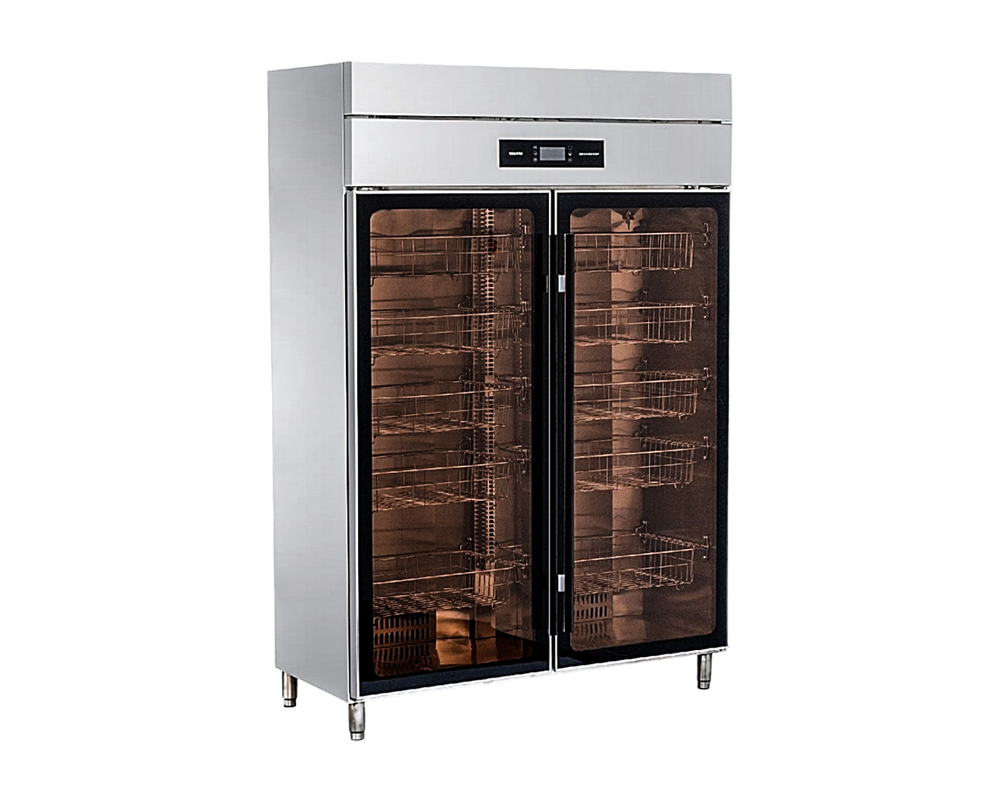 Multifunctional Three-mode High Temperature Glass Door Disinfection Cabinet
-
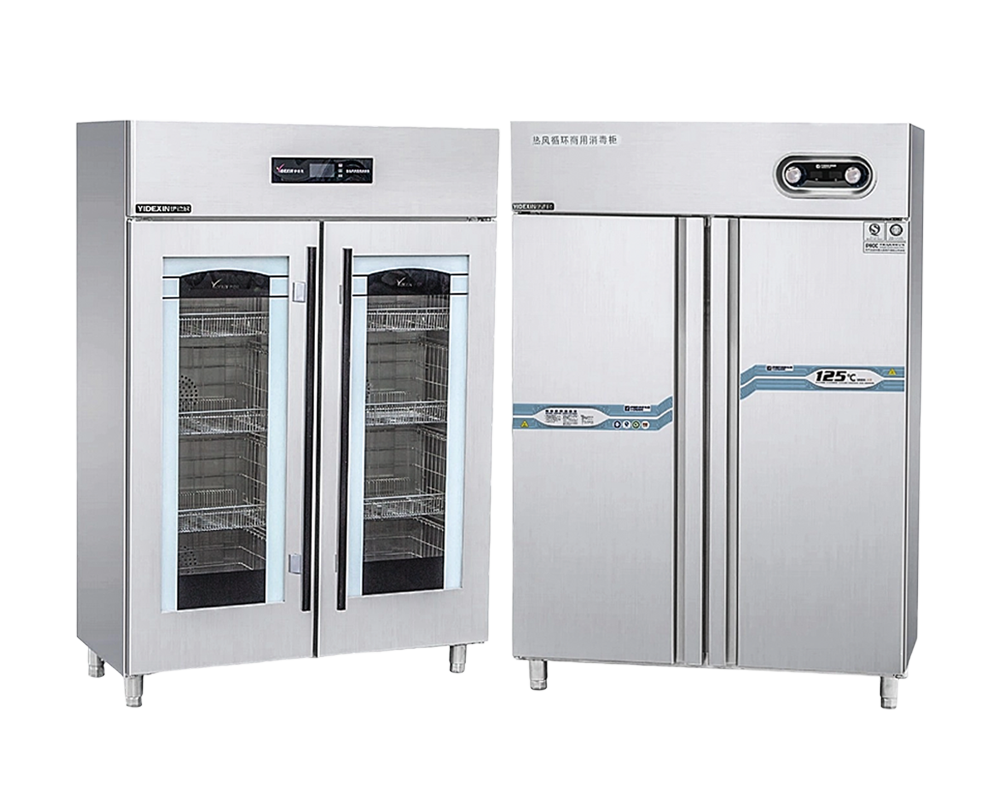 Commercial Restaurant Anti-Fingerprint Stainless Steel Disinfection Cabinet
-
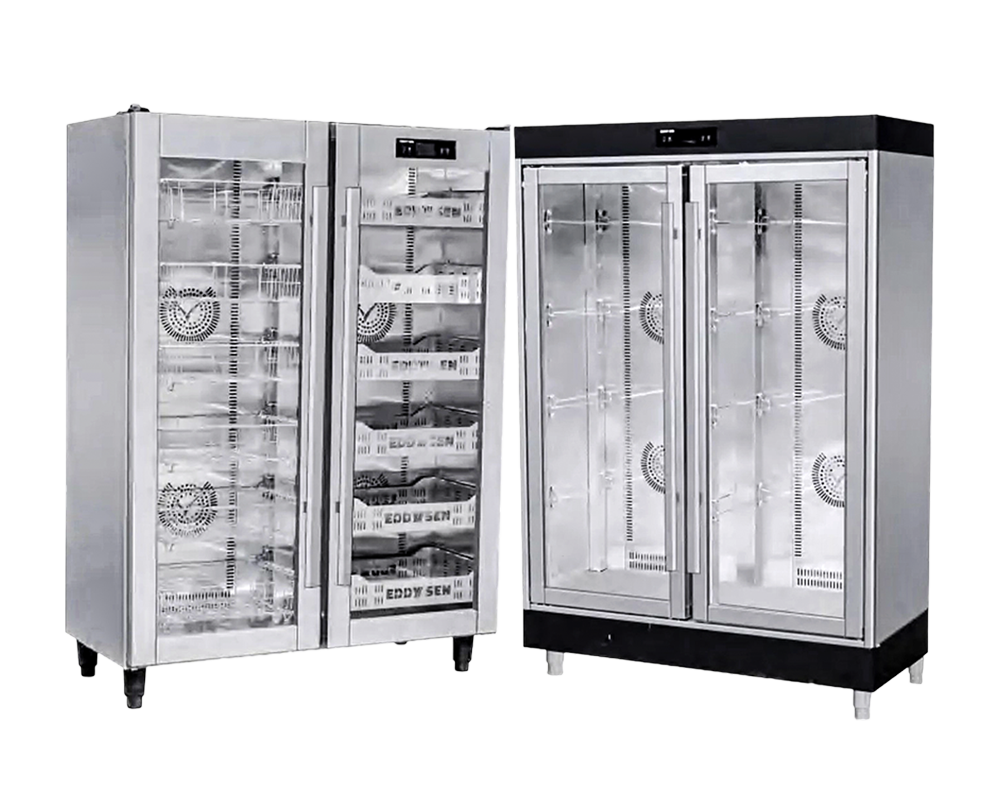 Intelligent Light Wave Stainless Steel UV Disinfection Cabinet
-
 [email protected] / [email protected]
-
 +86-15066977778 / +86-19012777577

-
 Reach-in Refrigerators
-
 Reach-in Freezers
-
 Dual Temperature Refrigerators
-
 Worktop Refrigerators
-
 Worktop Freezers
-
 Salad Bar Refrigerators
-
 Combined Island Display Refrigerators
-
 Air Curtain Refrigerators
-
 Fresh Cabinets
-
 Display Refrigerators(Glass Door)
-
 Electric Rice Steamer Cabinets
-
 Gas Rice Steamer Cabinets
-
 Vertical Banquet Cabinets
-
 Horizontal Banquet Cabinets
-
 Heated Disinfection Cabinets
Back-of-House Cold Chain Layout: Where to Place Refrigeration
Content
- 1 Why Refrigeration Placement Determines Cold Chain Speed
- 2 Ideal Refrigeration Zones in a Back-of-House Layout
- 3 Distance Benchmarks for Fast Cold Chain Movement
- 4 Common Refrigeration Placement Mistakes That Slow Operations
- 5 Designing for Both Speed and Food Safety
- 6 Practical Takeaway for Back-of-House Planning
The most effective back-of-house cold chain layout places refrigeration directly along the shortest, most frequent workflow paths—receiving to storage, storage to prep, and prep to cook or dispatch. When refrigeration is positioned based on movement speed rather than available floor space, kitchens and food facilities reduce handling time, temperature loss, and labor strain.
Why Refrigeration Placement Determines Cold Chain Speed
In back-of-house environments, every extra meter traveled with chilled or frozen products increases temperature risk and slows operations. Studies in commercial kitchens show that poorly placed cold storage can add 15–25% more handling time per shift due to backtracking and congestion.
Speed in the cold chain is not about walking faster; it is about reducing distance, turns, and handoffs. Refrigeration must support the natural flow of goods instead of interrupting it.
Ideal Refrigeration Zones in a Back-of-House Layout
A high-performing cold chain layout divides refrigeration into functional zones rather than relying on a single cold room.
Receiving-Side Refrigeration
Place walk-in coolers or pass-through refrigerators immediately adjacent to the receiving dock. This minimizes exposure time during unloading and inspection.
- Reduces temperature rise during intake
- Prevents cross-traffic with prep staff
- Supports faster compliance checks
Prep-Adjacent Refrigeration
Undercounter and reach-in refrigerators should be located directly at prep stations. This placement cuts repeated trips to central storage.
In practice, kitchens that add prep-adjacent refrigeration report up to 30% faster prep cycles during peak hours.
Distance Benchmarks for Fast Cold Chain Movement
Speed-focused layouts follow clear distance rules to protect temperature integrity.
| Workflow Segment | Optimal Distance |
|---|---|
| Receiving to Cold Storage | ≤ 5 meters |
| Cold Storage to Prep | ≤ 8 meters |
| Prep to Cook Line | ≤ 6 meters |
Common Refrigeration Placement Mistakes That Slow Operations
Many back-of-house layouts fail not because of equipment quality, but because of placement decisions.
- Centralizing all refrigeration in one distant walk-in
- Forcing staff to cross hot zones with chilled products
- Blocking refrigeration doors with high-traffic aisles
These mistakes increase door-open time and lead to compressor overwork, raising energy costs by 10–18% annually.
Designing for Both Speed and Food Safety
Speed and safety are not competing goals. Proper placement supports both when refrigeration aligns with HACCP flow principles.
Cold chain speed improves when products move in one direction without backtracking. This reduces contamination risk while keeping products within safe temperature ranges.
Practical Takeaway for Back-of-House Planning
The fastest back-of-house cold chain layouts treat refrigeration as workflow infrastructure, not storage furniture. Every refrigerator should serve a specific task zone, placed where food naturally pauses—not where space happens to be available.
If staff must walk more than 8 meters for chilled items during peak service, refrigeration is in the wrong place.

-
 Add.
Add.
Sales Center:Room 410, Floor T3-4, Zhonghai Development Building, No. 888, Kejiguan Street, Binjiang District, Hangzhou, Zhejiang,China
Factory Address:100 Meters South Of Zhongmao Village, Xingfu Town, Boxing County, Binzhou City, Shandong Province, P.R.China
Sales Center:Room 410, Building 15, Tianan Headquarters Center, 555 North Panyu Avenue, Donghuan Street, Panyu District, Guangzhou City, china
-
 Tel.
+86-15066977778+86-19012777577
Tel.
+86-15066977778+86-19012777577 -
 Email.
Quick Links
Product Fast Links
Mobile Terminal
Copyright @Hangzhou Eddysen Catering Equipment Co., Ltd.All rights reserved. Commercial Freezer Manufacturer