 English
 中文简体
中文简体 Español
 عربى
عربى
-
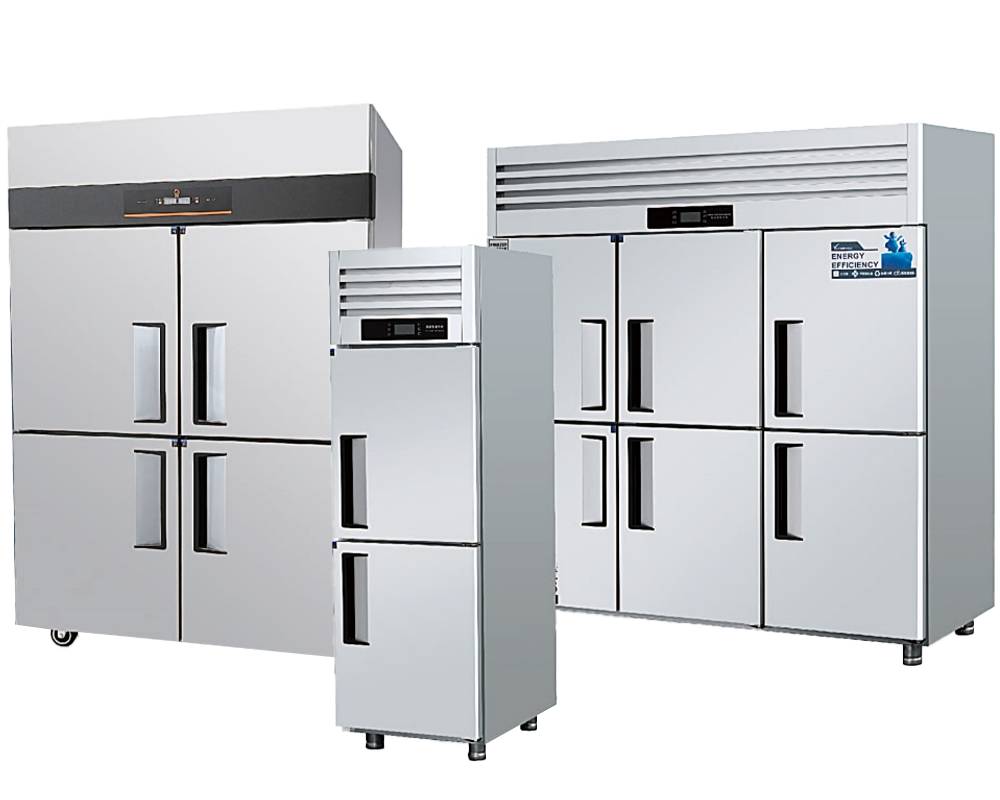 Commercial Vertical Direct-cool Stainless Steel Reach-in Refrigerator
-
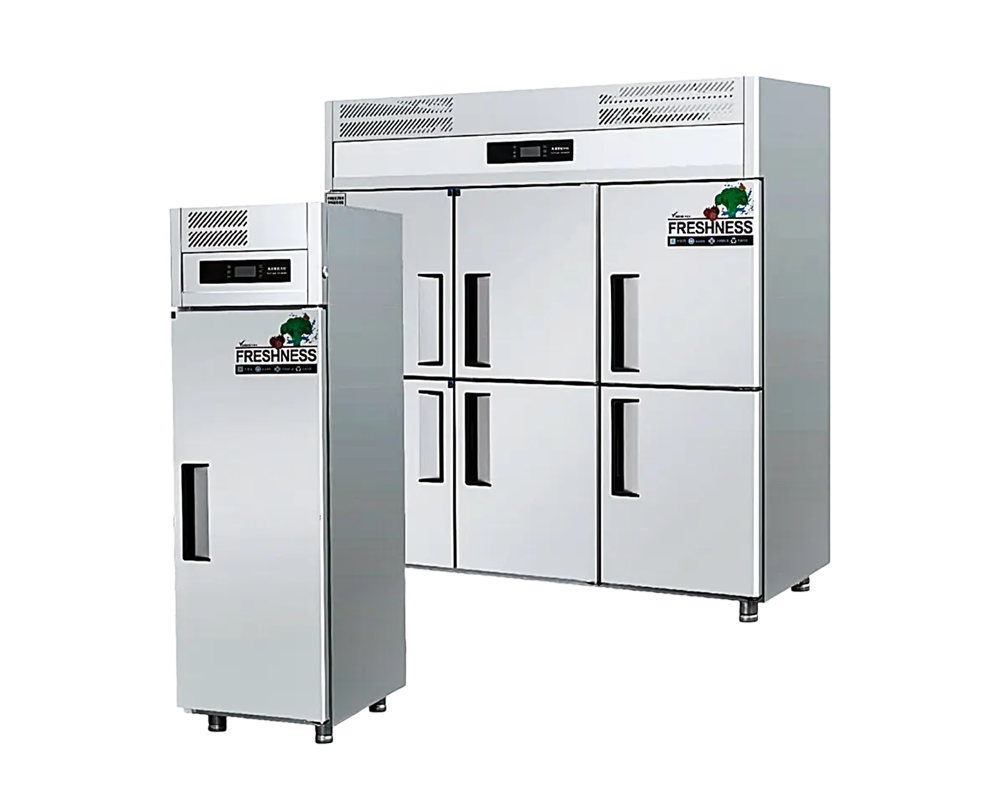 Commercial 201SUS Upright Air Cooling Reach-in Refrigerators
-
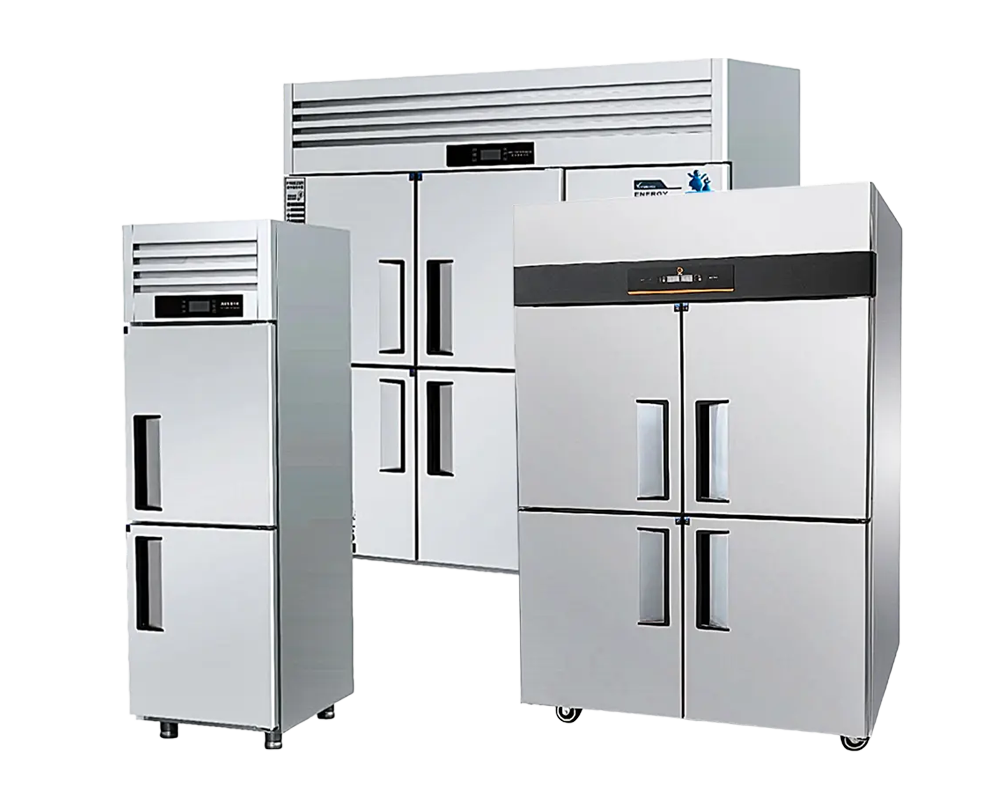 Commercial Direct-Cool Upright Reach-in Freezers
-
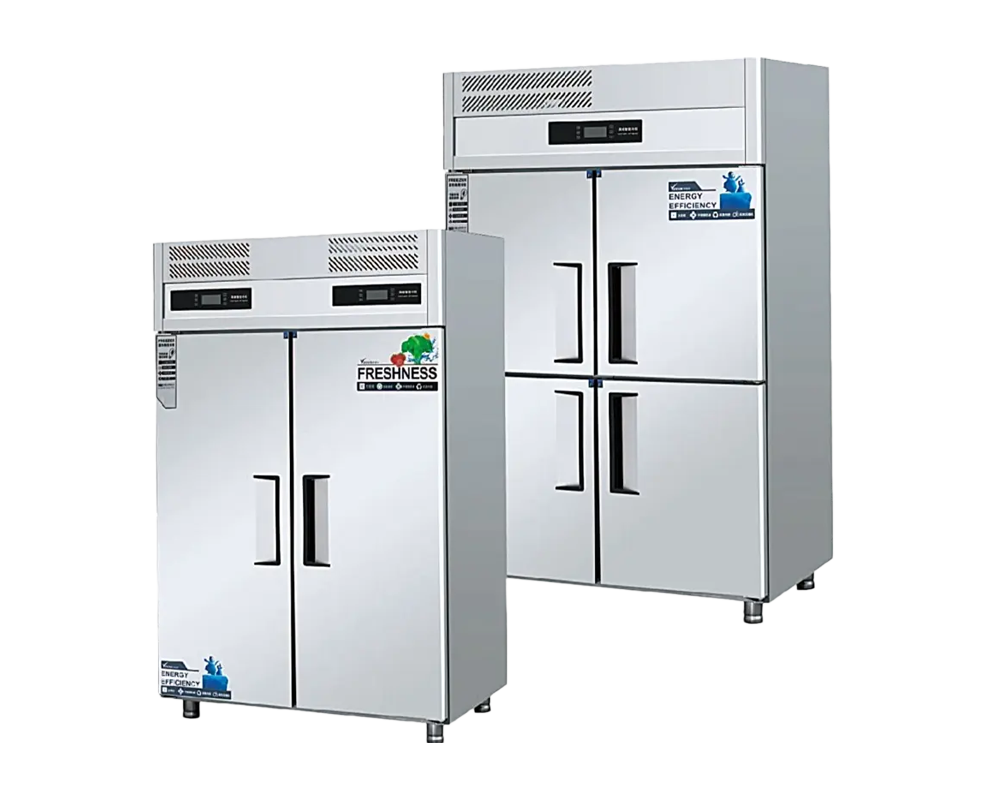 Commercial Stainless Steel Air Cooled Reach-in Vertical Freezers
-
 Dual Temperature Control Direct Cooling Commercial Upright Reach-in Refrigerators
-
 Commercial Vertical Air Cooled Intelligent Reach-in Freezer and Refrigerator
-
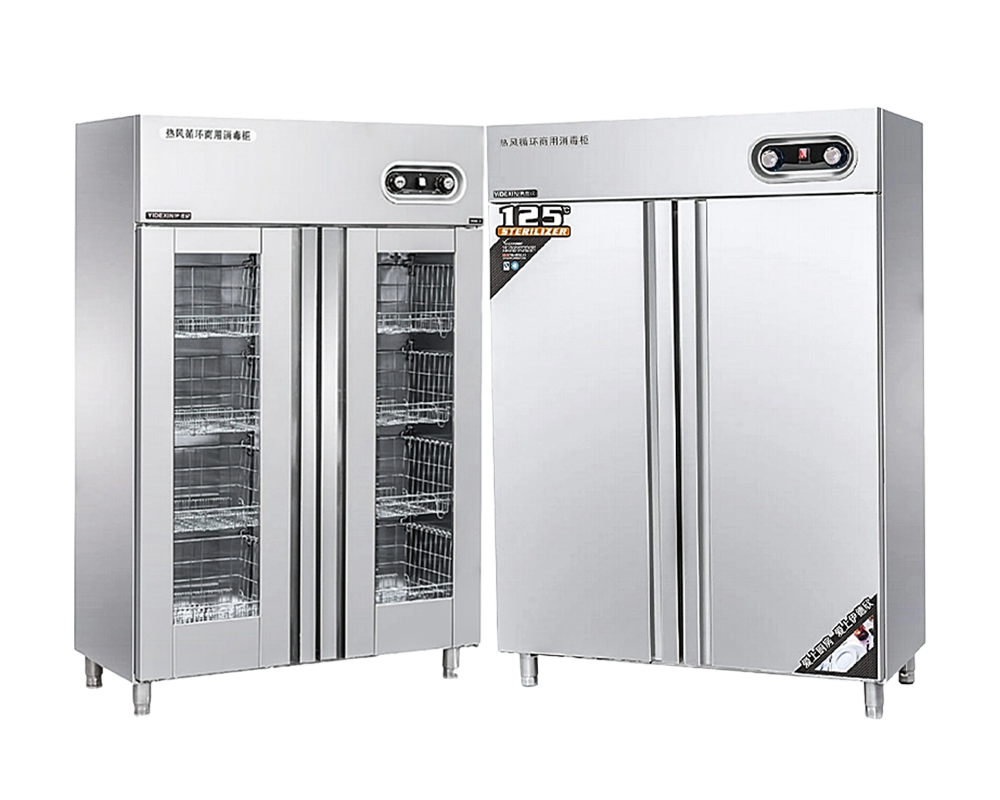 Stainless Steel/Glass Flat Door Sterilization Cabinet
-
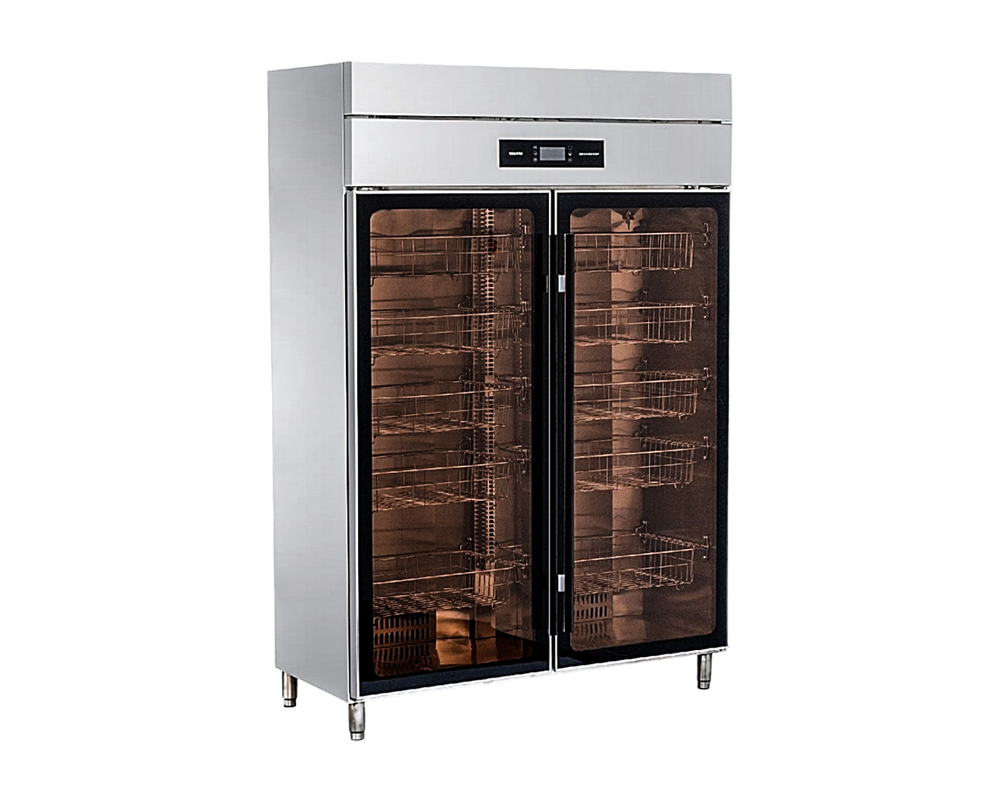 Multifunctional Three-mode High Temperature Glass Door Disinfection Cabinet
-
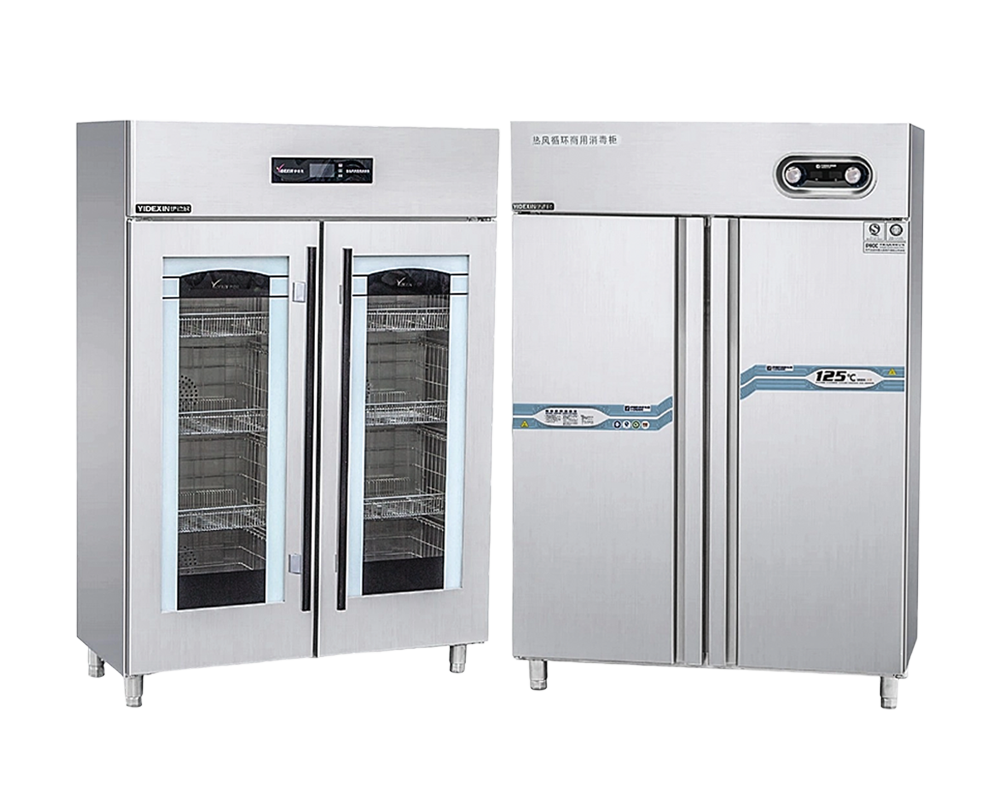 Commercial Restaurant Anti-Fingerprint Stainless Steel Disinfection Cabinet
-
 Intelligent Light Wave Stainless Steel UV Disinfection Cabinet
-
 [email protected] / [email protected]
-
 +86-15066977778 / +86-19012777577

-
 Reach-in Refrigerators
-
 Reach-in Freezers
-
 Dual Temperature Refrigerators
-
 Worktop Refrigerators
-
 Worktop Freezers
-
 Salad Bar Refrigerators
-
 Combined Island Display Refrigerators
-
 Air Curtain Refrigerators
-
 Fresh Cabinets
-
 Display Refrigerators(Glass Door)
-
 Electric Rice Steamer Cabinets
-
 Gas Rice Steamer Cabinets
-
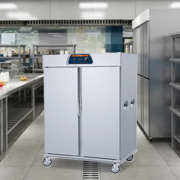 Vertical Banquet Cabinets
-
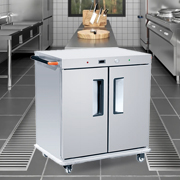 Horizontal Banquet Cabinets
-
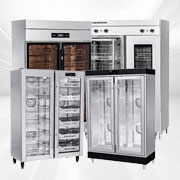 Heated Disinfection Cabinets
Home / News / Industry information / Commercial Hot Dog Bun Steamer Buying Guide: Capacity, Cost & Maintenance
Commercial Hot Dog Bun Steamer Buying Guide: Capacity, Cost & Maintenance
Content
- 1 Why a Dedicated Hot Dog Bun Steamer Matters
- 2 Key Specs to Compare: Capacity, Power & Material
- 3 Heating Technology: Steam Generator vs. Water Bath vs. Electric Tube
- 4 How to Match Capacity to Your Daily Sales Volume
- 5 Total Cost of Ownership (TCO): Beyond the Purchase Price
- 6 Maintenance & Cleaning: Keep Your Steamer Running for Years
- 7 Installation Checklist: Space, Power & Drainage
Why a Dedicated Hot Dog Bun Steamer Matters
A soggy bun ruins a premium hot dog. A dried-out one is even worse. Concession stand owners learn this within the first week. Steam tables and microwaves are quick substitutes, but they fail consistently. Microwaves blast moisture out of bread, leaving it tough and chewy. Steam table pans keep buns warm, but direct contact with moisture turns them gummy. The result: wasted product, slower service, and unhappy customers.
A dedicated hot dog bun steamer solves this. It generates a controlled, gentle steam that warms buns to the ideal softness without sogginess. Beyond texture, it doubles as a hot dog cooker and warmer. One compact unit handles the protein and the bread. That means fewer appliances cluttering your counter and fewer steps for your staff.
| Method | Bun Texture | Speed | Counter Space |
|---|---|---|---|
| Microwave | Tough, dry | Very fast | Minimal |
| Steam table pan | Often gummy or wet | Moderate | Moderate |
| Dedicated bun steamer | Soft, evenly moist | Fast | Compact integrated |
For kitchens that already rely on steam for rice or vegetables, the same controlled moisture technology scales. Our commercial rice steamer cabinets share the principle of uniform heat distribution, so operators familiar with those units will instantly appreciate a smaller dedicated bun steamer’s consistency.
Key Specs to Compare: Capacity, Power & Material
Not all steamers are built for the same workload. Three numbers dictate whether a unit will keep up with lunch rush or become a bottleneck: capacity, wattage, and the stainless steel grade of the cabinet.
Capacity Ratings Explained
Manufacturers list capacity in hot dogs and buns separately. A “24 hot dog / 12 bun” steamer can hold 24 frankfurters in the water tray and 12 buns in the upper basket simultaneously. Always match bun capacity to your peak hourly demand, not just daily totals. If you sell 40 hot dogs during a 30-minute game intermission, a 12-bun steamer will force you to reload multiple times, slowing your line.
Material: 201 vs 304 Stainless Steel
The difference is corrosion resistance. 304 stainless contains higher nickel and chromium, giving it roughly three times the lifespan in high-moisture, high-heat environments compared to 201. Water with even moderate mineral content attacks 201-grade steel over months, causing pitting and rust. For a commercial unit that operates 8-12 hours daily, 304 is not a luxury, it’s a necessity.
- 201 stainless: lower cost, suitable for light or intermittent use.
- 304 stainless: food-grade, resistant to steam and cleaning chemicals, expected life 5+ years in constant operation.
Wattage and Preheat Time
Wattage directly controls how fast the water reaches steaming temperature. A 750W unit may need 15 minutes to preheat; a 1500W unit can be ready in under 8 minutes. For high-turnover stands, that difference adds up. A 1200W to 1500W range suits most commercial counters without tripping standard 15A circuits (on a dedicated line).
Heating Technology: Steam Generator vs. Water Bath vs. Electric Tube
Under the hood, three distinct heating mechanisms produce steam. Each influences bun texture, maintenance frequency, and energy cost differently.
| Criterion | Steam Generator | Water Bath | Electric Tube |
|---|---|---|---|
| Heat-up time | Fast (6-10 min) | Moderate (12-20 min) | Slow (15-25 min) |
| Humidity control | Precise, consistent steam | High humidity, risk of wet buns | Uneven, dry spots common |
| Scale buildup | Moderate, isolated to generator | Heavy, entire water bath affected | Very heavy on element |
| Maintenance effort | Low to moderate | High | High |
A steam generator isolates the water that turns to steam in a small chamber, heating it rapidly and delivering only vapor to the food. Water bath units simmer a large reservoir, immersing hot dogs and letting steam rise passively to the bun tray above. Electric tube designs place a heating element directly in a water pan, often causing mineral scale to bake onto the element surface. That crust reduces efficiency and becomes a cleaning headache. For consistent results with low daily labor, steam generator models are the clear commercial choice.
How to Match Capacity to Your Daily Sales Volume
Buying the right steamer size prevents both slowdowns and energy waste. A unit too small forces customers to wait; one too large occupies counter space and cycles unused water all day. Use your average and peak daily numbers to land in the sweet spot.
| Daily Volume (Hot Dogs) | Recommended Hot Dog Capacity | Recommended Bun Capacity | Typical Unit Type |
|---|---|---|---|
| Fewer than 50 | 10-16 | 6-10 | Compact countertop |
| 50 to 150 | 20-30 | 12-20 | Mid-size commercial |
| 150 to 300 | 40-50 | 24-30 | Large single unit or dual mid-size |
| More than 300 | 50+ or dual units | 30+ | High-capacity with separate bun warmer |
Factor in event spikes. If your stand sells 120 hot dogs on a typical Saturday but 200 during a tournament, size for the peak, not the average. Running two 24-hot-dog steamers side by side gives you operational redundancy: if one fails, the other keeps your line moving. It also lets you steam different sausage varieties simultaneously.
Total Cost of Ownership (TCO): Beyond the Purchase Price
A $180 steamer may look appealing next to a $450 unit. Spread the cost over three years, and the cheaper option often loses its financial edge. The table below breaks down typical expenses based on a commercial scenario of 8 hours daily operation, 6 days a week.
| Cost Item | Budget (201 Steel, 1200W) | Premium (304 Steel, 1400W) |
|---|---|---|
| Purchase price | $190 | $420 |
| Annual electricity* | $158 | $184 |
| Annual cleaning & descaling | $45 | $25 |
| Parts replacement (3 years) | $120 (element, gasket) | $40 (gasket only) |
| 3-Year TCO | $889 | $1,067 |
*Based on $0.12/kWh, 8 hours/day, 6 days/week. The premium unit’s slightly higher electricity cost comes from a more powerful element, but its 304 steel cabinet avoids corrosion repair and premature replacement. When the budget unit rusts through in year two, you face another acquisition cycle and unplanned downtime. Factor that in, and the premium model’s reliable 5+ year lifespan delivers lower cost per operating hour. For operations that expand, our heated banquet cabinets offer additional warming capacity that integrates with your front-line equipment.
Maintenance & Cleaning: Keep Your Steamer Running for Years
Limescale is the steamer’s worst enemy. Even with filtered water, calcium and magnesium deposits accumulate on heating surfaces. Left unchecked, they insulate the element, causing it to overheat and fail. A simple weekly routine prevents this.
- Daily: Drain the water tank completely. Wipe interior and bun basket with a damp cloth. Leave the door slightly open to air-dry.
- Weekly: Fill the tank with a solution of citric acid (1 tablespoon per quart of water) or a commercial descaler. Run the steamer for 15 minutes, then drain and rinse thoroughly.
- Monthly: Inspect the door gasket for cracks or flattening. Clean ventilation louvers and check the power cord for wear.
- Quarterly: Remove the heating element cover and check for heavy scale. If present, soak the element in descaling solution. Tighten all visible screws and electrical connections.
Stainless steel exterior surfaces stay pristine with a non-abrasive cleaner and a microfiber cloth. Never use steel wool: it embeds iron particles that rust later. For high-volume kitchens with hard water, installing an inline water filter at the supply line cuts scale buildup by over 60%.
Installation Checklist: Space, Power & Drainage
Before the steamer arrives, confirm all five readiness points. Returning a unit because the plug doesn’t match your outlet costs time and restocking fees.
- Countertop dimensions: measure width, depth, and height clearance. Add 6 inches of airflow clearance on the back and both sides.
- Electrical: most commercial units require a 120V, 15-amp dedicated circuit. Models over 1500W may need a 20-amp circuit. Verify your outlet type and never use an extension cord.
- Ventilation: steam must escape freely. Avoid installing under low cabinets. Allow at least 18 inches of headroom.
- Drainage: many countertop steamers have a drip tray that you empty manually. Check if the unit offers a plumbed drain option for continuous use.
- Water source: manual-fill units need easy access to a sink for refilling. Plumbed models require a water line within reach, ideally with a shut-off valve and sediment filter.
For operations that will eventually scale up to large-batch steaming needs, an electric super-speed steamer cabinet shares similar installation logic and can be planned into the same utility layout.

-
 Add.
Add.
Sales Center:Room 410, Floor T3-4, Zhonghai Development Building, No. 888, Kejiguan Street, Binjiang District, Hangzhou, Zhejiang,China
Factory Address:100 Meters South Of Zhongmao Village, Xingfu Town, Boxing County, Binzhou City, Shandong Province, P.R.China
Sales Center:Room 410, Building 15, Tianan Headquarters Center, 555 North Panyu Avenue, Donghuan Street, Panyu District, Guangzhou City, china
-
 Tel.
+86-15066977778+86-19012777577
Tel.
+86-15066977778+86-19012777577 -
 Email.
Quick Links
Product Fast Links
Mobile Terminal
Copyright @Hangzhou Eddysen Catering Equipment Co., Ltd.All rights reserved. Commercial Freezer Manufacturer