 English
 中文简体
中文简体 Español
 عربى
عربى
-
 Commercial Vertical Direct-cool Stainless Steel Reach-in Refrigerator
-
 Commercial 201SUS Upright Air Cooling Reach-in Refrigerators
-
 Commercial Direct-Cool Upright Reach-in Freezers
-
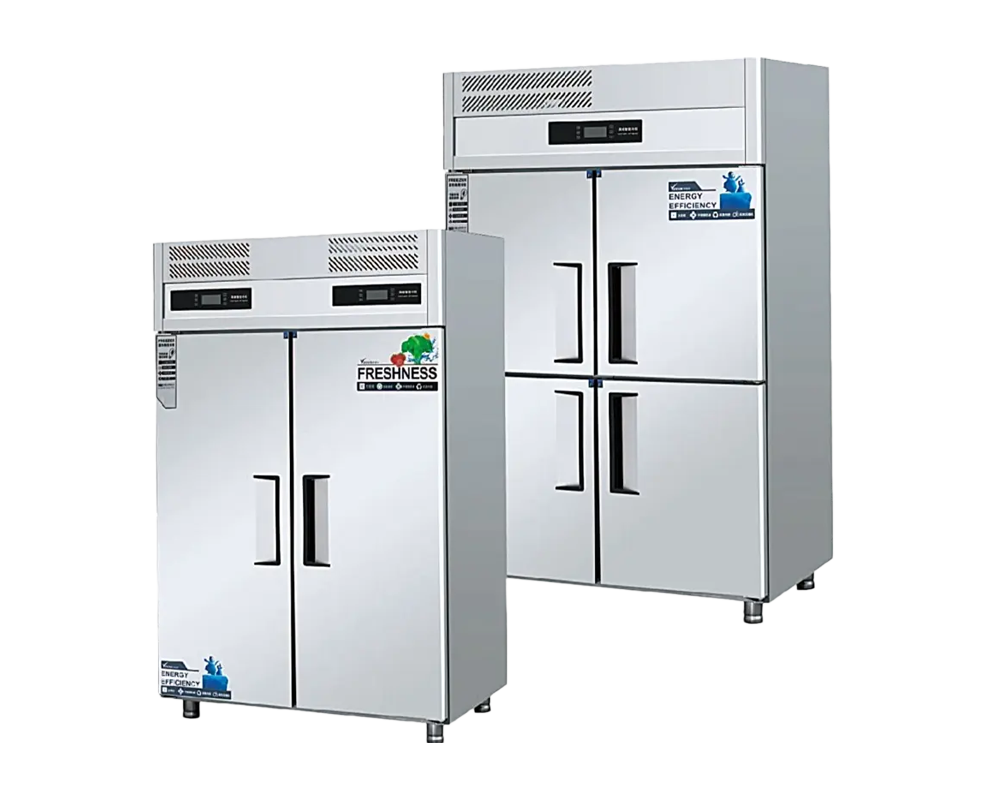 Commercial Stainless Steel Air Cooled Reach-in Vertical Freezers
-
 Dual Temperature Control Direct Cooling Commercial Upright Reach-in Refrigerators
-
 Commercial Vertical Air Cooled Intelligent Reach-in Freezer and Refrigerator
-
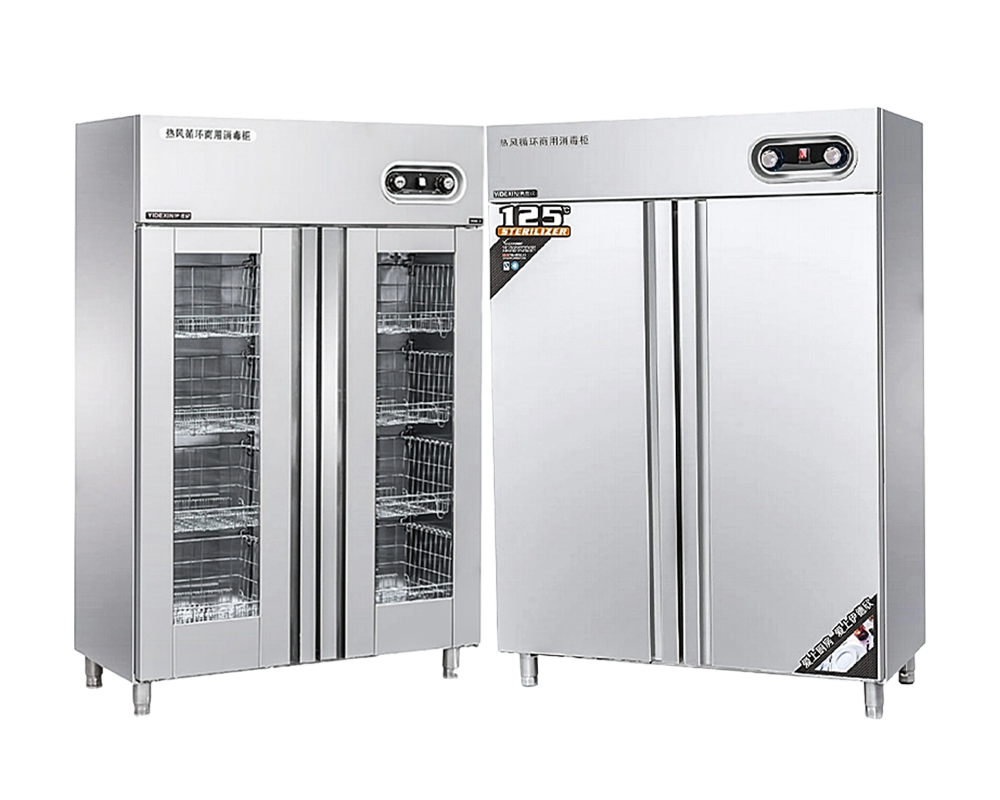 Stainless Steel/Glass Flat Door Sterilization Cabinet
-
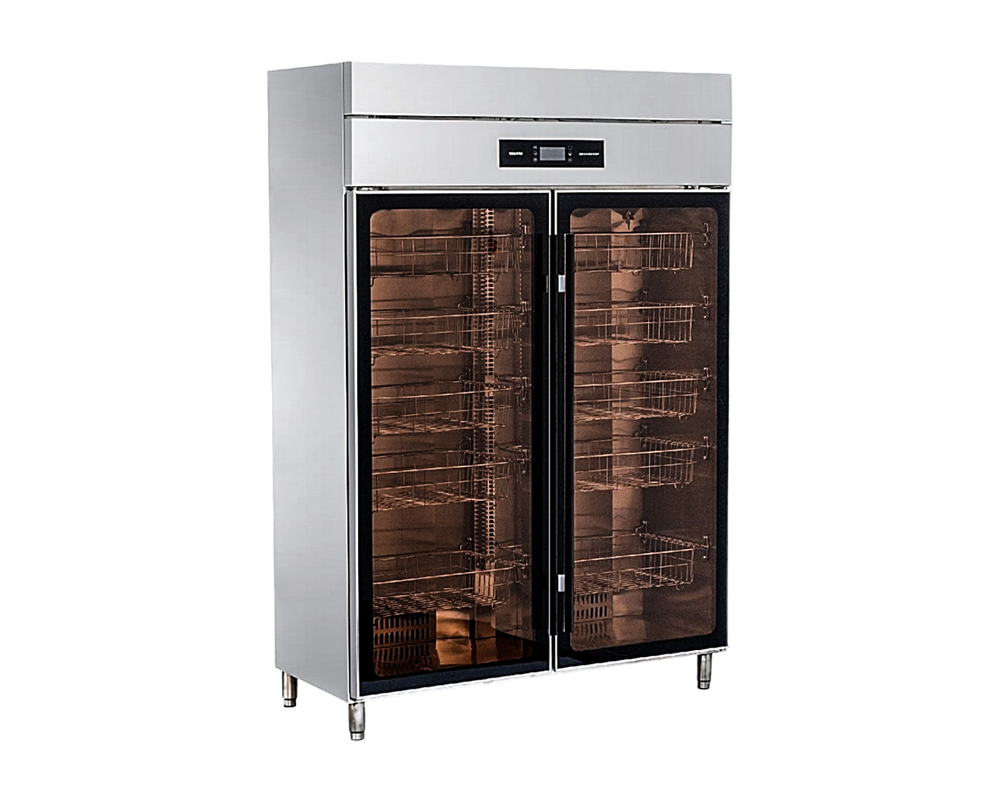 Multifunctional Three-mode High Temperature Glass Door Disinfection Cabinet
-
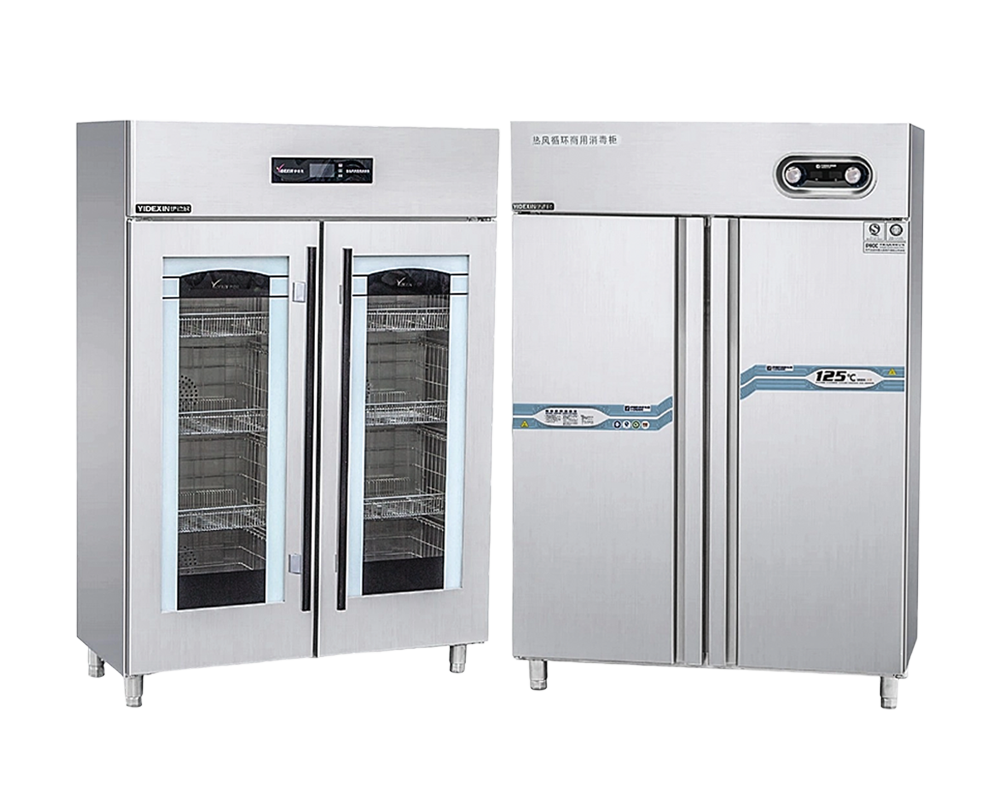 Commercial Restaurant Anti-Fingerprint Stainless Steel Disinfection Cabinet
-
 Intelligent Light Wave Stainless Steel UV Disinfection Cabinet
-
 [email protected] / [email protected]
-
 +86-15066977778 / +86-19012777577

-
 Reach-in Refrigerators
-
 Reach-in Freezers
-
 Dual Temperature Refrigerators
-
 Worktop Refrigerators
-
 Worktop Freezers
-
 Salad Bar Refrigerators
-
 Combined Island Display Refrigerators
-
 Air Curtain Refrigerators
-
 Fresh Cabinets
-
 Display Refrigerators(Glass Door)
-
 Electric Rice Steamer Cabinets
-
 Gas Rice Steamer Cabinets
-
 Vertical Banquet Cabinets
-
 Horizontal Banquet Cabinets
-
 Heated Disinfection Cabinets
Home / News / Industry information / Cold Food Serving Station Buying Guide: Ice-Pan vs Direct-Cool vs Air-Cool
Cold Food Serving Station Buying Guide: Ice-Pan vs Direct-Cool vs Air-Cool
Content
- 1 Why the Right Cold Food Station Matters for Your Business
- 2 The 3 Main Types of Cold Food Serving Stations
- 3 Ice-Pan Cold Food Stations: Pros, Cons, and Best Use Cases
- 4 Direct-Cool (Cold Wall) Stations: Reliable for Continuous Use
- 5 Air-Cooled (Forced Air) Stations: Best for High-Volume Buffets
- 6 Cold Food Station Buying Checklist: 7 Questions to Answer Before You Purchase
- 7 Maintenance and Energy Tips to Extend Your Station’s Life
Why the Right Cold Food Station Matters for Your Business
A single temperature excursion above 41°F for more than two hours can turn a profitable buffet into a health code violation. The cold food serving station is not just a convenience—it is your frontline defense against spoilage and customer illness. Yet too many operators choose their station based on upfront price alone, ignoring how cooling technology affects operational costs, food quality, and labor demands.
Three factors drive the selection decision: temperature stability (how tightly the unit holds 33–41°F), ongoing operating cost (ice replenishment or electricity), and cleaning and maintenance effort (seamless pans vs. complex fan systems). Understanding the differences between ice-pan, direct-cool, and air-cool designs will help you pick a unit that matches your volume, menu, and budget—without compromising safety.
The 3 Main Types of Cold Food Serving Stations
Every commercial cold station falls into one of three cooling categories. The distinction lies in how heat is removed from the food pans. Ice-pan models rely on manual ice loading, direct-cool stations use refrigerant-filled walls around the pan well, and air-cooled units force chilled air over the food. Each approach delivers a different balance of cost, performance, and labor.
| Feature | Ice-Pan | Direct-Cool (Cold Wall) | Air-Cooled (Forced Air) |
|---|---|---|---|
| Cooling method | Ice placed in tray beneath pans | Refrigerant lines in pan well walls | Evaporator fan circulates cold air |
| Temperature range | 33–45°F, drifts as ice melts | 33–41°F, consistent with compressor | 33–41°F, high precision |
| 8-hour operating cost | $4–$6 (ice purchases) | $1.50–$2.50 (electricity) | $2.00–$3.00 (electricity) |
| Initial price | $200–$800 | $1,200–$3,000 | $1,800–$5,000+ |
| Temperature stability | Wide fluctuation; depends on ice level | ±3°F | ±1°F |
| Cleaning | Simple; removable ice tray | Moderate; sealed well, wipe down | More complex; fan grilles and ducts |
| Best for | Short events, low-budget setups | Daily buffet service, salad bars | High-volume buffets, seafood, delicate items |
Ice-Pan Cold Food Stations: Pros, Cons, and Best Use Cases
Ice-pan stations are the simplest and most affordable option. You fill a tray or basin with ice, set the food pans on top, and the ice chills the contents by conduction. No electricity is required, which makes them perfect for outdoor catering, temporary pop-up events, or venues with limited power access. The initial investment rarely exceeds $800, and replacement parts are minimal.
However, operation is labor-intensive. Ice melts at a rate dictated by ambient temperature and pan load, typically requiring replenishment every 2 to 4 hours. Over an 8-hour buffet, that can mean three or four ice changes. At an average cost of $1.50 per bag, daily ice expenses quickly reach $4–$6. Moreover, melted water must be drained and the tray cleaned to avoid hygiene issues. Temperature swings are inevitable when the ice level drops, risking the 41°F safety threshold.
Ice-pan stations work well for condiment bars, cold appetizer displays, and short-duration events where the menu is not highly perishable. If you serve items like cheese, cut fruit, or pre-cooked cold cuts, this category can meet your needs at the lowest price point.
Direct-Cool (Cold Wall) Stations: Reliable for Continuous Use
Direct-cool units integrate a compressor and refrigerant lines into the walls of the pan well. The cold walls remove heat directly from the food pans without fans or ice. Once plugged in, the station maintains a steady temperature for as long as you need it—ideal for morning-to-evening buffet operations. They also eliminate the mess and labor of ice handling.
The temperature holds within ±3°F of the set point, which satisfies NSF 7 requirements for cold food holding. Cleaning is straightforward: a seamless stainless steel well that you wipe down at the end of service. These stations are commonly built as countertop or drop-in modules, fitting into a salad bar refrigerator configuration or a custom serving line.
Capacity directly impacts how many guests you can serve. A 2-pan station handles about 50 covers, a 3-pan unit covers up to 100, and a 5-pan model easily supports 200 or more. When you evaluate direct-cool options, check whether the compressor is accessible for maintenance and if the unit includes an automatic defrost cycle to prevent ice buildup on the cold walls.
Air-Cooled (Forced Air) Stations: Best for High-Volume Buffets
Air-cooled stations blow refrigerated air across the food pans, mimicking the behavior of a forced-air freezer. This design delivers the most uniform temperature distribution, with fluctuations as tight as ±1°F. Delicate proteins like shrimp, smoked salmon, and custard-based desserts stay at exactly the right chill without partial freezing or warm spots. For high-end buffets where presentation and food safety are non-negotiable, air-cooled is the gold standard.
These units do cost more—initial prices start around $1,800 and climb past $5,000 for large models. The fan requires periodic cleaning, and the evaporator coil accumulates dust faster than a direct-cool wall, so maintenance demands are higher. On the upside, many air-cooled stations recover temperature quickly after loading warm pans, a critical advantage during busy service when new trays are constantly rotated in.
If your operation demands the precision of a professional refrigerated counter, consider an integrated worktop refrigerator that combines storage and cold serving in one footprint. Air-cooled technology also works well for fresh meat or seafood displays, where even minor temperature variations can accelerate spoilage.
Cold Food Station Buying Checklist: 7 Questions to Answer Before You Purchase
The difference between a station that performs flawlessly for years and one that becomes a daily frustration often comes down to how thoroughly you vet the specifications. Use the following checklist to evaluate any model you consider.
- What pan size and count do you need? Measure your menu. If you display 4-6 items consistently, a 3- or 4-pan unit makes sense. Over-purchasing capacity wastes energy and counterspace. A 2-pan station is enough for condiments or a small salad bar, while 5-pan models serve high-traffic cafeterias.
- Is the stainless steel 304 or 201 grade? In high-humidity kitchens where acidic foods are common, 304 stainless resists corrosion far better than 201. The price difference is about 15–20%, but a rusted well will cost far more to replace.
- Does it carry NSF 7 certification? NSF 7 requires that the unit hold food at or below 41°F under rated ambient conditions. Look for the NSF mark and verify the certification covers the specific cooling mode—ice-pan units usually cannot achieve NSF 7 without ice maintenance.
- What are the ventilation and clearance requirements? Refrigerated stations need airflow around the condenser. An enclosed cabinet or tight counter space may cause overheating. Check the manufacturer’s clearance specs—often 3–4 inches on all sides.
- How accessible is the compressor and electrical panel? If a component fails during a busy service, easy access reduces downtime. Removable side or front panels are a plus.
- Does the warranty cover both parts and labor? Many entry-level units offer a 1-year parts-only warranty. For a commercial kitchen, a 2-year parts-and-labor warranty provides a safer buffer against early compressor failure.
- Can the unit be integrated with your existing serving setup? Drop-in or flush-mount designs work well with custom millwork, while freestanding countertop stations require a level surface and an outlet nearby.
Maintenance and Energy Tips to Extend Your Station’s Life
A well-maintained cold food station not only lasts longer but can use up to 15% less energy. Start by cleaning the condenser coil monthly; dust and grease buildup force the compressor to work harder and shorten its lifespan. Check door seals and pan well gaskets every quarter—a torn gasket lets cold air escape and raises operating cost by 5–10%.
Position the station away from heat sources like ovens or direct sunlight. Every 10°F increase in ambient temperature can raise compressor runtime by 25%. For ice-pan units, replace drain valves that leak slowly, as standing water breeds bacteria and creates odors. Finally, train staff to pre-chill foods before placing them in the station. Putting warm pans into a cold well stresses the system and causes temperature spikes that compromise all the food in the unit.

-
 Add.
Add.
Sales Center:Room 410, Floor T3-4, Zhonghai Development Building, No. 888, Kejiguan Street, Binjiang District, Hangzhou, Zhejiang,China
Factory Address:100 Meters South Of Zhongmao Village, Xingfu Town, Boxing County, Binzhou City, Shandong Province, P.R.China
Sales Center:Room 410, Building 15, Tianan Headquarters Center, 555 North Panyu Avenue, Donghuan Street, Panyu District, Guangzhou City, china
-
 Tel.
+86-15066977778+86-19012777577
Tel.
+86-15066977778+86-19012777577 -
 Email.
Quick Links
Product Fast Links
Mobile Terminal
Copyright @Hangzhou Eddysen Catering Equipment Co., Ltd.All rights reserved. Commercial Freezer Manufacturer