 English
 中文简体
中文简体 Español
 عربى
عربى
-
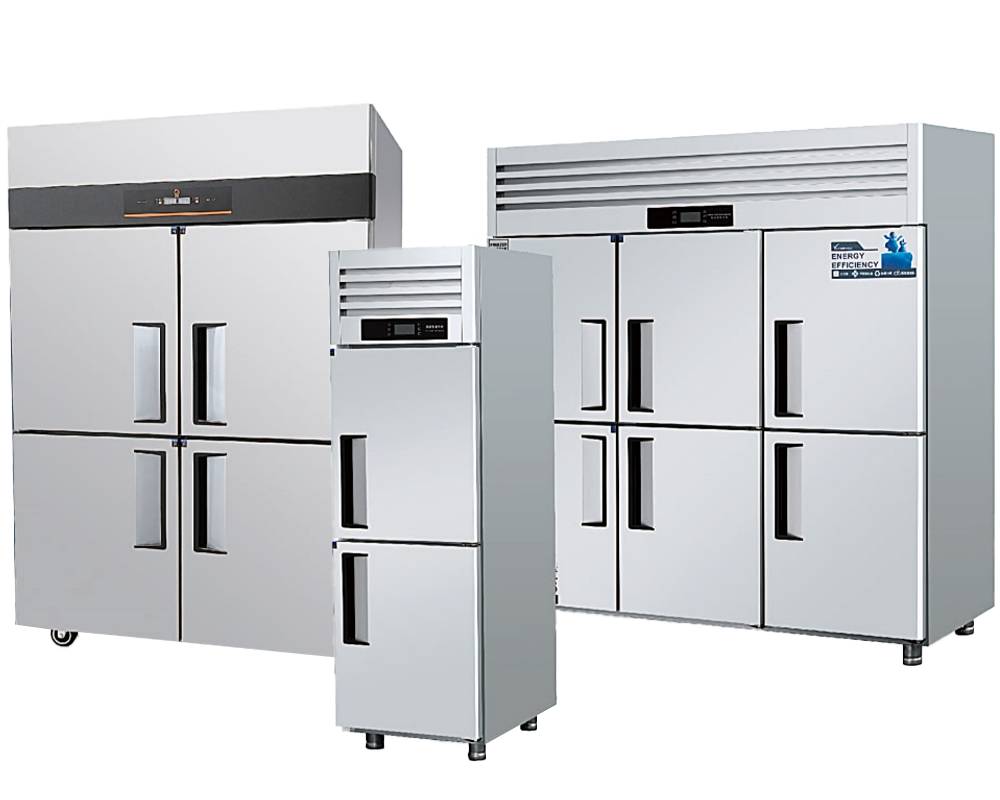 Commercial Vertical Direct-cool Stainless Steel Reach-in Refrigerator
-
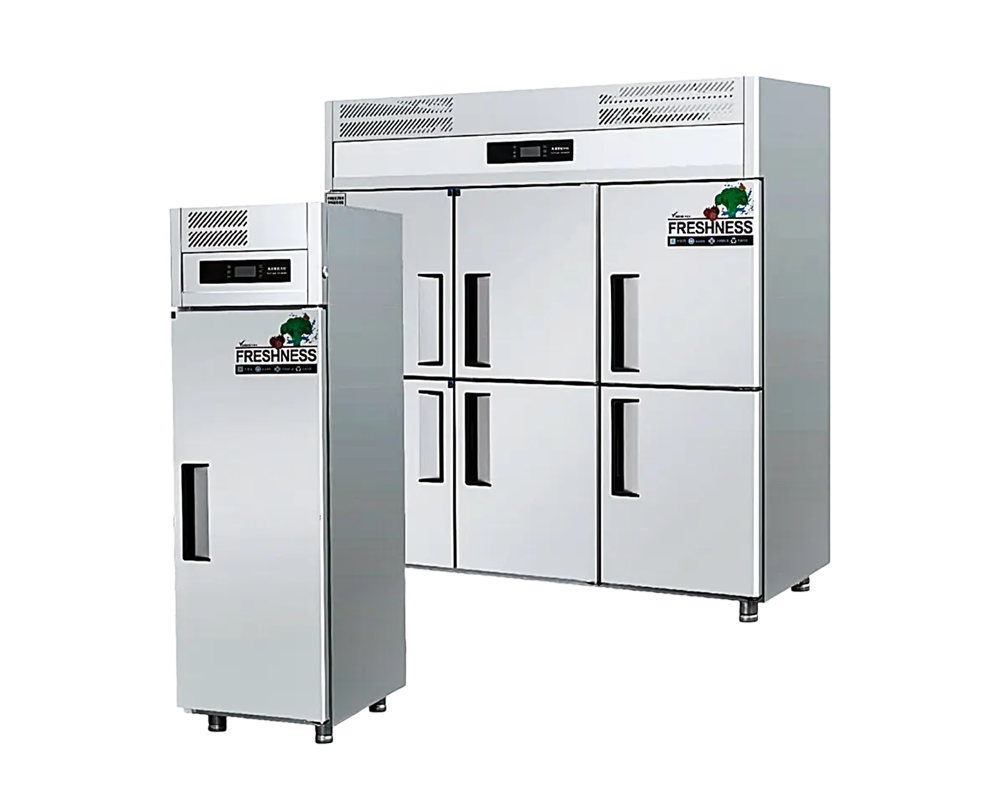 Commercial 201SUS Upright Air Cooling Reach-in Refrigerators
-
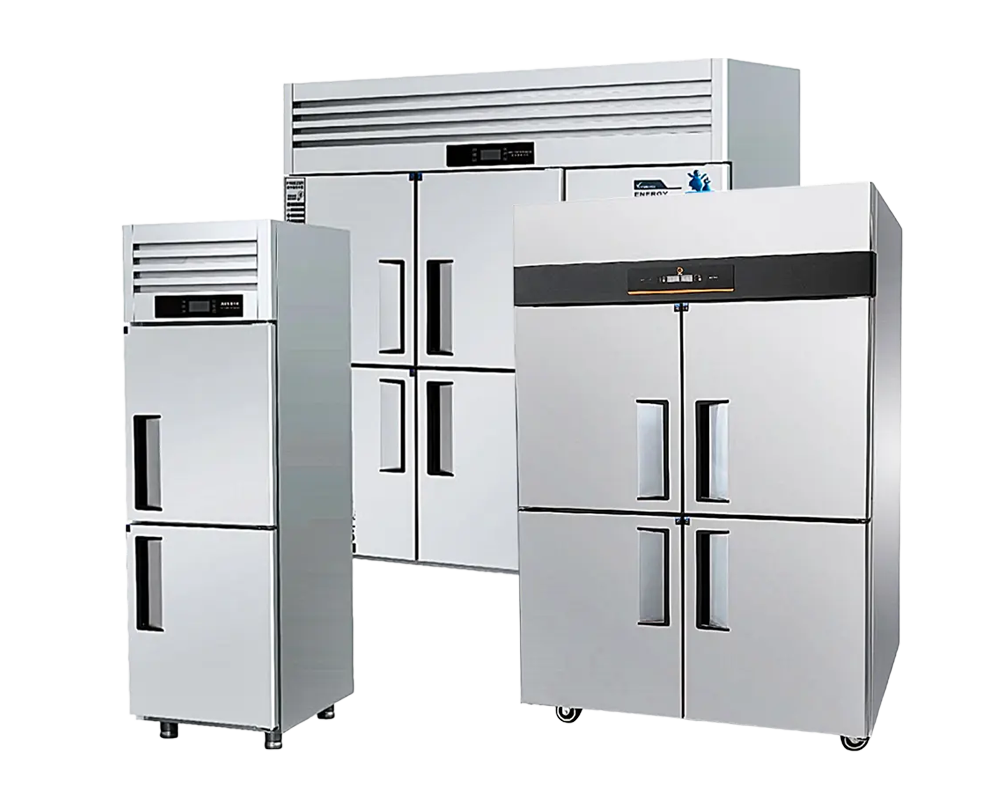 Commercial Direct-Cool Upright Reach-in Freezers
-
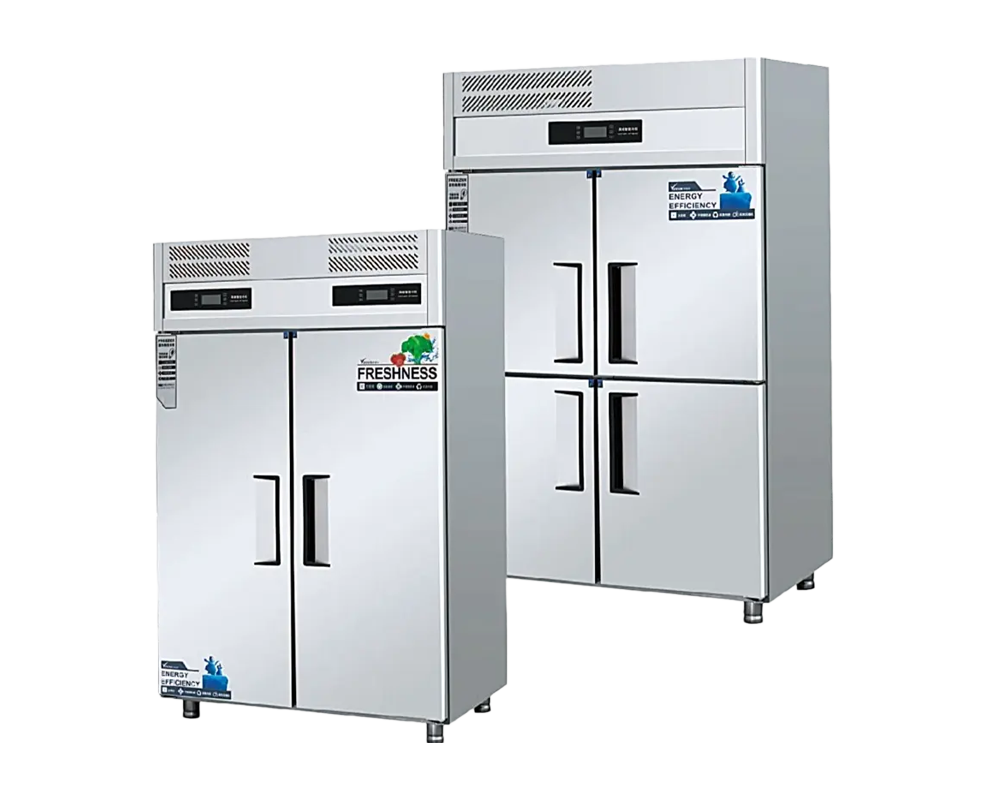 Commercial Stainless Steel Air Cooled Reach-in Vertical Freezers
-
 Dual Temperature Control Direct Cooling Commercial Upright Reach-in Refrigerators
-
 Commercial Vertical Air Cooled Intelligent Reach-in Freezer and Refrigerator
-
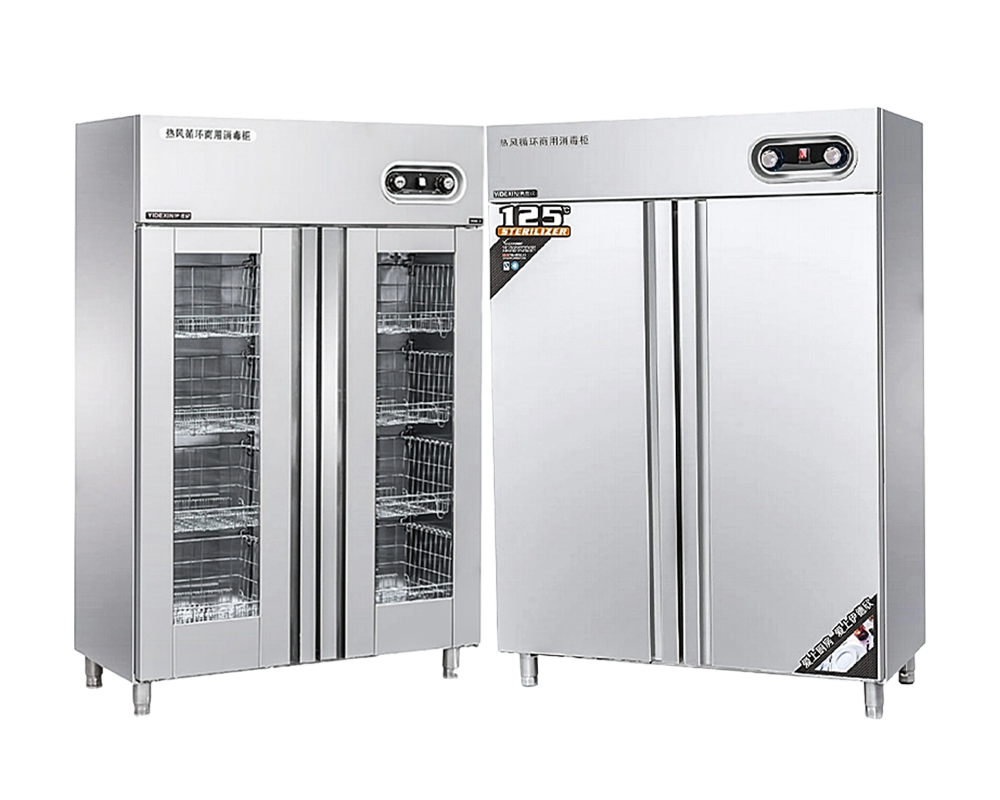 Stainless Steel/Glass Flat Door Sterilization Cabinet
-
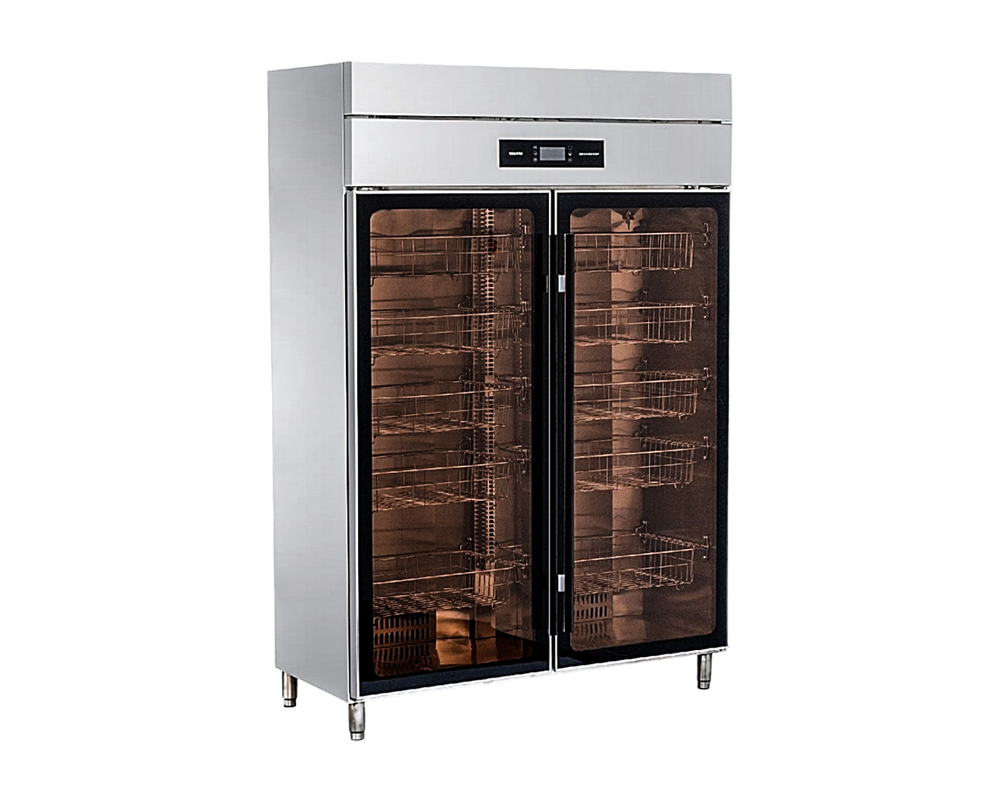 Multifunctional Three-mode High Temperature Glass Door Disinfection Cabinet
-
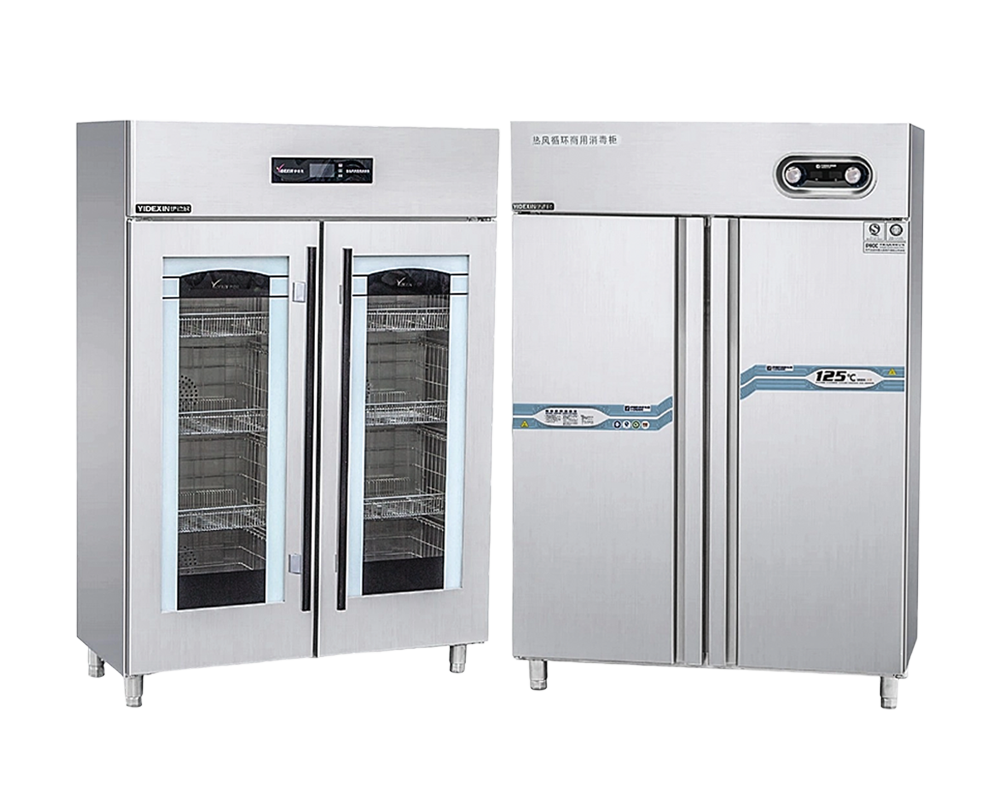 Commercial Restaurant Anti-Fingerprint Stainless Steel Disinfection Cabinet
-
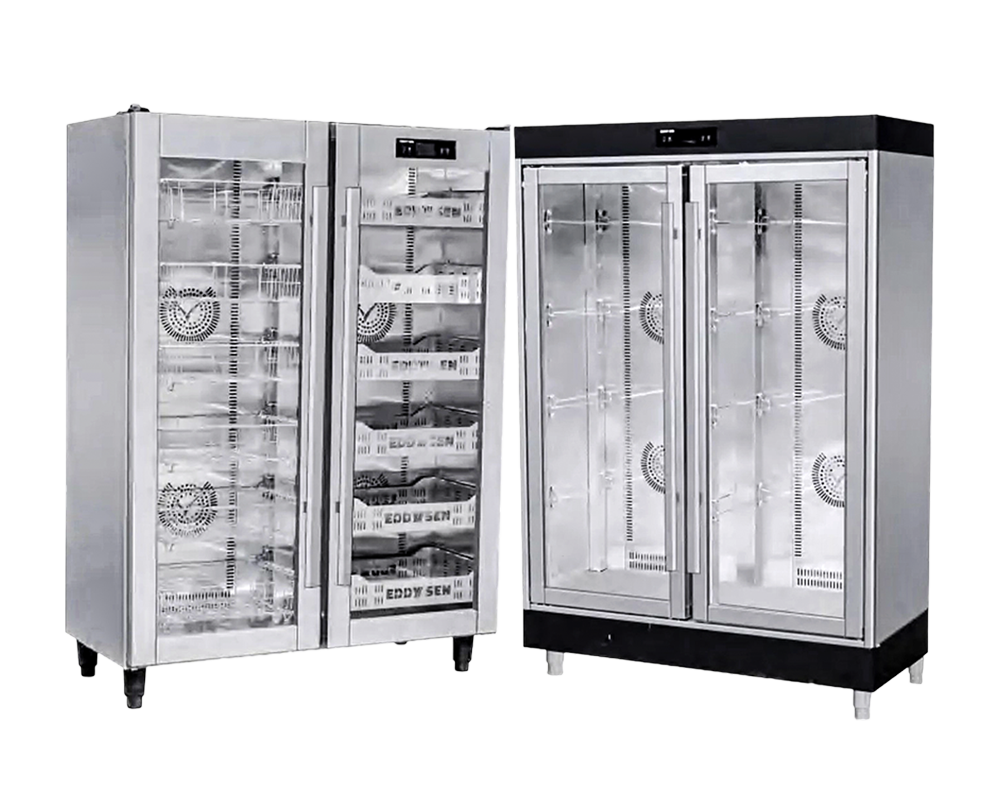 Intelligent Light Wave Stainless Steel UV Disinfection Cabinet
-
 [email protected] / [email protected]
-
 +86-15066977778 / +86-19012777577

-
 Reach-in Refrigerators
-
 Reach-in Freezers
-
 Dual Temperature Refrigerators
-
 Worktop Refrigerators
-
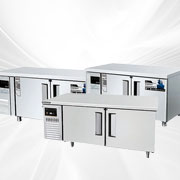 Worktop Freezers
-
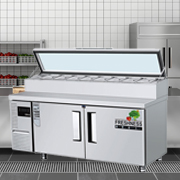 Salad Bar Refrigerators
-
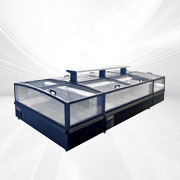 Combined Island Display Refrigerators
-
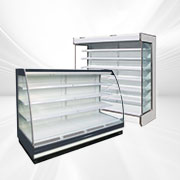 Air Curtain Refrigerators
-
 Fresh Cabinets
-
 Display Refrigerators(Glass Door)
-
 Electric Rice Steamer Cabinets
-
 Gas Rice Steamer Cabinets
-
 Vertical Banquet Cabinets
-
 Horizontal Banquet Cabinets
-
 Heated Disinfection Cabinets
Key Factors to Consider Before Buying a Commercial Fridge
Content
- 1 1. Application Type and Commercial Fridge Selection
- 2 2. Temperature Control and Refrigeration Performance
- 3 3. Capillary Tube or Expansion Valve, Which is Better?
- 4 4. Energy Efficiency in Commercial Refrigeration
- 5 5. Build Quality and Durability of a Commercial Refrigerator
- 6 6. Supplier Capability and Long-term Reliability
Choosing the wrong commercial fridge can increase energy costs, compromise food safety, and disrupt daily operations. You need a reliable commercial refrigerator that fits your business.
When buying a commercial fridge, you should focus on application type, temperature control, energy efficiency, build quality, and supplier reliability. These key factors help you select a commercial refrigerator that delivers stable performance, regulatory compliance, and long-term cost efficiency in commercial refrigeration environments.
Understanding these factors helps you make a smarter, more reliable investment for your business. Let’s look at the most important factors you should evaluate before choosing a commercial fridge.
1. Application Type and Commercial Fridge Selection
You should first clarify how the commercial fridge will be used in your operation. Different commercial refrigeration applications call for different solutions, as restaurants, supermarkets, hotels, and food processing facilities each have their own storage, access, and display requirements. Choosing the right refrigeration setup ensures better efficiency and proper product handling.
-
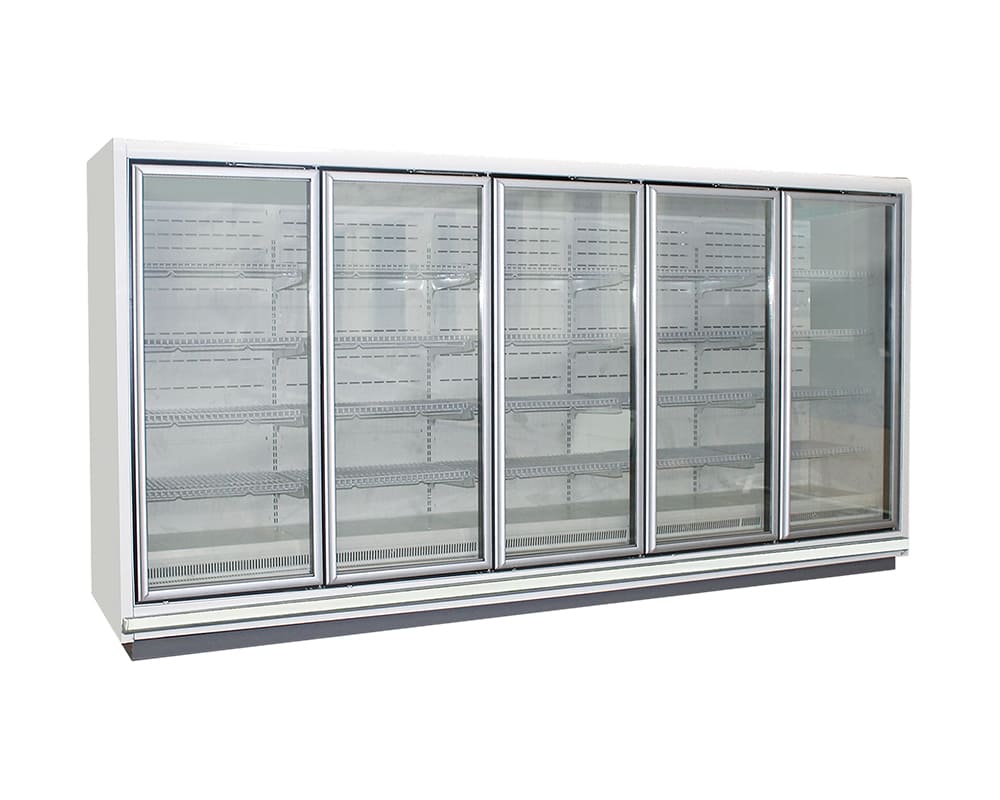
Front-of-House and Retail Display
For areas visible to customers, the priority is visual appeal and product accessibility. Glass-door merchandisers and open-air grab-and-go units are designed to maximize product visibility and drive impulse sales in supermarkets, cafes, and bakeries. These units often feature anti-fog glass and specialized LED lighting to enhance food presentation.
-
Kitchen Workflow and Preparation
In the back-of-house, refrigeration must integrate directly into the culinary workflow to boost efficiency. Undercounter fridges and chef bases allow cooks to access ingredients without leaving their station, while prep tables combine refrigerated storage with an active workspace. For fast-paced kitchens, selecting these application-specific units reduces movement time and streamlines the assembly line, ensuring that ingredients are kept fresh right at the point of use.

-
Bulk Storage and Heavy-Duty Usage
For inventory management, the application depends on volume and usage intensity. High-volume operations like hotels or food processing facilities require walk-in cold rooms or island freezers for bulk storage. Furthermore, kitchens with high ambient temperatures and frequent door openings need "Heavy Duty" upright cabinets. These are engineered with powerful compressors for rapid temperature recovery to ensure food safety compliance (HACCP), unlike standard storage units which are suited for less demanding, low-traffic storage areas.
2. Temperature Control and Refrigeration Performance
Temperature stability is one of the most important factors to consider when selecting a commercial refrigerator. You should choose a commercial fridge that offers accurate temperature control, even airflow distribution, and fast cooling recovery to handle frequent door openings. Consistent commercial refrigeration performance is essential for meeting food safety standards and protecting chilled or frozen products during continuous operation.
Refrigerant choice also plays a key role in overall performance and efficiency. Most modern 2-door and 3-door reach-in commercial fridges now use R290, which is known for its high energy efficiency and low environmental impact. While some brands still use R450A, R290 is generally preferred for better efficiency, regulatory compliance, and easier long-term servicing due to its wide industry adoption.
3. Capillary Tube or Expansion Valve, Which is Better?
This is an important technical detail you should not overlook. While capillary tubes are common in lower-cost models, you should prioritize commercial fridges equipped with a true bottom-mounted condenser and a thermostatic expansion valve (TXV). A TXV provides more precise refrigerant control, better temperature stability, and improved energy efficiency, especially under changing load conditions.
4. Energy Efficiency in Commercial Refrigeration
Energy consumption has a direct impact on long-term operating costs. You should look for an energy-efficient commercial fridge equipped with high-performance compressors, optimized refrigeration systems, and effective insulation. Features such as improved airflow design and precise temperature control help reduce unnecessary energy loss. An energy-saving commercial refrigerator not only lowers electricity bills but also delivers consistent cooling performance during continuous commercial operation.
5. Build Quality and Durability of a Commercial Refrigerator
Commercial refrigerators operate in demanding, high-use environments, making build quality a critical consideration. You should prioritize commercial fridges constructed with durable materials, reinforced cabinet structures, and high-quality components. Strong construction improves reliability, extends service life, and helps reduce maintenance and repair costs, ensuring consistent performance in busy commercial kitchens.
6. Supplier Capability and Long-term Reliability
Choosing the right commercial refrigeration supplier is just as important as selecting the equipment itself. You should work with manufacturers that offer stable production capacity, strict quality control, and reliable after-sales support. Suppliers with long-term industry experience, large-scale manufacturing facilities, and international certifications are better equipped to deliver consistent quality. Companies like Eddysen, with nearly two decades of commercial refrigeration manufacturing experience and strong OEM capabilities, are able to support customization needs while ensuring dependable long-term supply. Contact us today to start your refrigeration business and get a quote for commercial refrigerators.

-
 Add.
Add.
Sales Center:Room 410, Floor T3-4, Zhonghai Development Building, No. 888, Kejiguan Street, Binjiang District, Hangzhou, Zhejiang,China
Factory Address:100 Meters South Of Zhongmao Village, Xingfu Town, Boxing County, Binzhou City, Shandong Province, P.R.China
Sales Center:Room 410, Building 15, Tianan Headquarters Center, 555 North Panyu Avenue, Donghuan Street, Panyu District, Guangzhou City, china
-
 Tel.
+86-15066977778+86-19012777577
Tel.
+86-15066977778+86-19012777577 -
 Email.
Quick Links
Product Fast Links
Mobile Terminal
Copyright @Hangzhou Eddysen Catering Equipment Co., Ltd.All rights reserved. Commercial Freezer Manufacturer